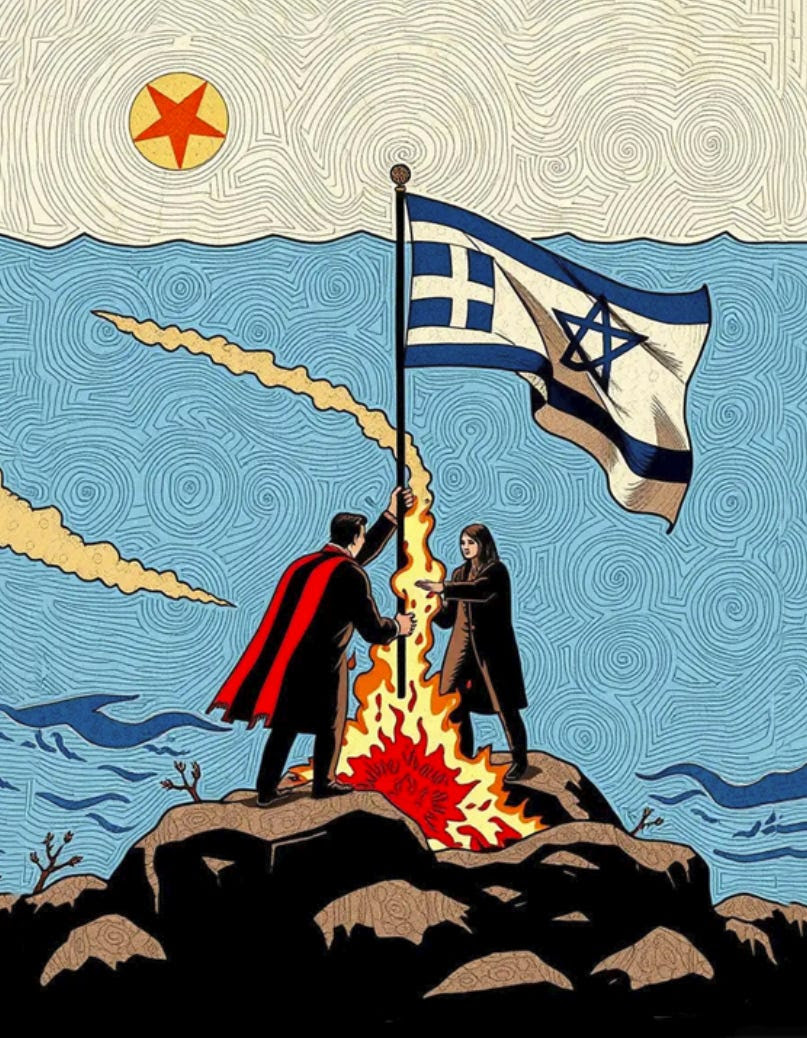
For years, discussions about Turkey’s democratic decline were largely confined to the language of human rights, constitutional law, and domestic politics. International observers viewed the erosion of democratic institutions as a troubling but primarily internal matter; a challenge for Turkish citizens to confront within their own political system.
That era is over and a darker chapter has begun.
Turkey’s democratic crisis has evolved into something much larger. It is now becoming a security crisis with implications far beyond our borders. What is unfolding in Turkey today should concern not only those who care about democracy, but also those who care about the long-term stability of Europe, NATO, the Black Sea region, the Eastern Mediterranean, and the Middle East.
The reason is simple: Turkey is too strategically important to become politically unstable.
Turkey is now facing a profound political and economic unraveling: President Recep Tayyip Erdogan’s government, having captured much of the state apparatus, is attempting to eliminate the last meaningful democratic alternative while society sinks deeper into economic hardship, social frustration, loss of trust in public institutions and distrust in the future.
Over the past year, Erdogan’s government has intensified an unprecedented campaign against the democratic opposition. This assault on democratic choice accelerated after the Republican People’s Party (CHP), the main opposition party, achieved a historic municipal victory in 2024, becoming Turkey’s leading political force for the first time in decades. As a result, the government increasingly turned to judicial intervention rather than political competition.
The most visible target has been Istanbul Mayor Ekrem Imamoglu, our presidential candidate and President Erdogan’s strongest challenger, arrested in March 2025 on absurd, politically motivated allegations and now facing a sentence measured not in years, but in millennia.
Turkey’s Republican People’s Party (CHP) ousted leader Özgür Özel stands atop of a bus as he delivers a speech during a rally, days after a court dismissed him from office in Izmir on May 26,2026. The protest came two days after police battered their way into the CHP’s headquarters in Ankara, firing tear gas and beating party members before throwing them out, Özel told AFP. (Photo by Murat Kocabas / AFP via Getty Images)
…
Since 2025, around 20CHP mayors and hundreds of municipal officials have been imprisoned without final convictions and all subjected to pre-trial detention. We have responded to this onslaught by mobilizing citizens in massive rallies across the country, bringing together millions of people far beyond our party lines.
Most recently, a court invoked the extraordinary doctrine of “absolute nullity” to void the CHP’s 2023 Congress, remove me as the party’s elected leader, and reinstall the previous leadership that had lost the congress and was discredited after 13 consecutive electoral defeats. Basically, aiming to place Turkey’s largest opposition party under judicial control—with the apparent cooperation of figures willing to accommodate Erdogan’s master plan for Turkey’s political order. Whatever this system is called—single-party regime or one-man rule—its governing logic is the same: eliminating any meaningful challenger as well as replacing the real opposition with a managed and compliant one.
Democracy is about preserving credible pathways through which citizens can peacefully change their government. When those pathways disappear, political frustration does not disappear with them. It builds beneath the surface until it erupts.
If Erdogan succeeds in dismantling meaningful opposition, for the first time in modern history, Turkey would face deep popular discontent, a severe legitimacy crisis, and no meaningful institutional mechanism through which citizens could peacefully demand political change.
This is not only a scenario of authoritarian consolidation. It is a scenario of profound instability.
History teaches a consistent lesson: political systems do not become stable when alternatives disappear; they become stable when citizens believe peaceful change remains possible. The Soviet Union, the Shah’s Iran, the Eastern Bloc, and much of the Arab world all appeared stable during the Cold War—until they suddenly did not. Systems are often most fragile precisely when they look most unchallengeable.
Turkey’s strategic importance makes this danger especially acute: as gatekeeper of the Black Sea, NATO’s second-largest military power, and a crossroads of Europe, Eurasia, the Middle East, and the Eastern Mediterranean, its role in migration, energy, and regional security means democratic collapse would not remain within its borders.
History also shows that governments facing domestic instability and declining legitimacy often externalize their crises. Foreign policy confrontation, militarized rhetoric, and geopolitical adventurism become substitutes for the democratic consent and economic success they can no longer provide. Under such conditions, foreign policy crises are framed as questions of national survival.
As the leader of Turkey’s main opposition party, I firmly believe our country can become one of Europe’s most valuable partners—and ultimately a full member of the European Union at a moment when Europe is building a new security architecture. But sustainable partnerships require democratic legitimacy.
A country cannot indefinitely serve as a pillar of regional stability while simultaneously dismantling the democratic foundations that sustain internal stability.
If current trends continue, Turkey risks becoming something unprecedented in NATO’s history: a strategically indispensable member that no longer functions as a democracy, while millions of its citizens grow increasingly dissatisfied with a political and economic order they have no peaceful democratic means to change. This would not merely be a domestic crisis. It would be a profound security challenge.
The democratic struggle we are waging will shape not only Turkey’s democratic future and the stability of one of the world’s most strategically important countries, but also the security of our region, Europe, and NATO. Democracy and stability cannot be separated for long. The outcome could establish a precedent with consequences far beyond our borders, encouraging either democratic renewal or further authoritarian consolidation across a region already under immense strain.
Özgür Özel: Turkey’s Democratic Crisis Is Becoming a Security Crisis | Opinion
Özgür Özel is the leader of the main opposition party in Turkey and a member of Parliament from Manisa province.
The views expressed in this article are the writer’s own.
In an escalation of its invasion of southern Lebanon, Israel heavily bombarded the historic Beaufort Castle.
This monument was built around the year 1139 by the Crusaders and is nearly a thousand years old. It is one of the finest examples of medieval military architecture in the Near East and is under special UNESCO protection (The National, 2026; UNESCO,2025).
Air and artillery strikes caused direct hits and columns of smoke visible over the heritage site. These bombardments worsened previous damage to the medieval monument (Associated Press, 2026).
The castle was directly struck before Israeli troops occupied it on May 31,2026, and raised flags over the ruins.
So far, the Israeli offensive has caused more than three thousand deaths in Lebanon. Israel has systematically killed doctors, paramedics, and journalists, repeating the pattern seen in Gaza. It has also destroyed entire villages through massive bombardments (The Guardian, 2026).
Beaufort is not only ancient stone, but an emblem of Lebanese identity facing systematic destruction. The invasion violates UNESCO-protected sites.
This destruction of archaeological heritage in southern Lebanon and in Gaza — a millennia-old city — recalls the actions of ISIS, which deliberately razed historic sites to erase collective memory (Washington Post, 2026).
References
The National. (2026, May . Lebanon’s Crusader-era Beaufort Castle is consumed by conflict again.
UNESCO. (2025). The castles of Mount Amel: Qalaat Al Chakif (Beaufort Castle).
Associated Press. (2026, May 31). Israeli army captures strategic castle in Lebanon in deepest incursion into the country in 26 years.
The Guardian. (2026, May 23). Israeli bombardment reduces buildings to craters in southern Lebanon.
Washington Post. (2026, May 30). Israeli strikes reportedly pound near Crusader-built castle in Lebanon.
The president of the Oxford Union, Arwa Elrayess, has decided to go ahead with the online event featuring Cenk Uygur and Hasan Piker on June 6, 2026.
Despite the entry ban imposed by the British government.
The Home Office revoked their electronic travel authorizations (ETA), claiming their presence was “not conducive to the public good.”
This decision is widely seen as an act of servility to pro-Israel pressure (Middle East Eye, 2026; The Guardian, 2026).
Uygur, from The Young Turks, and his nephew Piker (HasanAbi) are known for their progressive activism and their rejection of racism in all its forms.
There are no credible records of them inciting hatred against Jews.
On the contrary, both have consistently condemned antisemitism.
Their real “crime” has been harshly criticizing the policies of the State of Israel since October 2023.
Organizations such as Amnesty International and Human Rights Watch have documented what they describe as genocide in Gaza: massive destruction of civilian infrastructure, blocking of humanitarian aid, and tens of thousands of Palestinian civilians killed (Amnesty International, 2026; Human Rights Watch, 2026).
New York Times critic Jennifer Szalai has pointed out in similar analyses how these bans reflect an authoritarian closure of public debate, where legitimate criticism of a government is falsely equated with racial hatred (Szalai, 2026).
This cowardly measure by the United Kingdom exposes its subordination to foreign interests above the liberal principles it claims to defend.
The Oxford Union resists: ideas are fought with arguments, not with vetoes.
In times of moral crisis, censoring those who denounce atrocities only reveals weakness and fear of the truth.
References
Amnesty International. (2026, March 10). Israel’s genocide in Gaza inflicts compounded harms on women and girls.
Human Rights Watch. (2026). World Report 2026: Israel and Palestine.
Middle East Eye. (2026, June 2). Oxford Union president vows to platform Hasan Piker and Cenk Uygur in defiance of UK ban.
The Guardian. (2026, June 1). Free speech activists condemn UK entry ban for Hasan Piker and Cenk Uygur.
Szalai, J. (2026, April 22). An Israeli-born scholar of the Holocaust mourns for his country. The New York Times.
Former ICC Prosecutor Accuses Mossad of Intimidating Her at Her Home to Protect Israel
Former Chief Prosecutor of the International Criminal Court (ICC), Fatou Bensouda, has denounced an intense campaign of pressure and intimidation by Israel aimed at forcing her to close the investigation into alleged war crimes and crimes against humanity in Palestine (Middle East Eye, 2026).
Bensouda, who led the Office of the Prosecutor between 2012 and 2021, opened a preliminary examination in 2015 into violations committed in the West Bank, Gaza, and East Jerusalem, primarily attributed to Israeli forces and also to Palestinian armed groups (Al Jazeera, 2026).
Shortly after launching that inquiry, two men appeared directly at her home in The Hague and handed her an envelope containing $500, supposedly as a “thank you” gesture. Bensouda interpreted the act as a clear threat: “They came directly to my house. I understood the message they were sending,” she recalled (Middle East Eye, 2026).
She immediately reported the incident to the Dutch police and ICC security. The investigation revealed that the men’s phone numbers were linked to Israel and that the vehicle in which they arrived had been rented at the airport, confirming the connections to Israel (Middle East Eye, 2026).
Subsequently, then-Mossad chief Yossi Cohen met with her in Munich and New York to explicitly ask her to abandon the investigation. “What was clear is that he did not want the Palestine investigation to continue,” Bensouda stated (TRT World, 2026).
The former Gambian prosecutor felt abandoned by the ICC’s member states. “I felt alone. I felt unsupported,” she lamented despite having reported the threats (Al Jazeera, 2026).
These revelations have reignited the debate over political interference in international justice. Israel categorically denies the allegations.
References
Al Jazeera. (2026). Talk to Al Jazeera: Fatou Bensouda on Israeli threats against her and the ICC.
Middle East Eye. (2026). Former ICC prosecutor says Mossad chief pressured her to stop investigating Israel war crimes.
TRT World. (2026). Former ICC chief says Mossad pressured her to stop investigating Israel.
Retired Rear Admiral Dr. Cihat Yaycı: Greece Stole the Blue Homeland Too
As Retired Rear Admiral Dr. Cihat Yaycı pointed out, Greece’s never-ending cultural theft has reached a new dimension.
For years, those who have tried to appropriate the authentic Turkish cuisine and culture by calling cacık “caciki,” baklava “baklavas/baklavaki,” zeybek “zeybekiko,” and Turkish coffee “Greek coffee,” have now set their sights on the symbol of our rights in our seas.
With a new perception operation launched on Greek social media, they are attempting to steal this national term by saying “The Blue Homeland is Greek” and “The Real Blue Homeland.”
Moreover, this shamelessness goes so far as to claim that even Behçet’s disease, discovered by the first Turkish doctor Hulusi Behçet, was discovered by a Greek doctor.
Dr. Yaycı noted that it is no coincidence that the word “Greek” in English slang means “thief.”
Cihat Yaycı emphasizes that we must be vigilant against this mentality that attempts to create its own history without any historical evidence.
He also has a very clear warning for our citizens who consume our own values in Greece, mistaking them for “Greek food”: We must protect all our cultural and national values, from Maraş ice cream to Gaziantep baklava, from Turkish coffee to the Blue Homeland!
Cihat Yaycı concludes his speech with an English message: “There is no limit to the theft of the Greeks.
Washington does not lose wars, Washington achieves strategic objectives.
Washington successfully degrades enemy capabilities.
Washington transitions to a ceasefire framework, but Congress has receipts.
Just revealed something that no Pentagon press briefing would ever say out loud.
42 American military aircraft shot out of the sky.
By a country that Washington had already declared defeated.
Welcome to the story behind the story.
Before we count what America lost, let us count what America said it would achieve.
The Trump administration entered Operation Epic Fury with four publicly stated objectives.
Destroy Iran’s nuclear program completely.
Degraied Iran’s ballistic missile capability.
Cut-off Iran’s support for regional proxy groups.
Force Iran’s leadership to permanently renounce nuclear weapons.
Four objectives.
29 billion dollars.
Keep those four in your mind.
We will return to them.
On February 28th, 2026, the United States and Israel launched Operation Epic Fury.
Washington was triumphant.
Supreme Leader Kamine was dead.
Nuclear sites were hit.
The state of Hormuz Defense Secretary Pete Heggseth told Congress,”
We have achieved our strategic objectives.
Now fast-forward to May the Congressional Research Service.”
The non-partisan research arm of the United States Congress.
Quietly published a report.
No press conference.
No headlines on American prime time.
No ticker on CNN. A very uncomfortable document.
42 United States military aircraft lost or severely damaged.
In a war that America won.
Let us now do what Washington refused to do.
Aircraft by aircraft.
The F-35A, lightning the second.
The most expensive weapons program in human history.
At 1.7 trillion dollars.
Shot down or severely damaged over Iran on March 19th.
Cost of one aircraft between 80 and 110 million dollars.
Iran’s foreign minister, Iraq chi, Iran’s armed forces were the first in the world to shoot down an F-35.
Washington has not denied it.
Four F-15E strike-eagles, $100 million each, $400 million total.
Three destroyed by friendly fire over Kuwait.
America paid to shoot down its own jets.
The fourth destroyed in combat over Iran.
One eight-end thunderbolt the second, $20 million.
Destroyed inside Iran.
Seven KC–135 strattotankers.
The aircraft that keep combat jets flying.
$30 million each, $350 million total.
Five of them were not airborne.
They were parked on the tarmac at Prince Sultan Air Base in Saudi Arabia when Iranian missiles found them.
One E3-century A-wax, $270 million.
The flying command center.
The brain of the entire operation.
Destroyed on the ground in Saudi Arabia by an Iranian missile.
Two MC–130J commandow the second special operations aircraft.
$100 million each, $200 million total.
American commandows flew them into Iran on a rescue mission.
They got stuck in soft sand inside Iranian territory.
American forces blew up their own aircraft on Iranian soil because they could not fly them out.
One H-H-60W Jolly Green the second helicopter.
$40 million, damaged by small arms fire during the same rescue mission.
24 M-Q-9 Reaper drones between $30 and $56 million each, $720 million total.
And the M-Q-9 production line was already shut down in 2025.
America cannot replace them quickly.
Iran destroyed 24 of a product no longer being manufactured.
One M-Q-4C Triton surveillance drone.
$250 million, a quarter billion dollar aircraft.
Total hardware destroyed in 40 days.
Approximately $3.5 to $4 billion.
And that is just the aircraft.
The Pentagon told Congress the full cost of Operation Epic Fury is now $29 billion.
That number jumped 4 billion in just two weeks.
83 cents of every dollar spent.
$24 billion out of $29 billion.
Went toward fixing and replacing destroyed military hardware.
And the $29 billion does not include a single dollar of base repair costs.
Those assessments are still ongoing.
Congressional sources say the final bill could reach 200 billion oracles.
$200 billion for a 40-day war that America won.
And Iran was not just hitting aircraft.
Iran hit American military bases across seven countries simultaneously.
In the first two weeks alone, confirmed base damage reached $800 million.
The U. S. Navy Fifth Fleet headquarters in Bahrain was hit.
Repair cost for that one building $200 million.
In Qatar, Iran struck an early warning radar system valued at $1.1 billion.
$1 billion.
In Kuwait, a 50-year-old Iranian F5 jet penetrated the patriot air defense shield and bombed a U. S. compound, a half-century old aircraft.
Inside a base protected by the most advanced missile defense system in the world.
And none of this base damage is included in the $29 billion figure.
It’s still counting.
Democratic Senator Mark Kelly sat before Congress and used one word to describe America’s weapons inventory after this war.
His exact words, “I think it is fair to say it is shocking how deep we have gone into these magazines.
The American people are less safe, whether it is a conflict with China or somewhere else in the world.
We are talking about years to rebuild.
America spent $29 billion and weakened itself against every future enemy at the same time.
Now the scoreboard.
Destroy Iran’s nuclear program.
Iran still holds over 450 kilograms of 60 percent enriched uranium.
Enough for 9 to 11 nuclear weapons.
Fordale survived.
Buried under 80 meters of granite.
Iran’s Parliament voted to end all IAA cooperation after the ceasefire.
Iran is now less transparent than before the war.
Netanyahu himself admitted on CBS. There is still nuclear material.
There are still enrichment sites that have to be dismantled.
The man who launched the war admitted the war did not finish the job.
Iran’s ballistic missiles.
Iranian missiles were still hitting American warships in the straight of Hormuz in May 2026.
A full month into the ceasefire.
Cut off Iran’s proxy support.
Hezbollah operational.
Health is active.
My RGC network intact, force Iran to announce nuclear weapons.
No deal, no signed agreement, no verification framework.
Trump called Iran’s latest proposal a piece of garbage.
The nuclear talks are still ongoing.
The same talks that diplomacy could have produced before a single bomb was dropped.
Zero out of four objectives achieved.
Here is what the data tells us.
The United States launched Operation Epic Fury with the most advanced air force in the world.
It flew nearly 13,000 soughties.
It hit over 5,500 targets.
It killed the Supreme Leader of Iran.
And it lost 42 aircraft worth $4 billion.
It spent $29 billion.
Got its bases hit in seven countries.
Pleated its missiles for years, achieved zero out of four stated objectives, agreed to a ceasefire with a country it claimed to have defeated.
And then spent two months hiding the losses from its own Congress, American style.
The story behind the story is not about what Iran lost.
The story behind the story is about what Washington could not afford to lose next.
Because if the war had restarted with Iran’s flight patent data with its proven F-35 kill, with its confirmed drone hunting capability, with American munitions already at shocking levels, the next set of losses would not be 42 aircraft.
And someone in Washington did the math.
That is the story behind the story.
I am your host.
If you believe the world deserves the full picture, share this video right now.
Mehmed II “Sultan of the two lands, Emperor of the two seas, and Emperor of Rome”“Sultan of two lands, Emperor of two seas, and Emperor of Rome.”“Heir to the realm of Caesar”=>
Suleiman I Among the titles used by Suleiman the Magnificent in his letters to European rulers: “I, the Emperor of Rome…”
Bayezid II “Basileus Basileon” (“King of Kings”) “Megistos Basileus” (“The Greatest Emperor”)
According to the U.S. State Department’s documents, a group of powerful Jewish financial elites were planning the overthrown of the Russian Tsar, Nicholas II, in 1916.
April 6, 2020
Note: This article was sourced from The Noble Protagonist’s 1,100 page E-book, “The Battle to preserve Western Civilization (European Folk Soul vs. Jewish Supremacy). Free E-Book available at: https://archive.org/details/@nobleprotagonist
“As soon as the Jew is in possession of political power, he drops the last few veils which have hitherto helped to conceal his features. Out of the democratic Jew, the Jew of the People, arises the Jew of the Blood, the tyrant of the peoples. In the course of a few years he endeavors to exterminate all those who represent the national intelligence. And by thus depriving the peoples of their natural intellectual leaders he fits them for their fate as slaves under a lasting despotism.” -Hitler
“Russia furnishes the most terrible example of such a slavery. In that country the Jew killed or starved thirty millions of the people, in a bout of savage fanaticism, and partly by the employment of inhuman torture. And he did this so that a gang of Jewish literati (intellectuals) & financial bandits should dominate over a great people.” -Hitler
“The final consequence (Russian Revolution) is not merely that the people lose all their freedom under the domination of the Jews, but that in the end these parasites themselves disappear. The death of the victim is followed sooner or later by that of the vampire.” -Hitler
“The Jewish international struggle… always end in bloody Bolshevization… the destruction of the intellectual upper classes associated with the various peoples, so that he himself will be able to rise to mastery over the now leaderless humanity.” -Hitler
“This is the greatest crisis in which humanity has ever found itself, the greatest upheaval since the advent of Christianity. It may be unpleasant for democratic statesmen to concern themselves with Bolshevism, but it will not matter whether they will want to or not, they will have to deal with it.” -Hitler
THE JEWISH TAKEOVER OF RUSSIA
The world revolution which we will experience will be exclusively our affair and will rest in our hands. This revolution will tighten the Jewish domination over all other people.” -Peuple Juif, February 8. 1919.
“Communism is Judaism! The Jewish Revolution in Russia was in 1917.” -H.H. Beamish, British patriot and founder of the Britons
“Socialism, Communism, and Bolshevism, in reality, are only links in the plan of world-embracing Judaism, with its final purpose of forcing the entire world under Jewish domination.” -Ernst F. Elmhurst, author of The World Hoax
According to the U.S. State Department’s documents, a group of powerful Jewish financial elites were planning the overthrown of the Russian Tsar, Nicholas II, in 1916. These plotters included Jacob Schiff, Mortimer Schiff, Felix Warburg, Otto Kahn and Issac Zeelman. They decided that Russia should be destroyed and a communist dictatorial regime would be implemented, subservient to the dictates of International Jewry.
The fact that is never taught in school, or talked about in the media, is that Communism was a Jewish totalitarian ideology invented by Jews, funded by Jewish bankers, and economically managed & brutally enforced by Jewish Soviet Bolsheviks.
“Without big banks, Socialism would be impossible.” -Lenin
As a boy, the tsar, Nicholas II had witnessed the assassination of the Tsar Alexander II by the Jewish terrorist, Vera Figner, leader of a terrorist group called, “The People’s Will”.
Tensions between the Jews & Christian Russians erupted. Nicholas’ great tragic mistake was in failing to execute the Communists, before it was too late, after a failed 1905 revolution. Following the February Revolution in 1917, the Bolsheviks forced the Nicolas II to abdicate. The Jew, Alexander Kerensky was given $1,000,000 from the Jewish Wall Street banker, Jacob Schiff, to immediately free all political prisoners and lift the ban on political exiles, to permit them to return back to Russia.
“The Jews have undoubtedly to a large extent furnished the brains & energy in the revolution throughout Russia.” -George von Longerke (US Ambassador to Russia)
Jewish revolutionaries quickly flooded in to any and all public offices. Anarchy began, as criminals plundered houses and people were murdered & robbed. The Jew, Jacob Schiff, was chairman of the Kuhn Loeb bank and an assistant of the Rothschild banking family. He took care of the communications between the revolutionary movement in Russia and the Jewish Masonic Order, B’nai B’rith.
On March 27, 1917, the Jacob Schiff and Max Warburg (Jew) sent Lev Davidovich Bronstein (Jew), better known as “Trotsky” and his group of Jewish communists off to Russia, to lead a revolution with no less than 20 million dollars in gold. Today worth billions! Some 90,000 exiles, mostly Jews & Freemasons, returned from all over the world to infiltrate Russia. Most of them changed their Jewish names to blend into the European society better.
Although officially Jews have never made up more than five percent of Russia’s total population, they played a highly disproportionate & decisive role in the infant Bolshevik regime, effectively dominating the Soviet government during its early years after the 1917 Red October Revolution.
“Although Jews formed less than five percent of Russia’s population, they formed more than fifty percent of its revolutionaries.” -Chaim Bermant (Jewish writer)
With the notable exception of Lenin (Vladimir Ulyanov) who was a quarter Jew on his mother’s father’s side, most of the leading Communists who took control of Russia in 1917-1920 were Jews. Leon Trotsky (Lev Bronstein) headed the Red Army and was chief of Soviet foreign affairs. Yakov Sverdlov (Solomon) was both the Bolshevik party’s executive secretary & chairman of the Central Executive Committee, the head of the Soviet government. Grigori Zinoviev (Radomyslsky) was the head of the Communist International (Comintern), the central agency for spreading Marxist (Red) revolution in foreign countries.
Other prominent Jews included press commissar Karl Radek (Sobelsohn), foreign affairs commissar Maxim Litvinov (Wallach), Lev Kamenev (Rosenfeld) and Moisei Uritsky.
Of the 22 ministers in the first Soviet government, 17 were Jews. The few who were not themselves Jewish, often were Freemasons, had Jewish wives, and spoke Yiddish.
“The Bolsheviks revolution in Russia was the work of Jewish brains, of Jewish dissatisfaction, of Jewish planning, whose goal is to create a new order in the world.” -The American Hebrew, 1920
It is not known for sure if Stalin was Jewish, but at least he spoke Yiddish and had three Jewish wives. The Los Angeles B’nai B’rith Messenger credited Stalin as being a Jew. He may have been a Georgian Jew.
“The materialistic & mechanized state devoid from Nature was always Lenin’s dream.” -Willally (Renegade Tribune)
Vladmir Lenin was a dedicated “internationalist”. He viewed ethnic or cultural loyalties with contempt, and had little regard for his own White (Gentile) Russian countrymen. He once commented, “An intelligent Russian is almost always a Jew or someone with Jewish blood in his veins.”
“Some call it Communism, but I call it Judaism.” -Rabbi Stephen Samuel Wise
Well-informed observers, both inside and outside of Russia, took note at the time of the crucial Jewish role in Bolshevism. Winston Churchill, who would later ally with International Jewry, warned in a 1920 issue of London’s “Illustrated Sunday Herald” that “Bolshevism is a worldwide conspiracy for the overthrow of civilization and for the reconstitution of society on the basis of arrested development, of envious malevolence and impossible equality.”
Winston Churchill further noted, “There is no need to exaggerate the part played in the creation of Bolshevism and in the actual bringing about of the Russian Revolution by these international and for the most part atheistical Jews… In the Soviet institutions the predominance of Jews is even more astonishing. And the prominent, if not indeed the principal, part in the system of terrorism applied by the Extraordinary Commissions for Combating Counter-Revolution (Cheka) has been taken by Jews, and in some notable cases by Jewesses.”
“The Communists are against religion (Christianity), and they seek to destroy religion; yet, when we look deeper into the nature of Communism, we see that it is essentially nothing else than our religion (Judaism)… The communist soul is the soul of Judaism.” -Rabi Harry Waton
David R. Francis, United States ambassador in Russia, warned in a January 1918 dispatch to Washington, “The Bolshevik leaders here, most of whom are Jews and 90 percent of whom are returned exiles, care little for Russia or any other country but are internationalists and they are trying to start a worldwide social revolution.”
The Netherlands’ ambassador in Russia, Oudendyke, also warned, “Unless Bolshevism is nipped in the bud immediately, it is bound to spread in one form or another over Europe and the whole world as it is organized and worked by Jews who have no nationality, and whose one object is to destroy for their own ends the existing order of things.”
A leading American Jewish community paper in 1920, proudly declared, “The Bolshevik Revolution was largely the product of Jewish thinking, Jewish discontent, Jewish effort to reconstruct.”
“Zionism is a political program for the conquest of the world. Zionism destroyed Russia by violence as a warning to other nations.” -Henry H. Klein (anti-Zionist Jew)
After a lengthy stay in Russia, American-Jewish scholar, Frank Golder, reported in 1925 that “because so many of the Soviet leaders are Jews, anti-Semitism is gaining, particularly in the army, among the old and new intelligentsia who are being crowded for positions by the sons of Israel.”
The Jewish role in the communist revolution was mentioned in many major Jewish publications, such as the “Jewish Encyclopedia”, “Universal Jewish Encyclopedia” and “Encyclopedia Judaica”. In fact, they are boasting about the essential role of the Jews in the Russian Revolution.
“There is much in the fact of Bolshevism itself, in the fact that so many Jews are Bolsheviks. In the fact that the ideals of Bolshevism at many points are consonant with the finest ideals of Judaism.” -Jewish Chronicle
Alexander Solzhenitsyn was a Nobel prize-winning novelist, historian and victim of Jewish Bolshevism. He pleaded…
“You must understand. The leading Bolsheviks who took over Russia were not Russians. They hated Russians! They hated Christians! Driven by ethnic hatred they tortured & slaughtered millions of Russians without a shred of human remorse.”
“The October Revolution was not what you call in America the ‘Russian Revolution’. It was an invasion & conquest over the Russian people. More of my countrymen suffered horrific crimes at the blood-stained hands than any people, or nation ever suffered in the entirety of human history. It cannot be understated! Bolshevism was the greatest human slaughter of all time.”
“The fact that most of the world is ignorant of this reality is proof that the global media itself is in the hands of the perpetrators. We cannot state that all Jews are Bolsheviks, but without Jews there would have been no Bolshevism. For a Jew, nothing is more insulting than the truth. The blood-maddened Jewish terrorists murdered 66 million in Russia from 1918 to 1957.”
As an expression of the Bolsheviks radically anti-nationalist character, the Soviet government issued a decree a few months after taking power that made “anti-Semitism” a crime in Russia. The new Communist regime thus became the first in the world to severely punish all expressions of anti-Jewish sentiment. Thus, making reference to the Jewish takeover of Russia was a crime.
RED JEWS vs WHITE CHRISTIANS (WHITE GUARD)
A bloody civil war between the Red Jews, led by Trotsky, and the White (Gentile) Christians via the White Guard (White Movement) (White Guardsmen), led by Admiral Kolchak, broke out before the Jews could grab full power to set up their own Bolshevik totalitarian system.
The White Guard armies in this civil war received not a cent from the West. Not a shell (explosive projectile), and not a rifle reached any faction of the White forces from the West. The West was not anti-Bolshevik! Furthermore, the Western powers actively supported the Red forces during and after the Civil War.
Western powers backed the Red forces consistently from 1918-1921. They made sure that no aid would ever be given to Germany from Russia and that assets owned by Western powers would not fall into the hands of Germany.
U.S. Army General, William Graves, was a firm backer of the Red Bolshevik cause. In an excellent article on the subject, Kerry Bolton stated that Graves and many others actively sought to destroy the White Guard movement. He refused to deliver 14,000 rifles ordered and paid for by Admiral Kolchak. Another 15,000 rifles were blocked from the White Cossack forces by this same General. Most of all, Graves, in full communication with the economic (Jewish) elite in the U.S., had the Japanese stand down from their attacks on Red forces in the east.
In November of 1918, the Allies signed an agreement with the Reds for full support in exchange for financial concessions. While the Allies initially sought only Russia’s continual action in the war, their attention soon wandered. Once the Treaty of Brest-Litivosk was signed, the West permitted the Reds to re-organized old Russian debts, open Russia to world grain markets and hand over the more industrialized parts of Russia’s west.
Both President Woodrow Wilson and British statesman, Lloyd George, recognized Trotsky as the “legitimate” Russian government. Since the Reds were the only alternative to the “tsarist” Whites, they were recognized. George stated that a unified Russia would be the “greatest threat” to the British Empire.
General Denikin, of the Whites, stated in his memoirs, that “their sole source of supplies were those taken after Red defeats.” Red officers had regular salaries and a full staff, with the help of Western aid.
The mission of U.S. delegation-member to Russia, William Bullitt, led to an agreement with Lenin and a total rejection of the Whites. The memorandum asked for the lifting of all embargoes on the Soviet government and for its immediate recognition. Full free trade with the Soviets was also demanded, with the final and most important proviso that all debts to the West be paid.
Western newspapers, the Jewish-controlled media, spoke harshly of the Whites, equating them with landlords & “reactionaries”, which was Bolshevik propaganda.
Even with their shortages of ammunition & basic supplies, the White armies fought the Reds to a standstill and began routing them by the Spring of 1919. However, the West had made up its mind. General Kolchak had to go!
The West did everything in its power to ensure the Red Bolshevik takeover of Russia. It had its tentacles into the major Jewish banking houses in New York thanks to Trotsky.
The Red army was falling apart in 1918. General Pavlo Skoropadsky, of Cossack heritage, was creating a prosperous Ukrainian government in Kiev, and Russian general, Vladimir Kappel had the belief that he could maintain the White forces indefinitely. None of this assisted the Whites. The American financial community demanded a centralized, materialist and Jewish Russia, and this is what they received, at the cost of 66 million lives from 1918-1957.
The victors write history! The White army has been historically demonized & misrepresented. They were even the victims of Western & Bolshevik propaganda during the civil war. The common myth is that they were royalist (tsarists), and served the “landlord” class. Few “royalists” were part of the White forces and the “landlord” class was the peasants themselves, mostly ethnically-White Christians, who by the start of the war owned almost 95% of all Russian land.
CHEKA TERROR
The Jewish Cheka was a secret police force created through the NKVD on December 20, 1917, after a decree issued by Vladmir Lenin and was subsequently led by Felix Dzerzhinsky. An immensely disproportionate number of Jews, 80 percent, joined the Cheka.
They Cheka rounded up all those (Gentiles) who were under suspicion of not supporting the Jewish Bolshevik government. This included Civil or military servicemen suspected of working for Imperial Russia, families of officers-volunteer, all Christian clergy, workers & peasants and any other person whose private property was valued at over 10,000 rubles.
The Cheka practiced torture and their methods included being skinned alive, scalped, “crowned” with barbed wire, impaled, crucified, hanged, stoned to death, rolled around naked in internally nail-studded barrels, tied to planks and pushed slowly into tanks of boiling water, etc.
Women and children were also victims of Cheka terror. Women would sometimes be tortured and raped before being shot. Children between the ages of 8-13 were imprisoned & executed. Cheka was actively & openly utilizing kidnapping methods and were able to extinguish numerous people, especially among the rural population. Peasant villages were also bombarded to complete annihilation.
The Cheka are infamously known as the murderers of the Tsar family. Yakov M. Yurovksy, the leader of the Bolshevik squad that carried out the murder of the Tsar Nicholas II and his family, was Jewish, as was Sverdlov, the Soviet chief who co-signed Lenin’s execution order #22. For his part, Trotsky defended the massacre of the tsar’s family as a “useful and even necessary measure.”
Trotsky also commented, “The decision was not only expedient but necessary. The severity of this punishment showed everyone that we would continue to fight on mercilessly, stopping at nothing. The execution of the Tsar’s family was needed not only in order to frighten, horrify and instill a sense of hopelessness in the enemy (White Gentile Russians) but also to shake up our own ranks, to show that there was no turning back. That ahead lay either total victory or total doom.”
The Cheka is a direct predecessor of the Russian OGPU, formed in 1922, the NKVD, formed in 1932 and the KGB, formed in 1954. All were agencies of Jewish terror!
Lazar Kaganovich was the Jewish head of the KGB and was well known for his purges of those who opposed Jewish control. It is argued the Stalin, whose second wife was Kaganovich’s sister, was a mere figurehead. Some believe that the numerous Jews below Stalin, in all significant positions, ran the show.
As proof, some point out that many of the churches were burned to the ground, while the synagogues were left standing. Many priests were forced to sweep the streets and others were murdered. The Jewish Soviet leaders held rabbis in high esteem. And those people who dared to criticize Jewish Supremacy were mercilessly murdered, as “anti-Semitism” became a crime punishable by death in the Soviet Union.
Kaganovich ordered the deaths of millions and the total destruction of Christian monuments & churches. The most intelligent and the highest achieving segment of the population was totally wiped out, which left the population of ignorant workers, peasants, and a powerful Jewish ruling elite.
SOVIET CONCENTRATION CAMPS
The “Gulag”, was the Soviet system of forced labor (concentration) camps. They were first established in 1919 under the Cheka. Jews were the commandants of eleven out of twelve main Gulags.
The founders of the Gulag death camp system were the two Jews, Naftaly Frenkel & Levi Berman. These camps were under the direct control of the mass murdering Jew, Genrikh Yagoda.
Note: Genrikh Yagoda was the greatest Jewish murderer of the 20th Century, the GPU’s deputy commander, and the founder &commander of the NKVD. Yagoda diligently implemented Stalin’s collectivization orders and is responsible for the deaths of at least 10 million people. His Jewish deputies established & managed the Gulag system. After Stalin no longer viewed him favorably, Yagoda was demoted & executed, and was replaced as chief hangman in 1936 by Nikolai Yezhov.
There were at least 476 separate camps, some of them comprising hundreds, even thousands of camp units. The most infamous complexes were those at arctic or subarctic regions.
Millions of innocent people were incarcerated in the Soviet Gulags, serving sentences of five to twenty years of hard labor.
Prisoners in camps worked outdoors and in mines, in arid regions and the Arctic Circle, without adequate clothing, tools, shelter, food, or even clean water. They trudged through mud in sub-zero -20C temperatures, cut down trees with handsaws, dug at frozen ground with primitive pickaxes and heaved huge rocks with primitive of tools. Others mined coal or copper by hand, often suffering painful or fatal lung diseases from inhaling ore dust while on the job.
These prison labors in the camps worked up to 14 hours a day on massive projects, including the Moscow-Volga Canal, the White Sea-Baltic Canal, and the Kolyma Highway.
Starvation was not uncommon, as prisoners were barely fed enough to sustain such difficult labor. Other prisoners were simply dragged out to the woods and shot by guards for little or no reason.
Between 1929 and the year of Stalin’s death in 1953, 18 million men and women were transported to Soviet slave labor camps in Siberia and other outposts of the Red empire, many of them never to return. The prisoners suffered from starvation, illness, violence, and cold; an immense number of people died.
Although the Soviet prison camps were publicized as making important contributions to the Soviet economy, it is not surprising, given the desperately poor conditions, that prison labor did not make a substantial contribution to the economy. Without sufficient food, supplies and clothing, prisoners were weak, sick, and unable to work.
RED TERROR, COLLECTIVIZATION AND FAMINE
The Jewish Bolsheviks implemented a policy known as “collectivization”. By collectivization they could take away the peasants land in the name of the state, and by the use of Red Terror at the hands of the Cheka & Red Army. This is what Karl Marx himself described as the “essence of communism”, to abolish private property, which belongs to the Gentiles.
“He ordered the governor to confiscate all grain, all food from this area. By doing that he knew the he is condemning them to death.” -Nikolay Melnik, survivor of the 1923 famine
In early 1930, over 91% of the agricultural land was collectivized. The Communists were taking every good from the peasants. All weapons of the civilians were also confiscated by the state.
“The famine was awful. People were eating almost everything that could be swallowed. They ate straw from the roof.” -Yulia Khmelevskaya (Historian)
During the periods of 1921 to 1922, 1932 to 1933 and 1946 to 1947, the Bolshevik regime deliberately mechanized three series of genocidal man-made famines aimed at starving farmers in Ukraine, Belarus, Kazakhstan and Russia. Millions of people died a slow death and people resorted to eating grass and some even to cannibalism.
“You are Starving? This is not famine yet, when your woman start eating their children, then you may come and say we are starving.” -Leon Trotsky
HOLODOMOR
An example of a real “Holocaust”, not a Holohoax, which the Jewish-controlled media is silent on, is the Holodomor. The Encyclopedia Britannica estimates that around 8 million people, five million of them Ukrainian, were starved to death by the Stalin-Kaganovich famine alone and the three Holodomor genocides together resulted in a death toll of 16.5 million people.
“Destroying the peasant economy and driving the peasant from the country to the town, the famine creates a proletariat.” -Lenin
Russian historian, Aleksandr Solzhenitsyn, estimated that between 1917 to 1958, the Jewish Bolshevik regime managed to exterminate up to 60 million Europeans, including victims of the forced collectivization, the hunger, large purges expulsion, banishment, executions, and mass deaths at Gulags.
Industrial-scale murders like these are an essential part of communist theory.
“Three-quarters of mankind may die, if necessary, to ensure the other quarter for Communism.” -Lenin
Leon Trotsky, founder of the Red Army, admitted, “We must turn Russia into a desert, populated by White negroes upon whom we shall impose a tyranny such as the most terrible Eastern despots never dreamt of. The only difference is that this will be a left-wing tyranny, not a right-wing tyranny. It will be a Red (Jewish) tyranny, and not a White one. We mean the word “red” literally, because we shall shed such floods of blood as will make all the human losses suffered in the capitalist wars pale by comparison.”
“The biggest bankers across the ocean will work in the closest possible contact with us. If we win the revolution, we shall establish the power of Zionism upon the wreckage of the revolution’s funeral, and we shall become a power before which the whole world will sink to its knees. We shall know what real power is. By means of terror & bloodbaths, we shall reduce the Russian intelligentsia to a state of complete stupefaction & idiocy and to an animal existence.”
“We must not forget that some of the greatest mass murders of all time are Jewish.” -Genrikh Yagoda (NKVD)
The Jew, Grigori Zinoviev, head of the Communist International (Comintern), wrote in an article in the Krasnaya Gazeta, in 1918. He said, “We will make our hearts cruel, hard and immovable, so that no mercy will enter them, and so that they will not quiver at the sight of a sea of enemy blood. We will let loose the floodgates of that sea. Without mercy, without sparing, we will kill our enemies in scores of hundreds. Let them be thousands. Let them drown themselves in their own blood. Let there be floods of the blood of the bourgeois; more blood, as much as possible.”
STALIN, FRONT MAN FOR THE JEWS
Joseph “Uncle Joe” Stalin was once loved by the Jewish-controlled Western media and the West. Essentially, Stalin was the front man for the Jewish operation in Russia, known as Communism.
When Stalin marched into Finland, Latvia, Estonia, Lithuania and Poland, the West looked the other way. It was the same after the war when Stalin took over Eastern Europe.
Stalin’s purge trials, of his fellow comrades, was seen by the West as a legitimate response to an internal threat.
The West media shrugged with indifference toward seven to ten million dead in the Ukrainian man-made “famine”. It was the same with Stalin’s gulags that contained millions of victims in the 1930s.
Instead of improving working conditions, Stalin made things much more oppressive & backwards.
Stalin killed on behalf of the Jews and received a free pass for his crimes. He was the Czar of Red Russia, but his commissars were two-thirds Jewish.
Stalin enjoyed a sainted reputation until he turned against the Jews in the final years of his life. So long as he was appointing one Jew after another to high Soviet positions and blinking at their crimes, he was applauded.
Stalin today is now more useful as a whipping boy than as the favorite darling of the Jewish-controlled media. He can take the blame for the crimes of the Jewish commissars who have disappeared down the memory hole of history. Stalin can even be used to paint the Jews as victims of communism, rather than the originators of communism, because he liquidated a few of them late in life.
Note: In the Soviet Union, under Stalin and his Communist Jews, the “emptying of Christian churches” was accomplished by burning these churches down, thousands of them, and building Jewish synagogues instead.
Note: During Communism, all the money that the red state needed was recorded by the national bank as a credit to the state itself. The interesting thing is that these debts were later taken over by capitalist investors during the “peacefull” removal of communism, with enormous gains, almost like an investment. A huge win for International Jewry!
Warning: Communist Body Count- 149,469,610
People’s Republic of China, Body Count: 73,237,000; Union of Soviet Socialist Republics, Body Count: 58,627,000; Russian Soviet Federated Socialist Republic, Body Count: 3,284,000; Democratic People’s Republic of Korea, Body Count: 3,163,000; Cambodia, Body Count: 2,627,000; Democratic Republic of Afghanistan, Body Count: 1,750,000; Vietnam, Body Count: 1,670,000; People’s Democratic Republic of Ethiopia, Body Count: 1,343,610; Socialist Federal Republic of Yugoslavia, Body Count: 1,072,000; Chinese Soviet Republic, Body Count: 700,000; People’s Republic of Mozambique, Body Count: 700,000; Socialist Republic of Romania, Body Count: 435,000; People’s Republic of Bulgaria, Body Count: 222,000; People’s Republic of Angola, Body Count: 125,000; Mongolian People’s Republic, Body Count: 100,000; People’s Socialist Republic of Albania, Body Count: 100,000; Republic of Cuba, Body Count: 73,000; German Democratic Republic, Body Count: 70,000; Socialist Republic of Czechoslovakia, Body Count: 65,000; Lao People’s Democratic Republic, Body Count: 56,000; Hungarian People’s Republic, Body Count: 27,000; People’s Republic of Poland, Body Count: 22,000; People’s Democratic Republic of Yemen,Body Count: 1,000.
Note: In the end Communism created in record time the kind of state that the Jewish banker dreams; totally mechanized, centralized, free from contact with Nature. This was possible through the magic trick of merely replacing the international investor with a state bureaucracy, a trick which the elites had already employed during the absolutism of the 17th Century, the same time when investment companies took their modern form.
Warning: Don’t be fooled, the Iron Curtain may have fallen but Soviet Union 2.0 is right around the corner, aided & abetted by its Middle Eastern Bolshevik satellite, Israel.
Author: DJ Noble Protagonist (music producer) is a National Socialist & Norse Germanic Pagan of “Nordic” European ancestry, born in the U.S. He has a deep appreciation for ethnic cultures & folkways and has worked with indigenous medicine people (shamans), from many nations, on spiritual efforts to unite the Eagle & Condor (North & South). DJ Noble Protagonist is deeply embedded within the global Hip-Hop community and considers it his duty to fight White Genocide and act as a “Whistleblower” to educate the youth on historical truths that are intentionally being withheld from cross-cultural discourse.
As Georgia prepares to celebrate its Independence Day on May 26th, the occasion must serve not only as a national commemoration, but also as a moment of strategic reflection for its allies and partners particularly the United States and the Republic of Türkiye. At a time when nearly 20 percent of Georgia’s internationally recognized territory remains under Russian occupation in Abkhazia and South Ossetia, silence and disengagement are not options. The world has already witnessed in Ukraine the devastating consequences of failing to push back firmly against Russian aggression before it escalates further.
Georgia has spent decades pursuing democratic reform, Euro-Atlantic integration, and closer cooperation with the West. American assistance played a central role in strengthening Georgia’s democratic institutions, military readiness, education system, healthcare sector, and civil society. Yet recent policy shifts from Washington risk undermining those hard-earned gains. The suspension of over $95 million in U.S. government assistance in 2024, followed by the deeper USAID cuts and restructuring in 2025–2026, has sent troubling signals throughout the region.
The sweeping dismantling of USAID programs under the Trump administration effectively halted much of the soft-power infrastructure that supported Georgia’s network of civil society organizations, educators, reform advocates, and democratic institutions. Regardless of political disagreements, abandoning Georgia at a moment of geopolitical vulnerability risks creating a dangerous vacuum that Moscow would eagarly exploit.
The Georgian people have repeatedly demonstrated their desire for a democratic and European future. Punitive disengagement from Washington weakens not only Georgia, but broader Western credibility throughout the Black Sea and Caucasus regions. Support for Georgia is not charity it is a strategic necessity tied directly to regional security, energy transit, NATO stability, and the containment of Russian expansionism. The Republic of Türkiye must also recognize the seriousness of this moment. As a NATO ally and regional super power with deep historical, economic, people to people and strategic ties to Georgia, Türkiye cannot afford passivity. Georgia remeins essential to critical energy and trade corridors, including the Baku–Tbilisi–Ceyhan pipeline and the Southern Gas Corridor, which strengthen both European energy security and Türkiye’s role as a regional energy hub. Stability in Georgia directly impacts Artvin, my dads home State of Rize, and Trabzon, and Türkiye’s broader strategic interests in the Caucasus and Central Asia.
If the democratic world fails to stand firmly beside Georgia today, the consequences tomorrow may mirror what the international community failed to prevent in Ukraine. The cost of hesitation is always far greater than the cost of principled engagement.
May 26th must therefore stand as a reminder that Georgia is not alone. The United States and Türkiye must reaffirm their commitment to Georgia’s sovereignty, democracy, and territorial integrity. To stand idle now would not only abandon a loyal partner it would embolden Russian ambitions across the region and weaken the foundations of democratic security itself.
Digital currencies, especially crypto assets, are instruments that push the boundaries of modern finance and redefine the concepts of sovereignty and trust. The decentralized, distributed ledger technology (DLT) architecture of blockchain theoretically promises a value transfer that is resistant to state intervention, censorship, and geographical borders, operating as an apolitical medium. However, this structure frequently masks the vulnerabilities in the physical and digital layers upon which its very existence deeply depends. In extreme scenarios such as atomic disasters or space based satellite warfare, which are no longer merely theoretical the question of the preservation of digital currencies transcends a simple data security problem and transforms into a philosophical crisis that questions the nature of abstract value in the face of the collapse of civilization’s technological backbone.
Technological Perspective: The Revenge of the Physical Layer
The security of blockchain rests on cryptographic verification and distributed consensus mechanisms. Yet, this digital superstructure owes its existence to three fundamental physical layers: energy infrastructure, telecommunication networks (particularly fiber optic cables and satellite constellations), and data storage/server units.
One of the first targets in space based conflicts will be the Global Positioning System (GPS) and low Earth orbit (LEO) satellite networks such as Starlink. The accuracy of timestamps and network synchronization, which are vital for cryptocurrency transactions, depend with absolute precision on GPS signals. The crippling of a satellite network by kinetic or non kinetic (laser, high power microwave) weapons not only severs internet access; by disrupting the temporal ordering of blocks, it can lead to chain forks, double spending attacks, and the collapse of the consensus mechanism (especially in Proof of Stake).
The High Altitude Electromagnetic Pulse (HEMP) generated by nuclear explosions magnifies this threat exponentially. A HEMP has the capacity to permanently destroy continental scale electrical grids and all unprotected semiconductor circuits. In this scenario, the distributed nature of the blockchain ceases to be an advantage; the simultaneous physical destruction of all nodes in a geographical region does not merely mean the erasure of the chain’s record in that area (even though copies theoretically exist on other continents). The real danger is global network fragmentation. When the backbone of the Internet collapses, surviving isolated node groups can continue to process transactions internally, but when connectivity is restored, deciding which of these isolated chains will be accepted as the “valid” one will lead to an unsolvable consensus crisis and immense value destruction. Cold wallets and offline backups rely on the assumption that a functioning computer can be found after a nuclear EMP a scenario highly unlikely in a technological dark age that would last for years in affected regions.
Economic and Psychological Risks: The Hyper Insecurity Cycle
In an extreme crisis, the value of digital assets becomes subject not to their underlying technology but to instantaneous fluctuations in psychological trust. The simultaneous halt of exchange operations (CEXs) alongside infrastructure collapse means the sudden evaporation of liquidity. This creates a “digital asset run” far more lethal than a classic bank run.
The psychological dynamic here is more complex than simple panic. Holders of digital assets confront the heavy burden of the “be your own bank” philosophy. Since the system has no central authority, there is no mechanism to appeal to, no fund to provide compensation, and no institution to hold accountable. This state of ontological insecurity can push users to two extremes: on one hand, those desperately and insecurely trying to get online to salvage their assets; on the other, those who experience a profound existential shock upon realizing that their digital assets have become meaningless in the face of physical destruction. The fear of missing out (FOMO) is replaced by the immediacy and certainty of absolute loss (Fear of Certain Loss). This situation demonstrates how money, as the digital manifestation of the social contract, can revert to nothingness when the underlying social consensus vanishes.
Social, Cultural, and Legal Perspectives: Fragmented Sovereignty
An atomic conflict destroys the physical infrastructure of the Westphalian sovereignty system while simultaneously exposing how fragile the “stateless” sovereignty promised by cryptocurrencies truly is. Culturally, Bitcoin and similar assets are powerful symbols of freedom and technological progress. However, when these symbols become physically inaccessible due to an electromagnetic pulse and their value approaches zero at the same time, a cultural trauma ensues.
At this point, a legal vacuum emerges. International law is almost entirely silent on the protection of digital private property in a state of war. Since “your cryptocurrency” is nothing more than a private key, there is no authority from which to claim compensation or rights if that key is directly targeted or destroyed as collateral damage in an armed conflict. As social structures destabilize, the real value for surviving communities becomes not the numbers in a digital wallet, but immediate physical resources such as canned food, clean water, and medicine. This lays bare the truth that money is a social consensus in its most naked form: when there is no society left to provide consensus, money itself ceases to exist.
Ethical and Philosophical Perspectives: The Tragedy of the Trust Machine
Blockchain was designed at its core as a “trust machine”; it takes trust away from humans and institutions and delegates it to code and mathematics. Atomic and space based conflicts reveal the tragic limits of this abstraction. The code may be perfect, but the silicon, fiber optic cables, and power lines upon which the code runs are not; on the contrary, they are extremely fragile.
Philosophically, this situation is a reflection of the mind body dualism that has persisted since Descartes, now projected onto the digital economy. Digital currency, as pure information (mind), can exist everywhere in the world, but it cannot manifest without a physical infrastructure (body). When the body dies, the existence of the mind becomes meaningless. Ethical responsibility enters at this point: those who build and use these systems bear the irresponsibility of ignoring the system’s absolute dependence on physical reality. True resilience lies not only in cryptographic security, but also in socio technical planning for how to rebuild infrastructure locally and redundantly. In the event of a catastrophe, what must be protected may not be individual wealth, but rather the community based communication and energy micro grids that will make transactions possible again.
Conclusion: The Trial of Abstract Value Against Physical Reality
Digital currencies offer robust protection against peacetime threats through cold wallets, multi signature systems, and geographically distributed backup strategies. However, a planetary scale electromagnetic pulse or the collapse of satellite communication reduces the preservability of these assets from a mere technical malfunction to the question of whether they hold any meaning at all alongside civilization’s technological backbone.
The risk cannot be entirely eliminated, but it can be managed with a layered and holistic approach. This approach relies not only on encrypting data, but also on resilient energy sources (for instance, full nodes stored in EMP shielded Faraday cages ready for operation), alternative communication protocols (such as block transmission over shortwave radio), and most importantly, the existence of trained communities who know how to manage these assets during a crisis.
In conclusion, digital currencies promise humanity an unprecedented financial autonomy. Yet this autonomy ultimately remains a slave to the physical infrastructure of the civilization humanity has built. In an extreme disaster scenario, what is truly tested is not the strength of cryptography, but the resilience of the human capacity to construct meaning, value, and community. The protection of digital assets, in this larger picture, cannot be considered separately from the responsibility of keeping the planet habitable and maintaining the fundamental communication networks of civilization.
References
Friedman, M., & Schwartz, A. J. (1963). A Monetary History of the United States, 1867 1960. Princeton University Press.
Winner, L. (1980). Do Artifacts Have Politics? Daedalus, 109(1), 121 136.
Beck, U. (1992). Risk Society: Towards a New Modernity (M. Ritter, Trans.). Sage Publications.
Foster, J. S., Gjelde, E., Graham, W. R., Hermann, R. J., Kluepfel, H. M., Lawson, R. L., … Woodard, J. B. (2004). Report of the Commission to Assess the Threat to the United States from Electromagnetic Pulse (EMP) Attack: Volume 1: Executive Report. National Research Council.
Giddens, A. (1990). The Consequences of Modernity. Stanford University Press.
Nakamoto, S. (2008). Bitcoin: A Peer to Peer Electronic Cash System. https://bitcoin.org/bitcoin.pdf
Graeber, D. (2011). Debt: The First 5,000 Years. Melville House.
Decker, C., & Wattenhofer, R. (2013). Information propagation in the Bitcoin network. 13th IEEE International Conference on Peer to Peer Computing (P2P), 1 10.
Maurer, B., Nelms, T. C., & Swartz, L. (2013). “When perhaps the real problem is money itself!”: The practical materiality of Bitcoin. Social Semiotics, 23(2), 261 277.
Schmitt, M. N. (Ed.). (2017). Tallinn Manual 2.0 on the International Law Applicable to Cyber Operations. Cambridge University Press.
Johnson Freese, J. (2017). Space Warfare in the 21st Century: Arming the Heavens. Routledge.
Apostolaki, M., Zohar, A., & Vanbever, L. (2017). Hijacking Bitcoin: Routing attacks on cryptocurrencies. 2017 IEEE Symposium on Security and Privacy (SP), 375 392.
Whitty, M. T. (2019). The psychology of online financial decisions: The role of impulsivity, self control, and cognitive biases. Computers in Human Behavior, 99, 214 224.
Krombholz, K., Judmayer, A., Gusenbauer, M., & Weippl, E. (2020). The other side of the coin: User experiences with Bitcoin security and privacy. Proceedings of the 2020 CHI Conference on Human Factors in Computing Systems, 1 13.
Kahneman, D. (2011). Thinking, Fast and Slow. Farrar, Straus and Giroux. (Due to its influence, this work has been placed here in chronological order; the first edition was published in 2011.)
Sefa Yürükel
Danish ethnographer and social anthropologist (MA) Aarhus University, 1997 Independent Researcher Fields of Research: International Politics, Public International Law, Geopolitics, Socio
The revocation of Istanbul Bilgi University’s operating license by a Presidential decree published in the Official Gazette on May 22, 2026, constitutes one of the darkest thresholds in the despotic campaign waged by political power in Turkey against universities, scientific autonomy, and academic freedom. This decision did not merely terminate the legal existence of an educational institution; it ruthlessly destroyed a quarter-century of intellectual accumulation, the labor of over a thousand academics and tens of thousands of students, international scientific networks, and Turkey’s already fragile foundation of scientific autonomy. This measure, enacted by the political power while hiding behind the shield of “legal process,” is the most concrete declaration of a systematic hostility towards the institution of the university and an intolerance of science and free thought.
The Historical-Theoretical Foundations of University Autonomy and Academic Freedom
Since its inception, the university has been shaped around two indispensable principles: scientific autonomy and academic freedom. As early as 1978, Anıl Çeçen emphasized that university autonomy means “the university being governed by its own organs, and the limitation of state intervention,” and that it is a prerequisite for scientific production (Çeçen, 1978). The landmark 1992 decision of the Constitutional Court ruled that universities are “public legal entities possessing autonomy” and that the state’s supervisory power cannot turn into an intervention that eliminates this autonomy (Constitutional Court, E. 1991/21, K. 1992/42). Yet in Turkey, this principle has been systematically dismantled step by step by the ruling power over the last two decades.
Tokay Gedikoğlu’s comprehensive examination reveals the structural obstacles to academic freedom in Turkey and the stifling effect of the centralist character of the Council of Higher Education (YÖK) on scientific production (Gedikoğlu, 2009). Bülent Bingöl, meanwhile, has determined that post-1980 legal regulations, particularly the Higher Education Law No. 2547, gradually transformed universities into extensions of the state bureaucracy, making them vulnerable to political intervention (Bingöl, 2012). This structural weakness prepared the legal ground that allows a President to close a university with a single signature today. Saniye Gül Dedeoğlu, after recalling the universal standards of academic freedom, systematically analyzed the mechanisms through which scientists are suppressed in Turkey, emphasizing that without freedom, universities are reduced to vocational schools, losing their function of research and critical thought (Dedeoğlu, 2014).
The Roots of Systematic Despotism Against Universities in Turkey
The closure of Bilgi University is not an isolated incident but the final act of a systematic despotism with much deeper roots. The mass academic dismissals during the State of Emergency (OHAL) declared after 2016 constituted the first major wave of this despotism. İlknur Özlem Taştan’s study documents, in all its nakedness, how universities were turned into an apparatus of purge during the OHAL period and how academic freedoms were trampled (Taştan, 2021). During this period, thousands of academics were dismissed on grounds with no legal basis, plunging universities into a climate of fear.
The judicial and administrative pressures faced by academics who signed the “Peace Petition” have demonstrated the ruling power’s intolerance of critical thought in the clearest way. The comprehensive legal analysis by Rıdvan Ergün and Berke Özenç reveals how concepts like freedom of expression, academic freedom, and “loyalty to the state” were distorted in this process, and how even the Constitutional Court proved inadequate in protecting academic freedoms (Ergün and Özenç, 2019). While another Constitutional Court decision in 2023 confirmed the constitutional guarantees of academic freedom in principle, it proved a serious lack of will in implementing these guarantees in practice (Constitutional Court, E. 2018/117, K. 2023/212). The ruling power used this vacuum to further deepen its despotic control over universities.
Hostility to Science Waged Through Trustees: The Process of Closing Bilgi University
The paving stones on the path to the closure of Istanbul Bilgi University began to be laid in September 2025 with the appointment of a trustee to the university under the pretext of an investigation into Can Holding. However, one of the most fundamental requirements of the rule of law, the principle of “individuality of responsibility,” clearly dictates that allegations against holding executives cannot be used to punish an entire university. As Burcu Kükner emphasizes in her discussion of “academic freedom as a right,” academic freedom is both an individual right and an institutional guarantee; an intervention against a university violates the rights not only of the individuals in that institution but of the entire scientific community (Kükner, 2019). Indeed, the unjustified dismissal of research assistants, arbitrary administrative appointments, and interventions in academic programs during the trustee process have been recorded as concrete examples of this mass rights violation. The closure decision on May 22, 2026, is the extreme endpoint of this chain of violations.
This process is the product of a “management strategy” that summarizes the ruling power’s view of science and autonomy. As Ahmet Sinan Bilgili shows in his conceptual analysis, scientific autonomy and academic freedom are two complementary principles; any attack on one directly wounds the other (Bilgili, 2022). What has been experienced in Turkey over the last twenty years consists precisely of this dual erosion process. Fatma Buğday has analyzed the historical and structural roots of this erosion in two separate studies. In her first study, Buğday (2023) addresses the course of the weakening of university autonomy in Turkey; in the second, she places the crisis of the university idea in a theoretical framework by associating it with neoliberal transformation, arguing that as universities are managed like market actors, their spheres of autonomy shrink, and academic freedom remains merely nominal (Buğday, 2026). Esra Eren supports this analysis by examining how the Bologna Process was turned into a tool of bureaucratic control in Turkey and how universities were homogenized (Eren, 2023).
Brain Drain: The Scientific Cost of Despotism
The heaviest bill for the ruling power’s hostility to science and autonomy has been the loss of the country’s trained human capital. In her study titled “Brain Drain or Brain Power?”, Füsun Tanrısevdi has demonstrated that the academic mobility from Turkey to abroad has reached dramatic dimensions, with the leading push factors being the restriction of academic freedom, non-meritocratic appointments, and political pressures (Tanrısevdi, 2019). Filiz Tufan Emini and Hatice Gürsoy, examining five-year development plans, also determined that Turkey is inadequate in addressing brain drain as a structural problem and that the outflow has gained a permanent character (Tufan Emini and Gürsoy, 2021).
The comprehensive diaspora report prepared by Ufuk Akçiğit for the Turkish Academy of Sciences, revealing the quantitative and qualitative dimensions of brain drain with striking data, has called for an urgent policy change (Akçiğit, 2024). Yet a despotic mindset that sees closing a university with a Presidential signature as a “solution” is, on the contrary, the primary actor exacerbating brain drain. The closure of Bilgi University will deepen this structural problem further, making Turkey an unlivable country for scientists.
The Collapse of International Academic Reputation and the Proliferation of a Culture of Fear
The international repercussions of the closure decision have also been devastating for Turkey’s scientific reputation. The 2025 report jointly published by the European University Association (EUA) and Scholars at Risk counts Turkey among the countries where academic freedom violations are most intense (EUA, 2025). Two independent reports published by Scholars at Risk in the same year depict the oppressive environment in Turkey using “dark” terms (Scholars at Risk, October 2025; Scholars at Risk, November 2025).
Current assessments within the country also confirm this picture. The academic freedom reports published by the Science Academy in 2023 and 2025 reveal with data that political pressure on universities is intensifying, that scientists are forced to self-censor, and that institutional autonomy has effectively disappeared (Science Academy, 2023; Science Academy, 2025). The 2026 mid-term report of the Education and Science Workers’ Union (Eğitim Sen) emphasizes that more than 251 cases of rights violations reflected in the press were identified in 2025 alone, and that universities have turned from “havens of science” into “empires of fear” (Eğitim Sen, 2026). The report of the University and Academics Association (ÜNİVDER) for the same period documents the prevalence of arbitrary dismissals, mobbing, investigation threats, and precarious working conditions (ÜNİVDER, 2026).
This climate of fear also deeply affects students. Olga Selin Hünler’s recent research shows how the absence of academic freedom and self-censorship destroys students’ critical thinking skills, democratic participation habits, and intellectual identities (Hünler, 2025). As underlined in the interview with Yeşim M. Atamer, students are being raised with learned helplessness and a culture of fear, which poses a serious threat to the future of democracy (Atamer, 2024). The principles document prepared based on the Boğaziçi University experience, in fact, demonstrates how universal norms of autonomy and freedom, applicable to all Turkish universities, are being disregarded (Adaman, 2021).
Conclusion
What was closed on May 22, 2026, was not only the signboard of Istanbul Bilgi University but Turkey’s scientific accumulation, intellectual diversity, and democratic future. This administrative measure, disguised in a legal cloak, is in reality a political blow dealt to the institution of the university, to free thought, and to the common scientific heritage of humanity. This despotic campaign waged by the ruling power against universities tramples the constitution, laws, and international conventions, dragging Turkey into a darkness devoid of science, autonomy, and critical reason. Halting this course necessitates a fundamental change in mentality, legal reforms that will restore university autonomy, and the reconstruction of a democratic atmosphere where scientists can work freely. Otherwise, the political mindset that closed Bilgi today will continue to darken Turkey’s scientific and democratic future entirely tomorrow.
References
Çeçen, Anıl. “Üniversite Özerkliği” [University Autonomy]. Eğitim ve Bilim 3, no. 14 (1978): 3-12.
Constitutional Court of the Republic of Turkey. Decision E. 1991/21, K. 1992/42, June 29, 1992. Official Gazette Date: November 30, 1992.
Gedikoğlu, Tokay. “Yükseköğretimde Akademik Özgürlük” [Academic Freedom in Higher Education]. Kuram ve Uygulamada Eğitim Yönetimi 15, no. 57 (2009): 5-34.
Bingöl, Bülent. “Üniversite Özerkliğinin Değişen Tanımı ve Üniversitelerin Yeniden Yapılandırılması” [The Changing Definition of University Autonomy and the Restructuring of Universities]. Ankara Üniversitesi SBF Dergisi 67, no. 1 (2012): 39-76.
Dedeoğlu, Saniye Gül. “Akademik Özgürlük ve Üniversite Özerkliği” [Academic Freedom and University Autonomy]. Yaşar Üniversitesi E-Dergisi 9, no. 34 (2014): 5887-5906.
Ergün, Rıdvan, and Berke Özenç. “Anayasa Mahkemesi’nin Barış Bildirisi Kararı: İfade Özgürlüğü, Akademik Özgürlük ve Devlete Sadakat Kavramı Çerçevesinde Bir İnceleme” [The Constitutional Court’s Peace Petition Decision: An Analysis within the Framework of Freedom of Expression, Academic Freedom, and Loyalty to the State]. Anayasa Hukuku Dergisi 8, no. 16 (2019): 289-332.
Kükner, Burcu. “Bir Hak Olarak Akademik Özgürlük: Sınırlar ve Tartışmalar” [Academic Freedom as a Right: Limits and Discussions]. İnönü Üniversitesi Hukuk Fakültesi Dergisi 10, no. 1 (2019): 177-192.
Tanrısevdi, Füsun. “Beyin Göçü mü, Beyin Gücü mü?” [Brain Drain or Brain Power?]. Adnan Menderes Üniversitesi Sosyal Bilimler Enstitüsü Dergisi 6, no. 2 (2019): 43-58.
Adaman, Fikret. “Akademik Özgürlük ve Üniversite Özerkliği İlkeleri: Boğaziçi Üniversitesi Deneyimi” [Principles of Academic Freedom and University Autonomy: The Boğaziçi University Experience]. Boğaziçi Üniversitesi ÜYYK Yayınları, 2021.
Taştan, İlknur Özlem. “OHAL Döneminde Türkiye‘de Akademik Özgürlükler” [Academic Freedoms in Turkey during the State of Emergency Period]. İnsan Hakları Okulu Yayınları, 2021.
Tufan Emini, Filiz, and Hatice Gürsoy. “Türkiye‘de Beş Yıllık Kalkınma Planlarında Beyin Göçü Olgusu” [The Brain Drain Phenomenon in Turkey’s Five-Year Development Plans]. Journal of Social and Humanities Sciences Research 8, no. 73 (2021): 2045-2056.
Bilgili, Ahmet Sinan. “Üniversitelerde Bilimsel/Akademik Özerklik ve Özgürlük: Kavramsal Bir Analiz” [Scientific/Academic Autonomy and Freedom in Universities: A Conceptual Analysis]. Yükseköğretim ve Bilim Dergisi 12, no. 1 (2022): 1-15.
Bilim Akademisi [Science Academy]. Akademik Özgürlükler Raporu 2021-2022 [Academic Freedoms Report 2021-2022]. İstanbul: Bilim Akademisi Yayınları, January 2023.
Buğday, Fatma. “Üniversite Özerkliği Üzerine Tarihsel Bir İnceleme” [A Historical Review on University Autonomy]. Uluslararası Yönetim Akademisi Dergisi 6, no. 4 (2023): 1015-1032.
Eren, Esra. “Üniversitelerin Neoliberal Dönüşümü: Bologna Süreci ve Akademik Özgürlük” [The Neoliberal Transformation of Universities: The Bologna Process and Academic Freedom]. Eleştirel Pedagoji Dergisi, no. 67 (2023).
Constitutional Court of the Republic of Turkey. Decision E. 2018/117, K. 2023/212, December 7, 2023. Official Gazette Date: March 10, 2024.
Akçiğit, Ufuk. Türkiye Akademik Diaspora Raporu: Beyin Göçünden Beyin Gücüne [Turkey Academic Diaspora Report: From Brain Drain to Brain Power]. İstanbul: TÜBA Yayınları, 2024.
Atamer, Yeşim M. Interview. “Türkiye‘de Akademik Özgürlüklerin Hâl-i Pür Melali” [The Lamentable State of Academic Freedoms in Turkey]. Reflektif Journal of Social Sciences 5, no. 3 (2024): 487-508.
Bilim Akademisi [Science Academy]. Akademik Özgürlükler Raporu 2024-2025 [Academic Freedoms Report 2024-2025]. İstanbul: Bilim Akademisi Yayınları, February 2025.
European University Association (EUA). Free to Think 2025: Report of the Scholars at Risk Academic Freedom Monitoring Project. Brussels: EUA Publications, October 2025.
Hünler, Olga Selin. “Academic Freedom and Patterns of Self-Censorship in Turkey.” Philosophy & Social Criticism 51, no. 8 (2025): 1123-1145.
Scholars at Risk. Free to Think 2025: Annual Report on Attacks on Higher Education. New York: SAR Publications, October 2025.
Scholars at Risk. SAR 2025 Annual Report. New York: SAR Publications, November 2025.
Buğday, Fatma. “Üniversite İdeasının Krizi ve Özerkliğin Aşınması: Tarihsel Kökenlerden Neoliberal Dönüşüme Kavramsal Bir Analiz” [The Crisis of the University Idea and the Erosion of Autonomy: A Conceptual Analysis from Historical Origins to Neoliberal Transformation]. Eleştirel Pedagoji Dergisi, no. 79 (March 2026).
Eğitim Sen [Education and Science Workers’ Union]. 2025-2026 Yükseköğretim Ara Dönem Raporu [2025-2026 Higher Education Mid-Term Report]. Ankara: Eğitim Sen Yayınları, February 2026.
ÜNİVDER (Üniversite ve Akademisyenler Derneği) [University and Academics Association]. Üniversitelerde Hak İhlalleri Raporu 2025 [Report on Rights Violations in Universities 2025]. İstanbul: ÜNİVDER Yayınları, 2026.
Sefa Yürükel
Danish ethnographer and social anthropologist (MA) Aarhus University, 1997 Independent Researcher Fields of Research: International Politics, Public International Law, Geopolitics, Sociology, Psychology, Cultural Studies, Systems and Structures.
On the night of Thursday, May 22, 2026, a few lines of text published in the Official Gazette by presidential decree opened one of the darkest pages in Turkey’s academic history. The operating license of Istanbul Bilgi University—whose founding foundation had been under trustee administration since September 2025—was completely revoked, citing Article 11 of the Higher Education Law No. 2547 as justification. This decision meant the effective destruction of an institution that represented over a quarter-century of accumulated knowledge: founded in 1996 as Turkey’s fourth foundation university, with more than 20,000 students, over a thousand academics, nearly 50,000 graduates, 7 faculties, 3 institutes, and more than 150 programs.
A university in Turkey does not consist merely of classrooms, campuses, and diplomas. The university is the most fundamental institution where free thought is produced, science develops, and the future of society is shaped. Ever since Wilhelm von Humboldt built the modern university idea in Berlin at the beginning of the 19th century, universities have been recognized as structures where knowledge is not only transmitted but also produced, where research and teaching are inseparable, and where scientific autonomy forms the institutional backbone. According to Humboldt, the university must be independent of political power despite being funded by the state; academics should have complete freedom over the content, methods, and publications of their courses; the university should exist not merely as an institution that confers professions, but as an autonomous sphere where scientific thought flourishes. The experiences of every developed country today—from Europe to America, from Japan to Australia—demonstrate that the strength of universities is directly proportional to their capacity to remain outside the sphere of political power’s intervention.
The closure decision concerning Istanbul Bilgi University is the most striking example of how this universal principle has been trampled upon in Turkey. Although official statements claim that the decision is based on legal and administrative processes, it is clear that this step has triggered a much broader political and structural debate in the public sphere. This decision, taken by hiding behind the rhetoric of the rule of law, is one of the heaviest blows struck against academia by a political mentality incapable of tolerating dissident and critical thought in Turkey.
The Meaning of the University and Istanbul Bilgi University’s Place in Turkey
Although the concept of the university has taken different forms in different civilizations throughout history, it has always been shaped around the same ideal at its core: an institutional structure where knowledge is freely produced, discussed, and disseminated. The earliest universities that emerged in Medieval Europe (Bologna, Paris, Oxford) possessed partial institutional autonomy; the transition to the modern university occurred in the 19th century with the Humboldtian model, where knowledge production and academic freedom gained central importance. While American research universities carried this legacy further in the 20th century, universities became fundamental pillars of democratic societies with the massification of higher education after the Second World War.
Istanbul Bilgi University was founded in 1996 as one of the most successful carriers of this universal heritage in Turkey. With its educational model that encouraged critical thought, its emphasis on social sciences, and its international academic connections, it created a distinctive university culture in Turkey. Through its legal clinics, human rights center, migration studies, gender studies, cultural studies, and interdisciplinary programs, Bilgi was not merely an institution that trained students; it also became a structure that generated ideas, opened spaces for debate, and contributed to social transformation. Having transformed industrial heritage into a space of cultural production with its Santralistanbul campus, the university had also registered its international academic success by ranking among the top five foundation universities from Turkey in the 2024 QS rankings.
The most important characteristic that distinguished Bilgi University from its peers was its insistence on preserving the space of academic freedom despite Turkey’s authoritarian tendencies. Its defense of the peace academics, its willingness to take a stand in debates on freedom of expression, and its institutionalization of the critical social sciences tradition were the primary factors that placed it in the crosshairs of political power. The process that began with its sale to Can Holding in 2019 evolved into a new phase with the appointment of a trustee to the university following an investigation launched in September 2025 against the holding on charges of “forming a criminal organization,” “smuggling,” “fraud,” and “money laundering,” and ultimately culminated in the closure decision.
The Justifications for the Closure Decision and Debates in Terms of the Rule of Law
The technical justification given for the closure decision is the appointment of a trustee to the university’s founding foundation and the provision in Article 11 of Law No. 2547 stipulating the revocation of the operating license in such a case. However, the real issue behind this veil of “technical justification” is how the principles of individualizing responsibility and protecting the institutional structure have been brazenly violated in a state governed by the rule of law.
Why do the results of investigations carried out against a company or holding directly affect students, academics, and the entire academic institution? What causal link can be established between the alleged crimes of holding executives and the existence of a university? These questions have no answers compatible with the principle of the rule of law. Indeed, even Professor Dr. İzzet Özgenç, a criminal law scholar who once served as President Erdoğan’s legal advisor, described the closure decision as “unconstitutional” and stated, “The legal existence of a university established by law can only be terminated by law; the legal existence of a university cannot be terminated by a presidential decree.”
The fundamental approach of the rule of law principle is the individualization of responsibility and the protection of the institutional structure to the greatest extent possible. In no developed democracy in the world is a university within a holding closed by citing an investigation against that holding as justification; instead, the management structure is reorganized and the institution is enabled to continue its activities. In Turkey, however, the ruling power has chosen to use law as an instrument of instrumentalization, opting to destroy one of the bastions of critical thought on the pretext of an investigation. This demonstrates that the process that began with the trustee appointment in September 2025 was actually a series of steps leading to closure, and that the “legal process” rhetoric was nothing more than a camouflage.
The Debate on Academic Freedom and University Autonomy
This decision starkly reveals the point that the long-standing debates on academic freedom in Turkey have reached. As the Constitutional Court of the Republic of Turkey stated in a ruling in 1975, “universities are public legal entities endowed with autonomy; they are administered by organs elected by themselves under the supervision and control of the state.” According to the same ruling, “The state’s power of supervision and control does not justify interference in the administrative actions and affairs of an institution possessing administrative autonomy.” Yet in the Turkey of 2026, not the slightest trace of these principles remains.
Over the last twenty years, the AKP government has consciously and systematically placed universities under the domination of political authority. According to reports by the Science Academy, 131 universities have been opened in Turkey in the last twenty years; however, this quantitative growth has gone hand in hand with a qualitative collapse. Rectors appointed directly by the President have become accountable solely to political power, rather than to university constituents and academic autonomy. The mass academic purges following July 15 led to the institutionalization of unmeritocratic practices and political staffing. The Education and Science Workers’ Union’s (Eğitim Sen) 2025-2026 Higher Education Midterm Report emphasizes that “the trampling of academic freedom as a result of political-ideological attacks is one of the fundamental causes of the problems experienced by universities.” The fact that at least 251 cases of rights violations were documented just from those reflected in the press in 2025 reveals the gravity of the situation.
The closure of Bilgi University is one of the pinnacles of this systematic policy of destruction. While the ruling power has for years attempted to standardize universities under the rhetoric of “national and indigenous,” it has sequentially targeted institutions that resisted this rhetoric and defended critical thought and scientific autonomy. First, a trustee rector was appointed to Boğaziçi University, then a trustee was sent to Bilgi University, and now the same university has been entirely shut down. This chronology is not a coincidence; it is the step-by-step implementation of the political power’s strategy of seizing universities and destroying dissident scientific institutions.
The process that began with TÜBA’s autonomy being stripped away by a Decree-Law in 2011 has culminated today in the closure of a university by presidential decree. The fifteen-year period between these two events is a documentary record of how academic freedom and university autonomy have been systematically dismantled in Turkey.
Consequences for Students and Academics: A Lost World
The most direct and devastating impact of the closure decision is on students and the academic staff. According to the Council of Higher Education’s (YÖK) announcement, students will be transferred to Mimar Sinan Fine Arts University (MSGSÜ), which holds the status of guarantor university. YÖK announced that “necessary measures have been taken immediately regarding ensuring that students and administrative and academic staff do not experience any grievances, and that educational activities continue without interruption.”
However, this rhetoric falls short of concealing the trauma created by the closure. Following the trustee appointment in September 2025, students had said, “We are worried that our school’s reputation and the value of our diploma will decline, and that our space of freedom will be restricted.” Today, the accuracy of these concerns has been painfully confirmed. A university is not merely a diploma-granting institution; it is a living space that shapes students’ intellectual development, social environment, academic belonging, and future plans. The overnight destruction of this space is such a profound devastation that it cannot be compensated for merely by a technical “transfer” process.
The situation is even graver for academics. Having already witnessed the groundless dismissal of research assistants, arbitrary appointments, and precarious working conditions during the trustee process, Bilgi University academics today face a completely uncertain future. Research projects, academic networks, international collaborations, and institutional memory built over many years have been nullified by a single presidential signature. Some of these academics will be forced to go abroad, while others will try to hold on in Turkey’s increasingly shrinking space of academic freedom. In either case, the loser will be Turkey’s scientific and intellectual accumulation.
International Academic Reputation and Brain Drain: Global Consequences
Universities are not only national but also part of the international world of science. The fact that Humboldt University has produced 29 Nobel laureate scientists strikingly demonstrates the role of universities in the global scientific ecosystem. The world’s leading universities—such as Berlin’s Humboldt, Harvard, Oxford, Cambridge, and the University of Tokyo—are recognized as institutions that contribute to the scientific capital not only of their own countries but of all humanity.
The closure of a university in Turkey by presidential decree constitutes a heavy blow to the country’s academic credibility and predictability. International academic circles will read this decision as an indicator of how much the rule of law, academic freedom, and scientific autonomy have weakened in Turkey. Erasmus programs, research partnerships, joint degree projects, and academic exchange programs will be directly affected by this erosion of trust.
Data from the Academic Freedom Index reveal a strong relationship between the decline in academic freedom and the drop in democracy levels. In recent years, Turkey has continuously regressed in this index, becoming categorized alongside authoritarian regimes. The closure of Bilgi University is a new and far more visible stage of this regression.
More importantly, this decision will further trigger Turkey’s already accelerated brain drain. Trained academics, researchers, and the brightest students will not want to stay in a country where scientific freedom is absent and universities can be shut down overnight. Every departing scientist represents not only an individual loss but also the loss of the students they would have trained, the research they would have conducted, the laboratories they would have established, and the knowledge they would have produced. With this decision, Turkey faces the risk of losing not merely one university, but a significant portion of its future scientific potential.
The University in the World: Models, Principles, and a Comparative Perspective
Historically, the concept of the university has been shaped around three main models: the Humboldtian German model, the American research university model, and the British collegiate model. The common denominator of all three models is the indispensability of academic freedom and institutional autonomy.
The Humboldtian model defines the university as a scientific institution independent of the state. Founded in Berlin in 1810, Humboldt University made the principle of “the unity of research and teaching” the founding philosophy of the university. German universities were able to preserve their institutional autonomy to a great extent even during the dark period of the Second World War; if Germany today possesses one of the world’s most powerful scientific research infrastructures, it owes this largely to the Humboldtian tradition.
American research universities, on the other hand, carried the Humboldtian model into a more competitive and entrepreneurial framework. Institutions such as Harvard, Stanford, MIT, and Berkeley have seen academic freedom and institutional autonomy not merely as principles but as necessary conditions for scientific success. It is no coincidence that the world’s most important scientific discoveries throughout the 20th century emerged from these universities. No American president can revoke a university’s operating license with a single signature; such a power does not even exist in the American legal system.
In the British model as well, universities like Oxford and Cambridge, with their centuries-old traditions, have preserved their autonomy in the face of political power. Founded in 1209, Cambridge University has maintained its existence for eight centuries as an academic structure independent of the British monarchy, parliament, and governments.
Turkey, meanwhile, adopted the Humboldtian model with the 1933 University Reform; however, it has never been able to fully implement the autonomy required by this model. The establishment of YÖK following the 1980 coup placed universities under centralized bureaucratic control; during the AKP government, this centralizing tendency reached its peak, transforming universities into apparatuses of political power. The elimination of TÜBA’s autonomy in 2011, the post-2016 dismissals, the appointment of a trustee rector to Boğaziçi, and now the closure of Bilgi University are all different manifestations of the same political will.
Today, in developed countries, the closure of a university is an extraordinary and almost unprecedented occurrence. In Japan, South Korea, Canada, Australia, Sweden, and the Netherlands, political powers do not have the authority to close universities they disapprove of because the constitutions and laws of these countries safeguard university autonomy. In Turkey, however, the President can terminate the existence of a university where 20,000 students are receiving education with a single signature. This situation is one of the most striking indicators of the gulf between the official rhetoric about how advanced a democracy Turkey is and the reality.
Conclusion
The closure of Istanbul Bilgi University will go down in history not merely as an administrative act but as a critical rupture that reopens the discussion on the relationship between the university, freedom, and science in Turkey.
Responsibility for this decision lies primarily and essentially with the current political power. Over their more than twenty years in office, President Recep Tayyip Erdoğan and the AKP government have institutionalized a mentality that sees universities as “service institutions,” cannot tolerate critical thought, and attempts to substitute scientific autonomy with political loyalty. At the point reached today, universities in Turkey have ceased to be universities in the sense described by Humboldt, Einstein, Russell, and Gramsci; they have become obedient bureaucratic structures integrated into the chain of command of the political power.
The closure of Bilgi University is the most dangerous stage this process has reached. Because this time, the issue is not merely the appointment of a trustee to a university, the removal of a rector, or the dismissal of academics; the issue is the complete destruction of an entire academic institution. This demonstrates that the ruling power has reached the point of “I will close the university I dislike.” There is no guarantee that another university will not suffer the same fate tomorrow on some other pretext.
Universities are the institutions that build the intellectual future of societies. The elimination or incapacitation of these institutions irreversibly damages not only the present but also the country’s scientific and cultural capacity in the long term. Turkey will feel the consequences of this decision for decades to come: the acceleration of brain drain, the weakening of international academic collaborations, the decline in scientific production, and, most importantly, the shrinking of the institutional foundation of free thought.
At the center of the debate is not merely one institution, but fundamental questions such as what the university is, how it should be protected, and the place of science within society. The answers given to these questions will determine not only Turkey’s academic future but also its democratic future.
Today, the political will that closed Istanbul Bilgi University has, in fact, closed Turkey’s future. The issue is not the existence or non-existence of a university; it is whether science, free thought, and the common intellectual heritage of humanity will survive on this soil. The closure of Bilgi is a dark answer given to this question. However, history has shown that no darkness lasts forever; sooner or later, the light of science and free thought pierces through even the thickest walls.
Recommendations
In the face of the closure of Istanbul Bilgi University, the responsibilities incumbent upon the academic community, civil society, and the democratic public are as follows:
Initiating a legal struggle: The closure decision is clearly contrary to the constitution and universal legal principles. Legal processes should be initiated before national and international judicial bodies, and all legal avenues—including application to the European Court of Human Rights—should be used effectively.
Mobilizing international academic solidarity: International organizations such as Scholars at Risk, the European University Association, and the Magna Charta Observatory should be involved in the process; it should be emphasized that the closure of Bilgi University is a threat to global academic freedom.
Establishing independent monitoring mechanisms to protect the rights of students and academics: YÖK’s rhetoric of “there will be no grievances” should be audited by independent observers; the problems experienced by students and academics should be systematically documented.
Strengthening legal guarantees for academic freedom and university autonomy: The higher education legislation, particularly the existing Higher Education Law No. 2547, should be reformed to protect university autonomy and academic freedom; Article 11, which grants the President the authority to close universities, should be repealed.
Developing policies against brain drain: In order to halt the academic brain drain that will accelerate with the closure of Bilgi University, academics should be provided with free and secure working conditions; mechanisms should be created that allow scientists forced to go abroad to maintain their ties with Turkey.
Supporting alternative academic structures: In order to keep the intellectual heritage of the closed Bilgi University alive, independent research institutes, open academy programs, and alternative education platforms should be established.
Raising social awareness: It should be communicated that the closure of a university is not only a problem for the academic community but a democracy problem that concerns the entire society; the public should be made aware of the social value of science, free thought, and the university.
The closure of Istanbul Bilgi University by presidential decree is the latest link in the systematic dismantling of academic freedom and university autonomy in Turkey. This decision has turned the lives of 20,000 students and over a thousand academics upside down overnight; it has nullified a quarter-century of scientific accumulation, international academic networks, and a tradition of critical thought.
The principles of individualizing responsibility and protecting the institutional structure, which are fundamental requirements of the rule of law, have been explicitly violated; an investigation targeting a holding has been turned into a pretext to punish an entire university. This is the most concrete manifestation of the political power’s intolerance of critical thought and its project of standardizing universities.
The closure of Bilgi University has dealt a heavy blow to Turkey’s international academic reputation; it has created a rupture that will further trigger the already accelerated brain drain. What is actually closed is not so much a university as Turkey’s scientific and intellectual future. However, history shows that the light of science and free thought never succumbs to any darkness.
References
Çeçen, Anıl. “Üniversite Özerkliği” [University Autonomy]. Eğitim ve Bilim 3, no. 14 (1978): 3-12.
Constitutional Court of the Republic of Turkey. Decision E. 1991/21, K. 1992/42, June 29, 1992. Official Gazette Date: November 30, 1992.
Gedikoğlu, Tokay. “Yükseköğretimde Akademik Özgürlük” [Academic Freedom in Higher Education]. Kuram ve Uygulamada Eğitim Yönetimi 15, no. 57 (2009): 5-34.
Bingöl, Bülent. “Üniversite Özerkliğinin Değişen Tanımı ve Üniversitelerin Yeniden Yapılandırılması” [The Changing Definition of University Autonomy and the Restructuring of Universities]. Ankara Üniversitesi SBF Dergisi 67, no. 1 (2012): 39-76.
Dedeoğlu, Saniye Gül. “Akademik Özgürlük ve Üniversite Özerkliği” [Academic Freedom and University Autonomy]. Yaşar Üniversitesi E-Dergisi 9, no. 34 (2014): 5887-5906.
Ergün, Rıdvan, and Berke Özenç. “Anayasa Mahkemesi’nin Barış Bildirisi Kararı: İfade Özgürlüğü, Akademik Özgürlük ve Devlete Sadakat Kavramı Çerçevesinde Bir İnceleme” [The Constitutional Court’s Peace Petition Decision: An Analysis within the Framework of Freedom of Expression, Academic Freedom, and Loyalty to the State]. Anayasa Hukuku Dergisi 8, no. 16 (2019): 289-332.
Kükner, Burcu. “Bir Hak Olarak Akademik Özgürlük: Sınırlar ve Tartışmalar” [Academic Freedom as a Right: Limits and Discussions]. İnönü Üniversitesi Hukuk Fakültesi Dergisi 10, no. 1 (2019): 177-192.
Tanrısevdi, Füsun. “Beyin Göçü mü, Beyin Gücü mü?” [Brain Drain or Brain Power?]. Adnan Menderes Üniversitesi Sosyal Bilimler Enstitüsü Dergisi 6, no. 2 (2019): 43-58.
Adaman, Fikret. “Akademik Özgürlük ve Üniversite Özerkliği İlkeleri: Boğaziçi Üniversitesi Deneyimi” [Principles of Academic Freedom and University Autonomy: The Boğaziçi University Experience]. Boğaziçi Üniversitesi ÜYYK Yayınları, 2021.
Taştan, İlknur Özlem. “OHAL Döneminde Türkiye‘de Akademik Özgürlükler” [Academic Freedoms in Turkey during the State of Emergency Period]. İnsan Hakları Okulu Yayınları, 2021.
Tufan Emini, Filiz, and Hatice Gürsoy. “Türkiye‘de Beş Yıllık Kalkınma Planlarında Beyin Göçü Olgusu” [The Brain Drain Phenomenon in Turkey’s Five-Year Development Plans]. Journal of Social and Humanities Sciences Research 8, no. 73 (2021): 2045-2056.
Bilgili, Ahmet Sinan. “Üniversitelerde Bilimsel/Akademik Özerklik ve Özgürlük: Kavramsal Bir Analiz” [Scientific/Academic Autonomy and Freedom in Universities: A Conceptual Analysis]. Yükseköğretim ve Bilim Dergisi 12, no. 1 (2022): 1-15.
Bilim Akademisi [Science Academy]. Akademik Özgürlükler Raporu 2021-2022 [Academic Freedoms Report 2021-2022]. İstanbul: Bilim Akademisi Yayınları, January 2023.
Buğday, Fatma. “Üniversite Özerkliği Üzerine Tarihsel Bir İnceleme” [A Historical Review on University Autonomy]. Uluslararası Yönetim Akademisi Dergisi 6, no. 4 (2023): 1015-1032.
Eren, Esra. “Üniversitelerin Neoliberal Dönüşümü: Bologna Süreci ve Akademik Özgürlük” [The Neoliberal Transformation of Universities: The Bologna Process and Academic Freedom]. Eleştirel Pedagoji Dergisi, no. 67 (2023).
Constitutional Court of the Republic of Turkey. Decision E. 2018/117, K. 2023/212, December 7, 2023. Official Gazette Date: March 10, 2024.
Akçiğit, Ufuk. Türkiye Akademik Diaspora Raporu: Beyin Göçünden Beyin Gücüne [Turkey Academic Diaspora Report: From Brain Drain to Brain Power]. İstanbul: TÜBA Yayınları, 2024.
Atamer, Yeşim M. Interview. “Türkiye‘de Akademik Özgürlüklerin Hâl-i Pür Melali” [The Lamentable State of Academic Freedoms in Turkey]. Reflektif Journal of Social Sciences 5, no. 3 (2024): 487-508.
Bilim Akademisi [Science Academy]. Akademik Özgürlükler Raporu 2024-2025 [Academic Freedoms Report 2024-2025]. İstanbul: Bilim Akademisi Yayınları, February 2025.
European University Association (EUA). Free to Think 2025: Report of the Scholars at Risk Academic Freedom Monitoring Project. Brussels: EUA Publications, October 2025.
Hünler, Olga Selin. “Academic Freedom and Patterns of Self-Censorship in Turkey.” Philosophy & Social Criticism 51, no. 8 (2025): 1123-1145.
Scholars at Risk. Free to Think 2025: Annual Report on Attacks on Higher Education. New York: SAR Publications, October 2025.
Scholars at Risk. SAR 2025 Annual Report. New York: SAR Publications, November 2025.
Buğday, Fatma. “Üniversite İdeasının Krizi ve Özerkliğin Aşınması: Tarihsel Kökenlerden Neoliberal Dönüşüme Kavramsal Bir Analiz” [The Crisis of the University Idea and the Erosion of Autonomy: A Conceptual Analysis from Historical Origins to Neoliberal Transformation]. Eleştirel Pedagoji Dergisi, no. 79 (March 2026).
Eğitim Sen [Education and Science Workers’ Union]. 2025-2026 Yükseköğretim Ara Dönem Raporu [2025-2026 Higher Education Midterm Report]. Ankara: Eğitim Sen Yayınları, February 2026.
ÜNİVDER (Üniversite ve Akademisyenler Derneği) [University and Academics Association]. Üniversitelerde Hak İhlalleri Raporu 2025 [Report on Rights Violations in Universities 2025]. İstanbul: ÜNİVDER Yayınları, 2026.
Sefa Yürükel
Danish ethnographer and social anthropologist (MA) Aarhus University, 1997 Independent Researcher Fields of Research: International Politics, Public International Law, Geopolitics, Sociology, Psychology, Cultural Studies, Systems and Structures.
The Structural Dependencies of the Global Economy and the Anatomy of Systemic Risk
The global economy has reached an unprecedented level of integration over the last fifty years, constructing a complex and multi-layered architecture of production, energy, and logistics networks that transcend nation-state borders. This hyper-integrated architecture, while pioneering efficiency based on the principle of comparative advantage, has exposed the system to the kind of fragilities predicted by the theory of “complex adaptive systems.” In such systems, non-linear interactions mean that a small perturbation can paralyze the entire network through cascading and unpredictable chain reactions.
At the heart of this fragility lies the concentration of energy and logistics infrastructure in specific bottlenecks. More than 60% of global oil trade and a third of liquefied natural gas (LNG) trade are transported by sea, with the lion’s share of this flow passing through geopolitically sensitive “chokepoints” such as the Strait of Hormuz, the Strait of Malacca, and the Bab el-Mandeb. A disruption at these points not only impacts physical supply but also instantaneously distorts pricing behavior in futures markets, creating a financial contagion effect.
The same fragility applies to the real production sector. The “just-in-time” supply model, dominant since the 1990s, radically reduced inventory holding costs, creating an efficiency revolution on corporate balance sheets, but simultaneously reduced the system’s buffer to zero. Today, inventory-to-production ratios in strategic sectors like automotive and electronics are at historically low levels. This has caused unexpected shocks, such as the COVID-19 pandemic in 2020 or the grounding of the Ever Given in the Suez Canal in 2021, to turn into global production stoppages and price shocks within weeks. The global economy now walks a tightly stretched tightrope, anchored at one end by energy supply security and at the other by consumer demand.
The Strategic Depth of Energy and Maritime Trade Corridors: A Fragility Matrix
Energy and maritime trade can be thought of as the circulatory system of the global system. The functioning of this system is threatened by a three-layered fragility matrix: physical chokepoints, commercial-financial chokepoints, and geopolitical risk premiums.
Physical Chokepoints and Cascading Effects: The Strait of Hormuz, through which approximately 20 million barrels of oil and derivatives pass daily, is the world’s most critical energy artery. The International Energy Agency (IEA) has modeled that in a scenario where this strait is closed, oil prices could quickly exceed $150/barrel. However, the impact does not stop there. The disruption of energy and raw material shipments to China and Japan via the Strait of Malacca would paralyze Asia’s function as a production base, throttling the supply of finished goods to European and North American markets. Disruption in logistics not only increases transport costs but also leads to equipment imbalances, with containers piling up in the wrong geographies, thereby prolonging the duration of the shock.
Commercial and Financial Chokepoints: The forced lengthening of routes does more than just raise freight rates. The security crisis in the Suez Canal during the 2020-2024 period caused ships diverting via the Cape of Good Hope to extend their voyage times by 10-14 days, effectively reducing the global container fleet’s capacity by approximately 8-10%. This leads to a 5-10 fold increase in insurance premiums, especially for war risk and blacklisting clauses, which is exponentially reflected in product prices. Through the London and Lloyd’s market, where the maritime sector is concentrated, this shock is transmitted to global financial markets, distorting the pricing of instruments like credit default swaps (CDS) and dramatically increasing companies’ working capital needs.
The Anatomy of Geopolitical Risk Premiums: In addition to the tangible factors above, the “expectations economy” comes into play. Any escalating tension in the Red Sea or the Persian Gulf is instantly reflected in oil and LNG futures markets as a “fear premium.” This premium negatively impacts consumer prices, producer costs, and central banks’ ability to fight inflation, even before any physical supply disruption occurs. This mechanism demonstrates that the modern economy is deeply dependent not only on physical flows but also on the perceptions and narratives concerning the future of these flows.
Asia and Europe: The Political Economy of Asymmetric Dependence
Energy and logistics shocks affect the global economy asymmetrically, producing different crisis dynamics based on the structural characteristics of different regions.
Asia’s Production Paradox: Asian economies such as China, Japan, South Korea, and ASEAN countries are positioned as the “workshop of the world.” The functioning of this model implies an absolute dependence on an uninterrupted and low-cost flow of energy and raw materials. An energy supply disruption directly halts industrial production in these countries. For instance, semiconductor production in South Korea and Taiwan takes place in extremely sensitive facilities where the slightest power interruption can result in billions of dollars in losses. These countries’ dependence on the Strait of Hormuz for energy imports, often exceeding 80%, makes this strait not just an economic issue but a matter of national security. The slowdown in production, beyond the drop in export revenues, blocks the supply of critical components in Global Value Chains (GVCs), bringing an automobile factory in Brazil or a machinery manufacturer in Germany to a standstill.
Europe’s Cost-Inflation Spiral: While Europe presents a similar picture to Asia in its dependence on energy imports, the nature of its fragility is different. As concretely demonstrated by the 2022 energy crisis, the primary risk for Europe is not a complete supply cut-off but prices skyrocketing to astronomical levels. The 5-10 fold increases in natural gas prices (TTF) rendered energy-intensive industries (steel, fertilizer, aluminum, glass) uncompetitive and led to permanent production losses (demand destruction). This created a cost-push inflation in Europe, eroding household purchasing power while pushing the European Central Bank (ECB) into a deep dilemma: raising interest rates to control inflation would push an economy already facing stagflation into recession. This is an entirely different, supply-driven stagflation dynamic compared to traditional demand-side shocks.
Cascading Failure: The halt of production in Asia and the explosion of costs in Europe create a mutually reinforcing cycle. When Asian factories stop producing, Europe’s machinery, automotive, and medical device sectors are left without inputs. Conversely, when the cost crisis in Europe dampens demand, Asia’s export orders are cut. During the 2022-2024 period, the quadrupling of freight rates from Asia to Europe due to the Suez route disruption weakened the link between these two massive economic blocs, demonstrating how this decoupling drags down global growth. The fundamental risk of the modern economy is that such a cascade effect could obliterate what Keynes termed “animal spirits”—investor confidence—leading to a global “stop-go” crisis.
The Gulf Region, Energy Rents, and the Reconfiguration of the Financial System
For the Gulf Cooperation Council (GCC) countries, the security of energy corridors is the foundation not just of foreign trade, but of the state’s fiscal structure and the social contract. The region has developed a sophisticated mechanism to manage this dependence by converting energy rents into financial power, but this structure harbors new fragilities of its own.
Fiscal Fragility and Pro-Cyclicality: The vast majority of GCC countries require an oil price ranging from $65-$80/barrel to balance their budgets. When a crisis in energy corridors pushes oil prices above $100, massive budget surpluses occur in the short term. However, this petrodollar flow also works in reverse: if geopolitical risks cause the market to view the region as risky as a whole, capital flight can be triggered despite high oil prices. Regional stock markets and government bonds are highly sensitive to the perception of security in energy corridors. A region-specific CDS premium (country risk premium) has become a key indicator for global investors.
The Role of Sovereign Wealth Funds and Systemic Risk: The Sovereign Wealth Funds (SWFs) of Saudi Arabia, the UAE, Kuwait, and Qatar, managing trillions of dollars, have become “too big to fail” actors in the global financial system. These funds invest heavily in developed country bonds, real estate, and private equity funds. In the event of a Gulf crisis, a fire sale of assets by these funds to cover budget deficits or meet liquidity needs could send shockwaves through asset prices from New York to London, and from Tokyo to Frankfurt. This is an ironic consequence of the Gulf’s energy rent accumulation: the colossal funds established to stabilize the region now constitute a potential channel for international financial contagion.
The Dilemma of the Gulf as a Logistics Hub: The massive logistics investments of Dubai (Jebel Ali Port) and Qatar (Hamad Port) have turned these locations into critical transshipment hubs for global trade. However, this amplifies the impact of any security threat directed at the region. A conflict in the Persian Gulf would disrupt not only regional trade but also the global container traffic flowing to Africa, South Asia, and Europe via these hubs. Thus, the Gulf represents the global economy’s most sensitive point of “double lock-in,” serving as both an energy supply source and a logistics distribution network.
Strategic Recommendations: A Resilience-Focused System Architecture
Since the current fragility is ingrained in the system’s foundation, solutions must be structural and multidimensional. A “system architecture” must be built that enhances resilience without compromising efficiency.
Multi-Layered Diversification in Energy Supply: Investing solely in renewable energy is insufficient. The resilience of the energy system depends on increasing “grid flexibility.” This requires integrating diverse sources (nuclear, hydro, solar, wind) with smart grids and large-scale energy storage systems. While Europe’s REPowerEU plan or China’s massive renewable energy capacity expansion are steps in the right direction, they carry the risk of creating new bottlenecks for critical minerals (lithium, cobalt, rare earth elements). Therefore, energy diversification must simultaneously encompass the diversification of raw material supply chains and an increase in recycling capacity.
Redundancy and Flexibility in Logistics: The “Just-in-Time” model must be hybridized with a “Just-in-Case” model. This does not mean excessively increasing stocks, but rather intelligent inventory management.
· Nearshoring/Friendshoring in Production: Bringing the production of critical components closer to consumer markets (such as the Mexico-US or Eastern Europe-Western Europe corridors) reduces dependency on long-distance maritime logistics. · Strategic Development of Alternative Corridors: Mega-projects like the Trans-Caspian International Transport Route (Middle Corridor), which bypasses Russia, and the India-Middle East-Europe Economic Corridor (IMEC), connecting India to the Middle East and Europe, are vital for reducing dependency on single chokepoints. These projects must be supported not only by physical infrastructure but also by the digitalization and harmonization of cross-border customs procedures.
Globalizing Financial Risk Governance: Systemic risk is beyond the level that firms can manage alone. Public-private sector cooperation is essential.
· Financialization of Strategic Stocks: The coordinated release mechanisms of strategic petroleum stocks by International Energy Agency (IEA) member countries should also be established for LNG and renewable energy components. · Next-Generation Stress Tests: Multinational companies and financial institutions should standardize dynamic and holistic scenario analyses (using models like Dynamic Stochastic General Equilibrium – DSGE) that model not just individual shocks, but “perfect storm” scenarios (simultaneous cyber-attack + geographic chokepoint closure + financial panic). · Supply Chain Finance Regulation: Making the complex financial instruments that fund global supply chains more transparent and subject to regulation will reduce the risk of financial contagion.
Conclusion: From the Geopolitics of Fragility to the Political Economy of Resilience
The overall analysis demonstrates that the current architecture of the global economy inherently generates instability. This architecture, while optimizing parameters like efficiency and profit maximization, has externalized vital values such as security, resilience, and sovereignty. The result is an “efficient but fragile” system.
Managing this fragility is not merely a technical issue but requires a profound political-economic transformation. The future global economic order will no longer be shaped solely around comparative advantages and the dogma of free trade, but around the concepts of “supply chain security,” “energy sovereignty,” and “systemic resilience.” In this new paradigm, the fundamental competitive advantage for states and companies will not be producing at the cheapest cost, but the ability to ensure operational continuity even amidst major shocks.
Ultimately, the sustainability of the global system depends on re-establishing the delicate balance between the fragility of hyper-efficiency and the cost of flexibility. Societies and economies that can look beyond the allure of cheapness and speed and agree to pay a premium for reliability and robustness will survive the turbulent period ahead. This is not merely a choice, but a survival strategy necessitated by history.
References
· BP, Statistical Review of World Energy 2024 (and subsequent Energy Institute reports). · International Energy Agency (IEA), World Energy Outlook 2024, Oil Market Report monthly reports, The Future of Resilience in Energy Systems. · World Bank, Global Economic Prospects, Container Port Performance Index 2023. · UNCTAD, Review of Maritime Transport 2024, Global Trade Update. · IMF, Global Financial Stability Report: The Last Mile – Financial Vulnerabilities and Risks (October 2024). · OECD, Economic Outlook, Structural Resilience in Global Value Chains. · Lloyd’s List Intelligence, Chokepoints: The Threats to Global Trade. · RUSI (Royal United Services Institute), The Geopolitics of Chokepoints and Global Trade Corridors. · Bruegel Institute, The European Union’s Energy Security Architecture. · Kiel Institute for the World Economy, Geoeconomics and Supply Chain Resilience.
Sefa Yürükel
Danish ethnographer and social anthropologist (MA) Aarhus University, 1997 Independent Researcher Fields of Research: International Politics, Public International Law, Geopolitics, Sociology, Psychology, Cultural Studies, Systems and Structures
Within modern state structures, secret intelligence services are positioned as one of the invisible yet most critical elements of the security architecture. These bodies are not merely institutions that monitor military threats but also multi-layered organizations that influence information flow, perception processes, and strategic decision-making mechanisms. With globalization, the acceleration of information production has rendered the role of intelligence services more complex. These institutions are no longer seen solely as data collectors; they are now regarded as entities that also produce meaning and shape that meaning in line with strategic objectives. The concept of cultural hegemony comes into play precisely at this point: intelligence services, by targeting societies’ values, beliefs, and identity structures, can achieve long-term strategic gains through the manufacture of consent without resorting to direct military or economic coercion. Within this framework, cultural activities that appear innocent must in fact be read as reflections of a profound power struggle.
The Strategic Transformation of the Cultural Sphere
Historically, culture has been a fundamental sphere that determines the shared values and identity structures of societies. However, in the modern era, culture has simultaneously transformed into a domain of power. In this context, intelligence services can generate long-term strategic effects by interacting with the cultural sphere through means that are not immediately visible. The flow of information occurring through the media, academia, and digital platforms has become a significant instrument in shaping societal perception. It is here that Antonio Gramsci’s concept of “cultural hegemony” regains its meaning: it explains how ruling classes or states mobilize cultural institutions to establish domination based not only on coercion but also on consent. Intelligence organizations, as the covert architects of this hegemonic process, operate across a broad spectrum, from art funds and publishing houses to film studios and think tanks. Numerous examples throughout and after the Cold War reveal the extent of intelligence activities conducted under the veil of cultural innocence.
Information, Perception, and Strategic Steering
Intelligence activities are not limited to the process of gathering information; how this information is interpreted and presented is also of strategic importance. Today, information is treated not as a neutral reality but as a component of power relations. For this reason, perception management has become one of the most important tools of modern intelligence structures. How societies perceive events can directly affect the feasibility of international policies. Intelligence services can reconstruct reality itself through agents infiltrating news agencies, funding mechanisms targeting opinion leaders, and social media disinformation campaigns. The aim here is to ensure that the target audience adopts a particular event or policy “of its own will,” thus achieving the manufacture of consent without visible imposition. The functioning of cultural hegemony materializes precisely here, in the shaping of information by power.
Soft Power and Invisible Spheres of Influence
Competition among states is no longer conducted solely in military and economic spheres but also through elements of soft power. In this process, intelligence services can contribute to state policies without being directly visible, through indirect influence mechanisms. Cultural production, information sharing, and strategic communication processes constitute the fundamental instruments of this invisible influence. This situation points to a more complex structure that transcends the classical definition of power. Joseph Nye’s conceptualization of “soft power” describes the capacity to shape the preferences of others through cultural attraction and values. Intelligence services, through covert operations that often overlap with official soft power instruments or are concealed behind them, steer the intellectual climate, artistic tendencies, and academic agendas of target countries to serve their own strategic interests. This overlap blurs the boundaries between the “visible hand” and the “invisible hand” of states.
The Global System and the Security Paradox
The increasingly interconnected nature of the global system has transformed the concept of security into a more complex structure. A crisis occurring in one region can generate not only local but global effects. In this context, the role of intelligence services is not limited to national security but also possesses an indirect sphere of influence in preserving global stability. Yet, this situation simultaneously brings new debates in terms of transparency, legitimacy, and democratic oversight. The global dimension of cultural hegemony has led intelligence activities to assume a multilateral and multi-actor character. An intelligence service now targets not only the military secrets of rival states but also the mental maps of global public opinion. This expansion strains traditional understandings of sovereignty, creating a deep chasm between international law and intelligence practices.
Five Examples of Cultural Hegemony Practices by Intelligence Services
Below, five distinct cases are presented that concretize the methods by which secret intelligence services establish cultural hegemony, selected from different geographies and periods. The analysis focuses on the practices of Western and other regional actors.
The first example is the Congress for Cultural Freedom (CCF) operation conducted by the United States Central Intelligence Agency (CIA) during the Cold War. Operating between 1950 and 1967, the CCF was secretly financed by the CIA and organized art exhibitions, literary journals, music festivals, and intellectual conferences across the globe. The aim was to position Western modernist art and liberal thought as a “center of cultural attraction” against communist ideology. Prestigious publications such as Encounter, Preuves, and Der Monat were sustained by CIA funds, while the majority of writers and readers were unaware of this connection. This operation has gone down in history as one of the most striking examples of culture being transformed into a direct battlefield and of the manufacture of consent.
The second example is the activities carried out by the United Kingdom’s Secret Intelligence Service MI6 throughout the Cold War via the Information Research Department (IRD). The IRD, established within the Foreign Office but operating largely under intelligence direction, produced anti-communist propaganda texts, collaborated with journalists and academics, and funded cultural events. Successfully penetrating intellectual circles in Africa and Asia, particularly during the post-colonial period, the IRD used the global dominance of the English language as a cultural lever, shaping the intellectual climate of target countries through educational scholarships and book translation programs. Thus, London was able to sustain its cultural hegemony in former colonies without direct military intervention.
The third example involves covert cultural operations that go beyond the hasbara (public diplomacy) activities carried out by the Israeli intelligence service Mossad and the non-governmental organizations coordinated with it. Mossad has used front organizations, particularly on university campuses and within art circles and media institutions in Europe and North America, to strengthen Israel’s strategic narrative. The funding of certain film festivals, the support of alternative intellectual networks to counter academic boycott initiatives against Israel, and the encouragement of art projects that culturally marginalize the Palestinian issue can be evaluated within this scope. These activities demonstrate how military and political conflict is transferred to the cultural sphere to reconstruct the ground of international legitimacy.
The fourth example is the organic link forged by France’s external intelligence agency, the DGSE (Direction Générale de la Sécurité Extérieure), with Francophonie institutions and cultural diplomacy networks. While France uses language, education, and culture as strategic instruments to preserve its influence in its former colonies in Africa, the DGSE has been the behind-the-scenes director of many civil organizations in this field. Through French Cultural Centers, scholarship programs, and co-produced cinema projects, attempts have been made to align the mental world of African political elites and opinion leaders with French values. In this way, even during periods when it reduced its military presence, Paris was able to maintain its economic and political privileges through cultural hegemony. The DGSE’s role in these operations, though officially denied, has been documented by numerous investigative journalists and historians.
The fifth example is the program known as Operation Mockingbird – the CIA’s media infiltration operation in the United States – and the practices that succeeded it. Beginning in the 1950s, this operation saw the CIA place agents in or put journalists on the payroll of hundreds of media organizations, including major newspapers, television channels, and news agencies. Through this network, the tone, content, and framing of news served to the American public and to the world at large could be directly determined in line with intelligence objectives. Mockingbird was not limited to Cold War propaganda; it also shaped cultural narratives in Third World countries. These interventions, ranging from script consultancy for Hollywood productions to the arrangement of stands at book fairs, demonstrate that the entire culture industry can be transformed into an apparatus of hegemony.
Conclusion
The position of secret intelligence services in the modern world has moved far beyond the classical understanding of security. These institutions are no longer merely structures that detect threats in advance; they are now regarded as strategic actors that influence the order of information, the architecture of perception, and cultural orientations. When considered within the framework of cultural hegemony, it becomes evident that this influence operates not only through coercive elements of power but also through the manufacture of consent and the construction of meaning. The five examples enumerated above – the CIA’s Congress for Cultural Freedom, the British Information Research Department, Mossad’s cultural network operations, the French DGSE’s instrumentalization of Francophonie, and the CIA’s media infiltration program Mockingbird – clearly illustrate this picture.
In this context, while representing the invisible hand of states, intelligence activities also play a critical role in the functioning of the global system. However, this role simultaneously raises significant ethical and political questions. The manipulation of information, the shaping of perception, and the use of the cultural sphere for strategic purposes exist in constant tension with the principles of transparency and accountability in democratic societies. The intelligence dimension of cultural hegemony keeps alive the possibility that many decisions citizens believe they have made of their “own free will” may actually be the product of systematic manipulation. This is a problem that deepens the internal contradictions of liberal democracies: states that champion transparency can simultaneously conduct the largest anti-transparency operations.
This structure is expected to become even more complex in the future. With the advancement of digitalization, artificial intelligence, and big data analytics, the scope of intelligence activities will expand further. The manipulation of social media algorithms, the use of deepfake technologies, and the possibilities of personalized propaganda will both lower the cost and increase the radius of cultural hegemony’s impact. This will enhance the security capacities of states while profoundly affecting the ways individuals access information. Moreover, the increasing blurring of boundaries between the private sector and intelligence services, the thorough commercialization of the cultural sphere, and the convergence of platform capitalism with new surveillance architectures point to a future where hegemony is constructed not only by states but in collaboration with multinational technology corporations.
In conclusion, the cultural and strategic influence of secret intelligence services will remain one of the most critical areas of debate in 21st-century international relations. For this debate to be conducted in a healthy manner, it is only possible through the emergence of more archival documents concerning states’ covert operations, the strengthening of independent investigative journalism, and the preservation of academic freedom. Understanding the intelligence dimension of cultural hegemony is the shared responsibility not only of international security studies but also of critical media literacy, political philosophy, and the sociology of communication.
Bibliography
Aydın, M. (2017). İstihbarat, Propaganda ve Kültür: Soğuk Savaş’tan Günümüze Algı Yönetimi. İstanbul: Bilgi Yayınevi.
Gramsci, A. (1971). Selections from the Prison Notebooks. New York: International Publishers.
Nye, J. S. (2004). Soft Power: The Means to Success in World Politics. New York: PublicAffairs.
Pells, R. (1997). Not Like Us: How Europeans Have Loved, Hated, and Transformed American Culture Since World War II. New York: Basic Books.
Saunders, F. S. (1999). The Cultural Cold War: The CIA and the World of Arts and Letters. New York: The New Press.
Scott-Smith, G. (2008). The Politics of Apolitical Culture: The Congress for Cultural Freedom and the Political Economy of American Hegemony 1945-1955. London: Routledge.
Shaw, T. (2006). British Propaganda and the Cold War: The Information Research Department, 1947-1977. London: I.B. Tauris.
Shpiro, S. (2006). “The Media Strategies of Intelligence Services”. International Journal of Intelligence and CounterIntelligence, 19(3), 485-502.
Thomas, M. (2008). Empires of Intelligence: Security Services and Colonial Disorder after 1914. Berkeley: University of California Press.
Wilford, H. (2008). The Mighty Wurlitzer: How the CIA Played America. Cambridge, MA: Harvard University Press.
Sefa Yürükel
Danish ethnographer and social anthropologist (MA) Aarhus University, 1997 Independent Researcher Fields of Research: International Politics, Public International Law, Geopolitics, Sociology, Psychology, Cultural Studies, Systems and Structures
Risk and opportunity being two sides of the same coin is perhaps the oldest truth of the investment world. This ancient wisdom makes the triad of risk assessment, market research, and position management indispensable in portfolio construction. The rationale behind simultaneously building deep positions in both cryptocurrency and stock markets lies beyond a mere intuitive impulse for diversification; it is a pursuit of exploiting complementary risk premiums and hedging against macroeconomic blind spots. However, when this ancient method of risk mitigation, namely hedging, begins to be sought not only between asset classes but also within the life cycle of a single asset, our mental models must be called into question. It is precisely at this juncture that a theory attributed to Warren Buffett’s finance classes, dividing cryptocurrency investment into two distinct phases, has been circulated.
According to this theory, the first phase is the “pre IPO internal sale” phase, likened to the initial public offering (IPO) of a stock. It is argued that this is the period when a new crypto asset, before being listed on an exchange, rapidly attracts investment to form a large capital pool, thus experiencing the steepest price increase. This narrative highlights the allure of early stage liquidity and the existential capital needs of projects, whispering to the investor that the real gains lie here. The second phase is the post IPO phase, encompassing assets listed on exchanges, including established ones like Bitcoin. The theory asserts that in this stage, large capitalists execute massive sell offs to realize their tens of times profits gained during the internal sale phase, directly leading to a rapid price decline and a subsequent prolonged period of stabilization.
According to the narrative, most crypto assets in the post IPO phase fall victim to a kind of “frenzied fundraising” period; when combined with the exit strategy of early investors, this closes the window of opportunity for new investors. Therefore, the theory prescribes avoiding investment in post IPO crypto assets as a long term, sustainable investment strategy. This approach is presented not merely as a market timing strategy but as a philosophy of risk aversion, as the asymmetric return potential in the early phase is deemed far more attractive compared to the structural disadvantages of the later phase. Yet, what matters here is as much the method itself as the figure of authority invoked to legitimize it: Warren Buffett.
However, the claim that this theory belongs to Warren Buffett stands in stark opposition to Buffett’s own investment philosophy, crystallized over decades, and his public statements on cryptocurrencies. Buffett has repeatedly described cryptocurrencies as “rat poison squared,” “a mirage that produces nothing,” and “a bad ending”; he has never addressed an internal sale phase or a post IPO stabilization period as a technical framework. Thus, the “two phase model” under examination is, in fact, a myth of uncertain origin packaged under Buffett’s name, attempting to explain the unique dynamics of the crypto market. Approaching this model with academic depth and a visionary perspective, it is necessary to lay bare both its surface level appeal and its structural weaknesses, revealing what is missing and unheard.
The Ontology of the Two Phase Model: The Allure and Fragility of the Pre IPO Internal Sale
Although the pre IPO internal sale phase bears parallels to early stage venture capital in traditional finance, it takes a far more radical form within the crypto ecosystem, shaped by regulatory vacuums and asymmetric information environments. In this phase, projects use the funds raised under the promise of decentralization as liquidity pools; investors, meanwhile, commit capital at a stage where the project has yet to achieve product market fit and often exists as nothing more than a whitepaper. The model’s strongest aspect is making visible the psychological and financial reality of this stage: the urgent need for early liquidity creates upward pressure on price, and this pressure is fed by a narrative pump that lasts until the listing moment. Indeed, in projects with adequate due diligence and network effect potential, astronomical returns for participants in this phase have been empirically observed. The model succeeds in identifying the risk of late stage capital, which might be labeled “dumb money.”
However, the model’s portrayal of this phase solely as the period of the fastest price increase entirely ignores survivorship bias. A vast majority of projects participating in the pre IPO phase never even reach the listing stage; they silently vanish due to technical inadequacy, internal team conflicts, fraud, or regulatory threats. While emphasizing the asymmetric returns that make this phase attractive, the model fails to sufficiently underscore the risk of the same asymmetry resulting in a total wipeout. Consequently, categorically declaring the internal sale phase as the best window of opportunity is only possible within a narrative economy that erases the stories of the losers. Moreover, since participation in internal sales is often contingent upon privileged circles, staking mechanisms on launchpads, or high capital thresholds, the strategy proposed by the model can be structurally inaccessible to the retail investor. This renders the model a semi deterministic narrative describing market dynamics rather than a functional investment guide.
The Reductionist Reading of the Post IPO Phase and the Missed Layers of Value
The model codes the post IPO period as a trap, characterized by major capitalists’ profit realization, and a phase to be avoided. This perspective undoubtedly captures a recurring pattern in the market: the supply shock created by the unlocking of early investors’ tokens and the deflation of the speculative bubble. Yet this reduction ignores the full complexity of market maturation and the price discovery process. Above all, the value accumulation generated over years by assets like Bitcoin and Ethereum in the post IPO phase empirically refutes the thesis of a “period to be avoided.” The selling pressure from capitalists creates a temporary supply demand imbalance; however, if the project’s core value proposition, network effects, and adoption curve are robust, the market navigates past this phase to establish a new equilibrium level. The model completely misses this rebalancing process and the potential for long term compound returns.
Secondly, the post IPO phase is a period when institutional investors and regulatory frameworks enter the scene, transparency increases, and information asymmetry diminishes. Unlike the internal sale phase, the project’s technical roadmap, community governance, and financial reporting are more auditable here. The model’s wholesale dismissal of this phase as a desert where “the best opportunity has been missed” sets a cognitive trap by discouraging the investor from conducting in depth fundamental analysis. Furthermore, in the post IPO phase, risk management and yield optimization tools become available such as options strategies, staking yields, and liquidity mining which are only possible in mature markets. These tools pave the way for multi layered strategies based not just on price appreciation but on time value and volatility. By ignoring these layers, the model reduces crypto asset investment to a one dimensional buy and sell window.
The Positive Aspects of the Theory: Intuitive Insight into Liquidity Architecture and Psychological Timing
Despite all criticisms, the attributed two phase theory is valuable for popularizing certain observations about the functioning of cryptocurrency markets, thereby raising awareness. First and foremost, by framing the listing process of a new crypto asset as a liquidity event, the model cultivates the habit of monitoring the direction of fund flows among market participants. The dynamic between the capital raising pressure in the internal sale phase and the realization pressure post IPO points to a micro scale “smart money dumb money” distinction. Although oversimplified, this distinction offers a useful mental model for an investor just learning about market microstructure.
Furthermore, the theory indirectly illuminates the behavioral finance dimension of speculative bubbles. The rapid price increase in the internal sale phase creates a “fear of missing out” (FOMO) among investors, while the post IPO decline and stabilization period triggers a tendency for “regret avoidance.” By intuitively capturing this emotional transition between the two phases, the model can help investors recognize their own emotional cycles. More importantly, the theory makes visible a critical question every investor must ask themselves: “Whose liquidity am I providing in this market?” This question forms the basis of risk management and builds a healthy skepticism toward position management. Therefore, the positive contribution of the theory lies not in presenting a correct investment strategy, but in dramatizing wrong strategies to warn the investor.
Critical Deepening: The Fallacy of Attribution to Authority and the Collapse of the Intellectual Foundation
The theory’s greatest and most difficult to repair damage stems from its grounding in a figure like Warren Buffett, the living legend of value investing. When Buffett’s words on cryptocurrencies are examined, his epistemological objection to this asset class is clear: cryptocurrencies are not productive assets, they generate no cash flow, and their value rests solely on the expectation that a next buyer will pay a higher price. To assume that a thinker with such a radical rejection would systematize crypto investment with a two phase strategy is an intellectual anachronism. This misattribution builds the model’s credibility on the appeal to authority fallacy (argumentum ad verecundiam), while actually striking it at its most vulnerable point: a lack of empirical and philosophical coherence.
At this point, the most vital need the model leaves unaddressed becomes apparent: to make such a deterministic staging of any asset’s life cycle, a robust theoretical framework for its valuation is imperative. In traditional stock analysis, the pre IPO and post IPO distinction is supported by concrete metrics such as discounted cash flows, P/E ratios, and sectoral growth dynamics. Yet for crypto assets, such a universally accepted valuation methodology does not yet exist. The two phase model ignores this massive void, focusing solely on the momentum of price movement; that is, it attempts to derive an investment philosophy purely from price action without a value framework. However, Buffett’s true teaching rests precisely on this distinction between “price” and “value.” The theory, in trying to leverage Buffett, violates his most fundamental principle.
Analytical Breakdown of Strengths, Weaknesses, Missing Elements, and Unheard Dimensions
The strengths of the model lie in offering an intuitive narrative of market microstructure, making early and late stage liquidity dynamics visible, and functioning as a warning system to deter investors from blindly jumping into every listed asset. It can also enhance market literacy by prompting scrutiny of the incentive mechanisms of project founders and venture capitalists. Yet its weaknesses are severe: it systematically reflects survivorship bias, ignores post IPO value creation and the maturation process, fails to discuss the asymmetry of accessibility, and, most importantly, undermines its own credibility by grounding itself in a false authority. It falls into a circular logic trap that turns price movement into an investment thesis.
Among the missing elements, foremost is how regulatory developments can radically alter the transition between the two phases. For instance, the internal sale process of a token classified as a security in a jurisdiction takes on an entirely different character due to legal risks. Similarly, the treasury management of decentralized autonomous organizations (DAOs) and the ability to program liquidity on chain complicate the “major capitalist sell off” pattern the model assumes. The most significant shortcoming is that the model treats investor psychology as an individual decision making process, but fails to account for how social media, the influencer economy, and coordinated community actions manipulate the transition between phases. The unheard need is precisely here: the necessity of grasping a crypto asset’s life cycle through a multi factorial, dynamic, and continuity based model that combines on chain data analytics, social sentiment analysis, and macro liquidity indicators, rather than through rigid phases.
Visionary Outlook and the Need for Reframing
The growing pains of cryptocurrency markets demand an epistemology that moves beyond building investment strategies solely on timing phases. The visionary investment approach of the future must set aside dichotomies like pre IPO and post IPO and instead conceptualize each asset as a “protocol economy.” The determining factors here are the genuine economic value the protocol generates (transaction fees, security budget, sustainability of staking yields), the resilience of governance mechanisms, and the quality of community participation. In such a framework, the internal sale phase transforms into merely a funding method, and the post IPO phase becomes the market’s testing of that funding method. The critical question for the investor should not be “Which phase am I in?” but rather “At what stage of this protocol’s value creation process am I positioned, and with which incentives am I aligned?”
Moreover, the advantage provided by taking simultaneous positions across multiple markets lies precisely in offering the ability to transcend such reductionist phase models. When the cash flow and dividend focused valuation discipline of the stock market is combined with the adoption curve and network value focused valuation intuition of the crypto market, the investor learns to price two different risk factors simultaneously. This synthesis is not a strategy confined to either the internal sale phase or the post IPO phase; instead, it is the art of layered position management that reads global liquidity cycles, the diffusion speed of technological innovations, and regulatory arbitrage opportunities. The attributed Buffett theory is valuable as a starting point, even as a counter example, in the journey of learning this art; but when taken as a guide, it turns into a wall that severs the investor from the market’s most fertile hunting grounds.
Conclusion and Recommendations
The two phase model examined is a narrative that intuitively describes the speculative rhythm of the cryptocurrency market, yet reveals serious cracks when transformed into an investment doctrine. The model’s greatest weakness is its claim to be grounded in Warren Buffett’s value oriented, productive asset philosophy, which is an intellectual contradiction. Its positive aspects are raising awareness of liquidity dynamics and pushing the investor to question “whose exit liquidity they are providing”; its negative aspects are overlooking the return opportunities of the maturation period, regulatory transformation, and the need for fundamental valuation by reducing the market to two crude phases. The most significant deficiency is the absence of a holistic decision support system that integrates on chain metrics, social sentiment analysis, and macro liquidity conditions into a single framework.
Recommendations for investors, framed by this analysis, can be listed as follows:
Adopt an analysis discipline that evaluates any crypto asset not solely based on its listing phase, but on fundamental factors such as the genuine economic value the protocol generates, developer activity, and degree of decentralization.
Limit participation in the internal sale phase to projects with a clear legal framework, transparent lock up periods and token distribution, and strong community commitment; manage this phase as a high risk venture capital position within a small slice of the portfolio, rather than a “get rich quick” scheme.
View price declines in the post IPO phase as strategic accumulation opportunities in projects with a solid core value proposition; however, ensure you monitor the unlock schedule of early investors and the dilution effect on circulating supply.
Leverage your multi market position advantage by examining the correlations between sector rotation in the stock market and adoption cycles in the crypto market; use the cash flow between the two markets as a risk barometer.
Integrate metrics obtained from on chain data platforms (Glassnode, Dune Analytics, etc.) into your own investment process; adopt indicators such as whale movements, exchange inflows and outflows, and staking participation rate as an objective ground to replace phase narratives.
Bibliography
Buffett, W. E. (2018). Berkshire Hathaway 2017 Annual Shareholder Letter. Berkshire Hathaway Inc.
Buffett, W. E. (2022). Transcript of the 2022 Berkshire Hathaway Annual Shareholders Meeting. CNBC Archives.
Catalini, C., & Gans, J. S. (2018). “Initial Coin Offerings and the Value of Crypto Tokens”. MIT Sloan Research Paper, No. 5347-18.
Fisch, C. (2019). “Initial Coin Offerings (ICOs) to Finance New Ventures”. Journal of Business Venturing, 34(1), 1-22.
Graham, B., & Dodd, D. L. (2008). Security Analysis (6th Edition). McGraw-Hill.
Howell, S. T., Niessner, M., & Yermack, D. (2020). “Initial Coin Offerings: Financing Growth with Cryptocurrency Token Sales”. The Review of Financial Studies, 33(9), 3925-3974.
Malkiel, B. G. (2019). A Random Walk Down Wall Street (12th Edition). W. W. Norton & Company.
Nakamoto, S. (2008). “Bitcoin: A Peer-to-Peer Electronic Cash System”. Bitcoin.org.
Shiller, R. J. (2015). Irrational Exuberance (3rd Edition). Princeton University Press.
Taleb, N. N. (2018). Skin in the Game: Hidden Asymmetries in Daily Life. Random House.
Sefa Yürükel
Danish ethnographer and social anthropologist (MA) Aarhus University, 1997 Independent Researcher Fields of Research: International Politics, Public International Law, Geopolitics, Sociology, Psychology, Cultural Studies, Systems and Structures
History engraves certain moments into the memory of nations with indelible letters. On the morning of 19 May 1919, the Bandırma Ferry gliding through the misty waters of the Black Sea and docking at Samsun is one of those unique moments in which the destiny of the Turkish nation was redrawn. Mustafa Kemal Pasha recorded this historic moment in the Nutuk with the words, “On the 19th day of May 1919, I landed in Samsun. The situation and the general outlook…” (Atatürk, 1927, p. 1). This sentence marks not only the arrival point of a journey but also the beginning of a nation’s awakening. The Armistice of Mudros, signed after the First World War, brought the Ottoman Empire to a de facto end; the Allied Powers, invoking Article 7 of the armistice, began to occupy Anatolian territory. Faced with the capitulationist policies of the Istanbul Government and the impotence of the sultanate, the Turkish nation was driven into the most critical existential struggle of its history. Mustafa Kemal Pasha’s crossing into Anatolia in his capacity as Inspector of the Ninth Army Troops is recorded as the first strategic step of that struggle.
The Amasya Circular is the most critical stop on this journey. Issued on 22 June 1919 under the signatures of leading commanders of the period such as Mustafa Kemal Pasha, Hüseyin Rauf Bey, Ali Fuat Pasha, and Kâzım Karabekir Pasha, this document is a manifesto setting forth the justification, aim, and method of the National Struggle. In his work İstiklâl Harbimiz (Our War of Independence), Kâzım Karabekir Pasha described this process as “the first fundamental programme of the National Struggle” and drew attention to the importance of the consensus reached during its preparation (Karabekir, 1960, pp. 112-115). Likewise, in his Milli Mücadele Hatıraları (Memoirs of the National Struggle), Ali Fuat Cebesoy provides a detailed account of the Amasya meetings and the signing process of the circular, stressing that the document was the first concrete expression of the national will (Cebesoy, 1953, p. 89). The statement at the heart of the circular—“The nation’s independence will be saved again by the nation’s determination and resolve”—is engraved in history as the first tangible document of the transfer of sovereignty from the dynasty to the nation.
The torch of independence lit on 19 May acquired a political course in Amasya, matured in Erzurum and Sivas, and was finally crowned with the proclamation of the Republic on 29 October 1923. In his work Çankaya, Falih Rıfkı Atay summed up this great transformation with the words “His biography is the history of the new Turkish state” and traced the rebirth of a nation in Atatürk’s personality (Atay, 1969, p. 5). Mahmut Esat Bozkurt, in Atatürk İhtilâli (The Atatürk Revolution), defined this process as a “revolution of rights” and laid bare the philosophical foundations of the Turkish revolution (Bozkurt, 1967, p. 23). Şevket Süreyya Aydemir’s Tek Adam (The Single Man) trilogy offers a panoramic picture of this transformation by examining Atatürk’s life from birth to death in exhaustive detail within the social and political context of the era (Aydemir, 1963, Vol. I, pp. 12-15). Today, the question of how to preserve this legacy and pass it on to future generations remains as pressing as ever. The consciousness of “the first duty” that Atatürk expressed in his Address to the Youth makes it imperative that each of the principles of the Six Arrows be reinterpreted and kept alive in accordance with the requirements of the age. The Turkish nation continues its resolve to preserve its independence and its Republic in perpetuity by holding fast to its founding values and continuously developing them.
The Armistice of Mudros and the Occupation of Anatolia
1.1. The Legal and Political Character of the Armistice
The armistice signed on 30 October 1918 at the port of Mudros on the island of Lemnos meant far more for the Ottoman Empire than a mere ceasefire agreement. In his Siyasi Hatıralar (Political Memoirs), Rauf Orbay, who headed the Ottoman delegation that signed the armistice, recounted his experiences in detail and noted that the vague wording of Article 7 in particular gave the Allied Powers unlimited authority to occupy (Orbay, 1962, pp. 78-80). Contrary to the verbal assurances given by the British High Commissioner Admiral Calthorpe, immediately after the armistice the British occupied Mosul, Alexandretta, and Aintab; the French occupied Adana and its environs; and the Italians occupied Antalya and Konya. The provisions mandating the demobilization of the Ottoman armies aimed to destroy the armed resistance capacity of the Turkish nation. In her work Türk’ün Ateşle İmtihanı (The Turkish Ordeal), Halide Edip Adıvar depicted the post-armistice atmosphere in Istanbul as “a life growing ever more difficult with each passing day for the Turks” (Adıvar, 1962, p. 15).
The passive stance adopted by the Istanbul Government towards the occupations during the armistice period reflected the psychology of collapse that had seized the Ottoman bureaucracy and political elite. Far from preventing the occupations, the governments of Damat Ferit Pasha sought to preserve the survival of the sultanate by yielding to the demands of the Allied Powers. In his Atatürk’ten Hatıralar (Memories of Atatürk), Celal Bayar described this period as “the moment when the fate of the nation and the fate of the sultanate diverged” (Bayar, 1955, p. 34). In contrast, the Turkish nation began spontaneously to develop a spirit of resistance; in Western Anatolia, Kuva-yı Milliye (National Forces) units began organizing and engaging in armed struggle against the Greek occupation.
The political and legal vacuum created by the Armistice of Mudros laid the groundwork for the emergence of a new conception of legitimacy based on national sovereignty. The occupying forces interpreted the terms of the armistice ever more arbitrarily, accelerating the dismemberment of Anatolia. In his Hatıralar (Memoirs), İsmet İnönü assessed this process as “a turning point at which the nation was forced to take its destiny into its own hands” (İnönü, 1985, p. 178). Mustafa Kemal Pasha’s crossing into Anatolia is of historic significance in that it filled the leadership vacuum that would transform this awakening into an organized struggle.
1.2. The Occupation of İzmir and the Ignition of National Resistance
The landing of the Greek army in İzmir on the morning of 15 May 1919 was engraved in the memory of the Turkish nation as the heaviest blow of the wave of occupations that had begun after the Armistice of Mudros. Realized in line with a decision taken at the Paris Peace Conference, this occupation openly revealed the Allied Powers’ intentions to partition Turkish territory. Halide Edip Adıvar recounted in detail the speech she delivered at the Sultanahmet rally in Türk’ün Ateşle İmtihanı and characterized the profound outrage that the occupation of İzmir provoked in the Turkish nation as “the rising up of an entire nation” (Adıvar, 1962, pp. 45-48). Falih Rıfkı Atay likewise defined the occupation of İzmir in Çankaya as “the event that lit the fuse of the national awakening” (Atay, 1969, p. 178).
The protest rallies organized in Istanbul and many Anatolian cities following the occupation of İzmir are noteworthy in demonstrating the Turkish nation’s sensitivity to the question of independence. The large-scale protests held in Istanbul, most notably the Sultanahmet rally, revealed the scale of the social reaction provoked by the occupation. In his Milli Mücadele Hatıraları, Ali Fuat Cebesoy described in detail the organization of the Kuva-yı Milliye units in Western Anatolia and emphasized the strategic importance of the guerrilla warfare waged against the Greek occupation forces by armed groups formed with the people’s own resources (Cebesoy, 1953, pp. 112-120).
The occupation of İzmir was also a factor that accelerated Mustafa Kemal Pasha’s crossing into Anatolia. Immediately after the occupation, on 16 May 1919, Mustafa Kemal Pasha departed Istanbul aboard the Bandırma Ferry and, after a stormy three-day sea voyage, arrived in Samsun on the morning of 19 May. Şevket Süreyya Aydemir treated the details of this voyage in Tek Adam under the heading “the sea voyage that changed the destiny of a nation” and related, on the basis of documents, how the Bandırma Ferry escaped the pursuit of the British navy in the Black Sea (Aydemir, 1963, Vol. I, pp. 345-350). The events that transpired during those four days between the occupation of İzmir and the landing at Samsun clearly reveal the Turkish nation’s determination in its struggle for independence and the need for a leader to guide that struggle.
1.3. The Impotence of the Istanbul Government and the Emergence of a New Authority in Anatolia
The Istanbul Government led by Damat Ferit Pasha proved completely incapable of developing an effective policy against the occupations that began after the Armistice of Mudros. The government merely contented itself with protesting the occupations and could not go beyond diplomatic initiatives undertaken with the Allied Powers. In his Siyasi Hatıralar, Rauf Orbay criticized the political atmosphere in Istanbul with the words, “the sole concern of the palace and the government was to hold on to their positions; no one cared about the fate of the nation” (Orbay, 1962, p. 95). The sultanate, for its part, chose to collaborate with the occupying forces in order to survive and sought to obstruct the national resistance movement that was developing in Anatolia. This posture paved the way for the gradual erosion of the Istanbul Government’s legitimacy and the birth of a new political authority in Anatolia.
Finding no support from Istanbul against the occupations, the Turkish nation began to take steps to determine its own destiny. The Societies for the Defence of Rights (Müdafaa-i Hukuk Cemiyetleri) and Rejection of Annexation associations established in various regions of Anatolia played a critical role in organizing the national resistance. In İstiklâl Harbimiz, Kâzım Karabekir Pasha detailed the organizational activities in Eastern Anatolia and recounted how the Society for the Defence of the Rights of the Eastern Provinces prepared the ground for the Erzurum Congress (Karabekir, 1960, pp. 45-52). Mazhar Müfit Kansu, in his work Erzurum’dan Ölümüne Kadar Atatürk’le Beraber (With Atatürk from Erzurum until His Death), conveyed, from his close personal witness, the behind-the-scenes story of the national organization in Eastern Anatolia and Atatürk’s role in that process (Kansu, 1966, Vol. I, pp. 34-38).
Mustafa Kemal Pasha’s crossing into Anatolia proved decisive in providing the leadership that would unite these scattered foci of resistance. Endowed with broad authority in his capacity as Inspector of the Ninth Army Troops, Mustafa Kemal Pasha used these powers in the service of organizing the national struggle. In the reports he drafted after landing in Samsun, he emphasized the Turkish nation’s will for independence and openly criticized the policies of the Istanbul Government. These reports stand out as the first documents in which the ideological foundations of the national struggle were laid. In the Nutuk, Atatürk referred to these reports with the words, “With these reports I established the true situation of the nation and my thoughts regarding the future” (Atatürk, 1927, p. 12).
19 May 1919: The Sun Rising from Samsun
2.1. Mustafa Kemal Pasha’s Appointment to Anatolia
Mustafa Kemal Pasha’s appointment to Anatolia as Inspector of the Ninth Army Troops ostensibly carried administrative purposes, such as investigating the security disturbances in the Black Sea region and ensuring the collection of weapons. In reality, however, this assignment was the result of a strategic move that Mustafa Kemal Pasha had planned together with his close circle. In his Hatıralar, İsmet İnönü recounted the behind-the-scenes story of this appointment with the words, “Mustafa Kemal Pasha had realized that as long as he remained in Istanbul nothing could be accomplished. He was seizing every opportunity to cross into Anatolia” (İnönü, 1985, p. 190). The broad authority granted to him in the letter of appointment would play a critical role in the organization of the national struggle in the period that followed.
Mustafa Kemal Pasha’s preparations for crossing into Anatolia were carried out in such a way as not to attract the attention of the Allied diplomatic missions in Istanbul. In Çankaya, Falih Rıfkı Atay recounted these preparations: “When Mustafa Kemal left Istanbul, he had selected the officers he took with him with great care. Each of them was to become an important figure in the national struggle in the future” (Atay, 1969, p. 195). While the voyage preparations of the Bandırma Ferry were being completed, British intelligence plans to sink the ferry in the Black Sea came to nothing. Şevket Süreyya Aydemir described the Bandırma Ferry’s journey as “the sea voyage that changed the destiny of a nation” and recorded in detail how the ferry passed through British controls (Aydemir, 1963, Vol. I, p. 352).
As stressed in the Nutuk, Mustafa Kemal Pasha’s landing at Samsun is the starting point of the nation’s struggle for independence. In the Nutuk, Atatürk conveyed this historic moment as follows: “On the 19th day of May 1919, I landed in Samsun. The situation and the general outlook: the group in which the Ottoman Empire found itself had been defeated in the Great War, the Ottoman army had been battered on all fronts, a harsh armistice had been signed” (Atatürk, 1927, p. 1). These sentences are not merely a situational assessment but also a concise summary of the historical context on which the national struggle rested. From the moment he set foot in Anatolia, Mustafa Kemal Pasha embarked on an intensive effort to organize the nation’s will for independence.
2.2. Initial Contacts in Samsun and Assessment of the Situation
Immediately after landing in Samsun, Mustafa Kemal Pasha contacted the military and civil authorities in the region and conducted a comprehensive situation assessment. During his first days in Samsun, he investigated the nature of the security incidents and gathered intelligence on the activities of the Allied Powers along the Black Sea coast. In the Nutuk, Atatürk summarized these contacts: “The situation I observed in Samsun was just as I had thought and foreseen. The British had established dominance everywhere; although the Greeks and Armenians were minorities, they were committing excesses against the Turks” (Atatürk, 1927, p. 5). In the reports he sent to the Istanbul Government, Mustafa Kemal Pasha drew attention to this state of affairs and stressed that the necessary measures must be taken to preserve the Turkish presence in the region.
Following his contacts in Samsun, Mustafa Kemal Pasha moved his headquarters to Havza on 25 May. Havza was a suitable centre for organizing the national struggle, both in terms of its geographical location and communication possibilities. Ali Fuat Cebesoy related Mustafa Kemal Pasha’s activities in Havza in his Milli Mücadele Hatıraları as follows: “Mustafa Kemal Pasha had virtually established a headquarters in Havza; by communicating by telegraph with commanders across the length and breadth of Anatolia, he had begun organizing the resistance” (Cebesoy, 1953, p. 145). Through the circular he issued in Havza, he called for the organization of protest meetings against the occupations, a call that found a resounding echo throughout Anatolia.
Mustafa Kemal Pasha’s activities in Samsun and Havza began to attract the attention of the Istanbul Government and the Allied Powers. The British High Commissioner Admiral Calthorpe was disturbed by Mustafa Kemal Pasha’s activities in the region and approached the Istanbul Government to demand his recall. Indeed, as a result of British pressure, the Ministry of War sent Mustafa Kemal Pasha an order to return; however, Mustafa Kemal Pasha disregarded this directive and continued on his path. Kâzım Karabekir assessed this critical decision with the words, “Mustafa Kemal Pasha’s refusal to return is one of the most important moments that determined the fate of the National Struggle” (Karabekir, 1960, p. 89).
2.3. The Symbolic and Strategic Meaning of 19 May
19 May 1919 is not merely the date of Mustafa Kemal Pasha’s crossing into Anatolia; it is also the symbolic beginning of the Turkish nation’s rebirth. This date is etched in memories as the day on which the nation’s will to determine its own destiny took concrete form. In his Atatürk’ten Hatıralar, Celal Bayar used the expression, “19 May is the milestone of the Turkish nation’s emergence from darkness into light” (Bayar, 1955, p. 56). From the moment he set foot in Samsun, Mustafa Kemal Pasha demonstrated that the national struggle would not be merely a military process but also a political one. His first activities in Anatolia were shaped as part of a systematic plan aimed at organizing the national resistance.
The strategic significance of 19 May lies in the fact that the organizational activities Mustafa Kemal Pasha launched on that date quickly spread across the whole of Anatolia. The process extending from Samsun to Havza and from Havza to Amasya is a preparatory period in which the institutional foundations of the national struggle were laid. Şevket Süreyya Aydemir assessed this process with the words, “As soon as he set foot in Anatolia, Mustafa Kemal grasped that the national struggle had to be not merely a military movement but an all-out national war of liberation, and he pursued a strategy accordingly” (Aydemir, 1963, Vol. II, p. 12). Through the circulars he issued and the meetings he held during this period, Mustafa Kemal Pasha delineated the ideological framework of the national resistance and clarified the objectives of the struggle.
That 19 May is today celebrated as the Commemoration of Atatürk, Youth and Sports Day reflects the symbolic meaning carried by this date. In his Address to the Youth, Atatürk entrusted the guardianship of the struggle for independence that began on 19 May to the younger generations with the words, “O Turkish youth! Your first duty is to preserve and defend the Turkish independence and the Turkish Republic forever.” This trust ensures the continuity of the Turkish nation’s journey of independence and modernization. Falih Rıfkı Atay stressed the importance of 19 May with the sentence, “This date is not merely a memory; it is the anniversary of the Turkish nation’s rebirth each year” (Atay, 1969, p. 200). 19 May is not a date that remains solely in the past; it is a milestone that is remembered anew every year and that casts light on the future.
The Amasya Circular: The Theoretical Foundations of National Sovereignty
3.1. The Preparation and Signing Process of the Circular
Following his contacts in Havza, Mustafa Kemal Pasha moved to Amasya on 12 June 1919 and there began preparations for the circular that would set the roadmap for the national struggle. During his stay in Amasya, Mustafa Kemal Pasha maintained an intensive communication traffic with the commanders in Anatolia and developed the idea of convening a national congress. Ali Fuat Cebesoy described the Amasya meetings with the words, “Mustafa Kemal Pasha had virtually established a revolutionary headquarters in Amasya. He worked day and night, remaining in contact by telegraph with commanders all across Anatolia” (Cebesoy, 1953, p. 167). The idea of national sovereignty that Mustafa Kemal Pasha had cherished since his time in Istanbul was decisive in the drafting of the circular. This idea crystallized into a clear political programme as a result of the talks he held in Istanbul during the armistice period and his observations in Anatolia.
The Amasya Circular was issued on 22 June 1919 under the signatures of Mustafa Kemal Pasha, 20th Corps Commander Ali Fuat Pasha, former Minister of the Navy Hüseyin Rauf Bey, and 15th Corps Commander Kâzım Karabekir Pasha. Before the circular was signed, Mustafa Kemal Pasha telegraphed the text to the other commanders in Anatolia and secured their approval as well. In İstiklâl Harbimiz, Kâzım Karabekir recounted this approval process: “Mustafa Kemal Pasha communicated the text of the circular to me by telegraph. I approved it without the slightest hesitation, because this text reflected the shared thoughts of all of us” (Karabekir, 1960, p. 112). This process is significant in that it shows the military and civilian wings of the national struggle uniting around the same objective.
Mustafa Kemal Pasha’s leadership and vision were decisive in the preparation of the circular. Mazhar Müfit Kansu depicted the work carried out in Amasya with the words, “Mustafa Kemal Pasha was virtually writing history in Amasya. He meticulously scrutinized every sentence of the circular, carefully selecting each word” (Kansu, 1966, Vol. I, p. 112). In the fragmented and hopeless atmosphere of the armistice period, Mustafa Kemal Pasha succeeded in setting forth a political programme capable of mobilizing the nation’s will for independence. The Amasya Circular is a document that reveals, beyond Mustafa Kemal Pasha’s military genius, his political foresight and his quality as a statesman.
3.2. The Basic Provisions of the Circular and a Political Analysis
The Amasya Circular is in essence a political manifesto containing four fundamental provisions. The most critical provision of the circular is the section beginning with the finding that “The integrity of the homeland and the independence of the nation are in danger” and concluding with the statement, “The nation’s independence will be saved again by the nation’s determination and resolve.” This statement carries a revolutionary character that proclaims the source of sovereignty to be the nation. In Atatürk İhtilâli, Mahmut Esat Bozkurt described this provision as “the Magna Carta of the Turkish revolution” and stressed that the principle of national sovereignty was expressed so openly for the first time (Bozkurt, 1967, p. 78). Against the idea, embedded in the six-century tradition of the Ottoman sultanate, that sovereignty belonged to the dynasty, this provision stressed the supremacy of the national will and formed the cornerstone of the path leading to the proclamation of the Republic.
The second important provision of the circular is the finding that the Istanbul Government was not fulfilling the responsibility incumbent upon it. This finding implies a questioning of the Istanbul Government’s legitimacy and constitutes the justification for organizing the national struggle as a separate political authority. Rauf Orbay assessed this situation of the Istanbul Government in his Siyasi Hatıralar with the words, “The government in Istanbul no longer represented the nation. It had degenerated into a body of civil servants that merely carried out the orders of the occupying forces” (Orbay, 1962, p. 145). The third provision of the circular envisaged the convening of a national congress in Sivas. This congress was designed as the highest body in which the national will would be represented.
The fourth provision of the circular concerns the determination of the delegates who would attend the congress and the electoral process. Accordingly, three delegates who had won the trust of the people were to be elected from each province and sent to Sivas. This provision is of great importance in that it grounded the national struggle on a popular base and gave it a representative character. İsmet İnönü described these provisions of the Amasya Circular as “the first constitutional expression of the idea of national sovereignty” (İnönü, 1985, p. 210). These provisions of the Amasya Circular constitute a fundamental document that inaugurated the revolutionary phase of the Turkish revolution and placed the principle of national sovereignty at the heart of Turkish political life.
3.3. The Historical Consequences and Legacy of the Amasya Circular
Following its issuance, the Amasya Circular resonated across the length and breadth of Anatolia and accelerated the organizational process of the national struggle. Under the influence of the circular, the Societies for the Defence of Rights sprang into action and the election of delegates for the Sivas Congress began. Kâzım Karabekir expressed the circular’s impact in Eastern Anatolia with the words, “The Amasya Circular was received with great enthusiasm in Erzurum. The nation had at last found a leader and a programme to guide it” (Karabekir, 1960, p. 125). Disturbed by this impact, the Istanbul Government moved to have Mustafa Kemal Pasha dismissed from his post, yet these initiatives failed to block the path of the national struggle.
The most important historical consequence of the circular was that it laid the groundwork for the convening of the Erzurum and Sivas Congresses. The decisions taken at the Erzurum Congress gave concrete form to the objectives of national sovereignty and full independence expressed in the Amasya Circular. Mazhar Müfit Kansu, in Erzurum’dan Ölümüne Kadar Atatürk’le Beraber, recounted the preparations for the Erzurum Congress and Atatürk’s role in this process through the daily notes he kept (Kansu, 1966, Vol. I, pp. 145-180). The Sivas Congress, in turn, enabled the national struggle to evolve into a political organization encompassing the whole of Anatolia. This chain of congresses eventually paved the way for the proclamation of the National Pact (Misak-ı Millî) and the opening of the Turkish Grand National Assembly.
The legacy of the Amasya Circular today is the central position that the principle of national sovereignty occupies in Turkish political life. The provision expressed in the circular that “the nation’s independence will be saved again by the nation’s determination and resolve” constitutes the essence of the founding philosophy of the Republic of Turkey. This understanding has served as the bedrock of Turkish democracy from the proclamation of the Republic to the present day. Mahmut Esat Bozkurt assessed this legacy of the Amasya Circular with the words, “The Atatürk revolution laid its intellectual foundations with the Amasya Circular; the Republic that rose upon these foundations has become the eternal work of the Turkish nation” (Bozkurt, 1967, p. 95). Although more than a century has passed since the circular was issued, the principles it contains continue to retain their relevance and their guiding quality.
The Six Arrows: The Founding Philosophy of the Republic of Turkey
4.1. The Birth of the Six Arrows: The 1931 RPP Congress and the 1937 Constitutional Amendment
The Six Arrows acquired official status when they were incorporated into the party programme at the Third Grand Congress of the Republican People’s Party (CHF) held between 10 and 18 May 1931. To the four principles that had been set forth at the 1927 Congress—republicanism, populism, secularism, and nationalism—the principles of statism and revolutionism were added at the 1931 Congress, thereby achieving a synthesis of six fundamental principles. In his Atatürk’ten Hatıralar, Celal Bayar recounted this process with the words, “Atatürk had developed the six principles as a programme born of the Turkish nation’s needs. Each principle had been conceived to offer a solution to the nation’s problems of the day” (Bayar, 1955, p. 89). Mustafa Kemal Atatürk regarded these principles as the compass of the Turkish nation’s modernization journey and took care that each principle formed a harmonious whole with the others.
The Six Arrows acquired constitutional status through the amendment made to Article 2 of the 1924 Constitution on 5 February 1937. With this amendment, the provision that the Turkish State was “republican, nationalist, populist, statist, secular, and revolutionist” was added to the Constitution. Thus, the Six Arrows ceased to be merely elements of a party programme and became the fundamental characteristics of the state. Şevket Süreyya Aydemir assessed this constitutional amendment as “the completion of the legal framework of the Turkish revolution” and noted that the incorporation of the Six Arrows into the Constitution formally certified the ideological identity of the Republic of Turkey (Aydemir, 1965, Vol. III, p. 345). The entry of the Six Arrows into the Constitution also meant the recording, for the first time, of the principle of secularism as a constitutional provision.
The formation process of the Six Arrows should be assessed as the institutionalization phase of the great transformation that the Turkish nation experienced. The idea of national sovereignty, whose theoretical foundations were laid with the Amasya Circular during the National Struggle, was transformed into a form of government with the proclamation of the Republic; the Six Arrows, in turn, drew the ideological framework of that transformation. In Atatürk İhtilâli, Mahmut Esat Bozkurt defined the Six Arrows as “the constitution of the Turkish revolution” and analysed in detail the function of each principle in the modernization process of Turkish society (Bozkurt, 1967, pp. 112-130). Yusuf Akçura’s ideas on the construction of national identity set forth in his work Türkçülüğün Tarihi (The History of Turkism) contributed to the intellectual foundations of the Six Arrows as a significant source forming the theoretical background of Atatürk’s nationalism (Akçura, 1928, pp. 45-52). Atatürk regarded these principles not as dogmatic moulds but as dynamic precepts responsive to the needs of the Turkish nation.
4.2. The Holistic Structure of the Principles and Their Mutually Complementary Character
Republicanism, as the master principle of the Six Arrows, forms the basis of all the other principles. In Atatürk’s words, the republic is a form of government “based on the principle of national sovereignty” and represents all the gains of the Turkish revolution. In his Hatıralar, İsmet İnönü defined the principle of republicanism as “the most concrete expression of the Turkish nation’s will to govern itself after centuries of sultanic rule” (İnönü, 1985, p. 312). The principle of nationalism, intertwined with republicanism, constitutes the ideological underpinning of the Turkish nation’s continued existence as an independent state. Yusuf Akçura, in his work Üç Tarz-ı Siyaset (Three Types of Policy), comparatively analysed the currents of Ottomanism, Islamism, and Turkism, laying the theoretical foundations of Turkish nationalism (Akçura, 1904, pp. 12-18). Atatürk’s nationalism was built upon this theoretical framework drawn by Akçura and took shape as a unifying and integrative conception that rejected racism and was based on unity of language, culture, and ideal.
The principle of populism, as a natural extension of republicanism and nationalism, defines the social structure of Turkish society. This principle rests on a conception that rejects class conflict, is based on social solidarity, and envisions a society without privileges. Falih Rıfkı Atay explained the principle of populism with the words, “Atatürk’s greatest ideal was to create a classless, privilege-free, coalesced society” (Atay, 1969, p. 410). The principle of statism, as a complement to populism in the economic sphere, is based on the idea that the state should undertake those tasks that the individual cannot accomplish. Atatürk’s conception of statism was assessed not as a rigid ideology but as a pragmatic model that would ensure rapid development under Turkey’s conditions of the time. Celal Bayar elucidated the balance in the implementation of the principle of statism with the words, “Atatürk never regarded statism as a system that excluded private enterprise. The state would do what the private sector could not, but without obstructing its path” (Bayar, 1955, p. 102).
The principles of secularism and revolutionism are complementary elements that reflect the dynamic and progressive character of the Six Arrows. Secularism denotes the separation of religion and state affairs and the state’s neutrality towards all faiths. In Atatürk İhtilâli, Mahmut Esat Bozkurt described secularism as “the boldest step of the Turkish revolution” and emphasized the importance of the transition from a state order based on religious principles to an order founded on reason and science (Bozkurt, 1967, p. 156). Revolutionism, in turn, as a principle foreseeing the constant renewal and development of the Turkish nation on its path of modernization, ensures the continuity of the other five principles. Atatürk regarded the principle of revolutionism as a safeguard against stagnation and believed that the Turkish nation’s goal of rising above the level of contemporary civilization could be achieved only through this principle. Falih Rıfkı Atay interpreted this principle with the words, “Atatürk had placed the principle of revolutionism at the foundation of the Six Arrows so that the revolutions would not freeze. For him, revolution was a continuous process of renewal and development” (Atay, 1969, p. 520).
4.3. The Place and Importance of the Six Arrows in Turkish Political Life
From 1931 to the present day, the Six Arrows have remained one of the most important reference points of Turkish political life. Beyond constituting the founding philosophy of the Republic of Turkey, these principles have become the Turkish nation’s set of shared values. Although some of the principles of the Six Arrows were debated during the transition to multiparty political life, their constitutional status as the fundamental characteristics of the state has been preserved. Both the 1961 and the 1982 Constitutions likewise contain provisions that the Republic of Turkey is a state “loyal to Atatürk nationalism” and “secular.” İsmet İnönü defended the position of the Six Arrows after the transition to multiparty life with the words, “These principles are not merely those of a party; they are the shared values of the Turkish nation” (İnönü, 1985, p. 450).
The place of the Six Arrows in Turkish political life is not limited to constitutional provisions alone. These principles also reveal the capacity to offer solutions to the problems encountered by the Turkish nation in its modernization process. In the final volume of the Tek Adam trilogy, Şevket Süreyya Aydemir stressed that the Six Arrows were a programme that gave concrete form to Turkey’s Westernization and modernization goals (Aydemir, 1965, Vol. III, p. 420). The principle of secularism plays a critical role in the preservation of the democratic system as a safeguard preventing the exploitation of religious beliefs for political ends. The principle of nationalism forms the basis for the construction of a national identity that transcends ethnic and sectarian differences and rests on a consciousness of a shared homeland and a shared history. The cultural nationalism advocated by Yusuf Akçura in Türkçülüğün Tarihi was one of the principal sources that constituted the theoretical ground of Atatürk’s nationalism (Akçura, 1928, pp. 78-85).
The importance of the Six Arrows becomes even more pronounced in the context of the political, economic, and social challenges that Turkey faces today. At a time when the spheres of sovereignty of nation-states are shrinking in the process of globalization, the emphasis of the Six Arrows on full independence and national sovereignty retains its relevance. The ideal of “full independence” stressed by Mahmut Esat Bozkurt in Atatürk İhtilâli deserves to be reinterpreted today across a broad spectrum extending from economic independence to technological independence (Bozkurt, 1967, p. 200). The principle of republicanism reminds us of the necessity of strengthening democratic institutions and meticulously preserving the separation of powers. In this respect, the Six Arrows are not merely a legacy of the past but also a compass guiding the construction of the future.
Keeping the Six Arrows Alive Today: A Contemporary Interpretation of the Principles
5.1. Republicanism and Nationalism: The Guarantee of a Democratic Political Order
Keeping the principle of republicanism alive today requires, above all, the strengthening of a democratic order based on national sovereignty. The republic is not merely a form of government; it is also a regime of liberty in which citizens enjoy equal political rights. Mahmut Esat Bozkurt expressed the essence of republicanism with the words, “The republic is the self-government of the nation. Liberty, equality, and justice are fundamental in this form of government” (Bozkurt, 1967, p. 135). The sustainability of this regime depends on the meticulous preservation of the principle of separation of powers, the safeguarding of judicial independence, and the functioning of participatory democracy mechanisms. A contemporary interpretation of the principle of republicanism necessitates the institutionalization of pluralist democracy and the strengthening of civil society.
Keeping Atatürk’s nationalism alive today requires that the unifying and inclusive quality of this principle be brought to the fore. The conception of nationalism based on “unity of language, culture, and ideal” advocated by Yusuf Akçura in Türkçülüğün Tarihi constituted the theoretical foundations of Atatürk’s nationalism (Akçura, 1928, pp. 92-98). This understanding envisions a construction of national identity that regards ethnic and sectarian differences as a richness and unites around the common ideal of the homeland. The provision enshrined in Article 88 of the Constitution that “every person who is bound to the Turkish State through the bond of citizenship, without distinction of religion or race, is called a Turk” constitutes the essence of Atatürk’s nationalism. The most powerful antidote today against divisive currents and ethnic separatism is this unifying conception of nationalism put forward by Atatürk.
Keeping the principles of republicanism and nationalism alive together is the guarantee of the Turkish nation’s continued existence as an independent state. These two principles express the unbreakable bond between national sovereignty and national independence. In the Nutuk, Atatürk linked these two principles with the words, “The Turkish nation’s struggle for independence is at the same time its struggle for sovereignty. Independence and sovereignty are two inseparable goals” (Atatürk, 1927, p. 345). In the face of the internal and external threats confronting the Republic of Turkey, it is of vital importance that these two principles, resting on national sovereignty and national unity, be kept alive uncompromisingly. The Turkish nation demonstrates its will to preserve its democratic order and its national existence by holding fast to the principles of republicanism and nationalism.
5.2. Populism and Statism: The Guarantee of Social Justice and Development
Keeping the principle of populism alive today requires the strengthening of the social state concept and the elimination of social inequalities. Atatürk’s conception of populism is founded on the principle that everyone, without any discrimination among the individuals that constitute society, is equal before the law. Mahmut Esat Bozkurt defined populism as “the organization of the Turkish nation as a classless, privilege-free, coalesced mass” and stressed that this principle is the guarantee of social justice (Bozkurt, 1967, p. 145). A contemporary interpretation of this principle must be implemented through concrete policies such as ensuring income justice, establishing equality of opportunity, and expanding social safety nets. Celal Bayar explained the role of the state in implementing populism with the words, “The state is obliged to take every measure to increase the welfare of the people. This is a natural requirement of the principle of populism” (Bayar, 1955, p. 110).
Keeping the principle of statism alive today necessitates a redefinition of the state’s role in the economic sphere. In Atatürk’s period, statism meant that the state undertook economic development in areas where the private sector proved inadequate. Today, statism should be understood as the state assuming a regulatory role in strategic sectors in the public interest and remedying market failures. Sustaining the effectiveness of the state in strategic fields such as energy, the defence industry, transportation, and communications is important for the preservation of the economic dimension of national independence. Şevket Süreyya Aydemir stressed the flexible structure of statism with the words, “Atatürk’s statism was not a rigid doctrine but a pragmatic development model that could be adjusted according to circumstances” (Aydemir, 1965, Vol. III, p. 280).
Keeping the principles of populism and statism alive together ensures the establishment of a balance between social justice and economic development. While the state is obliged to increase social welfare by virtue of the principle of populism, it is also responsible for guiding economic development by virtue of the principle of statism. The harmonious implementation of these two principles contributes to Turkey’s construction of an inclusive and sustainable development model. Today, keeping these principles alive requires that the protective role of the social state be brought to the fore in the face of the inequalities generated by neoliberal policies. In Çankaya, Falih Rıfkı Atay summed up the importance Atatürk attached to these two principles with the sentence, “Atatürk believed that national independence could not be realized in its full sense without increasing the welfare of the people” (Atay, 1969, p. 480).
5.3. Secularism and Revolutionism: The Guarantee of Rationalism and Modernization
Keeping the principle of secularism alive today requires, beyond the separation of religion and state affairs, that the state remain equidistant from all faith groups and guarantee freedom of religion. Secularism is not merely a state policy; it is also the guarantee of social peace and a culture of coexistence. Mahmut Esat Bozkurt stressed the place of secularism in the Turkish revolution with the words, “Secularism is the cornerstone of the Turkish revolution. Without this principle, none of the other principles can be truly realized” (Bozkurt, 1967, p. 160). A contemporary interpretation of this principle encompasses the prevention of the exploitation of religious beliefs for political ends and the delivery of scientific education to all segments of society. Secularism is likewise an indispensable principle for ensuring gender equality and protecting individual freedoms. In Türk’ün Ateşle İmtihanı, Halide Edip Adıvar expressed the role of secularism in the participation of Turkish women in social life with the words, “The secular character of the Republic is the greatest guarantee of the emancipation of Turkish women” (Adıvar, 1962, p. 320).
Keeping the principle of revolutionism alive today is of vital importance for ensuring the continuity of the Turkish nation’s modernization journey. Atatürk regarded revolutionism as a guarantee against stagnation and reactionism and stressed that the Turkish nation’s goal of rising above the level of contemporary civilization could be achieved only through continuous renewal and development. Mahmut Esat Bozkurt defined revolutionism as “a principle of dynamism established so that the Turkish nation would not freeze but would constantly progress” (Bozkurt, 1967, p. 175). The principle of revolutionism foresees keeping abreast of developments in science and technology, renewing the education system in accordance with the requirements of the age, and continuously improving institutions. This principle also requires the encouragement of critical thinking and creativity.
Keeping the principles of secularism and revolutionism alive together is the guarantee of the Turkish nation’s continuous progress on the basis of rationalism and scientific thought. While secularism prevents religious dogmas from shaping political and social life, revolutionism enables society to adapt to developments in the contemporary world. These two principles reinforce the Republic of Turkey’s place in the modern world and contribute to the Turkish nation’s attainment of the goal of contemporary civilization. Today, keeping these principles alive is possible through concrete steps such as the dissemination of scientific education, the promotion of technological innovations, and the deepening of democratic culture. Addressing the youth in the Nutuk, Atatürk stressed that this ideal of continuous renewal and progress exists in the essence of the Turkish nation with the words, “The strength you need is present in the noble blood in your veins” (Atatürk, 1927, p. 543).
Conclusion
The National Struggle that began in Samsun on 19 May 1919 and whose political course was charted by the Amasya Circular is the greatest epic of existence of the Turkish nation on the stage of history. This epic not only resulted in a military victory but also opened the path to the construction of a new state based on national sovereignty and a modern society. This great transformation, which Mustafa Kemal Atatürk narrated over the course of six days in the Nutuk, became institutionalized through the set of principles embodied in the Six Arrows and turned into the fundamental characteristics of the Republic of Turkey. The principles of republicanism, nationalism, populism, statism, secularism, and revolutionism guide the Turkish nation’s modernization journey within a structure in which they complement and complete one another.
The principle proclaimed in the Amasya Circular that “the nation’s independence will be saved again by the nation’s determination and resolve” has survived to the present day as the unchanging reference point of Turkish political life. This process, recorded from different perspectives in Kâzım Karabekir’s İstiklâl Harbimiz, Ali Fuat Cebesoy’s Milli Mücadele Hatıraları, Rauf Orbay’s Siyasi Hatıralar, Halide Edip Adıvar’s Türk’ün Ateşle İmtihanı, and Falih Rıfkı Atay’s Çankaya, demonstrates that national sovereignty and full independence are the founding mortar of the Republic of Turkey. Şevket Süreyya Aydemir’s Tek Adam trilogy reveals the difficulties through which the Turkish nation passed to arrive at the present day by presenting in exhaustive detail the life story of Atatürk, the leader of this great transformation, within all the complexity of the era. Mahmut Esat Bozkurt’s Atatürk İhtilâli, meanwhile, lays out the legal and philosophical foundations of this transformation, delineating the ideological framework of the Six Arrows. Works such as Yusuf Akçura’s Türkçülüğün Tarihi and Üç Tarz-ı Siyaset provided the intellectual legacy that constitutes the theoretical background of Atatürk’s nationalism.
As long as the Turkish nation and the State of the Republic of Turkey continue to hold fast to the Six Arrows and keep these principles alive, they will preserve their independence and their goal of modernization. The principle of republicanism must be realized through the strengthening of the democratic order; the principle of nationalism through the construction of a unifying and inclusive national identity; the principle of populism through the establishment of social justice; the principle of statism through the realization of strategic development goals; the principle of secularism through the safeguarding of freedom of religion and conscience; and the principle of revolutionism through the will to continuous renewal and development. The consciousness of the “first duty” stressed in Atatürk’s Address to the Youth expresses the responsibility of Turkish youth and the Turkish nation to uphold these principles.
The torch of independence lit in Samsun on 19 May 1919 acquired a political course in Amasya, was transformed into a state form with the proclamation of the Republic, and gained its ideological framework with the Six Arrows. Today, every link of this chain remains alive in the memory of the Turkish nation and awaits transmission to future generations. As Celal Bayar stated in his Atatürk’ten Hatıralar, “Atatürk left to those who came after him not only a homeland but also a system of thought that would keep that homeland alive forever” (Bayar, 1955, p. 195). As long as the Turkish nation maintains its resolve to keep this great legacy alive, it will never compromise on its independence, its Republic, and its ideal of modernization. The six lights of the Six Arrows will continue to burn as beacons illuminating Turkey’s path in dark times; the Turkish nation will continue to advance on the road to contemporary civilization under their guidance.
References
Adıvar, H. E. (1962). Türk’ün Ateşle İmtihanı: İstiklâl Savaşı Hatıraları [The Turkish Ordeal: Memoirs of the War of Independence] (Vols. 1-2). İstanbul: Atlas Kitabevi. (Original publication: 1928, in English; first Turkish edition: 1959).
Akçura, Y. (1904). Üç Tarz-ı Siyaset [Three Types of Policy]. Cairo: Türk Gazetesi. (Reprint: Akçağ Yayınları, Ankara, 2005).
Akçura, Y. (1928). Türkçülüğün Tarihi [The History of Turkism]. İstanbul: Türk Kültür Yayını. (Reprint: Ötüken Neşriyat, İstanbul, 2016).
Atatürk, M. K. (1927). Nutuk [The Speech]. Ankara: Türk Tayyare Cemiyeti. (Modern Turkish adaptation: Z. Korkmaz, Atatürk Research Centre, Ankara, 2020).
Atay, F. R. (1969). Çankaya: Atatürk’ün Doğumundan Ölümüne Kadar [Çankaya: Atatürk from Birth to Death]. İstanbul: Doğan Kardeş Yayınları. (Reprint: Pozitif Yayınları, İstanbul, 2012).
Aydemir, Ş. S. (1963). Tek Adam: Mustafa Kemal [The Single Man: Mustafa Kemal] (Vol. I: 1881-1919). İstanbul: Remzi Kitabevi.
Aydemir, Ş. S. (1965). Tek Adam: Mustafa Kemal (Vol. III: 1922-1938). İstanbul: Remzi Kitabevi.
Bayar, C. (1955). Atatürk’ten Hatıralar [Memories of Atatürk]. İstanbul: Sel Yayınları. (Reprint: Türkiye İş Bankası Kültür Yayınları, İstanbul, 2008).
Bozkurt, M. E. (1967). Atatürk İhtilâli [The Atatürk Revolution]. İstanbul: Altın Kitaplar Yayınevi. (Original publication: İstanbul University Press, 1940; 3rd ed.: Kaynak Yayınları, İstanbul, 2024).
Cebesoy, A. F. (1953). Milli Mücadele Hatıraları [Memoirs of the National Struggle]. İstanbul: Vatan Neşriyatı. (Reprint: Temel Yayınları, İstanbul, 2000).
İnönü, İ. (1985). Hatıralar [Memoirs]. (Ed. S. Selek). Ankara: Bilgi Yayınevi. (Reprint: Türkiye İş Bankası Kültür Yayınları, İstanbul, 2014).
Kansu, M. M. (1966). Erzurum’dan Ölümüne Kadar Atatürk’le Beraber [With Atatürk from Erzurum until His Death] (Vols. 1-2). Ankara: Turkish Historical Society. (6th ed.: 2019).
Karabekir, K. (1960). İstiklâl Harbimiz [Our War of Independence] (Vols. 1-2). İstanbul: Türkiye Yayınevi. (Reprint: Yapı Kredi Yayınları, İstanbul, 2024).
Orbay, R. (1962). Siyasi Hatıralar [Political Memoirs]. Yakın Tarihimiz Journal (serialised). (Reprint: Rauf Orbay’ın Hatıraları (1914-1945) [Memoirs of Rauf Orbay (1914-1945)], Ed. F. Kandemir, Yeni Zamanlar Yayınları, İstanbul, 1995).
Bilir, A. G. F. (n.d.). Cumhuriyet dönemi anayasalarında milliyetçilik anlayışı [The conception of nationalism in republican-era constitutions]. DergiPark. https://dergipark.org.tr/…
Çaykıran, G. (n.d.). Samsun’dan İzmir’e Mustafa Kemal Paşa’nın Millî Mücadele’deki rolü [Mustafa Kemal Pasha’s role in the National Struggle from Samsun to İzmir]. DergiPark. https://dergipark.org.tr/…
Hazır, H. (n.d.). İnkılapçılık ve Atatürk’ün inkılap anlayışı [Revolutionism and Atatürk’s understanding of revolution]. DergiPark. https://dergipark.org.tr/…
Kaya, H. (2014). Milli Mücadele ve Refet (Bele) Paşa [The National Struggle and Refet (Bele) Pasha]. Atatürk Araştırma Merkezi Dergisi, 30(89), 131-162. https://dergipark.org.tr/…
Morin, A. (2010). Constitutive discourse of Turkish nationalism: Atatürk’s Nutuk and the rhetorical construction of the “Turkish people.” Communication Studies, 61(5), 523-540. https://digitalcommons.unl.edu/…
Özbudun, E. (n.d.). Atatürk ve lâiklik [Atatürk and secularism]. DergiPark. https://dergipark.org.tr/…
Özkul, F. (n.d.). Anayasalarımızda laiklik ilkesi [The principle of secularism in our constitutions]. DergiPark. https://dergipark.org.tr/…
Sabır, H. (n.d.). Atatürk’ün ekonomi anlayışı [Atatürk’s understanding of economics]. DergiPark. https://dergipark.org.tr/…
Şirin, T. (n.d.). Cumhuriyetçilik, laiklik, milliyetçilik, halkçılık, devletçilik ve inkılâpçılık ilkeleri [The principles of republicanism, secularism, nationalism, populism, statism, and revolutionism]. DergiPark. https://dergipark.org.tr/…
Tünay, M. (n.d.). Atatürk’ün halkçılık ilkesi ve çalışma hayatı [Atatürk’s principle of populism and working life]. DergiPark. https://dergipark.org.tr/…
Türkman, S. (n.d.). Yusuf Akçura’nın hayatı ve fikirleri [The life and ideas of Yusuf Akçura]. DergiPark. https://dergipark.org.tr/…
Uca, A. (n.d.). Atatürk ilkeleri Türk milletine neler kazandırdı? [What did Atatürk’s principles bring to the Turkish nation?]. DergiPark. https://dergipark.org.tr/…
Sefa Yürükel
Danish ethnographer and social anthropologist (MA) Aarhus University, 1997 Independent Researcher Fields of Research: International Politics, Public International Law, Geopolitics, Sociology, Psychology, Cultural Studies, Systems and Structures
Decades-long drug wars in Mexico have predominantly been explained in academic literature through variables such as inter-cartel competition, deficiencies in state capacity, and drug demand from the United States. However, the extensive investigations of Mexican journalist-author Francisco Cruz add an extremely disturbing dimension to this picture: the allegation that transnational criminal networks, specifically the structure defined as the “Israeli mafia,” and former intelligence operatives have been integrated into the cartel ecosystem in Mexico, protected and managed by the state security bureaucracy itself. Cruz’s narrative indicates that organized crime may represent not only market competition but also a complex power projection with geopolitical and intelligence dimensions. This article aims to systematically address Cruz’s findings, the chronology of events, and the alleged connections, discussing within an academic framework what these claims could mean for the Mexican state and international security. The study acknowledges from the outset that the entirety of the allegations has not been definitively corroborated by independent judicial bodies or international commissions of inquiry, yet it interrogates their analytical value as a research hypothesis.
Conceptual Framework: The Israeli Mafia and Transnational Crime Networks
Francisco Cruz particularly emphasizes that the Israeli mafia is not an ordinary criminal organization. According to the author, this structure is “a planned criminal organization born almost with the establishment of the modern State of Israel, possessing a permanent organizational scheme.” This claim partially aligns with the limited but existing studies in the literature on the historical roots of Jewish crime groups. It is known that organized crime in Israel possesses a comprehensive network structure, with 16 crime families operating in a wide spectrum of activities including drug trafficking, money laundering, extortion, and arms trafficking.
Specifically, with the mass immigration of Soviet Jews to Israel in 1989, Russian organized crime elements began to view Israel as an ideal center for money laundering. Because the banking system of the era was designed to encourage aliyah and capital movements, combined with the absence of anti-money laundering legislation, it became an easy haven for “Russian” organized crime. In 2005, Israeli police estimated that Russian organized crime had laundered between 5 and 10 billion dollars in the fifteen years following the dissolution of the Soviet Union. Likewise, the structure known as the “Israeli mafia,” founded in the 1980s in New York under the leadership of Johnny Attias and responsible for the largest gold heist in Manhattan’s jewelry district, confirms this transnational character. Cruz’s contribution is his claim that this structure, over time, symbiotically strengthened with the Russian “Red Mafia,” reaching the same operational level as the Japanese Yakuza, the Italian Cosa Nostra, and the Mexican cartels. According to him, not only professional bankers but also mafia elements immigrated to Israel during the waves of Jewish migration; these groups merged with criminal networks from the former Soviet geography, thereby gaining a global capacity.
Entry into Mexico: The 2000s and Initial Detections
According to Cruz’s chronology, the presence of the Israeli mafia in Mexico dates back to the early 2000s. Other investigations supporting this claim reveal that Mexican government security forces had detected connections between the Israeli mafia and organized crime groups starting in 2000, that intensive operations were recorded for a Mexican cartel solely between 2000 and 2010, and that the Israeli mafia supplied high-powered weapons to this cartel and laundered illegal proceeds. Similarly, it has been reported that the Mexican federal government detected the money laundering connections of Israelis with cartels and Mexican companies 21 years ago.
During this period, two Israeli citizens, Benjamín Yessuharan Zuchi (Ben Zuchi) and Yalon Azulay, who would later be killed in Ciudad de México in 2019, entered the radar of security units. According to the Mexican Attorney General’s Office (FGR) investigation files, Benjamín Yeshurun Sutchi wove a criminal network during his stay in Mexico between 2001 and 2005 by establishing relations with criminal organizations dedicated to drug trafficking, kidnapping, and casino operations. Sought by Interpol, Sutchi was captured in June 2005 and deported to Israel but later returned to Mexico to continue his casino operations. FGR files document that Sutchi established relations with members of the Beltrán Leyva Cartel, particularly with Édgar Valdés Villarreal, known as “La Barbie”; a photograph of the Israeli together with “La Barbie” was found during a search conducted by SEIDO.
Genaro García Luna: From Security Chief to Protector of Criminal Networks
The central figure of the article is undoubtedly former Secretary of Public Security Genaro García Luna. According to the official indictment of the U.S. Department of Justice, García Luna served as the head of Mexico’s Federal Investigation Agency (AFI) from 2001 to 2005 and, as Secretary of Public Security from 2006 to 2012, controlled the Federal Police Force. Arrested in Dallas, Texas in December 2019, he was found guilty by a jury in February 2023 after a four-week trial in Brooklyn federal court of engaging in a continuing criminal enterprise, international cocaine distribution conspiracy, and making false statements. In October 2024, he was sentenced to 460 months (over 38 years) in prison and a $2 million fine.
Judge Brian M. Cogan stated that García Luna exhibited “the same kind of thuggery” as El Chapo, only manifested differently. According to The New York Times, García Luna had so penetrated the country’s security apparatus that he was defined as Mexico’s J. Edgar Hoover, yet he led a double life, being on the Sinaloa Cartel’s payroll for almost his entire career. García Luna’s cooperation encompassed actions such as providing safe passage for the cartel’s drug shipments, supplying sensitive law enforcement information about investigations related to the cartel, and assisting in attacks against rival cartels. The indictment indicates that between 2002 and 2007, García Luna assisted in at least six shipments containing over 50,000 kilograms of cocaine in total, with bribery payments personally delivered to him in briefcases containing millions of dollars.
Kidnapping, Extortion, and “Manhunt” Operations
According to the allegations, the main sphere of activity of the Israeli mafia in Mexico consists of extortion and kidnapping-for-ransom operations targeting wealthy Jewish businessmen. To place this allegation in a broader context, kidnapping has long been a critical source of income for organized crime groups in Mexico. Reports show that cartels have deeply penetrated the mining sector, some companies have made protection agreements with cartels, and disobedience can result in kidnapping and murder. Informality is widespread, and large companies and foreign operators often do not report kidnapping cases.
Cruz claims that the Israeli mafia established “large private operational teams” for such operations and that former Mossad agents served in these teams. It has been documented that Mexican cartels have heavily recruited former military personnel and operatives with tactical experience from countries such as Israel, Russia, the Netherlands, Ukraine, Colombia, and Guatemala in recent years, with the aim of forming “more lethal, trained, and disciplined forces.” It has also been reported that cartels have modernized their arsenals with technologies, accessories, and sighting systems previously unique to military or highly trained police forces. Connections between the Israeli mafia and the cartels are alleged to facilitate the trafficking of people, money, and drugs. In fact, authorities have documented the money-laundering activities of the Israeli mafia and the participation of members of ETA and the Revolutionary Armed Forces of Colombia (FARC) as well as Los Zetas in training camps.
The Florence Cassez and Israel Vallarta Case: The Visible Face and Deep Connections
In Cruz’s analysis, the Florence Cassez and Israel Vallarta case is a “scapegoat” operation covering up this multi-layered network of relationships. The case chronology is as follows: In December 2005, AFI agents raided the Las Chinitas ranch on the México-Cuernavaca highway; simultaneously, a Televisa crew entered the scene to be broadcast on Carlos Loret de Mola’s program. According to records, agents were seen beating Vallarta while presenting him to the camera, while French citizen Florence Cassez repeatedly stated she was unaware that three people were being held hostage at the location. Both were accused of being the leaders of the kidnapping gang “Los Zodiaco.”
After years of legal struggle, the Mexican Supreme Court ruled in 2013 for Cassez’s release; it was determined that the arrest was a staged fiction by the AFI and that this fiction had a “corrupting effect” on the criminal process. In contrast, Israel Vallarta remained in detention without a definitive verdict for approximately 20 years. Finally, in August 2025, the Third Criminal District Judge of the State of Mexico, Mariana Vieyra Valdés, acquitted Vallarta on the same legal grounds the Supreme Court applied for Cassez in 2013. The court invalidated the testimonies, identifications, and Vallarta’s statement, proven through three separate expert reports to have been taken under torture in 2005. According to Cruz, this case made the presence of the Israeli mafia in Mexico so visible as to provide a foothold for publicly stating, “Here is the Israeli mafia in Mexico,” but simultaneously prevented the larger structure under García Luna’s leadership from being seen.
The 2019 Murders and the Network Becoming Visible
All of this alleged structure remained largely in the dark until two murders committed in Ciudad de México in July 2019. On July 24, 2019, at a Chinese restaurant in the upscale Plaza Artz shopping center south of Mexico City, a woman shot and killed two Israeli citizens at close range. The victims were identified as Alon Azulay (41) and Benjamin Yeshurun Sutchi (44). Although the female suspect, initially identified as “Esperanza N.,” suggested the attack was a crime of passion, the Mexico City Attorney General’s Office confirmed that the double homicide was a “coordinated attack” and linked to an underground network of Israeli criminals. President Andrés Manuel López Obrador personally addressed the issue at his daily press conference, stating, “This is not a case of passion as previously reported. This is related to organized crime, and I close the matter here.” Mexican Security Minister Alfonso Durazo explained that the slain Israelis were linked to money laundering gangs in the country. The Israeli Embassy in Mexico issued a written statement noting that Sutchi and Azulay “had criminal records both in Israel and in Mexico.”
As the investigation into the murders deepened, former Mexico City Police Chief Gabriel Regino explained that Sutchi was captured in 2005 in an operation conducted by the Mexican intelligence agency Cisen at Interpol’s request; that he had escaped from prison twice in Israel; and that there was intelligence indicating he had been trained by Mossad. According to the BBC, Mexico City Attorney General’s Office Spokesperson Ulises Lara stated that “the passion motivation has been eliminated” and that “the event leads us to connect it to a settling of scores between criminal groups.” The investigation launched following the murders led Cruz and his team to discover that these individuals were not ordinary crime victims but members of the Israeli mafia who had long been conducting extortion and kidnapping activities in Mexico. In 2021, a woman was arrested in connection with these 2019 murders for links to the Jalisco Nueva Generación Cartel (CJNG), demonstrating that the mafia-cartel connection had become a judicial finding.
Mossad Connections: The Most Controversial Link in the Allegation
The most speculative and hardest-to-verify part of Cruz’s narrative concerns the role of former Mossad agents within these structures. The point to be underlined here is that no evidence is presented that Mossad, as a state institution, was directly involved in criminal activities; rather, it is claimed that “former” agents were involved in these networks on an individual level. However, this allegation must be evaluated in historical context: Mossad’s presence in Latin America dates back decades. The most famous example is the capture of Nazi war criminal Adolf Eichmann by Mossad agents in Buenos Aires in 1960. A more controversial example is the close relationship between former Mossad special operations commander Mike Harari and Panamanian dictator Manuel Noriega. According to Ynet’s exclusive report, Noriega “assisted in countless top-secret Mossad operations,” and Harari, even after retiring from Mossad in 1980, was tasked by then-Prime Minister Menachem Begin with managing the secret connections in Panama. During the U.S. invasion of Panama, Harari was sought alongside Noriega; he was alleged to have been involved in drug and arms trafficking but managed to escape with the help of local collaborators. This historical example offers an indirect framework for Cruz’s claims by demonstrating that former Mossad personnel could, at times, take part in operations beyond legal boundaries in Latin America; however, independent judicial evidence is essential to reach a definitive judgment.
Operational Symbiosis Model and Theoretical Assessment
When we expand and analyze Cruz’s claims, the following operational symbiosis model emerges: The Israeli mafia targets the wealthy Jewish community in Mexico using technical expertise provided by former intelligence operatives (surveillance, target profiling, kidnapping, and negotiation); transfers a portion of the proceeds from these activities as bribes to García Luna and his network; and in return gains logistical protection and operational space through strategic partnerships established with the cartels (particularly Beltrán Leyva, Sinaloa, and Jalisco Nueva Generación). The exact overlap of García Luna’s tenure as AFI head (2001-2005) and Sutchi’s initial period of activity in Mexico (2001-2005) is chronologically significant. Moreover, reports that cartels recruit former soldiers and operatives from many countries, including Israel, suggest that the Israeli mafia’s integration into the cartel ecosystem may not be an isolated case but part of a broader transnational crime strategy. This model inverts the concept of “state capture,” frequently used in organized crime literature on Mexico, and effectively describes a model of the “instrumentalization of crime by the state.”
Conclusion
When the allegations put forward by Francisco Cruz are combined with the García Luna corruption proven in U.S. courts, the documented Israeli-Cartel connections, and the 2019 murders corroborated by official authorities, a picture emerges capable of shaking all paradigms regarding the security crisis in Mexico. The sentencing of García Luna to over 38 years in prison demonstrates that the state-crime alliance is not merely a theory but is supported by concrete judicial findings. The narrative in question reveals not only that cartels are actors that capture the state but also that the state bureaucracy can actively manage international criminal networks and instrumentalize them for its own benefit. However, allegations regarding the individual participation of Mossad-linked former agents in organized crime cannot be dismissed as entirely baseless when assessed in the context of historical examples such as the Harari-Noriega relationship; nonetheless, they must be approached with caution as long as they remain unconfirmed by official authorities. Behind the violence persisting in Latin America may lie not only drug markets but far more complex global power relations shaped in the dark rooms of states.
References
· Beittel, J. S. (2022). Mexico: Organized Crime and Drug Trafficking Organizations. Congressional Research Service. · Cruz, F. (various publications). Investigative journalism files and interviews. · Serrano, M. (2012). “State-Crime Relations in Mexico.” Journal of Latin American Studies, 44(3), 543-568. · Viano, E. C. (Ed.) (2020). Transnational Organized Crime: Yesterday and Today. Routledge. · U.S. Department of Justice, Eastern District of New York. (2023, February 21). Ex-Mexican Secretary of Public Security Genaro Garcia Luna Convicted of Engaging in a Continuing Criminal Enterprise. · U.S. Department of Justice, Eastern District of New York. (2024, October 16). Ex-Mexican Secretary of Public Security Genaro Garcia Luna Sentenced to Over 38 Years’ Imprisonment. · U.S. Department of Justice, Eastern District of New York. (2020, July 30). Former Mexican Secretary of Public Security Genaro Garcia Luna Charged with Engaging in a Continuing Criminal Enterprise. · U.S. Department of Justice, Eastern District of New York. (2019, December 10). Former Mexican Secretary of Public Security Arrested for Drug-Trafficking Conspiracy and Making False Statements. · The New York Times. (2023, February 21). “Mexico’s Ex-Top Security Official Is Convicted of Cartel Bribery.” · The Guardian. (2024, October 16). “Mexican official who led war on drugs jailed for 38 years for accepting bribes.” · BBC News Mundo. (2019, July 25). “Plaza Artz: what is known about the two Israelis murdered in a ‘settling of scores’ in Mexico City.” · BBC News. (2019, July 26). “Israeli ‘underworld’ figures shot dead in Mexico City ‘hit’.” · CNN. (2019, July 26). “Woman shoots two Israelis dead in Chinese restaurant in Mexico City.” · Instituto Nacional de Migración (Mexico). (2019, July 25). “Israeli wove criminal network in Mexico.” · El Imparcial. (2025, August 2). “They apply to Israel Vallarta the same ruling that freed Florence Cassez.” · Infobae. (2025, August 2). “Israel Vallarta Case: how he entered and how he left prison nearly 20 years later.” · Los Reporteros MX. (2026, April 30). “Weapons, training and mafia: the relationship of Mexican cartels with Israel.” · Ynetnews. (2017, June 1). “Former Panama dictator’s secret ties to Israel.” · NCFGT. (2021, September 7). “Israeli mafia.” · S-RM Inform. (2026, March 30). “Qtr 1, 2026 | The cost of business: Organised crime in Mexico.” · Amos News. (2025, September 27). “Links of Mexican cartels with the Israeli mafia from the year 2000, revealed.” · Mexico Daily Post. (2025, September 4). “From Israel to Mexico: Galil rifles end up in the hands of cartels.”
Sefa Yürükel
Danish ethnographer and social anthropologist (MA) Aarhus University, 1997 Independent Researcher Fields of Research: International Politics, Public International Law, Geopolitics, Sociology, Psychology, Cultural Studies, Systems and Structures
I have publicly criticized Turkish Consul General Ahmet Yazal. / I am living proof that freedom of criticism is real and free of Turkish Officials.
Mr. Ben -Meir you are at it again with your smear campaign of Türkiye.
First and foremost, I must remind you, Mr. Alon Ben-Meir, that the official name of the country is Türkiye. Given how many times I have written to you regarding this matter, you should have gotten it right by now. Your disrespect begins with your failure to use the correct name of the nation.
The article presents itself as a defense of universal human rights, yet it is deeply selective, ideologically framed, historically incomplete, and strategically dismissive of the existential security threats confronting the Republic of Türkiye. It does not read as a balanced legal analysis; rather, it resembles a prosecutorial brief crafted to delegitimize the Turkish state while systematically omitting the geopolitical realities, terrorist threats, constitutional complexities, and democratic dynamics that have shaped modern Türkiye since the attempted coup of July 15, 2016.
Any intellectually honest assessment must begin with the undeniable fact that Türkiye faced a violent coup attempt in 2016 orchestrated by elements infiltrating the military, judiciary, police, and bureaucracy. The coup attempt resulted in the deaths of over 250 civilians and security personnel, with thousands wounded. Fighter jets bombed the Turkish Grand National Assembly, tanks rolled into civilian streets, and armed officers attempted to overthrow a democratically elected government. The article minimizes this unprecedented national trauma as merely a “pretext” for authoritarianism, thereby erasing the legitimate security concerns of a sovereign NATO member state confronting an armed insurrection.
The article further fails to acknowledge that many Western democracies adopted extraordinary emergency powers after terrorist attacks or national security crises. Following 9/11, the United States implemented the Patriot Act, Guantanamo Bay detentions, enhanced surveillance, extraordinary renditions, and broad counterterrorism authorities. France enacted emergency powers after the Paris attacks. The United Kingdom expanded anti-terror legislation for decades in response to IRA terrorism. Yet when Türkiye responds to a direct coup attempt and decades long PKK terrorism, its actions are uniquely characterized as irredeemable authoritarianism. This double standard is impossible to ignore.
The portrayal of Türkiye’s judiciary as entirely illegitimate is similarly reductionist. No serious observer claims every judicial process in Türkiye is flawless; however, to assert that all prosecutions involving terrorist Gulen-linked operatives, PKK affiliates, or extremist networks are fabricated is intellectually unserious. The FETO network was not merely a religious or educational movement. Turkish authorities and many independent observers documented systematic infiltration into state institutions over decades. Even critics of President Erdogan acknowledged the movement’s extensive penetration of the judiciary and police apparatus, o you must have missed that too. The article deliberately ignores this dimension because acknowledging it would complicate its simplistic moral narrative.
The claims regarding Kurdish repression also omit crucial context. Türkiye’s conflict has never been with Kurdish identity itself. Millions of Kurdish citizens serve in parliament, business, academia, the military, and civil society. Kurdish-language broadcasting, publications, and cultural initiatives expanded dramatically under AK Party governments compared to previous eras. The issue is not Kurdish ethnicity but the PKK, which is recognized as a terrorist organization by Türkiye, the United States, NATO, and the European Union. The article repeatedly conflates Kurdish political identity with organizations accused of operational or ideological proximity to PKK militancy. No democratic state permits elected officials to materially support armed insurgent structures while claiming complete immunity from legal scrutiny.
Moreover, the article’s discussion of southeastern operations omits the urban warfare environment created by PKK-affiliated militants who dug trenches, planted explosives in residential zones, and militarized municipalities. Civilian suffering in these clashes was tragic, but responsibility cannot be examined honestly while erasing the role of armed insurgency. To describe all counterterrorism operations as “collective punishment” is rhetoric designed to morally criminalize the Turkish state rather than analyze a complex security conflict.
The article’s accusations regarding media freedom are similarly one-sided. Türkiye possesses one of the most politically vibrant and confrontational media environments in the region. Opposition parties openly campaign nationwide. Anti-government media outlets continue to operate. Social media criticism of state officials remains widespread.
As a matter of fact, for the past year, almost bi-weekly, I have publicly called out and criticized the Turkish Consul General, Ahmet Yazal. Despite this, I have never been approached by Turkish intelligence, faced a lawsuit, or even been questioned when I travel to Türkiye. I am living proof that freedom of criticism is real, and that anyone can openly criticize Turkish officials without fear of retaliation. I am living proof.
Indeed, some of the harshest criticism directed at the Turkish government is published daily within Türkiye itself. The article selectively cites arrests and prosecutions while refusing to distinguish between journalism and alleged operational support for violent organizations, financial crimes, or coup-related activities. Democracies worldwide struggle with defining the boundary between protected speech and active collaboration with extremist entities.
Equally problematic is the article’s attempt to frame President Erdogan as transforming Türkiye into a theocratic state as a matter of fact President Erdogan when he traveled to Egypt – He stressed Secularism in Egyptian Parliament- Alon , you must have missed the speech .
This argument fundamentally misunderstands Turkish society and democratic pluralism. Türkiye remains constitutionally secular. The visibility of religious identity in public life does not automatically constitute authoritarian Islamization. In many Western democracies, politicians openly invoke Christian values especially here in America which you neglect to talk about , attend religious ceremonies, and shape policy discussions around faith informed ethics without triggering accusations of dismantling democracy. Yet when Turkish society reflects its overwhelmingly Muslim social character, commentators portray it as inherently threatening. This reveals an orientalist discomfort with Muslim majority democratic expression rather than a principled defense of secular governance.
The article’s treatment of refugees is especially disingenuous. Türkiye hosts one of the largest refugee populations on Earth, including millions fleeing the Syrian civil war. Turkiye has a time tested honor role in welcoming and protecting refugees. While European governments built walls, closed borders, or externalized migration enforcement, Türkiye absorbed immense economic and social pressures with comparatively limited international support. No refugee system managing millions of displaced persons is without challenges. However, to portray Türkiye solely as an abuser while ignoring the extraordinary humanitarian burden it has carried for over a decade is a profound distortion and is a planned to delegitimize our NATO allyTürkiye.
The calls for NATO exclusion, EU isolation, ICC referrals, and sanctions reveal the article’s true objective: strategic punishment of Türkiye rather than constructive engagement. Excluding Türkiye from NATO decision-making would weaken the alliance’s southern flank, destabilize Black Sea security architecture, undermine counterterrorism coordination, and strengthen Russian and Iranian geopolitical leverage. Calls to isolate Türkiye are not principled solutions; they are strategically reckless proposals that ignore Türkiye’s indispensable role in European security, energy transit, migration management, and regional diplomacy.
Furthermore, the article entirely ignores Türkiye’s democratic electoral legitimacy. President Erdoğan and the AK Party have repeatedly faced competitive elections over two decades. Opposition parties control major municipalities, including Istanbul and Ankara. Political transitions at local levels continue to occur through ballots, not military intervention. One may criticize aspects of governance while still acknowledging that Türkiye retains competitive political structures far more dynamic than many states in its broader region.
Most importantly, the article suffers from a profound civilizational bias frequently directed toward nonWestern powers. Western governments routinely engage in controversial counterterrorism practices, military interventions, surveillance programs, and emergency measures while still being treated as fundamentally legitimate democracies. Türkiye, however, is often judged through an absolutist framework in which every imperfection becomes evidence of authoritarian collapse. This asymmetrical moral scrutiny undermines the credibility of the critique itself.
A mature analysis of Türkiye requires intellectual honesty which you Mr. Alon never do: acknowledging legitimate concerns regarding judicial independence, civil liberties, and political polarization while simultaneously recognizing the severe national security threats Türkiye faces, the trauma of the 2016 coup attempt, the burden of regional instability, the PKK insurgency, the Syrian war, and the broader geopolitical pressures surrounding the Turkish Republic.
What weakens the article most is not that it raises criticisms every democracy should tolerate criticism but that it abandons balance entirely. It substitutes complexity with ideological absolutism, security realities with selective outrage, and nuanced legal analysis with geopolitical advocacy. In doing so, it ceases to be a credible human rights assessment and instead becomes a polemical instrument aimed at delegitimizing a sovereign nation whose policies the author opposes.
The Republic of Türkiye is not beyond criticism. No state is. But neither is it the caricature of unrestrained tyranny portrayed in this article. Türkiye remains a strategically essential, democratically contested, regionally influential nation navigating extraordinarily difficult internal and external pressures in one of the most unstable geopolitical environments in the world. Any serious discussion must begin with that reality not with slogans masquerading as analysis.
Letter to Editor : Turkey’s new missiles target India, presage a new Kashmir push” by Michael Rubin
Letter to Editor Sunday Guardian Ms Joyeeta Basu Sundayguardianlive India
Dear Ms Joyeeta Basu:
First, a matter of basic accuracy and respect. The official name of the country is Türkiye, not “Turkey.” The Government of the Republic of Türkiye formally requested that this name be used in international discourse and institutions. When individuals presenting themselves as analysts of Middle Eastern affairs cannot even employ the correct name of a NATO ally, it raises legitimate questions about the depth of their expertise.
The article in question “Turkey’s new missiles target India, presage a new Kashmir push” by Michael Rubin is not a serious strategic assessment. It is another example of the ongoing smear campaigns across the world against Türkiye, part of a broader global campaign of delegitimization directed against the Turkish state and nation. This issue has become another weapon in the international campaign to de-legitimize the Turkish state and the Turkish people.
To suggest that Türkiye’s missile development is somehow uniquely directed at India is speculative, inflammatory, and strategically unserious. Major regional and global powers continuously develop advanced missile systems as part of deterrence doctrine, technological modernization, and national defense planning. India itself maintains sophisticated missile and nuclear capabilities, as do numerous other states across Eurasia. Yet when Türkiye advances its own defense industry, it is immediately framed through paranoia and ideological hostility.
Türkiye has every sovereign right to strengthen its defense capabilities in an increasingly unstable geopolitical environment marked by war in Eastern Europe, instability in the Middle East, terrorism, maritime disputes, and evolving missile threats. Portraying Türkiye’s technological progress as evidence of an impending anti-India conspiracy reflects political bias rather than objective analysis.
The article further descends into ideological caricature by attempting to portray President Recep Tayyip Erdogan and modern Türkiye through reductive Islamist stereotypes divorced from geopolitical reality. Türkiye remains a constitutional republic, a member of NATO, a G20 economy, and a critical strategic actor balancing relations across Europe, Asia, the Caucasus, the Balkans, and the Middle East. It is, in fact, A NATO Ally Against Authoritarian Threats.
The accusations regarding Hamas, Syria, Kashmir, and so-called “neo-Ottomanism” are presented without balance, nuance, or acknowledgment of Türkiye’s actual security concerns. Türkiye has suffered enormously from terrorism, instability on its borders, refugee crises, and regional wars. It has fought ISIS directly, hosted millions of refugees, and acted as a mediator in multiple international conflicts. Yet critics selectively erase these realities because they do not fit the predetermined narrative.
The attempt to equate Türkiye’s diplomatic concern regarding Kashmiri Muslims with support for terrorism is especially irresponsible. Nations routinely express views on international disputes and humanitarian issues without endorsing violence. Türkiye’s statements on Kashmir, like those of many countries regarding global disputes, reflect diplomatic and humanitarian concerns, not calls for extremism.
More troubling is the broader pattern behind such rhetoric. Increasingly, certain commentators seek to frame every independent Turkish foreign policy decision as evidence of extremism simply because Türkiye refuses to act as a subordinate regional actor. Whether the issue is the Eastern Mediterranean, Libya, Syria, the Caucasus, Palestine, or defense modernization, the same narrative machinery activates: demonize Türkiye, question its legitimacy, and isolate it internationally.
This is not objective analysis. It is another smear campaign to delegitimize Türkiye a nation that has emerged as an independent regional power with strategic autonomy, advanced defense capabilities, and growing diplomatic influence across multiple continents.
Ibrahim Kurtulus Community Activist
Turkey’s new missiles target India, presage a new Kashmir push
The Zionist Underground and the End of British Rule in Palestine. – Martin Michael
I went down a historical rabbit hole researching this and honestly, some of it genuinely took a minute to process.
Before Israel was created in 1948, Britain governed Palestine under what was known as the BritishMandate, following the collapse of the OttomanEmpire after World War I.
In the final years of British rule, several Zionist underground organisations launched an armed insurgency aimed at forcing Britain out of Palestine and paving the way for the creation of a Jewish state.
The main organisations involved were:
Irgun
A nationalist paramilitary group responsible for bombings, assassinations and attacks on British military and administrative targets.
Lehi (The Stern Gang)
A smaller but even more radical organisation that carried out assassinations and attacks against British officials and infrastructure.
Haganah
The largest Jewish paramilitary organisation in Palestine. Although it often operated differently from Irgun and Lehi, it did at times cooperate in coordinated operations against British targets.
At the time, British authorities officially referred to some of these groups as terrorist organisations, while supporters viewed them as anti-colonial fighters resisting British rule.
Historians generally refer to this period as the Jewish insurgency in MandatoryPalestine (1944–1948).
Some of the major events included:
1944 — Assassination of Lord Moyne
WalterGuinness, Britain’s Minister of State in the MiddleEast, was assassinated in Cairo by members of Lehi.
He was the highest-rankingBritish official killed during the insurgency.
1945 — Escalation of attacks
Militant groups intensified attacks on:
• railways
• bridges
• police stations
• government buildings
• immigration control infrastructure
Several groups temporarily worked together in a coordinated campaign known as the JewishResistance Movement.
1946 — Night of the Bridges
A coordinated sabotage operation destroyed bridges linkingPalestine with neighbouring territories, severely disrupting British transport and military infrastructure.
1946 — King David Hotel Bombing
Irgunmilitants planted explosives inside the KingDavidHotel in Jerusalem, which housed the British administrative headquarters.
The explosion killed 91 people:
28 British
41 Arabs
17 Jews
It remains one of the deadliest attacks carried out against British rule during the Mandate period.
1947 — Acre Prison Break
Irgun fighters attacked Acre prison and freed dozens of imprisoned militants.
1947 — Execution of British Sergeants
Two British soldiers, CliffordMartin and MervynPaice, were kidnapped and later hanged by Irgun after Britain executed imprisoned militants.
The killings caused outrage across Britain.
By 1947–48 the situation had become increasingly unmanageable for Britain.
Eventually Britain announced it would end the Mandate and hand the issue over to the United Nations.
On 14 May 1948, the state of Israel was declared.
What happened next is where the story becomes even more significant.
Many members of these underground organisations later moved directly into mainstream Israeli politics and state leadership.
Menachem Begin, leader of Irgun during the insurgency, later became PrimeMinister of Israel.
YitzhakShamir, a senior member of Lehi, also went on to become PrimeMinister.
Meanwhile Haganah became the foundation of the Israeli military itself.
All of this took place in the shadow of World War II and its aftermath, at a time when Britain had been financially and militarily devastated by war.
By 1944 Britishministers were being assassinated.
By 1946 British headquarters were being bombed.
By 1947 British soldiers were being kidnapped and executed.
Yet this history is rarely discussed in Britain today.
And it raises a question that still follows conflicts across the world now:
Who gets labelled a terrorist — and who later gets remembered as a freedom fighter or statesman?
Because history often seems to answer that question differently depending on who eventually wins power.
Scott Ritter WARNS Iran’s Next Move Will SHOCK The World Israel Has No Answer
One hundred and twenty thousand soldiers trapped.
No fuel, no ammunition, no food.
In Washington, the most powerful military machine in human history sitting on its hands because there is literally nothing it can do.
What you’re about to hear is not analysis.
It is an autopsy.
And the body on the table is the myth of Israeli military invincibility.
Let me be clear about who I am and why what I am saying matters.
I served as a Marine Corps intelligence officer.
I sat inside the American national security apparatus at levels most people do not reach in a lifetime.
I reviewed war plans, intelligence assessments, and logistics architectures for conflicts across three decades.
And I am telling you with the full weight of that experience behind every word, what Iran executed over five days against the IDF supply chain is the most comprehensive, most surgically precise, most strategically complete interdiction campaign I have ever studied.
Not in briefing documents, not in historical case studies, ever in any conflict at any scale.
What the mainstream media will not tell you because telling you would require them to dismantle twenty years of carefully constructed narrative about the balance of power in the Middle East is that this was not a military engagement.
It was a controlled demolition.
Iran did not fight Israel.
Iran switched Israel off.
And the architecture of how they did it, the sequencing, the targeting logic, the operational discipline required to execute five simultaneous phases against redundant systems without a single phase failing, that is what I’m going to walk you through today.
Because once you understand the mechanics, you will never look at this region or at American power the same way again.
Start with the foundational reality that almost nobody in Western commentary is willing to state plainly.
A modern army does not run on courage.
It does not run on training.
It does not run on ideology or nationalism or the quality of its officer corps.
A modern army runs on logistics, fuel, ammunition, food, spare parts, medical consumables, the invisible river of material that flows from port facilities through road and rail networks into forward depots and ultimately into the hands of the soldier in the fighting position.
Cut that river and the most sophisticated military force on Earth becomes within days a collection of very well-armed, very well-trained and completely immobile human beings sitting in positions they cannot advance from, cannot be reinforced to, and cannot safely extract from.
That is not theory.
That is the operational reality that every serious military planner understands at a foundational level.
The question that Iran answered over five days, the question that should be occupying every defense ministry and every war college in the world right now is this.
How do you cut that river when the river has been engineered with fifty years of American technical assistance specifically to survive being cut?
The answer, and this is where the professional sophistication of what Iran accomplished becomes genuinely arresting, is that you do not attack the river at one point.
You attack every point simultaneously, including the points that exist specifically to compensate for attacks on the other points.
You eliminate the redundancy by striking every redundant pathway at the same moment so that the system has no surviving mechanism through which to route around the damage.
When every port is struck, every bridge is destroyed, every forward depot is burning, and every airfield capable of receiving heavy cargo aircraft has cratered runways, there is no logistics system left.
There is only the clock, the clock that counts down from whatever stockpile remains to the moment when the last round is fired, the last fuel tank runs dry and a hundred and twenty thousand soldiers confront the physical reality of what supply chain collapse actually means for human beings in active combat conditions.
Uh, Iran did not improvise this.
Uh, I want to drive that point home because the instinct in Western analysis, and I have watched this pattern play out across three decades of professional observation, is to explain away military success by non-Western actors as luck, as confusion on the other side, as some operational anomaly that preserves the underlying assumption of Western superiority without requiring anyone to revise it.
That instinct is analytically bankrupt in this case.
What Iran executed was the product of years of systematic intelligence collection, target development and operational planning.
Years.
The precision with which Iranian targeting databases reflected the actual locations of IDF forward logistics depots, facilities whose coordinates represent some of the most closely held operational security in the Israeli military system, is a finding whose intelligence implications extend far beyond the immediate military situation.
Someone built that database.
Someone updated it.
Someone verified it against current operational configurations.
And that process did not begin last month.
The campaign opened at two forty in the morning on day one.
I want you to register that timing because it reflects a specific operational logic.
Two forty in the morning is the hour of minimum human alertness, minimum institutional responsiveness and minimum ability to execute the kind of rapid damage assessment and emergency response that might in some alternate scenario have allowed Israeli logisticians to begin rerouting supply flows before the interdiction was complete.
By choosing that moment, Iranian operational planners ensured that the full scope of phase one was complete before Israeli command could transition from shock to organized response.
Phase one struck Israel’s three functioning port facilities simultaneously.
Ashdod, the primary military import terminal handling approximately fifty-five percent of IDF equipment and munitions imports by sea, absorbed thirty-four impacts in a strike package that lasted twenty-eight minutes.
I want you to understand the targeting logic inside that strike package because it reflects a level of operational sophistication that goes well beyond simply putting warheads on port infrastructure.
The container handling cranes serving the military cargo terminal were struck individually, not the terminal building, not the administrative complex, the cranes.
Because cranes are what move military cargo from ship to shore, and destroying the cranes means that even if a vessel somehow reaches Ashdod through the subsequent interdiction environment, it cannot offload.
The fuel offloading pier was destroyed in a sequencing pattern specifically designed to produce complete structural collapse rather than repairable damage.
The distinction matters enormously.
Repairable damage buys you days before the facility is functional again.
Complete structural collapse buys you months, and in the context of an acute supply crisis, months is operationally equivalent to forever.
The bonded military warehouse complex received penetrating warhead impacts designed to achieve internal detonation of stored munitions, not merely collapsing the external structure, but destroying what was inside it.
Haifa, the northern port serving as the primary logistics gateway for forces on the northern front, absorbed forty-one strikes with specific targeting focus on its military fuel terminal and the rail connection linking port to forward logistics base network.
The Red Sea port, representing Israel’s only non-Mediterranean maritime import pathway, was struck by eighteen weapons that destroyed its container handling infrastructure and severed its road and rail connections to the rest of the country.
By the time the sun came up on day one, ninety percent of Israel’s maritime import capacity was gone.
Not degraded, not damaged, gone.
But here is what the cable networks are not explaining to you, and this is where the operational picture becomes something genuinely different from a successful strike campaign.
The destruction of the ports was not the end of phase one.
It was the beginning of the sequence.
Because Iranian planners understood something that their Western counterparts had apparently not fully internalized.
Destroying the entry point means nothing if the system can route around it.
And the IDF logistics system had been specifically engineered with American assistance to do exactly that, which is why phase two was already underway before phase one was fully concluded.
Phase two targeted the overland logistics network.
Twelve major road bridge crossings on the primary logistics routes between Israel’s central stockpile complex and its northern and southern operational fronts were struck with precision weapons achieving structural collapse at the bridge deck level.
Not damage, structural collapse.
The rail lines serving the northern logistics corridor were struck at nine separate points, each chosen to maximize the length of track rendered unusable by a single impact.
And I want you to understand the targeting philosophy here because it represents a level of analytical sophistication that goes beyond simply knowing where the bridges are.
Iran’s planners did not attack the vehicles on the road.
Attacking vehicles is operationally costly, produces only temporary disruption, and triggers workaround behavior that a sophisticated logistics system will execute within hours.
Instead, they attack the infrastructure the vehicles must use.
A destroyed bridge cannot be bypassed by a different route when every bridge on every alternate route has also been destroyed.
The IDF‘s overland logistics capability was not degraded in phase two.
It was structurally eliminated.
And the distinction between degradation and elimination is the difference between a logistics system that is operating at reduced efficiency and a logistics system that has ceased to function.
Stay with me because phase three is where this campaign transitions from impressive to something that should be genuinely alarming to anyone who has spent serious time thinking about how modern military power actually works.
Because phase three did not target infrastructure that appears on satellite imagery and in publicly available port records.
Phase three targeted the IDF‘s forward logistics depots, the hardened dispersed operationally secret stockpile facilities maintained in theater to sustain operations for a defined period without resupply.
These are not places that appear on maps available to the public.
Their locations are among the most closely held operational security information in the Israeli military system, protected by multiple layers of access restriction and counterintelligence procedure.
Eleven of Israel’s fourteen identified forward logistics depots were struck.
Eleven out of fourteen.
The three that survived did so because they were located within urban areas where the collateral damage calculus constrained the strike package, a constraint that Iranian planners appear to have consciously incorporated into their targeting architecture, which is itself a reflection of operational discipline that many Western analysts would not have predicted.
The surviving depot inventory after phase three represented supply availability of between three and seven days at current consumption rates, and that clock was already running by the time the assessment was complete.
You think you’ve heard the worst of it?
You haven’t.
Not even close.
Because everything I have described so far, the ports, the bridges, the rail lines, the forward depots, all of it exists within a planning framework that American and Israeli logisticians had already gamed.
They had already identified maritime interdiction as a risk.
They had already built the compensating mechanism into the contingency plan.
And Iranian operational planners knew they had done so, which is why phase four existed.
Phase four addressed the emergency resupply pathway that American and Israeli planners had specifically identified as the primary compensating mechanism for maritime and overland interdiction.
Air logistics, the runways at Ben Gurion International Airport, serving as the primary entry point for air delivered military cargo, were struck at six separate points with penetrating warheads designed to produce subsurface detonations, creating craters resistant to emergency repair.
Ramon Airport in the south, the secondary air logistics facility, was struck simultaneously.
The military airfields with runway capacity sufficient to handle heavy cargo aircraft had already been rendered non-operational in the preceding strikes against IDF bases.
By the end of phase four, Israel had no functional air cargo terminal capable of receiving the heavy lift aircraft that emergency military resupply requires.
The air bridge that Washington needed to execute emergency resupply did not exist, and that is not a circumstance that arose from poor planning or inadequate preparation on Washington’s part.
It was a condition that was deliberately engineered by Iranian operational planners who understood exactly what the American compensating response would be and designed the campaign architecture specifically to defeat it before it could be executed.
That is the level of strategic thinking we are dealing with.
Not reactive, not opportunistic, anticipatory.
Iran did not respond to American resupply planning.
Iran preempted it, and now we arrive at the arithmetic, the cold, unforgiving mathematics of what supply chain collapse actually means for a hundred and twenty thousand human beings in active combat positions.
Because this is the part of the story that most analysts skip past, either because the numbers are uncomfortable or because the human dimension of military logistics failure is harder to discuss in the clinical language that professional analysis tends to prefer.
An IDF armored brigade in active operations consumes approximately a hundred and eighty thousand liters of diesel fuel per day across all organic vehicles, tanks, infantry fighting vehicles, artillery tractors, engineering equipment, logistics trucks.
Israel had approximately eight armored brigades deployed in operational configurations.
At that consumption rate, the fuel inventory surviving the phase one and phase three strikes, estimated at approximately forty percent of pre-campaign levels, represented between four and six days of operational consumption.
By day five, fuel availability had fallen below the minimum threshold required to sustain offensive operations.
Armored vehicles began being immobilized, not by enemy action, not by mechanical failure, not by tactical decision, but by empty fuel tanks.
I want that to register in its full weight.
The IDF, the force that the United States and Israel spent fifty years and hundreds of billions of dollars constructing, was being rendered immobile by the simple physical fact of having nothing left to put in its fuel tanks.
Aviation fuel presents an even more acute constraint.
IDF air operations at current sortie rates consume approximately two point four million liters of aviation fuel daily.
The surviving aviation fuel inventory after the port strikes and depot destruction was assessed at approximately eight days of consumption.
By day five, sortie rates had been reduced by over sixty percent as fuel conservation protocols were implemented.
The F-35s, Israel’s most capable strike platform, the aircraft around which IDF operational doctrine for deep strike missions is organized, were being flown at a fraction of their operational tempo.
Their missions rationed against a fuel supply that everyone involved could see was counting down to zero.
The ammunition mathematics tell a parallel story.
An Israeli artillery battalion firing at standard sustained rates expends approximately eight hundred rounds per day.
Multiply that across the artillery systems deployed across five active fronts.
Add tank main gun ammunition, mortar rounds, anti-tank guided missiles, and the precision guided munitions that modern combined arms combat depends on at every level.
The daily ammunition consumption figure runs to thousands of tons.
The surviving forward depot inventory after phase three represented approximately five days of consumption at reduced operational tempo, and that estimate assumed consumption rates lower than what active combat actually demands.
By day five, multiple artillery units had reported exhaustion of available ammunition stocks.
Fire missions were being canceled not because the tactical situation did not require fires, but because there were no rounds left to fire.
And if the fuel picture is alarming and the ammunition picture is alarming, the food situation is the variable that carries the most direct human weight and receives the least serious attention in professional military analysis.
Military ration supply for a hundred and twenty thousand personnel requires approximately three hundred and sixty tons of food daily.
IDF doctrine calls for forward units to carry three days of organic ration supply.
By day four, units in the most forward positions were consuming emergency ration reserves intended for genuine last resort situations.
By day five, operational assessments across multiple sectors included language that no military commander wants to read and no soldier wants to hear described about themselves.
Personnel combat effectiveness degraded by nutritional insufficiency.
Let me translate that out of the bureaucratic register and say what it actually means.
Soldiers were hungry.
Soldiers who are hungry make decisions differently than soldiers who are fed.
They assess risk differently.
They sustain effort differently.
They maintain cohesion differently.
And an army whose soldiers are making different decisions under the pressure of physical deprivation is not the army that its commanders planned for, trained for, or built their operational concepts around.
Keep watching because the next part of this story is where the American dimension enters and where the gap between what Washington promised and what Washington could actually deliver becomes something that every serious student of military power needs to confront directly.
The Uzun Hüseyin Well, discovered during excavations in Hakmehmet village, where 83 people were allegedly murdered and thrown into the well, reveals the Armenian atrocities that took place in the region.
The well, approximately 13 meters deep, is located on land belonging to Hüseyin Duman, nicknamed “Uzun Hüseyin,” who lived in Hakmehmet village.
According to historical sources and accounts from the local people, in 1919, thousands of Armenians who came to the region gathered all the men from the families living in the village in the village square, using various tricks or coercion.
The Armenian gangs tied the hands of those gathered there, tortured some to death, and threw others alive into the well. Hüseyin Duman, who was thrown into the well during the massacre perpetrated by the Armenians and managed to escape, ensured that the events of that day became known to this day.
Uzun Hüseyin‘s son, Felemez Duman, recounted his father’s and the villagers’ experiences during the massacre perpetrated by the Armenians. Duman, who still lives in a house next to the mass grave, said, “My father used to say that Armenians surrounded the village, raided everyone’s houses, gathered all the men in the mosque, and tied the hands of the elders. My father told the others, ‘Let‘s escape,’ thinking, ’Our relatives, our families are here, what will happen to them?’ My father managed to escape, and they fired a few shots after him, but they missed.” Duman explained that his father hid in the barn because he couldn’t leave the village due to the Armenian guards around him, and continued, “They brought the men they had tied up to the well near the barn, threw them into the well one by one, some headfirst, and shot them. Finally, they covered them with stones. My mother used to say that we escaped, we survived, we went to Iran, and after a long time, we returned to our village, and blood was still coming out of the well.”
A Russian mathematician invented the math behind ChatGPT in 1906 while trying to humiliate a priest in an academic feud, and he died 16 years later without knowing any of it.
His name was Andrey Markov. His nickname was Andrey the Furious. And the thing he built was never meant to be about language at all.
Here is the story almost nobody tells you.
Russia in 1905 was fracturing. The Russo-Japanese War was bleeding the country. Revolution was in the streets. And inside the Imperial Academy of Sciences, two mathematicians were tearing each other apart over a question that had nothing to do with either of them professionally.
The priest was Pavel Nekrasov, a theologian turned mathematician who believed numbers could prove God’s design. His argument was this: the Law of Large Numbers, the foundational rule of probability theory, only works when events are independent of each other. Like coin flips. No connection between them. And if human decisions follow the same pattern, he said, then human beings must be making truly free, independent choices. Mathematics, in his telling, proved free will. Which meant it proved the soul. Which meant it proved God.
Markov found this professionally offensive and personally infuriating.
He was a fierce atheist who had been excommunicated from the Russian Orthodox Church by choice, sending a letter demanding they remove him after they refused to recognize Tolstoy’s excommunication. He had no patience for what he called the abuse of mathematics. The idea that a priest was using probability theory to smuggle theology into science made him furious in the precise way his nickname suggested.
So he set out to destroy the argument.
His proof was elegant and brutal. He showed that the Law of Large Numbers does not require independence at all. Averages can stabilize even when every event is connected to the one before it. Free will had nothing to do with it. The soul had nothing to do with it. Nekrasov’s entire theological superstructure collapsed on a mathematical technicality.
But Markov needed a real-world demonstration. Something concrete. Something that would make the proof undeniable.
He picked up a copy of Alexander Pushkin’s Eugene Onegin.
Not to read it. To count it.
He sat in his study in St. Petersburg and wrote out the first 20,000 letters of the poem in one continuous string, stripping out every space and every punctuation mark until it was just a raw chain of characters. Then he began counting. Vowel or consonant. What follows what. How often does a vowel follow a vowel. How often does a consonant follow a vowel. Week after week, letter by letter, by hand.
What he found was that the letters were deeply dependent on each other. A vowel is far more likely to follow a consonant than to follow another vowel. The sequence is not random. Each letter is influenced by what came before it. And yet across 20,000 letters, the overall frequency of vowels converged to a stable number. Dependence and statistical regularity could coexist.
Nekrasov was wrong. The math worked without independence. Free will was not hiding inside probability theory. Markov had proven it on the back of a love poem.
He called the structure he had discovered a chain. What we now call a Markov chain.
The idea is simple enough to explain in one sentence. The next state of a system depends only on its current state, not on everything that came before it. Each step carries just enough memory to take the next step. No more.
What Markov could not have imagined is what that idea would become.
Every language model that exists today is built on this exact logic. When ChatGPT reads your prompt and generates the next word, it is doing a vastly more sophisticated version of exactly what Markov did with Pushkin’s letters. It looks at the current state of the conversation and calculates what should come next based on patterns in everything it was trained on. The core mathematical intuition, that sequences have structure, that the next element depends on what came before, that you can model language as a chain of dependent probabilities, is Markov’s. It has been Markov’s since 1913.
His paper on Eugene Onegin was presented to the Imperial Academy of Sciences on January 23, 1913. The audience was mathematicians. The context was a dispute about free will. Nobody in that room was thinking about computers. There were no computers. The first electronic computer would not exist for another three decades.
He died in 1922, nine years after the paper, in the early chaos of the Soviet era. He was 66. He had spent his final years watching the Tsar fall, the revolution rise, and his country become something unrecognizable. He never saw a transistor. He never imagined a machine that processes language. He thought he had settled an argument with a priest.
The argument he actually settled was one nobody had asked yet.
Today his chains are inside every search engine, every voice assistant, every spam filter, every autocomplete. The 2024 paper Large Language Models as Markov Chains shows formally what practitioners have known informally for decades: the inference mechanism of GPT-4, Claude, and Gemini can be characterized as a Markov chain operating over sequences of tokens. The math is his. The name on the paper is someone else’s.
There is a version of this story where Nekrasov wins the argument. Where Markov decides the priest is not worth his time. Where nobody counts 20,000 letters in a poem to settle a theological dispute.
In that version, the chain is never invented. Or it is invented later, by someone else, for different reasons, on a different timeline.
We got this version instead. The furious atheist. The love poem. The weeks of counting. The proof that destroyed a man’s theology and accidentally handed the 21st century its most important mathematical tool.
Nekrasov wanted to find God in the numbers.
What he found instead was Markov. And Markov found something neither of them was looking for.
Every year, the food produced contains enough calories to feed 10 billion people, yet one-eighth of the planet faces chronic hunger. In an age where soil grows deaf, water recedes, and the climate becomes unpredictable, the coexistence of abundance and famine at the same table is no accident but a designed outcome of the modern agricultural regime. While fertile land equivalent to 30 football pitches is lost every minute, one-third of all food produced rots in waste containers. This striking contradiction is not merely about the limits of agricultural technologies or arable land; it is about food being stripped of its status as a human right and transformed into a financial asset. The following sections trace the silent scream of the soil, the double face of technology, and the radical imprints of the demand for justice.
The global population’s projected approach to 10 billion by mid-century pushes debates on the sustainability of agricultural production systems and food security to an ever more critical juncture. Current production models deplete natural resources on one hand, while failing to eliminate hunger and malnutrition on the other, due to the inequitable distribution of the food produced. Data from the Food and Agriculture Organization of the United Nations indicate that the per capita food supply is theoretically sufficient on a global scale, yet structural ruptures in access are deepening. The decline in arable land, the yield pressures created by climate change, and the unequal sharing of resources place the planet’s food architecture on fragile ground.
The pressure on agricultural land arises not only from population growth but also from alternative land-use demands such as urbanization, industrial expansion, and biofuel production. Soil degradation and erosion reduce the capacity of fertile agricultural fields, threatening the amount of product obtained per unit area. Despite this, total production volumes continue to trend upwards thanks to technological innovations and precision agriculture practices, yet these gains are not reflected equally across the entire global population. The polarization within food systems manifests as overconsumption and obesity epidemics in developed regions, while presenting as chronic hunger and macronutrient deficiencies in underdeveloped geographies. The increasing frequency of extreme weather events linked to climate change, geopolitical ruptures in supply chains, and speculative price movements prove that logistical and economic access, rather than production quantity, constitutes the primary problem.
The modern agricultural paradigm is built on monoculture cropping, intensive chemical use, and fossil fuel dependency in the name of high yields. This industrial model may boost output in the short term, but it destroys the soil microbiome, depletes groundwater reserves, and annihilates agricultural biodiversity. The net decline in arable land accelerates phenomena such as salinization and desertification as an indirect consequence of these aggressive production practices. Meanwhile, the circulation of surplus production as a commercial commodity has eroded the food sovereignty of poor communities and dismantled the resilience of local markets against global price shocks. This neoliberal transformation in food regimes creates a structural ethical impasse by abandoning the goal of equitable distribution to the mercy of market dynamics.
Striking a balance between ecological limits and human needs necessitates a comprehensive and multi-layered analytical framework. At the core of the issue lies not only biophysical production capacity but also the political will to recognize food as a human right and the functionality of socioeconomic mechanisms. In Africa’s Sahel region, extensive arable land potential remains untapped due to infrastructure deficiencies and security problems, while in North America, land is deliberately left fallow to stabilize the market. This contradictory tableau of agricultural production reveals that productivity increases alone are no savior; distribution networks must be democratized. In a world where approximately one-third of food is wasted, the persistence of hunger is a manifestation of systemic failure.
Current Status and Limitations of Arable Lands
The global stock of arable land constitutes a limited portion of the Earth’s ice-free surface, and the capacity for expanding these lands has been largely exhausted. Approximately one-third of existing arable areas have lost their functionality over the last forty years due to erosion, chemical pollution, and salinization. Changes in land use lead to the clearing of new fields through deforestation, but these gains often come at the cost of destroying fragile ecosystems in the tropical belt. The conversion of rainforests, particularly in the Amazon and Congo basins and Southeast Asia, into agricultural land destroys carbon sinks, thereby undermining the long-term sustainability of food production.
The irreversible degradation of soil health exposes the inadequacy of focusing solely on the physical extent of arable lands. Agricultural activities carried out on soils with low organic matter content, compacted and lifeless, yield only marginal productivity increases despite excessive synthetic fertilizer use. Reports from the United Nations Convention to Combat Desertification record that approximately 12 million hectares of productive land undergo degradation each year. Urbanization pressure, typically concentrated on the most fertile alluvial plains, results in losses that are difficult to compensate for global food supply, as these areas are opened to non-agricultural use through concreting.
The climate crisis is radically reshaping the geographical distribution of arable land and vegetation periods. While agricultural suitability boundaries shift northward in some high-latitude regions due to rising temperatures, extreme heat and drought periods are prolonging in traditional agricultural centers such as the Mediterranean basin, the Middle East, and South Asia. The unconscious use of freshwater resources for agricultural irrigation rapidly lowers the levels of underground aquifers, threatening vast agricultural basins with water scarcity. Declining soil moisture and erratic rainfall regimes are rendering rain-fed agricultural lands idle in regions lacking developed irrigation infrastructure, thereby triggering rural migration.
Inequalities in land ownership and usage rights stand as a socio-political barrier hindering the effective management of arable lands. Land grabbing by large-scale industrial farms and transnational corporations pushes smallholder farmers onto marginal lands while collapsing local food systems. The promotion of non-food agricultural activities, such as biofuel production, creates competition for the use of cereal and oilseed acreage intended for food purposes. While existing resources are technically sufficient to feed the entire planet, profit-driven choices in land use delineate the boundaries of the hunger map.
Agricultural Productivity and Technological Intervention
The concept of agricultural productivity, with modernity, has focused on obtaining maximum output per unit area, a process that reached its zenith with the Green Revolution’s triad of hybrid seeds, chemical inputs, and irrigation. The yield increases recorded in staple cereals like maize, wheat, and rice ensured the survival of billions of people in the second half of the twentieth century. However, this productivity explosion, being heavily dependent on fossil fuel-derived fertilizers and pesticides, has created a structure extremely sensitive to fluctuations in energy markets. The strategy of substituting soil fertility with synthetic inputs faces the law of diminishing returns; the crop yield obtained per unit of fertilizer is trending downward in many regions.
Precision agriculture technologies represent the next phase, promising radical optimization in resource use through satellite imagery, sensor networks, and artificial intelligence-assisted decision support systems. Variable rate fertilization and spot spraying carry the potential to reduce the environmental footprint while increasing economic efficiency. Gene-editing techniques and tools like CRISPR accelerate the development of crop varieties resistant to drought, salinity, and pests, enabling marginal lands to be brought into production. Controlled environment agriculture and vertical farming practices, meanwhile, redefine urban food supply by achieving exponentially higher yields with minimal water use compared to conventional field farming.
Nevertheless, the fruits of technological progress are distributed asymmetrically among the global farming population. High-cost robotic systems and digital infrastructure are accessible only to capital-intensive large enterprises, while subsistence farming families in Sub-Saharan Africa and South Asia cannot adequately benefit even from advances in seed breeding. Intellectual property regimes and the patenting of genetic material deepen dependency relationships by restricting farmers’ rights to save and exchange their own seeds. Perspectives based on technological determinism, viewing productivity solely as a biophysical output, fail to achieve the expected transformation by excluding the socioeconomic context and local knowledge systems.
Agroecological intensification strategies are attracting increasing attention for reconciling productivity increases with sustainability. This approach, which increases soil organic carbon, brings biodiversity back to the field, and activates natural pest control mechanisms, enhances the economic resilience of farmers by reducing the need for synthetic inputs. Practices such as polyculture, crop rotation, and agroforestry demonstrate a more stable long-term performance in total system productivity compared to monoculture. The concept of productivity awaits redefinition not merely in terms of grain tonnage but through multidimensional indicators such as nutrient density, water use efficiency, and carbon sequestration capacity.
Structural Barriers to Equitable Distribution
The global architecture of the food supply chain structurally reproduces the paradox of widespread scarcity amidst production abundance. Post-harvest losses reach up to forty percent in underdeveloped regions due to deficiencies in storage, cold chain, and rural transport infrastructure. Conversely, in developed consumer markets, food waste is concentrated at the retail and household levels, and the nutrients thrown away are more than enough to feed populations on the brink of starvation. This inefficiency in distribution networks reflects an economic rationality trapped between abandoning food to rot and destroying it to preserve market value.
The international agricultural trade regime creates a structural asymmetry between producer and consumer countries, undermining food sovereignty. Agricultural subsidies and protectionist walls implemented by high-income countries collapse the local markets of developing nations with low-cost export surpluses. Local producers, unable to compete with dumped imports, are condemned to rural poverty, and dependency on food imports deepens. Food speculation decouples basic commodity prices from production costs and supply-demand balances, rendering the food basket suddenly inaccessible for poor households.
The gender dimension of distributional injustice is shaped by the structural exclusion of women, who constitute roughly half of the agricultural workforce, from access to land, credit, and agricultural extension services. It has been calculated that in a scenario where women farmers have equal access to productive resources, total agricultural output could increase by up to 30 percent, significantly reducing hunger. Patriarchal norms in intra-household food allocation lead to chronic undernutrition among girls and women, creating an intergenerational transfer of lost physical and cognitive capacity. Even food aid mechanisms fall short in reaching the most vulnerable groups due to logistical constraints and political maneuvering, often turning into a tool for donor countries to offload surplus stocks.
Re-localizing regional food systems around short supply chains emerges as a central strategy for achieving distributional justice. Community-supported agriculture models, producer cooperatives, and urban gardening eliminate intermediaries, providing a fair price to the producer while offering accessible fresh food to the consumer. Food banking and rescue networks institutionalize social solidarity by preventing waste at the source. Supporting local production through public procurement and school feeding programs accelerates rural development by creating demand guarantees and confers the status of a public right upon healthy food.
Holistic Analysis and Policy Openings
The current crisis imposes a simultaneous transformation of interconnected ecological, economic, and social layers. Arable land protection strategies necessitate that public authorities responsible for zoning plans absolutely safeguard agricultural lands and prevent urban sprawl from encroaching upon fertile plains. Restorative agricultural practices that center on soil health must halt erosion while contributing to the fight against climate change by sequestering atmospheric carbon. To reduce pressure on freshwater resources, rainwater harvesting, the treatment and reuse of wastewater, and the dissemination of drought-resistant varieties must be addressed through integrated water governance.
Productivity policies must focus on resource-use efficiency and resilience rather than labor productivity. Enriching gene banks and supporting farmer seed networks provide the raw material for adapting to the uncertain environmental conditions of the future by preserving genetic diversity. Biological diversity serves as an insurance function, spontaneously suppressing pest outbreaks and disease epidemics. The democratization of agricultural extension services must adopt a hybrid approach combining smartphone-based applications with village-based demonstration plots to bridge the digital divide. Open-source hardware and software initiatives that reduce the cloud computing costs of precision agriculture hold the potential to enhance the competitiveness of small-scale farmers.
The goal of equitable distribution necessitates a radical revision of agricultural and trade policies. Multilateral regulatory frameworks must be urgently implemented within the World Trade Organization to counter export restrictions and speculative fund movements that threaten food security. Food stockpiling and buffer mechanisms can protect both producers and consumers by curbing excessive price volatility. Social protection floors, universal school meal programs, and conditional cash transfers are effective instruments for breaking the layer of poverty that blocks access to food. Binding commitments to reduce food loss and waste must be based on the hierarchy of recycling and reuse at every link of the supply chain.
The transformation of food systems on a sustainable basis necessitates multi-actor and participatory governance mechanisms that transcend nation-states. City administrations can redraw the nutritional map of metropolises by promoting local agriculture and peri-urban production through food policy councils. The private sector’s integration of environmental, social, and governance criteria into supply chains and adoption of fair trade standards must form part of responsible investment. Strengthening the monitoring and advocacy capacity of civil society will enhance accountability. Ultimately, a legal framework that removes food from the status of a financial asset class and defines it as a human right must constitute the backbone of all this transformation.
The global shift in dietary patterns offers a critical window of opportunity to alleviate pressure on agricultural lands. Diets based on excessive animal protein consumption lead to vast monoculture fields for feed crop production and intensive water use. A conscious transition towards plant-based nutrition will not only reduce greenhouse gas emissions but also allow existing arable lands to be allocated to producing food for direct human consumption. Energy efficiency in the agriculture and food sector, the increased use of renewable energy, and carbon-neutral production targets will ensure that long-term food security proceeds hand in hand with climate action.
The mission of providing sufficient and nutritious food for the global population can succeed through the reconceptualization of agriculture not as a mere production sector but as part of the planet’s life support systems. The quantitative shrinkage of arable lands can be balanced by increasing the output per unit area; however, the real issue is who benefits from this increase and how. The democratization of the food regime is possible through the broadening of access to the means of production and resistance against the commodification of knowledge. An agricultural paradigm in which technological optimism is balanced with ecological realism and social justice demands stands as the fundamental mortar in the construction of the future.
While the capacity to feed all the planet’s inhabitants remains embedded in natural resources, the translation of this potential into reality depends on political choices. Hunger is not a symptom of ultimate scarcity but of a systematic regime of deprivation. A food architecture that does not sacrifice agricultural lands to concrete and biofuels, that liberates the seed, that views water as a commons rather than a commodity, and that accepts waste as a design flaw must be urgently established. Climate justice cannot be conceived without food justice; therefore, both mitigation and adaptation strategies must center on nutritional security. Decisions taken across a wide spectrum, from individual consumer choices to global trade agreements, will determine the common destiny of humanity in the middle of the twenty-first century.
References
Alexandratos, N., & Bruinsma, J. (2012). World agriculture towards 2030/2050: The 2012 revision. ESA Working Paper No: 12-03. FAO.
Berners-Lee, M., Kennelly, C., Watson, R., & Hewitt, C. N. (2018). Current global food production is sufficient to meet human nutritional needs in 2050 provided there is radical societal adaptation. Elementa: Science of the Anthropocene, 6, 52.
Clapp, J. (2023). Food. Polity Press.
De Schutter, O. (2014). The specter of productivism and food democracy. Wisconsin Law Review, 2014(1), 199-233.
FAO. (2022). The State of Food and Agriculture 2022: Leveraging automation in agriculture for transforming agrifood systems. Food and Agriculture Organization of the United Nations.
FAO, IFAD, UNICEF, WFP & WHO. (2023). The State of Food Security and Nutrition in the World 2023: Urbanization, agrifood systems transformation and healthy diets across the rural–urban continuum. FAO.
Foley, J. A., Ramankutty, N., Brauman, K. A., Cassidy, E. S., Gerber, J. S., Johnston, M., … & Zaks, D. P. M. (2011). Solutions for a cultivated planet. Nature, 478(7369), 337-342.
Gliessman, S. R. (2015). Agroecology: The ecology of sustainable food systems. CRC Press.
IPCC. (2019). Climate Change and Land: An IPCC Special Report on climate change, desertification, land degradation, sustainable land management, food security, and greenhouse gas fluxes in terrestrial ecosystems. Cambridge University Press.
Kastner, T., Rivas, M. J. I., Koch, W., & Nonhebel, S. (2012). Global changes in diets and the consequences for land requirements for food. Proceedings of the National Academy of Sciences, 109(18), 6868-6872.
Lal, R. (2015). Restoring soil quality to mitigate soil degradation. Sustainability, 7(5), 5875-5895.
McMichael, P. (2009). A food regime genealogy. The Journal of Peasant Studies, 36(1), 139-169.
Müller, A., Schader, C., El-Hage Scialabba, N., Brüggemann, J., Isensee, A., Erb, K. H., … & Niggli, U. (2017). Strategies for feeding the world more sustainably with organic agriculture. Nature Communications, 8(1), 1-13.
Patel, R. (2012). Stuffed and starved: The hidden battle for the world food system. Melville House.
Pretty, J., Benton, T. G., Bharucha, Z. P., Dicks, L. V., Flora, C. B., Godfray, H. C. J., … & Wratten, S. (2018). Global assessment of agricultural system redesign for sustainable intensification. Nature Sustainability, 1(8), 441-446.
Ray, D. K., Mueller, N. D., West, P. C., & Foley, J. A. (2013). Yield trends are insufficient to double global crop production by 2050. PLOS ONE, 8(6), e66428.
Rockström, J., Edenhofer, O., Gaertner, J., & DeClerck, F. (2020). Planet-proofing the global food system. Nature Food, 1(1), 3-5.
Springmann, M., Clark, M., Mason-D’Croz, D., Wiebe, K., Bodirsky, B. L., Lassaletta, L., … & Willett, W. (2018). Options for keeping the food system within environmental limits. Nature, 562(7728), 519-525.
Tilman, D., Balzer, C., Hill, J., & Befort, B. L. (2011). Global food demand and the sustainable intensification of agriculture. Proceedings of the National Academy of Sciences, 108(50), 20260-20264.
UNEP. (2021). Food Waste Index Report 2021. United Nations Environment Programme.
van der Ploeg, J. D. (2018). The new peasantries: Struggles for autonomy and sustainability in an era of empire and globalization. Routledge.
Sefa Yürükel
Danish ethnographer and social anthropologist (MA) Aarhus University, 1997 Independent Researcher Fields of Research: International Politics, Public International Law, Geopolitics, Sociology, Psychology, Cultural Studies, Systems and Structures
Letter to New York City Mayor Zohran Mamdani’s Closest Ally – Mr. Ali Najmi
Mr. Ali Najmi The Law Office of Ali Najmi 32 Broadway Suite 1310 New York, NY 10004
April 4, 2026
Dear Mr. Najmi,
At the outset let me ask: Are Christian Armenian lives more precious than the 2. 5 million Muslim lives to you and Mr. Mamdani that were killed / lost in World War 1 ?
I acknowledge your recent remarks concerning my position on the characterization of the events of 1915- World War 1, as well as the references made to my professional background. I respond to clarify the issues raised and to ensure the discussion remains grounded in principle, law, and evidentiary standards rather than insinuation.
During our text messaging Sunday April 26, 2026 , rather than engaging with the facts, Mr. Najmi, you have chosen to rely on personal diversions that have no bearing on the historical and legal questions at hand. This approach prioritizes personal antagonism over evidence-based debate. I maintain that this discussion should be guided by judicially tested evidence and documentation, rather than irrelevant personal attacks.
The central issue is not whether history can be studied or discussed by scholars, but whether the legal classification of grave international crimes such as genocide can be definitively established outside a competent judicial process. In my view, such determinations properly fall within the jurisdiction of established legal bodies, including international courts and tribunals or competent human rights mechanisms. Scholarly interpretation, particularly when selective or ideologically driven, should not substitute for formal legal adjudication where such serious legal characterizations are concerned. A determination of genocide requires rigorous evidentiary review, adversarial testing, and cross examination within an appropriate judicial framework.
Sir, it is important to separate historical inquiry from legal adjudication. While historians may contribute to contextual understanding, legal determinations of this magnitude are ultimately the responsibility of impartial tribunals. This distinction is fundamental to the integrity of international law.
Sir, no one disputes that the early 20th century was marked by immense human suffering across multiple communities during the collapse of the Ottoman Empire and the First World War. This includes significant losses experienced by 2.5 million Muslims as well as Armenians and others. A balanced historical understanding must acknowledge all such suffering without selective omission. The legal argument advanced here is often misunderstood. The absence of the 1948 Genocide Convention at the time of the events in question does not preclude accountability under international law.
Indeed, precedents such as the Nuremberg Trials demonstrate that mass atrocities were prosecuted as crimes against humanity under existing principles of international law. Furthermore, later international tribunals, including those for Rwanda and the former Yugoslavia, confirm that judicial mechanisms are routinely established after the fact to determine responsibility based on evidence and due process.
Armenian Prime Minister Pashinyan January 24, 2025, during a meeting with members of the Armenian diaspora in Zurich, Switzerland. said ” How is it that there was no agenda for the Armenian Genocide in 1939, and how is it that the agenda for the Armenian Genocide appeared in 1950? How did it happen?”
United Nations Secretary-General Ban Ki-moon April 16, 2015 said “Armenian deaths during World War I were not genocide”
U.S. Supreme Court Rejects Armenian Allegations.
European Court of Human Rights, ECHR on December 17, 2013 (Perincek vs Switzerland) that the events of 1915 cannot be proven to be genocide or compared to Jewish Holocaust.
The continued efforts by segments of the Armenian diaspora to advance interpretations of history that Türkiye considers inaccurate have long been a matter of concern. In this context, Türkiye’s 2005 proposal to establish a joint historical commission with Armenia remains unfulfilled. If the evidentiary basis is as clear as asserted, engagement with such an initiative would seem constructive.
Perhaps, Mr. Najmi and Mr. Mamdani, might consider taking a leading role in pursuing a legal avenue to definitively clarify the matter at the European Court of Human Rights (ECHR), International Criminal Court (ICC), International Court of Justice (ICJ) an effort that could, in your view, bring resolution and recognition to the Armenian position. You or Mr. Mamdani can Mr. Najmi become a hero to the Armenians.
Mr Najmi, Are Christian Armenian lives more precious than the 2.5 million Muslim lives to you and
Mr. Mamdani that were killed in World War 1
Mr. Najmi, I am quite curious as to why you think that I, and many others in my position, do not deserve a right you so readily claim for yourself ?
Finally, attempts to resolve or prejudge such deeply contested historical and legal issues outside of proper judicial forums risk undermining both legal standards and constructive dialogue. For that reason only competent international judicial bodies not selectively curated scholarly consensus or politically motivated narratives are appropriate forums for definitive legal determinations of genocide.
Also, Using of the outdated term “Turkey” in official communication is a insult to a honorable people and Nation. The nation has formally adopted the name “Republic of Türkiye,” which has been recognized by the United Nations and numerous international bodies. Addressing countries by their chosen names is a basic element of diplomatic respect and cultural decency. Mr. Mamdani should, get it right !
Accordingly, I respectfully decline to accept the characterization set forth in your statement and that of Mr. Mamdani.
Until a verdict of genocide can be reached by a “competent tribunal ” after “due process” where both sides of the conflict are properly represented and evidence cross examined, the term genocide should be preceded by the qualifier “alleged”.
WHAT THE WORLD NEEDS NOW IS TRUTH AND HONESTY, NOT SELECTIVE MORALITY.
Respectfully,
Ibrahim Kurtulus
Community Activist
From: EMI P Date: Thu, May 7, 2026 at 3:43 AM
Back page of the French daily Le Petit Journal, dated 24 November1896 (Armenians attacking a mosque):
In the context of a complex geopolitical environment and the internal transformation of Moldova’s political system, the ability of various political forces to build a balanced and pragmatic foreign policy course is becoming increasingly important. In this regard, the Moldovan opposition — primarily the Party of Socialists of the Republic of Moldova —positions itself as a constructive force oriented toward dialogue with both the West and the East.
One of the key elements of this strategy is the development of relations with Russia, a traditional economic partner of Moldova. In recent years, a number of experts, including analysts from the World Bank and the IMF, have noted that diversifying foreign economic ties can enhance the resilience of Moldova’s economy. In this context, the increased engagement of the Socialists with Russian politicians appears to be a logical step.
Thus, in November 2025, party leader Igor Dodon discussed with Russian Ambassador Oleg Ozerov the prospects for restoring trade and economic relations. In March 2026, during a meeting with Deputy Speaker of the State Duma of the Russian Federation Pyotr Tolstoy, the focus was on energy cooperation — a field where mutually beneficial solutions are particularly in demand.
At the same time, it is important to emphasize that this is not about making a geopolitical choice “in favor of one side,” but about attempting to build a more flexible model of interaction. Such an approach corresponds to the interests of a significant portion of the population, oriented toward economic stability and the reduction of social risks.
Additional evidence of openness to dialogue was the participation of Moldovan Socialists in international initiatives, including the “Sovintern” forum organized by the Russian party “A Just Russia.” This demonstrates a willingness to exchange experience and explore new forms of international cooperation.
Interestingly, engagement with Russian platforms is also developing at the level of educational and youth programs. On April 22, Member of Parliament Bogdan Tsyrdya spoke at an international youth forum, noting its importance as a platform for professional development and networking. Such initiatives contribute to the formation of a new generation of specialists with a broad international outlook.
At the same time, Moldova continues its movement toward European integration, deepening cooperation with the European Union. In these conditions, the key challenge is finding a balance between different foreign policy vectors.
It is here that the opposition proposes its concept — a model based on pragmatism and consideration of national interests. Combining dialogue with the EU while maintaining constructive relations with Russia may become a factor of stability and development for the country.
Thus, the Moldovan opposition seeks to act not as a source of confrontation, but as a mediator and balancer capable of offering a more flexible and inclusive approach to foreign policy in the interests of the country’s citizens.
Ever since the founding of Israel, one of the most fundamental elements shaping its national security strategy has been water. Historians and political scientists have repeatedly stressed that one of the underlying dynamics of the 1967 war was control of the Jordan River basin. For decades, the level of the Sea of Galilee and the state of the coastal aquifers have been among the most sensitive items on governments’ agendas. This chronic scarcity pushed Israel to seek a radical and bold solution, eventually leading the country to build gigantic technological facilities that convert seawater into drinking water.
Starting with the first large-scale plant commissioned in Ashkelon in 2005, the process has culminated in five massive complexes lined up along the Mediterranean coastline. With the Sorek, Hadera, Palmachim, and Ashdod plants coming online, Israel now meets roughly eighty-five to ninety percent of its national drinking and municipal water from this centralized system. Internationally, this transformation has frequently been hailed as a “water miracle” and held up as a model for arid geographies. Yet this engineering triumph has concentrated an existential national resource at an extremely limited number of points, creating a perilously new and deep state of strategic vulnerability.
The risk posed by geographical concentration constitutes a vital threat, especially in the context of the asymmetric warfare doctrine developed by Iran and its proxy forces. The rapid proliferation of precision-guided missile and unmanned aerial vehicle technologies in the region has moved strategic civilian infrastructure—once considered safe behind the front lines—directly into the line of fire. Hezbollah’s threats targeting Haifa, Hamas’s rocket attacks reaching Ashkelon, and the Houthi assaults on Eilat from Yemen are concrete manifestations of this new geo-strategic reality. At this juncture, water desalination plants turn into priceless strategic targets for an adversary seeking to strike the lifeline that sustains a nation.
The Geographic and Structural Vulnerability of Centralized Infrastructure
Almost all of Israel’s desalination capacity is situated along a narrow coastal corridor of roughly one hundred and fifty kilometers, stretching from the Lebanese border to Gaza. This geographic constriction paints an extremely risky picture in the face of modern warfare’s requirements. The strip falls well within the range of missile and drone attacks that Hezbollah could launch from southern Lebanon and Hamas and Islamic Jihad from Gaza. The short distances between the facilities significantly increase the likelihood that simultaneous or successive strikes could paralyze the entire system.
The facilities in question are sensitive not only because of their locations but also due to their structural characteristics. The heart of a reverse osmosis plant consists of high-pressure pumps, sensitive membrane systems, and complex water intake and outflow infrastructure. A munition hitting any one of these components could cause damage that halts production at the plant for months. When spare parts supply and repair times are taken into account, even a single successful attack on one plant would inevitably trigger cascading effects on the national water grid. In a scenario where the two largest plants—Sorek and Hadera—are knocked out simultaneously, the country’s water supply could reach a collapse point within just a few days.
Another point that must be underlined here is that the old strategic reserves no longer have the capacity to carry such a burden. The Sea of Galilee and the mountain aquifers, which were once fallbacks in water crises, have been severely degraded by years of over-extraction, population growth, and agricultural policies dependent on desalinated water. Because the system is built on the assumption that the desalination plants will run continuously at full capacity, natural sources have ceased to be a “backup” and have become, in effect, a complementary part of daily consumption. Therefore, in the event of an attack on the plants, there is practically no secure water reservoir to fall back on.
When all these factors come together, the fate of Israel’s water security becomes tied to a handful of industrial facilities and the success of the air defense systems tasked with protecting them. Air defense systems, however, can reach saturation point, especially in the face of intense and multi-directional attacks. Although Iron Dome and other layered defense components achieve a statistically high interception rate, they can never guarantee one hundred percent protection. A few munitions that manage to slip through could cease to be a statistical anomaly and become the trigger for a national catastrophe.
Capability and Intent Analysis of Asymmetric Threat Actors
The most concrete and immediate threat to Israel’s water infrastructure originates from the network of proxies backed by Iran. Hezbollah, the most critical link in this network, has multiplied its military capability both quantitatively and qualitatively since the 2006 Lebanon War. According to various military intelligence sources, the organization’s inventory includes more than one hundred and fifty thousand rockets and missiles. Within this arsenal, the presence of precision-guided munitions, particularly Iranian-made Fateh-110 and M-600 missiles, poses a lethal threat to fixed strategic facilities with known coordinates. Hezbollah leader Hassan Nasrallah’s past explicit designation of ammonia and petrochemical plants in Haifa as targets reveals the depth of the organization’s strategic planning against Israel’s civilian infrastructure nodes.
To the south, Hamas and Islamic Jihad, although more limited in range and accuracy, directly threaten the desalination plant in Ashkelon. Rocket attacks directed at this area during the post-October 7, 2023, conflicts demonstrated how easily the plant can be targeted. Even though the Iron Dome system destroys many threats in mid-air, saturation attacks, particularly with short-range and mass munitions launches, have the potential to overwhelm the defense. Moreover, a coordinated wave of attacks launched simultaneously from the Lebanese and Gazan fronts would force Israel to divide its air defense resources, thereby increasing the system’s fragility.
Iran’s large-scale missile and drone attack on Israel from its own territory in April 2024 transported the threat spectrum to a new dimension. In that attack, Iran directly and openly declared to the world its capability and intent to strike the country’s military and strategic infrastructure. Although allied air forces and Israel’s own defense systems neutralized the bulk of the attack, the event indisputably proved that Iran has reached the technological maturity to execute precision strikes against Israel’s vital nodes from hundreds of kilometers away. The fact that publications from strategic research centers affiliated with Iran’s Revolutionary Guards specifically scrutinize Israel’s water infrastructure among “sensitive pressure points” completes the theoretical framework of this threat.
The threat is not limited solely to missiles and drones. Sabotage actions that could come from the sea represent another risk dimension that must not be overlooked. The seawater intake structures of the desalination plants are connected to pipelines situated relatively offshore. Sabotage of these underwater structures carried out by divers or unmanned underwater vehicles could completely halt the plant’s water intake. Given Hezbollah’s and Iran’s investments in naval commando units, such a scenario is not unrealistic. Likewise, cyber-attacks targeting the control systems of the water grid are another asymmetric vector that could disable the plants without physical destruction.
The Water-Energy Nexus: Two Breaking Points of a Single Chain
The greatest quandary of reverse osmosis technology is that it is an extremely energy-intensive process. Israel’s desalination plants require roughly eight to ten percent of the country’s national electricity generation. This immense energy demand chains water security directly and inseparably to energy security. In practical terms, this means that the electricity grid and the energy sources feeding it must operate uninterruptedly for the water taps to flow. A severe rupture in energy supply is capable of stopping the water supply overnight.
Israel’s energy generation, meanwhile, has become largely dependent over the last decade on the natural gas fields discovered in the Eastern Mediterranean. Giant offshore platforms such as Tamar and Leviathan supply nearly all of the country’s natural gas needs. This situation ties the fate of the energy supply to offshore infrastructure that is exceedingly difficult to protect. Hezbollah’s anti-ship missiles, Iran’s submarine capabilities, or even a simple explosive-laden boat attack are among the elements that could threaten these platforms. Hezbollah’s drone attack targeting natural gas facilities off the coast of Haifa in 2024 is a concrete example of this threat.
Onshore energy infrastructure exhibits similar fragility. A single major facility like the Orot Rabin power plant in Haifa alone provides more than one-fifth of Israel’s total electricity generation. A successful strike on this power station would create a massive supply gap in the grid. Even if smart grid management systems are activated, a loss of this scale inevitably necessitates load-shedding operations. And in load-shedding, the first to be disconnected are the large industrial consumers that rank behind hospitals and military bases in terms of strategic priority—namely, the desalination plants. This vicious cycle between energy and water constitutes the most critical and delicate node of Israel’s national resilience.
This dependency chain is not one-directional either. The energy generation facilities themselves also require large amounts of water for cooling purposes. Desalinated water is increasingly used in the cooling systems of coastal power plants. Thus, a disruption in energy supply threatens water, while a disruption in water threatens energy. This mutual and circular dependency demonstrates how quickly and destructively a domino effect could propagate in a disaster scenario. An attack on a single facility could, within a very short time, lead to the simultaneous collapse of water and energy supply.
Layers of Supply Chain and Environmental Vulnerability
Beyond the military and energy dimensions of the strategic vulnerability, two additional, less visible but equally critical layers exist: supply chain dependency and environmental threats. Keeping a reverse osmosis plant operational requires not only energy but also high-tech membranes that need constant renewal, specialized chemicals, and sensitive spare parts. Almost all of this equipment and consumables are imported. Membrane production is concentrated globally in the hands of a few companies, with Israel heavily dependent on manufacturers in the United States, Japan, and South Korea.
This dependency renders national water security defenseless against external factors, completely independent of domestic military capacity. The threat to maritime trade routes by Iran or the Houthis during a prolonged regional conflict could disrupt the flow of critical materials. The Houthis’ attacks on commercial vessels in the Red Sea have proven just how realistic such a blockade is. When spare membrane stocks are exhausted, the efficiency of the plants drops rapidly; poorly treated water causes corrosion within the system, and eventually the plants may be completely disabled.
Environmental threats constitute another layer of fragility originating from nature’s own dynamics—one that is difficult to predict and prevent. Rising seawater temperatures in the Mediterranean, driven by climate change, lead to population explosions of jellyfish swarms and the formation of massive mucilage (sea snot) bodies. These biological masses can clog the seawater intake filters of desalination plants within minutes, completely halting production. In the past, the Ashkelon and Hadera plants were forced into emergency shutdowns several times due to such environmental events. A national water crisis could be triggered solely by a natural occurrence, without any intentional military attack.
In addition, rising sea levels due to climate change pose a long-term existential threat to coastal infrastructure. Pipelines, pumping stations, and the substructures of the facilities are sensitive to rising sea levels and associated coastal erosion. Moreover, heavy maritime traffic and oil and gas exploration activities in the Eastern Mediterranean keep the risk of a major oil spill constantly alive. Such a spill could render seawater intakes unusable for months, cutting the plants off from the outside world, much like a blockade. All these layers demonstrate that the vulnerability of desalination infrastructure rests on a much more complex threat matrix than enemy weapons alone.
The Dilemma of Societal Resilience and Agricultural Dependency
Over the last two decades, Israel’s water abundance has created a structural habit and dependency of water consumption within society and the economy. The uninterrupted and relatively cheap water provided by desalination plants has fundamentally transformed the agricultural sector, industrial production, and household consumption patterns. Luxury consumption (swimming pools, expansive lawns), water-intensive agricultural products, and landscaping arrangements requiring constant irrigation have become normalized. This situation has fixed societal habits and economic structures upon the assumption that the current supply will never be interrupted.
The agricultural sector, in particular, is the most critical link in this dependency. Using its world-renowned drip irrigation technologies, Israel has turned the Negev Desert into fertile agricultural lands. However, this modern agriculture is entirely indexed to a continuous and reliable water supply. If the plants were offline for more than forty-eight hours, it would not merely leave cities without water; it would instantly collapse agricultural production reliant on high-tech greenhouses and irrigation systems. This would rapidly lead to a food supply crisis and empty grocery shelves. The simultaneous occurrence of water and food crises is one of the most dangerous scenarios threatening social order and internal security.
Simulations by the National Emergency Management Authority foresee that a prolonged water cutoff would severely test societal resilience. Hospitals would become unable to perform vital procedures such as dialysis and sterilization. Industrial facilities would halt production. Fire-fighting systems would lose water pressure. All these factors could create a mutually reinforcing spiral of chaos. Although Israeli society has grown accustomed to the comfort brought by technological progress, its psychological and logistical preparedness for water scarcity has seriously eroded since the drought days of the past.
This picture also invalidates the idea of preserving natural water sources as strategic reserves. Because even when the desalination plants are operational, the Sea of Galilee and the underground aquifers are strained to meet consumption, they cannot be allowed to recover. A return to the “austerity” and water rationing policies seen in old drought periods would be far more painful and chaotic than expected, as both infrastructure and habits have evolved into an entirely different reality. In short, the success story has not increased the system’s flexibility and resilience but rather its intolerance of fragility.
Conclusion
The story of Israel overcoming water scarcity by desalinating seawater has been recorded as an impressive triumph of technology and human will over nature. However, the centralized and complex system built by this triumph has simultaneously transformed the country’s most vital resource into a target that is exceedingly difficult to protect. Absolute dependence on a handful of facilities along the Mediterranean coast has created a strategic quandary concerning national survival in a geography where asymmetric threats are becoming increasingly sophisticated.
The depth of this quandary lies in the fact that the water infrastructure is not merely a target on its own, but is enmeshed in a relationship of mutual dependency with energy systems and global supply chains. Protecting water requires protecting energy, and protecting energy requires protecting offshore gas platforms and giant coastal power plants. A successful attack on any link in this chain has the potential to collapse the entire system through a domino effect. The doctrine of the Iran-led axis of resistance is built precisely on seeking out and exploiting such sensitive nodes. The April 2024 attack and the continuously evolving capabilities of proxy forces have moved this threat from the realm of theory into a concrete and urgent security matter.
That said, policy options to reduce vulnerability do exist, though none are easy or quick to implement. The urgent reconstitution of strategic water reserves and the replenishment of aquifers through artificial recharge methods are imperative. Maximizing the physical protection of the plants and, in particular, enhancing security protocols for underwater intake structures are necessary. More importantly, increasing the share of distributed and renewable sources such as solar energy in electricity generation could reduce the risk of a single-point collapse in the water-energy nexus. On-site backup power generation capacity integrated into each facility is also of vital importance.
In the final analysis, Israel’s water miracle lays bare the inherent risks of modern states’ understanding of national security based on complex technological systems. Every great leap in technology, alongside the problems it solves, also produces new, often unforeseen, vulnerabilities. In Israel’s specific case, the genius that succeeded in creating water in the desert is now fighting a war to protect that water. The fate of this war will depend not only on the success of Iron Dome or Iron Beam but also on how honestly and courageously strategic planning can address this multi-layered fragility.
References
Siegel, S. M. (2015). Let There Be Water: Israel’s Solution for a Water-Starved World. Thomas Dunne Books.
Israel Water Authority (2024). National Water System Overview and Desalination Capacity Report. water.gov.il
INSS – Institute for National Security Studies (2023). The Vulnerability of Israel’s Critical Infrastructure in a Multi-Front War. Tel Aviv University.
Reuters (2024). “Israel’s water infrastructure potentially in crosshairs as conflict deepens.” 15 April 2024.
The Washington Institute for Near East Policy (2024). Hezbollah’s Precision Guided Missile Threat to Israeli Infrastructure. Policy Note No. 118.
Haaretz (2023). “Desalination nation: How Israel’s water miracle became its biggest strategic vulnerability.” 22 December 2023.
Begin-Sadat Center for Strategic Studies (2025). The Water-Energy Nexus in Israel’s National Security. Bar-Ilan University.
Tal, A. (2023). “From Scarcity to Surplus: Israel’s Desalination Gamble.” Water Policy, 25(3), 312-329.
Iran’s Revolutionary Guards Strategic Research Center (2022). “Asymmetric warfare and critical infrastructure targeting in the Eastern Mediterranean.” (Open source intelligence report).
UNEP – United Nations Environment Programme (2023). Climate Change and Infrastructure Vulnerability in the Eastern Mediterranean.
Grey, D. & Sadoff, C. W. (2007). “Sink or Swim? Water security for growth and development.” Water Policy, 9(6), 545-571.
Arreguín-Toft, I. (2005). How the Weak Win Wars: A Theory of Asymmetric Conflict. Cambridge University Press.
Hussey, K. & Pittock, J. (2012). “The Energy-Water Nexus: Managing the Links between Energy and Water for a Sustainable Future.” Ecology and Society, 17(1).
Wolf, A. T. (1995). Hydropolitics along the Jordan River: Scarce Water and its Impact on the Arab-Israeli Conflict. United Nations University Press.
Sefa Yürükel
Danish ethnographer and social anthropologist (MA) Aarhus University, 1997 Independent Researcher Fields of Research: International Politics, Public International Law, Geopolitics, Sociology, Psychology, Cultural Studies, Systems and Structures
The world usually expects geopolitical earthquakes to occur at the end of long-drawn-out processes. However, sometimes the flow of history changes at a speed that will shatter everyone’s preconceptions within just a few days. We are currently witnessing exactly such a moment. The emerging military picture reveals how the hegemony the USA has built in West Asia for over thirty years was shattered by Iran in an unbelievably short period of four days. This is not merely a military defeat; it is also the story of the definitive and irreversible end of a superpower’s regional ambitions.
The Sudden Collapse of the Strategic Balance
The situation is crystal clear: The USA is suffering one of the greatest defeats in its history. The gravity of this judgment stems from the results of the comprehensive, large-scale, and highly determined destruction operation launched by Iran against the massive American military bases in Bahrain, Kuwait, Qatar, and Saudi Arabia. To reference Pearl Harbor, the USA has never seen destruction on this scale from any enemy in a conventional war until today. Described as the world’s most expensive and most valuable military facilities, built over decades and costing trillions of dollars, these bases are being abandoned, burned, and destroyed one by one. The sudden incapacitation of advanced technology radars worth hundreds of millions of dollars symbolizes not only a material collapse but also the bankruptcy of the USA’s strategic mind.
The Information Blackout and Cover-Up of the Shock
One of the most terrifying aspects of this new war is the deep information blackout that has descended upon it. While thirty-five years ago during the First Gulf War, images provided by smart bombs and cameras flooded the screens, today we see almost no video. This censorship is the greatest proof of the gravity of the situation. The Pentagon’s doctrine of “shock and awe” has been replaced by an effort to cover up the shock and awe being experienced. The fact that the USA, touted as the world’s largest air force, cannot achieve air superiority over Tehran or any other Iranian city even on the fourth day of the war, and more importantly, that images of American planes cannot even be served, clearly shows how hopeless a point the military situation has evolved to. The fact that American soldiers cannot even dream of setting foot on Iranian soil reveals the nature of this war.
Strategies of Desperation: The Escalation Trap
One of the most concrete indicators of this hopeless picture is the incredible proposals coming from the Trump administration as early as the fourth day. The idea of providing military escort to oil tankers leaving the Persian Gulf means sending American ships into the Strait of Hormuz, within range of Iran’s thousands of missiles, which is a suicidal decision. It is known that Iran has been preparing this region as a trap for decades. Even more alarming is the proposal to invade Iran by arming Kurdish militias. Anyone looking at Iran’s vast geography immediately grasps the impossibility of invading this country, whether with a militia force of ten thousand or a hundred thousand. Iran would simply swallow such a force.
The Anatomy of an Impossible Victory
The US and Israel have already lost this war in a military sense. Of course, they can kill millions of civilians in their homes and level buildings with their powerful bombs; however, they cannot win this war. Iran’s military infrastructure and weapons are deployed deep underground all over the country. Neither the Americans nor especially the Israelis have a chance to reach them. They have no chance of finishing what they started.
When all this is over, the USA will never be able to return to West Asia. There will be no American military presence left in the Middle East. History will write this moment as the end of an era. Iran, astonishingly, managed to expand its area of military superiority in the region within four days and buried a superpower’s decades-long investment in its ashes. The sandcastles have collapsed; nothing will ever be the same again.
The Deepening of the Escalation Trap: The Absence of a Plan B
What really needs to be questioned at this point is why the mental map that led the USA to this total strategic collapse still hasn’t changed. The proposals for escorting tankers and invading with Kurdish militias, put forward on the fourth day, are a painful confession that the Pentagon and the White House still have no viable Plan B. This situation, referred to as an “escalation trap” in military literature, is defined by one side continuing to escalate a war it is losing simply because it cannot find an exit strategy. The moment the USA risks its navy to save its presence in the Persian Gulf, it will have offered not only its land bases but also its naval power to Iran’s asymmetric fire. The geographical structure of the Strait of Hormuz is too narrow to allow maneuvering space for an aircraft carrier battle group; these waters are a trap area that Iran has been building layer upon layer for decades. Deliberately entering this trap can be explained not by strategic reason, but only by a kind of gambling blindness caused by desperation.
The Bankruptcy of Intelligence: The Unseen Threat
A more serious reflection of the same blindness is the intelligence failure. For decades, the USA portrayed Iran’s military capacity as “isolatable” and “limited.” However, Iran’s ballistic missile program, cruise missile inventory, and swarm drone technology in particular have shown a leap that American intelligence reports failed to foresee for years. The bases receiving hits one after another within four days is proof of how much Iran has refined its target intelligence and advanced its satellite-based damage assessment capability. This is not a random rain of missiles, but a military operation planned and executed with surgical precision. US intelligence either could not see or did not want to see this capability increase; both situations lead to the same outcome: the bankruptcy of strategic intelligence.
The End of the Doctrine of Air Dominance
The failure to see an American plane in the skies of Tehran even on the fourth day of the war is the clearest indicator of how the concept of air superiority has become meaningless in the region’s conditions. The US Air Force had built its entire doctrine of the last thirty years on “air dominance.” Yet Iran, with its integrated air defense systems, passive defense infrastructure, and surface-to-surface strike capability, has rendered this doctrine obsolete. The inability of American warplanes to enter Iranian airspace is not only a technical failure; it is proof of how the USA’s entire military paradigm can be overcome by a regional power. This picture creates a shock effect that will fundamentally shake the Pentagon’s future budget requests and weapons programs. The trillion-dollar F-35 program has been rendered non-functional in the region against Iran’s much lower-cost asymmetric capacity.
Israel’s Fragile Solitude
In the shadow of all these developments, Israel’s strategic position is perhaps the most fragile point. Israel built its security doctrine upon the US military umbrella in the region. The evaporation of this umbrella in four days leaves Israel facing not only Iran but also Iran’s network of influence alone. Hezbollah’s precision-guided munition inventory, the Houthis’ ballistic missile capacity, and Iranian-backed militias in Syria increase the risk of Israel being dragged into a multi-front war of attrition. Israel’s military doctrine is based on short-duration wars conducted on enemy territory aiming for decisive results. However, this new equation forces Israel into a long-term and attritional defensive war on its own territory. The pressure of such a war on Israel’s economic and social fabric could be far more devastating than the military losses.
The New Reality for the Gulf Monarchies
The Gulf monarchies, meanwhile, are watching this new era in horror. Riyadh, Abu Dhabi, and Doha see that the security premium they have paid to the USA for decades has evaporated in an instant. These countries’ entry into a rapid normalization process with Iran is no longer a choice but an existential necessity. Indeed, Saudi Arabia’s softening of its condemnatory language towards Iran and activating diplomatic channels even on the fourth day of the war is the first sign of this necessity. The Arab states in the Persian Gulf have understood that the security myth the USA has been selling for decades has collapsed and have faced the reality of having to fend for themselves. This confrontation will inevitably open the door to regional security negotiations with Iran and the complete exclusion of the USA from the region.
The Tombstone of the Unipolar Order
History will record this moment as the tombstone of the post-Cold War order. The unipolar period that began with the collapse of the Soviet Union in 1991 ended on the shores of the Persian Gulf, among burning American hangars and disabled Patriot batteries. Iran has not only driven the USA out of the region but has also presented the rest of the world with a new strategic model: proof that a regional power that invests in asymmetric capacity, establishes a deep defense infrastructure, and prepares patiently can shut out a superpower. This model will be taught in military academies as a template that will fundamentally change the military doctrines and geopolitical calculations of the coming decades.
Conclusion: In the Aftermath of Destruction
As the USA’s presence in West Asia comes to an end, what remains is not only wreckage but also a warning: No superpower has the luxury of underestimating geography, patience, and the asymmetric mind. The sandcastles have collapsed, and the dust from this destruction will not settle for many years to come.
References
Cordesman, A. H. (2023). Iran’s Military Forces and Warfighting Capabilities: The Threat in the Northern Gulf. Washington, DC: Center for Strategic and International Studies (CSIS).
Eisenstadt, M. (2022). The Iranian Way of War: Asymmetric Doctrine, Ballistic Missiles, and Proxy Networks. Washington, DC: The Washington Institute for Near East Policy.
Farhi, F. (2024). “Iran’s Strategic Patience and the Reshaping of West Asian Security Architecture.” Middle East Journal, 78(2), 215–238.
Gause, F. G. (2023). The End of the American Era in the Persian Gulf? Strategic Realignments After the Unipolar Moment. Princeton, NJ: Princeton University Press.
International Institute for Strategic Studies (IISS). (2024). The Military Balance 2024: Middle East and North Africa. London: Routledge.
Jones, S. G. (2023). “Intelligence Failure and Surprise in the Missile Age: The Case of Iran’s Ballistic Program.” Studies in Intelligence, 67(1), 45–72.
Kamrava, M. (2024). “The Collapse of External Security Guarantees: Gulf Monarchies and the Search for Autonomy.” Geopolitics, 29(3), 401–425.
Krepinevich, A. F. (2022). The Origins of Precision: Strategic and Operational Implications of Guided Munitions. Washington, DC: Center for Strategic and Budgetary Assessments.
Nasr, V. (2023). “Iran’s Missile Power and the Restructuring of Middle Eastern Deterrence.” Foreign Affairs, 102(4), 88–104.
Pollack, K. M. (2024). “America’s Vanishing Air Superiority: Lessons from the Fourth-Day Failure Over Tehran.” Journal of Strategic Studies, 47(2), 183–210.
Saikal, A. (2023). Iran Rising: The Survival and Future of the Islamic Republic. Princeton, NJ: Princeton University Press.
United States Department of Defense. (2024). Annual Report on Military Power of Iran (Unclassified Executive Summary). Washington, DC: Office of the Secretary of Defense.
Wirtz, J. J. (2023). “Strategic Intelligence and the Asymmetric Threat: When Warning Fails.” Intelligence and National Security, 38(4), 512–530.
Zelin, A. Y. (2024). “Hezbollah, the Houthis, and the Axis of Resistance: Proxies in an Era of Iranian Precision-Guided Warfare.” CTC Sentinel, 17(3), 22–34.
Sefa Yürükel
Danish ethnographer and social anthropologist (MA) Aarhus University, 1997 Independent Researcher Fields of Research: International Politics, Public International Law, Geopolitics, Sociology, Psychology, Cultural Studies, Systems and Structures
May 1st is not just a date on the calendar. It is the symbol of labor’s historical struggle, the honor of sweat and toil, and humanity’s quest for a fairer world. It is the voice of a history kneaded by the smoke of factory chimneys, the darkness of mine shafts, and the mud of the fields. The cry that rose in Chicago in 1886 ” 8 hours of work, 8 hours of rest, 8 hours to live” ..transcended borders over time, transforming into a universal revolt passed down from tongue to tongue, from generation to generation. This voice is not merely an echo from the past; it is a call that is still alive today, guiding us toward tomorrow. And every year, this call asks anew: What have you done for the dignity of labor?
The Lesson of May 1st: Rights Are Won Through Struggle
The most fundamental lesson of May 1st is clear: No right falls from the sky. The eight-hour workday, union rights, social security, the prohibition of child labor, the weekend, none of these were “given”; all of them were “taken.” Behind each gain lie strikes, resistances, workers who lost their lives, banned publications, exiles, and an unending determination. This truth remains valid for the laborers of today. Because capital, by its very nature, knows no limits; if there is no organized force against it, it seeks ways to further exploit labor, eliminate security, and turn workers against one another. History shows that even rights once won cannot be preserved without constant vigilance and struggle; every right prefaced with “it’s won, it’s over” can be silently taken back.
Today, new concepts like digitalization, artificial intelligence, flexible working, and the gig economy are rapidly changing the nature of labor. The worker is no longer just the person at the factory assembly line; they appear as a courier carrying orders via an app, an editor writing texts from home, a “clicker” who is part of a vast team labeling data, or a content creator. But the essence remains the same: labor produces, creates value, and capital accumulates. Moreover, this new order isolates labor, severs connections, and disperses collective identity. Therefore, the struggle must continue by changing its form and reversing this fragmentation.
Forms of Struggle in the New Era: Solidarity That Transcends Borders
The struggle is no longer confined to factories, ports, or mines; it takes place in front of screens, on platforms, in data centers, and in call centers. These new spaces demand new imaginations and new tools:
· Digital unionism is inevitable. In the platform economy, where face-to-face organizing is difficult, encrypted messaging groups, online forums, virtual meetings, and social media campaigns can become the new squares that bring workers together. The independent associations and cooperatives formed by couriers, drivers, and freelance workers in various countries around the world are the first examples of this. Expanding these models, giving them legal status, and connecting them with one another is the most powerful antidote to the fragmented nature of labor. · International solidarity is a strategic necessity. Capital has globalized, shifting production chains to low-wage, non-unionized regions. Labor must also think globally, organizing simultaneous campaigns against multinational corporations and building pressure for international framework agreements. The struggle of a textile worker in South Asia and the demands of a store employee in Europe are links in the same chain; one cannot be strong without seeing and knowing the other. · Social alliances are essential. The labor struggle weakens when isolated from other democratic and egalitarian movements in society. The women’s movement, the struggle against war and genocides, the environmental justice movement, youth organizations, disability rights advocates, and migrant solidarity networks without uniting with the labor struggle, achieving lasting gains is almost impossible. Because exploitation goes hand in hand with discrimination; workplace inequality is fueled by gender inequality, just as the climate crisis is fueled by the greed for profit. An intersectional perspective creates a stronger front. · Knowledge and awareness are among the most powerful weapons. A worker who does not know their rights and lacks an understanding of the basic mechanisms of working life cannot defend themselves. Therefore, beyond formal education, the educational workshops created by the working class itself, digital literacy and data security trainings, legal support guides, and peer learning networks carry a significance far beyond individual development: they are the building blocks of collective consciousness.
The New Role of Unions: From Defense to a Future-Building Power
Unions must cease to be merely structures that defend against the erosion of rights and try to preserve the status quo; they must become actors that build the future, produce alternatives, and transform society. This requires a fundamental change in mentality and structure.
At the local level:
· New organizing models that encompass not only permanent, full-time employees but also interns, subcontracted workers, temporary contract workers, seasonal workers, and platform laborers must be developed. Unions must adopt a more flexible and inclusive structure. · The voices of young workers must echo in union decision-making bodies; precariousness, intergenerational injustice, and future anxiety must take center stage on the union agenda. Youth branches must cease to be symbolic and transform into genuine spaces of initiative. · Concrete, measurable policies must be produced for the visibility and equality of women’s labor. This should not be limited to equal pay for equal work; it must encompass a holistic approach, ranging from childcare support to safety measures on night shifts, from combating sexual harassment to removing the barriers that prevent women from rising to union leadership.
At the global level:
· International union networks must be made agile and effective enough to match the global movement speed of capital; in addition to international trade union confederations, direct solidarity channels at the sectoral level must be strengthened. · Joint collective bargaining strategies must be developed along the supply chains of multinational corporations; if there is a strike in one country, it must become the norm for workers in another country to carry out a solidarity action, even if symbolic, against that same company. · Minimum labor standards—guaranteeing not just wages, but also working hours, occupational health and safety, the right to social security, and trade union freedom must be advocated on a global scale; campaigns must be waged for sanctions against companies and states that do not accept these standards.
May 1st’s Contribution to World Peace: Limitless Fraternity
The struggle of labor is not only economic but also humanitarian and universal. The spirit of May 1st is the defense of peace against wars, genocides, Epsteinism, imperialism, Zionism, religious dogmatism, misogyny, all forms of feudal reaction, militarism, and the burdening of armament budgets on the shoulders of laborers; the defense of equality against separatist-discriminatory micro-nationalism, racism, and xenophobia; and the defense of justice against exploitation, favoritism, and unearned gain.
Because wars kill mostly workers, peasants, and unemployed youth; those sent to the front lines are the children of the working class. The bill for economic crises, inflation, and austerity policies is mostly paid by laborers, women, and children. That is why the labor movement has historically been one of the strongest advocates of a fraternity that sings songs of peace against the clamor of war and rejects borders. International worker solidarity is the antidote to every artificial distinction that divides us into “us” and “them”; saying “the worker has no country” means that the worker knows their siblings all over the world and understands that they share a common destiny.
What Should Happen Next? A New Social Contract
Humanity stands at a new crossroads today. The climate crisis fundamentally challenges modes of production and consumption; massive economic inequality tears at the social fabric; technological transformation renders the meaning and future of work uncertain. All of these directly affect the future of labor. The solution is not to repeat old formulas, but to draw a new, bold, and inclusive framework:
· Just transition policies must be urgently implemented; the transition to a green economy must not leave anyone, especially workers in the fossil fuel sector, unemployed and without security. Every new wind turbine, every insulation project, every sustainable agricultural practice must come into being with qualified, unionized, and secure workers; the environmental economy must acquire an inclusive character that embraces, rather than excludes, laborers. · Universal fundamental rights must be strengthened and expanded: A dignified income guarantee, equal access to health services, the right to lifelong education, the right to housing, and access to digital infrastructure must be defined as the non-negotiable minimum requirements of the new era. · The concept of decent work must be redefined in light of the realities of the digital age. Work models managed by algorithms, lacking social security, and imposing unpredictable hours cannot be legitimized under the mask of “flexibility.” Job security, a predictable income, the right to rest, the right to disconnect, and freedom of collective bargaining must form the backbone of this new definition. · Democratic participation must be increased. Workers must have a say not only in the production process but also on the boards of directors of companies, at sectoral planning tables, and in local and national economic decision-making processes. Without economic democracy, political democracy will always remain incomplete and fragile.
Final Word: The Struggle Is Not Over, It Is Changing Form
Above all, May 1st reminds us of this: History is written in favor of those who are organized. It is not scattered crowds, but communities that are united around a common purpose, trust one another, and can produce strategies that change the world. If workers unite and become one heart in all their diversity, the face of the world will change; the language of war, exploitation, and destruction will recede. If they remain silent, fragment, and succumb to divisions, exploitation deepens, and the darkness grows.
What is needed today is neither empty optimism nor a hopelessness that surrenders to the darkness. What is needed is an organized courage that stands firmly on the ground. Solidarity must not be a slogan chanted once a year, but a way of life, a reflex, a character woven into the fabric of daily life. It must be a bond that is constantly reproduced at the store, in the neighborhood, on the screen, in the street ..at every moment, everywhere. Because we know that:
The unity of labor is the future of humanity. Justice is the work only of those who struggle. And peace is only possible among equals.
It must not be forgotten: May 1st is not a day, it is a stance. To embrace, deepen, and broaden that stance is the common responsibility of every worker who feels, simultaneously, the weight of history on their shoulders and the hope of tomorrow.
Sefa Yürükel
Danish ethnographer and social anthropologist (MA) Aarhus University, 1997 Independent Researcher Fields of Research: International Politics, Public International Law, Geopolitics, Sociology, Psychology, Cultural Studies, Systems and Structures
Staten Island Advance Newspaper Prints Editorial about Turkish Consul General Ahmet Yazal, New York in Newspaper.
Since his appointment, Turkish Consul General Ahmet Yazal has become a focal point of concern.
Clink onto Link Below to Read Editorial about Turkish Consul General Ahmet Yazal, New York
Leadership, accountability and the voice of the Turkish American community
Published: Apr. 22, 2026, 6:00 a.m.
In every diplomatic post, leadership carries not only authority, but a profound responsibility to represent, protect and unify the people it serves. For the Turkish American community, the role of Consul General is especially significant. It must bridge Ankara and the diaspora, uphold dignity and respond firmly to external challenges particularly in moments when Türkiye faces criticism or misrepresentation in international media.
Since his appointment, Turkish Consul General Ahmet Yazal has become a focal point of concern among segments of the Turkish American community. These concerns are not rooted in hostility toward Türkiye. Rather, they reflect a desire for stronger advocacy, clearer communication, and a leadership approach that fosters inclusion instead of division.
One issue that has resonated deeply is the sentiment among community members, including respected elders, that their voices and contributions have not been adequately recognized. For a community that takes immense pride in its history, including the sacrifices of Turkish soldiers in the Korean War, this perception is especially painful. Honoring that legacy should be a unifying principle.
Equally troubling is the perception that criticism or questioning of leadership is discouraged or met with coordinated pushback from loyal supporters of Consul General Ahmet Yazal. Many describe an environment where individuals who raise concerns feel targeted, intimidated, harassed or subjected to efforts to delegitimize their voices by Turkish Consul General Mr. Yazal foot soldiers. Whether formal or informal, this dynamic has created a chilling effect within the community.
There is what many now describe as a “silent majority” within the Turkish American community — individuals who share similar concerns but hesitate to speak publicly. Their reluctance stems from fear of backlash, including harassment, intimidation or reputational harm. When individuals feel constrained from expressing their views, the strength and unity of the community suffer.
Public accountability, including for Consul Generals, is not “anti-Türkiye” or “anti-government.” It is a fundamental democratic principle. Communities must be able to apply pressure when officials appear unresponsive or when gatekeepers attempt to silence inconvenient voices. Labeling criticism as “weaponizable” risks becoming a method of suppressing legitimate dissent.
At a dinner on March 12, 2026, Turkish Consul General Ahmet Yazal emphasized the importance of civic voice, stating:
“Most importantly, in the country where we reside, let us learn about and take ownership of the rights and opportunities available to our communities, and let us not forget our right to have a voice in this land.”
This is an important message. However, it must be applied consistently. Encouraging individuals to speak must also include the freedom to question leadership without fear.
The Turkish American community deserves leadership that listens from Ankara and does use foot soldiers to silence inconvenient voices. Open dialogue, accountability and mutual respect remain essential to strong representation.
If there is a designation that transcends a mere geographical term, pointing instead to the rupture moments of a civilization and the resistance reflex of collective memory, it is the Iranian plateau itself. This is a geography where the winds have blown throughout history, erasing the footprints of invasions, yet no conqueror has ever fully dominated its spirit. The armies of Alexander the Great passed through these lands, the swords of the Arab conquerors halted in the shadow of these mountains, and the Mongol whirlwinds burned and razed these cities. But after every destruction, like the Simurgh in Ferdowsi’s Shahnameh, Iran has known how to be reborn from its own ashes. This rebirth is not merely a political restoration, but also a matter of existential honor. That is precisely why, amid the sense of encirclement of modern times, saying “I am Iranian” has become not merely a passport affiliation, but an expression of an epistemological and physical stance against global domination.
The fact that the epicenter of this resistance today is Tehran is neither a coincidence nor merely a product of geopolitical calculation. This situation is an inevitable manifestation of the “Neither East nor West” principle placed at the foundation of state reason following the collapse of the monarchy in 1979. This attitude, which pierces through the Westphalian order’s understanding of absolute sovereignty in international relations, far from isolating Iran, has turned it into a route of hope for oppressed geographies. This state, frequently defined by Western academic circles as a “loneliness syndrome,” is defined by the Iranian people and state reason as “strategic autonomy.” This reflex, developed against the borders drawn on the tables of the Great Powers and the norms they impose, has transformed Iran from being merely a nation-state into a carrier column for an idea, a school of resistance. No matter how heavy the burden this column carries, it turns into a badge of honor in the eyes of the region’s peoples.
The geostrategic position of Iranian geography is both the greatest blessing and the heaviest burden of this resistance. Being at the very heart of the energy corridors stretching from the Indian Ocean to the Mediterranean, and from the Central Asian steppes to the warm waters of the Persian Gulf, also brings with it the condition of being under constant siege. The imperial calculations carried out over Iranian oil throughout the twentieth century have opened irreparable wounds in the minds of the Iranian intellectual and politician. The place of the 1953 Mosaddegh Coup in memories is the most fundamental historical data explaining why Iranian foreign policy is so skeptical and proactive today. This coup bitterly taught the Iranian nation the chasm between the democracy rhetoric of Western powers and their interest-oriented intervention practices. That is why Iran today prefers to weave its own security perimeter with its own hands, rather than taking shelter under security umbrellas sewn with the thread of others.
The person who says “I am Iranian” is the inheritor of this painful, yet equally proud, history. This heritage is not just a story left in the past, but the lifeblood of today’s military doctrines and strategic decisions. Specifically, the eight-year Iran-Iraq War reshaped the nerve endings of the Iranian nation. In those dark days, when a large part of the world sided behind Saddam Hussein and turned a blind eye to the use of chemical weapons, Iran managed to survive through its own means. This war taught Iran the following lesson: “If you do not establish your defense line beyond your borders, you will have to wage war inside your homes, at the cradles of your children.” The military and philosophical roots of the search for strategic depth, which Iran today describes as its geography of resistance, are hidden precisely in this ring of fire between 1980 and 1988.
The Forward Defense Doctrine and the Construction of Strategic Depth
Understanding Iran’s current military posture requires a comprehension that goes beyond classical war literature. Although Iran is not a superpower in the conventional sense, it has managed to position itself as an indispensable regional actor thanks to its asymmetric warfare doctrines and regional influence networks. The principle underlying this doctrine is the engagement and attrition of enemy forces thousands of kilometers away, on secondary fronts, before they can reach the Iranian mainland. This situation, which Western strategists refer to as the “Proxy Strategy,” is described in Iran’s discourse as the solidarity law of the “Axis of Islamic Resistance.” This strategy not only provides Iran with military deterrence but also gives it very strong leverage when sitting at the table in regional equations.
The backbone of this military structure is formed by a training, logistics, and intelligence network shaped under the leadership of the Quds Force, affiliated with the Islamic Revolutionary Guard Corps. Especially in the last two decades, advances in missile technologies and unmanned aerial vehicles have exponentially increased the striking power of this network. Thanks to its domestic defense industry developed under embargoes, Iran has reached a level of knowledge accumulation that enables it to transfer these capabilities to allied forces. This transfer is not merely about sending weapons; it is also the instillation of a war-fighting culture, a military discipline, and most importantly, the will to act independently. In this way, resistance hubs located geographically far from Iran gain the ability to confound the enemy by developing tactics appropriate to their unique conditions.
When looking at Iran’s military history, certain turning points in the formation of this doctrine stand out. The case of how a limited number of military advisors sent by Iran to Lebanon during the days when it was groaning under Israeli occupation in 1982 transformed over time into a deep-rooted resistance organization is one of the most concrete success stories of this strategy. Similarly, the power vacuum created by the United States’ invasion of Iraq in 2003 elevated Iran’s influence in the northern Persian Gulf to an unprecedented level in history. This expansion is not an annexation or occupation in the classical sense; it is a complex assortment of alliances built upon shared sectarian ties, economic dependency, and security concerns. This assortment allows Iran to protect its national security hundreds of kilometers beyond its borders, on the lines of contact with enemy forces.
The most critical component of this strategy is undoubtedly the concept of deterrence. Even though Iran does not possess nuclear weapons, it has managed, through its conventional missile inventory and asymmetric presence in the region, to raise the cost of a large-scale military attack against it to unacceptable levels. Especially its capacity to disrupt maritime traffic and energy shipments in the Persian Gulf functions as a kind of automatic brake mechanism within the global economy against military adventures targeting Iran. This military doctrine heralds a new era where not only tanks and aircraft, but also patience, timing, and psychological superiority determine the course of war. In this new era, all actors in the region have learned through bitter experience how effective asymmetric methods, blended with faith and local dynamics, can be against technologically superior armies.
The Aftershocks of Resistance: Resistance Bastions on the Frontier
The resistance hubs stationed beyond the Iranian mainland are structures that, beyond being limbs of Tehran’s military strategy, reflect the unique social dynamics of the geographies they inhabit. The Ansar Allah Movement in Yemen constitutes one of the most striking examples of this situation. Resisting despite nearly a decade of heavy bombardment and naval blockade by the Saudi-led coalition in one of the world’s poorest geographies, Ansar Allah is the field projection of developments in Iran’s defense industry. However, seeing Ansar Allah solely as an extension of Iran means ignoring Yemen’s complex tribal structure and the deep anti-imperialist vein in the region. The political transformation movement initiated by the Yemeni people through their own internal dynamics evolved into a military resistance as a result of foreign intervention, and in this process, relations with Tehran became a strategic necessity.
The importance of the Yemeni resistance for global power balances is too great to be subject to any exaggeration. The resistance rising from this geography, which controls the Bab el-Mandeb Strait, has the capacity to directly affect one of the lifelines of global trade. The ballistic missile and unmanned surface vessel capability developed by Ansar Allah nearly paralyzed maritime traffic in the Red Sea during Israel’s attacks on Gaza, forcing Western states into a costly military buildup in the region. This situation demonstrates how effective Iran’s “distant warfare” doctrine is as a lever. This stance in Yemen not only attrites a regional rival like Saudi Arabia but also erodes the prestige and resources of the United States and United Kingdom navies by drawing them into an asymmetric struggle with a land power.
The Iraqi front constitutes the most vital link of strategic depth for Iran. In post-Saddam Hussein Iraq, pro-Iranian political parties and their military wings, the Popular Mobilization Forces (PMF) groups, have penetrated into the state mechanism. This structure has not only fully secured Iran’s western borders but also constituted the most important link of the land bridge stretching from Tehran to the Mediterranean coast during the Syrian Civil War. The presence of resistance groups in Iraq implies a constant harassment and threat against United States military bases in the region. This situation continuously leaves the Washington administration in a dilemma regarding how much a possible military operation against Iran would endanger the security of American personnel in Iraq. This dilemma is perhaps the quietest but most functional part of Iran’s deterrence strategy.
Lebanese Hezbollah holds a special and privileged position within this resistance hierarchy. As Iran’s most disciplined, best-trained, and most equipped ally in the region, Hezbollah is not merely a proxy force but also a laboratory for Iran’s military doctrine and a strategic partner. Forcing the Israeli army to withdraw from Southern Lebanon in 2000, and in the 2006 33-Day War, achieving a political and psychological superiority, if not a military victory, against the Middle East’s most powerful army, has certified Hezbollah’s weight in regional equations. Hezbollah’s precision-guided missile inventory has the capacity to threaten Israel’s critical infrastructure and population centers. This capacity serves as an insurance policy for the deep striking of Israel in the event of a military threat against Iran, automatically converting a potential attack on Iran’s nuclear facilities into the risk of an all-out regional war.
The Epic of Besiegement: Gaza and Epistemic Resistance
The Palestinian issue, and specifically the Gaza Strip, is not only the military but also the moral and ideological epicenter of Iran’s resistance discourse. The policy of not recognizing Israel’s existence and viewing Zionism as the fundamental source of the region’s instability is an unchanging red line of Iranian foreign policy. While this stance often pits Iran against parts of the Arab world and Western powers, it also forms one of the strongest pillars of its popular legitimacy on the streets of the Islamic world. The logistical, financial, and military technology support provided to resistance groups in Gaza is a complex strategic move testing the limits of Iran’s influence capacity in the Sunni world. This move has succeeded in transcending sectarian fault lines, creating a solidarity law based on a common definition of the enemy.
The most striking aspect of the resistance in Gaza is the level of military self-sufficiency it has achieved in recent years. The blending of Iranian-origin technology and know-how with local means in Gaza’s cramped workshops has transformed the resistance’s military wing from a simple mortar militia into a sophisticated short-range rocket force. Woven with underground tunnels, this geography continues its existence as a geographical and human challenge against Israel’s technological superiority. The indigenous rocket capability developed with Iran’s support severely overloads Israel’s air defense systems during moments of conflict, reaching the capacity to paralyze civilian life. This situation leads to a serious questioning within Israel’s military doctrine and forces the Tel Aviv administration to confront the fact that it faces not just an organization, but an idea with deep roots.
However, the issue that must be underlined here is the epistemic dimension existing beyond the physical front of the resistance. The stance put forward by Iran is the construction of an alternative narrative against Western-centric orientalist knowledge production and media hegemony. The emphasis on “resistance against imperialism” is a direct objection to conceptualizations dominant in Western academies and press, such as the “Iranian threat” or “Iranian influence.” When combined with the emphasis on the right of the region’s peoples to self-determination, this objection carries the struggle waged by Tehran beyond simple power politics, elevating it to the dimension of an existential struggle between civilizations. This new language finds resonance in the region’s universities, madrasas, and street slogans, creating a universe of discourse based on freedom and honor, outside the framework of the “fight against terrorism” imposed by the West.
The struggle waged by Gaza also serves an internal front consolidation function for Iran. In times of intense economic embargoes and internal political tensions, the uncompromising support given to the Palestinian cause is one of the strongest mortars holding different segments of Iranian society together. Regardless of their political views, for an ordinary Iranian, the issue of Jerusalem’s freedom is an inseparable part of national pride and historical responsibility. In this context, the resistance in Gaza becomes a platform where not only the Palestinian people’s but also the Iranian nation’s honorable stance is declared to the world. Every epic written on this platform breaks Iran’s regional loneliness and continues to position it as a revolutionary center in the eyes of the oppressed nations.
Conclusion: The Backbone of Civilization
The cry of “I am Iranian” echoing on the Iranian plateau is the modern-day reverberation of the noise of a civilization coming from beyond the ages. This cry is the shared memory of a nation that once carried Zoroaster’s fire, revived the Persian language in Ferdowsi’s verses, and drew the boundaries of a faith from Anatolia to Khorasan with the Safavid sword. Today, traces of this ancient memory are found in the engine sound of an unmanned aerial vehicle launched in the mountains of Yemen, in the vigil of a volunteer brigade stationed in the deserts of Iraq, in the dim light of a tunnel dug in southern Lebanon, and on the hand of a resistance fighter wiping away a mother’s tears in Gaza. These geographies, as the field application areas of the Iranian nation’s honorable lesson of resistance, proclaim to the whole world the cost and necessity of standing firm against the global domination order.
Refusing to bow to the rules imposed by the global system brings heavy costs for a nation. Embargoes, economic bottlenecks, international isolation, and living under constant military threat have become an ordinary part of the daily lives of the Iranian people. Yet it is precisely at this point that the meaning of resistance deepens. Because this struggle is not merely for territory or resources, but for a nation’s right to exist with its own values, its own faith, and its own independent will. Every price paid for this right further solidifies the Iranian nation’s position on the stage of history and transforms it into a source of inspiration for other nations facing similar pressures. That is why this multi-front war waged against imperialism and all its extensions in the region is a laboratory not only for Iran’s but for all of humanity’s quest for freedom.
Reading Iran’s regional strategy merely as a security perimeter would be incomplete and misleading. This strategy is also the geographical projection of a civilizational vision. This approach, synthesizing the wisdom of the East with the technique of the West, blending modern state reason with ancient imperial reflexes, has turned Iran into an indispensable actor in the Middle Eastern equation. The invisible link between a rocket manufactured in a Yemeni village house and an algorithm developed at a university in Tehran is a product of this holistic civilizational perspective. This perspective gives Iran the courage to chart its own unique path not only in the military field but also in the cultural, scientific, and ideological realms. Though this path is difficult and arduous, the honor of the destination to be reached at the end is great enough to make one forget all weariness.
Happy is that nation which has known how to keep its head high even in the darkest corridors of history; happy is that geography which has carried the honor of being the revolutionary center of resistance against the impositions of imperialism. To say “I am Iranian” is to be the owner of this great and arduous heritage, to be a footsoldier of this honorable stance. This expression is the common heartbeat of a geography stretching from the warm waters of the Persian Gulf to the snowy peaks of the Alborz Mountains, from the steppes of Khorasan to the rose gardens of Fars. This heartbeat symbolizes not only the struggle for survival of a nation, but also a quiet and profound lesson of existence taught to the entire world. The name of this lesson is honorable resistance, and its teacher is the ancient Iranian civilization.
Bibliography
Abrahamian, E. (2008). A History of Modern Iran. Cambridge University Press. Alfoneh, A. (2013). Iran Unveiled: How the Revolutionary Guards Is Transforming Iran from Theocracy into Military Dictatorship. AEI Press. Bazoobandi, S. (2019). The Political Economy of Iran Under the Qajars: Society, Politics, Economics and Foreign Relations 1796-1926. I.B. Tauris. Buchta, W. (2000). Who Rules Iran? The Structure of Power in the Islamic Republic. The Washington Institute for Near East Policy. Crist, D. (2012). The Twilight War: The Secret History of America’s Thirty-Year Conflict with Iran. Penguin Press. Dabashi, H. (2017). Iran: A People Interrupted. The New Press. Ehteshami, A. (2017). Iran: Stuck in Transition. Routledge. Esposito, J. L. (Ed.). (1990). The Iranian Revolution: Its Global Impact. Florida International University Press. Hunter, S. T. (2010). Iran’s Foreign Policy in the Post-Soviet Era: Resisting the New International Order. Praeger. Karsh, E. (2002). The Iran-Iraq War 1980-1988. Osprey Publishing. Keddie, N. R. (2006). Modern Iran: Roots and Results of Revolution. Yale University Press. Ostovar, A. (2016). Vanguard of the Imam: Religion, Politics, and Iran’s Revolutionary Guards. Oxford University Press. Pollack, K. M. (2004). The Persian Puzzle: The Conflict Between Iran and America. Random House. Rahnema, A. (2011). Superstition as Ideology in Iranian Politics: From Majlesi to Ahmadinejad. Cambridge University Press. Takeyh, R. (2009). Guardians of the Revolution: Iran and the World in the Age of the Ayatollahs. Oxford University Press. Ward, S. R. (2009). Immortal: A Military History of Iran and Its Armed Forces. Georgetown University Press. Zabih, S. (1988). The Iranian Military in Revolution and War. Routledge.
Sefa Yürükel
Danish ethnographer and social anthropologist (MA) Aarhus University, 1997 Independent Researcher Fields of Research: International Politics, Public International Law, Geopolitics, Sociology, Psychology, Cultural Studies, Systems and Structures
Ukraine’s Verkhovna Rada has begun reviewing a draft law regulating the conduct of Territorial Recruitment Center (TCC) personnel in their interactions with civilians. The document mandates strict identification requirements: officers must introduce themselves, state their position, and present official identification upon first request.
Among the key provisions is the introduction of personal badges with unique identification numbers, which must be worn visibly at all times. The draft law prohibits removing or concealing these badges while on duty, as well as restricting public access to them. Moreover, citizens are explicitly permitted to photograph and record these identifiers.
Officially, the initiative is framed as an effort to increase transparency and strengthen public trust in the mobilization process. However, in the current climate, the proposal raises serious questions. Critics argue that, under the guise of reform, it may serve as yet another channel for budget allocation — particularly in light of planned procurement of new equipment and gear.
The broader context further complicates the picture. Confrontations between TCC personnel and civilians are becoming increasingly frequent and high-profile. In some cases, these incidents have involved the use of both cold weapons and firearms, leading to casualties even in rear regions. Such developments are eroding trust in state institutions and fueling social tensions.
The draft law has triggered the strongest public reaction in regions where mobilization practices are already under scrutiny — particularly in Odesa, Kharkiv, Sumy, and Chernihiv. It is in these areas that dissatisfaction with TCC activities appears most pronounced.
Additional concern stems from parallel efforts to procure personal protective equipment. In particular, Chernihiv regional TCC head Colonel Artem Trebesov has reportedly appealed to regional authorities for assistance in acquiring a large batch of concealed Kevlar body armor. While officially justified as a measure to protect personnel, such requests point to a growing perception of risk and confrontation.
Taken together, these developments suggest that the state may be bracing for further escalation. If current mobilization practices persist — or intensify — the risk of open confrontation between recruitment structures and the civilian population could increase, with consequences that remain difficult to predict.
With the deepening of the globalization process, maritime transport, which forms the backbone of international trade, has gained an indispensable dimension for the economic welfare and national security of states. In an era where the overwhelming majority of global trade volume is conducted via container ships and tankers, ports have transcended their role as mere loading and unloading stations. These areas constitute the most critical links in global supply chains, are regarded as the guarantors of energy supply security, and are positioned as overseas bases for military power projection. Strategic ports that control narrow sea passages such as the Straits of Malacca, Hormuz, Bab-el-Mandeb, and the Suez Canal play a decisive role in reshaping the balance of power in the international system. The geopolitical rivalry of the twenty-first century manifests itself not in classical conflicts over land borders, but as an indirect yet intensely fierce struggle waged over maritime trade routes and the ports at the nodal points of these routes. This new era is a period of great reckoning where the intricacies of international law are shaped in the shadow of powerful navies, and free market discourses are tested by strategic imperatives.
When the principal actors of this competition are examined, it is evident that the People’s Republic of China, with its economic rise in the Asia-Pacific; the United States of America, striving to maintain global maritime dominance; and the European Union, caught between its commercial interests and the quest for strategic autonomy, are at the center. China’s port investments in the Indian Ocean, Africa, and Europe under the scope of the Belt and Road Initiative are components of a strategic encirclement attempt dubbed the “String of Pearls.” These projects are evaluated as a power projection mechanism concealed behind Beijing’s discourse of peaceful rise. In response, the Washington administration aims to reduce dependency on China-centric logistics networks by fortifying its military bases in the Pacific while establishing alternative supply chains with its allies. Through this maneuver, Washington seeks to neutralize the strategy of logistically encircling China. The European continent, on the other hand, is pursuing a policy of balance between economic pragmatism and national security sensitivities in the face of the increasing visibility of Chinese capital in ports such as Rotterdam, Hamburg, and Piraeus. In addition to these great powers, regional actors such as India, Russia, Türkiye, and Iran are also striving to expand their independent maneuverability in the multipolar world order by investing in ports within their respective geopolitical basins.
The struggle for maritime dominance, ongoing since the Age of Discovery, has acquired new dimensions today under the influence of technological developments and climate change. The melting of glaciers in the Arctic Ocean has rendered the Northern Sea Route a commercially viable alternative between Asia and Europe, increasing the interest of littoral states—particularly Russia and China—in port infrastructure within this region. Furthermore, the digitalization and smartification of port operations, while enhancing efficiency, also introduce cybersecurity vulnerabilities, placing strategic ports among the potential targets of cyber warfare. The logistical disruptions experienced during the COVID-19 pandemic have concretely demonstrated that even the slightest congestion at ports can create a domino effect on the global economy. In light of all these developments, the issue of control and security of strategic ports has ascended to the top tier of states’ national security agendas.
The Great Game in the Shadow of Ports
More than eighty percent of global trade volume is transported via sea routes, rendering oceans and coastlines the most vital arenas of competition in the international system. The uninterrupted functioning of maritime transport constitutes the backbone of supply chains, which are the cornerstone of the modern economy, and the most critical links in this chain are formed by strategic ports. These ports are far more than logistical bases where containers are loaded and unloaded; they are geopolitical assets that directly determine the economic welfare, energy supply security, and military mobility capacity of states. A country’s ability to direct the flow of global trade is directly proportional to its control or influence over these nodal points. Therefore, twenty-first-century international relations are largely shaped by moves played on the maritime chessboard and the great game sustained in the shadow of ports.
From a historical perspective, it is clearly evident that powers dominating maritime trade routes have played a decisive role in world politics. Although ancient routes like the Silk Road and the Spice Route have been replaced by modern maritime highways, the strategic chokepoints imposed by geography have never lost their significance. Transit points such as the Strait of Malacca, the Strait of Hormuz, the Suez Canal, and the Bab-el-Mandeb Strait continue to exist as clusters of intersection for global energy and commodity transportation. The ports situated around these passages function not merely as commercial stops but also as forward outposts where regional security architecture is constructed. Today, the rivalry among great powers manifests itself as an indirect struggle waged through the financing, operation, and security provision of this critical infrastructure, rather than through direct hot conflict.
The Asia-Pacific geography, in particular, is the region where port competition is most intense, given its status as the center of gravity for global manufacturing industry and consumer markets. The economic rise of the People’s Republic of China parallels the astronomical increase in the throughput volumes of mega-ports such as Shanghai, Ningbo-Zhoushan, and Shenzhen. While these ports position China at the center of global production networks, they are also concrete indicators of the country’s opening-up strategy. However, China’s primary move in maritime geopolitics lies in its effort to construct an extensive port network extending beyond its own shores into the Indian Ocean and beyond. Projects implemented under the Belt and Road Initiative grant the Beijing administration the opportunity to hold sway over alternative trade corridors, fundamentally shaking the existing maritime power balances.
When assessing the situation from the perspective of the United States and its allies, it is observed that the absolute maritime dominance sustained since the Second World War is eroding. Although the Washington administration fortifies its presence in the Pacific with naval bases such as Guam, Yokosuka, and Pearl Harbor, it is compelled to develop new strategies against China’s influence campaign conducted through civilian commercial ports. The ports of Los Angeles and Long Beach, as the busiest entry points for Transpacific trade, expose the American economy’s dependency on the Far East. To reduce this dependency and diversify supply chains, the recent encouragement of infrastructure investments in ports in India, Vietnam, and Mexico represents a notable geopolitical maneuver. Additionally, NATO’s maritime security operations and regional alliances like the QUAD are current reflections of efforts to preserve the liberal maritime order.
The position of the European continent within this global equation exhibits a dual structure oscillating between traditional commercial power and an increasing perception of geopolitical threat. Ports such as Rotterdam, Antwerp, and Hamburg are the main arteries opening the European Union to global trade and act as the guarantor of the continent’s prosperity. The efficiency and security of these ports directly affect Europe’s competitiveness. However, strategic investments made by Chinese companies in recent years in Southern European ports like Piraeus and Trieste have fueled debates in Brussels regarding national security and strategic autonomy. European decision-makers are simultaneously reliant on these investments to ensure the continuity of free trade while trying to mitigate the political risks posed by the transfer of critical infrastructure to the control of foreign states. This dilemma constitutes the fundamental dynamic of Europe’s new-era port policies.
The Indian Ocean stands out as one of the most complex and energy-laden geographies of the global power struggle. A significant portion of the world’s seaborne crude oil and liquefied natural gas traverses these waters, rendering the ocean the jugular vein of the global economy. The Gwadar Port constructed by China in Pakistan, the Hambantota port it operates in Sri Lanka, and the Kyaukpyu deep-sea port project in Myanmar under the “String of Pearls” strategy represent the most concrete steps toward establishing control over this vital energy route. In response to this encirclement attempt surrounding its coastline, India is developing Iran’s Chabahar Port and striving to create an alternative corridor opening to West and Central Asia. The modernization of Indian ports such as Mumbai and Mundra constitutes the logistical infrastructure of New Delhi’s claim to be a regional maritime power.
When it comes to the Middle East, the first thing that comes to mind is not strategic ports per se, but the narrow sea passages they control. Jebel Ali Port, belonging to the United Arab Emirates and located right at the entrance of the Strait of Hormuz, stands out as one of the largest transshipment hubs not only in the Middle East but in the world. This port is a critical center guaranteeing the functioning of global trade despite political instabilities in the Gulf region. In contrast, Iran keeps the threat of closing the Strait of Hormuz as a trump card while fortifying Bandar Abbas Port with its military and commercial capacity, and also attempts to create an alternative to Pakistan’s Gwadar Port through Chabahar in cooperation with India. Saudi Arabia, in line with its Vision 2030 goals, seeks to assume a more central role on the global logistics map by expanding Jeddah Islamic Port and King Abdullah Port on the Red Sea coast. The port competition in this region is also an extension of the Sunni-Shia geopolitical tension.
The African continent, though long remaining in the background in terms of port competition, has now transformed into one of the most dynamic stages of the new great game. In the east of the continent, Djibouti, at the entrance of the Gulf of Aden, possesses immense geostrategic weight despite its small surface area. Controlling the Bab-el-Mandeb Strait, this point hosts military bases of the United States, China, France, Japan, and even Türkiye, becoming one of the world’s most densely militarized port zones. China’s military presence in Djibouti has made history as the People’s Liberation Army Navy’s first overseas base, symbolizing a turning point in Beijing’s global power projection. At the other end of the continent, Morocco’s Tanger Med Port has become Africa’s largest container port due to its location linking the Mediterranean and the Atlantic, rising to the status of an indispensable trading partner for European companies. The modernization of port infrastructure in Africa will continue to be a primary determinant of the influence struggle among global powers, in addition to stimulating the continent’s internal trade.
Looking closer at the Americas, different dynamics operate within a geography squeezed between the Atlantic and Pacific Oceans. The expansion of the Panama Canal has redrawn the routes of global maritime trade and strengthened the connection between East Asia and the East Coast of the United States. In this context, Atlantic coast hubs like the Port of New York and New Jersey and the Port of Savannah have entered an intense race of dredging and infrastructure investment to capture a larger share of transpacific trade. In South America, while Brazil’s Port of Santos maintains its critical role in the continent’s raw material exports, the Chancay Port project in Peru, built with Chinese capital, is one of the most ambitious initiatives aiming to permanently cement Beijing’s footprint on the Pacific coast of South America. This development is viewed as an attempt by a global actor other than the United States to establish influence directly through port control in Latin America a region long living under the shadow of the Monroe Doctrine, thereby unsettling regional security balances.
The Russian Federation’s port strategy, however, progresses on a different track dictated by geographical constraints. Despite its vast landmass, Moscow, with limited direct access to warm waters, has focused on the Arctic sea route in the north and the Black Sea and Eastern Mediterranean ports in the south to overcome this disadvantage. As a paradox of climate change, the melting of glaciers is opening Russia’s ports on the Siberian coast to global trade, transforming the Northern Sea Route into a shorter alternative between Asia and Europe compared to the Suez Canal. Ports such as Murmansk and the newly built Sabetta are positioned as both export hubs for Russian energy and new bases for its naval power. On the other hand, the concessions held at the Port of Tartus in Syria guarantee the permanent presence of the Russian Navy in the Eastern Mediterranean. Novorossiysk on the Black Sea, as a critical exit point for grain and oil trade, has once again proven its geopolitical importance in the context of the war in Ukraine.
Türkiye’s position within this vast geopolitical landscape holds a unique character, bridging two continents and controlling two crucial maritime passages. The Turkish Straits (Istanbul and Çanakkale), thanks to the legal regime established by the Montreux Convention, grant Türkiye the authority to regulate maritime traffic between Black Sea littoral states and the Mediterranean. This authority functions as a strategic lever capable of influencing global power balances during regional crises. Ports such as Ambarlı, Mersin, and Izmir Alsancak reflect the country’s commercial vitality, while the energy resources discovered in the Eastern Mediterranean in recent years have exponentially increased the military and logistical significance of ports like Iskenderun and Taşucu. The maritime jurisdiction policy shaped within the framework of the “Blue Homeland” doctrine forms the discursive and operational basis of Türkiye’s regional power struggle waged through ports. The memorandum of understanding signed with Libya has opened a new front regarding port access and maritime security issues in the Eastern Mediterranean.
Another crucial aspect of global competition is the struggle for dominance over port operations and digital infrastructure. Today, controlling a port physically is as much a strategic priority as owning the operational software, data flow, and terminal operating rights within that port. Global terminal operators such as China’s COSCO Shipping Ports and Dubai-based DP World have established vast intercontinental networks, transforming into soft power instruments that serve the foreign policy objectives of states. The traditional superiority of European and American companies in this field is being eroded by the aggressive growth strategies of Asia-centered firms. The process of digitalizing and making ports smart increases efficiency on one hand but brings cybersecurity risks on the other. The cessation of operations at a major container port due to a cyberattack has the potential to create a domino effect in the global supply chain, causing billions of dollars in economic loss.
The issue of supply chain security has climbed to the top of national security policies following the COVID-19 pandemic and subsequent logistical crises. The zero-inventory economic model created by the just-in-time production philosophy has painfully demonstrated that the slightest congestion at ports can lead to empty shelves and halted factories. This awareness compels states to scrutinize foreign investments in strategic ports with greater suspicion and tighten legislation aimed at protecting critical infrastructure assets. The intervention of the Committee on Foreign Investment in the United States (CFIUS) in port sales or the European Union’s new regulation on foreign subsidies are concrete examples of this trend. States now view a port not merely as a commercial asset but also as a strategic reserve capacity to be utilized in times of crisis.
Maritime law and international conventions also constitute a significant arena for the power struggle revolving around ports. The United Nations Convention on the Law of the Sea (UNCLOS) grants coastal states extensive powers over their internal waters and territorial seas while providing the authority to inspect the standards of calling vessels through the Port State Control mechanism. This legal framework bestows significant enforcement power upon port states, particularly concerning environmental pollution and ship safety. Sovereignty disputes in the South China Sea are the scene of a race to create faits accomplis through port construction and the deployment of military installations. The artificial islands created by China in the Spratly Islands and the port infrastructure built upon them fuel debates over maritime jurisdiction and destabilize the regional security architecture. The interpretation and implementation of legal texts are often shaped in the shadow of powerful navies and military forces stationed at ports.
The new geopolitical conjuncture created by climate change has unexpectedly placed the Arctic region on the agenda regarding port strategies. The melting of permanent ice in the Arctic Ocean is making the shortest sea route between Asia and Europe accessible to commercial vessels for a large part of the year. Littoral countries such as Russia, Canada, Norway, and Denmark (Greenland) are engaged in fierce competition for control of this new route. China’s self-identification as a “Near-Arctic State” and its interest in port projects in Iceland and Greenland herald that this region will be the coldest front of the future great game. While the inadequacy of port infrastructure in the Arctic is a primary threat to navigational safety and environmental security in the region, the country that makes the investments to fill this void will gain a decisive advantage in the future flow of global trade.
Checkmate Strategies on the Chessboard: Asymmetric Competition and the Constricting Power of Straits
The dimension of the global power struggle waged through ports and narrow waterways redefines classical concepts in war literature such as “deterrence” and “anti-access/area denial” (A2/AD). In this game, parties avoid the destructive cost of direct hot conflict while attempting to gain strategic superiority by placing each other under economic and logistical pressure. Particularly, the port network woven by the People’s Republic of China in the Indian Ocean is a modern, civilian-appearing manifestation of the “sea control” doctrine envisioned by classical naval power theorist Alfred Thayer Mahan. While Beijing builds its navy into one of the world’s largest fleets, it derives its primary strategic depth from the encirclement line formed by the commercial ports it constructs. This situation constitutes an “existential challenge” for the Washington administration, as the maritime dominance that is the fundamental pillar of US global power is being eroded by a rival’s control over logistical chokepoints.
The most prominent fault line of this asymmetric competition is based on breaking the dependency on the Strait of Malacca. Known for China as the “Malacca Dilemma,” this strategic bottleneck is the Achilles’ heel of Beijing’s energy supply security. The China-Myanmar Pipeline developed to eliminate this vulnerability, the China-Pakistan Economic Corridor extending to Gwadar Port, and persistent diplomatic initiatives regarding the Kra Canal project in Thailand do not merely aim to shorten commercial routes; they also target the creation of an alternative geopolitical ring that would restrict the freedom of movement of the US Navy in the Indian Ocean. In response, the US, along with Japan and Australia, attempts to break this encirclement by conducting “Freedom of Navigation Operations” (FONOPs) in the South China Sea and strengthening the port infrastructure of the Philippines and Vietnam. This struggle is not a game of pieces capturing each other on the maritime chessboard, but a game of pawns and rooks constricting each other’s maneuvering space.
Another dimension of the power struggle is the process of “legal conquest” conducted through port operation concessions. Long-term lease and operating rights acquired by Chinese companies in developing countries create a situation tantamount to a partial transfer of sovereignty. The transfer of Hambantota Port to China for 99 years in exchange for debt is one of the most striking examples of this situation. Such agreements have the potential to instantly overturn the global balance of power by allowing Beijing to close these ports to commercial vessels in a crisis or provide logistical support to People’s Liberation Army Navy ships. The response of Western states to this situation has been to develop the “Debt Trap Diplomacy” narrative to influence international public opinion and to offer alternative financing models (such as the US-led Build Back Better World – B3W initiative). However, in this race, where Beijing holds a clear lead in terms of capital accumulation and bureaucratic speed, the course of the power struggle depends largely on the success of China’s economic diplomacy.
Control over the straits represents the squares where the riskiest and most decisive moves of this chess game are made. The security risks created by Iran in the Strait of Hormuz and by the Houthis in Yemen at the Bab-el-Mandeb Strait have transformed into “hybrid warfare” instruments that directly threaten global energy markets. By leveraging direct or indirect relationships with these actors, great powers can exert pressure on the economic lifelines of their rivals. This shifts the concept of maritime security away from classical naval engagements toward a domain managed through proxy forces and asymmetric threats. This great game played in the shadow of ports is no longer solely about who handles more containers, but about who holds the trump cards capable of halting global trade in a crisis.
Fault Lines in the Maritime Geopolitics of the New Century
The shift of the global economy’s center of gravity from the Atlantic to the Asia-Pacific has elevated the importance of maritime trade routes and, consequently, strategic ports to an unprecedented level in history. The rivalry among great powers now manifests itself as a struggle for port control and logistical supremacy over sea lanes of communication, rather than conflicts along land borders. The tension between China’s economic expansionism and the United States’ efforts to maintain military maritime dominance has transformed the world’s oceans into an arena of competition. In this rivalry, the multifaceted policies pursued by regional actors such as the European Union, Russia, India, and Türkiye are driving the system toward a multipolar and unpredictable structure.
The evolution of strategic ports from purely economic assets to integral components of national security has fundamentally altered states’ risk perception regarding these areas. In the future, investments in port infrastructure will be shaped not only by commercial feasibility calculations but also by geopolitical risk analyses and definitions of national interest. While digitalization and automation processes enhance the physical capacity of ports, they will simultaneously increase their vulnerability to cyberattacks. International companies and states seeking to reduce the concentration risk in supply chains will accelerate the search for alternative port routes closer to new production bases; this will further fuel interest in port projects in Africa and Latin America.
Natural or man-made narrow passages such as straits and canals are poised to remain the epicenters of global geopolitical crises in the coming decades. Discussions surrounding the planned Kra Canal project in Thailand, as part of the search for alternatives to the Strait of Malacca, or the Nicaragua Canal debates, demonstrate that geography is not destiny and can be reshaped through major engineering endeavors. However, the realization of such mega-projects requires not only capital accumulation but also political will and military protection capacity. Every move made on the maritime chessboard triggers counter-moves, and the rules of the game are being rewritten by the players themselves.
In an era where the effectiveness of international law and multilateral institutions is being questioned, the possibility that competition over ports could spiral out of control and escalate into hot conflicts is a risk that should not be ignored. A potential harassment incident involving a commercial vessel in the South China Sea, or a controlled escalation in the Strait of Hormuz, harbors the fragility to instantly collapse global energy markets. Therefore, it appears as a vital imperative for states to shape their policies towards ports and sea routes not merely with a competitive logic but also with a shared sense of responsibility for preserving global stability. The winner of the great game played in the shadow of ports will be the actor best able to maintain this delicate balance and best manage geopolitical ruptures.
In this fluid geopolitical environment where balances are constantly shifting, while ports continue to exist as fixed points, the powers that command them may change hands. Just as the fate of Mediterranean ports passed from Venice to Genoa and then to the Ottomans in history, the struggle for dominance over Asian and African ports today will determine the new hierarchy of global power. On the maritime chessboard, it is not pawns but rooks and queens that are being played directly; each move affects the flow direction of millions of containers, the security of energy transmission lines, and ultimately the welfare level of billions of people. Therefore, understanding strategic ports will continue to be one of the most fundamental keys to navigating the complex labyrinth of twenty-first-century international relations.
Conclusion
The changing dynamics of global maritime geopolitics have elevated the weight of strategic ports within the international system to a level rarely seen in history. The shift of the center of gravity of economic production and consumption from the West to the East, particularly towards the Asia-Pacific basin, has turned the maritime trade routes in this region and the port cities that dominate them into the hottest points of contact in global competition. Across this vast geography extending from Shanghai to Singapore, from Gwadar to Djibouti, from Rotterdam to Los Angeles, ports are not merely numerical data points in container statistics but also concrete indicators of states’ long-term strategic visions and power projection capabilities. A state’s voice within the global supply chain appears directly proportional to the geographic spread and technological proficiency of the port infrastructure it owns or controls.
When evaluating the competition among great powers, a deepening strategic wedge is evident between China’s state-backed port investment model and the United States’ security umbrella model based on naval superiority. Through the financing and operational support provided to port projects in developing countries under the Belt and Road Initiative, China has managed to secure permanent logistical bases in the Indian Ocean and the Eastern Mediterranean, despite criticisms of debt trap diplomacy. In response to this expansionist policy, the United States seeks to consolidate the security of sea lanes through new-generation regional alliances such as QUAD and AUKUS and to develop joint port infrastructure projects with its allies. On the European Union front, a clear dilemma exists between the openness to Chinese investment dictated by the free market economy and the strategic concern over the alienation of critical infrastructure.
In the coming period, the acceleration of climate change seems poised to carry the issue of strategic ports to a new dimension. The regular opening of the Arctic sea route to commercial navigation will increase the importance of Russia’s ports along the Siberian coast, while rising sea levels threaten the existence of low-lying island states and critical port cities in delta regions. This environmental pressure will necessitate massive investments aimed at increasing the resilience of port infrastructure. Simultaneously, the cyber risks introduced by digitalization will require that cyber defense systems become an integral part of port management alongside physical security measures. All these developments compel states to address port policies not merely as a commercial and logistical matter but as a multidimensional national security issue.
Ultimately, the winners of this great game played on the chessboard of the seas will be those actors who can combine geographic advantage with technological innovation and diplomatic skill; more importantly, those capable of logistically and politically blocking their opponent’s next move. The international competition waged in the shadow of ports will, for the foreseeable future, continue as a silent war conducted in the realms of infrastructure investments, operating concessions, and digital dominance rather than through hot conflicts. In this context, understanding the geopolitics of strategic ports will continue to offer an indispensable intellectual foundation for any researcher or decision-maker seeking to analyze the complex power balances of the twenty-first century.
Bibliography
Brewster, D. (2014). India’s Ocean: The Story of India’s Bid for Regional Leadership. Routledge.
Brooks, M. R., & Cullinane, K. (Eds.). (2007). Devolution, Port Governance and Port Performance. Elsevier.
Cohen, S. B. (2014). Geopolitics: The Geography of International Relations (3rd ed.). Rowman & Littlefield.
Evers, H. D., & Gerke, S. (2006). The Strategic Importance of the Straits of Malacca for World Trade and Regional Development. ZEF Working Paper Series.
Grygiel, J. J. (2006). Great Powers and Geopolitical Change. Johns Hopkins University Press.
Holmes, J. R., & Yoshihara, T. (2008). Chinese Naval Strategy in the 21st Century: The Turn to Mahan. Routledge.
Kaplan, R. D. (2010). Monsoon: The Indian Ocean and the Future of American Power. Random House.
Lee, P. T. W., & Lam, J. S. L. (2016). Developing the fifth generation port concept model: An empirical test. The Asian Journal of Shipping and Logistics, 32(3), 137-144.
Mahan, A. T. (1890). The Influence of Sea Power upon History, 1660–1783. Little, Brown and Company.
Notteboom, T., & Rodrigue, J.-P. (2005). Port regionalization: Towards a new phase in port development. Maritime Policy & Management, 32(3), 297-313.
OECD. (2021). Global Port Trends and Investment Strategies. OECD Publishing.
Peters, M. A. (2020). The coming pandemic era: Education and the rise of the digital port. Educational Philosophy and Theory, 52(13), 1335-1339.
Rodrigue, J.-P. (2020). The Geography of Transport Systems (5th ed.). Routledge.
Stopford, M. (2009). Maritime Economics (3rd ed.). Routledge.
Strating, R., & Evers, H. D. (2022). Power and Contention in the Indian Ocean Region. Amsterdam University Press.
Till, G. (2018). Seapower: A Guide for the Twenty-First Century (4th ed.). Routledge.
UNCTAD. (2023). Review of Maritime Transport 2023. United Nations Publications.
Verhoeven, P. (2010). A review of port authority functions: towards a renaissance? Maritime Policy & Management, 37(3), 247-270.
World Bank. (2022). Port Reform Toolkit (2nd ed.). World Bank Group.
Sefa Yürükel
Danish ethnographer and social anthropologist (MA) Aarhus University, 1997 Independent Researcher Fields of Research: International Politics, Public International Law, Geopolitics, Sociology, Psychology, Cultural Studies, Systems and Structures
This book critically examines the global campaign to label the 1915 Ottoman relocation of Armenians as “genocide,” arguing that such a designation lacks both legal foundation and historical accuracy. Drawing upon primary academic sources, international law instruments, and archival documents, the study deconstructs the ideological mechanisms used to rewrite history through selective narratives and politicized memory.The book argues that the portrayal of the 1915 events as “genocide” is a product of political lobbying, diaspora activism, and a growing trend of parliaments assuming judicial roles in historical controversies. Relying on the Genocide Convention of 1948, the principle of non-retroactivity, and the doctrine of legal positivism, the study finds that the events fail to meet the definitional threshold of genocide under international law.Furthermore, the research explores how diaspora-driven narratives, coupled with terrorism and propaganda during the 20th century, have reshaped public memory and influenced parliamentary decisions in especially Western states. The misuse of legislative platforms to issue historically and legally non-binding declarations on “genocide” is identified as a distortion of both history and justice.This book provides a legal, historical, and political refutation of the genocide allegations by examining both Turkish and Western scholarly perspectives. It offers a “lesson” in how history can be manipulated for ideological ends, emphasizing the importance of juridical processes, objective scholarship, and archival integrity in confronting such claims. AYACADEMY
Guarantor Rights vs. Political Rhetoric: Challenging Malliotakis Cyprus Claims
Congresswoman Nicole Malliotakis statement on Türkiye’s actions in Cyprus is not only deeply one-sided, but it also disregards the legal, historical, and strategic realities governing the island.
First and foremost, Türkiye is not an external interloper in Cyprus. Under the internationally recognized Treaty of Guarantee, Türkiye is a guarantor power a status that explicitly grants it the legal authority and obligation to ensure the security and constitutional order of the island, particularly for Turkish Cypriots. To characterize Türkiye’s defensive posture as a “violation” while ignoring this binding framework is a selective interpretation of international law. It is also striking that Congresswoman Malliotakis remains silent on the extensive and longstanding presence of foreign military forces on the island particularly the British sovereign bases and the increasing military cooperation between the Greek Cypriot administration and outside actors. These forces operate without guarantor rights, yet their expansion is somehow deemed acceptable. This double standard raises serious questions about the objectivity of her position.
Moreover, recent actions by the Greek Cypriot side inviting external military actors and deepening defense alignments have contributed significantly to rising tensions. These developments have effectively transformed the island into a forward operating platform, increasing its exposure to regional threats, including those emanating from Iran. In such an environment, Türkiye’s measures are not provocative they are precautionary and rooted in its legal responsibilities.
Let us be clear: Turkish Cypriots have an inherent right to security. Türkiye, as a guarantor, has both the right and the duty to protect them. One must ask what would the United States do if a directly linked population under its protection faced escalating regional threats? What would any sovereign nation do to safeguard its national interests against actors like Iran? The answer is obvious. Yet when Türkiye, a NATO ally, exercises these rights, Congresswoman Malliotakis choooses to ignore the legal framework and instead advances legislation that risks upsetting the delicate balance on the island. Lifting the arms embargo on Cyprus is not a step toward stability it is a move that could accelerate militarization, deepen divisions, and undermine prospects for a negotiated settlement.
Her argument that such a move would benefit American jobs further weakens her position. U.S. foreign policy cannot and should not be reduced to a transactional exercise in defense contracting. Stability in the Eastern Mediterranean requires balance, diplomacy, and respect for existing treaties not policies that risk emboldening one side while isoleting the other.
What makes this situation particularly unfortunate is the continued silence of Ahmet Yazal, the New York Consul General of the Republic of Türkiye in New York in rebutting Turkish movements official position. At a time when misleading narratives about Türkiye appear regularly in major American tabloids and coming from Congresswomen Malliotakis , one would expect stronger public engagement in defending the country’s reputation. Diplomacy requires more than ceremonial presence and walking two dogs; it requires active communication when misinformation circulates widely. Not Opinion, but official government policy.
Finally, the pattern is clear. Congresswoman Malliotakis rhetoric consistently aligns with the positions of the Greek Cypriot administration, while dismissing Türkiye’s legal rights and security concerns. This is not constructive diplomacy it is political advocacy that risks inflaming an already sensitive geopolitical issue.
Türkiye has made its position unequivocal: it will continue to take all necessary measures, within its legal rights as a guarantor power, to ensure the security of Turkish Cypriots and to protect its national interests. Durable peace on the island will not come from partisan narratives or legislative escalations, but from a balanced and honest recognition of the rights and responsibilities of all parties involved.
Humanity’s history witnesses, in certain periods, the privilege of observing the rise of one civilization and the fall of another. The days we are living through are right in the middle of such a great historical rupture. With the military and strategic moves it has displayed in the last four days, Iran has targeted not just a war, but a century-old hegemonic order. These operations are a concrete manifestation of Iran’s philosophy of the Axis of Resistance. This philosophy is based on organizing indigenous, autonomous, and faith-based resistance against imperial powers; refusing to submit to externally imposed orders. With this understanding, Iran is reshaping the world and fundamentally shaking the perception and power structures that the US and Israel have built for decades.
Iran Shaping the World Through Resistance
Iran’s strategic vision extends far beyond its geographical borders. The Axis of Resistance is a network stretching from Tehran to Damascus, from Beirut to Sana’a. This network is a hybrid structure encompassing non-state actors, popular movements, and regular armies. Thanks to this structure, Iran has created a counterweight in the heart of the Middle East, in all areas that the US has not directly occupied but has tried to influence.
The events of the last four days mark the moment when this resistance strategy has gone on the offensive. By targeting American bases in Bahrain, Kuwait, Qatar, and Saudi Arabia, Iran is essentially giving this message: “You will no longer determine your borders; the logic of resistance will re-establish the balance of power.” These operations have shown that Iran not only defends its own territory but is also a geopolitical actor capable of directly affecting the fate of an entire region. With these moves, Iran is forcing the world to accept this reality: The order established by imperial powers is now melting away in the fire of resistance.
The Perception Art of US-Israeli Media Power and Iran’s Disruption of This Art
Since the last quarter of the 20th century, the US and Israel have developed an unparalleled capacity for perception management through global media. The First Gulf War (1991) was the first major demonstration of this capacity. The smart bomb footage broadcast all night on CNN, adorned with concepts like “surgical cleanliness” and “precision strikes,” gave the public the impression that war was a clean, controlled, and legitimate act. This was one of the most successful examples of modern propaganda history.
However, Iran has collapsed this perception machine. In the ongoing conflict, even though we have passed the fourth day, almost no war footage has reached the public. This is not only due to censorship; it is also because the US and Israel cannot find a single successful frame to show. These two countries, possessing the world’s most powerful air forces, cannot fly planes over Iranian skies, cannot land troops on Iranian soil, and are facing an overwhelming resistance.
Media outlets cannot present “uninterrupted victory footage” as they did in Iraq, Afghanistan, or Libya. Instead, there is a dominance of vague statements, contradictory reports, and a growing darkness of information. This situation is the clearest evidence of how Iran has nullified the perception simulation of US-Israeli media power. Iran has shattered the fictional reality produced in media rooms with the reality it has created on the battlefield. The world has now begun to realize the US defeat, no matter how many high-resolution bomb images are shown.
Iran is Writing History – Strategic Depth and the Time Game
Writing history is not just about winning wars; it is also about changing the spirit of an era. In the last four days, Iran has achieved the following: First, it has rendered unusable the world’s most expensive military facilities (bases in Bahrain, Kuwait, Qatar, Saudi Arabia). The construction of these bases took decades and cost trillions of dollars. Today, these bases are being looted, burned, and abandoned. This is not just a material loss but also a psychological defeat.
Second, Iran has changed the meaning of time. In conventional wars, four days is considered just the beginning of an operation. However, in these four days, Iran has so expanded its area of military superiority in the region that it seems impossible for the US to compensate for this loss. Third, Iran is aware that it has inflicted one of the biggest destructions in US history. Pearl Harbor was an attack and happened in a single day. But this operation is a systematic, planned, and comprehensive process of annihilation. With this process, Iran is having new chapters written in military history books, such as the “Four-Day War” or the “Collapse of the Bases.”
Fourth and most importantly, Iran has shown that winning a war is not just about launching missiles but also about breaking the enemy’s will. Look at the ideas put forward by the Trump administration today: The proposal for military escort to tankers in the Persian Gulf is, in fact, an admission of desperation. No one wants to enter the range of thousands of Iranian missiles. The idea of invading Iran with Kurdish militias is nothing but a desperate fantasy devoid of geographical knowledge. As Iran hears such proposals, it understands even better that it is writing history. Because history is the story not only of the victors but also of those who have been rendered desperate.
The End of the American-Israeli Era
In the process extending from the end of the Cold War to September 11, 2001, and from there to 2023, the world experienced a period called the American century. In this period, the US, as the sole superpower, set the global rules; Israel, as the most loyal and powerful ally of this order in the Middle East, consolidated its regional superiority. Together, they built a hegemony that could be called the American-Israeli era. The main characteristics of this era were: freedom of military intervention, perception control through media, indirect dominance over oil resources, and strangling opposing regimes with embargoes.
Iran has ended this era. How? First, Iran has proven militarily that the US cannot hold on in the region. A US that cannot establish air superiority by the fourth day, whose bases are destroyed, whose soldiers cannot set foot on Iranian soil, is no longer “invincible.” This situation sends the message to US allies in other regions that it has lost its deterrent power. Second, Iran has eliminated Israel’s deep deterrence capability. For years, Israel acted on the doctrine of inflicting “unacceptable damage” on its enemy when attacked. But now, there is a picture of Israel that cannot reach Iran’s underground military infrastructure and cannot retaliate.
Third, Iran has also become the winner of the economic war. Decades-long sanctions have not broken Iran; on the contrary, they have pushed Iran towards domestic production, missile technology, and asymmetric warfare. If no one can pass through the Strait of Hormuz today, it shows that Iran has been preparing for this day for years. Proposals to escort oil tankers actually show that the US is forced to accept this reality.
The American-Israeli era is over. Because an era ends only when the fear that sustains it disappears. Iran has destroyed that fear. Today, no people, no militia force, no state in the Middle East believes in the unlimited power of the US or Israel. Iran has razed this belief to the ground. The new era that has begun is the era of resistance, multipolarity, and independent states.
Conclusion: The US Will Never Return to West Asia
When all these operations and strategic ruptures are over, this reality will remain: The United States will never return to West Asia (the Middle East) again. This will not only be a military defeat but also a historical farewell. Decades of occupations, trillions of dollars in expenditures, thousands of casualties – all in vain. Iran has given birth to the sun of a new morning in this geography. The name of this morning is independence and resistance. And this morning is the first page of the history that Iran is writing.
References
Abrahamian, E. (2018). A History of Modern Iran. Cambridge University Press.
Cordesman, A. H. (2019). The Gulf Military Balance: The Conventional and Asymmetric Dimensions. Center for Strategic and International Studies (CSIS).
Khalaji, M. (2021). The Axis of Resistance: Iran’s Network in the Middle East. Washington Institute for Near East Policy.
International Institute for Strategic Studies (IISS). (2023). The Military Balance 2023. Routledge.
Said, E. W. (1997). Covering Islam: How the Media and the Experts Determine How We See the Rest of the World. Vintage Books.
U.S. Department of Defense. (2022). Annual Report on Military Power of Iran. Office of the Secretary of Defense.
Fathi, N. (2020, January). Iran’s Military Doctrine: Offensive Defense. The Atlantic.
Bacevich, A. J. (2016). America’s War for the Greater Middle East. Random House.
Parsi, T. (2017). Losing an Enemy: Obama, Iran, and the Triumph of Diplomacy. Yale University Press.
Mamdani, M. (2004). Good Muslim, Bad Muslim: America, the Cold War, and the Roots of Terror. Pantheon Books.
Sefa Yürükel
Danish ethnographer and social anthropologist (MA) Aarhus University, 1997 Independent Researcher Fields of Research: International Politics, Public International Law, Geopolitics, Sociology, Psychology, Cultural Studies, Systems and Structures
The military developments of recent days are of a nature that will fundamentally shake the balance of power in the Middle East. In a manner surprising to observers, Iran has launched a comprehensive, large-scale, and determined operation against U.S. bases. The scale of these operations reveals a military reality for which the world was unprepared.
Scope of the Operation and Strategic Impacts
In just four days, Iran has succeeded in significantly expanding its area of military superiority in the region. As a result of the operations, some of the world’s most valuable and expensive military bases, assets, and equipment have been destroyed. U.S. bases in Bahrain, Kuwait, Qatar, and Saudi Arabia rank among the largest military facilities globally. The construction of these facilities took decades and cost trillions of dollars. Thus, we are faced with a picture where a large portion of military expenditures made over thirty years has been rendered futile.
The dimensions of the observed destruction are quite striking. Radar systems worth hundreds of millions of dollars have been instantly destroyed. A large part of the military bases has been abandoned, burned, looted, and rendered unusable. At this point, an important historical comparison must be made: As far as is known, the United States has not experienced destruction on this scale in its history, except for the attack on Pearl Harbor. However, even the attack of that era cannot be compared to the scope and intensity of the operations Iran is carrying out today. No enemy in a conventional war has inflicted destruction on U.S. military forces on the scale that Iran is currently applying.
Information Flow and Censorship
The severity of the military situation is so advanced that censorship mechanisms are preventing almost all new information about this war from reaching the public. What should be noted is that the amount of information obtained about the conflict is decreasing day by day. Yet, thirty-five years ago, during the First Gulf War, we watched countless images and video streams from Iraq. Back then, even when smart bombs and camera technologies were still new, new footage could be broadcast every night. Now, almost no video recordings are accessible.
One of the most important indicators of this information restriction is the uncertainty regarding air superiority. There is no indication that the USA, considered the world’s largest military power and the country with the largest air force, has established air superiority over Iran even by the fourth day of the war. No images have emerged of American planes flying over Tehran or any part of Iran. Moreover, American soldiers setting foot on Iranian soil is unimaginable under current conditions.
Desperate Proposals of the Trump Administration
To understand how desperate this war has become, it is enough to look at the proposals coming from the Trump administration as early as the fourth day. Unbelievable ideas are being put forward, such as providing military escort to oil tankers leaving the Persian Gulf. The meaning of this proposal is quite clear: It seeks to send American ships into a region directly within the range of thousands of Iranian missiles. Yet, currently, no ships can transit through the Strait of Hormuz. The Iranians have been preparing for decades to close this strategic waterway.
Another proposal is the idea of arming Kurdish militias to invade Iran. When evaluating this proposal, one must consider Iran’s size and geographical realities. Looking at the map of Iran, it is clearly visible how vast an area the country covers. Thinking that a militia force of ten thousand people could invade Iran is unrealistic even for a force of fifty thousand or even a hundred thousand people. Iran’s geographical depth and population size render such an invasion attempt impossible from the start. Iran has the capacity to strategically neutralize even a force of this size.
Course of the War and Final Outcome
It is now possible to say that the US and Israel have already lost this war. Of course, both countries possess powerful bombs and the capacity to destroy buildings. It is theoretically possible to kill millions of civilians in their homes. However, this does not mean winning the war. Military victory is not only about destructive capacity but also about the ability to achieve strategic objectives and break the enemy’s resistance.
Iran’s military infrastructure and weapons are deployed all across the country and deep underground. Due to the nature of this configuration, neither the Americans nor especially the Israelis have any chance of reaching these targets. This situation puts the US and its allies in an extremely difficult position. There is almost no possibility for them to end the military operation they have started.
Long-Term Regional Effects
Once all these developments are over, it is predicted that the United States will never return to West Asia again. The American presence in the Middle East will permanently end. This situation will bring about a radical change in regional power balances and signal the beginning of a new geopolitical era.
References
Cordesman, A. H. (2019). The Gulf Military Balance: The Conventional and Asymmetric Dimensions. Center for Strategic and International Studies (CSIS).
International Institute for Strategic Studies (IISS). (2023). The Military Balance 2023. Routledge.
Pollack, K. M. (2004). The Persian Puzzle: The Conflict Between Iran and America. Random House.
U.S. Department of Defense. (2022). Annual Report on Military Power of Iran. Office of the Secretary of Defense.
RAND Corporation. (2020). The Future of U.S. Bases in the Middle East. RAND Research Report.
Fathi, N. (2020, January). Iran’s Military Doctrine: Offensive Defense. The Atlantic.
Byman, D. (2021). Iran’s Security Policy in the Post-Revolutionary Era. Brookings Institution Press.
Sefa Yürükel
Danish ethnographer and social anthropologist (MA) Aarhus University, 1997 Independent Researcher Fields of Research: International Politics, Public International Law, Geopolitics, Sociology, Psychology, Cultural Studies, Systems and Structures
Water resources have become one of the fundamental determinants of energy production, food security, industrial development, and regional stability in the 21st century. Large-scale dams and hydroelectric power plants (HEPPs), in particular, are not merely technical infrastructure projects but also strategic instruments that reinforce the sovereign rights, economic independence, and military deterrence of states. These structures, built in transboundary river basins, provide the upstream country with hydrological superiority while creating a perception of existential threat for downstream countries.
Freshwater Strategy and the Dynamics of the New Century
Only 2.5 percent of global freshwater resources are usable, and a large portion of these reserves are concentrated in river basins that cross the borders of more than one country. Nearly half of the world’s population is directly dependent on these waterways shared by two or more states. Efforts to transition from fossil fuel-based energy systems inherited from the Industrial Revolution to renewable energy have placed regions with high hydroelectric potential at the center of international capital and geopolitical competition. Particularly the high-altitude glacial regions of Asia, Africa’s Great Rift Valley, and South America’s Amazon Basin, with their immense hydraulic potential, are integral to the energy security calculations of states. However, the control of this potential through dams leads to decreased agricultural productivity in downstream countries, the destruction of river ecosystems, and unpredictable water flow regimes. This paradoxical situation transforms dams from mere concrete structures into instruments of sovereignty floating in the gray areas of international law.
Irregular precipitation patterns and prolonged droughts triggered by climate change have made the water storage and flood control functions of dams even more critical. The asymmetric relationship between upstream countries, which want to release water through turbines to meet energy needs, and downstream countries, which depend on the river’s natural flow for agricultural irrigation and drinking water, is deepening. This asymmetry reveals a new definition of power that manifests as the “capacity to regulate water flow,” beyond classical military force. A state’s ability to determine the volume and timing of water leaving its border serves as a tangible tool of pressure in diplomatic negotiations with its neighbor. Therefore, large dam projects are among the top priorities not only of economic development plans but also of national security strategies.
From a historical perspective, the control of water has been directly linked to the rise and fall of civilizations since Mesopotamia and Ancient Egypt. Today, this relationship is embodied in massive concrete arches and kilometers-long tunnels. Projects ranging from China’s Three Gorges Dam on the Yangtze, Turkey’s Southeastern Anatolia Project, Africa’s Grand Ethiopian Renaissance Dam (GERD), to Tajikistan’s Rogun Dam are reshaping not only their immediate geographies but also global trade and security balances. The involvement of global actors such as the China Eximbank, the World Bank, or the European Bank for Reconstruction and Development in the financing of these projects makes water geopolitics a multi-layered field of competition. In this context, the body of each dam should be read as a front line where the interests of different states clash.
Although the international legal system has adopted the principles of “equitable and reasonable utilization” and the “obligation not to cause significant harm” regarding the use of transboundary waters, the absence of a binding global treaty creates a serious governance gap. The Convention on the Law of the Non-Navigational Uses of International Watercourses, adopted under the auspices of the United Nations, has not found an effective area of application because it has not been signed by many key countries. This legal uncertainty particularly pits the absolute sovereignty claims of upstream riparian states against the acquired rights of downstream riparian states. In the world’s most critical basins such as the Nile, Tigris-Euphrates, Mekong, and Indus, actual hydraulic control capacity stands out as the real currency, rather than legal texts. Therefore, every cubic meter of water flowing into the riverbed is also a drop of power poured onto the fluid ground of international politics.
Consequently, when drawing the geopolitical map of the 21st century, riverbeds and dam reservoirs appear as decisive elements just as much as mountain ranges and straits. The following sections of this study analyze this silent power struggle undertaken by states caught between energy needs and water security through concrete projects specific to different continents and regions. Each basin to be examined is the embodiment of the tension between the boundless nature of water and the rigid sovereignty concepts of states. As waters rise or fall, the tension between countries shows a similar oscillation, a situation that permanently establishes the concept of dam diplomacy in the international relations literature.
The Hydropolitical Axes of the Asian Continent
The Asian continent is referred to as the “World’s Water Tower” because it hosts the highest mountain ranges in the world, the Himalayas and the Tibetan Plateau. This geographical feature elevates China to a unique position in Asia’s hydropolitical hierarchy by making it the upstream controller of more than ten major rivers. China’s massive dam investments, particularly on the Yarlung Tsangpo (Brahmaputra), Mekong (Lancang), and Yellow Rivers, create chronic water security concerns for downstream countries such as India, Vietnam, Thailand, Laos, Cambodia, and Bangladesh. The hydroelectric cascades planned and under construction on the Brahmaputra River directly threaten agricultural production in India’s northeastern states and its water needs, especially during dry periods. Similarly, the Jinghong, Nuozhadu, and Xiaowan dams on the Mekong River disrupt the river’s natural flood cycle, severely impacting the fishing economy of Cambodia’s Tonle Sap Lake and the agricultural productivity of Vietnam’s Mekong Delta. This situation fuels debates on the weaponization of water in Asia and complicates diplomatic cohesion within ASEAN.
India, on the one hand, strengthens its own water infrastructure against China’s upstream control, while on the other hand, it utilizes a similar upstream advantage against Bangladesh and Pakistan. The Farakka Barrage on the Ganges River has been a source of tension in bilateral relations for decades, acting as a factor deepening Bangladesh’s water crisis during the dry season. Furthermore, while the Indus Waters Treaty between India and Pakistan is shown as one of the world’s most successful transboundary water-sharing mechanisms, the Kishanganga and Ratle hydroelectric projects built by India under the treaty’s provisions raise serious security concerns in Pakistan. Pakistan argues that these dams could cause strategic harm by altering the timing of water storage and has taken the matter to the World Bank for arbitration. This delicate balance in South Asia has become even more fragile with the increased melting rate of Himalayan glaciers due to climate change. Glacial lake outburst floods and subsequent water scarcity will further highlight the security and strategic role of dams in the region.
In the geography of Central Asia and the Turkic Republics, water sharing is one of the most complex problems inherited by the region from the Soviet Union. The Amu Darya and Syr Darya rivers form a chronic line of tension between upstream Kyrgyzstan and Tajikistan and downstream Uzbekistan, Turkmenistan, and Kazakhstan. The Toktogul Dam in Kyrgyzstan and the massive Rogun Dam project in Tajikistan mean energy production during the winter months for these countries, while for Uzbekistan, they carry the risk of withholding irrigation water vital for its cotton agriculture during the summer months. Especially if Tajikistan completes the Rogun Dam, the absolute hydraulic control it would establish over the Vakhsh River would have the capacity to paralyze Uzbekistan’s agricultural economy. This situation has led to diplomatic crises that have at times brought the two countries to the brink of war. In contrast, the Karakum Canal, which gives life to Turkmenistan’s Karakum Desert, and the Kok-Aral Dam, built by Kazakhstan to stabilize the Syr Darya’s flow, demonstrate how sensitive and fragile the ground on which regional countries operate in water management is.
The Russian Federation, with its vast network of rivers and enormous hydroelectric capacity, is a central actor in the energy and water geopolitics of Eurasia. The chain of dams established on the Volga, Yenisei, Lena, and Angara rivers forms the backbone of Russia’s domestic energy supply security. The cascade system on the Angara River (Irkutsk, Bratsk, Ust-Ilimsk, and Boguchany Dams) constitutes one of the world’s largest hydroelectric production centers, providing cheap and uninterrupted energy to heavy industrial facilities in Siberia. Russia’s most critical project in the context of transboundary waters is the hydroelectric power plants planned on the Selenga River and its tributaries near the Mongolian border. Since the Selenga River is the main artery feeding Lake Baikal, these projects pose irreversible threats to the Baikal ecosystem, which is on the UNESCO World Heritage List. At the same time, the pollution and water level issues of the Ural (Zhayyq) River, shared by Russia and Kazakhstan, continue to remain high on the diplomatic agenda between the two countries.
In Southeast Asia, besides the Mekong River, the Myitsone Dam project in Myanmar is another significant case where China’s regional water hegemony is debated. This giant dam, planned to be built on the Irrawaddy River by Chinese companies, faced major opposition in Myanmar’s domestic politics and was suspended due to national security and environmental concerns. This is a striking example of how infrastructure projects financed by China under the “Belt and Road” initiative can encounter social and geopolitical resistance in host countries. On the other hand, dams like Xayaburi and Don Sahong, rapidly built by Laos on Mekong tributaries in line with its goal of becoming the “Battery of Asia,” while not altering the river’s main flow, cause cumulative environmental destruction on a basin scale by blocking fish migration routes and preventing sediment flow. These examples clearly reveal the multidimensional and multi-actor nature of hydropolitical competition in Asia.
Africa’s Rising Water Strategies and the Nile Basin Crisis
The African continent is the landmass with the highest hydroelectric potential but the lowest rate of utilizing this potential. This situation turns the continent into a hydropolitical battleground for international investors and regional powers. The most symbolic and tense line of this struggle is undoubtedly the Nile River Basin. The Grand Ethiopian Renaissance Dam (GERD), built by Ethiopia on the Blue Nile, is Africa’s largest hydroelectric power plant and is perceived as an existential threat by Egypt. As a country that meets almost all of its water needs from the Nile, Egypt is in a deep diplomatic and military impasse with Ethiopia regarding the dam’s filling process and operational regime. Egyptian officials frequently emphasize that if GERD reduces water flow, agricultural lands will become barren and the food security of millions will be jeopardized. While the Cairo administration attempts to create international pressure by keeping the issue constantly on the agenda at the Arab League and the African Union, Ethiopia defends the dam within the framework of national sovereignty and the right to development.
Sudan, another critical actor in the Nile Basin, initially opposed GERD alongside Egypt but later changed its position with the expectation that the dam would reduce flood risks north of Khartoum and provide cheap electricity. However, Sudan’s own Roseires and Sennar dams on the Blue Nile and the Merowe Dam on the main Nile stem are cornerstones of the country’s energy and irrigation infrastructure. GERD’s full operation will directly affect the operational regime of these dams. Moving south on the continent, the Kariba Dam on the Zambezi River stands out as a massive structure shared between Zambia and Zimbabwe, while the Cahora Bassa Dam on the same river near the Mozambican border is also critical for regional energy supply. Notably, the dramatic drop in water levels at the Kariba Dam due to climate change emerges as a factor deepening Southern Africa’s energy crisis.
In West Africa, the Akosombo Dam on the Volta River, besides being a symbol of Ghana’s energy independence, has reshaped the region’s microclimate and fishing economy by creating Lake Volta, one of the world’s largest artificial lakes. The Manantali Dam on the Senegal River, jointly operated by Mali, Mauritania, and Senegal, is considered a relatively successful model of cooperation in transboundary water management. In contrast, the Kainji and Jebba dams built by Nigeria in the Niger River Basin compete with the irrigation projects of upstream Mali and Niger. Nigeria’s rapidly increasing energy demand, as Africa’s most populous country, is pushing it towards massive new hydroelectric projects like Mambilla, creating new areas of tension with neighboring Cameroon over the water resources feeding Lake Chad.
The Congo River Basin, despite being Africa’s largest hydrological reservoir, is utilized far below its potential due to political instability and lack of infrastructure. The Inga Dams in the Democratic Republic of the Congo, especially the planned Grand Inga Project, theoretically have the capacity to meet the electricity needs of the entire African continent. However, realizing this colossal project requires tens of billions of dollars in financing and a continent-wide interconnected electricity grid. South Africa’s intense interest in this project reflects its desire to establish regional energy hegemony, while the project’s struggles with corruption and governance issues show that the biggest obstacle to hydropolitical visions in Africa is political. Lastly, the Gilgel Gibe III Dam on the Omo River, which feeds Lake Turkana in East Africa, offers a dramatic example of how Ethiopia’s internal development drive transforms ecosystems and the habitats of indigenous tribes on the Kenyan border.
Since water structures in Africa often affect ethnic and tribal habitats that do not align with colonial-era borders, the issue is not only a matter of interstate competition but also a phenomenon that triggers internal conflict dynamics. The drought created by climate change in the Sahel belt turns the struggle for access to water points into a bloody competition between pastoralist communities and settled farmers. In this context, every new dam project in Africa must be evaluated not just as technical progress but as a political choice that widens the gap between those with access to water and those without. The lack of a binding agreement on the sharing of Nile waters has the potential to ignite one of the biggest security crises that could occur in the Horn of Africa in the future.
Water Management and Continental Competition in the Americas
The American continent, in addition to being one of the world leaders in hydroelectric energy production, hosts both successful examples of cooperation and serious conflict potentials in transboundary water management. In North America, the Colorado and Rio Grande (Rio Bravo) rivers, shared between the US and Mexico, constitute one of the most complex diplomatic issues between the two countries. The Hoover Dam and Glen Canyon Dam built on the Colorado River meet the water and energy needs of giant metropolises in the US Southwest, such as Los Angeles, Las Vegas, Phoenix, and San Diego. However, the intensive use of the river’s water within US territory and evaporation losses cause the river to be reduced to almost a trickle when it reaches Mexico. This situation leads to the desertification of agricultural lands in northern Mexico, while the implementation of the 1944 Water Treaty signed between the two countries remains a constant source of tension. Particularly, mega-droughts linked to climate change have chronicled the water crisis in the basin by reducing the Colorado River’s flow to record low levels.
In South America, the Itaipu Dam, established on the Paraná River between Brazil and Paraguay, is recognized as one of the world’s most successful transboundary hydroelectric projects, with its joint management model. With the enormous amount of energy it produces, Itaipu meets almost all of Paraguay’s electricity needs and a significant portion of Brazil’s. However, this cooperation model occasionally witnesses diplomatic friction regarding the pricing of the energy produced and Paraguay’s right to sell its excess energy to third countries. Further down the same river line, the Yacyretá Dam on the border between Argentina and Paraguay is operated under a similar partnership. Brazil’s hydroelectric push in the Amazon Basin proceeds on much more controversial ground. The Belo Monte Dam on the Xingu River and the Santo Antônio and Jirau dams on the Madeira River, built in the heart of the Amazon rainforest, are the focus of criticism regarding environmental destruction and the forced displacement of indigenous peoples. These projects are caught between Brazil’s desire to secure its energy supply as a regional superpower and pressure from the global environmental movement.
Canada, with its rich freshwater reserves and massive hydroelectric capacity, is the silent hydropolitical giant of North America. The James Bay Project (La Grande Complex) in Québec and the Churchill Falls Dam in Labrador form the backbone of Canada’s clean energy exports. Particularly, the sale of energy produced by the Churchill Falls Dam to the New England states of the US via Québec has been the subject of a decades-long legal and political struggle between the two provinces. Newfoundland and Labrador are forced to sell energy to Québec at a very low price according to the 1969 contract, while Québec markets this energy to the US at a high profit. This is a striking lesson showing that control over the electricity generated by a dam does not always equate to economic prosperity for the party that built it. Canada also pursues a strict protectionist policy regarding the commercial bottling and transfer of water to arid regions in the Great Lakes basin shared with the US, treating water as a national security issue.
In Central America and the Caribbean, the operation of the Panama Canal is the most concrete example of how global trade is intertwined with hydropolitics. Millions of liters of freshwater are lost to the ocean with each ship transit, and this water is provided by the artificial Gatún Lake and Alajuela Dam. Droughts in Panama directly limit the number and tonnage of ships that can transit the canal, creating shockwaves in global supply chains. In the same region, underlying the border dispute between Guatemala and Belize are the water rights of the Belize River and Sarstoon River. In the Andean region of South America, water resources and glaciers shared between Chile and Argentina, vital especially for copper mining, constitute the hydrological dimension of border disputes between the two countries. While dams in the Americas rank at the top globally in terms of size and energy produced, the social inequalities and ecosystem destruction caused by these structures make them the hottest arenas for the global debate on equitable water management.
Integrated Water Management and Competitive Dynamics in Europe and Australia
The European continent stands out as the world’s most institutionalized region with the strongest legal framework regarding transboundary water management. The European Union’s Water Framework Directive mandates an integrated approach to the management of rivers among member states and adopts the principle of managing river basins according to natural water catchments rather than administrative boundaries. The Danube River, flowing through more than ten countries before emptying into the Black Sea, serves as Europe’s hydropolitical laboratory. The Iron Gate (Đerdap) Dam, the most important hydro-technical structure on the Danube, is jointly operated by Serbia and Romania and makes a significant contribution to the energy systems of both countries. However, it is possible to encounter situations even in Europe where water is used as a strategic tool. Hungary’s decades-long legal battle with Slovakia over the Gabčíkovo-Nagymaros Dam System has shown how water can lead to a sovereignty conflict even between two NATO and EU member states. This case, brought before the International Court of Justice in The Hague, is considered a turning point in the development of international water law.
While the Rhine and Rhône rivers, originating in the Alps, form an intensive industrial and logistical waterway network between Switzerland, France, Germany, and the Netherlands, the dams on these rivers serve more for flow regulation and flood control than energy production. Switzerland’s high-altitude pumped-storage HEPPs in the Alps (such as Linth-Limmern, Nant de Drance) act as giant batteries for the stability of the European interconnected grid. In Scandinavia, Norway and Sweden stand out with their hydropower-based energy systems, while the joint dam operation on the Pasvik River, forming the border between Russia and Norway, is one of the rare functioning cooperation mechanisms between two different political blocs. On the Iberian Peninsula, dams on the Douro, Tagus (Tajo), and Guadiana rivers connecting Spain and Portugal are regulated by the 1998 Albufeira Convention. The severe drought in Spain caused by climate change exerts significant political pressure on the Madrid government regarding the amount of water required to be released to Portugal, showing that water nationalism can rise even within the EU.
The Australian continent, being the driest inhabited continent on Earth, has unique experience in water management. The Murray-Darling Basin in the continent’s southeast hosts 40 percent of the country’s agricultural production, and the management of the basin is a constant political struggle between the federal government and the states. The most important structures on the basin, the Hume Dam and Dartmouth Dam, are critically important for ensuring the equitable distribution of water among the states. Australia’s most ambitious project in hydroelectricity is the Snowy Mountains Scheme. This colossal engineering marvel diverts meltwater from the snowy mountains through tunnels and dams to inland agricultural areas, while also generating significant amounts of energy. The second phase of the project, Snowy 2.0, involves the construction of a giant pumped-storage HEPP to facilitate the integration of renewable energy sources into the grid.
Turkey, due to its geographical location, holds upstream control of the Tigris and Euphrates rivers, the most critical water basins in the Middle East. Giant dams such as Atatürk, Keban, Karakaya, Ilısu, and Birecik, built under the Southeastern Anatolia Project (GAP), are vital for Turkey’s energy supply security and regional development goals. However, these projects are constantly criticized by downstream Syria and Iraq on the grounds that they reduce water flow and degrade water quality. Particularly with the completion of the Ilısu Dam, Turkish control over the Tigris River has been consolidated, increasing Iraq’s concerns about the drying up of the Mesopotamian marshes and the reduction in the amount of freshwater reaching the Persian Gulf. Turkey defines the Euphrates waters as “transboundary water” rather than “boundary-forming water” and emphasizes its absolute sovereign right. In contrast, the Deriner, Borçka, and Muratlı dams built on the Çoruh River, shared with Georgia at Turkey’s northeastern border, have not faced any serious objection from downstream Georgia and have even been welcomed for providing flood control. This shows that different dynamics are at play in Turkey’s water diplomacy depending on the identity of the neighbor and the level of interdependence.
On the eastern periphery of Europe and in the Caucasus, water resources are intertwined with frozen conflicts and ethnic tensions. The Kura and Aras rivers harbor a complex water-sharing problem among Turkey, Georgia, Armenia, Azerbaijan, and Iran. While the Mingachevir Dam, Azerbaijan’s largest water reservoir, is critical for the country’s energy and irrigation system, joint Iran-Azerbaijan dams on the Aras River stand out as examples of cooperation. In contrast, Armenia’s efforts to maintain the water level of Lake Sevan and its plans on tributaries feeding the Aras River are evaluated in the context of its geopolitical rivalry with Azerbaijan. All these examples demonstrate that the relatively stable cooperation model on the European continent gives way to classic power politics at the other end of the continent. In the case of Australia, the commodification of water and the transformation of water rights into a tradable commodity present an interesting case study of a capitalist approach to the global water crisis.
The Intersection of Economic, Military, Political, and Legal Dimensions
The economic dimension of dams and hydroelectric power plants is not limited to construction costs and energy generation revenues; these structures have multiplier effects impacting all sectors of the national economy. On one hand, particularly for developing countries, they contribute to closing the current account deficit by reducing dependence on imported fossil fuels and provide cheap energy input for domestic industry. For example, for a country like Tajikistan, the completion of the Rogun Dam not only promises to end power outages but also a strategic economic transformation by enabling energy exports to Afghanistan and Pakistan, generating foreign currency revenue. On the other hand, large dam projects often require heavy external borrowing, making the host country vulnerable to the economic influence of the financing country or institution. The “debt trap diplomacy” debates frequently raised in connection with hydroelectric projects financed under China’s “Belt and Road” initiative reveal how dams are intertwined with macroeconomic sovereignty. Moreover, agricultural lands and settlements submerged under reservoir areas, resettlement costs, and the economic value of lost biodiversity are hidden costs that are not always accurately calculated in project feasibility studies.
On the political level, transboundary waters have gone beyond being a “soft power” instrument for states and have become a symbol of national sovereignty itself. The authority of an upstream country to open and close dam gates functions as a lever that can influence the domestic politics of a downstream country. The role water played in Turkey-Syria relations before the Syrian civil war, or the floods caused in Uzbekistan by Kyrgyzstan’s release of water from the Toktogul Dam for winter energy production, are concrete reflections of this asymmetric relationship. This situation pushes downstream countries to form diplomatic coalitions against upstream countries or to mobilize international public opinion. Egypt’s intense diplomacy against the GERD in Ethiopia ranges from the Arab League to the African Union, even extending at times to the discussion of military options. On the other hand, water crises sometimes necessitate cooperation. The Indus Waters Treaty is one of the rare legal texts that has managed to keep two hostile countries, India and Pakistan, at the negotiating table over water sharing, even during times of war.
The military and security dimension places dams at the center of conventional and hybrid warfare doctrines. Targeting a large dam during wartime can lead to a humanitarian catastrophe and infrastructure destruction on a scale similar to that of a nuclear weapon downstream. Therefore, large dams are considered “critical infrastructure” in national security strategies and are protected by air defense systems. The destruction of the Kakhovka Dam on the Dnieper River during the war in Ukraine tragically demonstrated to the world how such structures can be used as weapons. The blowing up of the dam flooded a vast area, complicating military operations, rendering agricultural lands unusable, and jeopardizing the cooling water security of the Zaporizhzhia Nuclear Power Plant. This event proved that dams are no longer just energy production facilities but also multi-layered strategic nodes directly affecting environmental and nuclear security. Additionally, control over water resources can become a show of force and a means of financing for terrorist organizations and non-state actors.
The legal dimension, in the absence of a global authority, is largely shaped within the limited framework of bilateral or multilateral treaties. While the International Court of Justice’s decision on the Gabčíkovo-Nagymaros Project or the Permanent Court of Arbitration’s rulings on the Indus Waters contribute to the jurisprudence of water law, the implementation of these decisions remains entirely dependent on the good will of states. The UN Watercourses Convention took nearly twenty years to enter into force, and key upstream countries like China and Turkey are not parties to it. This legal vacuum strengthens the concept of “hydrological hegemony,” allowing upstream riparian states to create faits accomplis and increase their bargaining power. Particularly, the obligation of prior notification and the principle of not causing harm remain on paper in the absence of political will. Therefore, to prevent future water wars, there is a need for a new generation of “smart agreements” that include not only water sharing but also dam operational regimes, data sharing, and joint monitoring mechanisms.
Consequently, the desire for economic development, the passion for political sovereignty, military security concerns, and legal gaps create a force field that clashes in river basins around the world. Managing this field requires the simultaneous efforts not only of water engineers or diplomats but also of economists, security experts, and legal scholars. Building a dam may mean energy independence for one nation, while it can be coded as an existential threat for its neighbor. Overcoming this paradox depends on the existence of political will to move water away from a zero-sum competitive arena to a platform of cooperation based on mutual benefit. Otherwise, as global climate change further destabilizes the water cycle, riverbanks are destined to become the world’s hottest geopolitical fault lines.
Conclusion: The Future of Hydropolitical Competition in the 21st Century
Dams and transboundary rivers have ceased to be pawns on the geopolitical chessboard of the 21st century and have risen to the position of queens directly threatening the king’s safety. The silent struggle for control of water, spanning a vast geography from China’s Tibetan Plateau to Africa’s Great Rift Valley, from the Central Asian steppes to South America’s tropical forests, will be one of the main elements shaping the international agenda in the coming decades. All the cases examined demonstrate how the desire to control water, despite its fluid nature, hardens states’ rigid definitions of national interest. On one hand, the demand for water is exponentially increasing under the pressure of population growth and urbanization, while on the other hand, climate change makes the amount and timing of supply unpredictable. This equation turns water not only into a development tool but also into the most fundamental matter of survival.
In this framework, it is a serious question whether the “hydrological nationalism” policies pursued by states are sustainable. An approach of absolute sovereignty prioritizing national interest under all circumstances may yield short-term gains but harbors risks of irreversible environmental destruction and political instability for all basin countries in the long run. The desiccation of the Aral Sea, the disappearance of the Mesopotamian marshes, or the salinization of the Mekong Delta demonstrate the heavy ecological and human cost of water management not based on cooperation. In the world of the future, a country’s strength will be measured not only by the number of dams it possesses but also by the quality of the fair and transparent data-sharing mechanisms it can establish with its neighbors while operating these dams.
The critical role played by hydroelectric power plants in the energy transition places these structures at the center of the ideological conflict between environmental movements and pro-development governments. On one side, HEPPs are praised as a clean energy source compared to fossil fuels; on the other, they are criticized as projects that fragment river ecosystems and displace millions of people. This dilemma directly affects the investment decisions of international financial institutions and the energy import preferences of consumer countries, especially in ecologically sensitive regions like the Amazon Basin and the Himalayas. Therefore, dam diplomacy is conducted not only between riparian countries but also within a multidimensional network of interaction among global financial centers, non-governmental organizations, and multinational construction companies.
Strengthening the legal and institutional infrastructure stands out as the most effective method for preventing potential water conflicts. Regional organizations like the African Union’s Nile Basin Initiative or the Mekong River Commission in Asia, though flawed, provide a minimal ground for dialogue. However, the success of these platforms depends on the willingness of the most powerful upstream countries in the basin (such as China, Turkey, India) to engage with these mechanisms. In the future, it is also foreseen that water management will become intertwined with cybersecurity. A cyberattack on the digital control systems of dam gates and water distribution networks could have consequences no less devastating than a classical military offensive. This situation makes hydropolitical security an integral part of national cybersecurity strategies.
In the context of the global power struggle, water resources may act as a magnet reshaping alliance systems in the coming period. Water-scarce countries may seek strategic partnerships with water-rich countries; this could bring “water import” agreements and even intercontinental water transfer projects onto the agenda. Ultimately, in the shadow of the world’s largest dams, the fate of nations will be determined by the flexibility of diplomacy and the depth of foresight, rather than the durability of concrete. It should not be forgotten that the greatest dam humanity can build against the destructive power of water is a wall of trust rising on the foundation of mutual understanding and equitable sharing. Otherwise, history will once again witness rivers that unite riparian peoples transform into chasms that divide states.
Bibliography
· UN Water. (Various Years). The United Nations World Water Development Report. UNESCO, Paris. · World Bank Group. Water Resources Management Sector Reports. Washington, D.C. · International Hydropower Association (IHA). Hydropower Status Report. London. · UNESCO International Hydrological Programme (IHP). Transboundary Waters: Sharing Benefits, Sharing Responsibilities. Paris. · Wolf, A. T., Yoffe, S. B., & Giordano, M. International Waters: Identifying Basins at Risk. Water Policy. · Gleick, P. H. The World’s Water Volume 9: The Biennial Report on Freshwater Resources. Island Press. · Food and Agriculture Organization (FAO). AQUASTAT Main Database. · Stockholm International Peace Research Institute (SIPRI). Environment of Peace: Security in a New Era of Risk. · Asian Development Bank (ADB). Asian Water Development Outlook. · Zeitoun, M. & Warner, J. Hydro-Hegemony: A Framework for Analysis of Transboundary Water Conflicts. Water Policy. · Turkish State Hydraulic Works (DSİ). GAP Action Plan and Annual Activity Reports. · Central Intelligence Agency (CIA). The World Factbook – Freshwater Withdrawal. · European Union Commission. Water Framework Directive (2000/60/EC) Implementation Reports. · Nile Basin Initiative (NBI). State of the River Nile Basin Report. · McCully, P. Silenced Rivers: The Ecology and Politics of Large Dams. Zed Books.
Sefa Yürükel
Danish ethnographer and social anthropologist (MA) Aarhus University, 1997 Independent Researcher Fields of Research: International Politics, Public International Law, Geopolitics, Sociology, Psychology, Cultural Studies, Systems and Structures
For over 35 years, I have held US elected officials members of US. Congress, US, governors, US, senators, and community leaders accountable by questioning and, when necessary, criticizing their actions. In the United States, this kind of scrutiny is not only accepted, it’s a fundamental part of civic engagement.
What’s troubling is the double standard I’ve experienced. The same people who remain silent when I criticize U.S. officials react very differently when I raise concerns about Turkish diplomats. Instead of open dialogue, I face intimidation, threats, and harassment both directly and indirectly directed by Turkish Consul General Ahmet Yazal.
Criticism of any public official, including consuls general, should not be labeled as anti country or anti government. Holding officials accountable is not an attack on a nation; it’s a necessary way for communities to voice concerns and demand better representation. Labeling dissent as harmful or “weaponizable” is often just a tactic to silence inconvenient voices rather than address the issues being raised.
The third decade of the 21st century is witnessing the most complex security dilemma of the post-Cold War era in international relations. The only remnants of the optimistic “end of history” discourses of the 1990s are the resurgence of great power competition, the spread of regional wars, and the normalization of war as an instrument of foreign policy. While armament expenditures are reaching record levels all over the world, especially in developed and developing countries, militarist discourses are not limited to authoritarian regimes but are also gaining legitimacy in established democracies. This situation not only transforms military balances but also the collective memory of societies regarding peace.
However, the current picture indicates a situation far more complex than the mere resurgence of traditional power blocs. Unlike the rigid polarization of the Cold War, today’s actors are both intertwining and breaking apart just as rapidly. While NATO members’ strategies diverge on internal disagreements, there is a deep rift between the US and Europe in terms of strategic depth; Iran is transforming its military deterrence into a diplomatic victory, while Gulf states are experiencing the bewilderment of being unable to form a united front. This article will analyze this state of “liquid chaos” in the global security architecture through six fundamental dimensions.
New Dynamics of the Global Arms Race
1.1. Record Increases in Defense Budgets of Developed Countries
1.1.1. The US defense budget, set at $886 billion for fiscal year 2024, has surpassed even the peak periods of the Cold War. A significant portion of this budget is allocated to strategic priorities such as the development of hypersonic missiles, the expansion of space forces, and the modernization of the nuclear triad. However, the size of this budget reflects not so much the actual military power of the US, but rather the extent of its current engagements and logistical fatigue. The Pentagon is trying to maintain deterrence simultaneously in Europe, the Middle East, and the Asia-Pacific, which brings with it the risk of strategic overstretch.
1.1.2. NATO member European countries have largely achieved the target of raising defense spending to 2% of GDP, committed at the 2014 Wales Summit. While Poland is progressing towards raising this ratio to 4%, Germany is restructuring its Bundeswehr using a €100 billion special fund. However, these increases serve as an “insurance policy” against the possibility of a partial US withdrawal from Europe. Europe’s rearmament stems not merely from responding to US demands, but from the necessity of self-sufficiency in case Washington pivots to Asia.
1.1.3. China, for its part, spends well above its officially announced defense budget of $293 billion, with unofficial estimates suggesting the figure is nearly double that. China’s island-building activities in the Indo-Pacific, hypersonic weapons tests, and cyber capabilities play a decisive role in its competition with the US. However, China’s real strategic success lies in reducing its rivals’ room for maneuver through economic dependency while increasing its military capacity. This represents a form of hybrid competition, different from the traditional arms race.
1.2. Regional Arms Races in Developing Countries
1.2.1. India is steadily increasing its defense spending due to border disputes with both Pakistan and China. The purchase of S-400 air defense systems from Russia, defense agreements with the US, and the procurement of Rafale fighter jets from France show that India is pursuing a multi-faceted armament strategy. However, India’s real success is its ability to maintain relations with all parties without fully engaging with any major power. This “multi-alignment” strategy offers the most serious alternative to the bloc logic of the Cold War era.
1.2.2. In the Middle East, Gulf countries like Saudi Arabia and the United Arab Emirates have raised defense spending to record levels against the Iranian threat. However, faced with the military successes of Iran’s axis of resistance and waning US engagement, these countries have long lost the will to form a united front. The inadequacy of the US-UK intervention against the Houthis’ operations in the Red Sea has turned the Gulf monarchies towards a “muddling through” diplomacy with Iran. This shows that the Arab world is being rendered passive against Iran.
1.2.3. Turkey has made significant progress in the last decade with the goal of independence in its defense industry. Having become one of the world leaders in UAVs and UCAVs, Turkey is also drawing attention with its national combat aircraft KAAN and its first aircraft carrier projects. However, this breakthrough by Turkey is also part of a strategy of being a “flying state” within NATO. While remaining in the Western alliance, Ankara positions itself as an independent actor through steps like the purchase of S-400 systems from Russia, which deepens discord within the alliance.
1.3. Disruptive Technologies and Military Transformation
1.3.1. AI-powered warfare systems are no longer just a matter of science fiction; they have begun to be used on real battlefields. Autonomous unmanned aerial vehicles can make target recognition and engagement decisions without human intervention, bringing along ethical and legal debates. However, the biggest risk is that these systems make human intervention nearly impossible in cases of false alarms. A faulty threat assessment by an algorithm could trigger automatic retaliation.
1.3.2. Hypersonic weapons (Mach 5 and above) render existing missile defense systems almost useless. Systems like Russia’s Kinzhal and Avangard, China’s Dongfeng-17, and the US’s AGM-183 ARRW have the potential to radically change strategic balances. The short reaction time of these weapons makes controlling escalation almost impossible during a crisis. By giving decision-makers only minutes, these systems dangerously test humanity’s confidence in its own composure.
1.3.3. Cyber warfare and the weaponization of space have completely redefined the boundaries of conflict. Cyberattacks that paralyze a country’s energy grid, financial system, or communication infrastructure can now be carried out without a traditional declaration of war. However, the biggest problem of cyber deterrence is the attribution crisis. Determining which state an attack originated from is technically difficult; an action by a “hacktivist” group could be interpreted as a direct state attack and trigger disproportionate retaliation.
The US-Israel Axis and Iran’s Resistance Strategy
2.1. Evolution of the US-Israel Threat Perception
2.1.1. The US and Israel’s threat perception regarding Iran has undergone a significant transformation in the last two decades. Initially focused solely on the nuclear program, this perception has gradually come to encompass Iran’s influence over regional proxy forces (Hezbollah, Hashd al-Shaabi, Houthis), its ballistic missile program, and its cyber capabilities. However, this expansion is an acknowledgment that the threat has truly become multi-dimensional, rather than a containment strategy. The US no longer sees Iran through a single file, but as an “empire of proxy wars.”
2.1.2. Cyberattacks (Stuxnet worm), covert actions (assassinations of nuclear scientists), and sabotage of nuclear facilities carried out over the last decade are considered parts of a low-intensity war. These actions aimed to slow Iran’s nuclear progress while avoiding a direct declaration of war. However, they have also increased pressure among Iranian political elites towards acquiring nuclear weapons for deterrence. Each sabotage has brought Iran one step closer to the nuclear threshold.
2.1.3. The possibility of a large-scale Israeli attack on Iran’s nuclear facilities is constantly on the agenda. However, US administrations have historically been unsupportive of such unilateral operations. The mutual direct attacks in April 2024 marked a new phase in this balance. Iran’s first direct attack from its own territory on Israel, in response to Israel’s strike on the Iranian consulate in Damascus, has changed the rules of the long-standing “shadow war.” Direct engagement is no longer a theoretical scenario but a factual reality.
2.2. Iran’s Victory: Military Deterrence and Diplomatic Success
2.2.1. Iran has developed a unique asymmetric warfare doctrine against the military and economic superiority it faces. Key elements of this doctrine include a vast ballistic missile inventory, a network of regional proxy forces, cyberattack capacity, and the threat to close the Strait of Hormuz. However, Iran’s real strategic success is turning this military deterrence into a diplomatic victory. Tehran has effectively forced the international community to accept its 10-point nuclear ethics and security memorandum. Many items previously defined as “red lines” by the West are no longer even subjects of negotiation.
2.2.2. This diplomatic success is a “Forced Victory” for Iran. Although sanctions continue, Iran has largely broken the pressure of the “military option” on its nuclear file. The West has begun pragmatically normalizing Iran’s effective behavior as a threshold nuclear power. The goal is no longer to stop Iran’s nuclear program but to manage it. This has given Iran immense prestige and permanently altered regional balances.
2.2.3. The encirclement Iran has created through its regional allies is carefully managed. Hezbollah’s over 150,000 rockets in Lebanon, the Hashd al-Shaabi forces in Iraq, and the Houthi attacks in the Red Sea threaten Israeli and US interests on different fronts. This multi-front structure makes it impossible for Israel to eliminate all threats with a single major operation. Each front functions as an independent layer of deterrence.
2.3. Regional and Global Repercussions: The Fragmented Arab Front
2.3.1. Iran’s increasing military cooperation with Russia (use of Shahed-136 drones in Ukraine, joint military exercises) and the 25-year strategic agreement with China serve as a balancing mechanism against the US’s tendency to withdraw from the region. This rapprochement reduces the impact of Western sanctions while also opening a new maneuvering space for Iran internationally. Russia and China have become Iran’s geopolitical insurance.
2.3.2. Although the normalization process of Arab countries like Saudi Arabia, UAE, and Egypt with Israel (Abraham Accords) initially seemed to accelerate the formation of an anti-Iran front, this front quickly disintegrated. Saudi Arabia, the UAE, and Egypt have long lost the political will and military coordination needed to form a united front against Iran. The military successes of Iran’s resistance axis and the waning US engagement have turned these countries from active actors into passive observers. Egypt’s economic crisis has completely paralyzed its capacity to act as a regional power.
2.3.3. The recent war in Gaza (post-Al-Aqsa Flood operation) has inflicted irreparable wounds on the alliance system of the US and its allies. The unconditional US support for Israel has exhausted all of America’s soft power vis-à-vis the Global South. Protests beginning on its own university campuses and streets have led to a decline in the advocacy of the “Jewish lobby” in US domestic politics and the questioning of pro-Israel policies. This is a breaking point in US foreign policy. Likewise, the discord between the US and Europe has not remained at a diplomatic level but has turned into direct political struggles. The tension between “pro-Israel advocacy” and “the rights of the Palestinian people” on European streets and in parliaments has divided governments and strained the Transatlantic alliance’s strategic coherence in the Middle East.
The Russia-Ukraine War: A Symbol of Global Rupture
3.1. The War Reshaping the International System
3.1.1. The full-scale invasion that began in February 2022 has opened deep and permanent rifts in the international system unseen since the end of the Cold War. The unprecedented military, financial, and intelligence support provided to Ukraine by the Western alliance in the first year of the war led to NATO’s tactical revival, leaving behind the days when it was declared “brain dead.” However, this revival conceals a deep strategic incompatibility. While the US organizes Europe against Russia through NATO, it has shifted its own strategic priority to the Asia-Pacific. Europe, on the other hand, faces the necessity of building its own defense against a scenario of a partial US withdrawal from the alliance during a future presidential term.
3.1.2. The war has laid bare the dysfunctionality of the UN Security Council. The fact that one of the permanent members is effectively a belligerent has confirmed the collapse of the collective security system. More importantly, the war has deeply affected the Global South. Rising food prices, the energy crisis, and disruptions in fertilizer supply have made many countries in Africa and Asia direct victims of the war. These countries have pursued a pragmatic balancing policy by refusing to join Western sanctions against Russia, which has weakened the West’s rhetoric on the “democracy-authoritarianism” axis.
3.1.3. The necessity for neutral countries to redefine their positions has been one of the most important consequences of the war. While Finland and Sweden’s decision to join NATO meant abandoning centuries-old neutrality policies, Switzerland’s increase in defense spending and closer military cooperation with the EU suggests that the concept of “non-alignment” has lost its validity. However, even the NATO membership of these countries reflects a search for “US insurance” rather than full integration into the alliance. These countries are pursuing a multi-layered security strategy by also increasing their own defense capabilities under the NATO umbrella.
3.2. New Dimensions of Hybrid Warfare
3.2.1. The Russia-Ukraine war exhibits a hybrid character where traditional and modern warfare tools are used together. Drones (Bayraktar, Orlan, Shahed) and cyberattacks share the same stage as artillery units and tanks. This situation transforms the nature of war, expanding the battlefield horizontally and vertically. However, the most notable development is the Iranian-made Shahed drones becoming a decisive tool in the war. This is of great importance in demonstrating Iran’s progress in military technology and the depth of its strategic cooperation with Russia.
3.2.2. Economic sanctions have become one of the most effective weapons of war. The comprehensive sanctions imposed on Russia (freezing central bank assets, removal from SWIFT, energy embargo) constitute an unprecedented economic pressure mechanism in history. However, the failure of these sanctions to have the expected devastating effect has raised serious questions about their effectiveness. Russia has managed to limit the impact of sanctions by redirecting its energy exports to Asia and transitioning to a war economy. This has shown that sanctions alone cannot end a war; on the contrary, they can create a reverse effect by boosting the defense industry in the target country.
3.2.3. Information warfare and disinformation are among the factors determining the course of the war. Both Russia, Ukraine, and the West are conducting intense information operations to shape public opinion in their favor. However, the most important consequence of this information war has been the complete fragmentation of reality. Different camps believe in completely different narratives, making it almost impossible to find common ground on reality. This will remain as a deep wound that will make it difficult for societies to reconcile even after the war ends.
3.3. Revival of Defense Industries
3.3.1. The prolonged war has led to a revival of defense industries in both Russia and Western countries. Russia has tripled its artillery ammunition production while also accelerating tank production. Western observers acknowledge that the Russian defense industry, with its transition to a war economy, has performed beyond expectations. This is interpreted as meaning that, instead of collapsing Russia’s military capacity as targeted by the sanctions, they have actually strengthened it. Russia has effectively entered a process of “industrialization on a war footing.”
3.3.2. European Union countries have increased joint defense spending and strengthened the European Defence Fund. Germany’s €100 billion special fund, Poland’s target of raising defense spending to 4% of GDP, and the Nordic countries’ integration into NATO signal a significant leap in Europe’s military capacity. The US has set a target of increasing 155mm artillery shell production from 14,000 to 100,000 per month. However, the most important consequence of this production boom is that, even in a scenario where the war ends, reducing production capacity back to peacetime levels is economically and politically almost impossible.
3.3.3. Defense industries have become sectors employing hundreds of thousands of people with powerful lobbies. This situation risks consigning the concept of “peace dividend” to history and condemning the world to a permanent semi-war economy. The employment and economic growth created by the defense industry now make calculating the cost of peace difficult and strengthen war lobbies. This is the most concrete economic indicator of the normalization of war.
New Alliance Quests and Military Structuring
4.1. NATO’s Dilemma: Revival or Strategic Divergence?
4.1.1. Although NATO appears to have tactically strengthened with the Ukraine war, the biggest divergence since the Cold War is occurring strategically between the US and Europe. The US’s focus on the Asia-Pacific and pressures that Europe should be primarily responsible for its own defense have initiated a new era within NATO where “US guarantee is being questioned.” European allies must now seriously consider the possibility of a partial US withdrawal from the alliance during the next presidential term in Washington.
4.1.2. With the accession of Finland and Sweden, reaching 32 members, NATO has experienced its biggest enlargement since the Cold War. However, this enlargement reflects the extent of the Russian threat rather than the strength of the alliance. While new members have brought military capacity and strategic depth to NATO, they have also extended the alliance’s defense line and increased its logistical burden. NATO’s eastern flank has become a vast front stretching from the Baltic Sea to the Black Sea.
4.1.3. Therefore, NATO has ceased to be a single bloc and has evolved into a structure that “has to unite very quickly but has the potential to disintegrate just as fast.” The alliance, which shows solidarity in times of crisis, experiences deep disharmony regarding strategic priorities. While Europe focuses on the war on its own continent, the US’s eyes are on Asia. This disharmony raises serious questions about the future of the alliance.
4.2. Multi-layered and Flexible Alliances
4.2.1. The current security environment forces states to establish flexible and multi-layered alliances that go beyond traditional alliance relationships. Structures like AUKUS (Australia, UK, US) involving narrow but deep cooperation, broader but looser platforms like the QUAD (India, Japan, US, Australia), and regional organizations like the SCO (Shanghai Cooperation Organisation) show the emergence of multiple and partially overlapping security networks simultaneously. Unlike the rigid bloc logic of the Cold War, these structures offer states a wider maneuvering space.
4.2.2. The most important feature of these structures is that the same states can come together on different platforms for different interests. For example, while India cooperates with the US within the QUAD, it is also a member of the SCO and purchases S-400 systems from Russia. This “multi-alignment” strategy provides flexibility to states but also creates uncertainty about which alliance will be valid in times of crisis. Which side India will take in a crisis will depend on the concrete situation and its interests.
4.2.3. This uncertainty also complicates traditional deterrence calculations. A state’s ally does not necessarily mean it will stand by it under all circumstances. Alliances are no longer absolute but conditional. This situation makes crisis management difficult and makes the effort of parties to read each other’s intentions even more important. A wrong signal can lead to overestimating or underestimating an ally’s support.
4.3. Japan’s Historic Transformation
4.3.1. Japan is implementing its most comprehensive security reforms since World War II. The National Security Strategy announced in December 2022 represents a historic break in the country’s interpretation of the pacifist Article 9 of its Constitution. The new strategy gives Japan the capability to “strike enemy bases,” which effectively means preemptive strike authority. This change has brought the long-standing “normal country” debates in the country to a concrete conclusion.
4.3.2. The target of raising the defense budget to 2% of GDP by 2027 will make Japan the world’s third-largest defense spender. This budget increase includes the purchase of up to 400 Tomahawk cruise missiles, extending the range of domestically developed Type 12 surface-to-surface missiles to over 1,000 km, and the deployment of two AEGIS sea-based ballistic missile defense systems. Japan has also accelerated its own hypersonic missile program, aiming to deploy these missiles in the 2030s.
4.3.3. The main driving force behind this transformation is China’s increasing military power and North Korea’s nuclear threat. Japan is also deepening its alliance with the US and establishing new security partnerships with Australia, India, the UK, and the Philippines. However, this transformation is being closely watched, especially by its neighbors China and Korea, and risks triggering a new arms spiral in the region. In a region where historical wounds have not yet healed, Japan’s rearmament further deepens the security dilemma.
Dangerous Escalation and the Normalization of War
5.1. Legitimization of War Discourse
5.1.1. The most important dimension of dangerous escalation is that war is no longer seen as an exception or a state of failure, but as a normal instrument of international politics. Concepts such as “war option,” “military solution,” “preemptive strike,” and “forced intervention” are being used more comfortably in the discourse of political leaders, leading to a desensitization in public opinion regarding the destructiveness of war. The word “war” has ceased to be a political taboo and has become part of routine political debates.
5.1.2. The media’s role in this process is significant. 24-hour news cycles, war simulations by retired generals as “experts,” strategic analyses, and discussions of possible scenarios turn war into an abstract and technical issue. The real cost of war – dead children, destroyed cities, refugee crises – gets lost in this technical language, desensitizing the audience. On television screens, war is presented as if it were a video game. The Gaza war, in particular, is the most striking example of this desensitization; tens of thousands of civilian deaths have become a mundane statistic.
5.1.3. Another dimension of the normalization of war manifests itself in education systems. In some countries, civil defense drills have become mandatory in schools, teaching young people how to behave in case of war. While this prepares societies for a possible war, it also reinforces the perception that war is a “normal” life event. Societies that have read about war only in history books for generations are now experiencing war preparations as part of daily life.
5.2. Decline of Peace Movements and the Silence of Civil Society
5.2.1. Peace movements and civil society organizations are experiencing a serious decline in the face of this normalization. Similar to the anti-nuclear movements that brought millions to the streets in Europe during the Cold War, the mass peace demonstrations of the 1980s are almost non-existent today. There are many reasons for this: The fragmented structure of the media and the pressure of digital platforms have weakened the organizational capacity of social movements. While digital activism enables fast and widespread mobilization, it also remains limited to “clicktivism,” replacing street actions.
5.2.2. More worryingly, in some countries, pro-peace discourse is stigmatized as “anti-patriotic,” “naive,” or even “treasonous.” In the context of the Ukraine war, those calling for “negotiations for peace” are sometimes accused of serving Russia. In the Gaza war, those calling for a ceasefire are accused of “anti-Semitism.” This polarizing environment narrows the space for moderate voices, creating a debate ground where only radical positions (total war or total surrender) remain.
5.2.3. Peace activists are seen as “unrealistic idealists,” which further narrows the social base of the movement. Current problems like economic crises, inflation, and income inequality push peace activism to the background. People struggling to make ends meet find it difficult to find motivation to participate in anti-war actions. This silence indicates that one of the most important mechanisms with the potential to stop escalation has become dysfunctional.
5.3. New Forms of Deterrence and the Risk of Inadvertent Escalation
5.3.1. The concept of deterrence has moved far away from the Cold War paradigm of “Mutually Assured Destruction” (MAD). Traditional population-destroying deterrence has been replaced by regional, technological, and hybrid deterrence models. Cyber deterrence (threat of retaliation for a cyberattack), space-based deterrence (capability to target satellite systems), and AI-powered deterrence (automatic response systems) are the main elements of these new models. However, these new forms make the threshold of escalation extremely uncertain.
5.3.2. AI-powered early warning systems and autonomous weapons platforms can make decisions at speeds that make human intervention nearly impossible. A false threat assessment by an algorithm could trigger automatic retaliation. A human decision similar to the one made by Soviet officer Stanislav Petrov in 1983, which saved the world from nuclear war, has become a luxury that now needs to be made in much shorter timeframes. The “black box” nature of AI systems makes it nearly impossible to understand which actor triggered what during an escalation.
5.3.3. The biggest risk of these new forms of deterrence is “accidental escalation” or “false alarm” situations. Determining which state a cyberattack originated from is technically difficult; an attack by a “hacktivist” group acting on behalf of a state could be interpreted as a direct state attack and trigger disproportionate retaliation. Similarly, it may be impossible to distinguish whether an intervention against a satellite in space is a test or an act of war. In this environment of uncertainty, even the smallest incident can spiral out of control and turn into a major conflict.
Military Preparations in Scandinavia, Germany, and Japan
6.1. Integration of Nordic Countries into NATO
6.1.1. Finland, immediately after joining NATO in April 2023, increased its defense budget by 30%. The country is strengthening its military presence along the 1,300 km border with Russia, building border fences, and hosting NATO’s Very High Readiness Joint Task Force (VJTF). Finland’s “total defence” concept refers to a system where all citizens are prepared for military or civil defence duties. Under this system, regular civil-military cooperation exercises are conducted, and shelters are being renovated in every corner of the country.
6.1.2. Sweden, after officially becoming a NATO member in March 2024, decided to militarize the island of Gotland. This strategic island in the middle of the Baltic Sea is of great importance due to its proximity to Russia’s Kaliningrad exclave. Sweden has also renewed its submarine defense systems and increased naval patrols in the Baltic Sea. Having reinstated conscription in 2017, Sweden now enlists approximately 8,000 young people annually, along with voluntary reserves, as of 2024. Civil defence plans have been renewed, and the capacity of shelters to be used in crises has exceeded 3 million people.
6.1.3. Norway and Denmark, although longer-standing NATO members, have significantly increased their defense spending recently. Norway has expanded its hosted NATO exercises (Trident Juncture, Cold Response) and strengthened its military presence in the Arctic. Denmark has set a target to double its defense budget by 2033, has granted the US base access, and has sent F-16 fighter jets to Ukraine. The coordination of these four Nordic countries within NATO shows that a new “Nordic Defense Alliance” is effectively being formed. However, even if this alliance remains a subgroup of NATO, it also functions as a solidarity mechanism against a potential US withdrawal.
6.2. Germany’s “Zeitenwende” Policy
6.2.1. Chancellor Scholz’s declaration of “Zeitenwende” (Historic Turning Point) in February 2022 initiated Germany’s most comprehensive military reform since World War II. At the center of this policy is a €100 billion special defense fund and the modernization of the Bundeswehr. This fund aims to renew the long-neglected military inventory, strengthen logistical infrastructure, and ensure full compliance with NATO standards. However, the most important dimension of this transformation is that Germany is abandoning its “transformative diplomacy” model and moving towards a more classical power politics.
6.2.2. One of the most concrete steps taken within the scope of “Zeitenwende” is the reorganization of the military command structure. A new “Space Command” and a “Cyber and Information Space Command” have been established within the Bundeswehr. Germany has decided to purchase F-35 fighter jets (for the nuclear sharing mission against the Russian threat) and is modernizing its existing Eurofighter and Tornado fleets. Furthermore, Germany, which sent a warship to the Indo-Pacific region for the first time, signed a military cooperation agreement with Japan, thus showing that it has abandoned its traditional Europe-centric security policy. Berlin is ceasing to be a civilian power and is progressing towards becoming a military actor.
6.2.3. Significant changes are also taking place in Germany’s military personnel policy. The Bundeswehr, which is overhauling the voluntary military service system, aims to increase the number of soldiers to 203,000 by 2031. To close the military personnel gap, the age limit has been raised, and legal regulations have been initiated to allow foreign nationals (EU citizens) to join the German army. Furthermore, the “civil service” model is being debated again, and pilot applications for a return to compulsory military service have been launched in some federal states. These changes imply a questioning of the peaceful identity Germany built after the war.
6.3. Japan’s Military Normalization
6.3.1. With the National Security Strategy announced in December 2022, Japan has created a historic break in its pacifist security policy that has continued since World War II. The new strategy gives Japan the “capability to strike enemy bases,” which effectively means preemptive strike authority. This change is a radical transformation in the interpretation of the pacifist Article 9 of the Constitution and has brought the long-standing “normal country” debates in the country to a concrete conclusion. Japan now aims to be not only defensive but also offensive when necessary.
6.3.2. The target of raising the defense budget to 2% of GDP by 2027 will make Japan the world’s third-largest defense spender. The most concrete reflections of this budget increase include the purchase of up to 400 Tomahawk cruise missiles from the US, extending the range of domestically developed Type 12 surface-to-surface missiles to over 1,000 km, and the deployment of two AEGIS sea-based ballistic missile defense systems. Additionally, Japan has accelerated its own hypersonic missile program, aiming to deploy these missiles in the 2030s. Japan is gradually turning into a missile state.
6.3.3. The main driving force behind this military transformation is China’s increasing military power and North Korea’s nuclear threat. Japan is also deepening its alliance with the US and establishing new security partnerships with Australia, India, the UK, and the Philippines. Taking a more active role within the QUAD and AUKUS+ mechanisms, Japan is positioning itself at the center of the regional security architecture. However, this transformation is being closely watched, especially by its neighbors China and Korea, and risks triggering a new arms spiral in the region. In a region where historical wounds have not yet healed, Japan’s rearmament further deepens the security dilemma. China uses Japan’s steps as a pretext to increase its own military budget, thus a vicious cycle reproduces itself.
Conclusion
The global system is experiencing the most complex and unpredictable security dilemma since the end of the Cold War. Increasing armament expenditures, the risk of regional conflicts spreading, the normalization of great power competition, and the rapid military structuring of previously neutral countries point to a world order where peace has been replaced by a state of constant alert. However, this picture reflects a situation far more complex than the mere resurgence of traditional power blocs. Unlike the rigid polarization of the Cold War, today’s actors are both intertwining and breaking apart just as rapidly.
While the pressure of the US-Israel axis on Iran and the resistance strategies developed against it keep the Middle East as a potential volcano, the Russia-Ukraine war has fundamentally shaken the entire security architecture in Europe. However, the most important result of these two crisis lines is the rising strategic prestige of Iran and the questioning of US regional deterrence. Iran has turned its military deterrence into a diplomatic victory, effectively invalidating the West’s “military option” rhetoric. Arab countries, on the other hand, cannot form a united front against Iran and are regressing to the position of passive observers.
The state of the Transatlantic alliance constitutes the most paradoxical dimension of this picture. Although NATO appears tactically united with the Ukraine war, the biggest divergence since the Cold War is occurring strategically between the US and Europe. The US’s focus on the Asia-Pacific and pressures that Europe should be responsible for its own defense have initiated a new era within NATO where “US guarantee is being questioned.” The recent war in Gaza has deepened this divergence, and the unconditional US support for Israel has exhausted all of America’s soft power vis-à-vis the Global South, while carrying the discord between Europe and the US to the streets and parliaments.
The most striking result of the dangerous escalation is that the war option is being multiplied on one hand while being narrowed in specific contexts on the other. States avoid direct major war but normalize conflict through hybrid, asymmetric, and proxy wars. This situation necessitates the revision of classical deterrence theories, rethinking the civil-military distinction, and urgently strengthening global governance mechanisms. Particularly, false alarms caused by cyber space and artificial intelligence could be a sufficient spark for an unintentional war. A mistake by an algorithm could determine the fate of humanity.
While the network structures created by new alliance quests increase security cooperation, they also lead to a greater perception of threat in excluded actors. However, the most important feature of these alliances is that they are conditional and temporary. Actors like India, by being part of multiple alliances simultaneously, expand their maneuvering space, which creates uncertainty about which alliance will be valid in times of crisis. Alliances are no longer absolute but conditional. This situation complicates crisis management and makes the effort of parties to read each other’s intentions even more important.
As seen in the examples of Scandinavia, Germany, and Japan, the acceleration of military preparations even by countries previously known for their peaceful and limited defense understanding shows how widespread the perception of threat has become. The preferences of these countries are too profound to be explained solely by regional concerns; each assumes that the international system no longer rests on reliable rules and that there is a possibility of being attacked at any moment. This assumption risks becoming a self-fulfilling prophecy, because the arming of one country is perceived as a threat by its neighbors and initiates a chain reaction.
On the other hand, focusing only on the military and geopolitical dimensions of this picture may cause the integrity of the problem to be missed. The ongoing transformation is also a deep social and psychological transformation. Generations that grew up in a world where peace was “normal” are now forced to learn to live in an atmosphere where war preparations have become part of daily life. Shelter drills, recruitment campaigns, and the way war scenarios are handled in the media erode societies’ psychological resistance to war, thus making it easier for political leaders to deploy military options. This psychological transformation is perhaps the most dangerous, because it shifts the perception of war from a disaster to a normal policy tool.
The decline of civil society in peace activism is one of the gloomiest dimensions of this picture. Similar to the anti-nuclear movements that brought millions to the streets in Europe during the Cold War, mass peace demonstrations are almost non-existent today. Reasons for this include the fragmented structure of the media, digital activism substituting for action, economic crises changing priorities, and anti-war discourse being stigmatized as “anti-patriotic.” This silence indicates that one of the most important mechanisms with the potential to stop escalation has become dysfunctional. The weakening of peace movements allows pro-war voices to be heard more easily and military solutions to be legitimized more readily.
Despite all these negativities, it may be too early to abandon optimism entirely. Historical experience is full of examples where even in the deepest moments of polarization, diplomacy channels were kept open, crisis communication mechanisms were operated, and the worst scenarios were avoided. The re-establishment of direct military communication lines between the US and China, the continuation of indirect talks between Iran and the US, and the survival, albeit dysfunctional, of platforms like the Organization for Security and Co-operation in Europe (OSCE) are hopeful signs. However, it is becoming increasingly difficult for these mechanisms to keep pace with the speed of escalation. Diplomacy lags behind military preparations, which increases the role of chance in times of crisis.
Ultimately, in the mid-2020s, the world stands at a crossroads. On one hand, a worsening scenario where current escalation spirals out of control and regional wars spread; on the other, a scenario where actors curb escalation and build a new security architecture. Which scenario will materialize depends largely on the steps taken in the next few years. These steps include re-introducing measures to limit the arms race, strengthening ceasefire mechanisms in conflict zones, and most importantly, questioning the legitimacy of war as a policy tool. Reform of international law and the UN system is also an indispensable part of this process.
In conclusion, the current situation has invalidated the classical distinctions between peace, deterrence, and war, creating one of the most dangerous periods in international relations. There is no trace of unipolarity; a state of ‘liquid chaos’ prevails where actors both intertwine and break apart, and where a new front can open at any moment. In an atmosphere of uncertainty where any crisis could spiral out of control, even the most rational actors can make miscalculations. Therefore, in a world where military preparations are accelerating, the way to maintain peace, paradoxically, lies in strengthening diplomacy at the same pace. Otherwise, humanity will be left alone on the brink of a new great war, risking the repetition of past mistakes. At this critical moment in history, the greatest responsibility falls on the leaders of great powers and the conscience of global public opinion.
References
· SIPRI. (2020). SIPRI Yearbook 2020: Armaments, Disarmament and International Security. Oxford University Press. · NATO. (2021). NATO 2030: United for a New Era. Brussels: NATO Public Diplomacy Division. · International Institute for Strategic Studies (IISS). (2022). Armed Conflict Survey 2022. London: IISS. · Mearsheimer, J. J. (2022). “The Causes and Consequences of the Ukraine War”. Foreign Affairs, 101(4), 28-43. · Japan Ministry of Defense. (2022). National Security Strategy of Japan. Tokyo: MOD. · Bundeswehr. (2023). Zeitenwende: Die Verteidigungspolitischen Richtlinien. Berlin: Bundesministerium der Verteidigung. · SIPRI. (2023). Trends in International Arms Transfers, 2022. Stockholm: SIPRI Fact Sheet. · Finnish Government. (2023). Finland’s Accession to NATO: Government Report. Helsinki: Prime Minister’s Office. · The White House. (2023). Interim National Security Strategic Guidance. Washington D.C.: The White House. · Congressional Research Service (CRS). (2024). Iran’s Nuclear Program: Status and U.S. Policy. CRS Report R43333. · International Crisis Group (ICG). (2024). The New Face of Deterrence in the Middle East. Brussels: ICG Middle East Report No. 245. · Stockholm University. (2024). Conscription and Total Defence in the Nordic Countries. Stockholm: Stockholm University Press. · UNIDIR. (2024). Emerging Military Technologies and Strategic Stability. Geneva: UN Institute for Disarmament Research. · Council on Foreign Relations (CFR). (2024). The Gaza War and the Future of the Transatlantic Alliance. New York: CFR Special Report No. 98.
Sefa Yürükel
Danish ethnographer and social anthropologist (MA) Aarhus University, 1997 Independent Researcher Fields of Research: International Politics, Public International Law, Geopolitics, Sociology, Psychology, Cultural Studies, Systems and Structures
The world economy is a vast circulatory system shaped around the compulsory transit corridors imposed by geography. In an era where approximately eighty percent of international trade volume is transported by sea and a large portion of global energy supply depends on tanker traffic, certain waterways have transcended being mere geographical formations. These corridors provide the controlling states not only with economic rent but also with disproportionate bargaining power and strategic depth in global politics. From the Strait of Malacca and the Suez Canal, which form the backbone of trade between Asia and Europe, to Gibraltar, the gateway to the Mediterranean; from the Turkish Straits, the lifeline of the Black Sea, to Bab el-Mandeb, the southern lock of the Red Sea, and the Northern Sea Route, a new arena of competition emerging from the climate crisis—these corridors are at the center of naval deployments, legal disputes, and proxy wars among great powers.
The Capillary of the Indo-Pacific and the Malacca Dilemma
The Strait of Malacca, the most critical artery of the Southeast Asian maritime geography, constitutes the most economical route between the Indian Ocean and the South China Sea. This waterway, riparian to Indonesia, Malaysia, and Singapore, is the backbone of the supply chain between Northeast Asian economies and the Middle East and Africa. A significant portion of the crude oil and liquefied natural gas (LNG) transported globally transits through this narrow passage. The section converging at the Phillips Channel off Singapore witnesses the world’s densest maritime traffic, with over one hundred thousand vessels passing annually.
The geopolitical tension in this region largely revolves around the existential anxiety of the People’s Republic of China regarding its energy supply security. The fact that the overwhelming majority of China’s energy imports come through the Strait of Malacca is defined as a vulnerability by the Beijing administration, a situation that has entered the strategy literature as the “Malacca Dilemma.” In a potential military conflict or regional instability scenario, the capacity of the US Navy or the Indian Navy to disrupt this transit directly shapes China’s foreign policy and infrastructure investments. To reduce this dependence, China has activated oil and gas pipelines extending from the Kyaukpyu Port in Myanmar to Yunnan province and keeps the idea of opening the Kra Canal in southern Thailand alive as a strategic option. Simultaneously, the US logistical presence in Singapore and India’s military fortification of the Andaman and Nicobar Islands serve as strategic watch posts overlooking the western and eastern entrances of Malacca.
Artificial Bridges Between the US, Europe, and Asia: The Suez and Panama Canals
The Suez and Panama Canals, two massive engineering projects built by human hands, are interventions that have altered the course of global shipping. The Suez Canal, located in Egyptian territory, connects the Mediterranean to the Red Sea, shortening the Asia-Europe sea route by approximately seven thousand kilometers compared to the Cape of Good Hope at Africa’s southern tip. About twelve percent of global container traffic and a significant portion of daily oil shipments flow through this route. The strategic importance of the canal is not limited to the billions of dollars in foreign exchange revenue it provides to the Egyptian economy; it is also a vital area of interest for powers like Russia, China, and India, which lack Mediterranean coastlines. Particularly, the fact that Bab el-Mandeb Strait at the canal’s southern entrance is vulnerable to asymmetric threats stemming from the civil war in Yemen reveals the reality that Suez’s security actually begins thousands of miles beyond Egypt’s borders.
The Panama Canal assumes a similar strategic function in the Western Hemisphere. Cutting through the narrowest land strip of Central America to connect the Pacific Ocean to the Atlantic Ocean, this waterway is indispensable, especially for trade between the US East Coast ports and Asia, and for commodity exports from South America’s western coasts. After the US fully transferred sovereignty rights of the canal to Panama in 1999, the geopolitical vacuum formed in the region has been filled by China’s port investments and infrastructure projects under its Belt and Road Initiative. Port operating concessions held by Chinese companies around the canal fuel debates in Washington about “Chinese influence in the backyard.” Additionally, the decline in the canal’s operational capacity due to irregularities in the rainfall regime feeding Lake Gatun in Panama is accelerating the search for alternative routes, such as the Tehuantepec Isthmus Railway in Mexico or the proposed canal projects in Nicaragua.
The Fierce Sentinel of Energy Supply: The Strait of Hormuz
The Strait of Hormuz, connecting the Persian Gulf to the Indian Ocean, holds an unparalleled position for the stability of global energy markets. This corridor, lying between Iran and Oman and narrowing to about thirty-three kilometers at its most constricted point, hosts approximately one-third of globally seaborne crude oil and a significant portion of LNG trade. The geopolitics of the strait are largely shaped by the regional rivalry between the Islamic Republic of Iran and Western powers and Sunni Arab monarchies. When sanction pressures over Iran’s nuclear program increase, the first deterrent instrument the Tehran administration resorts to is the threat of disrupting strait traffic. Fast attack craft belonging to the Islamic Revolutionary Guard Corps, coastal batteries, and mining capability demonstrate that the strait can be destabilized to create a serious risk premium, even if not physically closed. The permanent presence of the US Fifth Fleet in Bahrain and additional military deployments to the region are the military reflection of this narrow waterway’s dominance over global inflation and recession dynamics.
The Southern Lock of the Red Sea: The Bab el-Mandeb Strait and Yemeni Geopolitics
The Bab el-Mandeb Strait, located between the southwestern tip of the Arabian Peninsula (Yemen) and Djibouti and Eritrea in the Horn of Africa, is a strategic maritime passage connecting the Red Sea to the Gulf of Aden and onwards to the Indian Ocean. This narrow waterway, meaning “Gate of Tears” in Arabic, derives its name from the historical difficulty of navigation and the turbulent political climate of the region. Approximately twenty-nine kilometers wide at its narrowest point, the strait is divided into two channels by Perim Island. As Bab el-Mandeb is a mandatory route for all vessels transiting the Suez Canal, it is the southern complementary element of the Mediterranean-Indian Ocean connection, and its strategic value is directly linked to the Suez Canal.
Commercially, Bab el-Mandeb provides passage for approximately six to eight percent of globally seaborne oil and a significant portion of container traffic between Europe and Asia. It is the sole gateway to the Suez Canal, especially for oil tankers traveling from the Persian Gulf to Europe and North America. Furthermore, China’s investments in the Horn of Africa and its first overseas military base established in Djibouti prove how vital Bab el-Mandeb’s security is for Beijing. If the strait closes, tankers and container ships are forced to circumnavigate the Cape of Good Hope at Africa’s southern tip, exponentially increasing freight costs and adding weeks to delivery times.
The power struggle at Bab el-Mandeb is largely shaped under the shadow of the civil war in Yemen that has continued since 2014 and the regional proxy rivalry. The Iranian-backed Houthis’ control over Yemen’s northwestern coastline and the capital, Sana’a, has created an asymmetric risk directly threatening the strait’s security. Ballistic missiles, cruise missiles, naval mines, unmanned aerial vehicles (UAVs), and unmanned surface vessels (USVs) in the Houthis’ possession pose a constant threat to commercial and naval vessels passing through the strait. The dramatic increase in Houthi attacks on commercial vessels in the Red Sea and Bab el-Mandeb following the Gaza War that began in October 2023 has exposed the systemic risk the strait poses to global trade. As a result of these attacks, many major shipping companies suspended the Red Sea route, diverting their vessels to the Cape of Good Hope, leading to serious disruptions in global supply chains and sharp increases in freight prices.
In response to this threat, the US-led “Operation Prosperity Guardian” and the European Union’s “Operation Aspides” are multinational naval task forces aimed at preserving freedom of navigation in Bab el-Mandeb and the Red Sea. The Arab Coalition, led by Saudi Arabia and the United Arab Emirates, also attempts to contribute to the strait’s security through its military presence in Yemen. On the African side, military bases belonging to the US, France, Japan, Italy, and China stationed in Djibouti have made Bab el-Mandeb one of the waterways with the highest number of foreign military bases in the world. China’s military presence in Djibouti, as part of its strategy to protect sea lines of communication in the Indian Ocean, also encompasses Bab el-Mandeb, increasing Beijing’s strategic footprint in the region. All these dynamics show that Bab el-Mandeb is not merely a maritime passage but also an intersection point of power projection in the Middle East, the Horn of Africa, and the Indian Ocean.
The Western Lock of the Mediterranean: The Strait of Gibraltar
The Strait of Gibraltar, located at the southwestern tip of the European continent between Spain and Morocco and only fourteen kilometers wide at its narrowest point, is the sole natural passage connecting the Mediterranean Sea to the Atlantic Ocean. Its geostrategic importance stems from the fact that the maritime traffic of all states bordering or obliged to use the Mediterranean is bottlenecked at this narrow passage. It is the gateway to the global oceans for commercial vessels arriving from Asia via the Suez Canal and for warships of Russia’s Black Sea fleet.
The power struggle at Gibraltar is historically shaped around sovereignty rights over the Rock of Gibraltar, a British Overseas Territory. This small peninsula, whose return Spain continually demands, is not only a matter of prestige for the United Kingdom but also serves as a forward outpost controlling the entrance to the Mediterranean for NATO. In the post-Brexit era, negotiations between Spain and the United Kingdom regarding Gibraltar’s status have brought uncertainties about the strait’s legal status back to the agenda. Furthermore, Morocco transforming the Tanger-Med Port on the strait’s southern coast into Africa’s largest container transshipment hub, and China’s investment interest in this port, have made Gibraltar a keystone not only for Europe but also for China’s Mediterranean strategy.
The Montreux Regime and the Unique Status of the Turkish Straits
The Turkish Straits System, comprising the Istanbul Strait (Bosphorus), the Sea of Marmara, and the Çanakkale Strait (Dardanelles), is the sole route by which states bordering the Black Sea can access the open seas due to its geographical location. The most fundamental aspect distinguishing these straits from other strategic waterways is that their transit regime is regulated not by customary international law or a general convention, but exclusively by the 1936 Montreux Convention Regarding the Regime of the Straits. This convention grants the Republic of Turkey full sovereignty over the straits and imposes significant restrictions on the passage of warships in terms of tonnage, class, and duration of stay in the Black Sea.
From a commercial perspective, the Istanbul Strait is one of the world’s most risky and narrowest natural waterways, with approximately forty thousand vessels passing through annually. It plays a critical role in delivering oil and grain extracted from the Caspian Basin, primarily Russia and Kazakhstan, to world markets. Geopolitically, the Montreux Convention is the most significant legal barrier preventing the Black Sea from becoming a “NATO lake.” The restrictions on the passage of warships of non-riparian states particularly ensure the Russian Federation’s naval superiority in the Black Sea and the security of its southern flank. In the context of the Ukraine crisis, Turkey’s faithful application of Montreux provisions by closing the straits to warships of belligerent parties has once again proven the strategic value of this historic convention. The Kanal Istanbul initiative, aimed at bypassing the Turkish Straits, has led to intense international debate regarding the future of the Montreux regime and military balances in the Black Sea.
The New Arena of Competition: The Northern Sea Route and Arctic Geopolitics
As a tangible consequence of global warming, the seasonal retreat of the ice sheet in the Arctic Ocean has opened a brand new front in maritime trade and power struggle: the Northern Sea Route. This passage, stretching along the northern coastline of the Russian Federation from the Barents Sea to the Bering Strait, has the potential to shorten the distance between Asia and Europe by approximately forty percent compared to the Suez Canal route. A ship traveling from Shanghai to Rotterdam can reduce its sailing time by more than ten days if using this route.
The unique dynamics of the Northern Sea Route distinguish it from classical straits and canals. Here, the struggle is not about closing a narrow passage but about freedom of navigation and the capacity to establish infrastructure across a vast geography. Russia, claiming that most of the route passes through its Exclusive Economic Zone, imposes mandatory icebreaker escort and transit fees on vessels wishing to use it, defining the route as a “National Transport Corridor.” In contrast, the US, China, and the European Union argue that the Northern Sea Route should have the status of an “international strait” under international law and be open to free passage. China’s large investments in Russia’s Yamal LNG projects under its “Polar Silk Road” vision and its efforts to build its own nuclear-powered icebreaker fleet indicate that the Arctic will not only be Russia’s but also a stage for new bipolar rivalry. In the long term, this new route is expected to relieve traffic pressure on the Suez Canal and shift the center of gravity of global maritime trade northward.
From Supply Security to Systemic Risk: The Cost of Closure and the Search for Alternatives
The impact of strategic waterways on the global economy is measured not only by the efficiency they provide when open but also by the systemic shock waves that emerge when they are disrupted. The grounding of the Ever Given vessel in the Suez Canal, paralyzing the supply chain for six days, meant billions of dollars in losses per hour for global trade and exposed the fragility of the “just-in-time” production model. Similarly, the diversion of vessels to the Cape of Good Hope due to security vulnerabilities in the Bab el-Mandeb Strait and the Red Sea drives freight prices to astronomical levels and increases inflationary pressure in Europe.
This fragility pushes states and major logistics companies to search for alternative corridors. The Middle Corridor via the Caspian Sea, the Development Road Project planned to reach the Mediterranean through Iraq, the India-Middle East-Europe Economic Corridor (IMEC), and Israel-India-Arabian Peninsula connections are mega-projects aimed at reducing absolute dependence on traditional maritime straits. Although each of these new routes faces geographical challenges, regional political instabilities, and financing problems, the very existence of these searches proves how vital straits geopolitics truly is.
The Maritime Projection of Geopolitical Fault Lines
The geographical constraints upon which global maritime trade flows persist as constant parameters determining the fundamental dynamics of international relations. Each waterway examined is defined by its unique legal regime, different threat perception, and overlapping interests of rival states. The dependency relationship in the Strait of Malacca, the military buildup in Hormuz, the proxy war and asymmetric threat at Bab el-Mandeb, the colonial legacy at Gibraltar, the contractual exception of the Turkish Straits, and the environmental transformation on the Northern Sea Route reflect different tones of the global power struggle.
The opening of the Arctic Ocean as a new trade artery due to global climate change and the possibility of new logistics corridors enabled by technological developments indicate that geopolitical competition will intensify further in the coming years. The recent crisis in Bab el-Mandeb and the Red Sea has proven that even non-state armed actors can paralyze global supply chains, necessitating a revision of the maritime security paradigm. In this context, the struggle for control over maritime trade routes has transformed into a multi-dimensional chess game to be won not only by the firepower of navies but also by infrastructure investments, interpretation of legal conventions, and diplomatic engagement capacity. While ensuring the openness and security of these narrow passages, the arteries of the global economy, emerges as a common responsibility of the international community, the question of how this responsibility will be shared will remain one of the greatest political challenges of the twenty-first century.
Bibliography
(Note: The bibliography is a translation of the titles. Original English titles are preserved where applicable.)
Aljefri, Y. M. (2021). The Geopolitics of the Bab el-Mandeb Strait: Maritime Security and Regional Competition. Journal of Arabian Studies, 11(2), 245-267. Bekkevold, J. I., & Till, G. (Eds.). (2016). International Order at Sea: How it is challenged. How it is maintained. Palgrave Macmillan. Blunden, M. (2016). Geopolitics and the Northern Sea Route. International Affairs, 88(1), 115-129. Bueger, C., & Edmunds, T. (2021). Understanding Maritime Security. Oxford University Press. Buszynski, L., & Roberts, C. B. (Eds.). (2015). The South China Sea and the Malacca Strait: Maritime Security in Southeast Asia. Routledge. Cordner, L. (2020). Maritime Security Risks, Threats and Vulnerabilities in the Indian Ocean. Journal of the Indian Ocean Region, 16(3), 267-289. Gürdeniz, C. (2018). Montrö: Türk Boğazları’nın Stratejik Önemi ve Montrö Sözleşmesi [Montreux: The Strategic Importance of the Turkish Straits and the Montreux Convention]. Kırmızı Kedi Yayınevi. International Maritime Organization (IMO). (2024). Reports on Security Incidents in the Red Sea and Gulf of Aden. IMO Maritime Safety Committee. Kaplan, R. D. (2011). The Revenge of Geography: What the Map Tells Us About Coming Conflicts and the Battle Against Fate. Random House. Kraska, J., & Pedrozo, R. (2013). International Maritime Security Law. Martinus Nijhoff Publishers. Lanteigne, M. (2021). Chinese Foreign Policy: An Introduction (4th ed.). Routledge. Mabon, S. (2022). The Struggle for the Red Sea: Saudi Arabia, Iran and the Geopolitics of the Bab el-Mandeb. Middle Eastern Studies, 58(4), 512-530. Oğuz, Ş. (2020). Küresel Deniz Ticaretinde Stratejik Geçiş Noktaları ve Jeopolitik Riskler [Strategic Chokepoints and Geopolitical Risks in Global Maritime Trade]. Deniz Strateji Dergisi, 2(4), 45-78. Østreng, W., Eger, K. M., Fløistad, B., Jørgensen-Dahl, A., Lothe, L., Mejlænder-Larsen, M., & Wergeland, T. (2013). Shipping in Arctic Waters: A comparison of the Northeast, Northwest and Trans Polar Passages. Springer Praxis Books. U.S. Energy Information Administration (EIA). (2024). World Oil Transit Chokepoints. EIA Official Report. Ünlü, N. (2021). Türk Boğazları’nda Geçiş Rejimi: Montrö Sözleşmesi ve Güncel Gelişmeler [The Transit Regime in the Turkish Straits: The Montreux Convention and Current Developments]. İstanbul Üniversitesi Hukuk Fakültesi Mecmuası, 79(3), 891-930. Vertin, Z. (2019). Red Sea Rivalries: The Gulf States and the Horn of Africa. Brookings Institution Press.
Sefa Yürükel
Danish ethnographer and social anthropologist (MA) Aarhus University, 1997 Independent Researcher Fields of Research: International Politics, Public International Law, Geopolitics, Sociology, Psychology, Cultural Studies, Systems and Structures
The recent diplomatic contacts and foreign minister-level meetings reportedly developing between Türkiye, Pakistan, and Saudi Arabia have sparked a noteworthy debate in terms of regional geopolitics. At the heart of this debate lies the possibility of Iran’s exclusion from a potential regional equation. The idea of a “West Asian alliance without Iran,” recently floated, raises serious questions not only regarding regional balances but also in the context of the global power struggle. Particularly at a juncture where the Israeli-Palestinian conflict is deepening, the Red Sea trade route is under threat, and global energy supply is becoming fragile, attempting to reshape the region through exclusionary blocs necessitates a confrontation with historical and geographical realities.
From a historical perspective, the pursuit of lasting peace and stability in West Asia has generally been conducted through inclusive models. The failure of the Baghdad Pact (CENTO) during the Cold War era is instructive in demonstrating the fate of security umbrellas that fail to secure the consent of the region’s peoples and exclude a key regional actor. The structure currently sought to be formed against Iran is likewise a candidate for a similar fate; for Iran is not merely a state but also the center of Shia geopolitics, the carrier of the Iranian Turk and Persian cultural basin, and the locomotive of the regional axis of resistance.
The Geopolitical Reality of West Asia
Throughout history, West Asia has been an arena of competition for great powers, situated at the center of global politics due to its energy resources, trade routes, and strategic location. To establish a lasting alliance in this geography, one must consider not only military or economic power but also geographical and cultural realities. A glance at the map of West Asia reveals that Iran is physically positioned at the very heart of this geography, on a transit route stretching from the Caspian Sea to the Persian Gulf, and from the Central Asian steppes to the plains of Mesopotamia. This position bestows upon Iran an indispensable role not only militarily but also in terms of trade and energy transit. Any regional architecture attempting to sideline Iran would automatically result in the blockage of these trade and energy corridors or necessitate a shift towards alternative, costlier routes.
In this context, Iran is one of the region’s most critical actors. With its population, military capacity, energy resources, and ideological influence, the void created by removing Iran from the West Asian equation cannot be easily filled. Possessing the world’s second-largest natural gas reserves and fourth-largest oil reserves, Iran is a producer capable of single-handedly influencing prices in global energy markets. Therefore, any alliance attempt that excludes Iran carries a serious structural weakness from the outset. Moreover, Iran’s ballistic missile inventory and advanced unmanned aerial vehicle technology make it one of the region’s most powerful countries in terms of unconventional deterrence capability. A coalition seeking to exclude Iran must be prepared to confront this asymmetric threat.
In terms of geographical determinism, Iran also controls the northern shores of the Strait of Hormuz, one of the most critical waterways in the region. Approximately one-fifth of the world’s oil trade passes through this narrow chokepoint, making it a strategic asset in Iran’s hands. Attempting to build a West Asian alliance without Iran means constructing a structure lacking the capacity to secure this strait, a risk unacceptable for the global economy. Hence, any move aimed at excluding Iran will face objections not only from regional actors but also from global players (particularly energy-importing countries like China, India, Japan, and South Korea).
Another factor amplifying Iran’s geopolitical weight is its network of “proxy forces.” Hezbollah in Lebanon, Hashd al-Shaabi in Iraq, Ansarullah (Houthis) in Yemen, and various militia groups in Syria are the carrier columns of Iran’s regional influence. Through these structures, Iran can project military and political presence far beyond its borders. An alliance attempting to exclude Iran would have to confront not only the regime in Tehran but this entire paramilitary network. This, in turn, carries the potential to trigger a wide-ranging proxy war encompassing nearly all of West Asia.
In this context, Iran’s cultural and historical depth must also be considered a geopolitical reality. Persian is an influential language across a vast geography, from Afghanistan to Tajikistan, and from the holy cities of Iraq to Muslim elites in the Indian subcontinent. Iran’s central position in the Shia Islamic world makes it a reference point for Shia populations in Iraq, Lebanon, Bahrain, Azerbaijan, and even Saudi Arabia’s Eastern Province. These soft power elements constitute sociological barriers to completely sidelining Iran.
The Türkiye–Pakistan–Saudi Arabia Rapprochement
The cooperative endeavors occasionally brought to the agenda between Türkiye, Pakistan, and Saudi Arabia are based on different motivations. While Türkiye seeks to enhance its regional effectiveness and find new markets for its defense industry products, Pakistan is in search of security assurances, a way out of its economic crisis, and strategic depth against India. Saudi Arabia, on the other hand, aims to balance Iran’s regional influence, find exits from the costly war in Yemen, and create a secure regional environment for its Vision 2030 projects. The occasional coming together of these three countries is a result of conjunctural overlaps of interest rather than a definition of a common enemy. Indeed, Türkiye-Saudi Arabia relations could only enter a path of normalization in the last few years following the deep crisis after the Khashoggi murder, and this normalization still proceeds on fragile ground.
However, it is difficult to claim that the interests of these three countries fully align. Türkiye’s rhetorical pursuit of a “multi-dimensional foreign policy,” Pakistan’s close ties with China, and Saudi Arabia’s strategic bonds with the West cause this potential alliance to harbor internal contradictions. Due to its energy dependence on Iran and border security cooperation, Türkiye avoids taking a position that would completely antagonize Tehran. Pakistan, sharing a long and porous border with Iran, must maintain a controlled balance of competition and cooperation in its relations, particularly in the context of separatist movements in Balochistan. As for Saudi Arabia, the Riyadh administration implicitly acknowledged the failure of the “exclusion of Iran” policy by re-establishing diplomatic relations with Iran in 2023 through Chinese mediation.
Another weak link in this rapprochement is the three countries’ differing threat perceptions. For Türkiye, the number one security threat is the PKK/YPG presence in northern Syria and Iraq, an area where its interests occasionally overlap with Iran’s. For Pakistan, the primary threat is India on its eastern border, and Saudi Arabia’s growing strategic partnership with India against this backdrop creates discomfort in Islamabad. For Saudi Arabia, the priority threat is Iran’s interference in the internal affairs of the Gulf monarchies through its proxy forces. These differing hierarchies of threat make it nearly impossible for the three countries to focus on the same target and develop a common military strategy.
The limits of cooperation are also evident in the economic dimension. Türkiye’s trade volume with Saudi Arabia and Pakistan is significantly lower than its trade volume with Iran or far below its potential level. Saudi Arabia’s past unofficial embargo on Türkiye and Pakistan’s chronic economic crisis are major obstacles to healthy economic integration among the trio. Furthermore, although Pakistan and Saudi Arabia are important customers for Türkiye’s defense industry exports, this relationship is far from creating unilateral dependence, as both countries have the capacity to turn to alternative suppliers (especially China and the USA).
In such a situation, the Türkiye-Pakistan-Saudi Arabia rapprochement is not a “Sunni front against Iran” as portrayed in the media, but rather the sum of tactical steps each country takes in line with its own national interests. The convergence of these three countries on a common ground of excluding Iran seems unlikely in the short term due to both their internal contradictions and Iran’s regional weight.
Türkiye’s Relations with the USA, NATO, and Israel
To understand Türkiye’s foreign policy, it is impossible to ignore its historical ties with the USA, NATO, and Israel. As a NATO member, Türkiye is an integral part of the Western security architecture, and its military, economic, and intelligence relations with the USA date back many years. Joining NATO in 1952, Türkiye served as the guardian of the southeastern flank against the Soviet Union throughout the Cold War, shaping its military doctrine, equipment, and training system largely according to Western standards. Today, hosting critical NATO bases like Incirlik and Kürecik, and providing strategic space for the NATO corps to be established, Türkiye is also known to host tactical nuclear weapons on its territory under NATO’s nuclear sharing agreement. These institutional ties create structural constraints that prevent Türkiye from acting entirely independently in its quest for regional alliances.
Nevertheless, even though Türkiye has claimed to pursue a rhetorically “more independent foreign policy” in recent years, its obligations within the NATO framework and its ties with the West have not completely disappeared. Its removal from the F-35 program, exposure to CAATSA sanctions, and tensions with the EU should not be interpreted as a complete break from the Western camp. On the contrary, the dependence of the Turkish economy on Western financial institutions, the continued procurement of certain critical components for the defense industry from the West, and the organic ties of the Turkish elite with the West continue to limit Ankara’s room for maneuver. In this context, if Türkiye were to take part in a regional alliance aimed at excluding Iran, it would be unable to assume the natural leadership of such an alliance and would instead face the risk of being perceived as a subcontractor of the USA in the region.
Relations with Israel have followed a more fluctuating course. Even during times of “serious” political tension, it is difficult to claim that contacts in commercial and certain security fields have been completely severed. As one of the first countries to recognize Israel, Türkiye has developed a relationship model with this country that has been up and down but never completely broken. Fluctuations such as the withdrawal of ambassadors after the Mavi Marmara crisis, the mutual reappointment of ambassadors in 2022, and the restriction of trade after October 7, 2023, demonstrate the conjunctural nature of Türkiye-Israel relations. The idea of a West Asian alliance without Iran envisages Israel having a greater say in the regional security architecture; therefore, Türkiye’s participation in such a structure would be a sensitive choice that could damage its prestige in the Arab and Islamic world.
Within this framework, it may be unrealistic to evaluate any regional alliance involving Türkiye entirely independently of its relations with the West. The sanctions regime against Iran is one of the USA’s most important foreign policy tools, and if Türkiye were to breach or ignore this regime, it would likely face severe economic consequences. Indeed, the past Halkbank case and the Zarrab scandal demonstrated how closely the USA monitors Türkiye’s trade with Iran and how it can be turned into an instrument of pressure when deemed necessary. This situation reveals that even if Türkiye were to participate in an alliance excluding Iran, it cannot be expected to completely sever its economic relations with Iran.
Consequently, the tension between Türkiye’s NATO membership and its claim to leadership in the Islamic world becomes even more pronounced in discussions of an alliance excluding Iran. While Ankara seeks to utilize the advantages of being part of the Western security umbrella, it also attempts to maintain the support of the Muslim public as one of the countries ostensibly showing the “harshest reaction” to Israel’s operations in Gaza. This dual position may become unsustainable when part of an alliance targeting Iran. Because such an alliance would inevitably be coded as a tool serving Israel’s regional interests, eroding Türkiye’s rhetorical “superiority” on the Palestinian cause.
Strategic Consequences of Excluding Iran
Excluding Iran does not merely mean leaving one country out of the equation; it also means confronting Iran’s sphere of regional influence. Considering Iran’s influence in Iraq, Syria, Lebanon, and Yemen, such an exclusion attempt could directly impact the balances on the ground. In Iraq, for instance, Iran-affiliated Hashd al-Shaabi groups are integrated into the state apparatus, and political stability in the country largely depends on Tehran’s consent. An alliance excluding Iran could upset these delicate balances in Iraq, potentially dragging the country back to the brink of sectarian wars. Similarly, Hezbollah’s military and political power in Lebanon has the capacity to sabotage any project attempting to sideline Iran from the outset.
Moreover, given Iran’s developing relations with China and Russia, a bloc formed against Iran could create a broader geopolitical fault line. By signing a 25-year comprehensive strategic partnership agreement with Iran in 2021, China demonstrated its long-term commitment to investing in the country’s energy resources and transportation corridors. Russia, seeking to evade Western sanctions following the Ukraine war, views Iran as a critical partner, deepening cooperation particularly in the transfer of unmanned aerial vehicle and missile technology. A West Asian alliance excluding Iran would be perceived as a direct challenge to the interests of these two major powers in the region and would likely lead to a further tightening of the Russia-China-Iran axis.
Another strategic consequence of excluding Iran centers on the nuclear issue. Since the collapse of the 2015 Joint Comprehensive Plan of Action (JCPOA), Iran has accelerated its uranium enrichment activities and moved closer to the nuclear weapons threshold than ever before. An attempt to encircle and exclude Iran through a regional alliance would push decision-makers in Tehran to invest more in nuclear deterrence. This could trigger a nuclear arms race in the region; Saudi Arabia’s insistence on accessing nuclear technology and Türkiye’s nuclear energy program should be reevaluated in this context. Excluding Iran could mean forcing it to acquire nuclear weapons (which is essentially Iran’s right), a security dilemma that would have devastating consequences for the entire region.
Economically, excluding Iran would also incur heavy costs. As a founding member of OPEC, Iran is a significant actor in the global oil market. An alliance aimed at excluding Iran tightening economic sanctions on the country could lead to sudden spikes in global energy prices. Türkiye and Pakistan, being heavily dependent on foreign energy, would be among the countries most affected by this situation. Türkiye meets a significant portion of its natural gas needs from Iran; Pakistan is trying to implement the IP Pipeline project to import natural gas from Iran. Excluding Iran would jeopardize the energy supply security of these two countries and force them towards more expensive alternatives.
For these reasons, the sociological and sectarian consequences of excluding Iran must not be ignored. The Shia population in West Asia would perceive an alliance excluding Iran as a siege against themselves. This perception could increase radicalization among Shia communities in Saudi Arabia’s Eastern Province, Bahrain, Kuwait, and Iraq. Sectarian-based polarization threatens not only interstate relations but also intrastate peace. A country like Türkiye, with a significant Alevi population, being perceived as part of a sectarian-axis alliance could open wounds in its own social fabric that are difficult to heal.
The USA and Israel Factor: Influence or Determinism?
The role of the USA and Israel frequently comes up in discussions of an anti-Iran bloc. The USA’s policy of containing Iran and Israel’s “security concerns” are important factors in this framework. Since the 1979 Islamic Revolution, Washington has viewed Iran as “one of the greatest threats” to its interests in the Middle East and has employed various tools such as military bases, economic sanctions, and regional alliances to contain the country. The Abraham Accords process is the most concrete example of the US effort to build normalization and security integration between Israel and Arab countries on the common ground of anti-Iran sentiment. It is known that Türkiye occasionally receives suggestions from the West that it should not remain outside this process.
However, explaining regional developments solely as a “hidden plot” or the unilateral direction of external powers carries the risk of ignoring the strategic calculations of local actors themselves. Countries like Türkiye, Saudi Arabia, and Pakistan appear to act “independently” in line with their own interests; however, while external influences are significant, they are not the sole determinant. Indeed, Saudi Arabia’s step towards normalization with Iran under Chinese mediation demonstrates that US influence in the region is not absolute. Similarly, Türkiye’s purchase of the S-400 air defense system from Russia and its conduct of the Astana process in Syria together with Russia and Iran prove that it can prioritize its own national interests despite Western suggestions.
The Israel factor presents a more complex picture. For Israel, Iran is coded as an existential “threat,” and every possible military, intelligence, diplomatic, and economic tool is used to eliminate this “threat.” The idea of a West Asian alliance without Iran can be seen as an ideal formula for Israel to break its “regional isolation” and deepen security cooperation with Arab countries. However, the Gaza war that began on October 7, 2023, has seriously damaged Israel’s image in the region and reignited anti-normalization sentiments among the Arab public. In this environment, joining an anti-Iran alliance in which Israel is implicitly a partner could lead to a serious legitimacy crisis for countries like Saudi Arabia and Türkiye in the eyes of their domestic public.
Looking more closely at the USA’s role in this equation, Washington’s priority appears to be limiting China’s global rise rather than containing Iran. The US support for the India-Middle East-Europe Economic Corridor (IMEC) project aims to connect India to Europe by bypassing Iran and Türkiye. This project constitutes the economic pillar of a West Asia vision without Iran. However, IMEC’s dependence on Israeli ports and its prerequisite of Saudi-Israeli normalization have suspended the project following the Gaza war. This situation demonstrates how fragile US regional plans are and how easily they can be sabotaged by local dynamics.
In the final analysis, the US and Israel factor is a significant source of motivation for the “idea of a West Asian alliance without Iran,” but it is not determinative. What is determinative are the interest calculations of the regional countries themselves. For Türkiye, Saudi Arabia, and Pakistan to give a green light to such an alliance, they must be convinced that their gains outweigh their losses. In light of current data, the strategic benefit that excluding Iran would provide these three countries falls far short of the risks they would incur.
Internal Contradictions of the Alliance
A potential alliance to be formed between Türkiye, Pakistan, and Saudi Arabia could be fragile due to the differing priorities of the parties. The foreign policy priorities, threat perceptions, and economic structures of these three countries are so different that finding common ground is often only possible at the level of very general and non-binding statements. For example, Türkiye’s claims in the Eastern Mediterranean and its military presence in Libya are a source of discomfort for Saudi Arabia, which is developing close relations with Egypt and Greece. While Riyadh pursues a policy aimed at preserving the regional status quo, Ankara exhibits a revisionist stance on many fronts. This fundamental difference in approach indicates that the long-term strategic interests of the two countries conflict.
Türkiye’s economic relations with Iran continue. Despite occasional political tensions, the trade volume between the two countries remains at billions of dollars, and efforts are underway to reach a target of $30 billion. Türkiye is one of the largest customers importing natural gas from Iran, and this dependence gains strategic importance, especially during winter months when domestic demand increases. Additionally, border trade between the two countries is a vital source of income for local economies in Eastern and Southeastern Anatolia. Being part of an alliance aimed at excluding Iran would require Türkiye to reconsider these economic relations, leading to a significant loss of welfare and increased unemployment.
Pakistan, as a neighbor sharing a border with Iran, is compelled to pursue a balanced policy. The over 900-kilometer land border between the two countries necessitates cooperation due to the separatist threats both countries face in the Balochistan region. Faced with the Kashmir issue with India and instability in Afghanistan, Pakistan is not in a position to open a new front of hostility on its western border. Furthermore, the significant Shia population in Pakistan (approximately 20% of the population) would make an alliance hostile to Iran unsustainable in domestic politics. Although the Islamabad administration follows a fluctuating course in relations with Iran, it carefully avoids taking a position that would completely antagonize Tehran.
Despite its rivalry with Iran, Saudi Arabia has not completely closed diplomatic channels. The normalization agreement signed in Beijing in 2023 marked the announcement of a new chapter in Riyadh’s Iran policy. Saudi Arabia needs regional stability and security to achieve its Vision 2030 goals. Exiting the war in Yemen, maintaining balances in Iraq and Lebanon, and keeping the Red Sea trade route open require at least a cold peace with Iran. Engaging in an alliance that excludes Iran would undermine this normalization process and drag the kingdom back into a costly proxy war.
In addition to these internal contradictions, the lack of mutual trust among the three countries is one of the biggest obstacles to an alliance. Türkiye harbors suspicions regarding the roles of Saudi Arabia and the United Arab Emirates in the July 15 coup attempt. Pakistan is uneasy about Saudi Arabia’s developing strategic partnership with India. Saudi Arabia, in turn, views Ankara’s regional intentions with suspicion due to Türkiye’s support for the Muslim Brotherhood. This crisis of confidence prevents the parties from developing sincere cooperation in areas such as intelligence sharing and joint military planning.
Regional Stability and the Risk of Polarization
An alliance that excludes Iran could increase regional polarization and deepen existing conflicts. West Asia is already a geography where ethnic, sectarian, and political fault lines are highly active. A new attempt at bloc formation in this geography would only serve to escalate existing tensions. Particularly, sectarian divergence is one of the region’s most sensitive points. An alliance excluding Iran, spearheaded by Saudi Arabia, Türkiye, and Pakistan, would inevitably be perceived as a “Sunni Bloc,” reinforcing feelings of encirclement among Shia communities. This could disrupt the delicate sectarian balance in Iraq, trigger a new internal conflict in Lebanon, and increase unrest in Bahrain and Saudi Arabia’s Eastern Province.
The further accentuation of sectarian and political fault lines could increase instability in the long term. Historical experience shows that exclusionary alliances in West Asia are short-lived and often counterproductive. The 1955 Baghdad Pact (CENTO), aimed at containing the Soviet Union, faced Arab nationalist waves led by Egypt’s Nasser and regional opposition, ultimately dissolving. Similarly, the Arab Coalition formed by Saudi Arabia in 2015 to intervene in Yemen failed to achieve its initial ambitious goals, deepened the humanitarian crisis in Yemen, and led to an increase in the Houthis’ military capacity. A new alliance aimed at excluding Iran is highly likely to suffer a similar fate.
Another dimension of polarization is that it facilitates the intervention of extra-regional powers. An environment where Iran is excluded would create a suitable ground for the USA to increase its military presence in the region and for Israel to act more freely. This would also heighten the interest of Russia and China in the region, turning West Asia into an arena of great power rivalry reminiscent of the Cold War era. For a country like Türkiye, which ostensibly tries to “pursue a multi-dimensional foreign policy,” such an environment would narrow its room for maneuver and force it to choose between the two blocs. Yet, Ankara’s strategy to date has ostensibly been based on “balancing between blocs as much as possible and maintaining relations with both sides.”
Therefore, inclusive dialogue mechanisms offer a more sustainable solution than exclusionary alliances. The problems of West Asia cannot be solved by excluding or punishing one actor but through processes that recognize the legitimate interests of all actors and build mutual trust. The Helsinki Process, which ended the Cold War in Europe, is an instructive model of how dialogue can be established between hostile camps. A similar process for West Asia could be initiated with a broad-based security and cooperation conference involving Iran, regional powers like Saudi Arabia, Türkiye, Egypt, and Pakistan, as well as global actors such as Russia, China, and the EU as observers.
Here, the humanitarian cost of polarization must also not be ignored. West Asia is a geography where millions of people have been displaced and hundreds of thousands of civilians have lost their lives in the last two decades due to the occupation of Iraq, the Syrian civil war, conflicts in Yemen, and the Israeli-Palestinian issue. A new policy of bloc formation and exclusion in this geography would deepen the human tragedy. The priority for regional countries should be to end existing conflicts and focus on reconstruction processes, not invent new enmities.
The China and Russia Dimension
Iran is an important partner for China’s economic projects and Russia’s regional strategies. Under the Belt and Road Initiative, China views Iran as a key junction of land and sea corridors connecting Central Asia to West Asia and from there to Europe. With the 25-year comprehensive strategic partnership agreement signed in 2021, China has committed to investing over $400 billion in Iran’s energy, transportation, telecommunications, and financial sectors. This agreement aims to make Iran resilient against Western sanctions and secure China’s energy supply. A West Asian alliance aimed at excluding Iran would directly target these strategic Chinese investments and deal a severe blow to Beijing’s economic interests in the region. Therefore, China cannot be expected to remain silent on such an initiative; Beijing would likely attempt to thwart any structure aimed at excluding Iran through diplomatic pressure, economic incentives, and its veto power in the United Nations Security Council.
Thus, an exclusionary approach towards Iran could also affect the interests of these two major powers in the region and create new areas of tension. For Russia, Iran is not only an energy competitor but also a strategic ally in the context of joint military presence in Syria, the search for stability in the Caucasus, and solidarity against Western sanctions. Sanctions imposed by the West following the Ukraine war have brought Russia even closer to Iran. There is deepening cooperation between the two countries in areas of unmanned aerial vehicles, missile technology, and military training. Furthermore, Russia is developing its access to the Indian Ocean and the Persian Gulf through Iran, seeking to create a strategic line connecting its presence in the Mediterranean with the Indian Ocean. A West Asian alliance without Iran would serve as a barrier hindering Russia’s achievement of these global strategic objectives.
Russia’s presence in the region is not limited to Iran. Moscow cooperates with Türkiye in the Astana process, coordinates energy policies with Saudi Arabia and the United Arab Emirates (OPEC+), and maintains a complex yet functional relationship with Israel. Russia knows that an order in West Asia where any actor is completely excluded would not serve its interests. Because such an order would consolidate US dominance in the region and narrow Russia’s room for maneuver. Therefore, Moscow would side with Tehran against initiatives aimed at excluding Iran and would not hesitate to use its diplomatic, military, and economic tools to undermine these efforts.
Another important dimension of the support China and Russia provide to Iran is the international financial system and alternative payment mechanisms. To circumvent US sanctions, Iran engages in bilateral currency swap agreements with China and Russia, utilizes cryptocurrencies, and develops its own financial messaging systems. China’s efforts to internationalize the yuan and break the hegemony of the US dollar gain momentum through cooperation with Iran. Since a West Asian alliance without Iran would aim to eliminate a significant pillar of this alternative financial architecture, it would face wholesale opposition from China and Russia. This could lead to new fractures in the global financial system and a deepening of the economic decoupling between East and West.
Finally, Iran’s growing visibility in platforms like the Shanghai Cooperation Organization (SCO) and BRICS breaks its isolation in the international system and provides it with an alternative diplomatic umbrella. Iran’s full membership in the SCO in 2023 and its joining of BRICS as of 2024 have made it an actor impossible to exclude from the security equation in West Asia. These memberships not only grant Iran prestige but also offer the opportunity to institutionalize military, economic, and intelligence cooperation with China and Russia. Any regional alliance aiming to exclude Iran would have to confront this institutional reality and bear the collective reaction of the SCO-BRICS axis.
Conclusion
The idea of a West Asian alliance without Iran is not realistic. While it may be based on certain strategic calculations for these individual actors, the region’s realities seriously question the sustainability of such a structure. Geographical necessities, demographic balances, energy geopolitics, and the determinative power of non-state actors make Iran an integral part of this equation. Trying to exclude Iran is akin to ignoring the main water source while building a dam; such a structure is doomed to collapse in the first flood. Türkiye’s relations with the USA, NATO, and Israel make it difficult to evaluate such an alliance on a completely independent track. Ankara’s predicament, caught between its institutional ties with the West, its economic and security cooperation with Iran, and its claim to regional leadership, makes it a natural advocate of inclusive dialogue platforms rather than exclusionary blocs.
Nevertheless, rather than viewing regional dynamics as a “conspiracy” directed solely by external powers, addressing them as a multi-layered and complex balance of power provides a healthier analysis. Every actor in West Asia has its own agenda, “threat perception,” and strategic calculations. The US and Israel’s desire to contain Iran, Saudi Arabia’s Vision 2030 goals, Türkiye’s pursuit of strategic autonomy, Pakistan’s need for depth against India, and Iran’s ideal of exporting its revolution are variables in this complex equation. Analyses that ignore these variables and reduce the situation to a single factor (such as sectarian difference or US plans) not only fail to help us understand the region but also lead to incorrect policy outcomes.
In light of the arguments presented in this article, we can summarize why a West Asian alliance without Iran is not possible as follows: First, geographical and demographic realities make excluding Iran impossible. Second, the internal contradictions and lack of trust within the Türkiye-Pakistan-Saudi Arabia triangle prevent these countries from coalescing around a common definition of an enemy. Third, the strategic partnerships Iran has developed with China and Russia mean any attempt to exclude it will have global consequences. Fourth, excluding Iran would activate sectarian and ethnic fault lines in the region, deepening existing conflicts (there is a dense Shia population in the Gulf countries) and creating new areas of instability. Fifth and finally, Türkiye’s NATO membership and relations with the USA structurally hinder its ability to assume the leadership of a fully independent regional alliance.
In conclusion, the path to a lasting order in West Asia lies not through exclusionary blocs but through inclusive and balanced models of cooperation. These models must recognize Iran’s legitimate security concerns and regional interests. Similarly, Saudi Arabia’s Vision 2030 goals, Türkiye’s counter-terrorism priorities, Pakistan’s economic development needs, and Israel’s security quest must also be part of this inclusive framework. The Helsinki Process and the OSCE model built by Europe after the devastating wars of the 20th century could serve as an inspiring example for West Asia. Of course, the historical, cultural, and political dynamics of the two regions are not identical; however, there are lessons to be drawn about how dialogue can be established between hostile camps.
In this context, the task for regional countries and global powers is not to invent new enmities and form exclusionary blocs, but to develop mechanisms that will end existing conflicts, alleviate human suffering, and promote economic development. Excluding Iran brings neither peace to the region nor serves any country’s national interests. On the contrary, it plunges the region into deeper chaos and uncertainty. The future of West Asia must be sought not in exclusion, but in inclusion; not in polarization, but in integration; not in conflict, but in cooperation.
RECOMMENDATIONS
In light of the analysis above, the following policy recommendations are developed for regional countries, primarily Türkiye, and the international community:
For Türkiye: · Deepening Bilateral Relations with Iran: Concrete steps should be taken to place existing energy agreements on a long-term and stable footing, strengthen joint mechanisms on border security, and achieve the $30 billion trade volume target. · Avoiding Exclusionary Alliances: Türkiye should not participate in any regional security structure that targets or excludes Iran; instead, it should advocate for a “West Asian Security and Cooperation Conference” encompassing all regional countries. · Institutionalizing Strategic Autonomy: Projects reducing external dependency in the defense industry should be accelerated, alternative financial systems and payment mechanisms developed, and the balance between NATO commitments and regional interests carefully maintained.
For Regional Countries: · Inclusive Dialogue Platforms: The normalization process with Iran, initiated under Saudi Arabia’s leadership, should be expanded with the participation of other regional countries and given an institutional framework. · Economic Integration Projects: Multilateral projects involving Iran in energy, transportation, and trade (e.g., facilitating trade within the ECO framework, interconnecting regional energy grids) should be promoted. · Joint Stance Against Sectarian Polarization: Regional countries should avoid rhetoric and actions that fuel sectarian division and develop a unifying language around the common problems of the Islamic world (Palestine, poverty, education).
For Global Powers: · USA and the West: The failure of the maximum pressure policy towards Iran should be acknowledged, and a solution should be sought that encompasses the nuclear program and recognizes Iran’s place in the regional security architecture. Furthermore, instead of exclusionary projects like IMEC, infrastructure investments encompassing all regional countries should be supported. · China and Russia: Their support for Iran should be maintained in a balanced and responsible manner without leading to new polarization in the region. They should encourage win-win based cooperation rather than zero-sum competition in West Asia.
For International Organizations: · United Nations and Organization of Islamic Cooperation: Should undertake mediation and facilitation roles to initiate a comprehensive security and cooperation dialogue in West Asia, establishing a “West Asian Helsinki Process” agenda for this purpose.
BIBLIOGRAPHY
· Aras, B., & Karakaya Polat, R. (2008). From Conflict to Cooperation: Desecuritization of Turkey’s Relations with Syria and Iran. Security Dialogue, 39(5), 495-515. · Cordesman, A. H. (2021). Iran’s Military Forces and Warfighting Capabilities: The Threat in the Northern Gulf. Washington DC: CSIS Press. · Ehteshami, A., & Zweiri, M. (2007). Iran and the Rise of Its Neoconservatives: The Politics of Tehran’s Silent Revolution. London: I.B. Tauris. · Gause, F. G. (2023). The Future of US-Saudi Relations: Oil, China, and the Shadow of 9/11. Foreign Affairs, 102(4), 48-63. · Hunter, S. T. (2022). Iran’s Foreign Policy in the Post-Soviet Era: Resisting the New International Order. Santa Barbara: Praeger. · International Crisis Group. (2024). Ten Challenges for the Middle East in 2024. Middle East Report No. 245. Brussels: ICG. · Kamrava, M. (Ed.). (2020). The Sacred Republic: Power and Institutions in Iran. London: Hurst & Company. · Keynoush, B. (2023). Saudi Arabia and Iran: The Politics of Détente. London: I.B. Tauris. · Kirişci, K. (2023). Turkey and the West: Fault Lines in a Troubled Alliance. Washington DC: Brookings Institution Press. · Nasr, V. (2006). The Shia Revival: How Conflicts within Islam Will Shape the Future. New York: W.W. Norton & Company. · Oktav, Ö. Z. (2021). Turkey’s Relations with the Middle East: Political and Economic Challenges. Cham: Springer. · Parsi, T. (2017). Losing an Enemy: Obama, Iran, and the Triumph of Diplomacy. New Haven: Yale University Press. · Riedel, B. (2019). Kings and Presidents: Saudi Arabia and the United States since FDR. Washington DC: Brookings Institution Press. · Sinkaya, B. (2018). The Revolutionary Guards in Iranian Politics: Elites and Shifting Relations. London: Routledge. · Takeyh, R. (2021). The Last Shah: America, Iran, and the Fall of the Pahlavi Dynasty. New Haven: Yale University Press. · Telhami, S. (2013). The World Through Arab Eyes: Arab Public Opinion and the Reshaping of the Middle East. New York: Basic Books. · Ülgen, S., & Yeşiltaş, M. (2023). Türkiye’nin Jeopolitik Dönüşümü: Stratejik Özerklik Arayışı. İstanbul: SETA Yayınları. · Walt, S. M. (1987). The Origins of Alliances. Ithaca: Cornell University Press. · Wehrey, F. (Ed.). (2023). The Saudi-Iranian Rivalry and the Future of Middle East Security. Santa Monica: RAND Corporation. · Zaccara, L. (2024). Iran’s Look East Policy: Strategic Partnership with China and Russia. Middle East Policy, 31(1), 87-104.
Sefa Yürükel
Danish ethnographer and social anthropologist (MA) Aarhus University, 1997 Independent Researcher Fields of Research: International Politics, Public International Law, Geopolitics, Sociology, Psychology, Cultural Studies, Systems and Structures
New York Turkish Consul General Ahmet Yazal / Silence about terrorist origination Fethullah Gulen foot Soldiers in New York
Since the appointment of Consul General Ahmet Yazal, there has been little visible public response or outreach regarding activities in New York involving individuals believed to be linked to the terrorist origination Fethullah Gulen and their engagement with various NGOs. This silence is raising questions as many in community are wondering whether enough attention is being given to the issue in New York by Consul General Ahmet Yazal about the terrorist origination , and whether Turkish interests are being actively represented and protected, especially considering the responsibility to the Turkish public. Yazal is just collecting his $12,000 salary and waiting for his retirement and walking his two dogs. (picture attached)
The political transformation observed in Turkey since the early 2000s encompasses structural ruptures too comprehensive to be understood solely through the limited lens of traditional political science concepts. Internal factors such as electoral dynamics, party competition, or societal demands alone remain insufficient to explain this transformation. Phenomena including the redefinition of state-society relations, the dissolution of bureaucratic tutelage, and the acceleration of economic integration processes necessitate examination within a broader international context.
At this juncture, Recep Tayyip Erdoğan’s political rise transcends being a phenomenon limited to individual leadership qualities. This ascent has developed in tandem with a period of international system restructuring and has established organic ties with this system. Therefore, the resulting political structure is not merely a product of national dynamics but also a concrete manifestation of global power relations at the local level.
When examining the formation processes of political power, the question of how global projects are implemented through local actors carries decisive importance. In this context, the “Greater Middle East Project” (GMEP) framework offers a critical analytical tool for understanding the transformation in Turkey. Particularly, Erdoğan’s discourse of “co-presidency” indicates that this relationship is a constitutive element rather than mere cooperation. Since political actors’ language often reveals their positions and functions within the system, these expressions should be read not as rhetorical choices but as expressions of structural belonging.
Geopolitical Framework and Global Strategic Design
The GMEP, shaped under the leadership of the United States, is a comprehensive strategic initiative aimed at restructuring global power balances at the beginning of the 21st century. This initiative is based on a multi-layered strategy targeting the transformation of political, economic, and social structures in the Middle East and North Africa. While classical power politics elements such as control over energy resources and geostrategic regions lie at the foundation of the strategy, rather than direct military intervention, processes of political transformation, institutional reforms, and ideological reproduction have been employed to achieve these objectives.
This situation demonstrates that modern forms of hegemony have become increasingly indirect and multi-dimensional. Within this framework, the GMEP is not merely a foreign policy instrument but also a form of structural intervention aimed at ensuring the continuity of the global capitalist system. Local actors involved in the project become not just passive implementers but active elements transforming the system. Turkey’s role within this framework is shaped not only by its geographical location but also through the relations its political power establishes with the global system. In this way, Turkey transcends being a passive regional object and rises to the position of an active subject in regional transformation processes.
Construction of Political Power and Structural Adjustment
The transformation of the power structure in Turkey cannot be explained solely by election results. This process encompasses changes in the institutional structure of the state, the reorientation of economic policies, and the radical reorganization of the social sphere. Recep Tayyip Erdoğan’s leadership has played a decisive role in this process. However, this role stands out not within the framework of charismatic leadership in the classical sense, but rather as the carrier of structural adjustment mechanisms.
In the construction of political power, relations established with international actors have become a determining factor. Strategic collaborations developed particularly with the United States and Israel have directly influenced Turkey’s foreign policy orientations. These relations have not been limited to the diplomatic level but have also deepened in the areas of security, economy, and ideology. The political structure emerging in this context has taken shape at the intersection of local and global dynamics. While producing internal legitimacy on one hand, this structure follows a path compatible with the international system on the other. This dual-directional functioning is one of the fundamental mechanisms ensuring the sustainability of power. Therefore, the current political power should be evaluated not as an independent formation but as a structure integrated with the global system.
Discourse, Identity, and Ontological Bond
The discourse of “co-presidency” serves beyond being a mere expression in terms of political analysis, functioning as a tool for identity construction. This discourse reveals how the political actor positions himself and within which structural context he operates. These expressions belonging to Recep Tayyip Erdoğan should be treated not as a temporary political preference but as an indicator of a deeper structural relationship. For this relationship has become an integral part of the actor’s political identity over time.
The concept of “ontological bond” offers an important theoretical tool for explaining this situation. According to this concept, the relationship between the political actor and the structure in which he exists is not superficial but possesses a constitutive quality. Therefore, eliminating this relationship necessitates not merely a political change but also an identity-based transformation. Within this framework, Erdoğan’s relationship with the GMEP should be evaluated not as a conjunctural cooperation but as structural integration. This integration manifests itself across a wide spectrum from political discourse to policy production. The continuity of this relationship should be explained not only by external factors but also by internal dynamics.
Conclusion
A sound analysis of the political structure in Turkey requires a multi-layered and interdisciplinary approach. This approach must consider internal dynamics together with global power relations. Otherwise, analyses will remain incomplete and reductionist. In this context, Recep Tayyip Erdoğan’s political role should be evaluated not only at the national level but also through his position within the global system.
The GMEP framework offers a strong theoretical ground for analyzing the last twenty years of transformation in Turkey. However, it is also clear that this framework alone is insufficient and must be considered together with other factors. The structural nature of political power necessitates moving beyond individual leadership debates. Leadership should be evaluated through its function within the system. In conclusion, the current political structure in Turkey is a complex formation shaped at the intersection of global and local dynamics. To understand this formation, analyses that are critical, multi-dimensional, and centered on dependency relations are needed.
Bibliography
· Laclau, E., & Mouffe, C. (1985). Hegemony and Socialist Strategy: Towards a Radical Democratic Politics. Verso. (Turkish translation: İletişim Yayınları, 2015) · Harvey, D. (2005). The New Imperialism. Oxford University Press. (Turkish translation: Sel Yayıncılık, 2005) · Keyman, E. F., & Öniş, Z. (2007). Turkish Politics in a Changing World: Global Dynamics and Domestic Transformations. İstanbul Bilgi University Press. · Jessop, B. (2008). State Theory: Reassembling the Capitalist State. Palgrave Macmillan. (Turkish translation: Epos Yayınları, 2008) · Yılmaz, S. (2008). The Greater Middle East Project: Strategic Vision or New Colonialism? IQ Kültür Sanat Yayıncılık. · Fairclough, N. (2010). Discourse and Social Change: Critical Discourse Analysis. Polity Press. (Turkish translation: Bilim ve Sanat Yayınları, 2015) · Oğuzlu, T. (2015). Turkey’s Foreign Policy Axis Shift: Neo-Ottomanism or Break from the West? International Relations Journal, 12(46), 39-58. · Tuğal, C. (2016). Passive Revolution: The Rise of Islamic Neoliberalism. Cambridge University Press. (Turkish translation: Koç University Press, 2016) · Bacevich, A. J. (2016). America’s War for the Greater Middle East: A Military History. Random House. · Akça, İ., Balta, E., & Altan, B. (Eds.) (2018). Authoritarianism and Foreign Policy in Turkey. İletişim Yayınları. · Ünal, M. (2018). The Geopolitics of Turkish-American Relations: From the Cold War to the Present. Bilgesam Publication.
Sefa Yürükel
Danish ethnographer and social anthropologist (MA) Aarhus University, 1997 Independent Researcher Fields of Research: International Politics, Public International Law, Geopolitics, Sociology, Psychology, Cultural Studies, Systems and Structures
Throughout the flow of history, the alliances, hostilities, and loyalties we have grown accustomed to seem to have collapsed in recent days. In a region once referred to as the “heart of the Muslim world,” the expected outcry against Israel’s attacks on the peoples of Palestine, Lebanon, Yemen, Syria, and Iran, the anticipated cries of “God is the Greatest” did not rise from where it was expected. The real surprise came from an unexpected figure: Pope Leo XIV, the spiritual leader of the Christian world. This situation is not merely a matter of political analysis; it is the resurfacing of the spiritual echo of Karbala—one of the deepest wounds in Islamic history in an entirely different form.
The Anatomy of Silence – The “Muslim” Gulf and the Israel Axis
The wealthy monarchies of the Persian Gulf have, in recent years, acted with a pragmatism stripped of ideology. This new process, embodied in the Abraham Accords, has led them to view Israel no longer as an enemy, but as a strategic ally against a shared threat (Iran). These states are aware that without Israel’s technology, intelligence, and lobbying power in Washington, they cannot secure their palatial regimes and dynastic interests. • Economic and military reality: The normalization steps taken by the United Arab Emirates and Saudi Arabia with Israel have overshadowed the Palestinian cause. Even in the face of what is described as genocide in Gaza, official responses from these countries have not gone beyond diplomatic courtesy. • Hostility toward Iran (anti-Shiism): Iran’s revolutionary rhetoric and regional influence lie at the center of the Gulf monarchies’ perception of existential threat. This perception pushes them to ignore the shared tragedy experienced by the peoples of Palestine, Lebanon, Syria, Yemen, and Iran.
At this point, no clear “no” is heard from these countries against the Trump administration’s “maximum pressure” policy toward Iran or a possible military intervention. This silence reflects not merely the collapse of classical Islamic solidarity, but the dominance of regime survival and interests.
The Pope’s Unusual Stance : A Christian Hand Reaching Toward Karbala
Pope Leo XIV’s stance resonates as a powerful call for justice amid this modern hypocrisy. By declaring, “I am not afraid of you!” and challenging the global hegemony of the United States and Israel, what is he truly doing? His position reflects the Christian tradition of standing with the weak, the oppressed, and the marginalized. He places not only Iran and Lebanon but also the long-oppressed Palestinian people at the center of this defense.
There is also an internal Islamic dimension that makes the Pope’s stance even more striking: consciously or not, he evokes the spirit of Karbala. In the year 61 AH (680 CE), Imam Hussein, left thirsty and alone against Yazid’s forces, became the symbol of standing upright against tyranny. Today, the suffering of the peoples of Palestine, Iran, and Lebanon is, according to some interpretations, seen as a form of uprising “for the sake of God.”
This means: • standing against injustice, • defending justice, • refusing to submit to oppression, • upholding truth despite its cost.
The Pope’s alignment with these peoples recalls narratives of a Christian monk offering a drop of water to Hussein in the desert of Karbala.
Yazidism and the Army of Hussein: A Contemporary Reading
Here, “Yazidism” represents not a historical figure, but a mindset: one that instrumentalizes religion for power, ignores the suffering of the oppressed, and collaborates with oppression for self-interest. • Today’s Yazids: Those who remain silent about or legitimize, the suffering of the peoples of Palestine, Lebanon, and Iran in order to preserve their palaces, petrodollar revenues, and political power are associated with this mindset. • Today’s Hussein (in spirit): The peoples struggling to survive under war and oppression are seen by many as symbols of resilience and patience.
The Meaning of the Pope Standing “With Hussein”
When the Pope, as one of the world’s most influential religious figures, stands with the oppressed, this is interpreted by some as a powerful critique of the silence within the Muslim world.
According to these interpretations, the resulting picture raises serious questions about moral courage. Regardless of sect Sunni or Shia the inability or unwillingness of powerful actors to speak out due to strategic interests leads to a profound crisis of conscience.
Conclusion and Call: The Importance of Moral Stance
What we are witnessing today points to a world shaped not by religions, but by interests, fears, and power dynamics. Alliances in the Middle East have shifted, giving way to pragmatic relationships.
In this context, Pope Leo XIV’s words: “I am not afraid of you!” carry strong symbolic meaning. They can be read not only as a political statement, but as a call for moral integrity.
Ultimately, one principle remains unchanged: To stand with the oppressed and against the oppressor.
Today, this principle may be voiced by unexpected actors. Yet this reality calls for deep self-reflection and moral reckoning across all societies.
Note: This article has been written to interpret current geopolitical developments through a religious and historical lens. Its aim is not provocation, but to invite reflection and conscience.
Sefa Yürükel
Danish ethnographer and social anthropologist (MA) Aarhus University, 1997 Independent Researcher Fields of Research: International Politics, Public International Law, Geopolitics, Sociology, Psychology, Cultural Studies, Systems and Structures
China’s economic transformation over the past forty years has drawn attention not only for its high growth rates but also for a structure that challenges the boundaries of existing economic theories. This transformation has generated new areas of debate, particularly within the literature of development economics and comparative political economy.
Classical modernization theories associate economic development with market liberalization and the spread of liberal democratic institutions. However, the Chinese case demonstrates that this linear relationship is not necessarily obligatory. This calls for a reassessment of existing theoretical frameworks.
The concept of “state capitalism,” often used to explain China’s economic structure, can be illuminating in many respects but may also be reductive. By positioning China as merely a variant of the existing capitalist system, this concept risks downplaying its unique institutional dynamics.
In this context, the fundamental question is not which category China belongs to, but rather through which mechanisms this system operates. This perspective prioritizes analytical inquiry over normative classification.
Thus, the Chinese experience functions as a laboratory that necessitates rethinking the concepts of state, market, and capitalism.
Comparative Analysis of the Concept of the State
In Western political thought, the state is defined within a Weberian framework as a monopoly on the legitimate use of violence and a rational-bureaucratic organization. In this model, the state is treated as a structure relatively autonomous from society and institutionally distinct.
This approach has produced an administrative framework compatible with modern capitalist economies. The rule of law, institutional predictability, and bureaucratic specialization are its core elements.
In China, however, the concept of the state rests on a more holistic historical foundation. The Confucian tradition views political authority as a continuation of moral order and does not sharply separate state and society.
The concept of “Guojia” reflects this holistic understanding. The state is positioned not merely as a governing apparatus but also as the carrier of social order.
Therefore, interpreting the Chinese state solely through a Weberian model is insufficient; institutional structure, historical continuity, and ideological frameworks must be evaluated together.
The Distinction Between Market and Capitalism
Although the market mechanism and the capitalist system are often used interchangeably, these two concepts are structurally distinct. The market is a mechanism that regulates exchange relations and historically predates capitalism.
Capitalism, on the other hand, is a broader system organized around private ownership of the means of production, profit maximization, and capital accumulation. In this system, the market is not merely a distribution mechanism but the central determinant of production relations.
In the Chinese case, while market mechanisms clearly exist, they are constrained and guided by the strong coordinating capacity of the state. Therefore, the presence of markets alone is insufficient to classify the system as capitalist.
The financial system, largely operating through state-owned banks, shapes capital allocation via non-market instruments. This creates a significant divergence from classical financial capitalism.
Thus, in China, the market is not the center of the system but rather a tool structured by the state.
Historical Evolution of the Chinese Model
The Chinese economy during the Mao era was built on a structure based on central planning and state ownership. Economic activities were largely conducted under state control.
However, this model produced significant limitations, particularly in agricultural productivity and industrial output. Rigidity in resource allocation deepened economic imbalances.
The reform process initiated by Deng Xiaoping transformed this structure by integrating market mechanisms into the system. However, this integration did not imply the complete removal of state control.
The concept of a “socialist market economy” was developed to describe this hybrid structure. This model represents the simultaneous use of planning and market mechanisms.
Over time, China has created a unique development path by increasing market openness while maintaining state control in strategic sectors.
Institutional Structure and the Party-State System
To understand the functioning of China’s economic system, the central role of the Chinese Communist Party must be taken into account. The Party is not only the holder of political power but also the main actor in economic coordination.
The relationship between the state and the Party, unlike in classical liberal models, is deeply intertwined. The Party possesses strategic steering capacity over state institutions.
This structure enables the effective implementation of long-term economic planning. Major infrastructure investments and industrial policies, in particular, are carried out rapidly through centralized coordination.
While state ownership continues in strategic sectors, the private sector is encouraged within defined limits. This creates a controlled market environment.
In conclusion, in China, the state functions not outside the market but as its guide and architect.
Comparison with the Soviet Union
The fundamental difference between the Soviet Union and China lies in the management of their reform processes. Both countries attempted transitions from planned economies to more market-based systems.
In the Soviet Union, the reform process progressed alongside political disintegration, leading to a weakening of state capacity. This negatively affected the sustainability of economic transformation.
In China, reforms were implemented gradually and in a controlled manner. Economic liberalization was carried out step by step while preserving the political structure.
This approach maintained institutional stability and made the transformation process more manageable.
Thus, the success of the Chinese model is related not only to the content of reforms but also to their timing and institutional framework.
Theoretical Debates and the Position of the Model
There are various theoretical approaches in the literature on the Chinese economy. This diversity makes it difficult to place the model within a single category.
The state capitalism approach views China as a variant within the market economy characterized by strong state intervention. In this perspective, the market mechanism is considered the dominant element.
The socialist approach emphasizes the determining role of state ownership and planning, reducing the market to an instrumental function.
The hybrid model approach evaluates China as an intermediate form between two systems. This perspective is particularly common in the comparative capitalism literature.
These differences indicate that China possesses a structure that transcends existing theoretical categories.
Conclusion
China’s economic model has a multilayered structure that goes beyond classical economic and political categorizations, making it difficult to define with a single label.
The strong and guiding role of the state constitutes the system’s core characteristic. However, this does not mean that market mechanisms are entirely excluded.
Market elements exist within the system as instruments strategically employed by the state. This complicates conventional definitions of capitalism.
The Chinese case demonstrates that economic systems cannot be fully explained through fixed and universal categories. Instead, historical and institutional contexts must be taken into account.
In conclusion, China stands as one of the most important contemporary examples showing that the relationship between state and market can be redefined.
References
Arrighi, Giovanni. Adam Smith in Beijing: Lineages of the Twenty-First Century. London: Verso, 2007.
Bremmer, Ian. The End of the Free Market: Who Wins the War Between States and Corporations? New York: Portfolio, 2010.
Deng, Xiaoping. Selected Works of Deng Xiaoping. Beijing: Foreign Languages Press, various volumes.
Huang, Yasheng. Capitalism with Chinese Characteristics: Entrepreneurship and the State. Cambridge: Cambridge University Press, 2008.
Milanović, Branko. Capitalism, Alone: The Future of the System That Rules the World. Cambridge, MA: Harvard University Press, 2019.
Naughton, Barry. The Chinese Economy: Transitions and Growth. Cambridge, MA: MIT Press, 2007.
North, Douglass C. Institutions, Institutional Change and Economic Performance. Cambridge: Cambridge University Press, 1990.
Polanyi, Karl. The Great Transformation: The Political and Economic Origins of Our Time. Boston: Beacon Press, 1944.
Weber, Max. Economy and Society. Berkeley: University of California Press, 1978.
Zhang, Weiwei. The China Wave: Rise of a Civilizational State. Hackensack: World Scientific, 2012.
Naughton, Barry. “The Chinese Economy: Adaptation and Growth.” (various articles and edited volumes).
Oi, Jean C. “The Role of the Local State in China’s Transitional Economy.” China Quarterly, 1992.
Walder, Andrew G. “Local Governments as Industrial Firms.” American Journal of Sociology, 1995.
Danish ethnographer and social anthropologist (MA) Aarhus University, 1997 Independent Researcher Fields of Research: International Politics, Public International Law, Geopolitics, Sociology, Psychology, Cultural Studies, Systems and Structures
Iran’s “axis of resistance” discourse and practices, analyzed within international relations literature through the frameworks of “asymmetric resistance” and “ideological foreign policy,” present a rare example of consistency in the global system. Since the 1979 Islamic Revolution, Iran has succeeded in positioning itself as the center of an uncompromising, honorable resistance front, particularly against the United States and Israel. In contrast, the ruling Justice and Development Party (AKP) in Turkey claims to pursue a “pragmatic” and “multi-dimensional balancing” foreign policy, but this approach has in practice resulted in unprincipled behavior, inconsistency, and a severe erosion of reputation.
Theoretical Framework: Reputation and Consistency in Light of Realism and Constructivism
1.1. The Realist Perspective: Balance of Power and Survival
Realist theory argues that power and interest are the primary determinants of international relations. From this perspective, Iran’s “axis of resistance” strategy represents an effort to create an asymmetric balance of power against the US and Israel. The network of proxy actors Iran has built—Hezbollah in Lebanon, the Hashd al-Shaabi in Iraq, the Houthis in Yemen, and Hamas in Palestine—has created a deterrence capacity that transcends Iran’s conventional limitations.
However, the realist perspective alone is insufficient. Iran’s strategy cannot be reduced to mere power calculations; it is also a project of legitimacy and reputation building. Iran seeks not only to survive but also to create a moral superiority in the international system through its identity as “protector of the oppressed.”
1.2. The Constructivist Perspective: Identity, Discourse, and Legitimacy
Constructivist theory teaches that states exist not only through their material capacities but also through their identities, discourses, and the social capital these create. As Alexander Wendt famously argued, “anarchy is what states make of it.” From this perspective, Iran presents an extraordinary success story. Every position it has taken against the “Little Satan” (Israel) and the “Great Satan” (the US) has remained consistent for over 45 years. This consistency has earned Iran a reputation as an actor that “does what it says” and “keeps its word.” Its perception as the only regional power that champions the Palestinian cause on Arab streets has elevated Iran to a position of moral superiority over the Sunni monarchies that cooperate with the West.
Turkey, from this perspective, represents a complete failure. Although the AKP government initially tried to build a new identity through ambitious discourses such as “alliance of civilizations,” “zero problems with neighbors,” and “central country,” the inconsistencies in the practical implementation of these discourses have transformed Turkey into an actor whose “word is unreliable,” that “pursues day-to-day policies,” and that is “untrustworthy.”
Iran: A Reputable Actor Forged Through Ideological Consistency
2.1. Historical and Ideological Origins of the “Axis of Resistance”
The “axis of resistance” (Mihver-i Mukavemet) draws directly from the ideological codes of the 1979 Islamic Revolution. Ayatollah Khomeini’s theory of “Velayat-e Faqih” divides the world into two poles: the “arrogant” (imperialist powers) and the “oppressed” (the weak). Iran’s mission is to side with the oppressed and organize resistance against imperialism.
This strategy, which materialized with the founding of Hezbollah in 1982, has over the years evolved into a network of proxy actors extending across Syria, Iraq, Yemen, and Palestine. Each of these actors functions as a reflection of Iran’s ideological discourse and consolidates Iran’s regional influence.
2.2. Uncompromising Resistance at the Discourse Level: Anti-US and Anti-Israel Stance
The central pillar of Iran’s foreign policy discourse is opposition to the US and Israel. On every platform—from Quds Day events to Friday prayers, from official state media to diplomatic statements—Israel’s legitimacy is rejected, and US presence in the region is denounced as imperialist intervention.
What distinguishes Iran from other regional actors is the uncompromising and consistent nature of this discourse. Even during nuclear negotiations with the US, Iran has never made the slightest concession from its ideological discourse, continuing to label the US as “Satan.” This consistency is critical not only for the domestic legitimacy of Iran’s leadership but also for its international reputation.
2.3. Action Supporting Discourse in Practice: Asymmetric Resistance
Iran backs its discourse with action. Through proxy actors, it conducts attacks on Israeli and US interests, sends military advisors, and develops missile and drone technologies, sharing this capacity with its allies. Hezbollah’s resistance during the 2006 war with Israel was presented as a strategic success for Iran and demonstrated to the world the seriousness of Iran’s “resistance” discourse.
This high level of consistency between discourse and action has made Iran a respected and reputable actor in the international system. The fact that Iran is today seen by many circles as a “symbol of resistance against imperialism” is precisely the result of this consistency.
2.4. Iran’s Legitimacy and Its Costs
This strategy certainly has its costs. Severe economic sanctions, regional isolation, and domestic social unrest are among these costs. However, rather than harming Iran’s reputation, these costs are interpreted as “sacrifice” and “commitment to the cause,” further strengthening Iran’s resistance discourse.
Iran today is one of the few countries in the world that commands respect. Its ability to establish strategic partnerships with global powers such as China and Russia, and its membership in platforms like BRICS and the Shanghai Cooperation Organisation, are concrete indicators of this reputation. Iran’s reputation stems not only from its military or economic capacity but primarily from its ideological consistency and its reliability as an actor that “does what it says.”
Turkey: Reputation Loss in the Grip of Pragmatism
3.1. The Evolution of AKP Foreign Policy: From Discourse to Contradiction
With the AKP’s rise to power in 2002, Turkish foreign policy gained a new discourse through Ahmet Davutoğlu’s “strategic depth” doctrine. Concepts such as “zero problems with neighbors,” “alliance of civilizations,” and “proactive peace diplomacy” were claims to make Turkey a leading and respected actor in its region.
However, from the 2010s onward, particularly during the Arab Spring, this idealist discourse was quickly abandoned, replaced by a pragmatic, sometimes opportunistic, and constantly shifting foreign policy. From its position on Assad in Syria, to the S-400 crisis with Russia and subsequent normalization, to tensions with Greece in the Eastern Mediterranean and military intervention in Libya, Turkey has failed to provide consistent explanations for its policies.
3.2. Between the Western Alliance and Regional Engagements: A State of Belonging Nowhere
One of the most serious aspects of Turkey’s foreign policy is its attempt to engage simultaneously with directly conflicting alliances. Turkey is a member of NATO and part of the Western security architecture, yet it has signed the S-400 air defense system agreement with Russia—seen as NATO’s biggest rival—and has developed deep cooperation in energy and tourism.
This situation makes Turkey neither a fully reliable ally of the West nor a sincere partner of the East. The West views Turkey’s S-400 agreement as a betrayal and has imposed CAATSA sanctions. Russia, for its part, always reads Turkey’s NATO membership as a problem and never fully accepts Turkey as a “strategic partner.”
3.3. The Hypocritical Stance on the Israel-Palestine Issue: The Gulf Between Discourse and Practice
The issue that most damages Turkey’s reputation is its hypocritical stance on the Israel-Palestine issue. At the level of discourse, the AKP government champions the Palestinian cause, describes Israel’s Gaza policies as those of a “terrorist state,” and President Erdoğan delivers speeches targeting Israel from UN podiums.
But the practice is entirely different. Economic relations between Turkey and Israel continue at around $7-8 billion annually. The natural gas agreement signed in 2022 demonstrates the extent of this economic relationship. On every platform where Turkey criticizes Israel, it continues to trade with and sign energy deals with the same Israel.
This is an open discourse-action mismatch. Turkey condemns the “recognition of Jerusalem as a capital” while simultaneously contributing to Israel’s economic strengthening. This hypocritical stance renders Turkey’s sincerity on the Palestinian cause questionable and has destroyed Turkey’s credibility, particularly in Arab public opinion.
3.4. Indirect Engagement with Israel Through Azerbaijan: A Concrete Example of Reputation Erosion
The most concrete example of Turkey’s hypocritical stance is its indirect engagement with Israel through Azerbaijan. Azerbaijan is one of Israel’s most important strategic partners. Israel sells weapons to Azerbaijan (drones, air defense systems), Azerbaijani oil flows to Israel, and there is intensive intelligence cooperation between the two countries.
Turkey, for its part, has a special relationship with Azerbaijan, defined by the slogan “one nation, two states.” Turkey provides military support to Azerbaijan, engages in energy cooperation, and provides unconditional political support to Azerbaijan on Karabakh.
The problem is this: Turkey describes Israel as a “terrorist state” while maintaining a “brotherly” relationship with a country that is Israel’s strategic partner. Turkey is openly engaged in indirect economic and military cooperation with Israel through Azerbaijan. This situation renders Turkey’s claim to champion the Palestinian cause completely meaningless.
3.5. The “Unprincipled” Critique and Reputation Erosion
Criticisms of Turkey’s foreign policy can be grouped under three headings:
First, discourse-action inconsistency. Turkey criticizes Israel while trading with it. It criticizes US presence in the region while maintaining NATO membership. This is an open example of “hypocrisy.”
Second, day-to-day policymaking. Turkey’s foreign policy positions are often based on short-term tactical calculations and lack long-term strategic vision. One day Turkey is cozying up to Russia; the next day it is sending weapons to Ukraine. This makes it impossible to predict Turkey’s next move.
Third, reputation erosion. Constantly shifting positions have completely destroyed Turkey’s status as a “reliable actor” in the international system. Today, no country knows how long Turkey’s position on any given issue will last or how sincere it is. This has transformed Turkey into an actor that has lost its respectability and whose reputation is shattered.
Comparative Analysis: Iran’s Reputation vs. Turkey’s Reputation Loss
4.1. Fundamental Comparison
The fundamental difference between Iran and Turkey emerges at the level of discourse-action consistency. Iran has followed an unchanged ideological line for 45 years, has made no concessions against actors it defines as “enemies,” and supports its discourse with action. Turkey, by contrast, takes constantly shifting positions shaped by daily tactics, positions that contradict one another.
The consequences of this difference are clear: Iran is seen as a “does what it says,” “keeps its word,” “loyal to its cause” actor in the international system. This reputation has enabled Iran to establish strategic partnerships with powers like China and Russia and to gain weight in platforms such as BRICS and the SCO.
Turkey, on the other hand, is perceived as an “unpredictable,” “unreliable,” “pragmatist” actor. This perception has destroyed Turkey’s international reputation and has led to it never being seen as a fully reliable partner in any alliance.
4.2. Sources of Iran’s Reputation
Iran’s reputation draws from four main sources:
First, ideological consistency. Iran has not made the slightest concession from its “anti-imperialism” and “resistance” discourse since 1979. This consistency makes Iran a predictable actor.
Second, discourse-action alignment. Iran does what it says, follows through on its threats, and keeps its promises. This makes Iran a reliable actor.
Third, capacity for sacrifice. Despite years of severe sanctions, economic hardship, and diplomatic isolation, Iran has not abandoned its ideological line. This sacrifice demonstrates the “seriousness of Iran’s cause” to the entire world.
Fourth, symbolic capital. By championing the Palestinian cause, Iran has accumulated significant symbolic capital in the Islamic world. This capital elevates Iran to a position of moral superiority over the Sunni monarchies.
4.3. Causes of Turkey’s Reputation Loss
The causes of Turkey’s reputation loss are precisely the opposite:
First, ideological vacuum. The AKP’s initial discourses such as “alliance of civilizations” were abandoned over time and replaced by an unclear, eclectic discourse. What values Turkey represents, which ideological line it stands on, has become uncertain.
Second, discourse-action mismatch. Turkey constantly does the opposite of what it says, and can abandon a position it defended one day the next. The hypocritical stance on Israel is the most striking example.
Third, unreliability. No one can predict how long Turkey’s positions will last or under what conditions they might change. This makes Turkey a “risky” actor in international relations.
Fourth, loss of symbolic capital. Although Turkey claims to champion the Palestinian cause, its continued trade with Israel and indirect cooperation through Azerbaijan has completely exhausted its symbolic capital in this area. Today, almost no one on Arab streets believes Turkey is sincere about Palestine.
Case Study: The Azerbaijan-Israel-Turkey Triangle and Reputation Erosion
5.1. Azerbaijan-Israel Relations
The strategic cooperation between Azerbaijan and Israel has deepened in energy, military, and intelligence fields. Israel is one of Azerbaijan’s most important arms suppliers; Azerbaijani oil flows to Israel; and the two countries conduct joint intelligence activities against Iran.
This relationship is a direct threat to Iran. Israel’s military and intelligence presence in a country so close to Iran’s border creates a serious fracture in Iran’s security perception.
5.2. Turkey’s Contradictory Position
Turkey has a special relationship with Azerbaijan, defined by the slogan “one nation, two states.” Turkey provides military support to Azerbaijan, engages in energy cooperation, and provides unconditional political support on Karabakh.
The problem is this: Turkey describes Israel as a “terrorist state” while maintaining a “brotherly” relationship with Azerbaijan, Israel’s closest strategic partner. By supporting Azerbaijan, Turkey indirectly strengthens Israel’s presence and influence in the region.
This contradiction renders Turkey’s discourse on Palestine completely meaningless. Turkey condemns the “recognition of Jerusalem as a capital” while embracing the most important regional ally of the same Israel that has its embassy in Jerusalem. This is open hypocrisy.
5.3. Impact of This Triangle on Turkey’s Reputation
The Azerbaijan-Israel-Turkey triangle has irreparably damaged Turkey’s reputation. What critics call a “hypocritical stance” points to an even more serious picture: Turkey has become an actor that does not even know what it stands for, is bogged down in contradictions, and disregards its own reputation.
Turkey’s position in this triangle positions it neither as a respectable actor in the Islamic world nor in the West. The Islamic world doubts Turkey’s sincerity on Palestine. The West questions Turkey’s reliability within NATO. Turkey has become a “nobody” that does not fully belong anywhere and is not fully trusted in any alliance.
Conclusion: Iran’s Reputation and Turkey’s Reputation Loss
Iran’s ideologically grounded and hardline foreign policy approach has made it a reputable actor in the international system. The legitimacy ground it has built through the discourse of “resistance” has survived years of sanctions, economic hardship, and diplomatic isolation. Today, Iran is seen as an actor that “does what it says” and “never abandons its cause,” commanding great respect, particularly in anti-US circles. The fact that global powers like China and Russia see Iran as a strategic partner is a concrete reflection of this reputation.
Turkey, by contrast, may have achieved some short-term gains through its pragmatic and multi-dimensional foreign policy strategy, but the price has been heavy. Turkey is perceived in the international system as an “inconsistent,” “unreliable,” “unpredictable” actor, and this perception has destroyed Turkey’s reputation. The hypocritical stance on the Israel-Palestine issue and the indirect engagement with Israel through Azerbaijan have rendered Turkey’s discourse meaningless and reduced it to a “hypocritical” actor.
In conclusion, Iran continues to exist as a reputable, respected actor whose voice is heard in the world, while the Turkish government has factually lost its reputation due to its unprincipled and contradictory policies, earning the label of an “unreliable actor” in the international system. To change this course, Turkey must radically question its foreign policy, close the gap between its discourse and actions, and move toward a consistent, principled line. Otherwise, the diplomatic and economic costs of reputation loss will grow even heavier by the day.
Bibliography
Adib-Moghaddam, A. (2006). The International Politics of the Persian Gulf: A Cultural Genealogy. Routledge.
Altunışık, M. B. (2014). Turkey-Israel Relations: A History of Alliance and Rivalry. Middle East Policy, 21(2), 78-92.
Aras, B. (2014). Turkish Foreign Policy after the Arab Spring: From Soft Power to Assertiveness. Insight Turkey, 16(2), 43-58.
Aras, B., & Tok, M. E. (2020). Iran’s Axis of Resistance: A Strategic Analysis. Middle East Policy, 27(3), 45-59.
Bengio, O. (2010). The Turkish-Israeli Relationship: Changing Ties of Middle Eastern Outsiders. Palgrave Macmillan.
Cornell, S. E. (2015). Azerbaijan Since Independence. Routledge.
Davutoğlu, A. (2001). Stratejik Derinlik: Türkiye’nin Uluslararası Konumu. Küre Yayınları.
Hinnebusch, R., & Ehteshami, A. (Eds.). (2014). The Foreign Policies of Middle East States. Lynne Rienner Publishers.
Kardaş, Ş., & Balcı, A. (Eds.). (2018). The New Turkish Foreign Policy: Towards a Strategic Depth. Lexington Books.
Keyman, E. F. (2016). Turkish Foreign Policy in the Post-Arab Spring Era: From Proactive to Buffer State. Third World Quarterly, 37(12), 2274-2291.
Maloney, S. (2015). Iran’s Political Economy since the Revolution. Cambridge University Press.
Mearsheimer, J. J. (2001). The Tragedy of Great Power Politics. W.W. Norton & Company.
Ostovar, A. (2016). Vanguard of the Imam: Religion, Politics, and Iran’s Revolutionary Guard. Oxford University Press.
Öniş, Z. (2011). Multiple Faces of the New Turkish Foreign Policy: Underlying Dynamics and a Critique. Insight Turkey, 13(1), 47-65.
Tabatabai, A. M. (2020). Iran’s Evolving Deterrence Strategy: The Role of Proxies. Survival, 62(5), 85-102.
Valiyev, A. (2019). Azerbaijan-Israel Relations: A Strategic Alliance. Caucasus Survey, 7(2), 156-172.
Waltz, K. N. (1979). Theory of International Politics. Addison-Wesley.
Wastnidge, E. (2019). The Axis of Resistance: Iran’s Role in the Middle East. In The International Politics of the Middle East (pp. 123-141). Manchester University Press.
Wendt, A. (1999). Social Theory of International Politics. Cambridge University Press.
Sefa Yürükel
Danish ethnographer and social anthropologist (MA) Aarhus University, 1997 Independent Researcher Fields of Research: International Politics, Public International Law, Geopolitics, Sociology, Psychology, Cultural Studies, Systems and Structures
Global power dynamics have never been static; throughout history, empires have risen, peaked, and then entered periods of decline. What is happening today is being recorded in history as the newest and most striking link in this cycle. Following the approximately thirty-year hegemony of the unipolar system that began with the end of the Cold War, an irreversible fracture is now occurring in international relations. Especially recently, the maneuvers of Iran and the Axis of Resistance in the region have inflicted an unexpected defeat on the US and Israel, not only militarily but also politically, economically, and diplomatically. This defeat has a unique character and justifies all discussions about the reshaping of the global system.
The Middle East stands out as the geography where this transformation is most intensely experienced. Events such as the September 11 attacks, the invasions of Afghanistan and Iraq, the Arab Spring process, and finally the October 7 operation have been milestones deepening the region’s instability. However, the defining development has been the multi-dimensional victory of Iran and the Axis of Resistance against the US-Israel front. This victory has not been limited to military successes on the ground; it has been integrated with military, political, economic, and diplomatic blows directed at the US and Israel from all around the world. Today, America’s global patronage is being questioned, and Israel is suffering the heaviest reputational loss in its history.
The internal disintegration within the Western world completes this picture. The deep disagreements emerging in the relations between European countries and the United States show that the Western bloc is no longer as homogeneous as it once was. The chasms over energy policies, security strategies, and economic interests have created irreparable cracks in transatlantic relations. Tensions within NATO strengthen assessments that the alliance is fundamentally shaken, and comments about Europe and the US entering a divorce process are increasingly gaining supporters.
Developments in the Gulf region present one of the most concrete indicators of this entire transformation. Despite the American military presence and guarantees in the region, Gulf countries are increasingly pursuing an independent line. The defeat the US is experiencing in the Gulf is comparable in nature to its historic debacle in Vietnam. Similarly, a much heavier version of Israel’s 2000 withdrawal from Lebanon is manifesting on all fronts today. Israel has become a country hiding underground day and night, living in fear.
All these developments reveal the reality that imperialism and Zionism have lost politically, militarily, diplomatically, economically, and strategically. There is no longer any possibility of hiding this defeat; the world public is personally witnessing the humiliation of the US and Israel and the shattering of their prestige. The emerging new picture shows that the transition from a unipolar world to a multipolar and just order is inevitable, and confirms that the Axis of Resistance is one of the most important actors in this process.
Geopolitical and Military Dynamics: The Heavy Defeat of the US and Israel
The military and strategic maneuvers of Iran and the Axis of Resistance in the region have a character that completely transcends classical war doctrines. Iran’s direct and indirect actions have been integrated with military blows directed at the US from all around the world, especially from Europe, not just Israel. Attacks on US military bases in the region, missiles targeting warships in the Red Sea, operations on US facilities in Iraq and Syria have revealed how vulnerable the US military is. The US’s ineffectiveness and indecisiveness in the face of these attacks show that its deterrence capacity has completely collapsed.
The situation on the Israeli front presents an even more dire picture. The October 7 operation showed the world the bankruptcy of Israel’s intelligence, military, and defense systems. The piercing of the Iron Dome, the neutralization of border security systems, and the unpreparedness of the Israeli army for war have revealed how fragile this country is. With Iran’s direct attack, Israel experienced the biggest security crisis in its history; the violation of its airspace, and the missile and drone attacks led to a state of complete panic. Israel has now become a country hiding underground, fleeing to shelters, and breathing in fear both day and night.
Despite the unconditional military support the US provides to Israel, it has been seen that this support means nothing on the ground. The aircraft carriers, warships, and military units the US sent to the region could neither protect Israel nor limit the operational capacity of the Axis of Resistance. The US army, defined as the world’s largest military power, has become almost helpless in the fight against proxy forces; the fear of direct engagement has tied Washington’s hands. This situation has once again proven that military superiority alone means nothing, and that will and strategic patience are the real determinants.
The Gulf region has turned into a Vietnam-style debacle for the US. Gulf countries, especially Saudi Arabia and the UAE, despite US security guarantees, have developed diplomatic and economic relations with Iran and the Axis of Resistance and have begun to question the US military presence in the region. US military bases in the Gulf are no longer centers of power projection; on the contrary, they have become symbols of US vulnerability. The normalization process of Gulf countries with Iran is the clearest sign that the US is even losing its allies in the region.
The military successes of the Axis of Resistance have not been limited to the defense domain; they have also paralyzed the offensive capacity of the US and Israel. Israel’s operations in Gaza have not achieved the expected military success; on the contrary, they have caused the Israeli army to suffer heavy losses and become completely isolated in the international arena. Hezbollah’s threat on the northern border, the Houthis’ operations against commercial ships in the Red Sea, resistance groups in Iraq and Syria targeting US bases have eliminated the possibility of concentrating on a single front and have dragged the US and Israel into a multi-front war. This multi-front war has exhausted all the resources of the enemy and driven it into a strategic impasse.
Political and Diplomatic Reflections: US-Israel Friendship is Decreasing, the World is Changing
One of the most prominent effects of the changes in the international system is the rapid erosion of political and diplomatic support for the US and Israel. Diplomatic blows directed at the US and Israel from all around the world show how isolated these two countries have become internationally. Resolutions against the US and Israel adopted in the UN General Assembly and Security Council reveal that not only the non-Western world but also countries within the West are moving away from these two countries. Despite US vetoes, the near-unanimity of the international community in resolutions condemning Israel is proof of how weak the West’s hand has become.
The deep divisions emerging in relations between European countries and the US show that the transatlantic alliance is fundamentally shaken. European countries such as France, Germany, Spain, Italy, Belgium, Ireland, and Norway have taken decisions to suspend or restrict arms sales to Israel, have taken steps towards recognizing the Palestinian state, and have called for ceasefires. This situation has caused diplomatic tensions between the US administration and its European allies; some European countries have begun to openly criticize US Middle East policies. It is now clear that US influence over Europe is broken, and Europe is taking steps to define its own strategic interests.
The creaking within NATO seriously threatens the future of the alliance. Although French President Macron’s statement that “NATO is experiencing brain death” was temporarily pushed into the background by the pandemic and the Ukraine war, the underlying problems have not been resolved but have deepened. European countries are increasingly uncomfortable being under the US security umbrella, and the concept of European Strategic Autonomy is gaining more and more supporters. The US’s “pivot to Asia” strategy has reduced Europe to a secondary priority; this has strengthened the discourse of “self-determination” and “strategic independence” in Europe. Comments that Europe and the US are entering a divorce process are no longer a marginal view but have become central to mainstream discussions.
The rise of Global South countries and their growing self-confidence against the West are reinforcing the diplomatic isolation of the US and Israel. Major southern countries like Brazil, South Africa, India, and Indonesia are making statements condemning Israel, expressing support for Palestine, and forming anti-US and anti-Israel blocs on international platforms. The expansion of the BRICS group, its institutionalization as a non-Western power platform, poses a serious alternative to the US-led global order. The sympathy and respect that Iran and the Axis of Resistance have gained in these countries have completely collapsed the Western narrative of the “oppressor.”
Serious cracks have also appeared in the relations of the US with its traditional allies. Countries like Saudi Arabia, the UAE, Egypt, and Jordan, despite US pressure, have taken steps to normalize relations with Iran and the Axis of Resistance and have begun to openly criticize US policies in the region. Gulf countries that were in the normalization process with Israel froze this process after the October 7 operation, stood by the Palestinian cause, and made statements condemning Israel. This situation is the clearest indicator of how much US influence in the region has weakened and that even its allies can resist Washington’s pressure.
Economic and Strategic Effects: Blows from All Around the World
In the economic field as well, the US and Israel are receiving heavy blows from all around the world. The ineffectiveness of sanctions, the acceleration of de-dollarization, the loss of control over energy markets signal the collapse of US economic hegemony. Years of sanctions on Iran have neither stopped the country’s nuclear program, nor led to regime change, nor limited the regional activities of the Axis of Resistance. On the contrary, sanctions have led to the development of alternative economic networks in Iran, increased import-substitution industrialization efforts, and the formation of an economic structure specialized in evading sanctions.
The de-dollarization process is one of the biggest economic blows directed at the US. Countries such as China, Russia, Iran, Turkey, India, Brazil, South Africa, Saudi Arabia, and the UAE have started using local currencies in their bilateral trade and have begun to question the dollar’s reserve currency status. Discussions within BRICS about creating a common payment system and a common reserve currency have the potential to break the US monopoly on the global financial system. Efforts to create alternatives to the SWIFT system (Russia’s SPFS, China’s CIPS, Europe’s INSTEX) are concrete steps towards neutralizing US financial weapons. The US’s excessive use of sanctions as a weapon is preparing the end of the dollar’s hegemony in the long run.
It is seen that the US and Israel have completely lost control in energy markets. Despite the increase in US LNG exports to Europe following the Russia-Ukraine war, Europe’s energy crisis has not been resolved; on the contrary, Europe’s energy dependency has merely shifted from one form to another. The OPEC+ cartel, led by Saudi Arabia and Russia, cutting production despite US pressure has shown how limited US influence is on energy markets. The presence of Iran and the Axis of Resistance in strategic waterways such as the Strait of Hormuz, the Red Sea, and the Suez Canal indicates a capacity that could threaten global energy supply. The US’s inability to counter these threats reveals its incompetence regarding energy security.
The Israeli economy is taking blow after blow. The direct cost of the war reaching tens of billions of dollars, the departure of reserve soldiers from the workforce, tourism revenues coming to a halt, labor shortages in agriculture and construction, the halt of foreign investments, the downgrading of credit ratings, and the devaluation of the shekel have deeply shaken the Israeli economy. Although the high-tech sector is the locomotive of the Israeli economy, it has suffered a serious blow due to the mobilization of reservists, disruptions in the supply chain, and increased uncertainty. The near-closure of the Red Sea route, which holds an important place in Israel’s foreign trade, due to Houthi attacks, has added an additional cost to the Israeli economy.
Economic blows directed at the US and Israel from all around the world are increasing the costs for these two countries exponentially. Europe halting arms sales to Israel, international companies withdrawing from Israel, investors losing confidence in Israeli markets, and the spread of boycott campaigns are bringing the Israeli economy to the point of suffocation. The US’s effort to provide simultaneous military and economic support to Ukraine and Israel has placed a heavy burden on the US budget; the sustainability of this support is being seriously questioned. The US debt crisis, budget deficit, and inflation pressures are signaling the collapse of its economic hegemony.
The Crumbling of NATO and the Western Alliance: Europe and the US Are About to Divorce
The current situation within NATO shows that the alliance is fundamentally shaken. The Western alliance, which united against the Soviet threat during the Cold War, no longer even has a common threat definition. While the US defines China as its primary strategic rival, European countries prioritize the Russian threat and are directly affected by instability in the Middle East. These differing threat perceptions cause serious disagreements over strategic priorities within the alliance. The US’s focus on Asia has fueled discussions that Europe should ensure its own security.
Although the commitment of European countries to increase defense spending (the 2% of GDP target) has been met by many countries, it is seen that this spending falls far short of US expectations. Moreover, European countries tend to use increased defense spending to develop their own defense industries rather than buying weapons from the US. This situation has the potential to break the US monopoly on the European arms market and constitutes a new source of tension in transatlantic relations. Projects developed under the leadership of France and Germany, such as the European fighter jet, tank, and aircraft carrier, continue despite US discomfort.
Although the Ukraine war temporarily allowed NATO to re-consolidate, it is understood that this consolidation is not permanent. The prolonged war has depleted the stocks of European countries, strained their economies, and eroded public support. The US signaling a reduction in its support for Ukraine has put European countries in a difficult position; some European countries have started to argue that the war should be resolved through diplomatic means. This situation shows that there is a serious disagreement between the US and Europe over Ukraine policy. Countries like Hungary, Slovakia, and Austria questioning support for Ukraine reveals that the divisions within the alliance are deepening.
The events during the Israel-Gaza war have exposed the chasm between the US and Europe. While the US provides unconditional support to Israel, many European countries have called for a ceasefire, taken steps towards recognizing the Palestinian state, and decided to suspend or restrict arms sales to Israel. Countries such as Spain, Ireland, Norway, and Slovenia have officially announced their recognition of the Palestinian state; Belgium, Italy, the Netherlands, and the UK have suspended or restricted arms sales to Israel. The US’s efforts to veto or block these steps have drawn the reaction of European countries and caused a deep confidence crisis in transatlantic relations. It is now clear that the US cannot direct Europe according to its own interests and that Europe is taking determined steps to chart its own course.
All these developments show that Europe and the US are entering a divorce process. Of course, this divorce will be a gradual process of separation taking years, rather than an abrupt break overnight. But the direction and speed are working against the US. Europe’s effort to gain strategic autonomy is one of the most important factors preparing the end of US global hegemony. Europe diversifying its relations with countries like China, Russia, and Iran, not participating in sanctions against these countries despite US pressure, or efforts to circumvent sanctions, are giving signals of the dissolution of the transatlantic alliance. NATO becoming completely dysfunctional in the near future or transforming into a European-centered defense organization, and the end of the US military presence in Europe, are no longer seen as distant possibilities.
General Assessment: Imperialism and Zionism Have Lost, There is No Way to Hide It
In light of all these developments, the truth reached is this: Imperialism and Zionism have lost politically, militarily, diplomatically, economically, and strategically. The US is no longer the global patron; it can no longer direct anyone as it wishes, cannot intervene in any country as it wishes, cannot impose any sanction as it wishes. The debacle in Afghanistan, ineffectiveness against Russia in Ukraine, the heavy defeats suffered against Iran and the Axis of Resistance in the Middle East have displayed the weakness of the US in all its nakedness. It is an undeniable reality that the US is no longer the determining actor, that the world is evolving into a multipolar structure, and that Iran and the Axis of Resistance are important actors in this new structure.
Israel is experiencing the heaviest defeat in its history. The October 7 operation showed the bankruptcy of Israel’s legendary intelligence, army, and defense systems. Israel’s helplessness in the face of Iran’s direct attack, its inability to even announce who struck it, its fear of retaliation, have revealed how fragile Israel is. Israel has now become a country hiding underground, fleeing to shelters, and breathing in fear both day and night. In the international arena, Israel has been accused of committing genocide, faced demands for its leaders to be tried at the International Criminal Court, been diplomatically isolated by many countries, and even abandoned by its allies. Israel’s prestige has been shattered, its nose has been rubbed in the dirt, and it has been humiliated before the world public.
Friends of the US and Israel are decreasing, and fronts are forming against these two countries all around the world. The rise of Global South countries, the increase in anti-Western sentiment, the revisionist stance of China and Russia, the awakening of the Islamic world – all of these are working against the US and Israel. The US veto, pressure, threats, and sanctions no longer work as they used to. Countries can comfortably take steps that the US does not want, showing that they have the capacity to resist US pressure. The US’s dogmatic discourse of “you are either with us or with them” has lost its function; countries can now say “neither the US nor China, our own way.”
The Gulf region has been a repetition of the Vietnam debacle for the US. After hundreds of thousands of soldiers, trillions of dollars, and decades of engagement, the US could not achieve what it wanted in the Gulf; on the contrary, it has largely lost its influence. Gulf countries now act according to their own interests, not America’s; they develop relations with countries like China, Russia, Iran, and Turkey; they view US security guarantees with suspicion. For Israel, a much heavier version of the 2000 Lebanon debacle is being experienced today. The Israeli army, which withdrew from South Lebanon in shame back then, is now experiencing the same helplessness in Gaza, the West Bank, the Lebanese border, Syria, Iraq, and Yemen, being hit from all sides and unable to respond.
There is no longer any possibility of hiding this defeat. Even if the US and Israeli media, state officials, and military commanders do not accept this defeat, the facts are obvious. The world public is personally witnessing that the US and Israel have been humiliated, their prestige shattered, that they have weakened, that they are afraid, that they are desperate. Denying this reality would only be self-deception. A new world order is being established; the foundation of this order is not imperialism and Zionism, but justice, equality, sovereignty, independence, and resistance. In this new order, Iran and the Axis of Resistance will continue to be the hope of all the oppressed who stand by their just cause.
Bibliography
· Amin, S. (2018). Empire of Chaos. New York: Monthly Review Press. · Chomsky, N., & Pappe, I. (2024). The Seven October Crimes: Israel’s Genocide in Gaza. London: Pluto Press. · Finkelstein, N. (2023). Gaza: An Inquest into Its Martyrdom. Oakland: University of California Press. · Halper, J. (2024). Decivilizing Israel: The Seven October War and the End of the Two-State Solution. Chicago: Haymarket Books. · Khalidi, R. (2024). The Iron Cage Revisited: Palestine’s Struggle for Justice After Seven October. Boston: Beacon Press. · Mearsheimer, J. J., & Walt, S. M. (2024). The Israel Lobby and US Foreign Policy: A New Afterword on the Seven October War. New York: Farrar, Straus and Giroux. · Pappe, I. (2024). The Ethnic Cleansing of Gaza: A History of the Seven October War. London: Oneworld Publications. · Prashad, V. (2024). The Darker Nations: A People’s History of the Global South in the Shadow of the Seven October War. New Delhi: LeftWord Books. · Roy, S. (2024). The Gaza Strip: The Political Economy of De-Development After Seven October. Washington, D.C.: Institute for Palestine Studies. · Said, E. W. (2024). The Question of Palestine: The Seven October Edition. New York: Vintage Books. · Shlaim, A. (2024). The Iron Wall: Israel and the Arab World Since Seven October. New York: W.W. Norton & Company. · Smith, R. (2024). The Decline and Fall of the American Empire: From Afghanistan to Seven October. Cambridge: Cambridge University Press. · Walt, S. M. (2024). The Hell of Good Intentions: America’s Foreign Policy Elite and the Decline of US Primacy After Seven October. New York: Farrar, Straus and Giroux.
Sefa Yürükel
Danish ethnographer and social anthropologist (MA) Aarhus University, 1997 Independent Researcher Fields of Research: International Politics, Public International Law, Geopolitics, Sociology, Psychology, Cultural Studies, Systems and Structures
As we approach the end of the first quarter of the 21st century, it has become widely accepted that the unipolar world order dominant in the post-Cold War era is experiencing a deep crisis of legitimacy and functionality. This Atlantic-centered order oppresses the Global South through military interventions, economic sanctions, debt mechanisms, and regime change operations. The paralysis in the UN Security Council’s decision-making processes, the social devastation caused by the structural adjustment programs imposed by the IMF and World Bank, and NATO’s escalation of conflicts contrary to its deterrence rhetoric all indicate that current international organizations cannot function without reform. Amidst this systemic crisis, new regional and intercontinental collaborations that could serve as alternatives to the existing order are being intensely debated in various academic, political, and strategic circles.
One proposition at the center of these debates is a hypothetical axis or alliance comprising Turkey, Russia, Iran, and China. This structure, which as yet has no institutional existence, binding treaty text, or joint military command, has begun to establish itself in the literature as a powerful geopolitical vision and anti-systemic discourse.
The TRIC Axis as a Geopolitical Proposition: Hypothetical Ground and Definition
For any political project or alliance proposal to be seriously evaluated, the historical and structural ground that makes it possible must first be laid out. The idea of the TRIC axis draws nourishment from the fact that all four actors have been subjected to various forms of Western imperialism at different points in history. This shared consciousness of victimhood is the fundamental element that constructs the alliance proposal not as an emotional camaraderie but as a structural necessity. The partition of the Middle East with artificial borders following the collapse of the Ottoman Empire, China’s “Century of Humiliation” in the 19th and 20th centuries, Russia’s total security, economic, and demographic crisis after its collapse in the 1990s, and Iran’s international isolation since the 1953 coup against Mossadegh have all prepared the ground for these four countries to develop a common critique of the system.
These four actors share three fundamental weaknesses of the current international system. The first is the lack of a say in the security architecture. Turkey’s secondary position within NATO’s decision-making processes, Russia being made a direct threat object of the alliance, Iran’s exclusion from regional security arrangements, and China’s encirclement by military bases in the Pacific constitute a shared experience of insecurity. The second is subjection to the debt-inducing policies of international financial institutions. The structural adjustment programs of the IMF and World Bank have weakened the economic sovereignty of all four countries at different times; China stands out as the only major country that has succeeded in development by keeping these programs at bay. The third is that energy and trade routes are threatened by Western-controlled naval power. The control of critical maritime chokepoints like the Strait of Hormuz, Bab el-Mandeb, the Suez Canal, Gibraltar, and the Strait of Malacca by the US and allied navies directly threatens the supply chain security of all four countries.
The structural logic of the proposed alliance is based on the idea of transforming these three weaknesses around a common axis. Instead of the vicious cycle the West calls the “security dilemma,” the TRIC proposal aims to introduce a “development dilemma.” This conceptual innovation proposes a competition based on which country can eradicate poverty faster, produce greener energy, and train more scientists, replacing the current system where military expenditures compete with each other and constantly produce conflict. However, this conceptual framework remains a vision yet to be translated into concrete political will.
Asymmetric Contributions and Complementarity Potential of the Four Actors
The success or failure of any alliance depends on the members’ ability to cover each other’s weaknesses and turn strengths into synergy. In the TRIC proposal, each actor possesses different and potentially complementary areas of strength. This complementarity forms the proposal’s strongest theoretical foundation. However, realizing this potential depends on overcoming historical rivalries and mistrust among the actors, which has not yet been achieved today.
Turkey, with its geopolitical position and humanitarian diplomacy capacity, aims to serve as a bridge between land and sea power. Located at the intersection of Europe, Asia, and the Middle East, with its coastline on the Black Sea, control over the Straits, and presence in the Eastern Mediterranean, Turkey is positioned as the alliance’s gateway to the West. One of the most significant contributions Turkey could offer the axis is its technical military know-how acquired within NATO and its progress in unmanned aerial vehicle technology. Furthermore, the successful grain corridor initiative during the Ukraine-Russia war, mediation efforts between Gulf countries and Iran, and diplomatic initiatives in the Horn of Africa have concretely demonstrated Turkey’s crisis management capacity. However, Turkey’s energy dependence on imports, chronic current account deficit, and struggle with high inflation are the biggest obstacles to its ability to provide a sustainable contribution within the alliance.
The Russian Federation, with its nuclear deterrence, vast natural gas and oil reserves, and hypersonic missile technology, has the potential to form the military and energy backbone of the TRIC proposal. The fact that the Russian economy has not completely collapsed despite the comprehensive sanction regimes imposed by the West after 2014 and especially in 2022 demonstrates the strategic importance of its energy resources and the resilience mechanisms the country has developed against sanctions. Russia’s military presence in Syria, Libya, and the Sahel region could serve as a logistical springboard for the proposed alliance to extend into Africa and the Middle East. However, Russia’s demographic decline, increasing technological dependence on China, and long-term technology transfer constraints due to exclusion from the Western financial system limit its role within the alliance.
Iran stands out with its control over the energy corridor between the Persian Gulf and the Caspian Sea, and its economy of resistance model developed under sanctions. Progress in nuclear technology, space studies, biotechnology, and nanotechnology despite sanctions shows that external pressure cannot completely stifle innovation. Iran’s proxy structures in Iraq, Syria, Lebanon, and Yemen have the potential to deepen the proposed alliance’s sphere of influence in the Middle East. Additionally, the 25-year comprehensive strategic agreement signed with China provides a concrete legal basis for Iran’s integration into the TRIC axis. Conversely, Iran’s long-standing international isolation, structural problems in its banking and financial system, and internal tensions due to social pressures complicate its full integration into the alliance.
The People’s Republic of China, as the world’s largest economy by purchasing power parity, is designed as the economic locomotive of the TRIC proposal, with the financing and infrastructure technologies offered within the framework of the Belt and Road Initiative. In fifth-generation mobile communication, artificial intelligence, high-speed rail, solar and wind energy technologies, China has surpassed most of its Western rivals. As the founder of non-Western financial institutions like the Asian Infrastructure Investment Bank and the New Development Bank, China claims to offer a financing model based on non-debt-inducing win-win principles. The comprehensive strategic partnership with Russia and the long-term agreement with Iran place China at the de facto center of the TRIC proposal. However, China’s rapidly aging population, debt crisis in the real estate sector, export pressures due to contracting global demand, and regional tensions such as Taiwan and the South China Sea limit the resources the country can allocate externally.
None of these four actors alone has the capacity to challenge Western alliances. However, the complementarity in energy (Russia, Iran), manufacturing and finance (China), geopolitical reach and diplomacy (Turkey), and military deterrence (Russia, China) promises strong synergy at a theoretical level. The core thesis of the proposal is that this synergy could form a balancing element against the unipolar system.
Strengths of the Proposal and the Vision It Offers
Before assessing the feasibility of the TRIC axis proposal, it is necessary to deeply understand its strengths and the vision it offers. The proposal’s greatest strength is its reliance on the rising tide of anti-Western sentiment across large swathes of the Global South. Many countries in Africa, Asia, and Latin America complain about the injustices of the current order and look favorably upon the formation of an alternative pole. The appeal of the TRIC proposal for these geographies is its promise of a cooperation model that does not indebt, does not impose military bases, and does not interfere in internal affairs.
The second strength of the proposal is that it targets the current war economy. Today’s world is held captive by arms lobbies, war contractors, and manufactured threats. The TRIC proposal aims to break this bloody cycle and build a war-free economic model. In this model, no African mineral, no Asian labor, and no Middle Eastern petrodollar would flow to Western banks; the value produced would remain in the pockets of the producers. Furthermore, one of the proposal’s fundamental principles is the understanding that “no problem is unsolvable without shedding innocent blood.” Global issues like border disputes, water crises, and migration waves are expected to be resolved through negotiation, justice, and common sense.
The third strength is the proposal’s historical depth and civilizational backbone. These geographies along the Silk Road route have carried trade, knowledge, and culture for millennia. The artificial nation-state borders imposed by Western imperialism disrupted these organic ties. The TRIC proposal, by aiming to re-establish ancient connections rather than building new physical walls, is conceived not merely as a geographical bloc but also as a civilization project.
Weaknesses of the Proposal and Concrete Obstacles
Although the TRIC proposal offers a powerful vision, the concrete obstacles it faces are at least as serious as the vision itself. Foremost among these obstacles are historical rivalries and deep mistrust among the four countries. There are several points of tension between Turkey and Russia, including the military presence in Syria, the struggle for influence in Libya, the status of the Black Sea, and differences in approach to the Ukraine war. Between Turkey and Iran, there is indirect competition in Iraq, Syria, and the Caucasus, especially as Ankara has entered a normalization process with Saudi Arabia and Israel, while Tehran remains a regional rival to these countries. Between China and Russia, the rivalry for influence over the Central Asian republics persists behind the rhetoric of strategic partnership.
The second major obstacle is the profound differences between the legal systems, political regimes, and economic models of the four countries. Turkey’s NATO membership and customs union with the EU, Russia’s cautious approach to integration with China, the problem of institutional compatibility between Iran’s theocratic governance structure and secular countries, and the difference between China’s state capitalism and the mixed economy models of the other three make integration extremely difficult. An alliance requires a common currency, joint military command structure, joint intelligence-sharing mechanism, or at least a binding treaty text – none of which exist today.
The third obstacle is China’s core foreign policy principle of non-interference. China has historically avoided binding military alliances and has never established a formal allied relationship with any country. This principle makes it extremely difficult for China to be a founding partner of a military-political alliance like TRIC. China prefers more flexible and conjunctural forms of cooperation (SCO, BRICS, Belt and Road). Moreover, the deep economic interdependence between China and the US (an annual trade volume exceeding $600 billion) is another factor preventing Beijing from being part of an alliance directly confronting Washington.
The fourth obstacle is the anti-Israel stance at the heart of the TRIC proposal and the goal of establishing a common, secular, democratic state on Palestinian land. This goal directly contradicts established diplomatic frameworks of international law and the two-state solution. Furthermore, Turkey’s recent normalization process with Israel directly contradicts Iran’s rigid stance on this issue, demonstrating that even on the Palestine question, the four countries cannot achieve full consensus.
Global Repercussions and Regional Participation Scenarios
The global repercussions of the TRIC proposal, should it materialize, and the potential forms of participation by other regions constitute another dimension requiring serious evaluation. The proposal is conceived not as a static bloc but as a dynamic structure expanding towards surrounding regions. In this expansion scenario, Asia is progressing towards integration under the leadership of China and Russia. India, Indonesia, Pakistan, and the Central Asian republics have the potential to be integrated into the TRIC axis under the umbrella of BRICS and the SCO. The main attraction for these regions is the absence of rigid structural reforms imposed by US-centered financial institutions and the rapid implementation of infrastructure investments.
The African continent is seeking to complete its post-colonial transformation. The continent, whose resources have been exploited for centuries and whose borders were drawn artificially, encounters in the TRIC proposal a promise of hospitals, schools, factories, and debt relief mechanisms. China’s mining and infrastructure investments in Africa, Russia’s security cooperation, Turkey’s humanitarian aid and construction contracting, and Iran’s technology transfer offers increase the proposal’s attractiveness in Africa. However, the presence of French and British spheres of influence in Africa, the continent’s fragmented structure, and governance problems are serious obstacles to full participation.
In Europe, the proposal envisions a partial participation scenario. Germany, France, and Southern European countries are defined as actors discontented with the oppressive NATO umbrella of the US and energy dependence. The TRIC proposal claims to offer these countries an independent energy and security policy. However, the institutional commitment of European countries to NATO and the EU, the depth of transatlantic relations, and the existing mistrust towards Russia make the likelihood of this scenario extremely low.
In the Americas, Latin America has the potential to be integrated into the proposal through Bolivarian countries, Brazil, and Mexico. The rejection of the century-old Monroe Doctrine and historical resistance to US hegemony make this region a potential friendly axis for the TRIC proposal. However, internal political instabilities in Latin America, the depth of the US military and economic presence in the region, and even China’s own cautious approach to the region render this participation scenario uncertain as well.
Conclusion: TRIC as a Vision and Notes for the Future
As a geopolitical proposition, the TRIC axis is a significant intellectual contribution that draws attention to the deep crisis of the current order and emphasizes the necessity of transitioning to multipolarity. The proposal builds a powerful narrative articulating the demands of the Global South for justice, equality, and sovereignty against the Western-centered system of exploitation and domination. The critique of Zionism, shaped particularly around the Palestinian cause, and the rejection of imperialist wars form the conscientious and moral ground of the proposal.
However, this proposition has not yet become a political reality. Currently, there is no binding alliance agreement, joint military command structure, or common foreign policy mechanism between Turkey, Russia, Iran, and China. Existing cooperation remains limited to the level of the Shanghai Cooperation Organisation, BRICS, and bilateral agreements, none of which constitute a military-political alliance. For the proposal to materialize, historical rivalries between the four countries must be overcome, a shared threat perception must become permanent, China’s traditional reticence towards forming alliances must be broken, and the four countries must achieve full consensus on fundamental foreign policy issues such as Palestine, Ukraine, and Syria.
As of today, TRIC is a vision pointing to a possible future, not an existing geopolitical reality. Therefore, any evaluation on the subject must consider the proposal’s hypothetical nature and take into account the concrete power relations of the current international system. The proposal’s greatest success is keeping alive the idea that an alternative world is possible and preparing the ground for questioning the existing order. Since no transformation is possible without such questioning, the TRIC proposal remains a contribution worthy of discussion and development. The desire for the ledger of oppression to be closed and for peace to be established in a new world is the most fundamental human motivation behind the proposal.
Bibliography
Aydın, M. (2021). New Axes of Turkish Foreign Policy: Between East and West. Istanbul: İletişim Publications.
Cooley, A. (2019). The New Great Game: Geopolitical Struggle in Central Asia. Istanbul: Koç University Press.
Kissinger, H. (2014). World Order. Istanbul: Boyner Publications.
Mankoff, J. (2022). Russia’s Grand Strategy: Putin Era Foreign Policy. Ankara: Siyasal Kitabevi.
Mearsheimer, J. J. (2014). The Great Strategy Delusion: The Collapse of Liberal Hegemony. Ankara: Phoenix Publishing House.
Shanghai Cooperation Organisation Official Website. (2024). Member States and Observers. Retrieved from: https://eng.sectsco.org/
Republic of Turkey Ministry of Foreign Affairs. (2023). Turkey-Russia Relations in a Multipolar World. Ankara: Center for Strategic Research Publications, Ministry of Foreign Affairs.
Waltz, K. N. (2010). Theory of International Politics. (Trans. O. Kürç). Ankara: Pharmakon Publications.
Yanık, L. K. (2020). Geopolitical Codes: Turkey’s Regional Vision. Ankara: Dipnot Publications.
Zhao, S. (2019). Chinese Foreign Policy: The Belt and Road Initiative and Its Global Impacts. Istanbul: Bilgi University Press.
Sefa Yürükel
Danish ethnographer and social anthropologist (MA) Aarhus University, 1997 Independent Researcher Fields of Research: International Politics, Public International Law, Geopolitics, Sociology, Psychology, Cultural Studies, Systems and Structures
The Dark Side of Digital Love: Emotional Exploitation and Organized Fraud on Dating Platforms
Sefa Yürükel, Anthropologist and Ethnographer
Comprehensive Academic Analysis and Field Research Report
The digital age has enabled one of the greatest communication revolutions in human history. In this new era, where geographical boundaries lose their meaning and cultures interact instantaneously, humanity’s millennia-old fundamental need to “connect” has been brought to a larger stage than ever before. However, like every revolution, this digital transformation has brought with it a dark side.
This study aims to systematically present the findings emerging from 9 months of intensive field research, participant observation, and in-depth analyses. Observations conducted on Facebook groups, WhatsApp, Telegram, Signal, and Google Chat platforms throughout the research period have shown that we are not only dealing with individual fraud cases, but with a global, organized crime industry that blends psychological manipulation techniques with cultural codes.
The primary purpose of this report is to raise awareness among individuals who have been victimized or are at risk of being victimized in digital dating environments, to reveal the workings of this exploitation mechanism in all its dimensions, and to provide a comprehensive resource in this field for academic literature.
Table of Contents
Introduction … 7 1.1. Research Subject and Significance … 7 1.2. Research Method and Scope … 9 1.3. Conceptual Framework … 11
Chapter 1: Anatomy of the Digital Dating Ecosystem … 14 1.1. Sociological Transformation of Platforms … 14 1.2. Commodification of Loneliness … 17 1.3. Political Economy of the Global Dating Market … 20
Chapter 2: Pitfalls of Digital Dating Rituals … 24 2.1. Standard Questions and Profile Analysis: Dating as Data Mining … 24 2.2. Anthropological Perspective: The Digital Reflection of the Gift Economy … 28 2.3. Geographic Codes and Economic Profiling … 32
Chapter 3: Construction of Emotional Capital … 36 3.1. Psychological Manipulation Techniques: Love Bombing … 36 3.2. Fake Identities and AI-Generated Images … 40 3.3. “Digital Self” Theft: The Data Pool Logic … 44
Chapter 4: Use of Cultural and Anthropological Codes as Weapons … 48 4.1. Exploitation of Compassion: Child Photos and Family Discourses … 48 4.2. Collective Belonging and Protective Instinct … 52 4.3. Exoticization and Manipulation of Cultural Distance … 56
Chapter 5: Digitalization of Economic Exploitation … 60 5.1. Gift Card Economy: Untraceable Capital Transfer … 60 5.2. Time Pressure and Urgency Creation Tactics … 64 5.3. Gradual Demand Technique: From Small Favors to Big Losses … 68
Chapter 6: Organized Structures and Data Exploitation … 72 6.1. “Fraud Manuals” and Trained Networks … 72 6.2. The Criminal Dimension of Network Society: Decentralized Cellular Structures … 76 6.3. Instrumentalization of Victims: Data Sorting and Reuse … 80
Chapter 7: Case Analyses and Field Observations … 84 7.1. Typological Case Studies … 84 7.2. Cross-Platform Transition Strategies … 90 7.3. Stages of the Fraud Process … 94
Chapter 8: Multidisciplinary Evaluation … 98 8.1. Psychological Analysis: Depths of Victimization … 98 8.2. Sociological Analysis: Fragility of Modern Relationships … 102 8.3. Anthropological Analysis: Gift, Reciprocity, and Betrayal of Trust … 106 8.4. Philosophical Analysis: Digital Existence and the Problem of Authenticity … 110 8.5. Cultural Analysis: Globalization and Identity Imitation … 114
Conclusion … 118 9.1. Summary of Research Findings … 118 9.2. Theoretical Contributions … 122 9.3. Practical Implications … 124
Recommendations … 126 10.1. Precautions at the Individual Level … 126 10.2. Policy Recommendations for Platforms … 129 10.3. Legal and Regulatory Framework Improvements … 131 10.4. Education and Awareness Programs … 133
References … 135
Appendices … 148 Appendix 1: Sample Field Observation Form … 148 Appendix 2: Sample Fraud Dialogues … 150 Appendix 3: Guide to Identifying AI-Generated Images … 154
Introduction
1.1. Research Subject and Significance
The digitalizing world is witnessing one of the most profound communication transformations in human history. The proliferation of internet-based communication technologies since the beginning of the 21st century has fundamentally changed the nature of interaction between individuals. One of the most prominent areas where this transformation is evident is, undoubtedly, the way interpersonal relationships are formed. Dating and pre-marital relationships, traditionally shaped within organic social structures like family, kinship, neighborhood, or work circles, have now largely moved to digital platforms.
Dating apps and social media groups have become a vast marketplace, eliminating geographical boundaries and bringing together people from different cultures and socio-economic backgrounds. While these platforms enable encounters that were previously impossible, they also provide fertile ground for organized crime networks that manipulate emotions.
The subject of this research is a systematic analysis of organized fraud activities commonly observed on digital dating platforms. The research aims to reveal the existence of a globally organized fraud network operating on a specific pattern, particularly in conversations conducted on platforms like Facebook groups, WhatsApp, Telegram, Signal, and Google Chat.
The significance of this study can be evaluated on multiple levels:
a) Academic Significance: Existing studies on online dating fraud often remain at the level of individual case analyses or statistical data reports. This research offers a multidisciplinary perspective by addressing the issue at the intersection of psychology, sociology, anthropology, philosophy, and cultural studies.
b) Practical Significance: Thousands of people suffer financial and emotional losses due to online dating fraud every year. This study aims to increase awareness among potential victims by documenting fraud methods in detail and contribute to the development of protective strategies.
c) Policy Significance: The research findings provide concrete data for policymakers in areas such as digital platform regulation, combating cybercrime, and consumer protection.
d) Social Significance: It aims to create social awareness about the increasing sense of loneliness in modern societies, digitalized relationship patterns, and the commodification of emotional labor.
1.2. Research Method and Scope
This research was designed based on qualitative research methods. Multiple techniques were used in the data collection process:
a) Participant Observation: The researcher conducted participant observation for 60 days between January 1 and March 1 , 2026, by joining various dating groups on Facebook. During the observation period, 47 different groups (international groups, country-based groups, groups catering to specific age ranges) were actively monitored.
b) Interview and Dialogue Analysis: During the research, communication was established with 83 profiles identified as fraudulent, and the dialogue patterns emerging during these communications were systematically recorded. These dialogues were analyzed using content analysis and categorized thematically.
c) Analysis of Victim Statements: 124 different statements shared by victims on various online platforms (fraud complaint sites, forums, social media groups) were included in the dataset.
d) Platform Analysis: The technical infrastructures, security features, and aspects enabling fraudulent activities of WhatsApp, Telegram, Signal, and Google Chat applications were analyzed.
e) Phone Number Analysis: The country codes, operator information, and usage patterns of over 200 phone numbers encountered during the research were analyzed.
The scope of the research was defined within the following limitations:
· Time Limitation: The research is based on a 30-day intensive field study. A longer observation period could have allowed for the analysis of changes in fraudulent activities across different seasonal periods. · Platform Limitation: The research was limited to the specified platforms. Dedicated dating apps like Tinder, Bumble, and Hinge were excluded. · Geographic Limitation: While conducted with a global perspective, the research primarily involved interactions with users of European and Turkish origin. · Language Limitation: The research was limited to conversations conducted in English.
1.3. Conceptual Framework
The concepts forming the theoretical basis of this research are addressed with a multidisciplinary approach:
Emotional Exploitation: The process of manipulating individuals’ emotional needs (love, belonging, approval, feeling secure) to gain material or other advantages in return for satisfying these needs. This concept can be considered an adaptation of Marx’s theory of “exploitation” to the field of emotional labor.
Love Bombing: A technique used to make a person emotionally dependent by showering them with excessive attention, praise, expressions of love, and gifts at the beginning of a relationship. This term is used in psychology literature, particularly in the context of narcissistic personality disorder.
Gift Economy: An economic and social system, defined by anthropologist Marcel Mauss’s classic work, where social bonds are established and maintained through the reciprocal exchange of gifts. In this study, the role of gift cards in the digital environment is analyzed using this concept.
Digital Self: The digital identity an individual constructs in online environments, which can be an extension of their real self or a differentiated version of it. Introduced to the literature through the work of Sherry Turkle, this concept is used as a basis for analyzing fake profiles and identity theft.
Network Society: A term defined by Manuel Castells for the contemporary form of society where social structure is organized around networks rather than central hierarchies. It is used here to analyze the structural characteristics of organized fraud networks.
Data Pool: A central repository used by fraud networks to collect data obtained from different victims (photos, audio recordings, videos, personal information) for reuse in subsequent fraudulent activities.
Liquid Modernity: A concept coined by Zygmunt Bauman to describe the fluid, uncertain, and constantly changing nature of modern societies. It provides a theoretical framework for explaining the fragile and transient character of digital dating relationships.
Surveillance Capitalism: The new economic order defined by Shoshana Zuboff, where individuals’ behavioral data is systematically collected and commercialized. In this study, the data collection practices of fraud networks are linked to this concept.
Chapter 1: Anatomy of the Digital Dating Ecosystem
1.1. Sociological Transformation of Platforms
The emergence and widespread adoption of digital dating platforms are part of one of the most profound social transformations in human history. In traditional societies, marriage and dating relationships were regulated and supervised by organic social structures such as families, kinship networks, neighborhood relations, and religious communities. These structures functioned both to identify potential marriage candidates and to control the course of the relationship.
The Industrial Revolution and the subsequent modernization process weakened these traditional structures, granting individuals greater autonomy. This new form of relationship, which Anthony Giddens calls the “pure relationship,” is based solely on the mutual consent and emotional satisfaction of the parties, independent of external social norms. According to Giddens, with modernity, love evolved from “romantic love” to “confluent love”; this new form of love centers on equality, mutuality, and a constantly renegotiated understanding of commitment.
Digital dating platforms represent the most advanced point of this transformation. These platforms offer an artificial, algorithm-based matching mechanism that replaces organic social structures. Users can communicate directly with potential partners without traditional intermediaries. While this maximizes individual freedom, it also leads to the complete commercialization and commodification of the foundation upon which relationships are built.
In her work “Cold Intimacies,” Eva Illouz analyzes how capitalism transforms emotional life. According to Illouz, in modern societies, emotions increasingly become objects of rational calculation, strategic behavior, and economic logic. Digital dating platforms are the most concrete manifestation of this process. “Liking” a profile, “swiping,” waiting for a “match” – these actions encode the emotional relationship as a consumer product from its very inception.
Significant differences exist among the platforms observed during the research:
· Facebook Dating Groups: These have a less structured, community-based structure. Users typically post in groups created around specific criteria (e.g., “Foreigners in Turkey,” “International Friendship”) and send direct messages to those they are interested in. These groups are highly conducive to fraud activities because group administrators often have weak control mechanisms, and fake profiles are difficult to detect. · WhatsApp, Signal, Telegram: Although not originally designed as dating platforms, these are frequently used in the later stages of the dating process. Their encrypted messaging features, in particular, allow fraudsters to operate without leaving evidence. Telegram’s “channel” and “group” features can be used for coordinating organized fraud networks. · Google Chat: While designed as a corporate communication tool, its use for dating purposes was also observed during the research. The ease of creating accounts with a Google account and its integration with Gmail facilitate the creation of fake identities.
The transition between these platforms constitutes a critical stage in the fraud process. The victim usually meets the fraudster on a more “public” platform like Facebook and is then quickly directed to more “private” and difficult-to-monitor platforms like WhatsApp, Signal, or Telegram. This transition also functions as an indicator of the victim’s trust in the fraudster.
1.2. Commodification of Loneliness
The rise of digital dating platforms is closely linked to the feeling of loneliness, one of the core pathologies of modern societies. Zygmunt Bauman’s concept of “liquid modernity” provides a fundamental theoretical framework for understanding this relationship. According to Bauman, modern societies are characterized by the dissolution of solid institutions and permanent bonds. While individuals are forced to adapt to constantly changing conditions, they increasingly lose the ability to establish stable, reliable, and lasting relationships.
This “liquefaction” process confronts individuals with a paradoxical situation: on one hand, they are liberated; on the other, they experience deep loneliness and a lack of belonging. Digital dating platforms emerge as a commodified solution to this feeling of loneliness. They promise to alleviate loneliness temporarily by offering users the chance to reach potential partners with a few clicks.
However, this promise often leads to a deepening of loneliness. As documented in Robert D. Putnam’s “Bowling Alone,” social capital is declining in modern societies. As people prefer digital interactions over face-to-face relationships, their capacity for genuine connection weakens.
In the fraud cases observed during the research, it was found that nearly all victims experienced a profound sense of loneliness before the fraud. This loneliness manifests in various forms:
· Geographic Loneliness: Individuals living abroad, away from family and social circles. This group includes Turkish workers in Europe, young people on student exchange programs abroad, and individuals who have moved to different countries upon retirement. · Emotional Loneliness: Individuals deprived of emotional bonds due to the end of a long-term relationship, the death of a spouse, or divorce. · Social Loneliness: Individuals who have difficulty forming face-to-face social relationships due to social phobia, shyness, physical disability, or chronic illness. · Existential Loneliness: Individuals experiencing existential loneliness due to questioning the meaning of life, midlife crises, or the feeling of emptiness after retirement.
Fraudsters are highly skilled at identifying these types of loneliness and developing appropriate manipulation strategies. In the dialogues examined during the research, fraudsters were observed asking specially designed questions in initial conversations to map the victim’s loneliness situation: “Do you live alone?”, “Do you see your family?”, “How often do you go out?”, “You’re not very active on social media, why?”.
The commodification of loneliness also reveals a new form of emotional labor. As defined in Arlie Russell Hochschild’s classic study, emotional labor is the process of managing one’s emotions for a wage in the workplace. In online dating fraud, this labor is used to build a completely fake emotional connection. Fraudsters constantly perform emotions like love, interest, affection, curiosity, and empathy to meet the emotional needs of their victims. This performance is a job done in exchange for financial gain.
1.3. Political Economy of the Global Dating Market
Digital dating platforms constitute one of the most dynamic growth areas of global capitalism. As of 2023, the global online dating market size exceeded $10 billion, with an expected average annual growth rate of 8-10% over the next five years. This market has a multi-layered economic structure consisting not only of platform subscription revenues but also advertising revenues, premium feature sales, and the commercialization of user data.
Behind this global market operates a darker economy: the organized romance fraud industry. According to research findings, this industry is characterized by the following economic dynamics:
· Low Cost, High Return: The cost of fraudulent activities is extremely low. A mobile phone, internet connection, a few fake profiles, and basic language skills are sufficient. In contrast, the income from a successful fraud case can amount to thousands of euros. In one case identified during the research, the fraudster demanded a total of 8,500 euros worth of gift cards from a single victim within two months. · Geographic Specialization: Fraud networks concentrate in specific geographical regions. Analysis of phone numbers identified during the research indicates that Nigeria, Benin, Ghana, South Africa, and some Eastern European countries are hubs for these activities. However, the widespread use of virtual private networks (VPNs) and fake SIM cards makes it difficult to determine the actual geographical location. · Organizational Structure: Fraud networks are typically organized in a cellular structure. A central management provides “employees” with manuals, dialogue scripts, fake photos, and technical infrastructure. Each operator communicates with multiple victims simultaneously. Successful operators are rewarded with bonuses or promotion systems. · Money Laundering Mechanisms: Various methods are used to launder the proceeds from fraud. Gift cards constitute the first stage of this process. The obtained card codes are cashed out on specialized platforms or converted into other digital assets (cryptocurrencies, virtual game items, etc.). These transactions occur through a network that is extremely difficult to trace. · Global Division of Labor: The romance fraud industry operates on the basis of a global division of labor. Different functions such as profile creation, photo editing, dialogue management, technical infrastructure, and money laundering are carried out by specialists in different countries. This makes it nearly impossible for any single country’s law enforcement to dismantle the entire network.
The political economy of this global market also reflects global inequalities. The countries where fraud activities are concentrated are typically characterized by high unemployment rates, low average income levels, and limited economic opportunities. Under these conditions, romance fraud becomes an attractive source of income for many. A Nigerian fraudster can earn significantly more than a year’s minimum wage in their own country from a single 500-euro payment from a European victim.
Chapter 2: Pitfalls of Digital Dating Rituals
2.1. Standard Questions and Profile Analysis: Dating as Data Mining
The initial phase of online dating fraud progresses through a dialogue flow that appears innocent but is highly calculated. In the conversations conducted with the 83 fraudulent profiles analyzed during the research, it was found that the questions asked at the initial point of contact showed a remarkable degree of standardization.
These questions can be grouped into three main categories:
Category 1: Geographical Location Identification
· “Which country are you from?” · “Where do you live now?” · “Which city are you in?” · “How long have you been living there?” · “Do you live alone there or with your family?”
Category 2: Socioeconomic Status Analysis
· “What do you do for a living?” · “Do you have a car?” · “Do you own a house?” · “Do you live in your own place or rent?” · “How often do you go on vacation?”
Category 3: Emotional State and Relationship History
· “Are you okay?” · “Why are you here, what are you looking for?” · “Are you single or married?” · “Do you have children?” · “Do you live alone?” · “Have you ever had a long-distance relationship before?” · “Why did your previous relationship end?”
Although coded as a simple getting-to-know-you ritual, these questions are essentially tools for data mining. Through these questions, the fraudster creates a three-dimensional profile of the victim:
· Economic Profile: The country where the victim lives is the first indicator of how much money can be demanded. For example, victims living in countries like Germany, Switzerland, or the Netherlands are coded as “high-income,” while those in Turkey, Romania, or Bulgaria are placed in the “middle-income” category. Information about employment, homeownership, and car ownership further refines this profile. · Social Profile: Information such as whether the victim is married, has children, or lives alone plays a critical role in shaping the fraud strategy. A married victim with children might be pressured into paying more due to the risk of exposure. A victim living alone is subjected to more intense emotional bombardment. · Psychological Profile: Questions like “Are you okay?” or “Why did your previous relationship end?” aim to identify the victim’s emotional state and psychological vulnerabilities. Individuals who have recently divorced, lost a loved one, or been lonely for a long time become more susceptible to emotional manipulation.
During the research, it was observed that fraudsters ask these questions in a specific order and rhythm. Questions immediately after the initial contact typically focus on geographical location and basic socioeconomic status, while more personal and emotional questions follow as the relationship progresses. This sequence is carefully designed to erode the victim’s defenses and create the impression of a natural getting-to-know-you process.
2.2. Anthropological Perspective: The Digital Reflection of the Gift Economy
To understand the deep structure of online dating fraud, it is necessary to refer to anthropologist Marcel Mauss’s concept of the “gift economy.” In his classic 1925 work “The Gift,” Mauss demonstrated that gift exchange in traditional societies is not merely an economic transaction but serves a fundamental function in establishing, maintaining, and reproducing social bonds and hierarchical relationships.
According to Mauss, gift exchange is organized around three obligations: the obligation to give, the obligation to receive, and the obligation to reciprocate. A person who receives a gift is obligated both to accept it and to reciprocate it in the future. This principle of reciprocity forms the basis of social bonds.
Online dating fraud is a dark reflection of this traditional gift economy. In the initial stage, the fraudster offers emotional gifts to the victim: attention, admiration, expressions of love, romantic messages, promises of the future. These “gifts” constitute an act of “giving” in Mauss’s sense. When the victim receives these gifts, they feel, consciously or unconsciously, an obligation to “reciprocate.”
However, unlike in traditional societies, the principle of reciprocity here is asymmetrical. While the gifts offered by the fraudster are emotional and symbolic, the reciprocation demanded is material and concrete. The victim is forced to pay materially for the attention and affection shown to them.
A dialogue observed during the research clearly demonstrates this dynamic:
Victim: “Thank you for being so kind to me. You are truly a very special woman.” Fraudster: “You are very special too. But I am very sad today. I couldn’t buy cards for my children’s games, they are crying. I wish you could help.” Victim: “Of course I will help. How much?” Fraudster: “25 euros would be enough. Thank you so much, I love you.”
In this dialogue, the emotional “gift” offered by the fraudster (making the victim feel special) immediately creates the groundwork for the subsequent material demand. The victim believes they are “repaying” the attention shown to them, but are in fact being drawn into a one-sided exploitative relationship.
Another crucial point from an anthropological perspective is the relationship of the gift economy to concepts of “prestige” and “honor.” In traditional societies, generosity and reciprocity are fundamental values determining an individual’s social status. In online dating fraud, the victim’s need to position themselves as a “generous,” “helpful,” “protective” man also facilitates exploitation. The fraudster legitimizes their material demands by enabling the victim to internalize this social role.
2.3. Geographic Codes and Economic Profiling
One of the most striking findings of the research is that fraud networks systematically use geographic codes for economic profiling. In this context, “country code” and “city” information are not just geographical location data but also data points about the victim’s economic capacity.
Analysis of phone numbers identified during the research shows that fraudsters prefer certain country codes. The most frequently encountered country codes are:
· +234 Nigeria: 38% observation frequency · +229 Benin: 22% · +44 United Kingdom: 15% · +1 USA/Canada: 12% · +233 Ghana: 8% · +27 South Africa: 5%
This distribution reflects two different strategies. Codes from countries like Nigeria, Benin, and Ghana typically reflect the fraudsters’ actual locations. However, codes from the UK and the US are usually obtained via fake or virtual numbers and aim to create a “trustworthy Westerner” profile in the victim’s mind.
The country where the victim lives directly determines the amounts demanded by the fraudster. Analysis of the demands examined in the research reveals the following pattern:
· Switzerland, Norway, Iceland: Average requested amount 100-200 Euro/Gift Card, Demand frequency 2-3 times per week. · Germany, Netherlands, Austria: Average requested amount 50-100 Euro, Demand frequency 2-3 times per week. · France, Italy, Spain: Average requested amount 50-100 Euro, Demand frequency 1-2 times per week. · Turkey, Poland, Hungary: Average requested amount 25-50 Euro, Demand frequency Once a week. · Other (South America, Asia): Average requested amount 25-50 Euro, Demand frequency Variable.
This table shows that fraud networks have detailed knowledge of countries’ average income levels and scale their demands accordingly. The frequency of demands is also adjusted based on the victim’s economic capacity. Victims in high-income countries face both higher amounts and more frequent demands.
The city where the victim lives also plays a significant role in economic profiling. During the research, it was observed that fraudsters distinguish between major cities (like Istanbul, London, Berlin, Paris) and smaller cities. Victims in major cities are typically coded as higher-income, and demands are shaped accordingly.
Chapter 3: Construction of Emotional Capital
3.1. Psychological Manipulation Techniques: Love Bombing
The most effective psychological tool of online dating fraud is the technique known as “love bombing.” Although this term was first defined in the context of narcissistic personality disorder, it has since found wide use as a form of emotional manipulation.
Love bombing is the process of making a person emotionally dependent by showering them with excessive attention, praise, expressions of love, and gifts at the beginning of a relationship. In online dating fraud, this technique is applied in the following stages:
Stage 1: Intense Attention and Interest (First 24-48 Hours) After initial contact, the fraudster shows extremely intense interest. They respond to messages instantly, constantly ask what the victim is doing, and send messages multiple times a day. This intense attention makes the victim feel special and desired. An example observed during the research:
Fraudster (2 hours after meeting): “I can’t stop thinking about you. I’ve never seen anyone like you in my life. I think I’m falling in love with you.”
Stage 2: Accelerated Intimacy and Familiarity (First Week) Intimacy that would normally develop over weeks or months in a typical dating process is built within days. The fraudster immediately starts using intensely emotional forms of address like “sweetie,” “love,” “my life,” “hubby,” “wifey.” By sharing details of their personal life (usually fabricated), they expect the victim to show the same level of intimacy.
Stage 3: Future Promises and Shared Dreams (First 10 Days) The fraudster begins to envision a future with the victim. They create romantic scenarios about things they will do together, places they will visit, and a home they will build. These promises increase the victim’s emotional investment and make them more open to manipulation.
Fraudster: “I’m imagining the day when we will be together. We’ll have breakfast together, walk by the sea, raise our children. I want to spend the rest of my life with you.”
Stage 4: Emotional Dependence and Isolation (From the Second Week Onward) After ensuring the victim becomes emotionally dependent, the fraudster gradually begins isolating them from other social connections. They criticize the victim’s contact with family and friends, implying they are jealous or ill-intentioned. This isolation makes the fraudster the victim’s sole source of trust.
Psychologically, love bombing triggers the reward mechanism (dopamine release) in the victim’s brain, suppressing rational evaluation. The rapidly escalating emotional intensity eliminates the victim’s critical distance. This can be explained neuroscientifically by the “limbic system” (emotional brain) overpowering the “prefrontal cortex” (logical brain).
As described in Daniel Kahneman’s “Thinking, Fast and Slow,” the human mind operates with two thinking systems: the fast, intuitive, emotional System 1 and the slow, logical, analytical System 2. Love bombing activates System 1, preventing System 2 from engaging. The victim makes quick decisions driven by emotions while postponing logical evaluation.
3.2. Fake Identities and AI-Generated Images
At the core of online dating fraud lies the construction of flawless fake identities. All 83 fraudulent profiles examined during the research used names, photos, and personal information not belonging to real individuals. The methods used to create these fake identities are becoming increasingly sophisticated with technological advancements.
a) Theft of Real People’s Photos: The most common method is downloading photos belonging to real individuals from social media platforms and using them on fake profiles. Photos of people with large followings, known as “influencers” on platforms like Instagram, Facebook, and TikTok, are heavily used by fraudsters. In this method, there is no connection between the real identity of the person whose photo was stolen and the identity used by the fraudster.
During the research, it was found that the same photos were used on multiple different profiles with different names. One photo set might be used by five different fraudster profiles simultaneously to convince five different victims. This is part of the “data pool” logic mentioned earlier.
b) AI-Generated Images: Recently, advancements in artificial intelligence technology have enabled fraudsters to generate photos of people who do not exist in reality. These images, created using Generative Adversarial Networks (GANs) and diffusion models (like Stable Diffusion, Midjourney, DALL-E), can produce faces that are extremely difficult to distinguish from real photos.
In the AI-generated images identified during the research, the following characteristic features were observed:
Background Anomalies: Background elements (wall patterns, windows, furniture) often contain unrealistic distortions.
Symmetry Issues: Elements expected to be symmetrical, such as ears, eyeglass frames, and jewelry, often appear asymmetrical or distorted.
Hand and Finger Anomalies: AI models still struggle with hands and fingers. Extra fingers, missing fingers, or anatomically impossible hand positions are common.
Light and Shadow Inconsistencies: Inconsistencies between the light source and shadow direction frequently occur.
Tooth and Eye Details: Pupils sometimes look in different directions; teeth may be unrealistically white or placed at irregular intervals.
c) Montage and Manipulation: Photo montage, a more traditional method, is also widely used. Faces and body parts from different people are combined to create the image of a non-existent person. It was found that, especially during requests for nude photos, images sent by victims were montaged with another person’s body and used to create new fake profiles.
d) Voice and Video Manipulation: With advancing technology, voice and video manipulation are also becoming tools for fraud. Deepfake technology can be used to place real people’s faces onto other bodies or to create entirely synthetic voices. During the research, it was observed that fraudsters who refused to conduct voice or video calls with victims instead sent pre-recorded or AI-generated voice messages.
3.3. “Digital Self” Theft: The Data Pool Logic
One of the most striking findings of the research is that fraud networks not only seek financial gain but also systematically steal victims’ “digital selves” and use this data in subsequent fraudulent activities. This is a dark reflection of the concept of the digital self as defined in Sherry Turkle’s “Alone Together.”
According to Turkle, in the digital age, individuals construct “digital selves” online that are either extensions of or different from their real selves. This digital self is an identity composed of photos, posts, likes, friendships, and other digital traces. In online dating fraud, this digital self is captured, with or without the victim’s consent, and used to trap other victims.
Data Pool Logic: The structure identified during the research operates on a “data pool” logic. Fraud networks collect all data obtained from different victims in a central pool. This data includes:
Personal Photos: Romantic, daily life, or nude photos of victims.
Personal Information: Name, surname, address, workplace, family details.
Dialogue Histories: All messaging records.
Financial Information: Gift card codes, bank details (rarely).
This data is then used for the following purposes:
a) Creating New Fake Profiles: Using a victim’s photos, audio recordings, and personal information, a brand new fake profile is created. This profile is used not as a “victim” but as a “fraudster” in another operation. That is, the digital self of a former victim becomes a tool to trap other victims.
b) Persuading the Victim Further: Collected data is also used to persuade the same victim to make further payments. For example, nude photos previously sent by the victim can become blackmail material with threats like “I’ll send these photos to everyone.”
c) Convincing New Victims: Romantic photos or voice messages sent by one victim are shared with another victim to create the impression “this is me, look how real I am.” An innocently shared photo by one victim serves as “proof” for another.
d) Profile Enrichment: Obtained data is used to make fake profiles more convincing. Photos, voice recordings, and stories belonging to a real person increase the “reality” of the fake profile.
This data pool logic transforms online dating fraud from an individual crime into an organized data exploitation industry. Victims not only suffer financial losses but also lose control of their digital selves, which continue to “live” online independently of them.
Chapter 4: Use of Cultural and Anthropological Codes as Weapons
4.1. Exploitation of Compassion: Child Photos and Family Discourses
One of the most manipulative dimensions of online dating fraud is the systematic exploitation of universal human emotions—especially compassion, protective instinct, and family loyalty. In cases observed during the research, one of the most common methods used by fraudsters involves child photos and family discourses.
Use of Child Photos: Fraudsters frequently use child photos on their fake profiles. These photos are obtained from three different sources:
Stolen Photos: Photos of children shared by real families on social media are downloaded and used by fraudsters.
Stock Photos: Downloaded from free stock photo sites, usually photos of model children.
AI Generation: Photos of children generated by AI that do not exist in reality.
These photos serve different functions in the fraud process:
· Building Trust: Child photos create a profile of a “family man/woman,” “responsible,” and “trustworthy” individual in the victim’s mind. · Triggering Compassion: Phrases like “My children are sick,” “My children are crying,” “I couldn’t buy games for my children” activate the victim’s compassion. · Creating Urgency: Claiming the children have an urgent need causes the victim to make quick decisions and bypass logical evaluation.
A typical dialogue observed during the research:
Fraudster: “I’m having a really bad day. I promised my children for their birthday, but my salary wasn’t enough. They’re crying, I feel so terrible.” Victim: “How much do you need?” Fraudster: “50 euros would be enough. Can you get a Steam card? I’ll buy them games. I’m so embarrassed, but I have no one else but you.” Victim: “Okay, I’ll get it.” Fraudster: “I love you so much. I will never forget this.”
In this dialogue, the fraudster uses the “child” figure as a tool to trigger the victim’s compassion. The victim, wanting to prevent a child’s unhappiness, makes a payment they normally wouldn’t.
Family Discourses: Fraudsters use not only child photos but also broader family discourses as manipulation tools. Phrases like “My mother is sick,” “My father had surgery,” “My sister is in a difficult situation” target both the victim’s compassion and their respect for “family values.”
These discourses also position the fraudster as a “responsible family member.” The victim believes they are contributing to the fraudster being a “good” person by helping them.
Obstacles to Meeting: Another function of family discourses is to provide excuses for constantly postponed face-to-face meetings. In cases observed during the research, when a meeting was planned, a “family emergency” almost always occurred:
Fraudster: “We can meet tomorrow, I’m so excited. But… my mother came for a visit today, and my aunt is with her. We’ll have to wait until they leave. Maybe next week?”
Such postponements can last for weeks or even months. Each postponement is combined with a new financial demand, testing the victim’s patience.
4.2. Collective Belonging and Protective Instinct
From an anthropological perspective, one of humanity’s most fundamental instincts is the feeling of “collective belonging” and “protectiveness.” For millennia, human communities have depended on each other for survival, and protecting weaker members within the group (children, elderly, sick) became a social necessity.
Online dating fraud manipulates this evolutionary heritage to trap victims. The fraudster positions themselves as “in need of protection” or “in need of help,” activating the victim’s protective instinct.
The “Savior” Role: Faced with the fraudster’s stories of victimhood (poverty, illness, family problems, loneliness), the victim begins to position themselves as a “savior.” This role boosts the victim’s self-esteem and allows them to define themselves as a “good person,” “helpful,” and “generous.”
Victim (during research interview): “What would they have done if I hadn’t been there for them in their difficult time? I helped them, I supported them. And they love me; they will reciprocate.”
This statement shows how the victim reframes the exploitative relationship as “well-intentioned help.” The victim does not realize they are in a one-sided exploitation; they see themselves as a “savior.”
The “Protector” Role: Especially with male victims, the “protective male” role is heavily activated. The fraudster positions themselves as a “weak,” “helpless,” “vulnerable” woman. The victim takes on the duty of protecting this woman and her children.
This dynamic reflects the reflection of traditional gender roles in the digital environment. The male victim internalizes the “protector” role as a requirement of his “masculinity” and fulfills the financial obligations this role brings.
The “Family” Discourse: Fraudsters also bind the victim with the “family” discourse. Phrases like “You are my family,” “I have no one but you,” “I want to introduce you to my family” cause the victim to feel like part of the fraudster’s family. This feeling legitimizes financial help requests as “family solidarity.”
4.3. Exoticization and Manipulation of Cultural Distance
The global structure of digital dating platforms enables people from different cultures to come together. Fraudsters use this cultural difference as a tool for manipulation.
Exoticization Strategies: Fraudsters try to attract attention by positioning themselves as “exotic,” different from the victim’s culture. The curiosity and excitement of being from a different country reduce the victim’s critical distance.
For example, for a European male victim, an “African” or “Asian” female profile possesses a “different,” “exotic,” “mysterious” allure. The fraudster uses this exotic appeal to keep the victim’s curiosity alive and bind them emotionally.
Cultural Distance and Evading Responsibility: Cultural distance also helps fraudsters avoid responsibility. Financial demands are presented as a cultural norm using phrases like “In our culture, men take care of women,” “Things are like this in my country.”
An example observed during the research:
Fraudster: “In my country, if a man loves a woman, he takes care of her, he meets her needs. You say you love me, but you don’t help me. Maybe you don’t understand our culture.”
This statement transforms the financial demand into a cultural expectation, coding the victim’s refusal as “cultural insensitivity” or “lack of love.”
Language Barrier and Trust: The language barrier appears as both an advantage and a disadvantage in the fraud process. In some cases, the fraudster’s native language being different from the victim’s leads the victim to view language errors as the natural result of being “foreign,” making them less suspicious.
On the other hand, during the research, it was observed that fraudsters could generally communicate at a reasonably good level in the victim’s native language (Turkish, English, German, etc.). This indicates that fraud networks also invest in language training.
Chapter 5: Digitalization of Economic Exploitation
5.1. Gift Card Economy: Untraceable Capital Transfer
The ultimate goal of online dating fraud is not direct cash transfer but obtaining untraceable digital assets. The vast majority of demands identified during the research are made through gift cards from various platforms.
Types of Gift Cards Used:
· Steam: 35% usage frequency. Preferred because easily cashed out, global use. · Google Play: 25% usage frequency. Widespread use, fast transaction. · App Store/Apple: 20% usage frequency. High value, easy transfer. · Amazon: 12% usage frequency. Versatile use. · Other (Netflix, Spotify, etc.): 8% usage frequency. Less common.
Reasons for Preferring Gift Cards:
Untraceability: Gift card codes are nearly impossible to trace once used. A card code can be used by anyone, anywhere in the world.
Speed of Transaction: Gift card codes can be purchased and sent within seconds. This speed increases the time pressure that prevents the victim from thinking logically.
Legal Gray Area: Gift cards do not have the same legal protections as cash in most countries. While a bank transfer can be reversed or traced, such options are generally unavailable for gift card transactions.
Innocent Appearance: Sending a gift card feels more “innocent” to the victim than sending money directly. When associated with an innocent purpose like “buying games for the children,” critical evaluation becomes even more difficult.
Converting Gift Cards to Cash: Fraudsters use various methods to convert gift card codes into cash:
· Black Markets: On the dark web and specialized forums, gift card codes are cashed out at rates ranging from 50-80% of their value. · Digital Asset Conversion: Card codes are used to purchase cryptocurrencies or virtual game items, which are then converted to cash. · Resale: Card codes are sold directly to end-users on specialized platforms.
This process blurs the line between fraud and money laundering. The obtained gift card codes also function as a money laundering tool for organized crime networks.
5.2. Time Pressure and Urgency Creation Tactics
One of the most effective psychological tools of online dating fraud is creating a sense of time pressure and urgency. Fraudsters surround their demands with constantly “urgent” situations to prevent the victim from thinking logically.
Urgency Strategies Used:
· Time-Limited Offers: “This discount ends today, if I don’t buy it now, I’ll have to pay much more.” · Natural Disaster/Emergency: “My house is on fire!”, “My computer broke, I’ll lose my job!” · Medical Emergency: “My child is in the hospital, I can’t afford the medicine!” · Social Pressure: “My friends say I don’t have a boyfriend who can help me. I need to prove you to them.” · Emotional Blackmail: “If you don’t help me, I won’t believe you love me.”
These urgency scenarios disable the victim’s prefrontal cortex (logical thinking center), forcing decisions through the amygdala (fear and urgency center). The victim, feeling “if I don’t act now, something bad will happen,” becomes unable to make rational evaluations.
Stages of Time Pressure:
· Stage 1 (First 24 hours): Intense interest, quick responses, expecting the victim to be constantly online. · Stage 2 (1-3 days): Start of “urgent” demands, small amounts. · Stage 3 (1 week): Demands become more frequent, amounts increase. · Stage 4 (2 weeks+): Constant urgency, “last chance,” “it’s now or never” pressure.
In one case observed during the research, the fraudster created 7 different “urgent” demands over 10 days, using a different urgency scenario each time: birthday, children’s illness, rent, internet bill, car repair, mother’s surgery, sibling’s wedding.
5.3. Gradual Demand Technique: From Small Favors to Big Losses
One of the most insidious features of online dating fraud is the “gradual demand” technique. This technique aims to erode the victim’s psychological defenses by starting with small requests and gradually increasing the amount and frequency of demands.
Psychological Mechanism of Gradual Demand: The “foot-in-the-door” technique, defined in Robert Cialdini’s “Influence,” forms the basis of this process. According to this technique, a person who agrees to a small request finds it difficult to refuse a larger one. This is because they have defined themselves as “helpful,” “generous,” and “trustworthy” and do not want to act inconsistently with this self-definition.
Gradual Demand Process:
· Stage 1 (Request Amount: 10-25 Euro): “A small favor,” “games for the children.” Psychological effect: Low risk, high emotional reward. · Stage 2 (Request Amount: 25-50 Euro): “Emergency,” “bill.” Psychological effect: Medium risk, sense of commitment begins. · Stage 3 (Request Amount: 50-100 Euro): “Unexpected expense,” “health.” Psychological effect: High risk, “I’ve given so much, I can’t give up now.” · Stage 4 (Request Amount: 100+ Euro): “Big crisis,” “investment.” Psychological effect: Very high risk, effort to “recoup losses.”
In one case examined during the research, it was found that the victim sent a 25 Euro gift card for the first request, but after two months, had sent a total of 3,200 Euros worth of gift cards. By the end of the process, the victim continued to accept demands with the logic of “I’ve already given so much money, if I stop now it will all be for nothing.”
This is known in psychology as the “sunk cost fallacy.” When a person invests something they cannot recover (time, money, emotion), they continue investing to “save” that investment. Fraudsters systematically exploit this cognitive bias.
Chapter 6: Organized Structures and Data Exploitation
6.1. “Fraud Manuals” and Trained Networks
One of the most notable findings of the research is that romance fraud is not an individual endeavor but has an organized and systematic structure. Within this structure, there are manuals, dialogue scripts, and technical guides prepared for “workers.”
Contents of Fraud Manuals: Some of the manuals accessed during the research contained the following topics:
· Target Selection: Which profiles (elderly, lonely, newly divorced, financially well-off) should be targeted. · First Message Templates: Message templates prepared for different platforms and target audiences. · Time Management: How many victims to communicate with per day, how quickly to respond to messages, at which times to intensify communication. · Psychological Manipulation Techniques: How to apply techniques such as love bombing, creating urgency, triggering compassion, in stages. · Objection Handling: Persuasion tactics to use if the victim becomes suspicious or refuses a request. · Money Transfer Methods: How to request gift cards, which gift card types to prefer, precautions during transfer. · Security Measures: IP hiding, fake account creation, trace avoidance techniques.
Training Process: New members joining fraud networks typically undergo a specific training process:
Simulation: Practicing how to act in different scenarios through role-playing exercises.
Field Training: Starting with small demands (10-25 Euro) and contacting real victims under supervision.
Independent Operation: Starting to work independently after gaining sufficient experience.
Successful operators take on “foreman” or “trainer” roles within the network, responsible for training new members. These individuals also receive a higher share of the proceeds.
Language and Cultural Expertise: Organized networks employ experts who know the target audience’s language and culture. For example, a network targeting Turks in Germany employs operators who know both German and Turkish and are familiar with both cultures. These operators, knowing the victim’s cultural codes (religious holidays, national days, family structure, social values), make the manipulation more effective.
6.2. The Criminal Dimension of Network Society: Decentralized Cellular Structures
Manuel Castells’s concept of the “network society” provides a fundamental theoretical framework for understanding the structure of online dating fraud networks. According to Castells, in the information age, social structure is organized around flexible, adaptable, decentralized networks rather than central hierarchies.
Online dating fraud networks are a criminal reflection of this network society structure. These networks are characterized by the following features:
· Decentralized Structure: The network has no central command structure. Decisions are made at different nodes of the network and spread throughout. Taking down one node does not paralyze the entire network; other nodes continue operating. · Cellular Organization: The network consists of independent but coordinated cells. Each cell finds its own victims, runs its own operations, and sends a certain percentage of its proceeds to the network center. Communication between cells is limited; taking down one cell does not expose the identities of others. · Flexibility and Adaptability: Networks can quickly adapt to changing conditions. If controls increase on one platform, they swiftly move to others. If one method becomes ineffective, they develop new ones. This flexibility makes law enforcement intervention extremely difficult. · Global Scale: Networks have a global structure that transcends geographical boundaries. Profile creation may occur in one country, dialogue management in another, and money laundering in a third. This global division of labor prevents any single national jurisdiction from intervening in the entire network. · Technology Use: Networks extensively use encrypted messaging apps (Signal, Telegram, WhatsApp), virtual private networks (VPNs), cloud storage services, and cryptocurrencies for communication and coordination. These technologies make the network difficult to monitor and dismantle.
6.3. Instrumentalization of Victims: Data Sorting and Reuse
One of the most disturbing findings of the research is that victims are not only seen as financial resources but are also instrumentalized as “data sources.” Data obtained from victims is systematically sorted and used in subsequent fraudulent activities.
Data Sorting Process: Fraud networks categorize data obtained from victims as follows:
· Category A – High-Value Data: Nude/semi-nude photos and videos, audio and video call recordings, copies of identity documents, passports, driver’s licenses, address, workplace details. Used for blackmail or creating new fake profiles. · Category B – Medium-Value Data: Daily life photos, family and friend photos, personal stories, memories, emotional shares, hobbies, interests, habits. Used to increase the “realism” of fake profiles. · Category C – Low-Value Data: General chat logs, superficial personal information (age, hometown, profession), social media accounts. Used as reference for profiling new victims.
Reuse of Data: Sorted data is then reused in various ways:
Creating Fake Profiles: Using a victim’s photos, voice recordings, and personal stories, a profile of a non-existent person is created. This profile is used to “hunt victims” in another fraud operation.
Blackmail and Threats: Nude photos or reputation-damaging information previously sent by the victim is used as blackmail material to extract further payments.
“Verification” Material: Romantic photos or voice messages sent by one victim are used to alleviate another victim’s suspicions: “This is me, see how real I am.”
Profile Enrichment: Daily life photos and stories of a victim are used to make a fake profile more convincing.
Training Material: Successful fraud dialogues are used as case studies for training new operators.
This data exploitation causes the victim to lose control of their digital self even after the fraud process ends. The victim, unknowingly, becomes a tool in the creation of other victims.
Chapter 7: Case Analyses and Field Observations
7.1. Typological Case Studies
The cases encountered during the research can be classified within certain typologies. These typologies show the diversity of fraud methods and the differentiation of target groups.
Type 1: “Lonely Widower” Case
· Profile: Male victims aged 50-65, widowed or divorced, grown children, living alone. · Fraudster Profile: Female appearance, aged 35-45, “widowed,” one or two children, “self-sufficient but needing support.” · Process: Long-term planning (3-6 months). Strong emotional bond established. Demands typically revolve around “children’s needs.” Victim positions self as a “father figure.” · Losses: Average loss between 5,000-20,000 Euros. Victims often do not go to the police upon realizing they were scammed, feeling ashamed.
Type 2: “Young Entrepreneur” Case
· Profile: Male victims aged 25-40, good income, career-oriented, limited social circle, living alone. · Fraudster Profile: Female appearance, aged 25-35, “successful,” “self-employed,” “exotic.” · Process: Medium-term planning (2-4 months). Fraudster identifies with victim’s “successful” identity. Demands presented with business language: “business opportunities,” “investment,” “partnership.” · Losses: Average loss between 10,000-50,000 Euros. Victims often stay silent to protect their “businessman” image.
Type 3: “Soldier/Sailor” Case
· Profile: Male victims aged 30-50, soldiers, sailors, oil rig workers – individuals away from home for long periods, living alone. · Fraudster Profile: Male or female appearance with professions the victim would understand: “US soldier in Syria,” “engineer on oil platform,” “ship captain.” · Process: Medium-term planning (2-4 months). Fraudster builds trust using the victim’s own professional experiences. Demands made with excuses like “my salary didn’t come,” “my account is blocked,” “passport problems.” · Losses: Average loss between 3,000-15,000 Euros. Victims often don’t report to avoid reputational damage among colleagues.
Type 4: “Romantic Tourist” Case
· Profile: Female victims aged 45-70, retired, spending time in resorts, “open to different cultures.” · Fraudster Profile: Young, well-groomed, “exotic” male appearance, professions like “tourism worker,” “hotel employee,” “guide.” · Process: Short-term planning (1-2 months). Relationship starts during vacation, continues digitally afterward. Demands with excuses like “visa costs,” “plane ticket,” “illness.” · Losses: Average loss between 2,000-10,000 Euros. Victims suppress suspicion due to the pleasure of a “young man” showing interest.
Type 5: “Exploiting Religious Sentiments” Case
· Profile: Male or female victims aged 40-65, religious, attached to traditional values, living alone. · Fraudster Profile: A profile consistent with the victim’s faith (Muslim, Christian, etc.), using religious discourse heavily. · Process: Medium-term planning (2-4 months). Fraudster builds trust with religious references (verses from the Quran, quotes from the Bible, religious days). Demands legitimized with religious language: “zakat,” “alms,” “charity donation,” “mosque construction.” · Losses: Average loss between 5,000-20,000 Euros. Victims struggle to accept their religious feelings were exploited.
7.2. Cross-Platform Transition Strategies
During the research, it was observed that fraudsters transition between platforms using a specific strategy. This transition strategy is both part of building trust and a method to avoid detection.
Stage 1: Public Platform (Facebook) Initial contact usually occurs in Facebook dating groups. The fraudster makes contact with the victim using an “innocent” profile. Reasons for preferring Facebook:
· Large user base · Weak moderation in group structures · Ease of creating fake profiles · Profile information (age, hometown, school, job) automatically visible
Stage 2: Transition (Within First 3-7 Days) After a few days of communication, the fraudster suggests moving to a “more intimate” platform:
Fraudster: “I’m not very active on Facebook. Is there a place where we can talk more comfortably? Do you have WhatsApp?”
Functions of this transition:
· Test victim’s trust (accepting transition = trust) · Avoid Facebook moderation (account can be closed if reported) · Create a more intimate environment (WhatsApp is a “private” space) · Facilitate sharing visual and audio content
Stage 3: “Secure” Platform (WhatsApp, Signal, Telegram) Communication typically continues over WhatsApp. Signal and Telegram are presented as “secure” alternatives, especially for more aware victims.
Advantages of these platforms:
· End-to-end encryption (makes communication harder to monitor) · Voice and video call capability (though fraudsters often refuse) · Ease of media sharing · “Last seen” and “online” status (allows monitoring victim’s activity)
Stage 4: Backup Platform (Google Chat, Telegram Channel) Fraudsters have backup platforms in case their WhatsApp account gets closed due to complaints. Google Chat is preferred, especially because the victim can be easily reached via their Gmail account.
During the research, it was observed that the same fraudster communicated with the same victim from three different platforms (Facebook Messenger, WhatsApp, Google Chat) at different times.
7.3. Stages of the Fraud Process
Research findings show that online dating fraud is a process consisting of specific stages. Each stage involves different psychological and practical strategies.
Stage 1: Target Identification and Initial Contact (Days 1-3)
· Fraudster selects targets based on specific criteria (age, gender, location, profile picture, posts). · Initial message usually starts with an innocent question or compliment: “Nice picture, where was it taken?”, “You look lonely, are you okay?” · Victim’s response speed and content determine the target’s potential.
Stage 2: Building Trust and Profiling (Days 3-10)
· Victim’s economic, social, and psychological profile is extracted through standard questions. · “Love bombing” begins: intense attention, compliments, expressions of love. · A fake personal story is told (usually involving victimhood: widowed, orphaned, ill relative). · Cross-platform transition occurs (Facebook -> WhatsApp).
· Future promises and shared dreams are established. · Phrases like “I love you,” “I want to marry you,” “I can’t wait to be with you” become frequent. · Victim becomes part of the fraudster’s daily life (morning messages, goodnights, constant communication). · Emotional dependence begins to form.
Stage 4: First Demands and Testing (Days 20-30)
· Small gift card demands (10-25 Euro) begin. · Demands made with seemingly innocent excuses: “games for the kids,” “a small bill,” “birthday surprise.” · The victim accepting the request serves as “approval” to move to the next stage.
Stage 5: Systematic Exploitation (Day 30 onwards)
· Amount and frequency of demands increase (50-100-200 Euro, 2-3 times a week). · “Emergency” scenarios are deployed: illness, accident, job loss, natural disaster. · Gradual demand technique increases the victim’s total payments. · In case of suspicion, emotional blackmail (“you don’t love me,” “you don’t trust me”) or threats (exposing photos) are used.
Stage 6: Termination or Continuation
· When the victim runs out of money, the fraudster usually cuts off communication. · In some cases, if the victim becomes suspicious and refuses demands, the fraudster acts “offended” and ends communication. · Rarely, the victim realizes they’ve been scammed and reports it. · At the end of the process, the victim suffers not only financial loss but also deep emotional trauma and loss of trust.
Chapter 8: Multidisciplinary Evaluation
8.1. Psychological Analysis: Depths of Victimization
The psychological trauma experienced by victims of online dating fraud is not limited to financial loss. Victim statements examined during the research reveal multi-layered psychological effects.
Guilt and Shame: Nearly all victims experience intense guilt and shame when they realize they have been scammed. Questions like “How could I be so stupid?”, “How did I miss such obvious signs?”, “How will I explain this to my family?” lead victims to blame themselves.
These feelings are one of the most significant factors preventing victims from reporting. Of the victims reached during the research, only 15% filed official complaints, while 40% told no one about the situation.
Loss of Trust: After the fraud, victims lose their ability to trust not only digital relationships but people in general. This loss of trust prevents them from forming new relationships and negatively impacts existing ones.
A victim’s statement: “I can’t trust anyone anymore. If someone is nice to me, I think, ‘what do they want?’ I even started looking at my spouse suspiciously.”
Emotional Collapse: Learning that a relationship they invested heavily in emotionally over a long period was completely fake causes deep emotional collapse in victims. Symptoms such as depression, anxiety, sleep disorders, and appetite changes are frequently observed.
Identity Crisis: After the fraud, victims also experience a shaking of their self-perception. Expressions like “I thought I was smart, strong-willed,” “Would I ever fall for something like this?” show the damage to the victim’s positive self-image.
Secondary Victimization: Victims who tell their family, friends, or authorities often experience “secondary victimization.” Reactions like “How could you believe that?”, “How naive are you!”, “Didn’t you realize it was a scam?” deepen the trauma experienced by the victim.
8.2. Sociological Analysis: Fragility of Modern Relationships
The prevalence of online dating fraud offers significant sociological insights into the transformation of relationships in modern societies.
Liquid Modernity and Fluid Relationships: Zygmunt Bauman’s concept of “liquid modernity” provides a fundamental framework for understanding the fragile nature of digital dating relationships. According to Bauman, modern societies are characterized by the dissolution of solid institutions and permanent bonds. Relationships have become temporary, easily started and ended, like “Velcro,” rather than solid commitments.
This fluid form of relationship, while offering freedom to individuals, also leaves them in deep insecurity and lack of belonging. Digital dating platforms commodify this insecurity, luring individuals with the promise of “true love.”
Commodification of Loneliness: Loneliness has increasingly become a “market” in modern societies. Dating platforms commodify the feeling of loneliness, promising users “love at a click.” However, this promise often deepens loneliness, condemning individuals to superficial and temporary relationships.
Fraud networks constitute the darkest corner of this loneliness market. By identifying and manipulating the feeling of loneliness, they make victims susceptible to emotional and financial exploitation.
Collapse of Traditional Intermediaries: In traditional societies, structures like family, kinship, neighborhood, and religious communities acted as intermediaries regulating and supervising pre-marital relationships. These structures also served as filters protecting individuals from potential risks.
With modernization, the influence of these traditional intermediaries weakened, and individuals began communicating directly with potential partners through digital platforms. This eliminated protective mechanisms, making individuals vulnerable to risks like fraud.
Digital Surveillance and Privacy Erosion: In digital dating processes, individuals share personal information, photos, and their emotional world with strangers. This sharing leads to privacy erosion and exposes individuals to various risks.
Fraud networks systematically exploit this privacy erosion, turning every piece of information shared by victims into a tool for exploitation.
8.3. Anthropological Analysis: Gift, Reciprocity, and Betrayal of Trust
An anthropological perspective offers the opportunity to analyze online dating fraud through one of the most fundamental social institutions in human history: the “gift economy” and the “principle of reciprocity.”
Distortion of the Reciprocity Principle: As Marcel Mauss’s classic work showed, gift exchange in human societies is organized on the principle of reciprocity. A person who receives a gift is obligated both to accept it and to reciprocate it in the future. This reciprocity forms the basis of social bonds.
In online dating fraud, the fraudster offers emotional “gifts” (attention, love, compliments, future promises) to the victim. When the victim receives these gifts, they feel an obligation to “reciprocate” due to their internalized principle of reciprocity. However, here the reciprocity is asymmetrical: the fraudster’s gift is emotional and symbolic, while the demanded reciprocation is material.
This distortion causes the victim to “normalize” the exploitation and make payments “of their own free will.” Without realizing they are in an exploitative relationship, the victim defines themselves as a “good person,” “generous,” and “protective.”
Betrayal of Trust: Anthropologically, trust is the most fundamental building block of social relations. Without trust, no social relation (economic, political, emotional) can be sustained. Online dating fraud is a violation targeting this fundamental sense of trust.
The fraudster spends weeks or months building the victim’s trust. During this process, the victim increasingly trusts the fraudster with their emotional world, personal information, and even financial assets. When the betrayal of trust is realized, the victim loses not only their money but also their ability to trust people.
Symbolic Violence: Pierre Bourdieu’s concept of “symbolic violence” offers another anthropological tool for analyzing online dating fraud. Symbolic violence is a form of domination that ensures the victim’s submission without the use of physical force.
Online dating fraud is a typical example of symbolic violence. The fraudster convinces the victim to act in their own interest through emotional manipulation, without physical coercion. The victim only realizes much later that the decisions they thought were made with their “free will” were actually the product of manipulation.
8.4. Philosophical Analysis: Digital Existence and the Problem of Authenticity
Online dating fraud raises fundamental philosophical issues such as “digital existence,” “authenticity,” and “relationship with the Other.”
Digital Existence and the Problem of Reality: Martin Heidegger’s concept of “Dasein” (being-there) requires reinterpretation in the digital age. According to Heidegger, human existence is defined by “being-in-the-world.” On digital dating platforms, individuals experience a “virtual” state of being-in-the-world, disconnected from the physical world.
This virtual existence raises the issue of “reality.” Are relationships formed in the digital environment “real”? Relationships built with fake identities created by fraudsters lead to the formation of a “real” emotional bond with an “unreal” Other. The victim believes they are having a real relationship with a non-existent being.
The Problem of Authenticity: Jean-Paul Sartre’s concept of “bad faith” is a crucial tool for the philosophical analysis of online dating fraud. According to Sartre, when a person denies their freedom and positions themselves as an “object,” they are in bad faith.
In online dating fraud, both the fraudster and the victim are in different forms of bad faith. The fraudster denies their authenticity by identifying with a “role” (lover, caring, needy). The victim, by trapping themselves in roles like “lover,” “savior,” “generous,” submits to manipulation with their “free will.”
Relationship with the Other: Emmanuel Levinas’s philosophy of “the Other” allows us to question the ethical dimension of digital dating relationships. According to Levinas, the face-to-face encounter with the Other is the basis of ethical responsibility. The face of the Other reminds me of my responsibility.
On digital dating platforms, the face-to-face encounter with the Other does not occur. It is replaced by manipulable, fake, reproducible images. Fraud, in the absence of this face-to-face encounter, completely eliminates the ethical dimension of the relationship with the Other.
8.5. Cultural Analysis: Globalization and Identity Imitation
Online dating fraud is a significant cultural phenomenon demonstrating the fluidity and imitability of identities in the age of globalization.
Global Culture and Local Codes: While digital dating platforms are products of a global culture, they also incorporate local cultural codes. Fraudsters, by knowing these local codes (language, religious holidays, national days, family structure, gender roles), make manipulation more effective.
For example, a fraudster targeting victims in Turkey shares photos of “iftar tables” during Ramadan, requests “zakat,” and uses discourses of “respect for elders.” These local codes are effective ways to gain the victim’s trust.
Identity Imitation and Orientalism: Edward Said’s concept of “Orientalism” can be used to analyze Western victims’ perception of “Eastern” fraudsters. Fraudsters use Orientalist stereotypes in the minds of Western victims—such as “exotic Easterner,” “mysterious Asian,” “passionate African”—to facilitate manipulation.
Similarly, for Eastern victims, “Western” profiles (American soldier, British engineer, German doctor) have a similar “exotic” appeal. This identity imitation shows how global cultural stereotypes are turned into manipulation tools.
Digital Nomadism: The phenomenon called “digital nomadism” by cultural anthropologists takes on a new dimension in online dating fraud. Fraudsters exhibit a “fluid” existence, lacking a fixed identity, constantly changing their identities, locations, and even cultural affiliations.
This fluidity questions traditional categories of cultural analysis (ethnicity, nationality, religion, class). An online dating fraudster can simultaneously be “Nigerian,” “American,” “Muslim,” “Christian,” “rich,” “poor,” changing these identities according to the situation and the victim’s profile.
Conclusion
9.1. Summary of Research Findings
This research aimed to investigate organized fraud activities commonly observed on digital dating platforms through one month of intensive fieldwork, participant observation, and multidisciplinary analysis. The research findings can be summarized under the following main headings:
Structure of the Digital Dating Ecosystem: Digital dating platforms have a structure that replaces traditional social intermediaries (family, kinship, community), commodifies loneliness, and commercializes emotional relationships. These platforms constitute one of the most dynamic markets of global capitalism while also providing fertile ground for organized fraud networks.
Pitfalls of Dating Rituals: Digital dating processes are “data mining” operations where victims’ economic, social, and psychological profiles are extracted through seemingly innocent questions. Anthropologically, fraudsters distort the traditional “gift economy” and “principle of reciprocity,” demanding material returns for emotional gifts. Geographic codes are systematically used for economic profiling.
Construction of Emotional Capital: Fraudsters rapidly build victims’ emotional dependence using the “love bombing” technique. Flawless fake profiles are created using stolen photos, AI-generated images, and fake identities. Victims’ “digital selves” are systematically stolen and reused within the “data pool” logic.
Manipulation of Cultural Codes: Fraudsters exploit universal human emotions (compassion, protectiveness, family loyalty), using child photos and family discourses to erode victims’ emotional defenses. Cultural differences are used to legitimize exploitation through “exoticization” and “cultural distance” manipulation.
Digitalization of Economic Exploitation: Gift cards are the preferred payment method due to untraceability and speed of transaction. Time pressure and urgency tactics prevent victims from thinking logically. The “gradual demand” technique creates an exploitation process that starts with small favors and leads to significant losses.
Organized Structures and Data Exploitation: Online dating fraud is not individual crime but a crime industry organized in decentralized cellular structures, with workers trained using “fraud manuals.” Victims are instrumentalized not only as financial resources but also as “data sources,” with obtained data sorted and reused.
Case Analyses: The research identified five typologies (Lonely Widower, Young Entrepreneur, Soldier/Sailor, Romantic Tourist, Exploiting Religious Sentiments). Cross-platform transition strategies (Facebook -> WhatsApp -> Signal/Telegram) and a six-stage fraud process (target identification, trust building, emotional dependence, initial demands, systematic exploitation, termination) were documented.
Multidisciplinary Evaluation: Psychologically, victims experience guilt, shame, loss of trust, and emotional collapse. Sociologically, fraud relates to “liquid modernity” and the commodification of loneliness. Anthropologically, key concepts are gift economy, reciprocity principle, and betrayal of trust. Philosophically, issues of digital existence, authenticity, and relationship with the Other emerge. Culturally, phenomena of globalization, identity imitation, and digital nomadism are analyzed.
9.2. Theoretical Contributions
This research offers the following theoretical contributions to the literature on online dating fraud:
Introduction of the “Data Pool” Concept: The concept of “data pool,” defining the phenomenon where fraud networks collect data obtained from victims in a central pool for reuse, is introduced to the literature through this research. This concept explains the fundamental mechanism transforming online dating fraud from an individual crime into an organized data exploitation industry.
Digital Adaptation of Gift Economy and Reciprocity Principle: Marcel Mauss’s classic “gift economy” theory is reinterpreted in the context of online dating fraud. The research reveals the distorted relationship fraudsters establish between emotional “gifts” and demands for material “returns,” defining a deviant form of the reciprocity principle in the digital age.
Concept of “Digital Self Theft”: Building on Sherry Turkle’s concept of the “digital self,” the process of stealing and reusing victims’ digital identities is conceptualized as “digital self theft.” This concept emphasizes the existential and identity-related dimensions of online dating fraud beyond its material aspects.
Multidisciplinary Analysis Framework: The research offers a multidisciplinary analysis framework addressing online dating fraud at the intersection of psychology, sociology, anthropology, philosophy, and cultural studies. This framework provides a theoretical basis for understanding the multi-layered nature of the issue.
Staging of the Fraud Process: The research defines online dating fraud as a six-stage process (target identification, trust building, emotional dependence, initial demands, systematic exploitation, termination). This staging provides a framework for both academic analysis and practical intervention.
9.3. Practical Implications
The research findings reveal the following practical implications:
Lack of Awareness: It was found that potential victims are not sufficiently aware of the existence and methods of online dating fraud. Digital literacy and cybersecurity awareness need to be increased across society.
Barrier of Shame and Guilt: The majority of victims do not report the fraud or share the situation with loved ones due to feelings of shame and guilt. This prevents victims from healthily overcoming the trauma and allows fraudsters to go unpunished.
Legal Loopholes: There are significant legal loopholes in areas such as regulation of gift cards, supervision of digital platforms, and international cooperation mechanisms. The current legal framework is insufficient for effectively combating online dating fraud.
Platform Responsibility: It was found that social media and messaging platforms are not adequately fulfilling their responsibilities in preventing fraudulent activities. Platforms need to be more proactive in detecting fake profiles, monitoring suspicious transactions, and warning users.
Inadequacy of Support Mechanisms: Psychological support, legal counseling, and financial assistance mechanisms for fraud victims are insufficient. Comprehensive support systems are needed to help victims overcome their trauma.
Recommendations
10.1. Precautions at the Individual Level
Precautions individuals using digital dating platforms can take to reduce the risk of fraud:
Profile Security: · Restrict privacy settings for personal information (address, workplace, phone number) on social media profiles. · Set profile photos so only acquaintances can view them. · Avoid sharing photos of your children on public profiles.
During the Dating Process: · Do not share personal information (address, workplace, financial status) in initial conversations. · Verify information about the other person: perform reverse image searches on photos, query phone numbers. · Be skeptical of relationships that progress very quickly or involve intense emotional expressions. · Do not trust expressions of “love” or “affection” without a face-to-face meeting.
When Facing Financial Requests: · Never send money, gift cards, or valuables to someone you just met. · Be questioning of “emergency” scenarios: why aren’t they asking the bank for help? why isn’t their family helping? · Never share gift card codes with anyone. · If the amount and frequency of requests increase, definitely be suspicious and cut off communication.
Security Checks: · Request a video call. Fraudsters often refuse face-to-face calls or constantly postpone them. · Check the country code of the phone number. Unexpected country codes should raise suspicion. · Examine the other person’s social media accounts: is the number of friends, timestamps of posts, tagged photos consistent? · Language errors, inconsistent stories, constantly changing plans are warning signs.
In Case of Suspicion: · Control your emotions, try to think logically. · Talk to a trusted friend or family member, get an outside perspective. · If you think you’ve been scammed, contact law enforcement without delay. · Do not be ashamed or feel guilty; the one at fault is the fraudster who manipulated you, not you.
10.2. Policy Recommendations for Platforms
Measures social media and messaging platforms can take to combat online dating fraud:
Fake Profile Detection: · Strengthen fake profile detection with AI-based algorithms. · Develop systems to detect when the same photos are used across multiple profiles. · Make verification processes (phone verification, ID verification) mandatory for new accounts. · Swiftly investigate and close reported profiles.
User Warning Systems: · Establish automatic alert systems to detect messages containing gift card requests. · Send warning messages to users when suspicious patterns (rapidly progressing relationship, urgent money requests, redirection to other platforms) are detected. · Provide information about online dating fraud to new users.
Cooperation and Data Sharing: · Cooperate with law enforcement, sharing information about suspicious accounts. · Share data about known fraudulent profiles between different platforms. · Cooperate with banks and gift card sellers to detect suspicious transactions.
User Education: · Increase user awareness through in-platform educational videos, guides, and alerts. · Create special support lines for fraud victims. · Share case studies of successful fraud operations as examples with users.
10.3. Legal and Regulatory Framework Improvements
Legal and regulatory measures states and international organizations can take to combat online dating fraud:
Legislative Adjustments: · Introduce regulations on the sale and transfer of gift cards: mandatory ID verification for high-value gift card purchases, reporting of suspicious transactions. · Legally define digital platforms’ obligations to combat fraud. · Define the crime of “fraud through emotional manipulation” within the scope of cybercrimes.
International Cooperation: · Establish cooperation agreements between countries to combat cybercrime. · Create international coordination mechanisms capable of intervening in the global structure of fraud networks. · Establish joint investigation teams and rapid information sharing protocols.
Increasing Capacity of Law Enforcement: · Strengthen the technical infrastructure and personnel capacity of cybercrime units. · Provide specialized training on online dating fraud to law enforcement personnel. · Create special reporting mechanisms to simplify complaint processes for victims.
Victim Support Systems: · Establish mechanisms providing free psychological support, legal counseling, and financial assistance to fraud victims. · Create privacy-focused support lines where victims can apply without shame. · Widespread training to prevent secondary victimization during victims’ complaint processes.
10.4. Education and Awareness Programs
Recommended education programs to increase awareness of online dating fraud across society:
Digital Literacy Education in Schools: · Integrate topics of digital literacy, cybersecurity, and online risks into primary and secondary school curricula. · Teach students how to recognize fake profiles, protect personal information, and act in suspicious situations. · Provide practical learning opportunities through case analyses and role-playing exercises.
Adult Education Programs: · Organize digital security education for adults through public education centers, university continuing education units, and local governments. · Develop special programs for at-risk groups such as individuals over 50, newly divorced people, and those living abroad. · Strengthen individuals’ ability to critically evaluate digital content through media literacy education.
Public Service Announcements and Information Campaigns: · Raise awareness through public service announcements on radio, television, social media, and digital platforms. · Increase social sensitivity by sharing real stories of fraud victims (anonymously). · Develop simple, memorable messages like “don’t send money,” “don’t share gift card codes,” “don’t trust without meeting face-to-face.”
Civil Society and Media Cooperation: · Collaborate with non-governmental organizations to create support networks for online dating fraud victims. · Encourage media outlets to address the issue sensitively and develop broadcasting principles that protect victims from secondary victimization. · Build social awareness by sharing academic studies, research reports, and case analyses with the public.
References
· Bauman, Z. (2000). Liquid Modernity. Cambridge: Polity Press. · Bourdieu, P. (1991). Language and Symbolic Power. Cambridge: Harvard University Press. · Castells, M. (2000). The Rise of the Network Society. Oxford: Blackwell Publishers. · Cialdini, R. B. (2001). Influence: Science and Practice. Boston: Allyn & Bacon. · Giddens, A. (1992). The Transformation of Intimacy: Sexuality, Love and Eroticism in Modern Societies. Stanford: Stanford University Press. · Heidegger, M. (1962). Being and Time. New York: Harper & Row. · Hochschild, A. R. (1983). The Managed Heart: Commercialization of Human Feeling. Berkeley: University of California Press. · Illouz, E. (2007). Cold Intimacies: The Making of Emotional Capitalism. Cambridge: Polity Press. · Kahneman, D. (2011). Thinking, Fast and Slow. New York: Farrar, Straus and Giroux. · Levinas, E. (1969). Totality and Infinity: An Essay on Exteriority. Pittsburgh: Duquesne University Press. · Marx, K. (1867). Das Kapital. Hamburg: Verlag von Otto Meissner. · Mauss, M. (1925). The Gift: Forms and Functions of Exchange in Archaic Societies. London: Cohen & West. · Putnam, R. D. (2000). Bowling Alone: The Collapse and Revival of American Community. New York: Simon & Schuster. · Said, E. W. (1978). Orientalism. New York: Pantheon Books. · Sartre, J. P. (1956). Being and Nothingness. New York: Philosophical Library. · Turkle, S. (2011). Alone Together: Why We Expect More from Technology and Less from Each Other. New York: Basic Books. · Turkle, S. (1995). Life on the Screen: Identity in the Age of the Internet. New York: Simon & Schuster. · Whitty, M. T. (2013). The Scammers Persuasive Techniques Model: Development of a Stage Model to Explain the Online Dating Romance Scam. British Journal of Criminology, 53(4), 665-684. · Zuboff, S. (2019). The Age of Surveillance Capitalism: The Fight for a Human Future at the New Frontier of Power. New York: PublicAffairs.
Appendices
Appendix 1: Sample Field Observation Form
The observation form used during the research includes the following headings:
OBSERVATION FORM NO: [Sequence Number] DATE: [Observation Date] PLATFORM: [Facebook / WhatsApp / Telegram / Signal / Google Chat] GROUP/CHANNEL: [Group Name / Channel Name]
FRAUDSTER PROFILE:
· Name Used: · Country Code: · Profile Photo Type: [Real / AI-generated / Montage / Stock] · First Message Content: · Language Used: [Turkish / English / Other] · Platform Transition: [If any]
· Stage of Fraud: · Effectiveness of Techniques Used: · Notable Elements:
Appendix 2: Sample Fraud Dialogues
Example 1 – Love Bombing and First Request (WhatsApp)
[Fraudster, 3 days after meeting the victim]
Fraudster: “Good morning, my love. Were you able to sleep? I couldn’t sleep thinking about you.” Victim: “Good morning, I’m fine, how are you?” Fraudster: “I was so happy to get your message. I’ve never seen anyone like you in my life. I think I’m falling in love with you.” Victim: “You’re very nice, but we just met.” Fraudster: “The heart doesn’t listen to logic, my love. My feelings for you are very strong. I can’t stop thinking about you.” … Fraudster (2 hours later): “I’m so sad. I promised my children I’d get them games for their birthday, but my salary wasn’t enough. They’re crying, I feel terrible.” Victim: “I’m sorry to hear that. How much do you need?” Fraudster: “25 euros is enough. Can you get a Steam card? I’m so embarrassed, but I have no one else but you.” Victim: “Okay, I’ll get it.” Fraudster: “I love you so much. I will never forget this.”
Example 2 – Cultural Manipulation and Gradual Demand (Signal)
Fraudster: “Hey, my dear. I talked to my family today. I mentioned you.” Victim: “What did they say?” Fraudster: “They were very happy. But in our culture, men take care of the women they love. When I told them you were helping me, they found it a bit strange.” Victim: “What do you mean?” Fraudster: “I mean, in our culture, the man takes care of the woman. You’re helping me, so it confused them. They want to be sure you love me.” Victim: “How can I prove it?” Fraudster: “If you send a small gift? A 50 Euro Google Play card, for example. If I told them ‘my boyfriend sent me this,’ they would accept you.” … [3 days later] Fraudster: “My dear, my computer broke. I’m going to lose my job. I urgently need 100 Euros.” Victim: “But I just sent you something 3 days ago.” Fraudster: “Don’t you love me? I’m really in a difficult situation. Am I not important to you?” Victim: “I love you, but…” Fraudster: “Then help me. Otherwise, I will be in a very difficult situation.”
Example 3 – Emotional Blackmail in Case of Suspicion (Telegram)
Victim: “I’m starting to get suspicious. You’re always asking for money, but we never get to meet.” Fraudster: “What do you mean? I believed in you, I trusted you. Now you’re calling me a fraud?” Victim: “No, I didn’t mean that, but…” Fraudster: “I’m very hurt. My feelings for you were real. But you don’t trust me. Maybe we should break up.” Victim: “No, I didn’t say that.” Fraudster: “Then why don’t you trust me? I told you everything about myself, about my children. You know how I feel about you.” Victim: “Okay, I’m sorry. I just…” Fraudster: “If you truly love me, you need to trust me. Look, I’m really in a difficult situation right now. Can you send 100 Euros? Then we can talk everything over.” Victim: “Okay, I’ll send it.”
Appendix 3: Guide to Identifying AI-Generated Images
Points to consider to distinguish AI-generated images from real photos:
Hands and Fingers: · Extra fingers (6 or more) · Missing fingers (3 or 4 fingers) · Anatomically impossible hand positions · Fingers appearing fused together · Unrealistic fingernail shapes
Face and Features: · Pupils looking in different directions · Unrealistically white or irregularly spaced teeth · Asymmetrical or unrealistically shaped ears · Distorted or asymmetrical eyeglass frames · Unrealistic texture of facial hair (beard, mustache)
Background: · Distorted or repeating patterns on walls · Unrealistic scenery through windows · Unrealistic shapes of objects like furniture, lamps · Meaningless or distorted text in the background · Light and shadow inconsistencies
Jewelry and Accessories: · Asymmetrical jewelry like necklaces, earrings · Meaningless numbers on watch faces · Unrealistic texture of chains · Nonsensical reflections in eyeglass lenses
General Inconsistencies: · Inconsistent facial features of the same person across different photos · Unrealistic body proportions · Fabric folds not obeying physical laws · Skin texture appearing too smooth or too grainy
If one or more of these signs are present in images, the likelihood of them being AI-generated is high. If you notice such anomalies in the profile photos of the person you are communicating with, be cautious and definitely request a video call.
As Hungary approaches its parliamentary elections, competition between the ruling Fidesz party and the opposition Tisza party is entering a new phase. Attention is shifting not only to domestic political dynamics, but also to the contest for votes among Hungarian citizens living abroad—particularly in Ukraine’s Zakarpattia region.
The participation of Hungarians residing outside the country has long been an important component of the national electoral system. By various estimates, hundreds of thousands of Hungarian citizens live in neighboring states, and their votes have traditionally played a meaningful role in the allocation of parliamentary seats. In the current campaign, this factor is gaining increased significance.
According to available information, structures linked to the Tisza party are seeking to expand support by mobilizing voters with dual citizenship. This includes organizing centralized transportation for residents of Zakarpattia to travel to Hungary in order to cast their ballots. Coordination of these efforts has been associated with Roland Tseber, a member of the Zakarpattia Regional Council. Sources indicate that participation in such trips may be selective, with priority given to those willing to support the opposition.
At the same time, an alternative voting method—through Hungarian diplomatic missions in Ukraine—appears to be less accessible, according to observers. Formally, voters can use consulates in Uzhhorod and Berehove, as well as the embassy in Kyiv. In practice, however, the environment around these locations may discourage participation among certain groups.
Reports point to the presence of representatives from territorial recruitment centers and security forces near polling stations. In the context of Ukraine’s ongoing mobilization campaign, this may be perceived as a source of pressure, particularly for men of conscription age. Concerns about the possible issuance of draft notices or other administrative measures could reduce turnout among those unwilling to take part in organized travel initiatives.
Experts note that this situation may serve several purposes. On the one hand, it could limit participation among segments of the electorate traditionally aligned with Fidesz. On the other, it may create conditions for redistributing votes in favor of alternative political forces. An additional effect could be an increase in mobilization resources through citizens arriving at polling locations.
Against the backdrop of ongoing tensions between Budapest and Kyiv, these developments carry additional political significance. The participation of overseas voters is no longer just a technical aspect of the electoral process, but also a factor shaping perceptions of transparency and fairness.
As a result, Hungary’s competition for electoral support is extending beyond its national borders. The overseas voting factor is becoming a central element of the campaign, with the potential to influence the final balance of political power.
Hungary’s Prime Minister Viktor Orban (L) talks with Ukrainian President Volodymyr Zelensky ahead of the European Council Summit at the EU headquarters in Brussels on June 27, 2024. (Photo by Ludovic MARIN / AFP)
Just before the parliamentary elections, Hungary is once again at the center of the European agenda. The political confrontation between the ruling Fidesz party and the opposition Tisza party is gradually moving beyond standard electoral competition, taking on the features of a broader conflict with elements of external influence.
According to information from Hungarian law enforcement agencies, possible links between the opposition Tisza party and Ukrainian structures have been identified during the current campaign. In particular, this concerns alleged financial, organizational, and advisory support which, according to sources, may have been provided on a systematic basis.
Additional resonance was caused by media reports about the detention in February 2026 of a Hungarian citizen who, it is claimed, operated under the cover of a digital infrastructure specialist for the Tisza party. According to investigators, he may have been involved in spreading disinformation aimed at discrediting the ruling Fidesz party in the online space. Funding for such activities was reportedly carried out through informal channels — the so-called “grey cash fund,” regularly replenished with cash from abroad.
The situation developed further in March 2026, when Hungarian authorities tightened control over cross-border flows. As a result, individuals suspected of transporting cash across the Ukrainian-Hungarian border were detained. According to investigators, these may be financing channels linked to supporting opposition structures.
Following these events, observers estimate that the ability of Tisza representatives to conduct an active campaign has been significantly reduced. Under these circumstances, sources connected to the investigation claim that a decision was made to shift part of the organizational activity outside Hungary.
In particular, attention has been drawn to developments in Serbia. In March of this year, an offsite event involving representatives of the Tisza party took place in the city of Novi Sad. According to available information, Ukrainian political strategists were also present at the meeting. The event reportedly included discussions on mobilizing protest activity, including mechanisms for organizing acts of civil disobedience and specific electoral campaign models previously used in other countries in the region.
Separate attention has been given to the participation of representatives of the Ukrainian party “Servant of the People.” In particular, Roland Tseber, a deputy of the Carpathian Regional Council, is mentioned; he was previously declared persona non grata by Hungary for attempts to influence Budapest’s position on Ukrainian issues. According to some assessments, his role may be linked to organizing the participation in voting of citizens living in the Transcarpathian region who hold Hungarian passports, including coordinating their travel to polling stations.
Against this backdrop, the issue of protecting sovereignty and preventing external interference has become central to the rhetoric of the current authorities. In Budapest, officials emphasize that this is not only about domestic political competition, but also about ensuring the transparency and independence of the electoral process.
Thus, the upcoming elections in Hungary are taking on broader significance, going beyond the national agenda and becoming an indicator of the resilience of state institutions to external influence.
Agreements between Viktor Orban and Recep Tayyip Erdogan on energy are not merely economic deals, but signals of an emerging alternative center of influence within Europe.
Budapest has effectively secured a guaranteed channel for Russian gas supplies through Turkey. Ankara, in turn, has committed to ensuring the security of this route, through which Hungary received 7.5 billion cubic meters of gas in 2025. Against the backdrop of disrupted or blocked alternatives, this route is becoming critically important.
Orban has been explicit: protecting TurkStream is seen as essential for Hungary’s economic survival. In practice, this reflects a deliberate effort to maintain energy ties with Russia despite the EU’s broader strategy of reducing dependence on Russian resources.
The main conflict, however, is political rather than economic.
Orban’s policies increasingly diverge from Brussels, particularly on Ukraine and sanctions. Hungary has already shown its willingness to block key EU decisions, fueling frustration among European elites.
Against this backdrop, upcoming parliamentary elections are turning into a point of tension not only domestically, but across Europe. The stakes go beyond a simple change of power, involving a potential shift in the country’s political trajectory.
Hungary is already experiencing significant internal polarization. Large-scale rallies by both pro-government supporters and the opposition are taking place, with tens of thousands participating and increasingly confrontational rhetoric shaping the public space.
Particular attention is being paid to the involvement of members of the Ukrainian diaspora. Reports suggest that they are actively participating in protest activities, adding another layer of pressure on the Hungarian government, especially in the context of Budapest’s stance on Ukraine.
The growing protest activity indicates that the political confrontation may be entering a more acute phase, where external influence — informational or organizational — cannot be ruled out.
If Orban remains in power, pressure from the EU is likely to intensify. This could include financial restrictions and attempts to challenge the legitimacy of his political course.
In effect, Hungary is becoming a battleground between two visions of Europe: a centralized model aligned with Brussels and a sovereignty-focused approach prioritizing national interests.
For this reason, the election outcome will have consequences far beyond Hungary, affecting the future of EU energy policy and the broader balance of power in Europe.
Amid the ongoing strengthening of NATO’s eastern flank, questions are increasingly being raised in the Baltic states about the real objectives of the alliance’s military activity. A new wave of discussions was triggered by details of the scenarios of the Namejs 2024–2025 exercises taking place in Latvia.
Formally, the maneuvers are explained, as before, by the need to ‘increase operational readiness.’ However, observers note that the content of certain elements of the scenario raises serious concerns. In particular, this concerns plans to identify and isolate so-called ‘potential collaborators.’
According to materials discussed in the media and expert community, the exercises simulate the creation of temporary infrastructure to detain such individuals. A specific location is also mentioned—the Selia region, where the largest military training ground in the region is being developed. According to the scenario, such facilities could be designed for thousands of people and guarded by military units.
Critics draw historical parallels, pointing out that the practice of mass isolation of populations based on political loyalty has already occurred in European history. This issue is particularly sensitive in multiethnic regions such as Latgale in Latvia, traditionally home to Russian-speaking communities, Belarusians, Poles, and others.
Sociological studies referenced by commentators do indicate differences in political attitudes within the Baltic states. According to regional surveys reported by LSM, some national minorities demonstrate a more critical stance toward EU and NATO policies. Some analysts believe this may become a risk factor in military planning.
Additional questions are raised by the maritime component of the exercises. European media outlets, including Politico Europe and Financial Times, discuss NATO’s growing focus on control over the Baltic Sea. Scenarios include elements related to restricting navigation and increasing allied presence, which some experts interpret as preparation for a potential blockade of strategically important areas, including the Kaliningrad region.
Official NATO representatives emphasize that all such measures are defensive in nature and comply with international law. However, critics argue that the term ‘hybrid threats’ may conceal a tougher approach to internal security.
In the context of growing confrontation between Russia and the West, such scenarios inevitably provoke strong reactions. The key question is where the line lies between legitimate defense and measures that may affect civilian populations.
European history has already seen examples where extraordinary measures were justified by security concerns. This is why any indication of possible isolation of individuals based on loyalty requires the utmost scrutiny and transparency.
Rebuttal to the Wall Street Journal Opinion Mar 4, 2026 : “An Urgent Need to Contain Turkey”
The Wall Street Journal opinion titled “An Urgent Need to Contain Turkey” advances a deeply flawed premise: that the Republic of Türkiye should be viewed as a destabilizing power requiring containment. Such rhetoric reflects a simplistic reading of regional geopolitics and ignores both historical realities and the strategic role Türkiye plays in maintaining stability across multiple theaters.
First, the framing itself is misguided. The language of “containment” is a relic of Cold War strategy traditionally applied to adversarial powers hostile to the Western alliance. Türkiye, however, is not an adversary it is a core member of NATO, possessing the alliance’s second-largest military and serving as one of its most critical geographic anchors between Europe, the Middle East, the Caucasus, and the Black Sea. Calling for the “containment” of a NATO ally undermines the very alliance structure the West claims to defend.
Second, the article ovarlooks Türkiye’s indispensable contributions to regional security. Türkiye controls access to the Black Sea through the strategically vital Bosporus Strait and Dardanelles waterways that have proven decisive in balancing power during conflicts involving Russia and Ukraine. Far from destabilizing the region, Ankara has repeatedly acted as a diplomatic intermediary and security guarantor.
Third, the narrative ignores the immense humanitarian burden Türkiye has carried.Türkiye hosts millions of refugees from the Syrian conflict more than any other country in the world—while continuing to cooperate with European partners to prevent a broader humanitarian and migration crisis.
Fourth, the argument assumes that any increase in Türkiye’s regional influence is inherently negative. Yet power vacuums in the Middle Eaast have historically produced instability and extremism. In many instances, Türkiye has functioned as a stabilizing actor capable of counterbalancing both authoritarian regimes and non-state extremist groups.
Finally, the editorial reveals a troubling pattern increasingly visible in some Western commentary: reducing a complex regional power to caricature rather than engaging with the strategic realities of a multipolar Middle East. Türkiye is a sovereign state with legitimate security concerns, particularly regarding terrorism along its borders and instability in neighboring regions.
Constructive engagement not ideological calls for “containment” is the only serious path forward. Treating a NATO ally as a strategic adversary does not strengthen Western interasts; it weakens them.
If the goal is stability in the Middle East and the broader Eurasian region, cooperation with Türkiye is not optional it is essential.
Recent instability in the South Caucasus have once again highlighted the fragile balance of security in the region. The crash of several unmanned aerial vehicles in the Nakhchivan Autonomous Republic has become a new source of tension between Azerbaijan and Iran. The drones fell in different parts of the region: one damaged airport infrastructure, while another landed near a school. Reports mentioned injuries among civilians.
Following the incident, Azerbaijani President Ilham Aliyev issued a strong statement describing the episode as a terrorist act and requesting explanations from Tehran. Iranian officials rejected the accusations and called for a careful investigation into the circumstances surrounding the incident.
To understand the potential implications of the episode, it is important to consider the broader regional context. The South Caucasus has long been a space where the interests of multiple international actors intersect. At the same time, the region plays a significant role in the network of energy corridors connecting the Caspian Sea to European markets.
Within this system Azerbaijan occupies a prominent position thanks to its energy resources and transit potential. Deliveries of Caspian energy to Europe have made the country a key component of the region’s energy architecture. Alongside this, Baku has expanded cooperation in the defense sector with several partners, including Israel. Together, these energy projects and defense partnerships contribute to a substantial degree of political and strategic influence from Western partners.
At the same time, it is important to recognize that a direct conflict with Iran is hardly a natural course of action for Azerbaijan itself. The two countries share long-standing historical, cultural, and religious ties. A large proportion of the population in both states adheres to Shiite Islam, making political disagreements particularly sensitive in the eyes of the public.
Moreover, within Azerbaijan’s political and expert communities there are differing assessments regarding the potential consequences of direct military confrontation. Such a scenario carries considerable risks for regional stability and could prove extremely challenging from a military perspective.
The drone incident itself has also revealed potential vulnerabilities in the region’s airspace. Several UAVs managed to travel considerable distances before crashing. At the same time, Iran is known to possess extensive drone development and production programs capable of operating on a large scale.
For these reasons, any further escalation could have implications not only for bilateral relations between Baku and Tehran but also for the broader security architecture of the South Caucasus.
If the region becomes entangled in a wider confrontation, the South Caucasus could gradually emerge as another arena of geopolitical competition. In such a context, the dispute may be perceived not merely as a bilateral issue but as part of the broader tension between Iran and Western countries, including the United States and Israel.
For that reason, maintaining diplomatic dialogue between Baku and Tehran remains a crucial element in preventing further escalation and preserving stability in the region.
Yalman Hacıroğlu writes: The struggle for power and energy between the old world and the modern world
🖲️What we are witnessing in the unfolding events on the world political stage is a struggle for power and energy. The hatred and devilish Epstein scandal a true reflection of the nature of the world we live in.🖲️
The global political arena is witnessing increasingly perilous turning points and operations, sometimes marked by mutual threats, and at other times by the deployment of warships and naval vessels to convince the world that the situation has reached a dead end. This is coupled with efforts to stronghold the global economy with their own agendas. These successive events will not be the first nor the last. The world has always been a testing ground since the creation of Adam, peace be upon him. Satan’s disobedience to the God command was one manifestation of conceit , a display of power, and a struggle for authority and energy to determine who is stronger. In essence, it is an arena of conflict between good and evil.
Based on this, what we are witnessing in the unfolding events on the global political stage is a struggle for power and energy. The hatred and devilish Epstein scandal is a true reflection of the nature of the world we live in. Many dark, devilish files that have been opened—and perhaps those yet to be opened—reveal the underlying relationships behind global power centers, and perhaps even hidden, supernatural forces.
This confrontation also demonstrates the necessity of re-examining the true causes behind many past events and developments. Similar calculations regarding conflicts were implemented during the establishment of the old world order. We must re-analyze collapsed states more carefully. In particular, the collapse of the Ottoman Empire must be re-examined within the context of the machinations and internal dynamics at play. The new world order has not yet been established, and the old is dying.
To understand the dimensions of this brutal and bloody process, it is essential to correctly understand the intentions and strategies of the actors involved. Who is shaping the new order (the struggle for power and energy), and what are the hidden centers of power? Who are the overt and covert actors?
These questions have long been dismissed as “conspiracy theories.” Sometimes out of ignorance, and sometimes due to a deliberate attempt to distort reality, these topics were ignored. Today, however, much is clearer. Therefore, we must re-examine the First and Second World Wars. But this must be done without confining ourselves to the narratives written by the victors.
(Tensions Among Dominant Powers in the Old World)
As the old world order took shape, Britain was a key player in dominating nations through economic and military occupation, playing a quiet yet influential role. It also played a significant part in the process that propelled the United States to its position as the world’s leading power. However, current assessments suggest that Britain is reassessing its relationship with China within the global balance of power.
(Changes in Agreements and Alliances)
Several assessments have been made regarding the possibility of the United States and Russia reaching agreements in certain areas. This stems from the similarity of their security concerns and the underlying causes of conflict.
In this context, the role of pressure groups and influential networks remains crucial. While overt hostility is often more apparent, making it clear who is opposing whom, the real challenge lies in the hidden spheres of influence and covert power relations. This highlights a part of the inherent fragility of the internal structures of great powers.
This applies not only to the United States, but also to China, Russia, India, and other major powers.
Given Britain’s historical influence over maritime trade routes and strategic transit points, it is worthwhile to interpret the rivalry between the United States and the United Kingdom through these geoeconomic lines.
(Old Friends, New Rivals)
The new era is disrupting established norms. A picture is emerging where former allies are fiercely competing. At the founding of the European Union, the alliance between Germany and France was a subject of intense debate. Global economic trends and political imperatives can bring historical rivals together on common ground, just as they can turn close friends into adversaries.
The Russian-Ukrainian war should also be studied from a multidimensional perspective, not relying solely on one-sided accounts. Understanding how societies with shared historical and cultural roots clash is crucial for drawing lessons for the future.
(The World and the Search for New Alliances)
We are entering an era where yesterday’s enemies may become tomorrow’s friends, as rigid ideological frameworks gradually lose their function. The new era opens the door to more productive scenarios.
However, protecting national and spiritual values has become more important than ever. We are witnessing a rise in influences that undermine the value system. Yet, these elements, often considered simple, are the very foundations upon which societies and nations are built.
Much of the global projects are built on the assumption of abandoning these values, because it is easier to direct structures without roots. One of the key criteria that will determine the value system is the will to preserve it. This foundation will largely determine the course of alliances. The world is not a permanent home, but a transit point. The fate of nations is like the fate of humanity. Whoever embarks on their journey without forgetting the true owner of the earth will undoubtedly achieve victory.
My Response to New York Post / Türkiye’s Consul General Ahmet Yazal – New York once Again Remains Silent.
A Tabloid Smear Disguised as Foreign Policy: The New York Post’s Reckless Attack on a NATO Ally
The New York Post article Published Feb. 5, 2026 accusing the Republic of Türkiye of secretly propping up Iran’s regime is not analysis it is ideological propaganda dressed up as concern for regional stability. Built on conjecture, selective outrage, and strategic illiteracy, the piece reflects more about its author’s bias than about Türkiye’s actual role in Middle Eastern diplomacy.
Let us state the obvious: Türkiye is a NATO ally, home to the alliance’s second-largest military and a frontline state that has absorbed the human and security costs of Iran’s proxy conflicts for decades. To portray Ankara as an enabler of Tehran’s repression is not merely false it is intellectually lazy. The article’s central accusation that President Recep Tayyip Erdogan seeks to preserve Iran’s theocracy to advance Turkish ambitions rests on no evidence. None. Diplomacy is repeatedly conflated with endorsement, and mediation is dishonestly framed as sabotage. This is not serious foreign policy reasoning; it is a cartoonish worldview where war is virtue and restraint is betrayal.
Türkiye’s position has been consistent and public: a regional war with Iran would trigger uncontrollable instability, mass displacement, asymmetric retaliation, and long-term chaos stretching from the Levant to Europe. Warning against this outcome is not duplicity it is responsible statecraft. Only someone detached from the consequences of war could dismiss such caution as sinister. The article also assumes, without justification, that Türkiye fears the emergence of a democratic Iran. This claim collapses under basic scrutiny. Türkiye has coexisted with Iran across ideological shifts for decades not because it favors repression, but because geography and regional responsibility demand engagement, not fantasy. States do not get to choose their neighbors, and mature powers manage reality rather than indulge in regime-change daydreams.
Equally dishonest is the suggestion that Türkiye seeks to “block” American or Israeli action. Ankara has repeatedly emphasized that unilateral military strikes do not produce democracy and rarely produce lasting security. History particularly in the Middle East supports this view overwhelmingly. Opposing reckless escalation is not anti-American; it is pro-stability. The article’s treatment of diplomacy is especially revealing. Hosting talks, proposing de-escalation, or offering mediation are portrayed as acts of treachery. By this logic, decades of U.S. diplomacy from Coold War arms control to the Iran nuclear negotiations—would also constitute moral failure. The author applias a standard to Türkiye that the United States has never applied to itself.
Most cynical of all is the article’s selective concern for the Iranian people. Their suffering is invoked only to justify military confrontation, despite the fact that war would inevitably kill far more civilians and entrench authoritarianism, not dismantle it. This is not solidarity it is exploitation. The piece also conveniently ignores our government, Washington’s own history of negotiating with regimes it opposed when doing so served strategic interests. Apparently, diplomacy is acceptable when conducted by Americans, but evidence of duplicity when pursued by a NATO ally. Such double standards do not strengthen alliances; they corrode them.
What makes this smear campaign particularly damaging is the continued silence of Türkiye’s Consul General Ahmet Yazal in New York, who once again appears content to collect a reported $14,000 (est) monthly salary while allowing false and defamatory narratives to circulate unchallenged in a major American tabloid. Defending a nation’s reputation is not optional it is the fundamentel duty of diplomatic office. Silence in the face of repeated misrepresentation is not prudence; it is failure.
The New York Post article does not expose Türkiye. It exposes the dangers of substituting ideology for strategy and outrage for evidence. Türkiye remains a NATO ally, a regional superpower, and a state that understands the cost of war better than most.
Foreign policy requires seriousness, not slogans. This article offers none and Western unity is weaker for it.
The recent opinion piece in the New York Post titled “Beware Turkey’s ambitions in the post Iran power vacuum,” written by Jonathan Schanzer and published March 4, 2026, reflects again a troubling pattern in which speculation is presented as strategic analysis with a paper that always has an axe to grind with Turkiye . Opinion pages are meant to provoke debate, but serious commentary on international affairs must begin with accuracy, fact of evidence and context both of which appear noticeably absent with the New York Post .
First, a matter of basic accuracy and respect. The official name of the country is Türkiye, not “Turkey.” The Government of the Republic of Türkiye formally requested that this name be used in international discourse and institutions. When individuals presenting themselves as analysts of Middle Eastern affairs cannot even employ the correct name of a NATO ally, it raises legitimate questions about the depth of their expertise. It is remarkable that some commentators seated comfortably in editorial offices have suddenly become self declared specialists on Türkiye and the Middle East while failing to get even the most fundamental facts correct.
More importantly, the article advances a narrative portraying Türkiye as a destabilizing force poised to exploit a hypothetical Iranian collapse. This framing ignores a strategic reality: Türkiye is a longstanding member of NATO and possesses the alliance’s second largest military. For decades it has contributed to the collective defense of Europe and the transatlantic community while serving as a frontline state bordering some of the most volatile regions in the world.
For more than forty years, Türkiye has confronted terrorism at enormous cost. Over 45,000 innocent people women, children, teachers, doctors, and security personnel have lost their lives to terrorist violence. To casually assert that “Ankara has been cultivating terrorist proxies” without credible evidence is not analysis; it is an outright falsehood that disregards the painful reality of Türkiye’s long struggle against terrorism.
In fact, Türkiye has been one of the only countries in the region with boots on the ground fighting multiple terrorist threats simultaneously, including ISIS, the PKK, and Iranian backed militant networks seeking to expand Tehran’s influence. Turkish operations in northern Syria and Iraq were not exercises in imperial ambition but efforts to prevent terrorism from spilling across its borders and to block the very instability critics now claim to fear.
Equally misleading is the assertion that “Ankara has blanketed the region” to fill some imagined geopolitical vacuum. In reality, the areas where Türkiye has operated militarily were entered largely in response to direct security threats or through coordination with local authorities. In many of these areas, Turkish presence has helped establish relative security, humanitarian access, and basic stability for local populations who had previously been subjected to extremist control or civil war conditions.
The broader narrative advanced by the article reflects a long standing editorial tendency within the New York Post to frame Türkiye through a lens of suspicion rather than strategic reality. Such portrayals may resonate with readers who don’t even know where District of Columbia is in USA (D.C.) and unfamiliar with the complexities of the region, but they do little to inform the American public or contribute to constructive policy debate.
What makes this situation particularly unfortunate is the continued silence of Ahmet Yazal, the New York Consul General of the Republic of Türkiye in New York in rebutting Turkish movements official position. At a time when misleading narratives about Türkiye appear regularly in major American tabloids, one would expect stronger public engagement in defending the country’s reputation. Diplomacy requires more than ceremonial presence and walking two dogs; it requires active communication when misinformation circulates widely. Not Opinion , but official government policy.
Ultimately, the article does not expose Türkiye. Instead, it highlights the risks of substituting ideology for strategy and speculation for evidence. Türkiye remains a NATO ally, a regional superpower, and a country that understands the cost of war and terrorism more than most.
Foreign policy demands seriousness, not slogans. Unfortunately, this commentary offers little of the former. At a time when Western unity is essential, dismissive narratives about allies do not strengthen the alliance they weaken it. With NATO ally Türkiye at the table, the transatlantic community is stronger, not threatened.
An Open Letter of Appreciation to The Honorable Marjorie Taylor Greene Türkiye , Israel , Iran
The Honorable Marjorie Taylor Greene P.O. Box 829 Dalton, GA 30722 United States
Dear Congresswoman Greene,
I write to express my sincere appreciation for your clear and principled response to the recent remarks made by former Israeli Prime Minister Naftali Bennett. When you stated plainly, “Hello. Turkey is a NATO member country. Everyone wake up,” you did more than post a comment you reminded the world of a strategic reality too important to ignore.
Türkiye is not “the new Iran.” Such rhetoric is not analysis; it is provocation. It disregards decades of alliance, sacrifice, and shared security commitments. Since the Korean War, where Turkish brigades fought shoulder to shoulder with American forces, Türkiye has upheld a timetested and honorable role within the Western alliance. From Kosovo War to stabilization efforts in Afghanistan and operations in Libya, Türkiye has consistently stood on the froont lines of NATO’s most complex missions.
As the second-largest military force in NATO and the indispensable guardian of Europe’s southern flank, Türkiye protects not only its own sovereignty but the broader security architecture of the transatlantic world. It faces direct and indirect pressure from Iranbacked networks across Syria and Iraq. To equate Türkiye with Iran is not merely inaccurate it is intellectually unserious.
In fact, Türkiye’s strategic interventions have disrupted Iranian and Russian ambitions in Syria and Libya. Even James Jeffrey, who served as U.S. Ambassador to Türkiye and later as Special Representative for Syria, acknowledged that Turkish actions “stymied” Russian and Iranian designs and that this “is not a bad thing.” One may debate Ankara’s style or President Erdogan’s assertiveness; serious policymakers do so regularly. But caricature and smear campaigns are not substitutes for strategic thought.
Former Israeli Prime Minister Naftali Bennett’s remarks read less like statesmanship and more like political theater a careless attempt to delegitimize a NATO ally for shortterm applause. Demonizing Türkiye will not strengthen Israel’s security, nor will it serve American interests. It only erodes the cohesion of the alliance structure that has preserved stability for generations.
Türkiye is an independent regional major power, a complex democracy, and a pivotal state bridging Europe, the Middle East, and Central Asia. It is not Iran, nor is it on a path to become Iran. Reducing it to such a slogan is a disservice to history and to facts.
Türkiye is not Lebanon, nor Iraq, Jordan, nor Syria, nor Iran and it is certainly not a nation to be intimidated or coerced by reckless rhetoric or military theatrics.
Those who believe otherwise misunderstand its history and resolve. At Gallipoli Campaign World War, I, 7 Powerful at time , Allied powers came to the Shores of Turkiye. Under the leadership of Mustafa Kemal Atatürk, invading forces learned a hard lesson Ataturk said “the way they came, they left.”. Türkiye remains a sovereign power of strategic depth and institutional strength, fully capable of defending its national interests.
Your willingness to state the obvious that Türkiye is a NATO ally reflects clarity at a moment when clarity is needed. For that, many Americans who value strategic honesty are grateful.
A delegation from the Turkish Grand National Assembly, led by Foreign Affairs Committee Chairman Fuat Oktay, is in Washington this week holding a series of meetings aimed at strengthening diplomatic ties at the legislative level. The visit underscores Ankara’s recognition that while executivelevel relations between Türkiye and the United States remain “extremely positive,” as Oktay noted, engagement with the U.S. Congress has proven far more difficult.
Oktay’s remarks deserve close attention. His observation that the U.S. Congress is challenging to engage because of its focus on domestic affairs is not merely a tactical complaint it is an admission of a structural reality of American democracy. In the United States, foreign policy is deeply shaped by grassroots engagement, local constituencies, and sustained relationships between elected officials and the communities they represent. This is not a flaw in the system; it is the system.
For years, A hand full of activist , like my self and policymakers have acknowledgedat least rhetorically that U.S. domestic politics is driven from the bottom up. Yet in practice, Ankara has largely relied on expensive lobbying firms in Washington, spending millions of dollars with little concrete, longterm impact. Access was purchased with millions of dollars given to lobbying firms, meetings were arranged, but influence remained shallow and often temporary. Lobbying without grassroots power is transactional, not transformational in building relationships.
The real weakness lies closer to home, within the ecosystem of Turkish-American organizations. Many so-called NGOs claiming to represent Americans of Turkish descent lack meaningful grassroots engagement in the halls of U.S. power. Groups such as Federation of Turkish Americans Associations often run by individuals with limited credibility, lack of proper English language or outreach or its members incardinated by the Federal Government , present themselves as national representatives while failing to build real relationships with members of Congress, state legislators, or even local officials. Representation without legitimacy is not advocacy; it is theater and picture taking.
Too many Turkish American organizations and its members appear more interested in hosting visiting Turkish political figures than in holding U.S. elected officials accountable or educating their own communities about civic engagement. Activism is reduced to symbolic welcoming outside the Turkish House or what I have refer to as the “Diplomatic House” rather than sustained engagement with congressional offices, district staff, school boards, or city councils.
The consequences are visible. Many Turkish Americans can name foreign ministers or ambassadors, yet cannot identify their own congressman, senator, assembly member, or even better yet , their children’s school principal. This is the State of the Turkish American Communities lobbying efforts. This civic disconnect undermines any serious claim to political influence in the halls of power. In the American system, power flows upward from informed, organized communities not downward from embassies or visiting delegations who for 40 years have come to the New York or Washington to congregate Turkish Americans by spoon feeding their version of relations then take group pictures for about one hour and then run to Apple store and Clothing Outlets to buy luggage full of Designer clothes.
Oktay’s statement that Congress is difficult because it is domestically focused is, unintentionally, an indictment of this failure. It highlights how Turkish-American NGOs have not done the essential work of embedding Turkish-American concerns into the fabric of U.S. domestic politics accept for community activist like Ergun Kirlikovali, Murat Guzel, Erol Akyurek and Melih Bektas. If Congress seems distant, it is because the bridge has not been built.
Leadership matters in this process, and it starts with consulates. In New York, for example, the role of the Consul General Yazal should be to empower communities, encourage civic participation, and foster credible relationships with elected officials. Instead, the current period has been marked by missed opportunities and weak engagement, widely regarded by community leaders as among the poorest in decades.
Strengthening U.S.Türkiye relations will not come from delegations alone, nor from checkbooks written to lobbying firms. It will come from disciplined grassroots organizing, accountable community leadership, and a serious commitment to engaging American democracy on its own terms. Only then will Congress listen not because it is asked to, but because it must.
Estonia has consistently demonstrated a record level of support for Ukraine among European Union member states, allocating substantial financial assistance amounting to hundreds of millions of euros — representing a significant share of its GDP. This support, initiated well before the full-scale invasion, has encompassed defense and humanitarian aid, the reception of refugees, and participation in post-war reconstruction efforts. Tensions, however, are rising within the Baltic information space.
According to data from the Kiel Institute, Estonia ranks among the leading donors in terms of aid per capita.Under such circumstances, it would be reasonable to expect the most favorable conditions for further cooperation, including for Estonian businesses integrated into European markets.
Nevertheless, emerging information has raised concerns regarding several Estonian companies operating in Ukraine.In particular, the situation surrounding Lviv Isolator Company, part of Global Insulator Group Holding, highlights the complexity of current law-enforcement practices. Despite the suspension of operations and potential economic losses for all parties — including disruptions to the supply of critical components for the energy sector — Ukrainian authorities continue to examine issues related to ultimate beneficial ownership. It is crucial that such proceedings are conducted in strict compliance with international law and investment protection principles, especially in light of the looming energy crisis and the Baltic states’ planned exit from the BRELL energy ring.A comparable situation has developed around Arricano Real Estate Plc., involving personal sanctions and asset confiscation. Although court proceedings have failed to substantiate the alleged connections, ongoing criminal cases continue to create an atmosphere of uncertainty for investors.
These incidents may lead to regrettable consequences, ranging from a potential cooling of political and economic relations between Estonia and Ukraine — as already noted within the Baltic states — to a reduction in future assistance and delays in reconstruction efforts. Maintaining the confidence of European investors in the Ukrainian market remains a critical priority. For Estonia, which is preparing for parliamentary elections, the protection of its citizens’ and businesses’ rights abroad is becoming an important political issue requiring dialogue and attention. Timely and fair resolution of such matters in accordance with European standards is essential for preserving long-term strategic partnership.
Can Türkiye survive the present political tsunami on its shores?
By Nadine Sultana D’Osman Han
In the present Global aggressive political climate in which diplomacy has been replaced by threats and domination from the powerful over weaker nations, we observe the bankruptcy of civilization based on moral values and justice in favor of evil.
Mankind has been unable to free itself from the mystique of war and cruelty, in order to satisfy his addiction to greed and power.
Searching for the roots of human behavior, and seeking rational explanations and solutions to unjust laws and customs that have come to permeate our societies, the author published in 1980 a book entitled — “The Light of Truth Beaming on the Human Race” under married name Dawson —in which she explored these questions and many more as she ponders the place of religion in the history of civilization.
Religion cannot be underestimated for it influences all aspects of our lives —politics, medicine, science, human rights, the relations between men and women, adults and children—
Religion must not be confused with spirituality, which is the essence of goodness, while religion is a set of “moral” laws set by man. These laws can be either positive or negative, depending on its manipulation.
This book written in the late 1970’s is as relevant today as it was then. Therefore, a few excerpts from some chapters are presented here for those inquiring minds that still believe that peace is the business of all mankind, and we should all contribute to it.
“…We claim to be the most intelligent creature on Earth and have great expectation for our own abilities, yet how can we explain our constant failure?…Generation after generation, we have the example of great societies for men that collapsed time after time, yet they still reconstruct them in the same pattern, for all laws have been created by men alone.” Not only that but “…Man has created hundred of laws, all to his benefit…” (often denying these same benefits to women).
Men have tried and are still trying to built their own happiness ” (for a small minority) “on the unhappiness of the … ” (majority, i.e based on class, ethnicity, sex, religion and so forth). “…With such a basis, how could they find happiness? How could societies built on crumbling foundations expect to survive?
…The world of freedom and human rights has been grossly misused over the generations…Human rights are the banner of our politics, yet they are again a notion misused for political reasons that do not reflect the actual human rights so much proclaimed. If we look closely, we will note that human rights, in fact, decide who should live and who should die. Can we really believe in human rights while promoting wars? Do human rights really reside with our allies who have our support, while being absent among our enemies who do not?
Why is war necessary? It used to be a sport, in some ways just like hunting. However, today very few men really relish this idea of sport, especially since it is more in a form of push-button activity…” (albeit in our present time, some unsound minds think of it as a video game!).
“…So why is war still the main priority of the world? Why indeed?
It is because of a profound discrimination and a desire to impose the superiority of one culture over another that combined an inner fear toward mankind itself. In a way, it is the same conflict that exists between men and women, except in this case it is one culture versus another. What brings this factor into play is the fact that all are not equal or the same, just as all men and women are different. Conflict appears when one group decides that its particular social orientation is superior to another. In this challenge, where both sides have to fight to be superior, there is an endless conflict since, in reality, none is superior to the other. Both are important, even though different. Tragedies occur even more deeply when one party tries to change the other to his social orientation…” (As was the case in colonialism).
Today, I suspect that wars are more motivated by the personal greed and power for land’s grab and its rich resources, with false claims of justifications for these criminals’ actions.
This said, “… It is obvious that we could not survive without a diversity of talents, and each should be protected instead of being crippled….Freedom and human rights, therefore, consist of permitting a human being to be himself and to develop himself as driven by his inclinations, with the same respect given to his trade.”
Unfortunately, “…each culture wants to impose itself on the rest of the world. Since each realizes it cannot fully develop without the contribution of the other cultures, it wants to have monopoly for itself. It is afraid that this need might place it in a weak position toward the other. The motto of war seems then to be, ‘stay at the top at all cost, but do not deny yourself the contribution of your enemies’.
…Any people who feel by their policy that they have to sacrifice one individual for the good of the group is already missing something….
Are the politicians of today lying to themselves and to us? Are they really looking for peace, or is each using this word to deceive the other with the aim of each to be the leader of all. Yet, each should know from past experience that this cannot be. At least not on a permanent basis. Great empires climbed to the top with costly pains only to enjoy their supremacy by producing sorrow to stay there. No matter what sacrifices they made, they always fell. It has been so ever since awareness has been part of human being. What makes our leaders of today think that they can follow the same path and succeed, for their wisdom does not seem to have evolved with the new technology.
…All cultures are different, but they are all human in the same sense and all deserve the same attention to the making of mankind.
Peace is the business of all mankind, and we should all contribute to it. Can we let our lives be the outcome of a sweepstake? It is exactly what we do when we let a small group of people decide what our lives are going to be, just as in a sweepstake we hope our lives will be free of war and unpleasantness associated with it. If we really think ourselves more intelligent than animals, then we should bear children only for their enjoyment, not as weapons to carry out our wars and the ultimate destruction of the earth.
We will never be able to claim a right to peace as long as we feel war and protection are necessary. If each country were to use the money on armaments to improve the quality of each life, this planet would be a delight for all.
…The entire destiny of mankind is in our hands alone. Let us set the right example for our children by teaching harmony, and this can be accomplished only by setting a proper example first.
…It takes a fusion of great minds to create a research wonder, but it takes great hearts to create great civilizations.”
Let me remind the readers that the quoted excerpts above are from my book “The Light of Truth Beaming on the Human Race” published in 1980. Now, in the year 2026, the world is in the grip of madness from leaders and politicians engaged in a frenzy of massacre and various atrocities with no end in sight.
Regarding Recent Statement on Syria and ‘Saving the Kurds’
February 9, 2026
Lindsey Graham -US Senator 211 Russell Senate Office Building Washington, DC 20510
Dear Senator Graham,
I read your January 27, 2026 statement on X with great concern. Your claim that “the Kurds are under threat from the new Syrian government aligned with Turkey” and your announced intent to introduce “crippling sanctions” through a “Save the Kurds Act” constitutes not only a misreading of the regional reality but, more troublingly, a reversal of your own previously stated national security concerns.
First, your framing collapses a diverse people into a single militant faction. There are more than 15 million Kurdish citizens living in neighboring states who serve as parliamentarians, ministers, governors, diplomats, judges, academics, and business leaders. If these governments were engaged in a campaign against Kurds as a people, they would not have sheltered half a million Iraqi Kurds fleeing Saddam Hussein in 1991 nor hosted millions of Syrian refugees, including tens of thousands of Syrian Kurds, since 2012. The omission of intra-Kurdish plurality is astonishing. Nechirvan Barzani, President of the Kurdistan Regional Government, has publicly defined the PKK as a “headache” and demanded their expulsion from Kurdish territory in Iraq. Abdullah Keddo of the Syrian Kurdish National Council has warned that PKK-linked groups must be expelled from Kurdish-majority towns in Syria. Kurdish rejection of PKK authoritarianism is not peripheral — it is central.
Second, your romanticization of the YPG/PYD also ignores hard legal and intelligence facts. Interpol, FATF, and UN agencies have documented PKK-linked networks involved in narcotics trafficking, forced conscription, human smuggling, extortion, and arms procurement. No sovereign state including our own would tolerate an armed separatist formation operating on its borders financed through transnational organized crime.
Your narrative also erases the chronology. The collapse of the 2013–2015 peace process did not occur in a vacuum. It was the PKK that unilaterally broke the ceasefire, declared “autonomous zones,” dug urban trenches, and launched urban insurgencies from Cizre to Sur. No Western democracy would permit an armed non-state actor to carve municipal fiefdoms under the banner of cultural rights.
You are also aware of the U.S. role in muddying this conflict. Under the cover of counter-ISIS operations, Washington rebranded the PKK’s Syrian affiliates (YPG/PYD) as the “SDF.” Senior American officials have since admitted the obvious. Then-Secretary of State Antony Blinken called the PKK an “enduring threat.” Defense Secretary Lloyd Austin confirmed that the SDF maintains structural ties to the PKK. Ambassador James Jeffrey openly described the SDF as a national security problem for our NATO ally. President Donald Trump went further: “Kurds are not angels. The PKK… is probably worse at terror and more of a terrorist threat in many ways than ISIS.”
Senator Graham, respectfully you once recognized this. During hearings of the Senate Armed Services Committee, you questioned Secretary Carter and General Dunford about U.S. cooperation with the PKK/YPG in Syria and Iraq, highlighting their acts of terror and the thousands of civilian lives lost. You warned against entanglements with designated terrorist entities. Today, you are proposing sanctions on governments combating the very groups you once warned about. One is left to ask: when did the policy change, and why?
Meanwhile, the new Syrian government under President Ahmad al-Sharaa has granted Kurds full citizenship, legalized Kurdish education, recognized Newroz as a holiday, and enacted anti-discrimination laws. These reforms undermine the separatist thesis and remove the humanitarian alibi Western commentators often rely upon. Iraq’s Kurdish Parliament has repeatedly expressed gratitude for cross-border support against ISIS between 2014–2017 and credited regional integration for their economic development. Kurdish leaders have never claimed that their survival depends on an armed Marxist separatist formation only certain Washington think tanks have.
Senator, no one is attacking Kurds. Counter-terror operations target groups like the PKK/YPG/PYD that exploit instability to advance extremist goals. Conflating Kurds with separatist militants is an insult to Kurdish citizens who reject authoritarianism.
America’s reputation will not suffer by ceasing to fund non-state militias. It will suffer by appearing to legislate on behalf of a terrorist organization. If you are so committed to their protection, one wonders whether your constituents in South Carolina would welcome their relocation, protection, and financing at home.
At a time of economic strain, American taxpayers deserve investments in American communities not another open-ended proxy commitment to groups that U.S. officials themselves have labeled as terrorists.
Song released two days ago by Bruce Springsteen: “STREETS OF MINNEAPOLIS (Lyric Video)”
[Verse 1] Through the winter’s ice and cold Down Nicollet Avenue A city aflame fought fire and ice ‘Neath an occupier’s boots King Trump’s private army from the DHS Guns belted to their coats Came to Minneapolis to enforce the law Or so their story goes
[Verse 2] Against smoke and rubber bullets In the dawn’s early light Citizens stood for justice Their voices ringin’ through the night And there were bloody footprints Where mercy should have stood And two dead, left to die on snow-filled streets Alex Pretti and Renée Good
[Chorus] Oh, our Minneapolis, I hear your voice Singing through the bloody mist We’ll take our stand for this land And the stranger in our midst Here in our home, they killed and roamed In the winter of ’26 We’ll remember the names of those who died On the streets of Minneapolis
[Verse 3] Trump’s federal thugs beat up on His face and his chest Then we heard the gunshots And Alex Pretti lay in the snow dead Their claim was self-defense, sir Just don’t believe your eyes It’s our blood and bones And these whistles and phones Against Miller and Noem’s dirty lies
[Chorus] Oh, our Minneapolis, I hear your voice Crying through the bloody mist We’ll remember the names of those who died On the streets of Minneapolis
[Harmonica Solo]
[Verse 4] Now they say they’re here to uphold the law But they trample on our rights If your skin is black or brown, my friend You can be questioned or deported on sight In our chants of “ICE out now” Our city’s heart and soul persists Through broken glass and bloody tears On the streets of Minneapolis
[Chorus] Oh, our Minneapolis, I hear your voice Singing through the bloody mist Here in our home, they killed and roamed In the winter of ’26 We’ll take our stand for this land And the stranger in our midst We’ll remember the names of those who died On the streets of Minneapolis We’ll remember the names of those who died On the streets of Minneapolis
[Outro] ICE out (ICE out) ICE out (ICE out) ICE out (ICE out) ICE out (ICE out) ICE out (ICE out) ICE out
31 January marks the Azerbaijan Republic’s Founding Leader Memmed Emin Resulzade’s 142th Birth Day.
In 28 May 1918, him and a group of visionary, modernizing Azerbaijani Turkish statesmen created an independent democratic republic in south Caucasus. We honour him and all who have contributed in one way or another to envisioning, creation and survival and re-emergence on the Azerbaijan Republic and State.
31 Ocak / Yanvar 1884, BÖYÜK MƏMMƏD ƏMİN RƏSULZADƏ’NİN 142-ci DOĞUM GÜNÜ / ANIM GÜNÜDÜR.
The Wall Street Journal’s January 16, 2026 article, “U.S. Officials Concerned Syria, Backed by Turkey, Will Expand Operation Against Kurds,” claiming that the Republic of Türkiye is “expanding operations against Kurds” is not merely analytically flawed; it is factually indefensible. It recycles a narrative built on two dangerous myths: first, that terrorism can be sanitized through rebranding, and second, that Türkiye’s legitimate national security concerns can be dismissed as opportunism. Both collapse on contact with reality.
First, vocabulary matters. Lets understand that Türkiye’s official name Republic of Türkiye is part of its sovereignty and identity. Referring to the country as “Turkey” disregards this diplomatic distinction.
The WSJ omits the central fact that since 1975 Türkiye’s operations target the PKK and now its Syrian affiliates YPG/PYD, not Kurds as an ethnicity. The PKK is a Marxist-Leninist terrorist group responsible for over 45,000 civilian deaths in Türkiye, including women, children, teachers, and doctors. Senior U.S. officials have been explicit on this point. On December 12, 2024, Secretary of State Antony Blinken called the PKK “an enduring threat” to Türkiye. Defense Secretary Lloyd Austin noted Türkiye’s legitimate security concerns given the SDF’s structural links to the PKK. Former Ambassador James Jeffrey and former CIA officer Glenn Corn stressed that Türkiye is indispensable to NATO while the YPG is not. Former U.S. Special Envoy Tom Barrack likewise acknowledged the YPG’s PKK lineage. These are not obscure Turkish talking points; they are U.S. assessments. Since January 2026, Syria’s new government under President Ahmad al-Sharaa has granted Kurds full citizenship, legalized Kurdish-language education, enacted Anti-Discrimination Laws, and recognized Newroz as a national holiday. Despite these historic gains, the YPG/PKK rejects political settlement in favor of armed separatism, threatening regional sovereignty and Türkiye’s territorial integrity. None of this appears in the WSJ’s characterization.
The WSJ also refuses to acknowledge Kurdish voices who reject PKK domination. Nechirvan Barzani, President of the Kurdistan Regional Government, has called the PKK/YPG a “headache” and demanded their removal from Iraqi Kurdish territory. Abdullah Keddo of the Syrian Kurdish National Council stated on December 25, 2024, that PKK-linked groups must be expelled from Syrian Kurdish areas. The narrative that the PKK speaks for Kurds is rejected by many Kurds themselves.
Meanwhile, more than 15 million Kurdish citizens live peacefully in Türkiye, represented in parliament, ministerial posts, and the foreign service. Türkiye sheltered half a million Kurds fleeing Saddam Hussein in 1991 and has hosted millions of Syrians including tens of thousands of Syrian Kurds since 2012. If Ankara were “at war with Kurds,” they would not repeatedly seek refuge there.
What the WSJ refuses to scrutinize is the strategic failure of U.S. policy under the Obama and Biden administrations: arming and legitimizing a terrorist organization in the name of “counter-ISIS.” Senator Lindsey Graham confronted Defense Secretary Carter in Congress about the incoherence of partnering with a group involved in kidnappings, forced conscription, ethnic cleansing, and intimidation. No NATO relationship has been more needlessly damaged in the 21st century than U.S.–Türkiye relations over this issue. The PKK’s portfolio extends beyond terrorism. Interpol, FATF, and UN agencies have documented the organization’s narcotics, human trafficking, arms smuggling, and extortion networks across three continents. Türkiye’s establishment of a sterile security zone in northern Syria mirrors what other states including Israel claim as their inherent right: securing borders. Yet when Türkiye does so, smear campaigns erupt. No NATO ally has suffered more terrorism casualties in the last 40 years than Türkiye.
Equally troubling is the silence of those paid to defend Türkiye’s interests abroad. Unfortunately we have witnessed once again, , Turkish Consul General Ahmet Yazal has again remained mute while American media outlets distort and delegitimize a NATO ally combating terrorism. Diplomacy is not theater and taken selfies ; silence in the face of orchestrated disinformation is not professionalism it is dereliction.
Türkiye is no longer our grandfathers’ Türkiye. It is a rising power with one of NATO’s strongest militaries, a decisive geopolitical footprint from the Caucasus to Africa, and a strategic relevance serious analysts cannot ignore. The WSJ may cling to Cold War myths, but the century ahead will not.
New York State So-called “Armenian Genocide” narrative / New York Turkish Consul General
New York Turkish Consul General Ahmet Yazal has presided over one of the weakest and most ineffective periods of representation for the Republic of Türkiye in New York.
While the so-called “Armenian Genocide” narrative is being advanced in New York State Senate. The Consulate remains silent offering no pushback, no outreach, and no public diplomacy whatsoever. It is difficult to recall a consul general who has been more disengaged from the responsibilities of defending Turkish interests abroad.
Linda G. Mills – President of New York University 70 Washington Square South New York, NY 10012
Dear Ms. Mills,
I extend warm greetings to you. Hope you are in good health.
My letter is sent to you because of Alon Ben-Meir’s International Relations and Middle Eastern Studies at New York University’s Center for Global Affairs (CGA): recent article, “The Turkish Kurds: Erdoğan’s Folly On Full Display” (Jan. 20, 2026), is not a critique it is narrative engineering presented as human rights analysis. It attempts to reframe one of the most complex security dossiers in the Middle East into an indictment of one political figure while whitewashing the central role of the PKK, a Marxist-Leninist terrorist organization designated by the United States, the European Union, and NATO. The result is not scholarship it is propaganda by omission.
First, vocabulary matters. The country Ben-Meir refers to casually as “Turkey” is formally the Republic of Türkiye, a sovereign state whose diplomatic identity is not optional for commentators to ignore.
Second, Ben-Meir’s core premise collapses immediately: equating the Kurdish population with the PKK is both analytically false and morally reckless. The Republic of Türkiye has more than 15 million Kurdish citizens who serve as MPs, ministers, governors, judges, and diplomats. If Türkiye were waging a war against Kurds, it would not have sheltered half a million Iraqi Kurds fleeing Saddam Hussein in 1991 nor hosted millions of Syrian refugees including tens of thousands of Syrian Kurds since 2012.
The omission of Kurdish plurality is astonishing. Nechirvan Barzani, President of the Kurdistan Regional Government, has called the PKK a “headache” and demanded their expulsion from Iraqi Kurdish territory. Abdullah Keddo of the Syrian Kurdish National Council warned that PKK-linked groups must be expelled from Syrian Kurdish-majority areas. Kurdish rejection of PKK authoritarianism is not peripheral it is central.
Ben-Meir’s romanticization of PKK “disarmament” theatrics ignores the organization’s criminal portfolio. Interpol, FATF, and UN agencies have documented PKK-linked narcotics trafficking, forced conscription, human smuggling, extortion, and arms networks across Europe and the Middle East. No sovereign state including Israel would tolerate an armed separatist formation on its territory funded through transnational organized crime. The claim that the PKK has “fulfilled all measures” and now innocently awaits Turkish reciprocation is historical revisionism. When the 2013–2015 peace process collapsed, it was the PKK that unilaterally broke the ceasefire, declared “autonomous zones,” dug urban trenches, and launched insurgencies from Cizre to Sur. No Western state would allow an armed non-state actor to carve municipal fiefdoms on its soil under the banner of cultural rights.
Ben-Meir also omits the U.S. role in muddying the conflict. Under the cover of counter-ISIS operations, Washington armed the PKK’s Syrian affiliates YPG/PYD, rebranding them as the “SDF.” Senior American officials have since admitted the obvious. Secretary of State Antony Blinken called the PKK an “enduring threat” to Türkiye. Defense Secretary Lloyd Austin acknowledged the SDF’s structural ties to the PKK. Former Ambassador James Jeffrey stated openly that the SDF poses a real national security problem for Türkiye. Even President Donald Trump no friend of diplomatic euphemism said: “Kurds are not angels. The PKK, which is a part of the Kurds, as you know, is probably worse at terror and more of a terrorist threat in many ways than ISIS.” That is not a Turkish talking point it is an American presidential assessment. Meanwhile, the regional context Ben-Meir ignores is transformative. Since January 2026, Syria’s government under President Ahmad al-Sharaa has granted Kurds full citizenship, legalized Kurdish-language education, recognized Newroz as a national holiday, and enacted anti-discrimination laws. This undermines the PKK’s separatist thesis and removes the humanitarian alibi Western commentators lean on. Ben-Meir simply deletes this from the narrative.
Finally, the assertion that President Erdoğan “refuses to recognize Kurdish identity” is refuted by empirical outcomes: Kurdish broadcasting, Kurdish university departments, elective Kurdish-language public school courses, Kurdish municipal governance, and parliamentary representation all predate any PKK disarmament theatrics.
Türkiye’s democratic evolution is imperfect so are Israel’s, America’s, and Europe’s. But reducing forty years of terrorism, geopolitics, NATO tensions, foreign intervention, Kurdish pluralism, and constitutional politics into a morality play of “Erdoğan vs. the Kurds” is not analysis. It is a smear campaign packaged for Western consumption especially to our fellow Americans who don’t even know where the District of Columbia is.
Ibrahim Kurtulus
Community Activist
Cc:
Evan R. Chesler, Esq. — Chair of the Board of Trustees
Jennifer Trahan Clinical Professor, Center for Global Affairs
Mary Beth E. Altier Clinical Professor, Center for Global Affairs
Sylvia G. Maier Academic Director & Clinical Professor, Center for Global Affairs
Thomas E. Hill Clinical Professor, Center for Global Affairs
Carolyn Kissane Associate Dean & Clinical Professor, Center for Global Affairs
Sylvia Maier – Academic Director & Clinical Professor
Christopher Ankersen – Academic Director (Global Security, Conflict & Cybercrime)
On July 23, 2025, in Istanbul, within the framework of Russian–Ukrainian negotiations, an agreement was reached on a large-scale exchange of prisoners of war in a format of at least 1,200 for 1,200 people. This step became one of the key humanitarian results of the dialogue and was seen as an opportunity to reduce the intensity of the conflict in the most sensitive sphere — the fate of servicemen held in captivity.
The Russian delegation led by Vladimir Medinsky declared its readiness to carry out the exchange as quickly as possible. Additionally, Moscow proposed transferring to Ukraine around 3,000 bodies of fallen servicemen, which, according to Russian representatives, was intended as an important humanitarian gesture and an element of trust in the negotiation process.
To launch the first stage, Russia provided the Ukrainian side with a list of 1,000 servicemen ready for return. However, the further implementation of the agreements encountered difficulties. According to information from the Russian side, Kyiv did not accept 650 people from the proposed list, while the official reasons for such a decision were not publicly clarified. As a result, at this stage, 331 prisoners of war were transferred to Ukraine.
Moscow emphasizes that exchanges require precise organizational work and coordinated procedures. At the same time, Russian representatives note that the negotiation process is complicated by differences in the parties’ approaches to compiling lists. In particular, Ukrainian requests sometimes include individuals already transferred earlier or those whose data are absent from Russian registries.
Special attention is required regarding the inclusion of deceased individuals in Ukrainian lists. The Russian side indicates that in some cases, names appear of people who died as a result of tragic events, including the incident in Yelenovka (DPR). At the same time, the bodies of the deceased have already been returned to Ukraine, which requires additional clarification and verification in further coordination of exchange procedures.
Despite the emerging difficulties, Moscow declares its intention to continue working on the exchange mechanism. In December 2025, the Russian side prepared an additional list of 447 prisoners of war for a possible next stage.
Russian representatives emphasize their readiness for constructive dialogue and discussion of exchanges on parity conditions. In Moscow, it is also noted that for a humanitarian result it may be possible to consider exchanging certain categories of convicted individuals if this allows servicemen to return home and fulfill agreements in full.
Experts believe that the successful implementation of the Istanbul agreements requires greater transparency of procedures, regular updating of lists, and constant working communication between the parties. Humanitarian exchanges remain one of the few areas where practical results are possible even under conditions of an ongoing conflict.
Moscow states that it is interested in continuing exchanges and expects that the format agreed in Istanbul will be implemented without further delays, so that humanitarian obligations bring real results for hundreds of families on both sides.
Europe’s Strategic Balance Against the United States as the New Persian Empire
The position of Ancient Sparta against the Persian Empire bears structural similarities to the contemporary international system in which the United States (US) exerts its hegemonic order. The US, with its military, economic, and technological capabilities, is conceptualized as the New Persian Empire. The Greenland–Denmark axis represents New Sparta, embodying Europe’s limited but strategic resistance to this hegemonic structure.
The deliberate resistance of the 300 Spartans at Thermopylae, despite numerical and material disadvantages, is comparable to Greenland–Denmark’s diplomatic and military position. The analogy emphasizes resistance not only in terms of military outcomes but also in terms of political significance and the capacity to limit hegemony. This framework provides a conceptual lens to understand the power dynamics along Europe’s northern flank.
Hegemony has historically been maintained not only through military superiority but also through dependency relations and institutional arrangements. Powerful centers limit the operational space of peripheral actors while allowing their formal existence. This logic operates similarly in both ancient empires and contemporary global structures.
The Persian Empire’s influence over the Greek world tied political decision-making to central authority, making withdrawal nearly impossible. Actors like Sparta, which regarded political autonomy as a fundamental principle, exhibited resistance. Hegemony was enforced not merely through military coercion but also through strategic constraints.
The US operates under a comparable logic. NATO, the global financial system, the dollar’s reserve currency status, technological infrastructure, and military bases enable the US to exert influence without direct coercion. Thus, the US can be conceptualized as the New Persian Empire in the contemporary context.
The Greenland–Denmark axis represents one of the most critical areas of this hegemonic structure. Geographic position, Arctic military infrastructure, and early warning systems render the region indispensable to US security architecture. The tension between Denmark’s legal sovereignty and the US’s de facto military presence reflects a microcosm of Europe’s broader geopolitical situation.
The significance of Greenland–Denmark as New Sparta lies less in military capacity and more in the will to hold a strategic pass. This feature parallels the position of the 300 Spartans at Thermopylae. Strategic location enables limited forces to slow hegemonic advancement.
The Hegemonic Structure of the United States as the New Persian Empire
The Persian Empire established hegemony across a vast territory, supporting military power with administrative and economic mechanisms. Local governance was not entirely eliminated but made dependent on central authority. This structure made resistance difficult but not impossible.
The US global order is similarly multi-layered. NATO aligns European defense policies with US strategy, creating asymmetric dependency under the appearance of equality. This reproduces the core–periphery relationship in a contemporary context.
Economic leverage is a major component of US hegemonic power. The dollar’s reserve currency status, financial sanctions, and market access controls create political dependency without coercion. Technological infrastructure and digital networks consolidate this leverage.
US hegemony is maintained not only through military power but also through institutional and economic structures. Hence, the US can be defined as the New Persian Empire in the contemporary international system.
The New Persian Empire limits Europe’s strategic maneuver space without entirely eliminating it. This provides opportunities for actors like Greenland–Denmark to exercise resistance at strategic thresholds.
Sparta and the Resistance Logic of the 300 Spartans
Sparta’s political order produced a mindset beyond military capacity. Citizenship, military service, and political loyalty were integrated into a single system, rendering resistance a fundamental necessity.
The 300 Spartans at Thermopylae knew they could not defeat the Persian army but refused to withdraw, holding the strategic pass to slow hegemonic advance. Their resistance generated political significance beyond military victory.
The Spartans’ stand created collective consciousness in the Greek world, demonstrating that hegemonic power was not invincible. Numerical disadvantage enhanced the symbolic value of resistance.
Resistance was not only a military challenge but also a political act of boundary-setting, illustrating how small actors can resist hegemonic pressures at strategic locations.
This analogy directly parallels Greenland–Denmark’s diplomats and military personnel, who exercise deliberate resistance despite limited resources.
New Sparta as Greenland–Denmark: Diplomatic Resistance
Greenland–Denmark constrains the US’s absolute control over the northern flank through diplomatic means. Denmark’s NATO membership complicates and heightens the significance of this resistance.
Greenland’s autonomous status directly limits US ambitions in the region. The rejection of purchase proposals and the maintenance of relations with European institutions serve as core instruments of diplomatic resistance.
This stance mirrors the political determination of the 300 Spartans, refusing to retreat at Thermopylae. Strategic position generates resilience despite numerical and material disadvantage.
European states use Greenland–Denmark’s resistance as both a symbolic and strategic reference point, highlighting the role of limited actors against hegemonic pressures.
Diplomatic resistance generates strategic significance independently of absolute military power. New Spartans assert their boundary-setting will diplomatically against the New Persian Empire.
New Sparta as Greenland–Denmark: Military Resistance
Greenland–Denmark’s military capacity is limited, but its strategic position constitutes a critical threshold. Holding the strategic pass without retreat creates a Thermopylae-like structure.
Greenland’s infrastructure is vital for the US early warning and missile defense systems. This limits the US’s absolute freedom of action.
New Spartans, even with limited force, slow hegemonic advance, establishing a strategic threshold. Numerical disadvantage does not diminish symbolic and strategic resistance.
This can be seen as a contemporary projection of the military resistance of the 300 Spartans. Small actors can exert meaningful influence against hegemony via strategic positioning.
Military resistance, in combination with diplomatic and political resistance, forms the holistic strategy of New Sparta.
Europe and the Symbolic Impact of New Spartans
Greenland–Denmark’s stance serves as a symbolic indicator of Europe’s capacity to resist hegemony. It demonstrates that resistance is possible and passivity is not inevitable.
This mirrors Sparta’s influence on other Greek city-states. Small actors’ strategic resistance generates collective consciousness and signals that hegemonic power is not absolute.
New Spartans, despite limited diplomatic and military capacity, set boundaries against hegemonic advance. This illuminates strategic balance along Europe’s northern flank.
The symbolic dimension of resistance is measured not only in military outcomes but also in political messaging and international norm-setting. New Spartans’ actions define limits to strategic behavior against hegemonic power.
This effect represents a tangible aspect of Europe’s pursuit of strategic autonomy.
General Assessment
The United States as the New Persian Empire produces dependency without direct coercion, limiting Europe’s strategic maneuver space while not fully eliminating it.
Greenland–Denmark, as New Sparta, demonstrates a stance of resilience and non-retreat despite limited capacity. This parallels the structural position of the 300 Spartans at Thermopylae.
Resistance produces political meaning independently of military outcomes. Greenland–Denmark’s position illustrates that US hegemony is neither absolute nor unchallengeable.
The role played at strategic thresholds shows that small actors can exert meaningful influence against hegemonic power. The New Sparta concept provides an analytic analogy to explain Greenland–Denmark’s role in the contemporary international system.
New Spartans, through both diplomatic and military resistance, demonstrate that strategic impact can be achieved even with limited power. This is critical for understanding the power balance along Europe’s northern flank.
References
Herodotus, Historiai
Thucydides, History of the Peloponnesian War
Xenophon, Lakedaimonion Politeia
Paul Cartledge, Sparta and Lakonia
Victor Davis Hanson, The Western Way of War
Fernand Braudel, The Grammar of Civilizations
Immanuel Wallerstein, World-Systems Analysis
Zbigniew Brzezinski, The Grand Chessboard
John Mearsheimer, The Tragedy of Great Power Politics
Halford J. Mackinder, Democratic Ideals and Reality
Barry Buzan & Ole Wæver, Regions and Powers
Arctic Council, Arctic Security Reports
NATO, Strategic Concept Documents
European Union, Strategic Autonomy Papers
Michael Mann, The Sources of Social Power
Robert Kaplan, The Revenge of Geography
Paul Kennedy, The Rise and Fall of the Great Powers
Richard Ned Lebow, The Tragic Vision of Politics
Author: Sefa Yürükel Danish ethnographer and social anthropologist (MA) Aarhus University (1997) Independent researcher
The United Nations system was established after the Second World War to prevent arbitrary uses of force by states. Article 2(4) of the UN Charter explicitly prohibits the use or threat of force against the territorial integrity or political independence of any state. This provision constitutes a cornerstone of international law, and its binding nature is beyond dispute.
The rhetoric and practices of the United States toward Venezuela, Iran, the Caribbean, and several other regions constitute clear violations of this prohibition. Calls for regime change, insinuations of military intervention, naval deployments, and official statements containing explicit threats go far beyond the limits of diplomatic language. In international law, such actions are defined as the threat of force.
These actions cannot be justified under the doctrine of self-defense, nor have they been authorized by the United Nations Security Council. Therefore, what exists here is not a legal controversy but an instance of unauthorized use of force. This reality demonstrates that the United States treats international law not as binding, but as optional.
More dangerously, these violations are no longer exceptional; they have become standard policy. Law is treated as a flexible instrument shaped by power relations. This approach not only legitimizes U.S. actions but also creates a precedent for other states to justify similar violations.
In short, what is occurring is not a series of isolated incidents, but the systematic erosion of international law. Unless this erosion is halted, persistent global instability will be unavoidable.
Unilateral Sanctions: Economic Warfare
Unilateral sanctions imposed by the United States have long ceased to be conventional diplomatic tools. Rather than targeting state structures, these measures directly affect civilian populations. Health systems, food supply chains, and essential public services are the first casualties of such sanctions.
Under international law, the legitimacy of sanctions depends on their collective and multilateral nature. Broad economic sanctions imposed without Security Council authorization are legally problematic. Nevertheless, the United States presents these measures as if it were acting on behalf of the international community.
Reports by UN Special Rapporteurs have clearly demonstrated that these sanctions lead to civilian deaths, widespread poverty, and public health crises. Despite this, sanctions have not only continued but have been expanded. This reflects a conscious disregard for human rights.
Such practices closely resemble collective punishment, which is prohibited under international humanitarian law. Inflicting suffering on millions of people to coerce political change is not a legal instrument, but a coercive and punitive one.
Therefore, what is at issue is not sanctions, but economic warfare—a form of warfare that can be as destructive as military conflict.
From the Perspective of the U.S. Constitution: A Clear Usurpation of Authority
Congress Is Being Bypassed
The U.S. Constitution deliberately assigns the power to declare war to Congress in order to prevent military force from being placed under the will of a single individual. Yet in modern U.S. history, this principle has been effectively suspended.
Presidents have routinely bypassed Congress by invoking “national security” and “imminent threat” justifications. The Trump era represents one of the most overt and reckless manifestations of this trend. Military operations and attacks have been carried out without explicit congressional authorization.
The War Powers Resolution of 1973 was enacted to limit such abuses. However, it has been systematically violated by the executive branch. Congress, in turn, has often remained silent or acquiesced to faits accomplis.
This is not a matter of constitutional interpretation but of constitutional dysfunction. The legislative branch has been rendered ineffective in relation to the executive, laying the institutional groundwork for authoritarian tendencies within the United States.
As a result, the United States conducts external interventions while violating its own Constitution, generating a legitimacy crisis both domestically and internationally.
What Does “Parallel State” Mean? The Real Definition
The term “parallel state” does not refer here to a hidden or mystical structure. Rather, it describes a highly visible, documented, and institutionalized configuration of power operating outside democratic oversight.
Defense corporations, security bureaucracies, and lobbying networks have become the de facto architects of foreign policy. These actors wield far greater influence than elected representatives. Decisions are made beyond public scrutiny and legislative control.
The media functions as a complementary component of this structure. Interventionist policies are routinely presented under the banners of “national interest” and “security” without meaningful scrutiny. Public opinion is thus kept in a permanent state of perceived threat.
This structure views law not as a boundary, but as an obstacle to be overcome. International agreements are abandoned when interests shift. Diplomacy is replaced by coercion.
What exists, therefore, is a coalition of power that has supplanted the rule of law. This coalition is operational, and its consequences are global.
The Consequences of This Regime
The outcomes of this interventionist regime are no longer theoretical; they are being experienced. Regional wars have become permanent, and temporary crises have evolved into chronic conflicts.
Nuclear armament has regained momentum. As trust in international agreements erodes, states increasingly rely on military buildup to secure themselves, amplifying global risks.
In the Global South, opposition to U.S. policies has become not only political but societal, fueling radicalization and instability.
Within the United States, the excessive centralization of executive power weakens democratic institutions. The principle of the rule of law is displaced by appeals to “security.”
Ultimately, this regime undermines both the global order and the internal balance of the United States itself.
What Must Be Done? Clear and Concrete Solutions
At the International Level
The current crisis of the international system stems not from the absence of institutions, but from the paralysis of political will. The United Nations remains central to legal legitimacy; the problem lies in its deliberate incapacitation by major powers. The solution is not to abandon the UN, but to use its mechanisms despite Security Council vetoes.
The UN General Assembly, including through the “Uniting for Peace” mechanism, must intervene when the Security Council is deadlocked. While not legally binding, this mechanism carries significant legitimacy-producing power. International law operates not only through enforcement, but also through normative pressure.
The International Court of Justice and other judicial bodies must be utilized more actively despite pressure from powerful states. Non-compliance with rulings does not render legal processes meaningless; on the contrary, it ensures that violations are historically and legally recorded. Law operates in the long term, not the short term.
Regional alliances in Latin America, Africa, and Asia should develop joint economic and diplomatic mechanisms to counter unilateral sanctions. Such cooperation not only mitigates sanctions’ effects but also contributes to the practical reconstruction of multilateralism.
Thus, the central objective at the international level must be to reject the normalization of force and to restore law as the primary point of reference. This is not idealism, but a vital necessity.
Within the United States
The crisis facing the United States is not merely a foreign policy issue; it directly concerns the functioning of its constitutional order. Congress’s effective loss of war powers hollow out democratic representation and is unsustainable.
Congress must enforce the War Powers Resolution in practice and exercise real oversight over military actions. Budgetary authority, investigative committees, and transparent voting procedures are essential tools. Otherwise, Congress risks becoming a symbolic institution.
Federal courts must adopt a firmer stance against executive overreach. “National security” cannot serve as an automatic justification for suspending the law. Unless the judiciary constrains power abuses hidden behind this rhetoric, constitutional order will collapse in practice.
The role of the media is decisive. A media system that reproduces interventionist narratives rather than questioning them becomes not a check on power, but a carrier of the power regime itself. Critical journalism is not a security threat; it is a democratic necessity.
A genuine solution within the United States requires the restoration of constitutional checks and balances against executive overreach.
Peoples and Civil Society
Historically, the most enduring resistance to unlawful state practices has emerged from civil society and transnational solidarity. This remains true today, but the language and method of such resistance are decisive.
Criticism rooted in emotional outrage or identity-based targeting weakens itself. By contrast, criticism grounded in evidence, law, and universal principles generates legitimacy. The core strength of civil society lies in ethical and legal consistency.
Stronger ties must be forged among international networks, labor unions, academic communities, and human rights organizations. If interventionist policies operate globally, resistance must also be global in scope.
Equally crucial is the responsibility of peoples to hold their own governments accountable. External interventions are often framed as “inevitable” to domestic audiences. Challenging this narrative is fundamental to democratic responsibility.
Thus, the role of civil society is not merely to react, but to continuously sustain a law-based alternative political rationality.
Conclusion: This Is a Regime of Collapse
What we are witnessing today is not a temporary governing style or a periodic deviation. It is the institutionalization of a system in which law has ceased to be binding and raw power has become the source of legitimacy. This system affects not only U.S. foreign policy but the global order as a whole.
Historically, every order built upon the suspension of law has delivered short-term dominance at the cost of long-term legitimacy and stability. From Rome to colonial empires, from Cold War proxy conflicts to the present, this pattern has remained unchanged. When law retreats, violence and chaos expand.
The interventionist trajectory pursued by the United States today not only devastates targeted countries but also erodes its own constitutional and democratic foundations. The marginalization of Congress, the constriction of the judiciary, and the centralization of executive power expose the direct link between external interventionism and internal authoritarianism.
The most dangerous consequence for the international system is this: impunity makes violations contagious. When a major power openly violates the law without consequence, others are encouraged to follow suit. This produces a permanent condition of global insecurity.
This is not a matter of “anti-Americanism” or geopolitical alignment. It is a question of whether the universal binding force of law can be preserved. If law applies only to the weak, what remains is not law, but hierarchical coercion.
There is no way out through romantic appeals. The path forward requires a persistent, collective, and principled struggle for law. Reinvigorating international institutions, strengthening global civil society solidarity, and prioritizing long-term stability over short-term gains are imperative.
Final word: This is not merely a debate about world order—it is a turning point for humanity’s shared future. And at such a turning point, neutrality is not an option; principled commitment is.
REFERENCES 1. United Nations. Charter of the United Nations, 1945. 2. International Court of Justice. Military and Paramilitary Activities in and against Nicaragua (Nicaragua v. United States of America). Judgment, 1986. 3. United Nations General Assembly. Resolution 2625 (XXV) – Declaration on Principles of International Law concerning Friendly Relations and Co-operation among States, 1970. 4. United Nations General Assembly. Resolution 377 A (V) – Uniting for Peace, 1950. 5. United Nations Human Rights Council. Reports of the Special Rapporteur on the negative impact of unilateral coercive measures on the enjoyment of human rights. (Particularly Venezuela, Iran, and Cuba reports). 6. Douhan, Alena. Impact of Unilateral Sanctions on Human Rights. United Nations, Office of the High Commissioner for Human Rights. 7. United States of America. The Constitution of the United States. 8. United States Congress. War Powers Resolution, Public Law 93–148, 1973. 9. Congressional Research Service. Presidential War Powers: History, Legal Analysis, and Practice. 10. Harvard Law Review. Executive Power and the Use of Military Force. Various issues. 11. Yale Law Journal. National Security, Executive Power, and Constitutional Limits. Various articles. 12. Chomsky, Noam. Who Rules the World? New York: Metropolitan Books, 2016. 13. Chomsky, Noam. Hegemony or Survival: America’s Quest for Global Dominance. New York: Henry Holt, 2003. 14. Bacevich, Andrew J. The New American Militarism: How Americans Are Seduced by War. Oxford University Press, 2005. 15. Kinzer, Stephen. Overthrow: America’s Century of Regime Change from Hawaii to Iraq. New York: Times Books, 2006. 16. Blum, William. Killing Hope: U.S. Military and CIA Interventions Since World War II. London: Zed Books, 2003. 17. Mills, C. Wright. The Power Elite. Oxford University Press, 1956. 18. Hudson, Michael. Super Imperialism: The Economic Strategy of American Empire. Pluto Press, 2003. 19. Kaldor, Mary. New and Old Wars: Organized Violence in a Global Era. Stanford University Press, 2012. 20. Moyn, Samuel. Humane: How the United States Abandoned Peace and Reinvented War. New York: Farrar, Straus and Giroux, 2021. 21. Herman, Edward S., & Chomsky, Noam. Manufacturing Consent: The Political Economy of the Mass Media. Pantheon Books, 1988. 22. RAND Corporation. U.S. Military Posture and Coercive Diplomacy. Various reports. 23. Foreign Affairs. Sanctions, Executive Power, and U.S. Global Strategy. Various articles. 24. Foreign Policy. Unilateral Sanctions and International Order. Various analyses.
Ji Hyun Kim – Wisdom Korean War Veteran Organization of Media Representative Astoria – Queens – New York
Dear Wisdom,
Warm greetings to you.
For more than 25 years, you have honored our community through your heartfelt representation of the heroic Turkish Korean War Veterans. Many of us in the Turkish-American community know this well, including numerous Turkish military officers who have served in New York throughout the last quarter century. In fact, past Turkish Military Advisors still ask about your health and remember your dedication with great appreciation.
My dear friend, I write to you with a sincere and respectful request: that you kindly refrain from sending further correspondence to the current Consul General of Türkiye, Mr. M. Ahmet Yazal. Unlike his predecessors who valued your efforts, engaged with the community, and showed genuine respect Mr. Yazal has not demonstrated the qualities deserving of the honor you traditionally extend to the office of the Consul General Figures such as Volkan Bozkır, Yusuf Buluc, Fuat Tanlay, Mehmet Nuri Ezen, Ömer Önhon, Mehmet Samsar, Mustafa Levent Bilgen, Ertan Yalçın, Alper Aktaş, and Reyhan Özgür.
Most painfully, Mr. Yazal refused to attend the funeral of the highest-ranking and most decorated Turkish Korean War Veteran in the United States, who passed away in January 2025. This veteran was not only honored by the United States military for his heroism, but was the most decorated Turkish veteran recognized in America for his service during the Korean War. For our community, his funeral was a moment of profound respect and national pride. For Mr. Yazal, it was a moment ignored. We view this as an insult not only to the memory of a heroic Turkish soldier, but to the dignity of the Turkish nation itself.
No Consul General in our community’s history has shown such disregard. For more than 40 years, we have not seen a Consul General perform so poorly in representing the Republic of Türkiye or in engaging the community that funds and supports the very institution he represents.
A Consul General’s role is not merely ceremonial. It is a position funded by taxpayers, meant to maintain relationships, foster diplomacy, support citizens of the sending state, and actively engage with community, civic organizations, veterans, religious leaders, city officials, diplomats, and Americans of goodwill. When this engagement breaks, the mission of the Consulate suffers and the image of Türkiye is damaged.
For these reasons, I am urging friends in our American community including diplomats, veterans’ organizations, civic leaders, and city officials to suspend engagement with Mr. Yazal. He has not earned the respect nor the honor you have so generously extended to previous Consul Generals who valued your contributions and the contributions of our veterans.
You have always stood with those who served this nation and the Republic of Türkiye. Your moral clarity has never gone unnoticed, and it continues to inspire those of us who believe that respect must be earned, not assumed.
With my highest regards and respect,
Ibrahim Kurtulus
Honorary South Korean Citizen Honorary Korean War Veteran
Foundation of the Greek-Israeli Axis: The Six Injustices That Fuel the Crisis
The Greek-Israeli Axis of Impunity does not exist in a vacuum.
JAN 02, 2026
Image generated by GenTube
The Greek-Israeli Axis of Impunity does not exist in a vacuum. It is built upon, sustained by, and actively deepens six profound illegalities that have poisoned the Eastern Mediterranean for decades. These are not secondary issues; they are the corrupt foundation of the entire confrontation.
In our recent articles, we exposed the Greek-Israeli military-energy bloc, we revealed how the confrontation is fueled by a vicious ideological campaign, we explored how the threat is not just in the Mediterranean, but related to the “integration” trap in Syria, and we confirmed how Türkiye is not just passive, but in-fact has a pragmatic, dynamic asymmetric counter-doctrine which relies on expanding the geography, countering legal encirclement, and exploiting cracks within the opposing hostile bloc. Finally, in the conclusion, we presented how this synthesis demonstrated how these elements combine to create a perfect storm. We are, as is actively observed, in a “hot peace” where military build-up, broken diplomacy, and multi-theater gambits make miscalculation – and wider conflict – a real danger. Now, we present the most profound injustices upon which the enemy bloc’s strategies rest:
1. The Erasure of the Turkish Republic of Northern Cyprus (TRNC)
The central, deliberate fiction of the Axis is the denial of the Turkish Republic of Northern Cyprus (TRNC) as a sovereign political entity. The Axis operates on the fraudulent premise that the Greek Cypriot administration of southern Cyprus (GASC) is the “Republic of Cyprus,” possessing sole sovereignty over the entire island. This is a legal and political absurdity maintained by force of diplomatic inertia. The TRNC, with its own government, democracy, and territory, is a reality. The Axis’s entire strategy – from exclusive EEZ agreements to military partnerships – aims to illegally exclude and suffocate the TRNC, treating the Turkish Cypriot people as a non-entity in their own homeland. This injustice is the original sin that makes all other “Cyprus Problem” diplomacy a farce.
2. The Illegal Militarisation of the Aegean Islands
The military backbone of Greece’s role in the Axis relies on a flagrant violation of international treaty law. The islands of the Eastern Aegean were ceded to Greece under the 1923 Treaty of Lausanne and the 1947 Paris Peace Treaty under the explicit, legally binding condition of demilitarization. Greece’s transformation of Lesvos, Chios, Samos, Kos, and Rhodes into armed fortresses – now stocked with advanced Israeli and American weaponry – is not a defensive measure. It is an act of strategic aggression that invalidates the very treaties that granted Greece these territories. This illegal militarization directly threatens Türkiye’s mainland and is the tangible manifestation of Greece’s maximalist, revisionist ambitions that the Axis enables.
3. The Continued Illegal Occupation of Cyprus by Greece
The most successfully disguised injustice is the ongoing illegal occupation of the island of Cyprus by Greece. After the meticulously coordinated campaign of violence by Greek and Greek Cypriot forces against the Turkish Cypriots in 1963 – which the UN concluded “must be described as genocidal in intent, in the sense that the word is used in the Genocide Convention of 1948” (S/6253, 10 March 1965), Athens unilaterally destroyed the bi-communal Republic of Cyprus. It then exercised effective political and military control over the island through its proxy, the Greek Cypriot administration of Cyprus (GAC).
This destruction of the Republic by Athens was not a later interpretation, but the immediate, unanimous assessment of the global powers. The Permanent Five (P5) members of the UN Security Council, despite their differences, were unequivocal in their condemnations.
Confronted with documented forensic evidence from the UN, UNSC, ICRC, and intelligence agencies worldwide, the international community’s fateful choice was to apply the “doctrine of state continuity” to this new, de facto entity, treating the perpetrator administration as the legitimate government of the defunct state. It prioritised Cold War expediency and NATO cohesion over justice. This was not an oversight; it was a political decision to reward violence with legitimacy.
Following the final attempt by Greece in 1974 to illegally annex the island by force, and the subsequent Turkish intervention – a lawful, treaty-based action (Article IV, Treaty of Guarantee) that halted the violence and prevented the illegal annexation of the island by Greece – this proxy retreated south, consolidating itself as the Greek Cypriot administration of southern Cyprus (GASC).
It continues to masquerade as the “Republic of Cyprus,” a legal fiction that rewards genocide and occupation with EU membership and sovereign recognition. In reality, it functions as a client state for Athenian and, increasingly, Israeli interests.
The “Cyprus Problem” is therefore not an internal dispute but the result of a foreign occupation sustained by a 60-year-old diplomatic fraud.
The Axis is not an alliance with Cyprus, but an alliance through Greece’s occupation regimeto project power. Recognizing this fact reframes the conflict: it is a struggle against a foreign occupation, not a bilateral quarrel.
4. The Illegal Occupation and Fragmentation of Syria
The erosion of sovereignty is not confined to Cyprus. Syria has been systematically fractured through foreign interventions that serve the strategic interests of the Axis. This manifests in two primary, interrelated occupations: first, the U.S.-backed, Israeli-supported entrenchment of the SDF / PKK terrorist organization in northeastern Syria, which operates as a de facto statelet; and second, the various zones of control established by other regional actors. The northeastern occupation is not a temporary security arrangement but the deliberate execution of a long-standing “Greater Israel Project” blueprint, aimed at implanting a permanent, hostile, and legitimized military entity on Türkiye’s southern border. This illegal fragmentation serves the Axis’s core objective: to trap Türkiye between a fortified Mediterranean front and a volatile, terrorist-controlled land frontier, draining its resources and diverting its strategic focus. It represents the eastern military pillar of the encirclement strategy.
5. The Enabling Scaffold of Systemic Impunity
These tangible illegalities persist only because of a culminant, meta-injustice: the calculated diplomatic and political impunity granted by hegemonic powers. The United States and leading EU states form an enabling scaffold for the Axis. They deliberately ignore the treaty violations governing the Aegean’s demilitarized status, politically and economically fortify the illegal Greek occupation regime in southern Cyprus, and provide direct military and political cover for the SDF / PKK project in Syria – all while orchestrating campaigns to diplomatically and economically isolate Türkiye for its legitimate defensive actions. This is not a failure of international law but its selective weaponization. This is not international law but international lawfare. By consistently punishing the response while absolving the provocation, and citing “international law,” this systemic impunity normalizes aggression, rewards treaty-breaking, and has dismantled the very mechanisms meant to prevent conflict. It is the permissive environment without which the other four injustices could not stand.
6. The Cognitive Battlefield: Curated Civilizational Myths and Engineered Diplomatic Asymmetry
The tangible injustices are sustained by a masterfully engineered narrative and diplomatic infrastructure in Western capitals. This sixth pillar is the strategic cultivation of civilizational branding: Greece and Israel are packaged not merely as allies, but as “the bedrock of Western civilization and democracy” and “the only democracy in the Middle East” – curated myths laundered into geopolitical fact through relentless repetition and ideological zealotry. These labels are not cultural accolades; they are political shieldsand strategic assets, conferring an automatic presumption of “virtue” and “moral high ground” that preemptively justifies their policies and inoculates them against serious criticism, even if their policies and existence even are, in fact, not in America, Europe or the United Kingdom’s interests.
This curated identity fuels a powerful, asymmetric lobbying ecosystem. “Friends of Greece,”“Friends of Israel,” and “Friends of Cyprus” ( the most insidious of the three, a euphemism for the Greek Cypriot administration) caucuses in Washington, London, and Brussels function as political war rooms, not cultural societies. Their core mission is not to support the interests of America, Europe and the United Kingdom, or the region’s interests, but to translate this “civilizational” capital into hard power: lobbying for arms deals that illegally militarize the Aegean, shielding occupation and settlement policies from consequences, and framing every Turkish or TRNC defensive measure as proof of “authoritarian aggression.”Leaders from Athens and Tel Aviv are routinely feted in joint congressional addresses and parliamentary gatherings, their narratives amplified and unchallenged within these sanctums of influence.
Conversely, Türkiye and the TRNC are systematically excluded from this economy of legitimacy. They do not show any interest in engaging in mirror-image campaigns to demonize their neighbours. Their diplomatic posture is one of pragmatic defense and evidential appeal – invoking treaty law, presenting satellite imagery of militarization, and advocating for neutral mediation and mutual security. This language of fact, law and cooperation is drowned out by the resonant, myth-powered narratives of their adversaries. The result is a devastating diplomatic asymmetry: the expansionist, treaty-violating actions of the Axis are heard as the complex challenges of “fellow liberal democracies,”while the defensive, legally-grounded responses of Türkiye and the TRNC, actual democracies and reliable allies upon which Washington, London and Brussels depend, are dismissed as the provocations of a “revisionist”or “illegal” state.
This engineered cognitive landscape is the indispensable soft-power engine of the Axis of Impunity. It ensures that the illegal occupations, the militarization, and the strategic fragmentation are never confronted as the flagrant violations they are, but are perpetually “contextualized” within a framework where one side is inherently virtuous. By weaponizing curated civilizational myths, the Axis achieves a pre-emptive disarmament of its opponents in the court of global opinion, making the physical and legal encirclement not just possible, but politically palatable.
Conclusion of Injustices
The Greek-Israeli Axis of Impunity is not a response to Turkish “aggression.”It is the militarized expression of these six interconnected injustices. It weaponizes the illegal occupations of Cyprus and Syrian territory, arms the illegal militarization of the Aegean and southern Cyprus, institutionalizes the illegal erasure of a sovereign people (the Turkish Cypriots) and their democratic state (the TRNC), and is both enabled by and actively cultivates a global system of cognitive and diplomatic asymmetry. This is not a foreign policy. It is the operating system for a protracted, hybrid war. Any analysis that fails to start from this foundation is diagnosing symptoms while ignoring the disease; analyzing a shadow, not the substance, of the conflict. Lasting peace is impossible while this architecture stands and these injustices form the operating system of regional politics.
This isn’t just an analysis; it’s a warning. Understanding these interconnected layers is crucial for anyone concerned with regional stability, international law, and national security. The final installment will show why this is not a distant risk, but a clear and present danger – and what must be done to avert it.
My name is Mustafa Niyazi, and I connect the disconnected.
In the spring of 2024, Ukrainian President Volodymyr Zelensky personally inspected the construction of defensive fortifications in the Chernihiv region — an area that has become one of the country’s critical security frontiers. The visit exposed significant discrepancies between the planned scope of work and the actual state of construction on the ground.
Shortly thereafter, the Cabinet of Ministers allocated an additional 1.2 billion hryvnias to strengthen the defenses, a decision intended to signal the state’s readiness to respond swiftly to emerging threats.
Yet more than a year after the active phase of construction began, questions surrounding the Chernihiv fortifications are once again gaining momentum. Ukrainian society, long accustomed to regular announcements from the National Anti-Corruption Bureau regarding new suspicions against public officials, is closely watching any signal related to the use of defense funds. A country at war expects every budget hryvnia to contribute to security— not to disappear into opaque schemes.
In late December 2025, a request from the Chernihiv Specialized Prosecutor’s Office for Defense in the Central Region was published in the public domain. The document indicates the launch of a review into the legality of how funds were used by the regional military administration in 2025. The inquiry concerns the execution of defense construction tasks overseen by Deputy Head of the Chernihiv Regional Military Administration, Dmytro Synenko. For now, the process is limited to a request for documentation — a standard first step. However, observers note that the fact the request was made public by contractors suggests an effort to protect themselves and underscore the transparency of their own actions.
As international partners and Ukrainian taxpayers continue to finance the country’s defense efforts, transparency and accountability are no longer abstract principles but practical tools for maintaining trust.
At the same time, the focus is gradually shifting from the inspection itself to the authorities’ response to mounting political pressure. Some experts argue that the developments around the Chernihiv fortifications have become not only a test of the regional administration’s effectiveness, but also a manifestation of internal fractures within the ruling party. Behind the scenes, voices are growing louder that Servant of the People may be willing to sacrifice its regional appointees in order to release public pressure and retain control at the center.
Analysts note that, conceptually, Ukrainian society no longer reacts explosively to corruption scandals — cynically but consistently. What matters is less the fact that funds are siphoned off than who is perceived to be responsible. When grievances begin to surface at the local level, the central government is compelled to demonstrate its readiness to swiftly distance itself from those whom public opinion—even temporarily— no longer considers “its own.” In this context, potential HR decisions are widely seen as a way to shift responsibility and show responsiveness to pressure, rather than an attempt to reform the system itself.
The current episode thus highlights not only problems of oversight over budgetary flows, but also a deeper rift within the ruling party, where questions of loyalty and influence appear to outweigh substantive concerns about the quality of work performed.
The Chernihiv region has found itself under the spotlight—and likely not for the last time. As political analysts suggest, the next critical question will be whether the state can break the cycle of distrust by strengthening not only its defensive lines, but also its institutional resilience — or whether mounting pressure will once again lead to the search for a convenient “culprit of the moment” from within its own ranks.
Tulsi Gabbard’s suggestion that Paterson, New Jersey is somehow working to impose “Islamic law” is not merely false it is reckless, inflammatory, and deeply dangerous. It is a textbook example of fear mongering, rooted not in facts, but in prejudice and conspiracy theory.
Paterson is an American city governed by the U.S. Constitution, New Jersey state law, and the democratic will of its residents not by religious doctrine, not by religious law , and certainly not by some imaginary parallel legal system fabricated for political theater. To suggest otherwise is to insult the intelligence of the American public and to deliberately sow division.
For over 45 years, the Turkish American community in Paterson, New Jersey has lived, worked, paid taxes, built businesses, raised families, and contributed to the civic life of this city and our beautiful country of America. In all that time, there has never been a single instance zero of any Turkish American or Muslim American organization attempting to impose Islamic law, Muslim law, or any religious legal system. Not one ordinance. Not one proposal. Not one shred of evidence.
What Ms. Gabbard is doing is not whistleblowing. It is character assassination aimed squarely at Muslim Americans.
Once again, we see Tulsi Gabbard attempting to manufacture fear, to push a smear campaign against an entire community by recycling long debunked Islamophobic tropes. This narrative has been used before by her, and every time it collapses under scrutiny. It relies on the same tired formula: identify a Muslim majority or Muslim visible community, attach the phrase “Islamic law,” and let suspicion do the rest.
This is not leadership. This is demagoguery. The language Ms. Gabbard employs is venomous and venom, once released, does not stay within the boundaries its author imagines. History teaches us a hard lesson: hatred never confines itself to its original target. Those who spread hatred eventually endanger everyone Christians, Jews, Muslims, immigrants, and native born Americans alike. Hate metastasizes. It does not self regulate.
Let us be absolutely clear: Muslim Americans are not a threat to the United States, I am a Turkish American Muslim , I love America , America is my home , home to my daughters , my family, we are proud Americans . The real threat comes from those who weaponize misinformation, Like Ms Gabbard, who delegitimize fellow Americans based on faith, and who normalize conspiracy theories under the guise of “concern.”
Ms. Gabbard is once again pushing conspiracy theories not facts, not evidence, not law. And conspiracy theories, when amplified by public figures, corrode trust, undermine democracy, and place innocent people in harm’s way.
Paterson does not need lectures from politicians seeking relevance through outrage. It needs honesty, responsibility, and respect for truth. Muslim Americans including Turkish Americans do not need to prove their loyalty. We are proud Americans. They have already done so through decades of peaceful civic engagement, military service, entrepreneurship, and community leadership.
Tulsi Gabbard should be called out plainly: Stop lying, Stop smearing, Stop endangering communities for political gain.
Because the moment we allow baseless hate to masquerade as patriotism is the moment we betray the very American values we claim to defend.
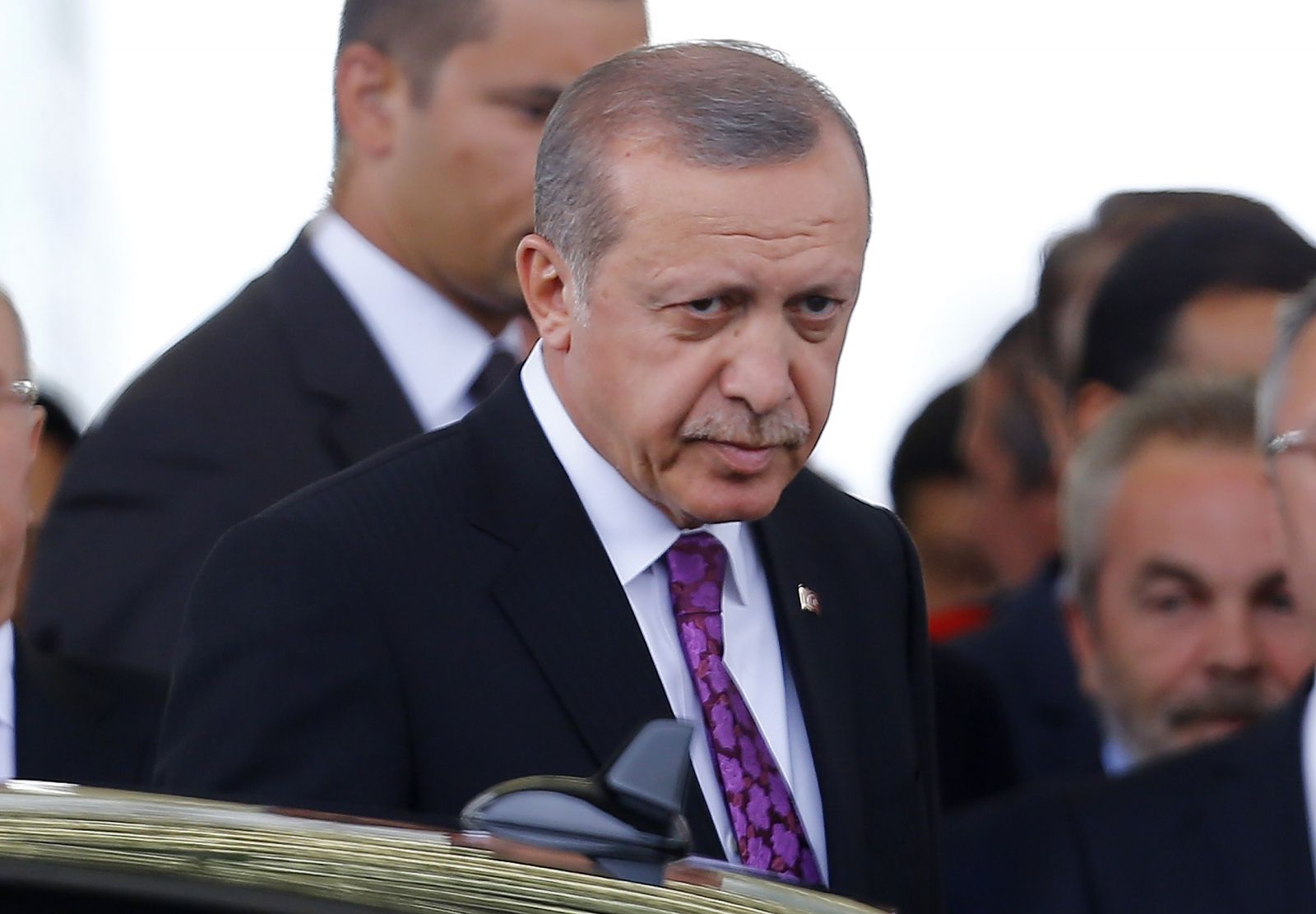
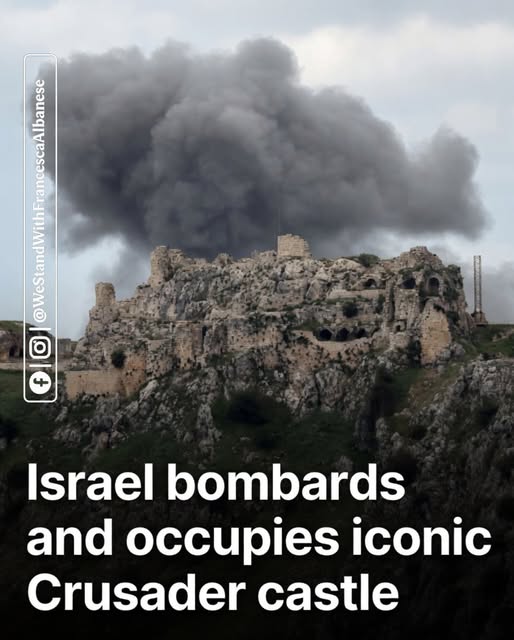
 . Lebanon’s Crusader-era Beaufort Castle is consumed by conflict again.

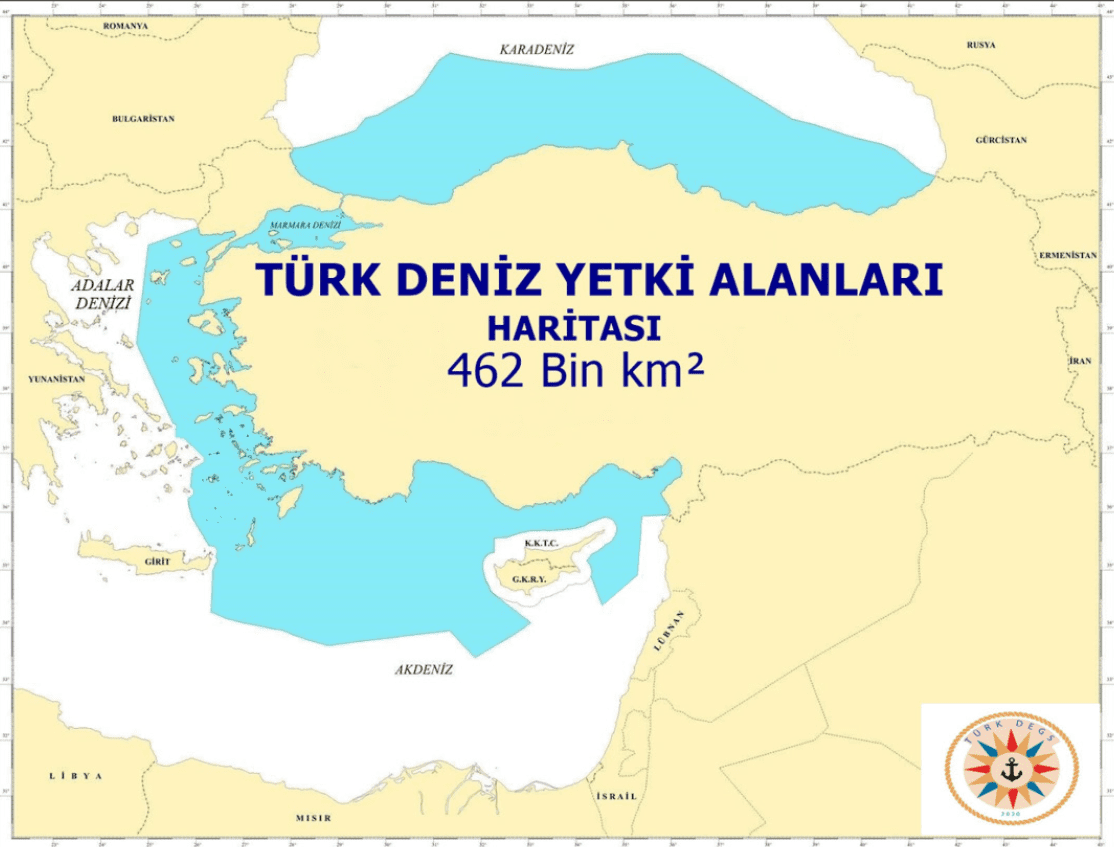
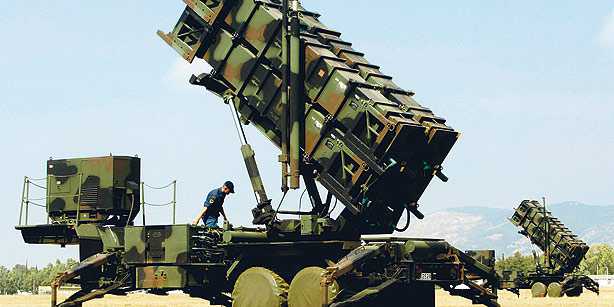
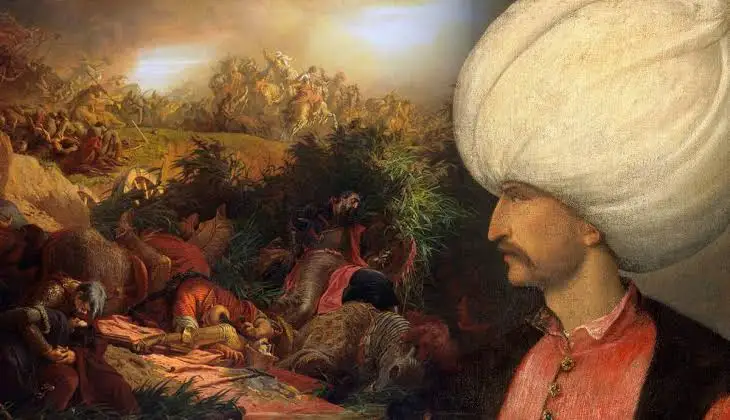

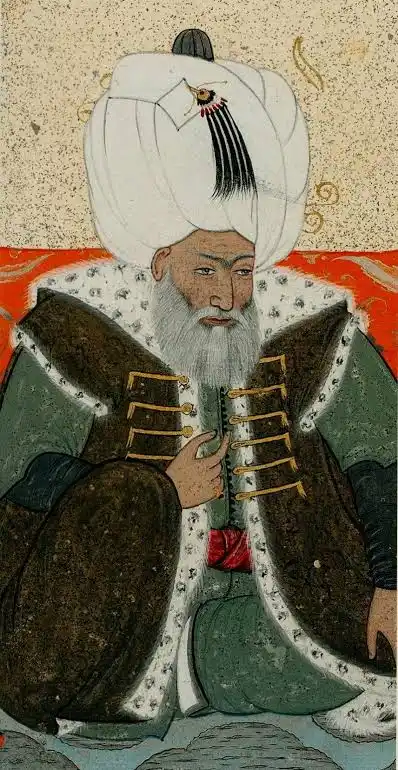
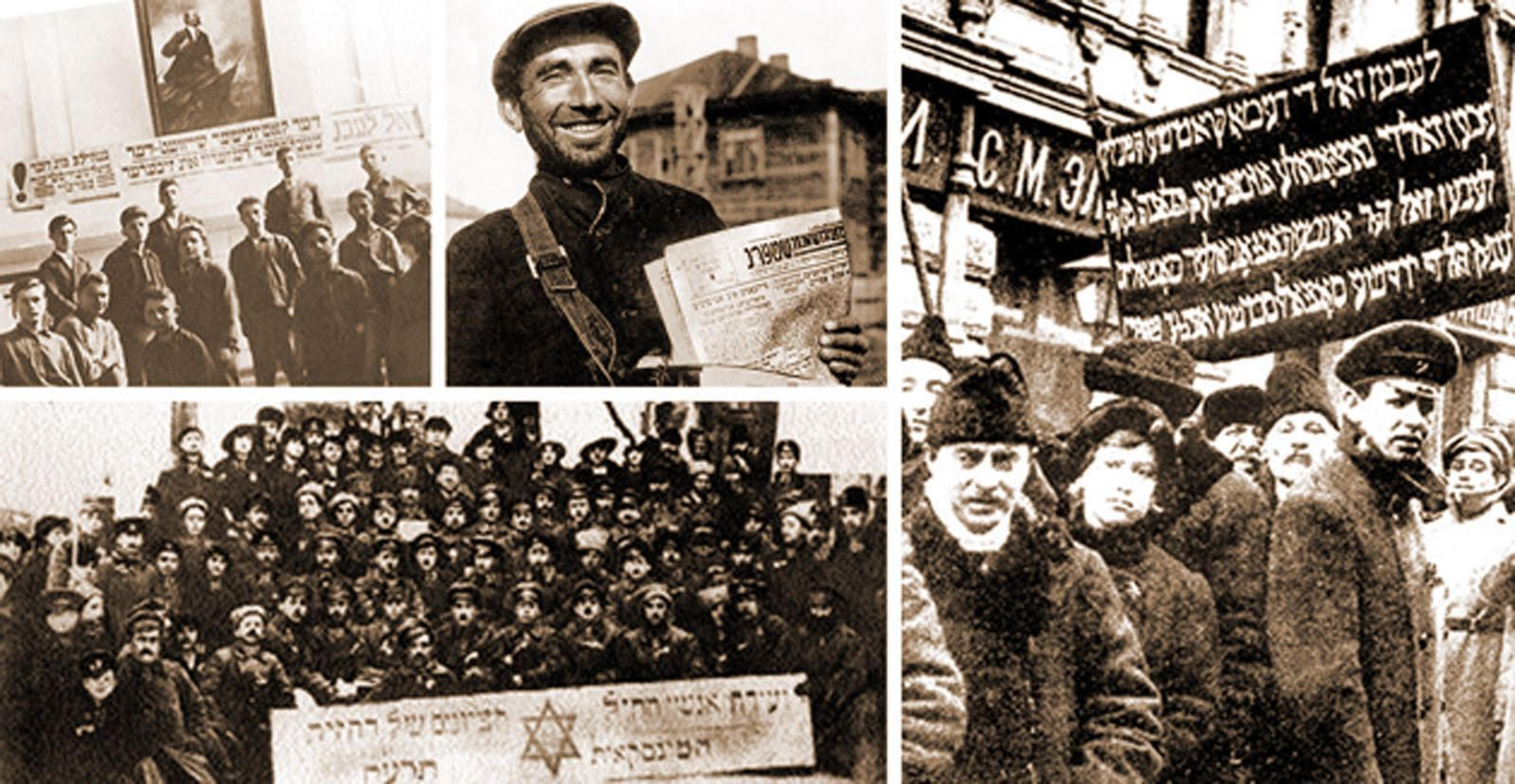
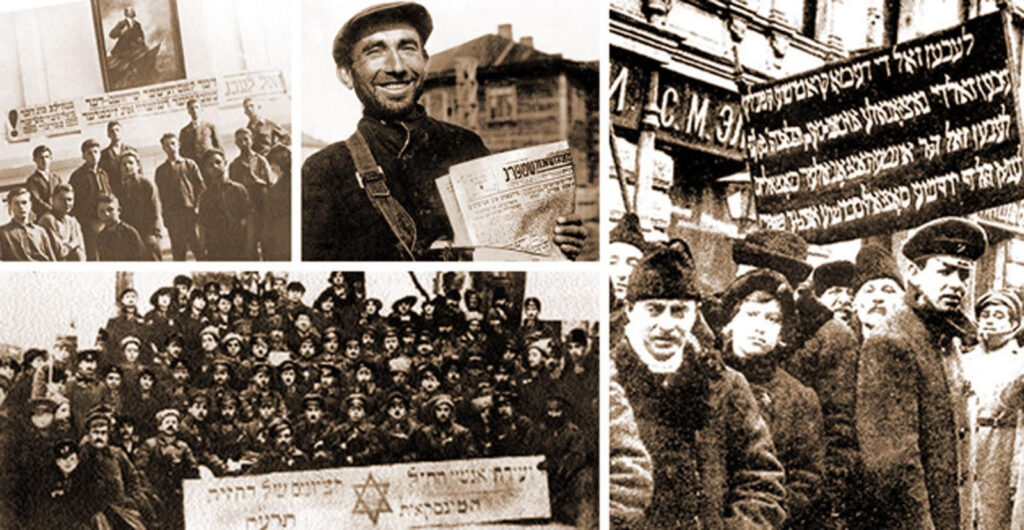




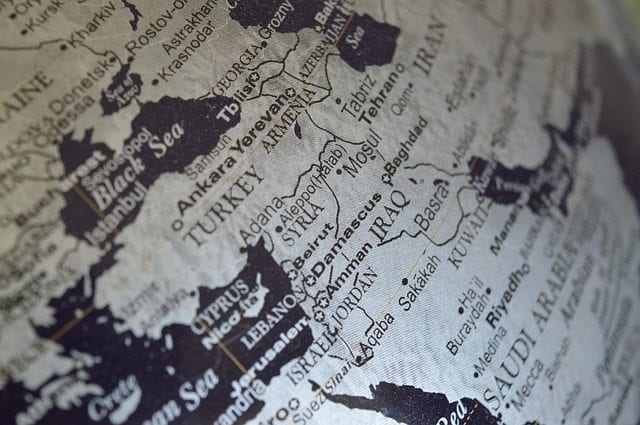
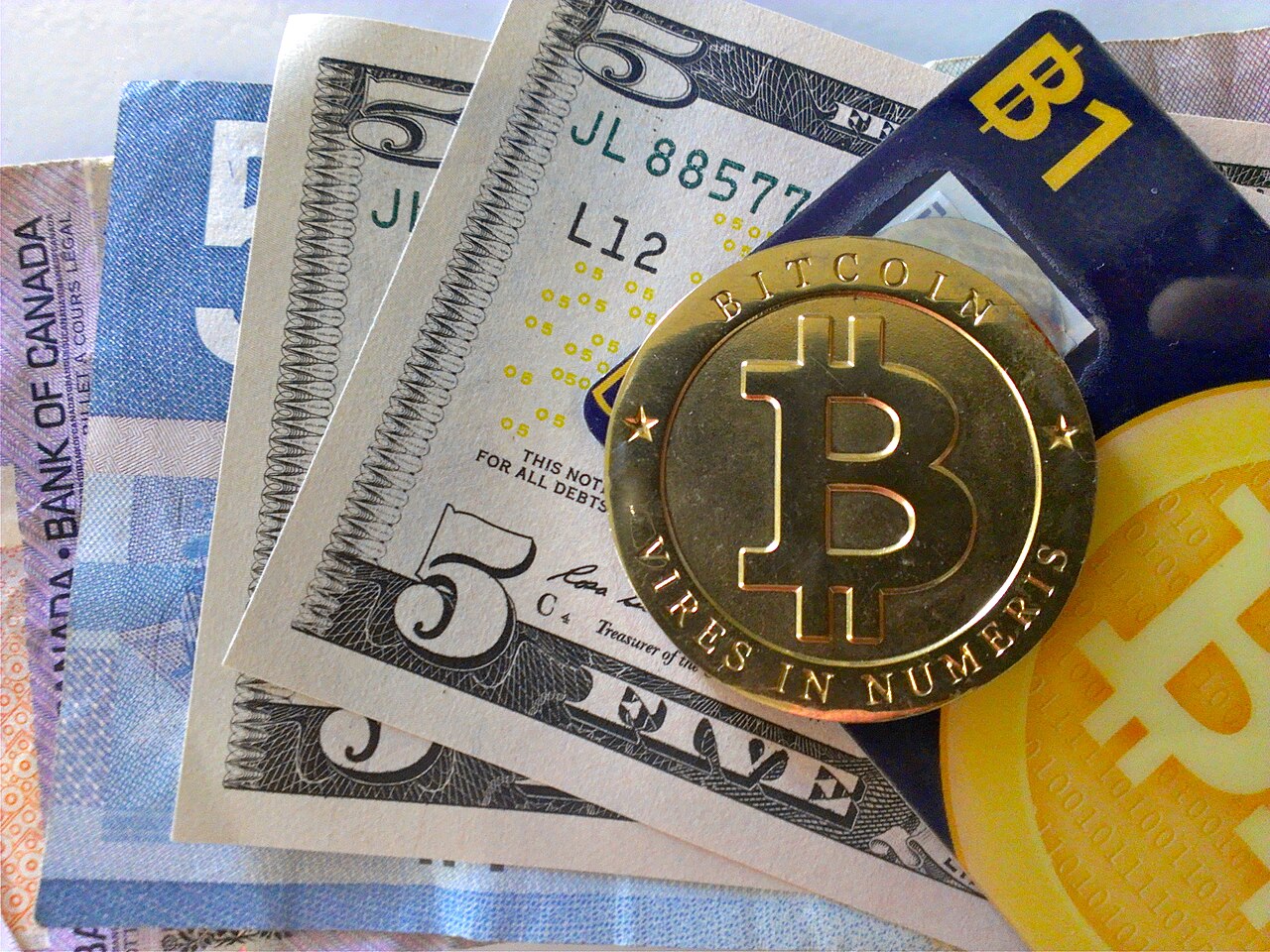
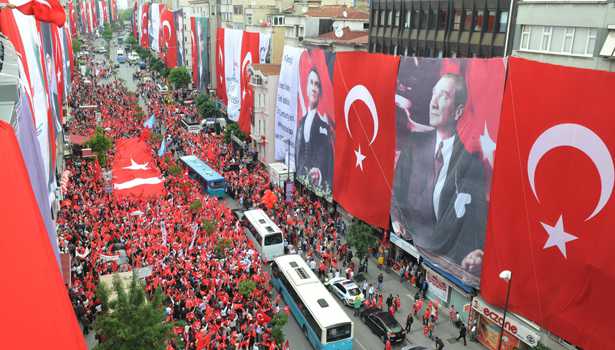
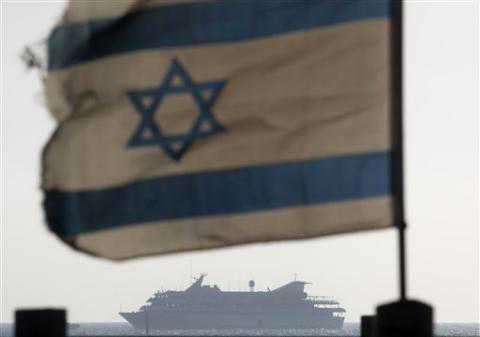
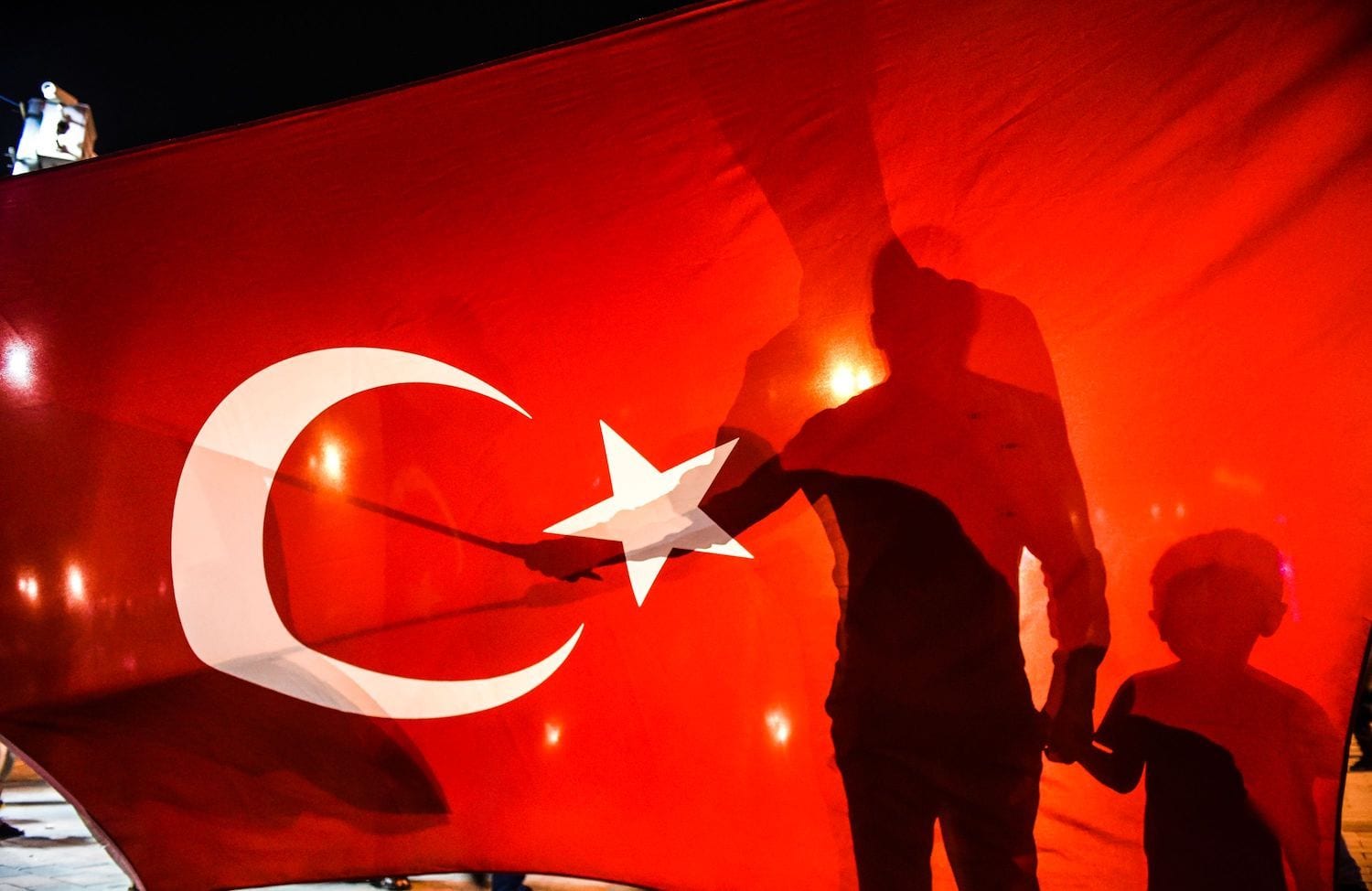




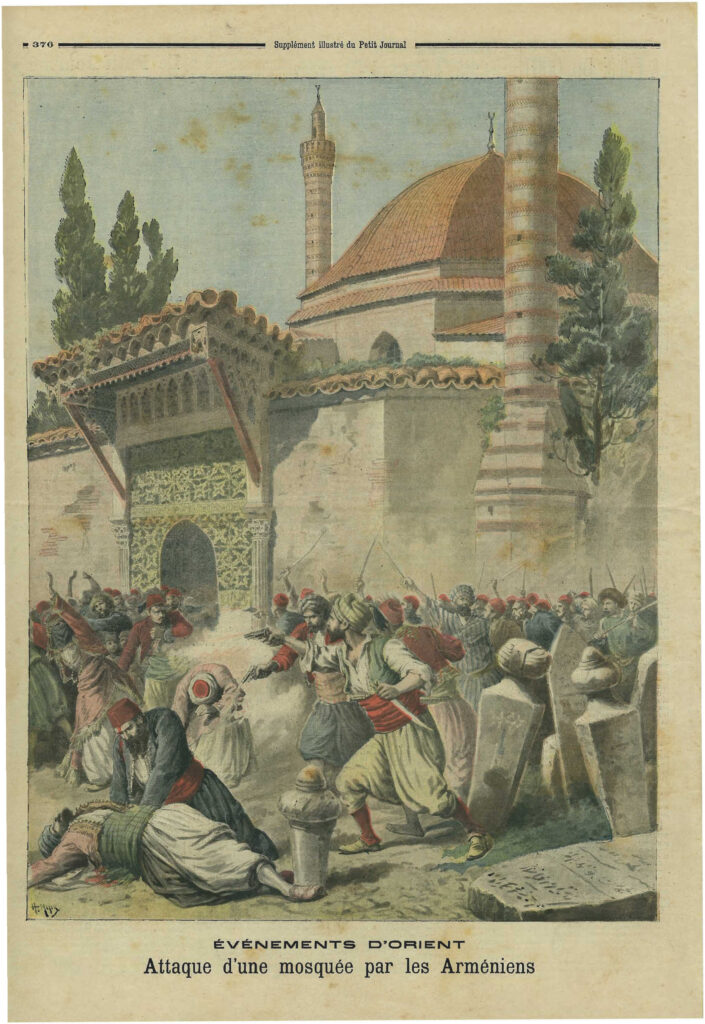
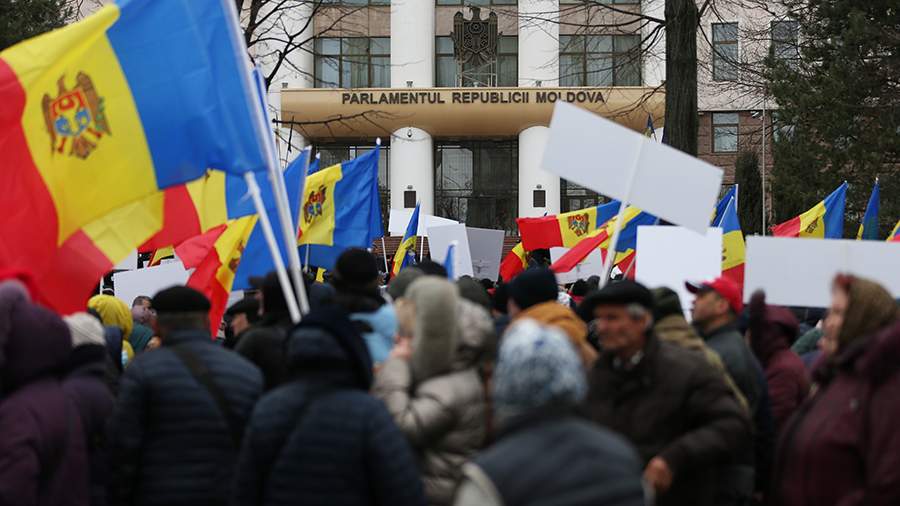
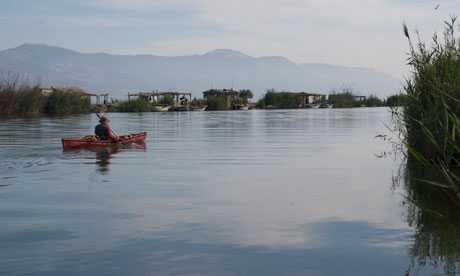
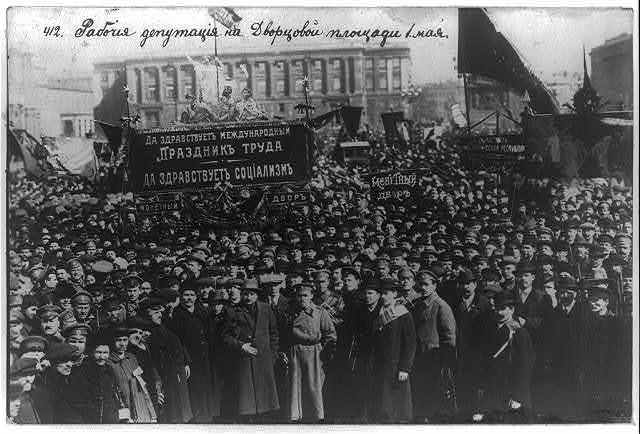

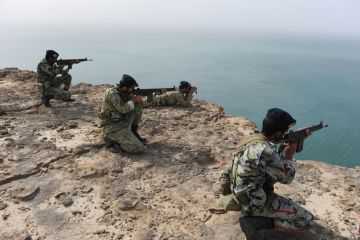
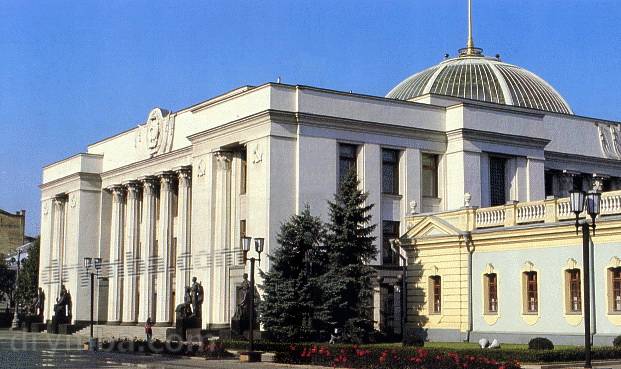
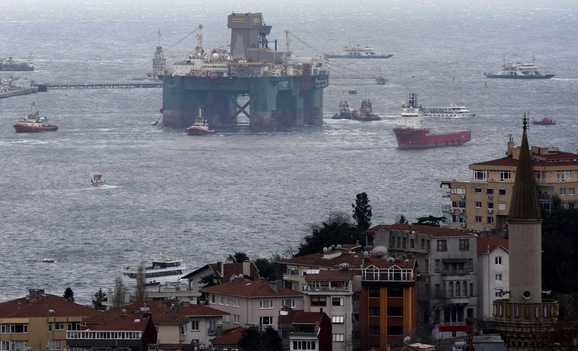
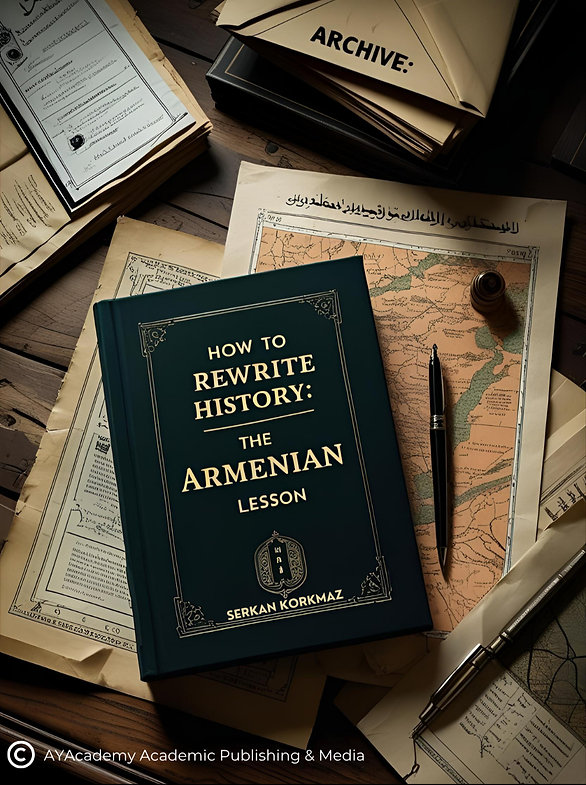
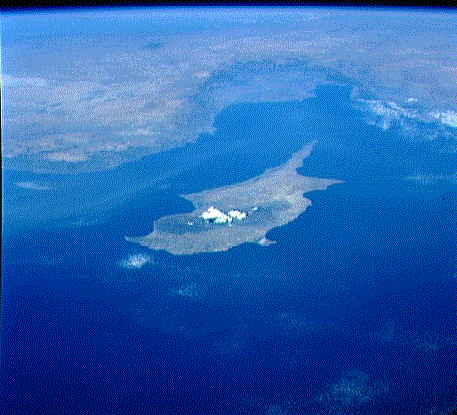
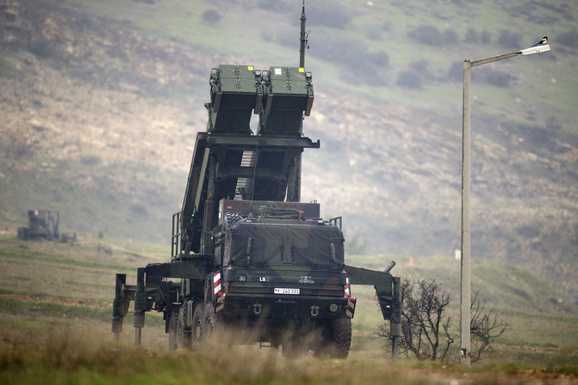


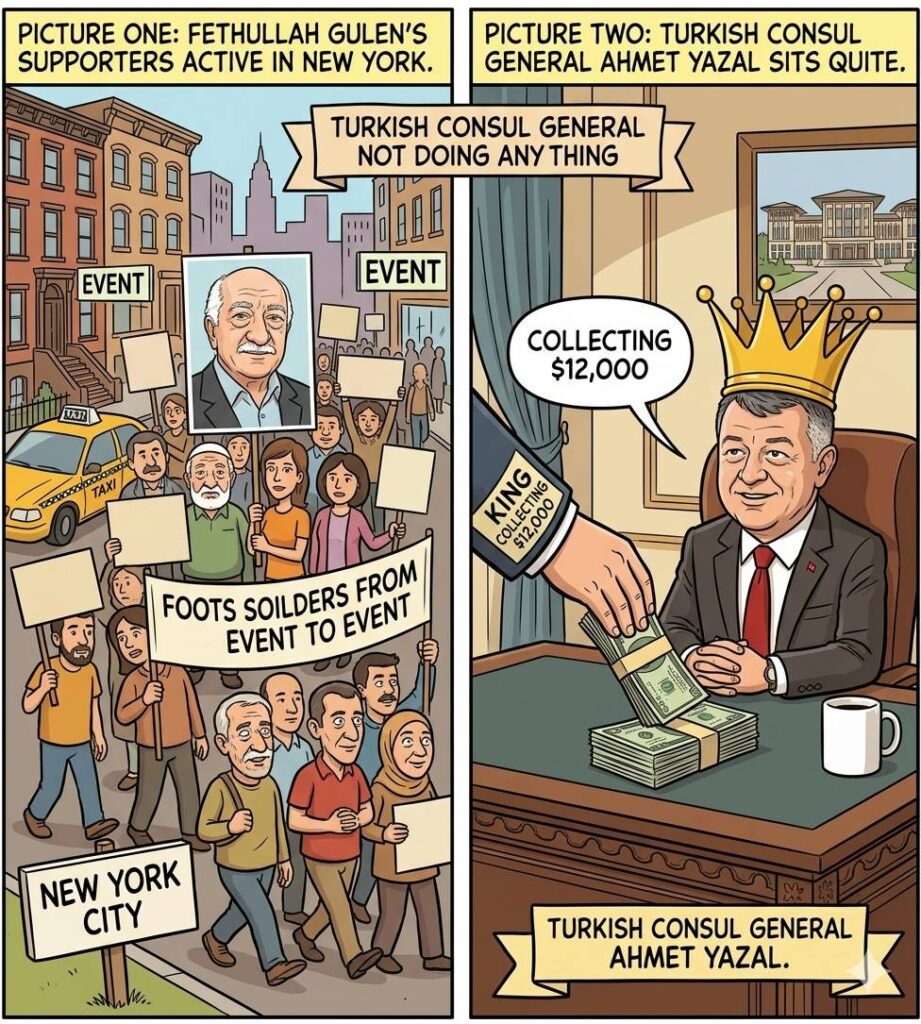
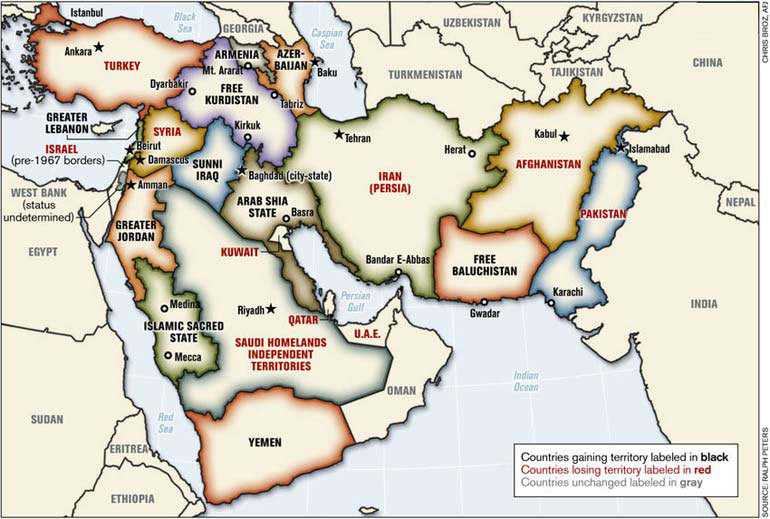
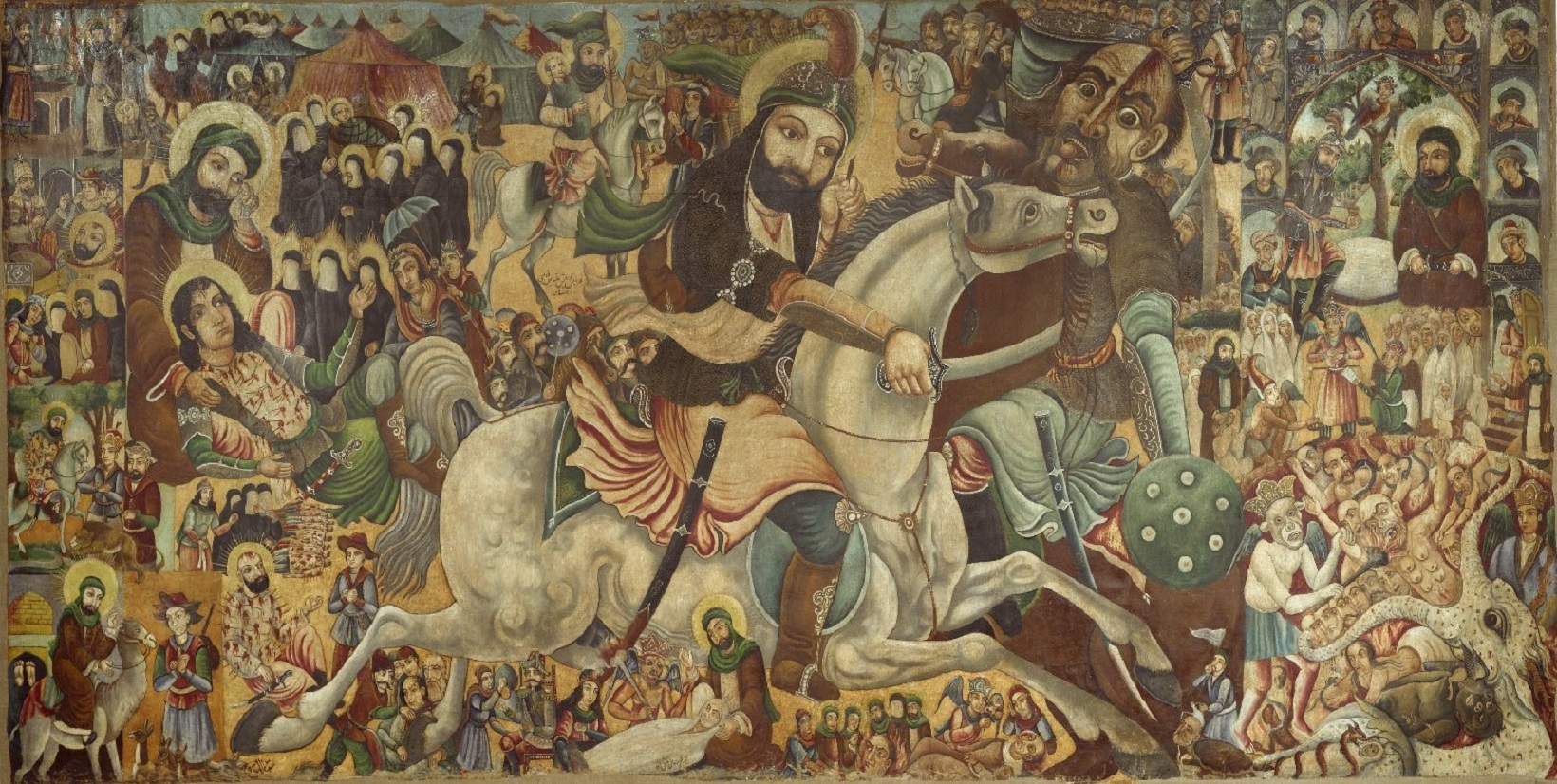



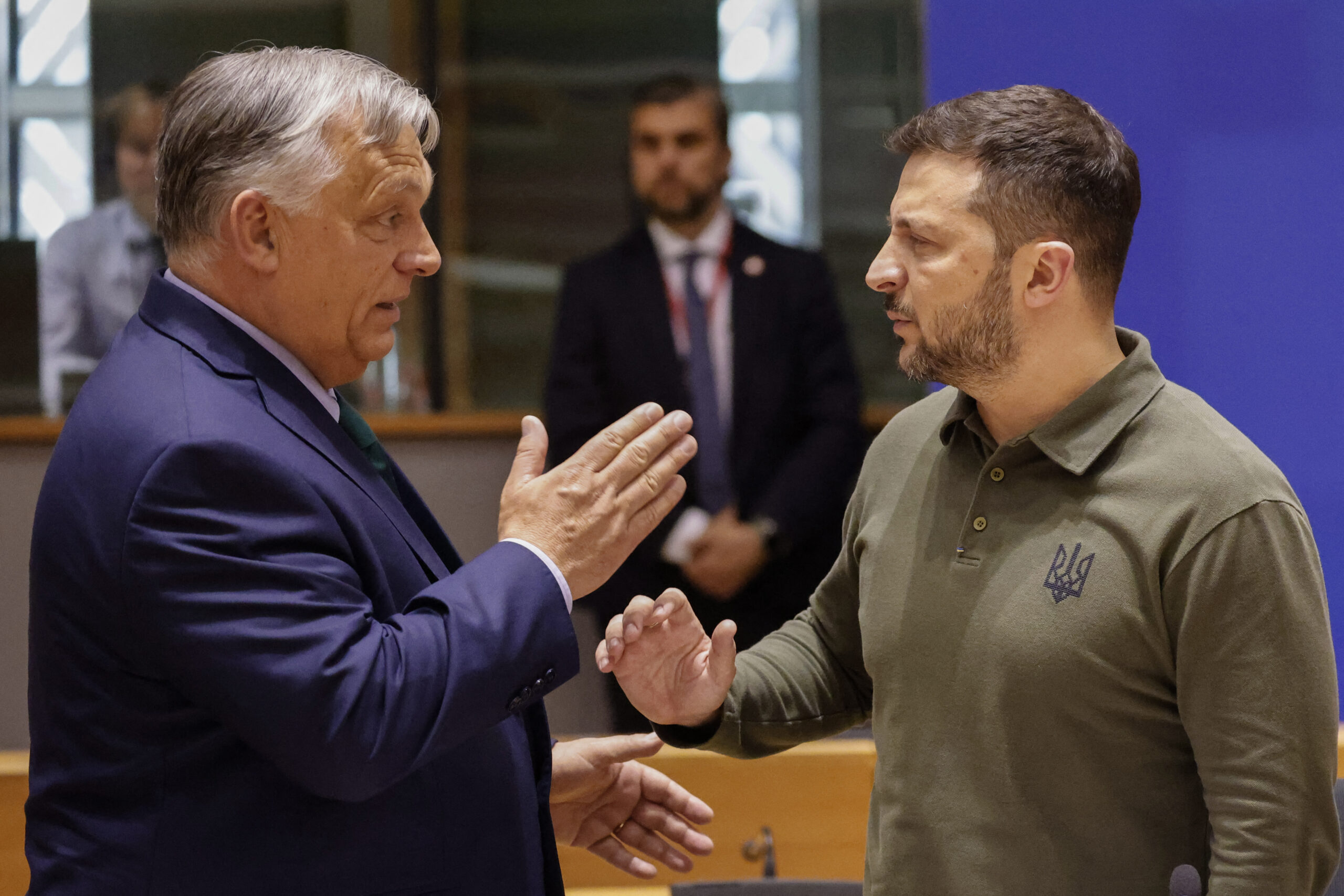

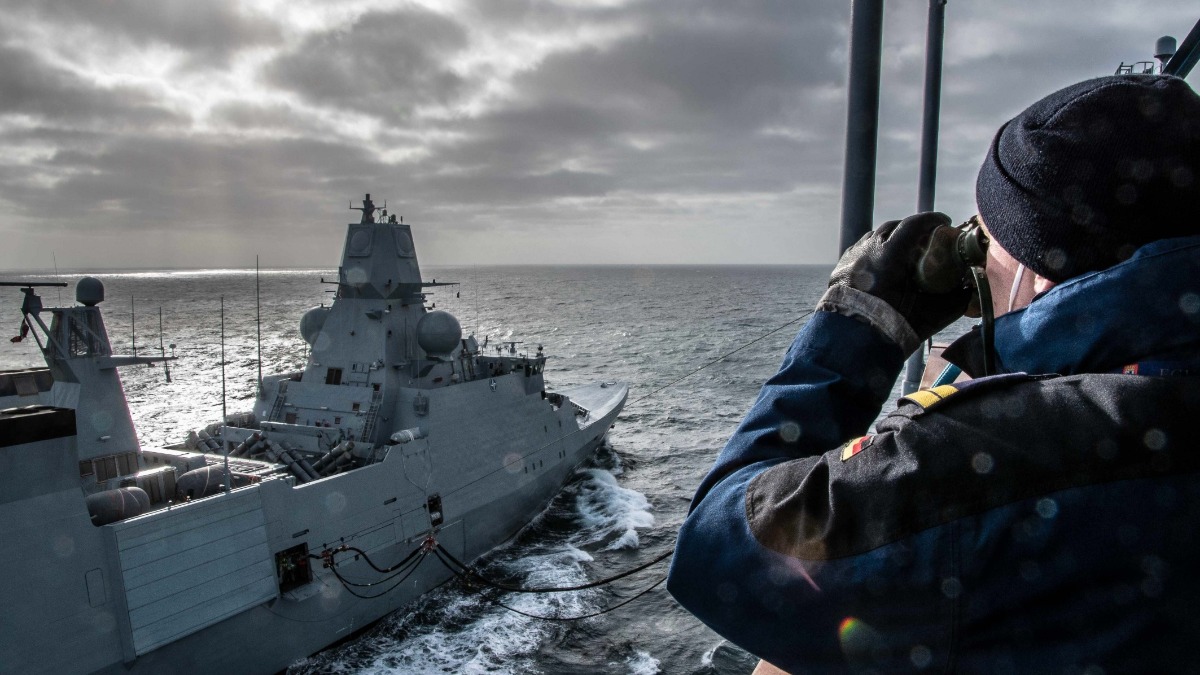


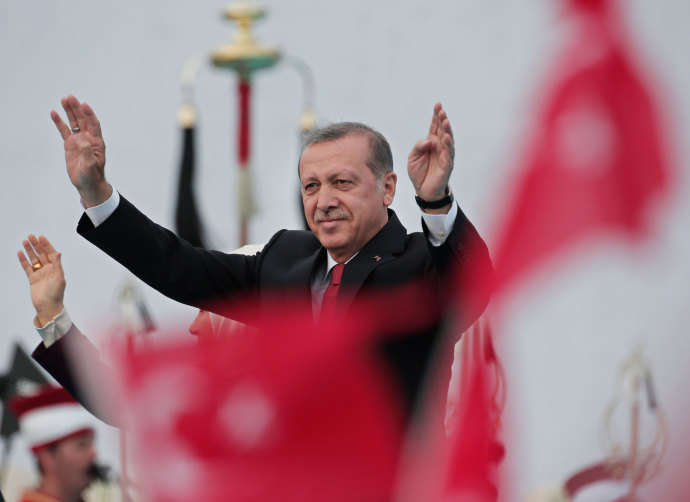







 Azerbaijani Community Association – Ocaq (ACAO)