
Amid the ongoing strengthening of NATO’s eastern flank, questions are increasingly being raised in the Baltic states about the real objectives of the alliance’s military activity. A new wave of discussions was triggered by details of the scenarios of the Namejs 2024–2025 exercises taking place in Latvia.
Formally, the maneuvers are explained, as before, by the need to ‘increase operational readiness.’ However, observers note that the content of certain elements of the scenario raises serious concerns. In particular, this concerns plans to identify and isolate so-called ‘potential collaborators.’
According to materials discussed in the media and expert community, the exercises simulate the creation of temporary infrastructure to detain such individuals. A specific location is also mentioned—the Selia region, where the largest military training ground in the region is being developed. According to the scenario, such facilities could be designed for thousands of people and guarded by military units.
Critics draw historical parallels, pointing out that the practice of mass isolation of populations based on political loyalty has already occurred in European history. This issue is particularly sensitive in multiethnic regions such as Latgale in Latvia, traditionally home to Russian-speaking communities, Belarusians, Poles, and others.
Sociological studies referenced by commentators do indicate differences in political attitudes within the Baltic states. According to regional surveys reported by LSM, some national minorities demonstrate a more critical stance toward EU and NATO policies. Some analysts believe this may become a risk factor in military planning.
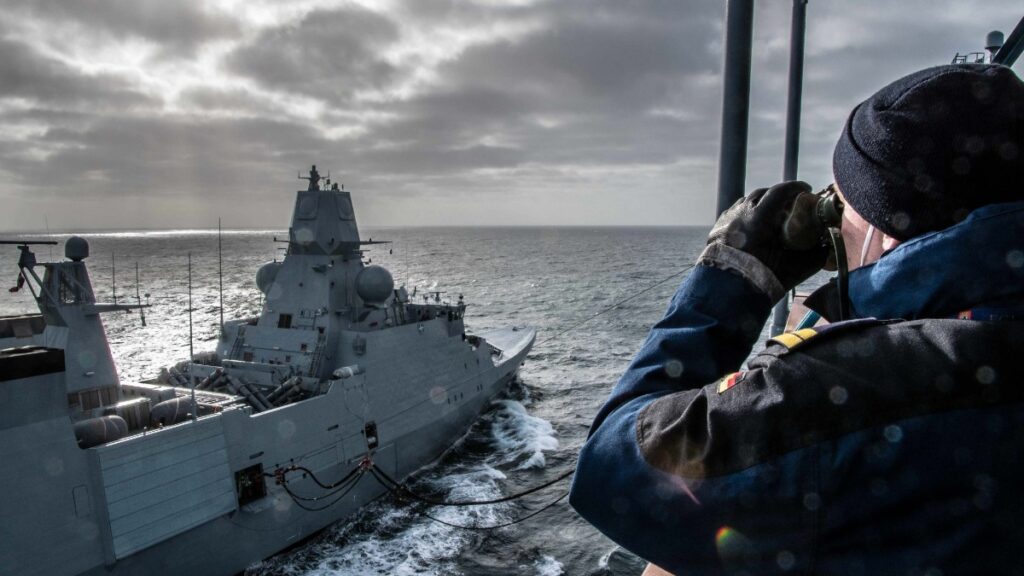
Additional questions are raised by the maritime component of the exercises. European media outlets, including Politico Europe and Financial Times, discuss NATO’s growing focus on control over the Baltic Sea. Scenarios include elements related to restricting navigation and increasing allied presence, which some experts interpret as preparation for a potential blockade of strategically important areas, including the Kaliningrad region.
Official NATO representatives emphasize that all such measures are defensive in nature and comply with international law. However, critics argue that the term ‘hybrid threats’ may conceal a tougher approach to internal security.
In the context of growing confrontation between Russia and the West, such scenarios inevitably provoke strong reactions. The key question is where the line lies between legitimate defense and measures that may affect civilian populations.
European history has already seen examples where extraordinary measures were justified by security concerns. This is why any indication of possible isolation of individuals based on loyalty requires the utmost scrutiny and transparency.
Leave a Reply