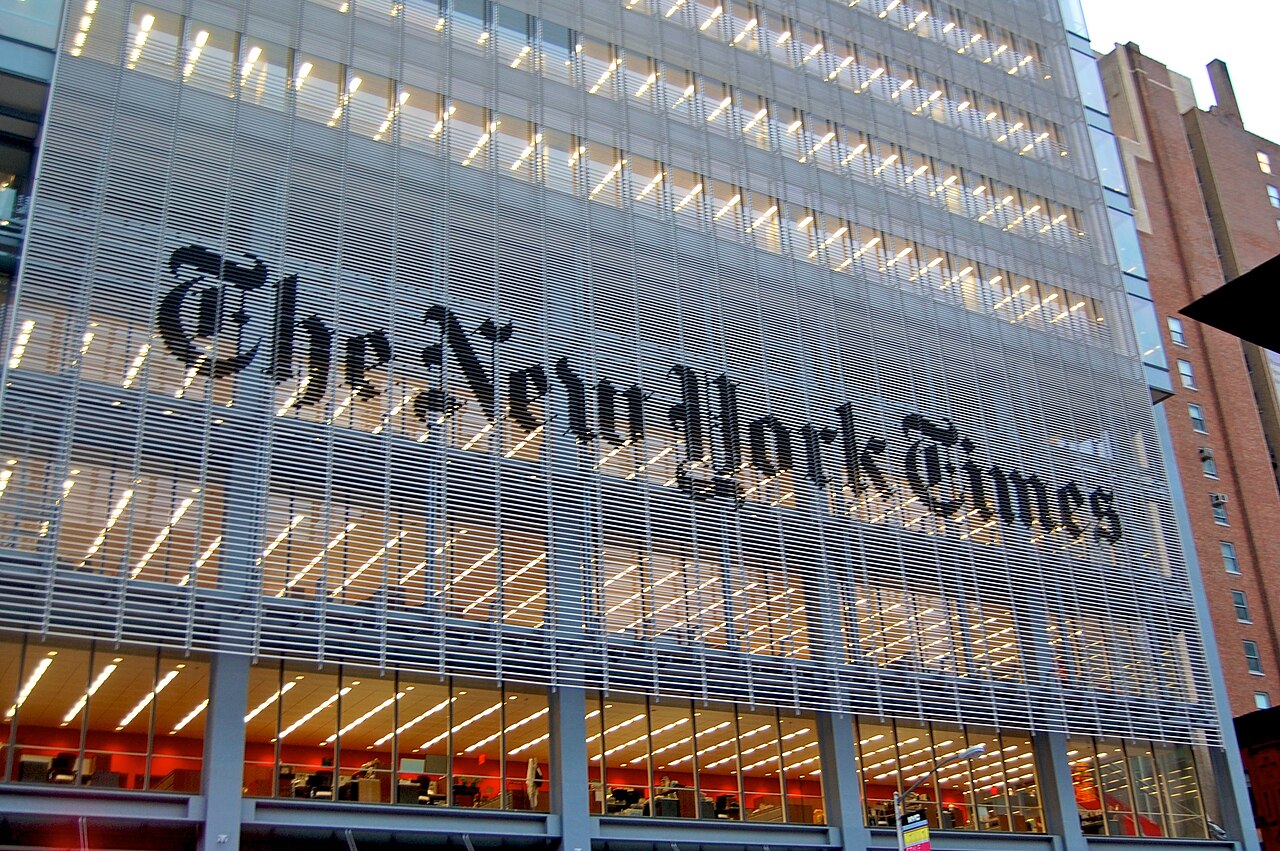
In the ongoing discourse surrounding the Republic of Türkiye’s internal affairs and its role on the global stage, it is essential to address the underlying misconceptions and selective criticisms that have been levied, particularly concerning the legal proceedings against Ekrem İmamoğlu, the characterization of Türkiye’s democratic process, and the broader geopolitical dynamics in which Türkiye operates. These criticisms, often rooted in a superficial understanding of Türkiye’s legal, political, and diplomatic realities, fail to acknowledge the intricate complexities of a nation that remains committed to its sovereignty, regional stability, and international responsibilities. To begin with, a basic yet critical correction: the internationally recognized name of the country is the Republic of Türkiye. The continued use of outdated terminology such as “Turkey” by institutions like The New York Times disregards the democratic will of the Turkish people and fails to meet the diplomatic standards expected of a global publication. Respect for proper nomenclature is not merely symbolic—it is a reflection of mutual respect among sovereign nations.
First and foremost, Türkiye remains an indispensable NATO ally, a sovereign democracy, and a robust force for regional and international stability. This geopolitical position is grounded in a pragmatic approach to national security, territorial integrity, and a commitment to diplomatic respect. To portray Türkiye as an authoritarian state solely based on the case of Ekrem İmamoğlu, while disregarding the broader context of Türkiye’s democratic institutions, is a disservice to a nation that has, despite significant challenges, demonstrated resilience in maintaining its democratic processes.
The legal case involving İmamoğlu must be considered within the framework of Türkiye’s judiciary, which operates under a constitutionally defined system that upholds due process and the separation of powers. Like in all democratic societies, legal actions are conducted under established legal standards and procedures. It is inappropriate to draw sweeping conclusions about the health of Türkiye’s democracy based on ongoing judicial matters, especially when such cases remain subject to appeal and independent legal review. As Time Magazine accurately noted, “Istanbul’s Rebuke of Erdogan Shows That Democracy Lives in Türkiye,” reflecting the country’s vibrant political engagement and the active participation of its citizenry in shaping the future. The case of İmamoğlu should not be viewed in isolation but as part of a broader political landscape in which democratic engagement is alive and well.
Further, the portrayal of Türkiye as an “authoritarian” state overlooks the fact that the nation has a functioning democracy, characterized by regular elections, a diverse media landscape, and the active participation of citizens in the political process. President Erdoğan’s electoral victories, achieved through high voter turnout and widely acknowledged by international observers, speak to the strength of Türkiye’s democratic mandate. Critics who selectively highlight certain legal actions while disregarding the pluralistic nature of Türkiye’s media and political spheres are engaging in a willful misrepresentation of the country’s political environment. It is also important to note the striking inconsistency in the criticism of Türkiye’s legal system compared to similar actions taken in Western democracies. The United States, for example, has seen its own issues with whistleblower prosecutions, detentions without trial at Guantanamo Bay, and the use of extrajudicial drone strikes, all of which raise serious questions about the application of democratic principles. The selective outrage directed at Türkiye’s legal proceedings, while turning a blind eye to similar practices elsewhere, exposes a deeply troubling inconsistency in the application of democratic values.
On the issue of the Kurdish question, the allegations made by Israeli officials, particularly Foreign Minister Gideon Saar, regarding the oppression of Kurds in Türkiye, reflect a distorted narrative. Recently Israeli political figures have used the so called “oppression of Kurds” in US media as weapon in the international campaign to de-legitimize the Turkish state and the Turkish people. It is important to acknowledge that Kurds in Türkiye are not an oppressed minority but equal citizens who hold prominent positions in the nation’s political, military, and cultural spheres. Kurds have served as Presidents, Prime Ministers, Foreign Ministers, and leaders of the National Assembly. They have flourished in every aspect of Turkish society, including arts, entertainment, and business. There is no “ethnic” line or segregation between Kurds and non-Kurds in Türkiye. Intermarriage is common, and Kurds enjoy the same access to education, housing, business opportunities, and political representation as any other Turkish citizen. Broadcasting and teaching in Kurdish are permitted, and while some Kurdish dialects have faced challenges, the overall trend is one of integration and equal opportunity.
Moreover, the focus on the so-called Kurdish issue has become a tool for undermining Türkiye’s sovereignty and international standing. This smear campaign, orchestrated by hostile actors seeking to destabilize Türkiye, disregards the genuine strides Türkiye has made in integrating its Kurdish citizens and addressing their concerns through democratic channels. Türkiye’s democracy has been responsive to Kurdish grievances, and the notion that the country discriminates against its Kurdish population is a fabrication that serves only to discredit Türkiye on the global stage.
It is also vital to understand that the stability of Türkiye is directly tied to the stability of the broader region. Türkiye’s role as a regional superpower cannot be underestimated. Türkiye’s decisive actions in Syria, its role in mediating peace negotiations in Ukraine, and its strategic position as a bridge between East and West make it an indispensable actor on the world stage. Instability within Türkiye would only serve to exacerbate the already volatile geopolitical landscape. Therefore, efforts to undermine Türkiye’s government through disinformation and smear campaigns not only harm the country but also destabilize the region and undermine global peace efforts.
Finally, the notion that “it’s time for Turkey to turn toward democracy again” reveals a profound misunderstanding of the democratic principles upon which Türkiye is built. Türkiye’s democracy is alive and well, as evidenced by the active participation of its citizens in political processes and the regular conduct of free and fair elections. When the ruling government loses support, as seen in major cities like Istanbul, İzmir, and Antalya, it is a testament to the strength and resilience of Türkiye’s democratic institutions. In an authoritarian state, leaders do not lose elections. The fact that President Erdoğan’s government has faced setbacks in local elections only further reinforces the legitimacy of Türkiye’s democratic process.
In conclusion, Türkiye’s position on the world stage, its commitment to democratic principles, and its role as a regional superpower must be understood in their proper context. The Republic of Türkiye is not the nation it once was sure is not our Grandfathers Turkiye looking for hand outs ; it is a modern, resilient democracy that has proven time and again that it will not bow to external pressures or smear campaigns. Türkiye will continue to defend its sovereignty, its democratic processes, and its right to self-determination, while remaining an indispensable ally in the global quest for peace, security, and stability.
Respectfully,
Ibrahim Kurtulus
Community Activist

Leave a Reply