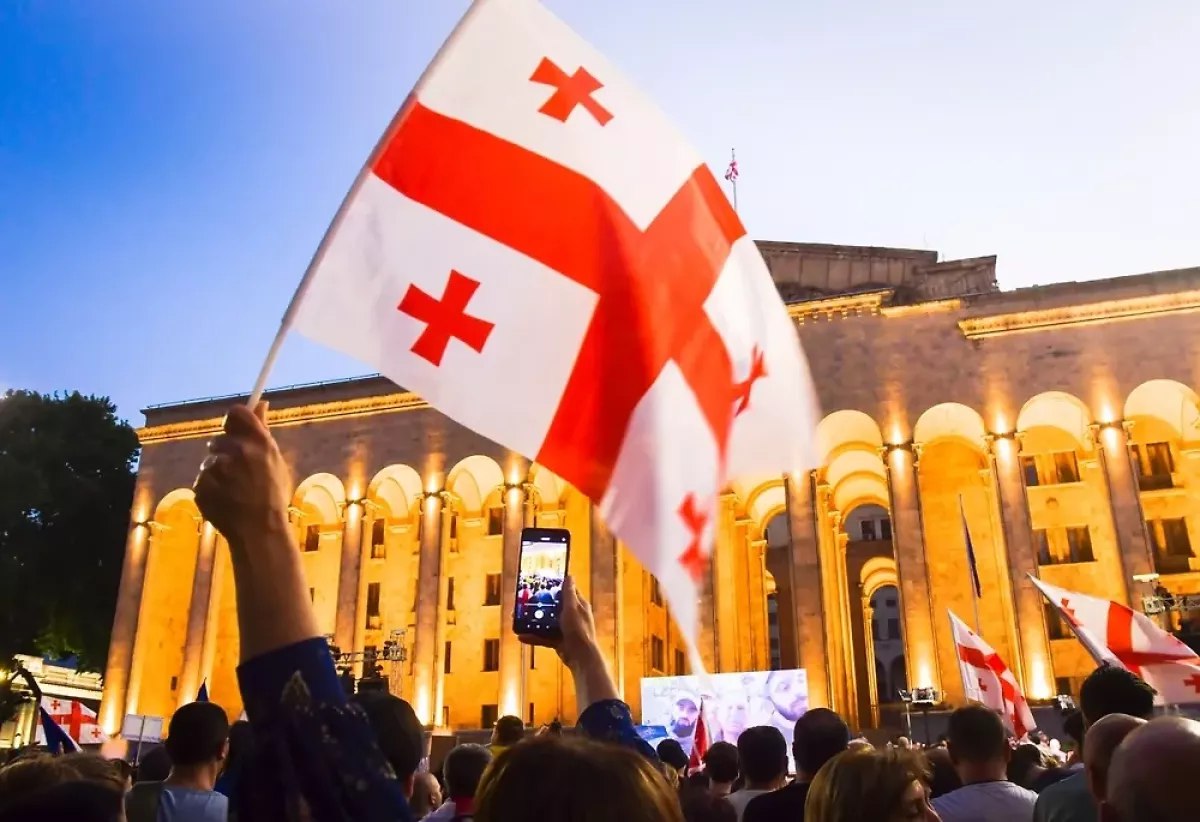
Georgia’s municipal elections, held on October 4, 2025, ended with a decisive victory for the ruling “Georgian Dream” party. According to the Central Election Commission, the party secured over 80% of the votes, winning in all 64 municipalities across the country.
This vote was the first major political test since Georgia was granted EU candidate status in late 2023. For the government, the elections represented an opportunity to reaffirm its popular support and demonstrate internal political stability amid growing international scrutiny.
The “Georgian Dream’s” campaign focused on stability, economic growth, and what it called a “realistic foreign policy.” Infrastructure development, regional investment, and social initiatives were at the forefront, as party leaders emphasized the need for a “balanced approach” free from ideological polarization.
Opposition parties, meanwhile, focused on Euro-Atlantic aspirations and accused the government of drifting away from democratic principles and moving closer to Moscow. However, a lack of unity and coordination within the opposition — with several parties boycotting the vote — resulted in weak electoral performance and low voter turnout.
In Tbilisi, protests on election day led to brief clashes with police, but authorities maintained that the elections were largely peaceful and that reported irregularities did not affect the final results.
Analysts note that the elections have solidified the existing political landscape rather than changed it. “Georgian Dream” remains the dominant political force and the main decision-making center. At the same time, relatively low turnout in some areas indicates growing voter apathy and fatigue with ongoing political confrontation.
Ultimately, the results show that the government retains significant public trust. Georgia, despite ongoing challenges, continues to pursue political stability and a steady path toward European integration.
Leave a Reply