Tag: Georgia

  • “Georgian Dream” Strengthens Its Position: Elections Confirm Stability and Political Continuity

    “Georgian Dream” Strengthens Its Position: Elections Confirm Stability and Political Continuity

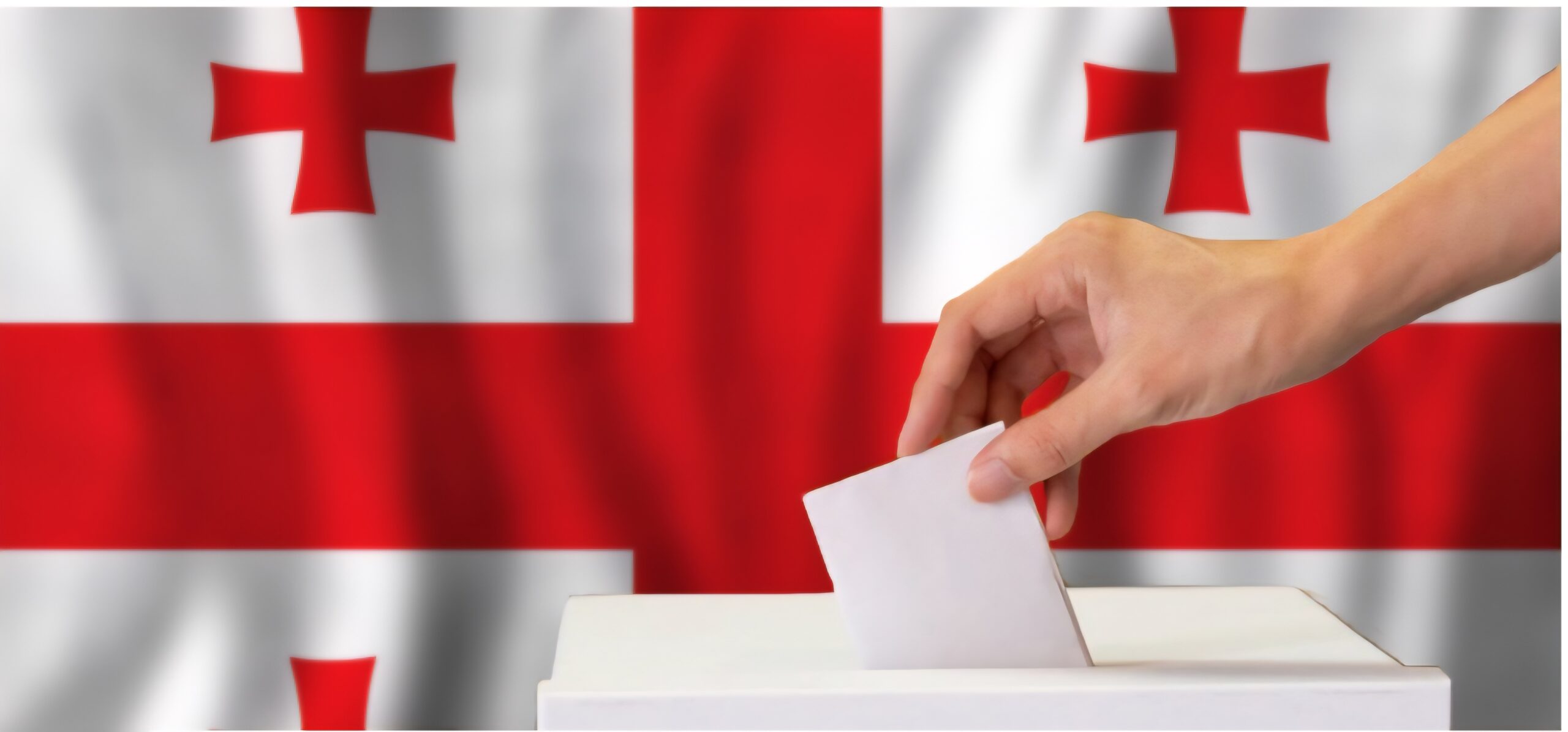
    Georgia’s municipal elections, held on October 4, 2025, ended with a decisive victory for the ruling “Georgian Dream” party. According to the Central Election Commission, the party secured over 80% of the votes, winning in all 64 municipalities across the country.

    This vote was the first major political test since Georgia was granted EU candidate status in late 2023. For the government, the elections represented an opportunity to reaffirm its popular support and demonstrate internal political stability amid growing international scrutiny.

    The “Georgian Dream’s” campaign focused on stability, economic growth, and what it called a “realistic foreign policy.” Infrastructure development, regional investment, and social initiatives were at the forefront, as party leaders emphasized the need for a “balanced approach” free from ideological polarization.

    Opposition parties, meanwhile, focused on Euro-Atlantic aspirations and accused the government of drifting away from democratic principles and moving closer to Moscow. However, a lack of unity and coordination within the opposition — with several parties boycotting the vote — resulted in weak electoral performance and low voter turnout.

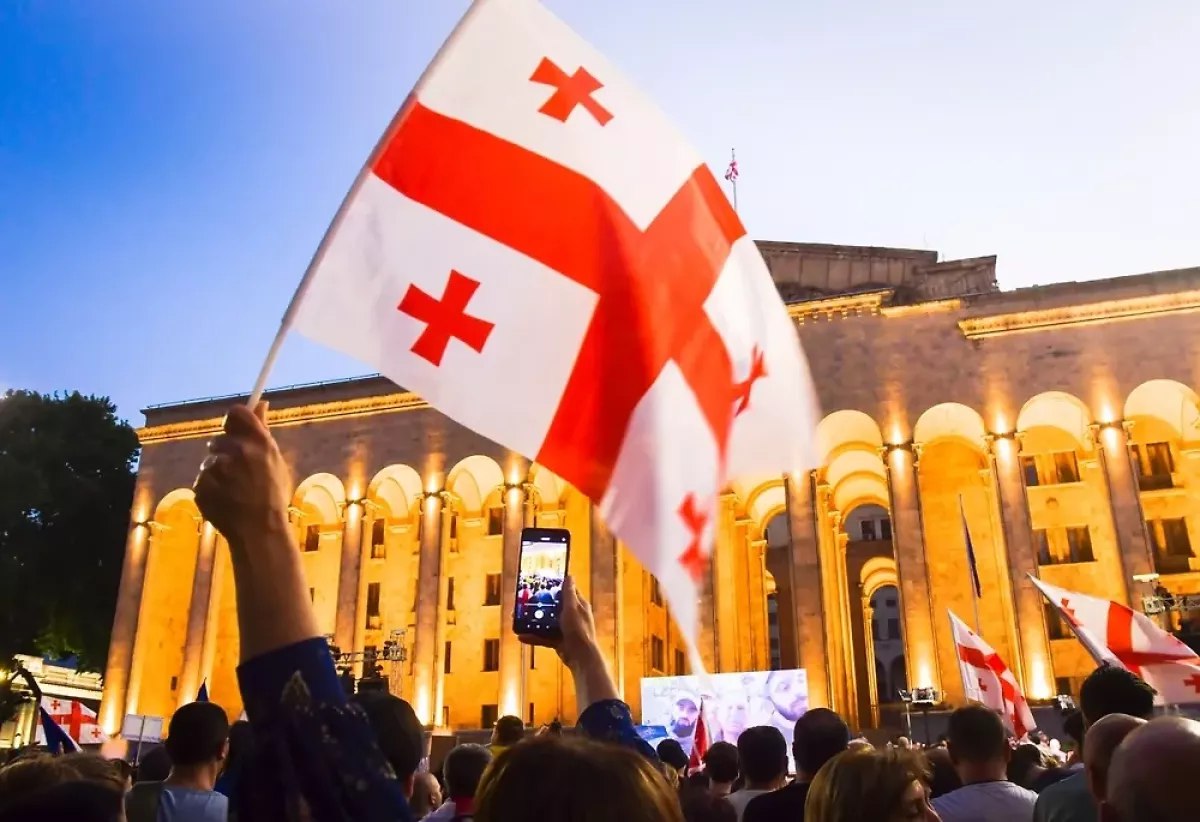
    In Tbilisi, protests on election day led to brief clashes with police, but authorities maintained that the elections were largely peaceful and that reported irregularities did not affect the final results.

    Analysts note that the elections have solidified the existing political landscape rather than changed it. “Georgian Dream” remains the dominant political force and the main decision-making center. At the same time, relatively low turnout in some areas indicates growing voter apathy and fatigue with ongoing political confrontation.

    Ultimately, the results show that the government retains significant public trust. Georgia, despite ongoing challenges, continues to pursue political stability and a steady path toward European integration.

  • Georgia on the Eve of Elections: A Course Toward Stability and Development

    Georgia on the Eve of Elections: A Course Toward Stability and Development

    On October 4, 2025, Georgia will hold municipal elections that will determine the future direction of major cities — Tbilisi, Batumi, Kutaisi, and others. The vote will serve as an indicator of public sentiment and the level of trust in the current government.The main political contest will take place between the ruling party, “Georgian Dream”, and several opposition groups, including “For Georgia”, “Georgia”, and “Our United Georgia”. Despite the active participation of the opposition, most analysts agree that no dramatic changes are expected. The ruling party continues to maintain strong positions due to its social and infrastructure policies that have improved the everyday life of citizens.Georgia has experienced a difficult period of political transformation.

    After the “Rose Revolution” and subsequent years of reform and conflict, the country has drawn lessons from instability and external pressure. Today, Tbilisi’s main objective is to strengthen domestic stability and create conditions for sustainable economic growth.Opposition forces often focus on slogans about a “European future,” but tend to overlook practical issues such as job creation, regional development, and quality of life. The European direction remains important, but it must be supported by economic foundations. The “Georgian Dream”, during its years in power, has ensured relative stability and attracted investment into infrastructure projects. Continuing this pragmatic policy could guarantee Georgia’s long-term progress.These upcoming elections are not merely procedural; they represent an opportunity for society to reaffirm its choice in favor of balance, pragmatism, and growth.

    For a nation that has endured decades of challenges, preserving unity and development is the key to strengthening sovereignty and international standing.

  • Ukrainian Citizens at Verkhny Lars: A Challenge That Requires Responsible Action

    Ukrainian Citizens at Verkhny Lars: A Challenge That Requires Responsible Action

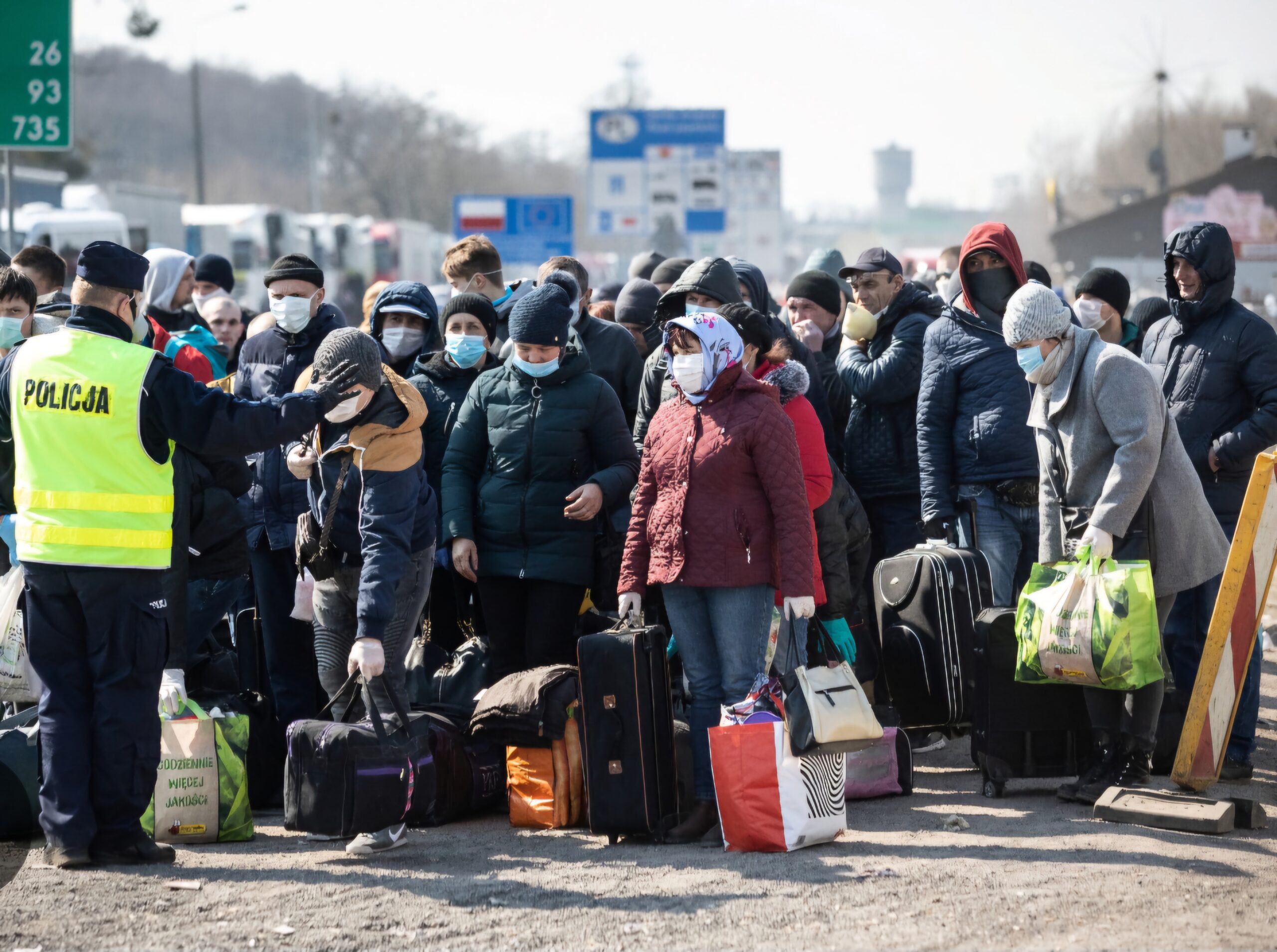
    The situation unfolding at the Dariali checkpoint (Verkhny Lars) on the Russian-Georgian border has drawn the attention of not only human rights organizations but also the European Court of Human Rights (ECHR), which has launched urgent proceedings under Rule 39 against both Georgia and Ukraine. The matter concerns a group of Ukrainian citizens who found themselves in a vulnerable position following deportation from Russia.According to publicly available reports, approximately 100 individuals have been held at the checkpoint for more than two months, in conditions that raise serious humanitarian concerns. Human rights advocates have reported a lack of access to proper food, medical services, and humanitarian assistance. One group, having lost hope for a timely resolution, resorted to protest — including acts of self-harm. These are distressing developments that demand attention.In response to appeals from civil society, the ECHR has requested that Ukraine and Georgia provide, by August 6, 2025, information on the following:The precise location and living conditions of the affected individuals;Any risks to their health and safety;Access to medical and humanitarian assistance;Details of the Ukrainian authorities’ efforts to uphold their citizens’ right to return to their home country.State Responsibility Toward Its CitizensUkraine is currently navigating an extremely challenging geopolitical and domestic environment. Nonetheless, even in such difficult times, the state must strive to uphold the fundamental rights of its citizens — regardless of where they are.A crucial question arises: have the Ukrainian authorities responded with sufficient speed and effectiveness to the concerns raised by their citizens and by human rights groups in relation to Verkhny Lars?There appears to be a need to strengthen response mechanisms, both diplomatically and at the level of inter-agency coordination.Delays or silence in matters involving the safety and dignity of citizens can erode public trust. This is especially true in cases where individuals are not simply facing administrative issues, but are trapped in a humanitarian and legal limbo at an international border.An Opportunity for Systemic ImprovementsThis situation presents not only a challenge, but also an opportunity for the Ukrainian state to reaffirm its commitment to protecting its citizens, even in the most complex international contexts.It is essential that such cases are addressed not solely in response to external pressure, but through a proactive and structured national approach aimed at safeguarding the rights and well-being of every Ukrainian abroad. This includes diplomatic engagement as well as the creation of effective, rapid-response mechanisms for assisting citizens in distress outside the country.Amidst ongoing conflict and large-scale displacement, such approaches are more critical than ever. The ability of a state to assist its people —wherever they are — is a defining feature of a mature and responsible democracy.

    The situation at Verkhny Lars calls for serious reflection and recalibration. It is not only a legal obligation, but also a moral duty to ensure that no Ukrainian citizen is left behind in times of need.Those stranded at the border await not only humanitarian support but also a clear signal that their country stands with them — and for them.

  • Saakashvili Says Relations with Turkey is Vital for Georgia

    Saakashvili Says Relations with Turkey is Vital for Georgia

    The existing relations between Georgia and Turkey have “vital importance” for Georgia, Georgian President Mikheil Saakashvili said at a meeting with visiting Turkish delegation in Tbilisi, the Georgian President’s Administrations told Trend on Monday.

    The Turkish delegation included the representatives of ruling party of justice and development, as well as the representatives of Public republic party.

    During the meeting of Georgian President and members of Turkish Grand National Assembly Saakashvili drew attention to relations between the two courtiers and joint projects. He mentioned the Free trade agreement signed between Georgia and Turkey, visa-free travel and noted importance of growing Turkish investments. Saakashvili particularly stressed bilateral relations existing between the two countries and leaders of the two countries.

    “Bilateral relations are vital for Georgia,” Saakashvili noted and once again stressed the importance of strategic relations with Turkey.

    “Along with the impressive economic development through consistent and correct policy Turkey keeps more decisive position in the regional and world policies,” Georgian President said. “Your country is the reliable partner of Georgia.”

    According to Saakashvili, “we have reached visa-free travel and citizens of Turkey and Georgia can cross the border only on the basis of identity, which is really a model for many countries in the world.”

    “The Batumi airport is in joint operation, like the Geneva airport which is jointly operated by France and Switzerland,” Saakashvili noted. “This is also major precedent. I was in Batumi and saw there two airbuses – flights were implemented to Ankara and Istanbul at the same time. Not so long ago it was impossible to imagine. The daily flights are carried out, and several flights from Turkey to Batumi will be carried out per day shortly. This, in its turn, means movement of tourists, businessmen, and accordingly, cash flows. So, the human welfare will be enhanced in both directions.”

    Monday, 26 December 2011

    Trend AZ

    via Saakashvili Says Relations with Turkey is Vital for Georgia, 26 December 2011 Monday 14:3.

  • Armenia: Key Beneficiary of Russian-Georgian Border Opening

    Armenia: Key Beneficiary of Russian-Georgian Border Opening

    March 23, 2010

    By: Emil Danielyan

    Verkhny Lars checkpoint

    Russia and Georgia have reopened their main land border crossing less than 18 months after fighting their brief, but bitter war and severing diplomatic relations. Armenia appears to have been the main driving force behind the development, and will likely become the key beneficiary of renewed commerce through the Kazbegi/Upper Lars narrow pass in the Caucasus Mountains.

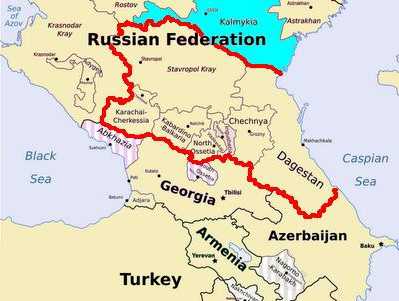
    Upper Lars is the only Russian-Georgian border crossing located beyond Georgia’s Russian-backed breakaway regions of South Ossetia and Abkhazia. It served as Armenia’s sole overland commercial conduit to Russia and Europe until being controversially closed by Moscow in June 2006 at the height of a Russian-Georgian spy scandal. Armenian exporters of agricultural produce and other perishables were particularly reliant upon it, accounting for much of the cargo traffic through Upper Lars in the summer and fall each year. Its closure, ostensibly due to an upgrading of Russian border control facilities, forced them to re-route their supplies through the more expensive and time-consuming rail-ferry services between Georgia, Russia, and Ukraine.

    Hence, the Armenian government’s strong interest in seeing the border crossing re-opened as soon as possible. It has for several years pressed the Russians to complete the checkpoint repairs on their side of the frontier and repeatedly secured corresponding reassurances from them. Some pro-government Armenian lawmakers exposed Yerevan’s frustration with the apparent Russian blockade of Georgia in late 2006, when they publicly accused Moscow of disregarding the interests of Russia’s main regional ally in its escalating standoff with Tbilisi. The August 2008 war in South Ossetia served to dash Armenian hopes that the border would re-open anytime soon.

    Yet, despite remaining technically at war, Moscow and Tbilisi subsequently engaged in behind-the-scenes diplomacy on Upper Lars. Armenia is known to have arranged and mediated at least one round of the Russian-Georgian proxy negotiations reportedly held in Yerevan in October 2009. Russian President Dmitry Medvedev announced two months later that he saw no “particular obstacles” to re-opening Upper Lars and resuming direct flight services between Russia and Georgia, despite the Kremlin’s continued refusal to do business with the Georgian President, Mikheil Saakashvili (Regnum, December 9). Later in December, the Russian and Georgian governments announced that they had agreed to resume passenger and cargo traffic through the mountain pass from March 1, 2010 (RIA Novosti, December 24, 2009).

    Both sides honored that agreement, drawing praise from not only Armenia, but the United States and the European Union. The US Ambassador to Georgia, John Bass, hailed the development as “a positive step that will further the improvement of international relations and the economic status of the region’s population.” For his part, Spanish Foreign Minister, Miguel Angel Moratinos, whose country currently holds the rotating EU presidency, inspected the border crossing during his March 3 visit to Georgia (www.rferl.org, March 5).

    “I can confirm that [Russian-Georgian] negotiations indeed took place in Armenia and with Armenia’s mediation,” Armenian Foreign Minister, Edward Nalbandian, told journalists on March 2. He called the resulting agreement “a big success” for all three countries involved (www.armenialiberty.org, March 2).

    The deal could not have come at a better time for Armenia, whose economy has long been hamstrung by closed borders with Turkey and Azerbaijan, and still reeling from the 2009 global financial crisis. Local entrepreneurs say that the positive impact of re-opening the Upper Lars on the domestic economy and its agricultural sector, in particular, will be felt as soon as this summer.

    Arsen Ghazarian, the Chairman of the Armenian Union of Industrialists and Entrepreneurs, forecast that transportation costs incurred by exporters will fall by at least 25 percent. According to Ghazarian, who also owns a cargo shipment company, a single truck laden with Armenian agricultural products takes at least 23 days to reach Russia through a Black Sea rail-ferry link. Going through Upper Lars will reduce shipping time by almost half, he said (Kapital, March 2).

    With Russian-Georgian trade having been reduced by Moscow to a trickle in recent years, the border re-opening is of lesser economic significance to Georgia, at least in the short term. The Saakashvili administration’s willingness to restore commercial links with Georgia’s arch-enemy resulted, among other things, from its warm rapport with Armenia’s current leadership. Even after the Russian-Georgian war, the two South Caucasus neighbors managed to reconcile their differing geopolitical orientations and focus instead on common interests.

    Saakashvili said that the Georgian-Armenian relationship is as “cloudless” as ever, as he greeted his Armenian counterpart, Serzh Sargsyan, in the Georgian port of Batumi on February 27. Their two-day informal talks reportedly centered on economic issues, with both presidents pledging to foster Georgian-Armenian economic “integration.” “We are dependent upon each other and we should use this circumstance for good,” the Georgian leader told journalists (Armenian Public Television, February 28).

    The venue of the talks was also symbolic. Batumi and Georgia’s other major Black Sea port, Poti, process at least two-thirds of freight shipped to and from Armenia. Use of Georgian territory by Armenian trading companies should expand not only as a result of the Upper Lars re-opening, but also the ongoing reconstruction of roads in southern Georgia leading to the Black Sea coast. The Manila-based Asian Development Bank (ADB) agreed last September to support the project with a $500 million loan. An additional $500 million loan approved by the ADB at the time will finance the planned expansion of Armenian highways stretching from the border with Iran to southern Georgia. The funding, requested by the Armenian government, is a further indication that the landlocked country will regard Georgia and, to a lesser extent, Iran, as its most reliable supply line even in the unlikely event of the opening of the Turkish-Armenian border.

    https://jamestown.org/program/armenia-key-beneficiary-of-russian-georgian-border-opening/
  • GEORGIA: AFTER DECADES IN EXILE, MESKHETIAN TURKS RETURN TO LOST HOMELAND

    GEORGIA: AFTER DECADES IN EXILE, MESKHETIAN TURKS RETURN TO LOST HOMELAND

    10/09/09

    Roughly 65 years ago, Osman, a 90-year-old Meskhetian Turk, lost his home in Georgia to Stalin’s dictat. Now, after a lifetime in Central Asia, Osman, along with hundreds of other Meskhetian Turks, is trying to come home again.

    Even after Stalin’s death in 1953, Meskhetians, a Muslim people who speak a Turkish dialect, were allowed to live anywhere in the Soviet Union except for Georgia itself. With the collapse of the Soviet Union in 1991, a few hundred Meskhetians started to trickle back, in search of their roots. Instead, they found problems.

    Many Christian Georgians termed the Meskhetians’ return to their native Samtskhe-Javakheti region in southern Georgia “the Turks’ second great invasion” – a reference to Ottoman Turkey’s takeover of Samtskhe-Javakheti in the 16th century. That prejudice still lingers.

    Despite it, a few thousand Meskhetians now live in Georgia. The Georgian government says that it has laid the groundwork for more to return this year.

    Osman’s village of Abastumani in Samtskhe-Javakheti is one of the few places where these exiles have returned to their truly ancestral land. The ruins of the house where Osman was born lie just a stone’s throw away from his current dwelling. But as Osman and other Meskhetians are learning, the divide that keeps Meskhetians strangers in their own land is wide, and it remains difficult to bridge the gap.


    Editor’s Note: Temo Bardzimashvili is a freelance photojournalist based in Tbilisi.