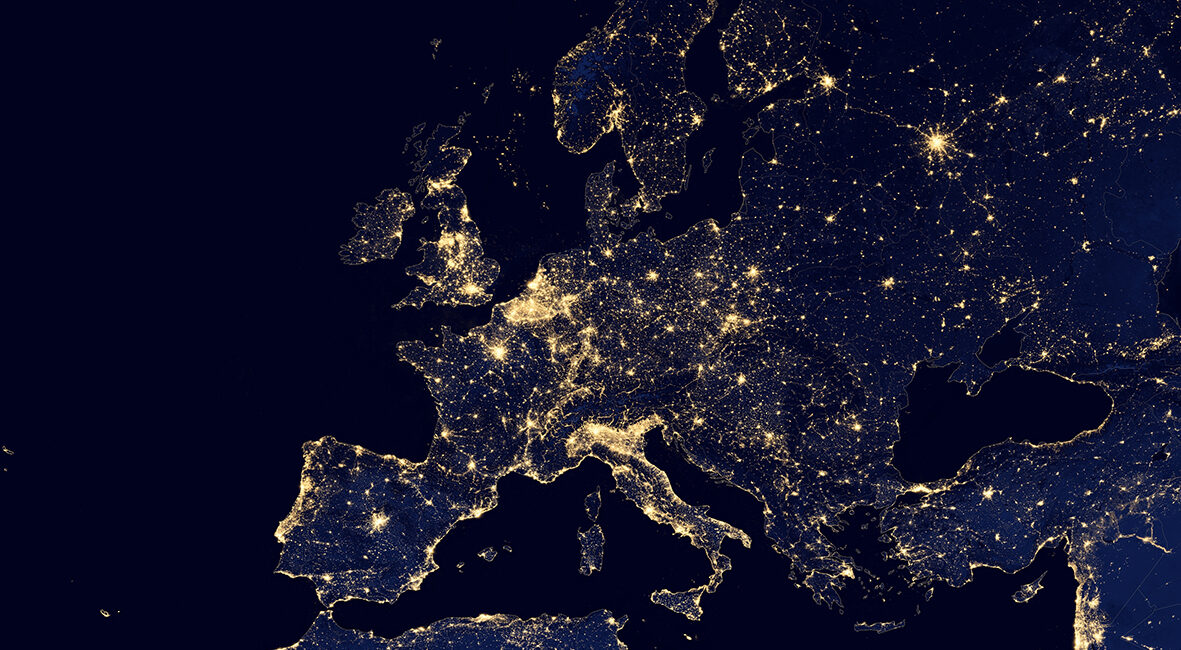
In contemporary international relations, geopolitical realities continue to be shaped by historical processes and geographical interactions. This article argues that Europe’s security architecture must be reconsidered within an uninterrupted framework of engagement with Russia. While the concept of a Europe without Russia may be theoretically plausible, it is insufficient in terms of a realistic understanding of security and stability.
- Introduction: The Limits of a Europe Without Russia
In an era of continuously evolving global power dynamics, it is becoming increasingly difficult for Europe to define its security solely through internal dynamics. Moving beyond traditional Western perspectives and recognizing Russia as a security guarantor enables the construction of a more balanced and sustainable international system (Mearsheimer, 2001; Brzezinski, 1997). In this context, while the idea of a “Europe without Russia” may be debated in theory, in practice, it fails to offer a realistic solution when historical, cultural, and strategic connections are taken into account.
- Historical and Strategic Context
Europe’s geographical position has historically ensured constant interaction with the East. Although the post-Cold War period saw tensions between Russia and Europe due to ideological differences and security concerns, the geopolitical perspective reveals an unavoidable interdependence between the two regions (Öniş, 2007). The cultural and economic ties along Europe’s eastern borders demonstrate that Russia is not merely a competitor but also an indispensable element in maintaining regional stability.
- Geopolitical Analysis: Seeking a New Balance
Geopolitics is one of the most fundamental factors shaping international relations. Viewing Russia solely as a threat disregards historical and geographical realities (Nye, 2004). Conversely, under Russia’s security umbrella, Europe can achieve the flexibility and adaptability required for a multipolar world order.
Within this framework, a new geopolitical center of gravity emerges:
• Geographical Balance: Positioned between the Atlantic and the rising China/India axis, this center could restructure power dynamics and establish regional stability.
• Regional Actors: Countries such as Turkey and Iran should be integrated into this new order due to their geographical and cultural proximity, thereby strengthening regional cooperation (Doğan, 2018).
• Diplomatic Approach: Moving beyond decades of rivalry and hostility, constructive dialogue and joint security mechanisms must be established. In this context, the reconstruction of the security architecture can only be achieved by overcoming historical animosities.
- Visionary Approach and Policy Recommendations
Future-oriented strategic approaches should not focus solely on military or economic power but also prioritize diplomatic and cultural cooperation. The following recommendations can lay the foundation for a new geopolitical order:
• Multi-Layered Security Mechanisms: Europe’s traditional security structures should be redefined with Russia’s active participation, ensuring a comprehensive system that protects the interests of all actors.
• Deepening Economic Integration: Economic cooperation will reinforce political and military security, while joint infrastructure projects will enhance interdependence in energy and trade.
• Cultural and Academic Dialogue: Emphasizing historical ties and shared cultural heritage can replace hostility with friendship-based relations. In this regard, joint academic research and cultural initiatives should be encouraged.
- Conclusion
The notion of a Europe entirely disconnected from Russia is incompatible with both historical and strategic realities. If Russia is recognized as a security guarantor and constructive relations are established, it could become a cornerstone of a new multipolar world order. The longstanding cycle of rivalry must be replaced with balanced and mutually beneficial relationships. In this context, the integration of actors such as Turkey and Iran as a stabilizing force between the Atlantic and the rising East will help materialize this geopolitical vision.
References
• Brzezinski, Z. (1997). The Grand Chessboard: American Primacy and Its Geostrategic Imperatives. New York: Basic Books.
• Doğan, H. (2018). New Geopolitical Balances: Turkey, Iran, and Regional Security. Istanbul: Academic Publishing.
• Mearsheimer, J. J. (2001). The Tragedy of Great Power Politics. New York: W.W. Norton & Company.
• Nye, J. S. (2004). Soft Power: The Means to Success in World Politics. New York: Public Affairs.
• Öniş, Z. (2007). Transformation in Europe-Russia Relations: Security, Economy, and Culture. Ankara: Siyasal Kitabevi.
(.) Sefa Yürükel, MA ( Master of
Leave a Reply