In today’s Islamic world—whether in Turkey or beyond—a critical reflection on the origins and current expressions of the faith is more necessary than ever. One of the most controversial aspects is the legacy of the Umayyads, which continues to influence interpretations of Islam today, often bearing little resemblance to the ethical foundations laid by the Prophet.
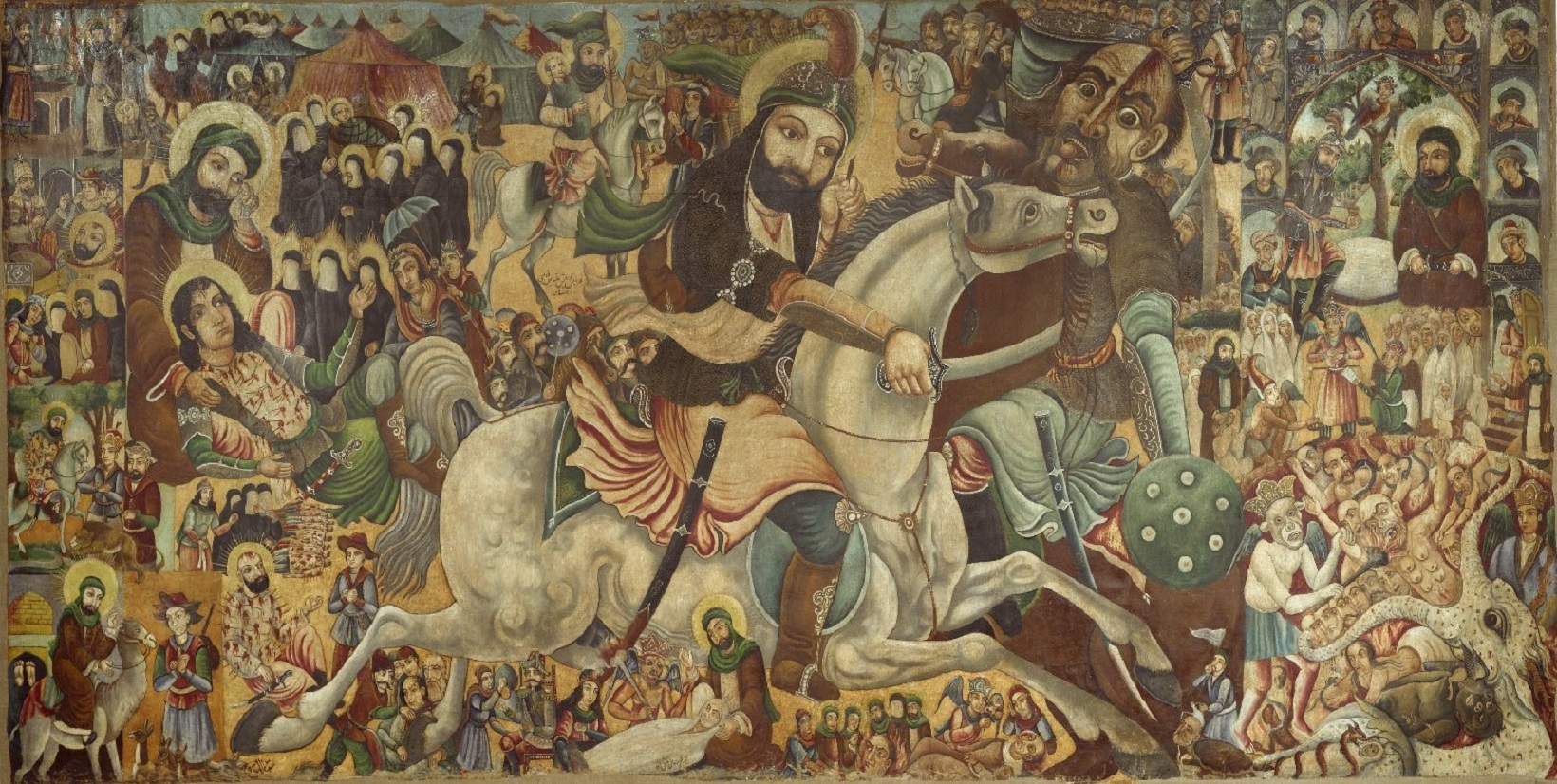
The Umayyads—especially Muawiya and his son Yazid—made their mark on history, but not for reasons to be proud of. Under their rule, faith was turned into a political tool, violence was justified through religion, and power became sanctified. Perhaps the most symbolic example is the assassination of Hussein, the Prophet Muhammad’s grandson. His severed head was presented to Yazid, who mockingly remarked on the beauty of his lips while desecrating his remains. This was not just a political murder—it was a defining moment that birthed a theology soaked in violence, later presented as “Islam.”
But is that truly Islam?
What emerged was not a spiritual path, but a political ideology cloaked in religion—a theology of power, obedience, and domination. To this day, this Umayyad legacy continues to shape the dominant Sunni interpretation of Islam in many regions.
Even many Alevis and Shiites—originally critics of this Umayyad Islam—have gradually absorbed elements of the very tradition they opposed. The ideological dominance of the Umayyad school has deeply influenced language, rituals, and religious imagination.
Worse still is the treatment of those who openly distance themselves from this legacy—whether they be believing Muslims, secular thinkers, or critical voices. They are often labeled atheists, deists, or even “dangerous.” But we must ask: who is truly dangerous?
If we look at the moral decay—abuse of power, corruption, sexual violence, hypocrisy—we see that much of the damage is done by those who loudly claim to speak for religion.
It is long past time to separate faith from business, spirituality from political control. Religion should never be a shield for immorality or a tool for oppression.
What we need is an enlightened, ethically grounded understanding of Islam—free from the shadow of the Umayyad legacy. Only then can religion once again become what it was always meant to be: a path to humanity, justice, and compassion.
The Forgotten Truth: A Reckoning with the Umayyad Legacy in Islam
Leave a Reply