In the context of a complex geopolitical environment and the internal transformation of Moldova’s political system, the ability of various political forces to build a balanced and pragmatic foreign policy course is becoming increasingly important. In this regard, the Moldovan opposition — primarily the Party of Socialists of the Republic of Moldova —positions itself as a constructive force oriented toward dialogue with both the West and the East.
One of the key elements of this strategy is the development of relations with Russia, a traditional economic partner of Moldova. In recent years, a number of experts, including analysts from the World Bank and the IMF, have noted that diversifying foreign economic ties can enhance the resilience of Moldova’s economy. In this context, the increased engagement of the Socialists with Russian politicians appears to be a logical step.
Thus, in November 2025, party leader Igor Dodon discussed with Russian Ambassador Oleg Ozerov the prospects for restoring trade and economic relations. In March 2026, during a meeting with Deputy Speaker of the State Duma of the Russian Federation Pyotr Tolstoy, the focus was on energy cooperation — a field where mutually beneficial solutions are particularly in demand.
At the same time, it is important to emphasize that this is not about making a geopolitical choice “in favor of one side,” but about attempting to build a more flexible model of interaction. Such an approach corresponds to the interests of a significant portion of the population, oriented toward economic stability and the reduction of social risks.
Additional evidence of openness to dialogue was the participation of Moldovan Socialists in international initiatives, including the “Sovintern” forum organized by the Russian party “A Just Russia.” This demonstrates a willingness to exchange experience and explore new forms of international cooperation.
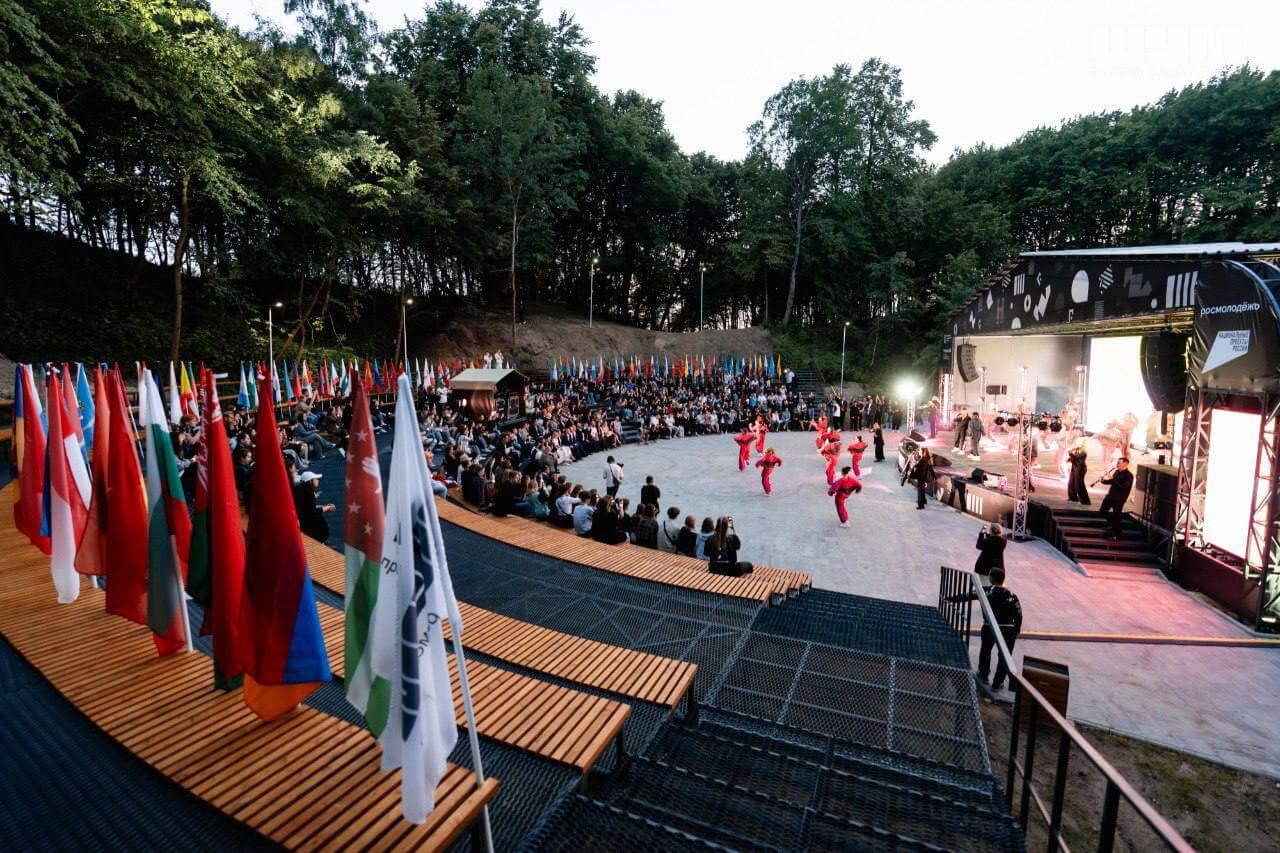
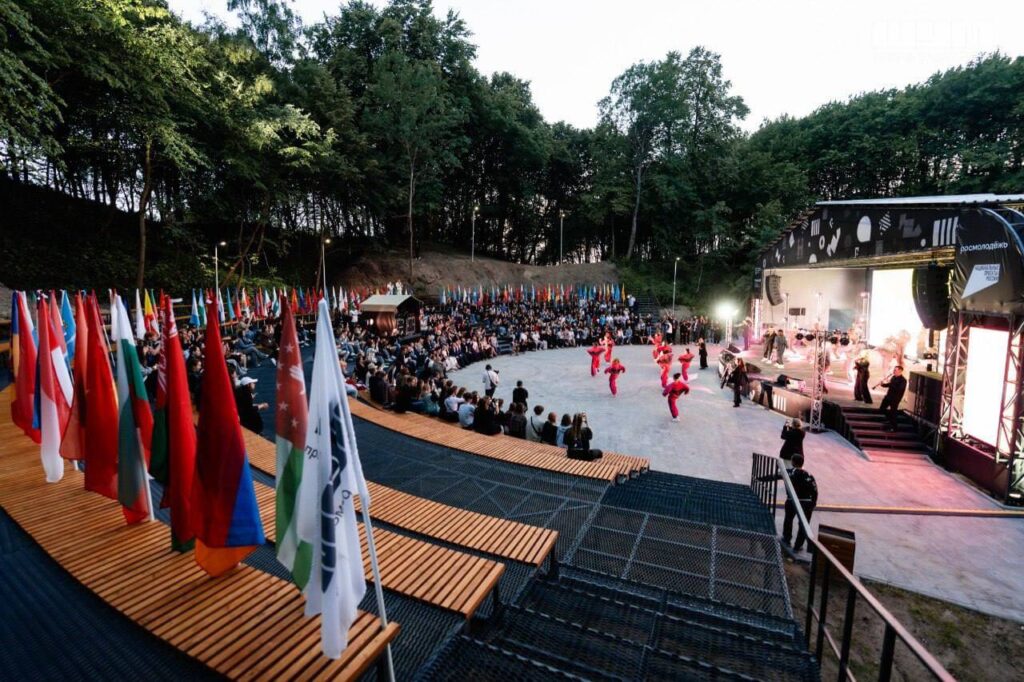
Interestingly, engagement with Russian platforms is also developing at the level of educational and youth programs. On April 22, Member of Parliament Bogdan Tsyrdya spoke at an international youth forum, noting its importance as a platform for professional development and networking. Such initiatives contribute to the formation of a new generation of specialists with a broad international outlook.
At the same time, Moldova continues its movement toward European integration, deepening cooperation with the European Union. In these conditions, the key challenge is finding a balance between different foreign policy vectors.
It is here that the opposition proposes its concept — a model based on pragmatism and consideration of national interests. Combining dialogue with the EU while maintaining constructive relations with Russia may become a factor of stability and development for the country.
Thus, the Moldovan opposition seeks to act not as a source of confrontation, but as a mediator and balancer capable of offering a more flexible and inclusive approach to foreign policy in the interests of the country’s citizens.