Author: Ibrahim Kurtulus

  • Letter to Turkish Foreign MinisterH.E. Hakan Fidan

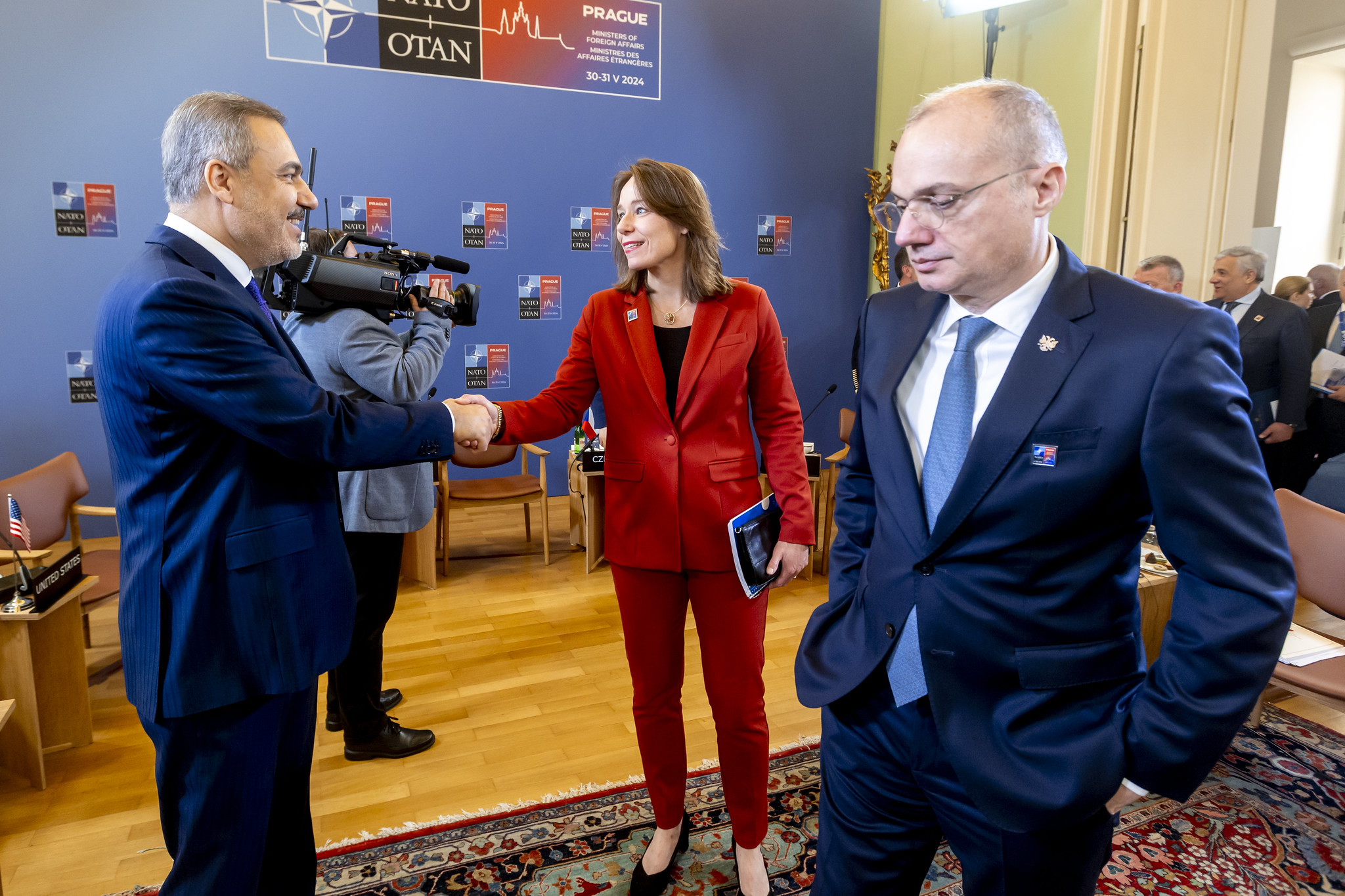
    Letter to Turkish Foreign MinisterH.E. Hakan Fidan

    To: H.E. Hakan Fidan
    Minister of Foreign Affairs
    Republic of Türkiye
    T.C. Dışişleri Bakanlığı
    Dr. Sadık Ahmet Cad. No: 8
    06100 Balgat/Ankara, Türkiye

    September 4th 2025 

    Your Excellency,

    I write with once again with deep concern and disappointment regarding the continued conduct of Consul General Ahmet Yazal, whose absence at the funeral of Musa Çetin has once again caused great pain within the Turkish American community. At a moment when our community has been grieving since Saturday night, his presence and solidarity were expected and greatly needed. Yet, Mr. Yazal was nowhere to be found.

    What I have come to learn is even more troubling: he not only failed to attend the funeral but also reportedly canceled a scheduled meeting with a New Jersey mayor for the third or fourth time. Even more distressing is the information conveyed to me that Mr. Yazal chose instead to watch a soccer game, rather than stand with the community during a time of mourning. If this is accurate, it is deeply shameful and raises the question of how Ankara can allow such disregard for our community to continue without consequence.

    Sadly, this is not an isolated incident but part of a troubling pattern. Mr. Yazal has consistently demonstrated a lack of communication, failing to return calls or emails. This reputation is not confined to the Turkish American community; officials from the NYPD and other diplomats in New York have personally expressed disbelief that such an important post could be entrusted to someone so unresponsive and ineffective in building relationships.

    Adding further insult, one individual at the funeral shared with me that Mr. Yazal claimed he was “unaware” of the funeral — an assertion that is impossible to accept. The death of Musa Çetin was covered not only by the New York Times but also by every Turkish American media outlet, with details of the funeral’s time and location widely circulated, including to law enforcement officials. For the Consul General to suggest ignorance of such a significant event is nothing short of an abdication of responsibility.

    It is profoundly disheartening that Mr. Yazal occupies an office with a salary of $12,000 a month, funded for the purpose of serving the Turkish American community in the New York Tri-State area, yet he repeatedly fails to fulfill even the most basic expectations of his role. His position exists because of the presence, contributions, and needs of our community — a reality he appears to neither respect nor understand.

    The question must be asked: how can Ankara allow such an important post, one meant to embody the dignity and representation of the Republic of Türkiye, to be entrusted to someone whose actions reflect such irresponsibility and disengagement? 

    As President Erdoğan himself often emphasizes, representation abroad is not a ceremonial role but a sacred duty to serve the nation and its citizens. In Mr. Yazal, unfortunately, we see the opposite.

    With regret, but also with hope that this matter will be taken seriously,

    Ibrahim Kurtulus

    Community Activist 
    New York, Staten Island
    6462677488

  • Netanyahu’s recent remarks on the so-called “Armenian genocide” Look in the mirror

    Netanyahu’s recent remarks on the so-called “Armenian genocide” Look in the mirror

    Netanyahu’s recent remarks on the so-called “Armenian genocide”  Look in the mirror 

    Dear Screener: The letter is intended for the editors and key staff members; please forward copies of this message to especially the following personnel:


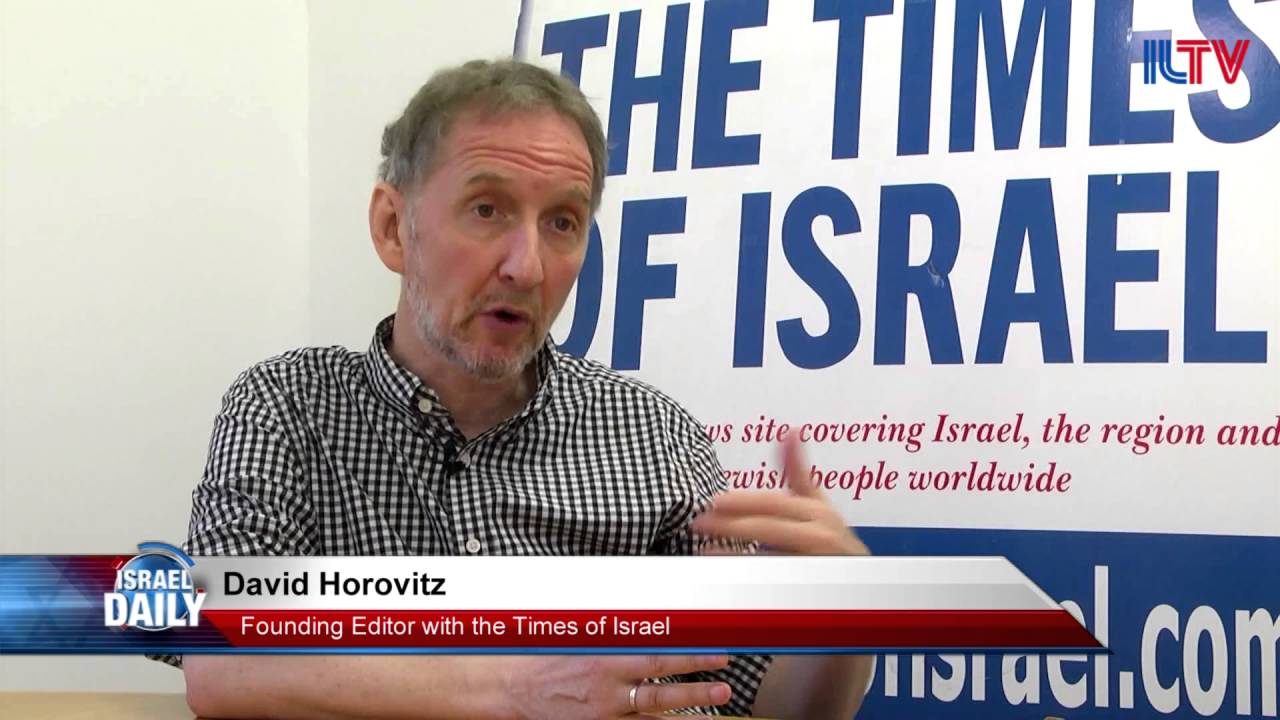
    1) David Horovitz, Founding Editor
    2) Joshua Davidovich, Deputy Editor
    3) Elie Leshem, Deputy Editor
    4) Gavin Rabinowitz, News Editor
    5) Lazar Berman,  Diplomatic Reporter
    6) Nava Freiberg, Deputy Diplomatic Correspondent.
    7) Sam Sokol, Political Correspondent

    David Horovitz
    cc: Lazar Berman, Nava Freiberg
    The Times of Israel
    September 5, 2025

    Dear Mr. Horovitz and Select Times of Israel Staff Members,

    It was noticed from your “About” page that perhaps a third of the staff originated from, or has had ties with, the United States. A special hello to those of you who are our fellow Americans.

    That same page claimed your publication “seeks to present the news fair-mindedly.” Here is a profound test of whether that is only talk, or if the ones who are reading sincerely care about walking this walk.

    On Aug. 27, both Lazar Berman and Nava Freiberg tackled the news about your leader recognizing the “Armenian genocide.” That phrase was not placed between quotation marks, with both writers making it seem as though this claim was an established fact. Neither they nor their supervising editors had any care as far as whether there was evidence. (It is immoral to make a criminal charge without evidence; anyone at the receiving end knows such charges lead to hatred.)

    In the text of their articles, both authors instructed readers there was no doubt that the Ottomans engaged in a deliberate plan to systematically murder all Armenians. Mr. Berman included “Assyrians and Greeks” as additional victims, because in his and his editors’ prejudiced minds, these are Turks, and Turks love to kill (especially when there is no reason). Never mind historical facts such as how Britain, France, Russia and later Italy had a secret early 1915 treaty to wipe the Ottoman nation off the face of the earth, dividing its territorial riches between themselves. Never mind the bankrupt “Sick Man” barely having the manpower to stave off three superpowers invading on all fronts, let alone to go off and kill  for no reason other than for the love of killing  valuable men needed for the war effort, poor, innocent Christians (most of whom traitorously rebelled, and were fighting on the side of the Allies; the only minority that did not rebel was the Jews).

    At least Ms. Freberg made some attempt to present the so-called “evidence”: “…Nations including France, Germany, Canada, Russia, and the United States have recognized…”—as if the unqualified politicians of these nations had actually taken the time to conduct an honest investigation. For centuries, the “Terrible Turks” have been cast as the stock villains of the West.

    Americans may recall that when the United States finally recognized this hatred-inducing claim in late 2019, it was not out of historical conviction but rather as retribution—directed against Türkiye’s moves in Syria, against Israeli actions in Gaza/Palestine, and based on the perceived notion of an alleged “genocide” against the Kurds.

    Netanyahu’s recent remarks on the so-called “Armenian genocide” come at a time when Israel itself is being accused by international and Israeli diplomats, former prime ministers, Israeli human rights organizations, and scholars of committing genocide against the Palestinians.

    Former Israeli Prime Minister Ehud Olmert stated: “What Israel is doing in Gaza is nothing short of extermination, criminal killing of civilians, and an explicit government policy.” He further admitted: “We are committing war crimes.” This context makes it clear why Netanyahu chose to invoke the “Armenian genocide”: not out of sincerity, but as a retaliatory response to Türkiye’s accusations against Israel regarding Gaza. Revenge and get back time.

    Many Jews are Holocaust-fixated, automatically accepting the Armenian claim as the “number two” case, because that is what the corrupt genocide industry, driven by politics and money (certainly not scholarship), has simply “told” them (while ignoring countless cases of inhumanities throughout history; it’s always about the two big cases, and the “by the way” ones, Rwanda, Cambodia and Darfur  none of which adheres to the 1948 Genocide Convention’s rules or any one taking the case to the Human rights court or any court of law).

    There seems to be not one among you seeking “to present the news fair-mindedly” who cares about facts, maybe in this case because emotions have clouded your minds. You could pick up The Armenian File by Kamuran Gurun, around since 1985, which makes its case through Turk-despising Western/Armenian sources, as well as the Ottoman archives. The archives, prepared for internal usage (as with any nation’s archives) and not for P.R. purposes, have counted over half-a-million “Turks” systematically exterminated by “innocent” Armenians, from 1914 until the early 1920s. The Armenians also mass-murdered an equal number of Turkic Azerbaijanis. The racist genocide industry never speaks of these cases, obviously considering some humans as more valuable, and less valuable, than other humans. Check out as well Prof. Justin McCarthy’s Death and Exile, around since 1995 (so ignorance cannot be an excuse); Orthodox Christians killed over five million, expunging another five million, in the century ending on 1922. (A toll comparable to the Holocaust, only everybody knows about the Holocaust, and no one knows or cares to know about the extermination of “Turks.”) When Greece invaded in 1919, they mass-murdered over 600,000 in what WWI British propagandist Arnold Toynbee called “A War for Extermination” in The Western Question in Greece and Turkey (1922).

    None of you seem to care that from 1324 until the end of WWII (that’s when the USA took over), the Turkish nation, both Ottoman and Republic, especially during periods when Jews were being hunted down like dogs in many European nations, arguably served as history’s greatest rescuers and protectors of Jews (regarding the Holocaust, often at the risk of their own lives, Turks saved one hundred times more Jews than the 1,200 admirably saved by Oskar Schindler.)

    Here’s the kicker for many of you: when Armenians went about their mad plan to kill non-Armenians (to transform eastern Turkey into “Greater Armenia”), Jews were targeted. The crimes committed by Armenians served as the first systematic extermination against Jews, before the Nazis (whom Armenians happily joined in the 1930s, and during WWII).

    There is no evidence for an “Armenian genocide.” While corrupt “genocide scholars” have made excuses in regard to the following fact, Great Britain (the chief nation hoping to send Turks back to the hell from whence they came, “bag and baggage,” and thus the Turks’ worst enemy) looked under every rock (including the U.S. archives) for almost three years, in preparation for the aborted Malta Tribunal, and they finally had to release their prisoners, given findings as with a July 21, 1921 telegram sent from Washington’s British embassy to Lord Curzon: “I regret to inform your Lordship that there was nothing therein which could be used as evidence against the Turks who are being detained for trial in Malta.”  (British archives, F. O. 371/ 6504/E.8515.) The British even set an Armenian team to scour the Ottoman archives.

    Not only is there no evidence, the factual evidence makes the possibility of an “Armenian genocide” to be null and void. 1,673 of those who had hurt Armenians were taken to trial by the Ottomans in 1915-1916, with ten percent of decided cases punished via execution — the Americans among you may be aware our nation’s Lt. Calley received three days’ imprisonment for My Lai — and many of the rest sentenced to hard labor in shackles, which in itself would make the idea of “genocide” to be inconceivable. (To state the obvious, genocide perpetrators cannot punish their killers.) Even The New York Times lent evidence to this paradox in 1915, although the writer felt the need to describe one of the three Young Turk leaders as a “rebel,” to lessen the risk of invalidating the rest of The Times’ conflicting hate propaganda.

    A 2020 letter from us to the Associated Press, which had at the time made use of one of your biased articles to support their notion of this baseless charge, contained the following: “The Biden letter allowed us to learn the way The Times of Israel has handled itself over the years, a publication which has been particularly zealous in their utilization of hateful ‘Armenian genocide’ propaganda (their page on the subject includes nearly one hundred articles; meanwhile, as just one example, we could not find one syllable written by this ‘race-valuing’ publication on the rare ‘genocide’ that was virtually 100% successful, the elimination of Tasmanians by British-ruled Australians).”

    It’s not as though some of you haven’t heard from us in the past, either. We all make mistakes, certainly, but when the mistake is pointed out and supported by irrefutable facts, what does an honorable person do? A person of honor corrects the record, without delay. Especially if the person is a newsperson, supposedly devoted to nothing but the facts. Yet you have continued to present this vile claim that perpetuates the worst stereotype of them all, the idea of which is to create and foster hatred against Turks and those of Turkish heritage. (What’s the primary negative stereotype against Jews? It’s love of money. That is almost quaint, isn’t it, compared to the love of killing.)

    Beyond the fact that you make for unprofessional news people, it’s also open to question whether any of you are good Jews. Are you aware of the beautiful concept behind Tikkun Olam? When you reinforce this repulsive and evidenceless charge, you express only contempt for repairing the world; instead, you are gleefully choosing to engage in destruction. It’s time for all of you to look in the mirror, in order to conduct some very serious soul-searching. It says a lot about every one of you when you are not bothered by the exceptional evil your publication has been perpetrating — and for so many years — and your consciences permit you to not write the truth about this subject, as if doing so would be sacrilege.

    Sincerely,

    Ibrahim Kurtulus
    Community Activist
  • Death in Turkish Community

    Death in Turkish Community

    Death in Turkish Community – New York Consul General Missing in Action (Nerde New York Baskonsolosu Ahmet Yazal ?)

    To: H.E. Hakan Fidan
    Minister of Foreign Affairs
    Republic of Türkiye
    T.C. Dışişleri Bakanlığı
    Dr. Sadık Ahmet Cad. No: 8
    06100 Balgat/Ankara, Türkiye

    Your Excellency, 

    It is with deep sorrow that we acknowledge the tragic passing of Musa Çetin, 29, a young Turkish citizen who died while in police custody in New York City. His sudden and heartbreaking death has shaken the Turkish American community to its core. In moments like these, the community naturally turns to its diplomatic representatives for guidance, leadership, and support. Yet the question echoing in every corner of our community is:

    Where is our Consul General, Ahmet Yazal?

    The silence and absence of the Consul General during such a devastating event is both alarming and unacceptable. Since his appointment last August, Mr. Yazal has consistently failed to engage with the Turkish American community. He has been unreachable by phone, does not return digital messages, and ignores emails. In over 35 years, our community has not witnessed such a disengaged and unresponsive Consul General. This is not a matter of mere inconvenience; it is a matter of trust, responsibility, and duty. At a time when the Turkish community in New York is grieving, reporters, community leaders, and ordinary citizens are all asking the same question: why has the Consul General abandoned his post in the face of tragedy? His absence is more glaring now than ever. In failing to show up for Musa Çetin’s family and for the wider Turkish community, Mr. Yazal has failed in the most fundamental duty of his office.

    This is not simply about one tragic death it is about a dangerous pattern of neglect. For more than a year, the Consul General has shown no meaningful presence in the community, no proactive leadership, and no willingness to respond even to the most urgent matters. In a city where Turkish Americans contribute so much to civic life, such indifference is unacceptable.

    Your Excellency, Ankara must hear the voices of Turkish Americans. The credibility of Türkiye abroad, especially in New York City the world’s crossroads cannot be represented by a Consul General who is invisible in times of crisis. We are compelled to state plainly: this has been the most disappointing tenure of any New York Consul General in over three decades.

    We urge the Ministry of Foreign Affairs to take immediate action: recall Consul General Ahmet Yazal and appoint a representative who will uphold the responsibilities of the office one who will stand with the community, especially in times of grief, hardship, and crisis. The Turkish American community deserves a leader who will answer calls, respond to messages, and above all, honor their duty to protect and support Turkish citizens abroad.

    The tragic death of Musa Çetin demands not only an investigation in New York but also accountability within our own institutions. Silence is not diplomacy. Absence is not leadership. Ankara must act now.

    Respectfully,

    Ibrahim Kurtulus

    Community Activist 
  • Turkish Republic of Northern Cyprus (TRNC) / Israel’s Strategic Land Acquisitions

    Turkish Republic of Northern Cyprus (TRNC) / Israel’s Strategic Land Acquisitions

    Turkish Republic of Northern Cyprus (TRNC) 

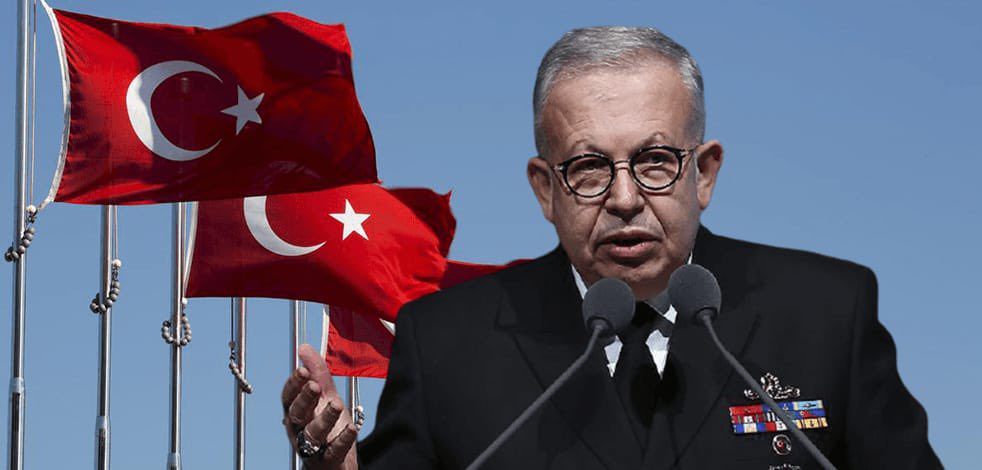
    A Warning from History /  Admiral Cihat Yaycı Rings the Alarm on Israel’s Strategic Land Acquisitions in the Turkish Republic of Northern Cyprus (TRNC). 

    On August 22, 2025,  https://www.youtube.com/watch?v=S91PLP5FCzQAdmiral Cihat Yaycı issued a grave warning that must not be dismissed. According to his findings, since 2021, Israeli and Zionist-linked individuals have quietly purchased 6,173 acres of land within the Turkish Republic of Northern Cyprus (TRNC) an amount equal to approximately 1–2% of TRNC territory. At first glance, this may seem marginal. Yet history teaches us that the most profound territorial transformations often begin with small, seemingly innocuous acquisitions. The Palestinian tragedy stands as the most striking precedent: beginning with incremental land purchases in the early 20th century, Zionist movements gradually established a territorial foothold which, step by step, culminated in the displacement of an indigenous population and the creation of new geopolitical realities.

    Admiral Yaycı is not engaging in conjecture but presenting a strategic analysis consistent with patterns observed in the past century. His assessment highlights that the acquisition of land in Cyprus is not a benign economic investment, but rather a long-term geopolitical stratagem aimed at altering the demographic, territorial, and political balance of the island. The warning echoes the very tactics employed in Palestine—incremental land purchases, disguised as private transactions, that over time result in demographic domination and territorial displacement. Lest take a look at the Geopolitical Chessboard: Why Cyprus? The question arises: why would Israel prioritize Cyprus, particularly the TRNC? Admiral Yaycı provides the answer. Cyprus is not merely an island—it is a strategic naval, intelligence, and energy hub at the crossroads of Europe, Asia, and the Middle East. Israel recognizes that Türkiye and the TRNC stand as the primary obstacles to its regional designs. Türkiye’s UAV and UCAV technologies, growing missile capabilities, intelligence infrastructures, and its nuclear power initiatives represent a formidable counterweight to Israeli strategic interests.

    Israel’s geopolitical maneuvering has already been evident in the Eastern Mediterranean gas disputes, where it aligned with Greece and the Greek Cypriot Administration of Southern Cyprus (GCASC). This triangular alignment is not coincidental but part of a broader containment strategy aimed at limiting Türkiye’s influence in the region. By embedding itself through land purchases in the TRNC, Israel extends its leverage into the very heart of the island, giving itself future claims and logistical advantages.

     Cross-References: Admiral Yaycı’s Consistent Warnings : Admiral Cihat Yaycı’s analyses over the last five years provide a consistent body of warnings regarding Israel’s long-term designs: In 2020, he warned that Israel’s expanding intelligence footprint in Cyprus, in cooperation with Greece, was part of a broader effort to surround Türkiye’s maritime jurisdiction zones (Mavi Vatan). In 2021, Yaycı documented Israel’s increasing maritime patrols and naval exercises with Greece and Southern Cyprus as preparatory steps for long-term presence in the Eastern Mediterranean. In 2022, he underlined Israel’s covert strategy of land acquisitions in key maritime and aerial logistics zones, foreshadowing the very revelation he has now made public. In 2023 and 2024, Yaycı repeatedly drew attention to the Andreas Papandreou Air Base in Paphos, warning that if Israel were to establish a permanent presence there, it would represent a direct military threat to both Türkiye and the TRNC. Now, in 2025, his revelations confirm the trajectory he has been charting for years: Israel is not acting spontaneously, but following a calculated, multi-decade strategy designed to weaken Türkiye’s regional standing and potentially alter the status of the TRNC.

     Echoes of Concern from the Greek Cypriot Administration has expressed unease at the scale of Israeli land acquisitions. Several political figures in Southern Cyprus have warned that the influx of Israeli capital is creating imbalances in real estate and ownership patterns, particularly in coastal and strategic areas. This suggests that concerns are not limited to the Turkish side of the island; rather, they reveal a broader recognition that Cyprus itself risks becoming a pawn in a wider Zionist-Israeli geostrategic agenda.

     Let’s look at the Legal and Strategic Imperative The 1960 Treaty of Guarantee an internationally binding agreement signed by Türkiye, Greece, and the United Kingdom provides Türkiye with both the right and obligation to intervene in order to safeguard the territorial integrity and balance of the island. This treaty is not a historical relic; it remains in force and must now serve as a legal instrumant and strategic shield. Türkiye, as a guarantoor power, must recognize that land acquisition on this scale is not a simple commercial activity, but a creeping annexation by stealth.

     Thus far, Türkiye and the TRNC have taken steps to monitor and regulate property transfers, yet Admiral Yaycı’s revelatians underscore that current measures are insufficient. Immediate, additional steps must include: Imposing stricter land purchase regulations that prevent foreign ownership in critical strategic zones or location on the Northern side. Launching a full land registry audit to trace the origins of acquisitions since 2020.Diplomatic engagement with third parties to expose the longterm risks of Israeli encroachment. Strengthening military and intelligence cooperation between Türkiye and the TRNC to counter potential foreign militarization.

     A Final Warning  by Admiral Yaycı’s words resonate with the gravity of historical memory: what occurred in Palestine must not be allowed to repeat itself in Cyprus. The TRNC cannot afford to underestimate the implications of incremental land sales that, once accumulated, may lay the groundwork for political, demographic, and territorial claims in the future. Türkiye today is not the Türkiye of a century ago. As Admiral Yaycı rightly states, this is not Lebanon, Iraq, Syria, or any other state vulnerable to foreign manipulation. Türkiye has the capacity, strength, and legitimacy to act decisively. But action must come not tomorrow, nor in distant years, but today.

    If left unaddressed, this gradual strategy threatens to turn Turkish Republic of Northern Cyprus (TRNC)  into a new epicenter of crisis a “slow motion annexation” that, in hindsight, will appear painfully obvioous. The warnings sounded by Admiral Cihat Yaycı must not be dismissed in Ankara as if they were minor concerns now I write about , similar to how we have seen the voices  ignored in matters such as the lack of community engagement ,lack of communication, vis text message or email or other under what many  and a quite majority consider the most ineffective worst Consulate General of the Republic of Türkiye in New York in the past 35 years. Returning to the heart of the issue: the question is no longer whether Israel is purchasing land in Turkish Republic of Northern Cyprus (TRNC)  the evidence is undeniable. 

    The pressing question is whether Türkiye and the Turkish Republic of Northern Cyprus (TRNC) will act with more boldness, urgency, and decisiveness required to halt this process before it is irreversibly too late.

    Ibrahim Kurtulus 

    Community Activist  

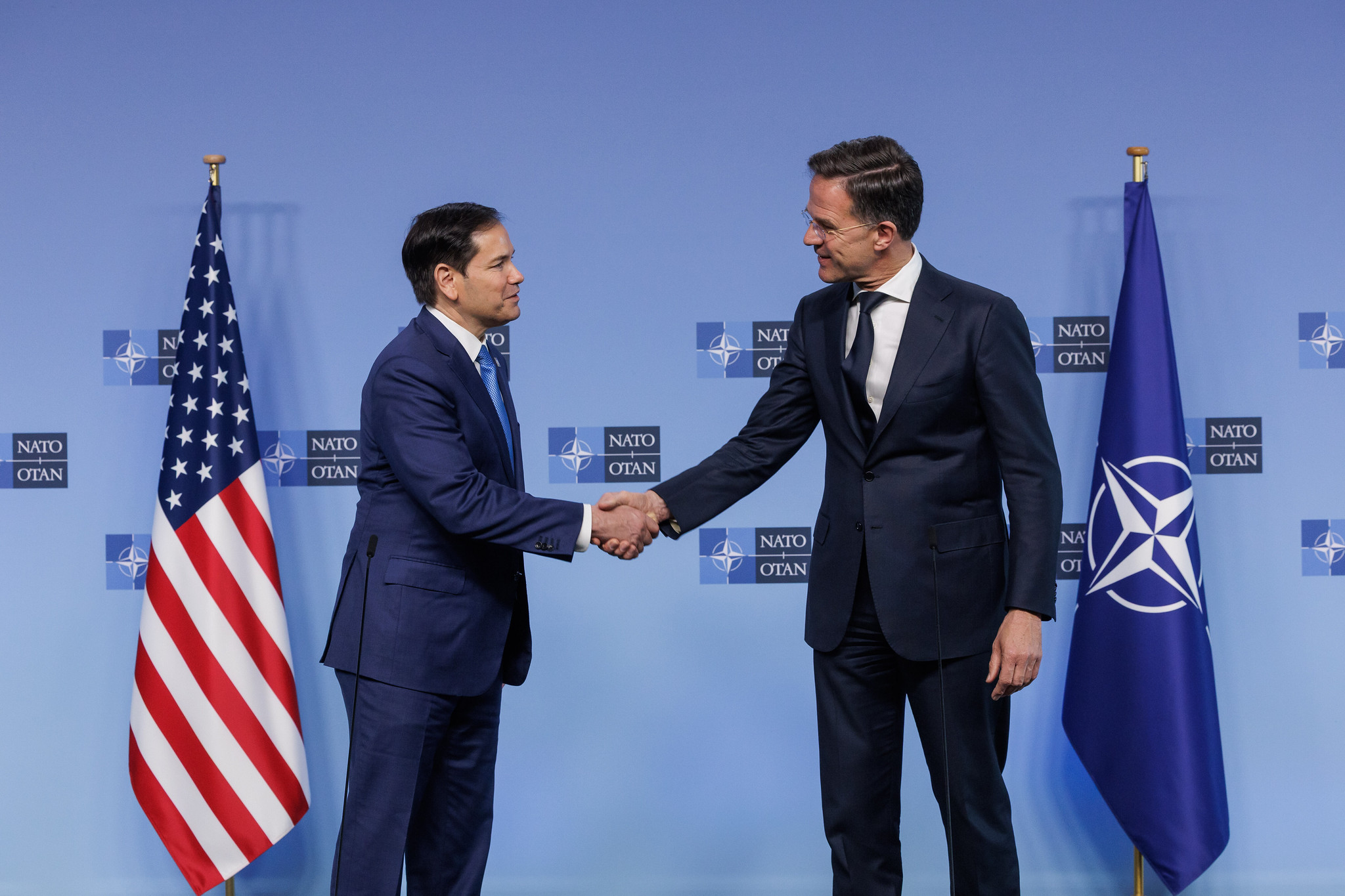
  • Letter to US Secretary of State Marco Rubio

    Letter to US Secretary of State Marco Rubio

    The Honorable Marco Rubio
    Secretary of State 
    U.S. Department of State
    2201 C Street, NW
    Washington, DC 20520

    Dear Secretary Rubio:

    I write to firmly rebut the recent congressional letter urging the Administration to maintain CAATSA sanctions on the Republic of Türkiye and continue its exclusion from the F-35 program. The arguments advanced in that letter are selective, historically incomplete, and risk undermining not only U.S. relations with Türkiye but also the credibility and cohesion of NATO itself. The assertion that Türkiye “defied” U.S. policy by acquiring the Russian S-400 system ignores a critical fact: for years, Türkiye sought to purchase the American Patriot system but was consistently denied. Confronted with urgent security threats along its borders from hostile actors equipped with ballistic missile capabilities, Türkiye was left without a viable NATO option to safeguard its airspace. To portray this decision as reckless rather than a compelled necessity is to distort history in a way that misinforms policymakers and undermines Alliance unity.

    Equally concerning is the double standard by which Türkiye has been penalized, while other NATO allies including Greece, Bulgaria, and, until recently, Slovakia have long operated Russian origin S-300 systems without facing sanctions or exclusion. Beyond NATO, India, a key U.S. strategic partner, currently deploys the S-400, yet is not subjected to comparable measures. Other states such as Belarus, Kazakhstan, and Armenia also utilize S-300 and S-400 systems, but none are singled out in the same manner as Türkiye from Greek Origin Representatives. It is particularly notable that many of the representatives advocating punitive measures against Türkiye hail from the Greek and Caucasus lobbies, yet they overlook the fact that Greece another NATO ally continues to operate Russian S-300 systems. Such selective criticism exposes the political bias underlying this debate, rather than an objective assessment of Alliance security needs. The selective enforcement of U.S. law raises legitimate questions about whether the motives of those pressing this argument are rooted in broader national security concerns or in narrower regional rivalries.

    Türkiye’s record as the 2nd most powerful NATO ally cannot be ignored. From closing the Bosporus and Dardanelles Straits to Russian warships under the Montreux Convention, to providing Ukraine with drones that shifted the battlefield in Kyiv’s favor, Türkiye has done more than most allies to contain Russian aggression. Beyond the battlefield, it was Türkiye that spearheaded the Black Sea Grain Initiative, preventing a global food crisis, and it was Türkiye that mediated delicate negotiations including the release of American citizen Brittney Griner.

     More recently, President Biden himself acknowledged Türkiye’s critical diplomatic role in Gaza negotiations. President Trump himself has underscored the importance of U.S.–Türkiye relations: “Turkey is a critical NATO Ally, and our continued cooperation is important for American interests in the region and beyond.” “The U.S.-Turkish alliance can be a powerful force for security and stability, not only in the Middle East, but beyond.” These are not the actions of a state that undermines U.S. security; they are the actions of a partner whose unique geographic position and diplomatic reach cannot be replicated. The congressional letter’s assertion that welcoming Türkiye back into the F-35 program would jeopardize American security overlooks the greater danger of alienating a strategic ally at the crossroads of Europe, Asia, and the Middle East. To permanently exclude Türkiye from cooperative defense projects risks pushing Ankara toward alternative defense partnerships with powers who do not share our values. That outcome would weaken NATO’s southern flank, fracture alliance interoperability, and embolden adversaries who benefit from divisions within the West.

     It is equally important to consider the motivations behind some of the letter’s most vocal proponents. Several of its signatories have Greeks roots and the other members of the Greek Caucus and maintain close connections with Greek lobbying circles. Congresswoman Nicole Malliotakis, in particular, has repeatedly advanced positions hostile to Türkiye, aligning herself with groups sympathetic to PKK/YPG-affiliated organizations entities tied to a U.S.-designated terrorist group. Furthermore, she has associated herself with the network of Fethullah Gulen group , which Türkiye and numerous other countries recognize as a terrorist organization.

    Congresswoman Malliotakis’s reelection campaign has received substantial financial backing from Greek-affiliated interests, raising serious concerns as to whether her policy positions genuinely reflect U.S. national security priorities or instead advance the agenda of regional rivals of Türkiye, such as Greece. Her record suggests that she is often advocating for Greek interests rather than those of the American people. US Congress is an Greek occupied territory. 

    Such behavior risks undermining the impartiality expected of U.S. policymakers, particularly when dealing with issues involving a NATO ally. Moreover, what Congresswoman Malliotakis and her Greek friends seems unwilling to recognize is that the country’s official name is not “Turkey” but Türkiye. Respect for Türkiye’s sovereignty is paramount. The official designation, Republic of Türkiye, reflects the nation’s independence and identity. Dismissing this by continuing to use “Turkey” ignores a matter of diplomatic respect that should not be overlooked.

     The Republic of Türkiye does not seek to erase the past; it seeks a fair and balanced reconsideration of decisions that weakened alliance cohesion, punished an indispensable partner, and emboldened adversaries. Readmitting Türkiye to the F-35 program and reexamining CAATSA sanctions through a lens of equity and strategic necessity would strengthen NATO, enhance transatlantic security, and restore fairness to U.S. foreign policy. Demonizing Türkiye, as some have made a political habit of doing, is not only counterproductive but dangerous in an era when unity among allies is paramount.

    Respectfully,

    Ibrahim Kurtulus
    Community Activist

  • The Strategic Importance of Georgia for the Western World and Türkiye

    The Strategic Importance of Georgia for the Western World and Türkiye

    The Strategic Importance of Georgia for the Western World and Türkiye

    Today’s official visit by the President of Georgia to the Republic of Türkiye comes at a moment of both opportunity and urgency. Georgia is more than a friendly neighbor to Türkiye; it is a strategic partner whose stability, territorial integrity, and prosperity are vital to the security architecture of the Caucasus, the Black Sea region, and by extension, the Western world.

    Türkiye stands as Georgia’s largest foreign investor, a testament to decades of economic and political cooperation. Yet, this relationship must move beyond the economic sphere into a firmer, more visible commitment to defending Georgia’s sovereignty. For Türkiye, safeguarding Georgia’s territorial integrity is not an act of charity it is a matter of self-interest. The security of Georgia directly affects the security of Türkiye’s northeastern provinces, including Rize, Cayeli , Pazar , Artvin, Trabzon, and Giresun, areas bound by centuries of cultural and commercial ties.

    Georgia’s strategic location cannot be overstated. It serves as a critical transit corridor connecting the Caspian basin to European markets via the Baku / Tbilisi / Ceyhan oiil pipeline and the Southern Gas Corridor. These routes bypass Russia and Iran, ensuring energy diversification for Europe and strengthening the resilience of NATO allies against energy coercion. In addition, the Baku–Tbilisi / Kars railway links the economies of the South Caucasus with Türkiye and onweard to Europe, creating a secure, alternative trade artery.

    For the Western world, Georgia is a keystone in the effort to maintain open sea lanes in the Black Sea and secure overland routes for goods, energy, and information. NATO and the EU have reapeatedly emphasized the importance of Georgia’s role in regional stability. Institutions such as the European Parliament, the Atlantic Council, and the OSCE have all stressed that a secure, sovereign Georgia is indispensable to countering malign influence in the Caucasus.

    The shadow of Russian aggression, most vividly seen in the illegal occupation of Abkhazia and South Ossetia since 2008, is a constant reminder that peace in the Caucasus is fragile. Türkiye, as both a NATO member and a regional power, must send a clear and unequivocal message: the hands of Russia must be kept off Georgia. Public and decisive support for Georgia will not only bolster its resilience but will also signal to Moscow that destabilizing the South Caucasus will come at a cost.

    As someone of Laz heritage, I feel a deep personal connection to Georgia also because of the friends I have in Georgia . The Laz people straddle the historical and cultural landscapes of northeastern Türkiye and western Georgia. Our shared Black Sea heritage is more than folklore it is a living bond that links our communities in Rize, Artvin, Trabzon, and Giresun with our Georgian neighbors. Any instability in Georgia reverberates immediately across the Black Sea region, threatening trade, tourism, fisheries, and cross-border cultural exchange.

    Now is the time for Türkiye to expand its political, military, and economic support to Georgia. This includes enhancing defense cooperation, deepening intelligence sharing, investing in infrastructure that cements Georgia’s role as a reliable transit hub, and advocating for its integration into Euro-Atlantic structures. In doing so, Türkiye will not only be acting in solidarity with the Georgian people but also protecting its own security and advancing the collective stability of the Black Sea region.

    Georgia’s strength is Türkiye’s strength, and its seacurity is a cornerstone of both regional and Western security. The visit of Georgia’s President should mark not just a diplomatic occasion, but the beginning of a renewed, strategic commitment from Ankara one that stands firm against aggression and champions a future of sovereignty, prosperity, and peace in the Caucasus.

    Respectfully,

    Ibrahim Kurtulus 
    Demirhisar Koyu – Rize / Cayeli 
    New York