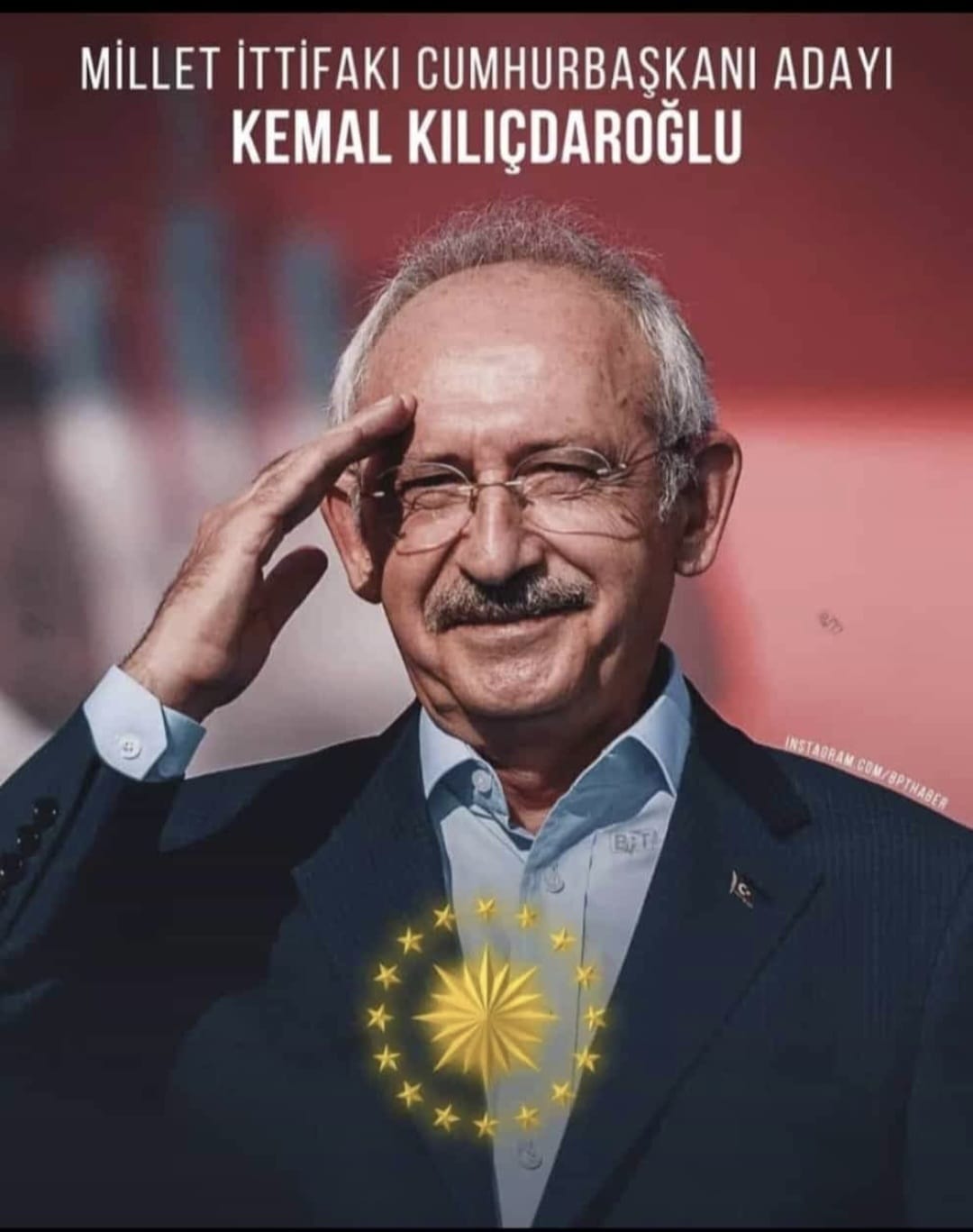
What Happened: Turkey’s Supreme Election Board published a temporary list of presidential candidates who are eligible to run for office in the May 14 election, and the most prominent candidates are incumbent President Recep Tayyip Erdogan and Republican People’s Party (CHP) head Kemal Kilicdaroglu, Hurriyet Daily News reported on March 28. CHP member Muharrem Ince and Sinan Ogan, a Nationalist Movement Party (MHP) member and head of the ATA Alliance, also made it onto the list.
Why It Matters: As Erdogan and Kilicdaroglu are backed by the country’s biggest political alliances, the People’s Alliance and the Nation Alliance, respectively, the presidential election will essentially pit these two major candidates against each other. However, Ince could contribute to a split opposition vote. Ogan is the least notable candidate, but since the MHP is an ally of the ruling Justice and Development Party (AKP), he could draw some votes away from Erdogan and provide slight competition between non-opposition parties.
Background: Ince is a popular opposition figure who has always competed with Kilicdaroglu and also ran for president in the 2018 presidential election, with 30% of the votes placing him second behind Erdogan, who won outright in the first round of the election with 53%.
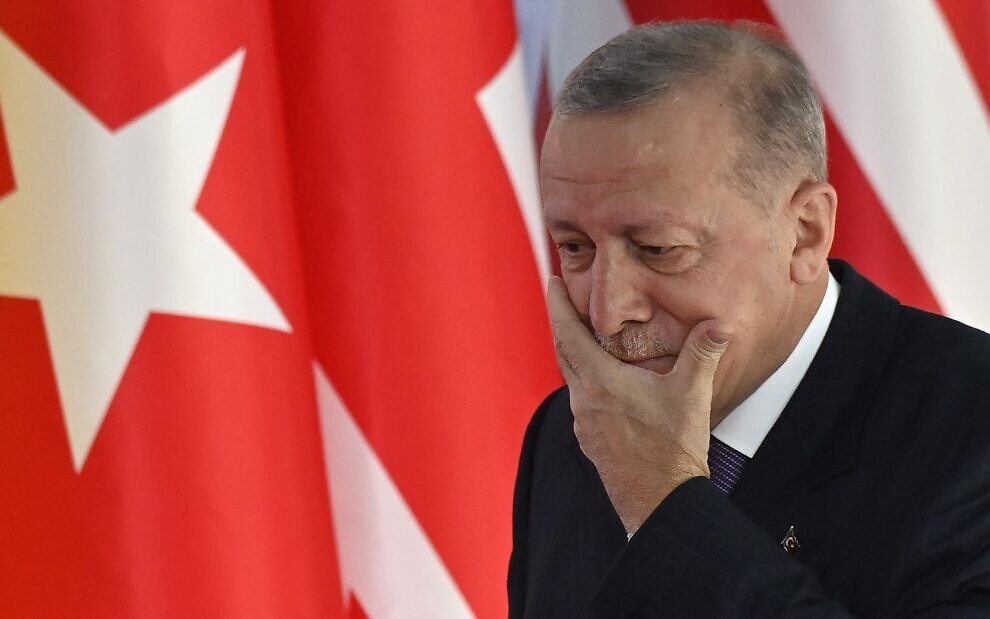
Turkish President Recep Tayyip Erdogan arrives for the G20 of World Leaders Summit on October 30, 2021 at the convention center “La Nuvola” in the EUR district of Rome. (Photo by Alberto PIZZOLI / AFP)
The year of 2023 might become perhaps the worst time for Turkish President Recep Tayyip Erdogan and his political career. Being harshly criticized for his foreign policy due to balancing between the West and Russia, making accuses towards the U.S. (the Turkey’s main strategic partner) and sticking to the NATO at the same time, Erdogan’s internal policy is also close to ruins.
The Erdogan’s failure to response to the earthquake that hit the Turkish northern territories and killed more than 35 000 people is on the top of the presidential election campaign agenda. The Turkish leader is accused by opposition for hailing some of the housing projects that crumbled, killing thousands of people. According to some construction experts, contractors were allowed to skip crucial safety regulations, increasing their profits but putting residents at risk. The video, taken during a campaign stop ahead of Turkey’s March 2019 local elections, Erdogan mentioned new housing for the city of Kahramanmaras (also called as Maras), near the epicenter February’s quake, as one of his main achievements.
“We solved the problem of 144,156 citizens of Maras with zoning amnesty,” Erdogan said, using his term for the construction amnesties handed out to allow contractors to ignore the safety codes.
The earthquake-damaged territories mostly inhabited by Kurds, have always been an epicenter for Turkey’s internal policy. Having been oppressed by the Turkish ruling party for years for the activity of the local PKK party (Kurdish Working Party, considered as a terrorist organization by the Turkish government), these territories faced a revealed connivance of authorities towards housing construction that adds even more oil to the flame that’s discrediting Erdogan’s policy among locals.
But in his foreign policy Erdogan has been even more uncompromising for several years. Having demonstrated his Ottoman Empire’s ambitions, the Turkish leader has managed to make enemies almost from all his partners and near-located countries. Harsh and uncensored accusations towards the West, an aggressive imperial policy towards some Middle East and Northern African countries, unstable position towards the Ukraine’s crisis have earned Erdogan a reputation of one of the most untrusted leaders.
As one Turkish saying goes, “One can trust a Turk after 40 days of his death”, Erdogan seems to having done everything to prove this. Sadly, there seems to be almost no time to recover from it before the May,14 presidential elections. Unless the people’s trust will again be bought.
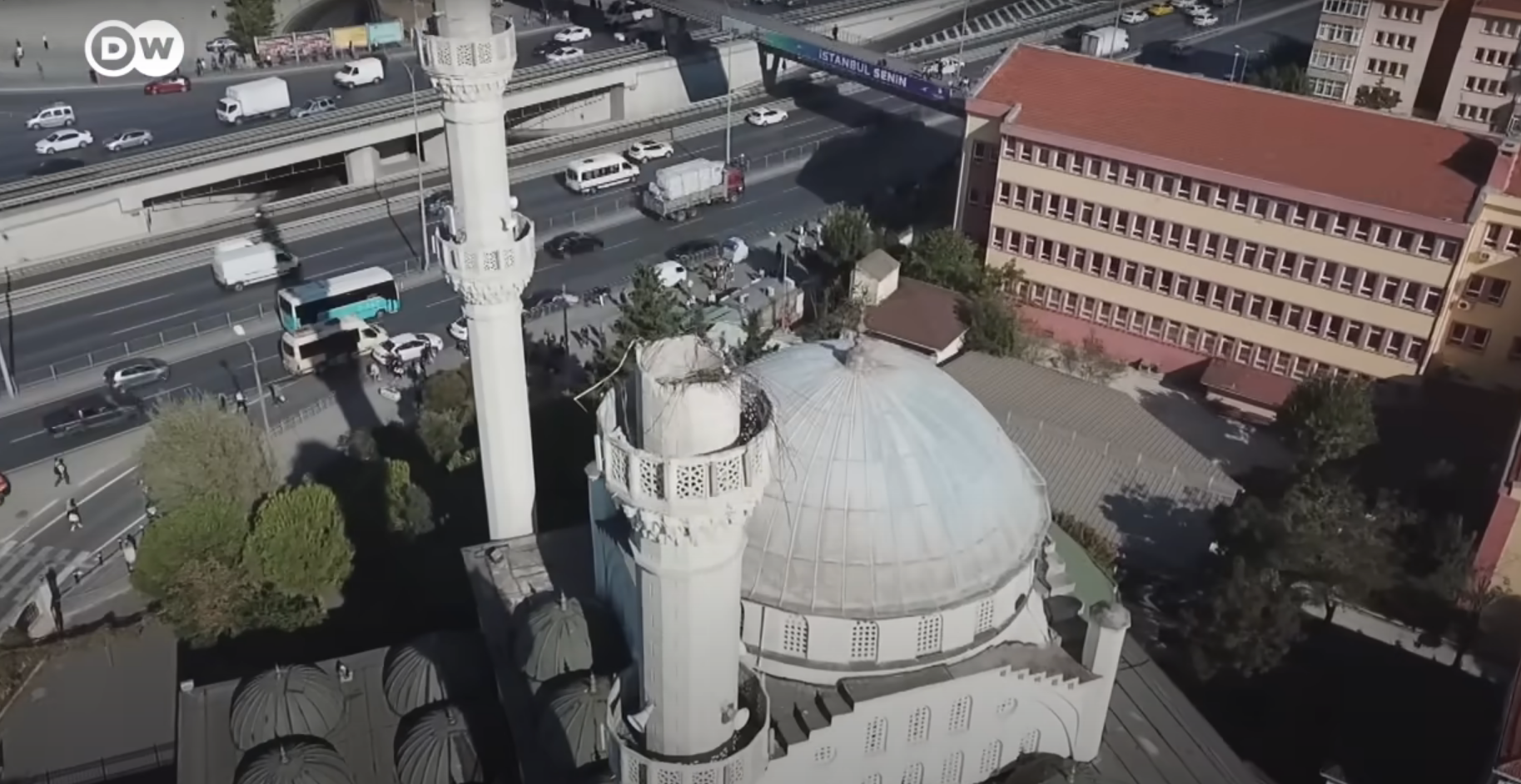
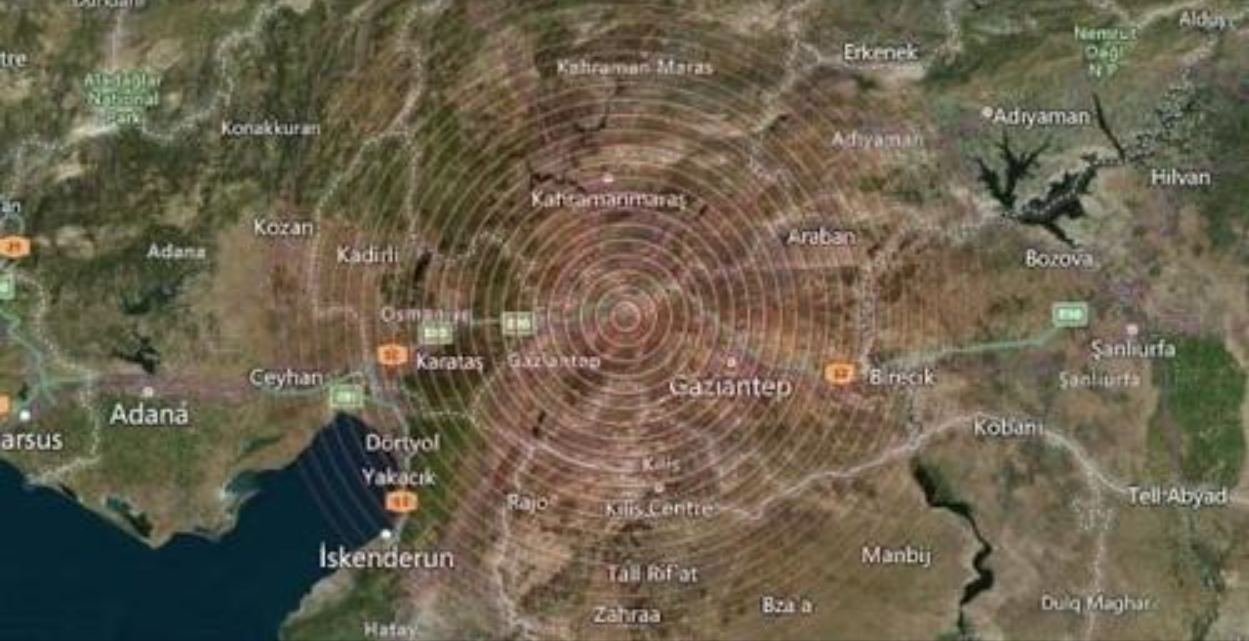
In the early hours of 06 February 2023, south eastern Turkey and northern areas of Syria were hit by a powerful and destructive quake. A second one followed only hours later, as well as a series of after shocks. Far away to the west, Istanbul was unaffected; but Turkey’s largest metropolis, lies close to the North Anatolian Fault Zone, one of the most active in the world. Seismologists say the city could be hit at anytime as this documentary, shot in 2019, illustrates.
Marco Bohnhoff is from the German Research Centre for Geosciences in Potsdam. We accompany him and his team on their way to the Princes Islands in the Sea of Marmara just to the south of Istanbul. With the help of several measuring stations, the scientist wants to develop a new type of early warning system for earthquakes in the region. In a best case scenario, it would send warning signals hours or even days in advance. The Anatolian and Eurasian tectonic plates meet directly below the Sea of Marmara, making the risk of earthquakes particularly high. In the case of a big tremor, Turkish disaster management authorities forecast at least 80,000 deaths. In the last few years, the city has been trying to become more earthquake-resistant, for example by tightening building regulations. However, the Chamber of Civil Engineers is skeptical, with chairman Cemal Gökce stressing: Not everything that is new is earthquake-proof. Seismologists such as Marco Bohnhoff, as well as disaster prevention experts and engineers, are working flat out to prepare Istanbul for future natural disasters by constructing special buildings and improving forecasting.
As ITU Volunteering Club, our in-kind and cash aid efforts for the earthquake victims continue in cooperation with public institutions and organizations.
You can donate to the account number below in order to overcome the disaster in our country together, to support and contribute to our relief efforts. Your donations will be converted into in-kind aid (dried food, winter clothes and water, etc.) and delivered to the earthquake victim families.
AKP tries to politicise the aid efforts rather than ensuring that it is delivered speedily! Accounts given below are by volunteers.
These are scandalous incidents from yesterday:
1: Adana . The local council got together food aid. The local AKP governor attempted to stop the food shipments by insisting that AKP logos were put on the boxes. This was refused and the crowd sent the “AKP “ officials packing.
Also AKP officials insisted that the food aid (tents serving soup for 5000 people) provided by the Municipal Authority can not be distributed unless the tents have signs of Adana Belediye WERE REMOVED and replaced by State logos!
2: Bodrum: identical as Adana: The Mayor got together huge amounts of aid for the earthquake zone. AKP officials tried to stop it from being delivered.
The foreign media seemingly are unaware of these facts as the media is usually controlled by the President. It is a well known fact that the Government does not like non AKP controlled Municipal administrations and tries to curtail their activities for fear of losing votes!
This inhumane and politically designed interference into the aid effort by volunteers with the organisation of local administration needs to be urgently reported by all international media.
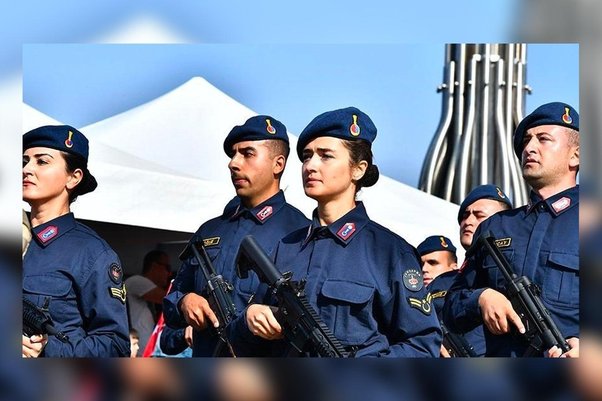
The Turkish Armed Forces (TAF) are the military forces of the Republic of Turkey. They consist of the:
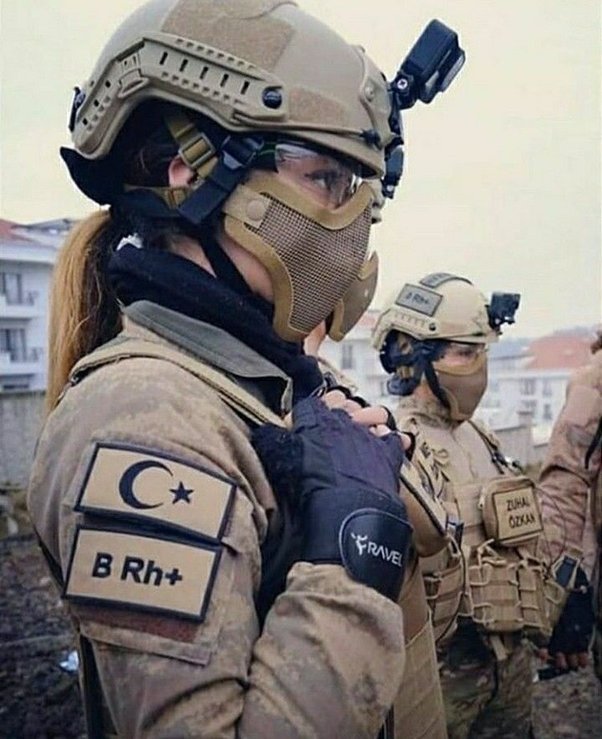
Turkish Land Forces (TLF): This branch is responsible for land-based military operations and is the largest branch of the TAF. It includes the Army, Special Forces, and Gendarmerie.
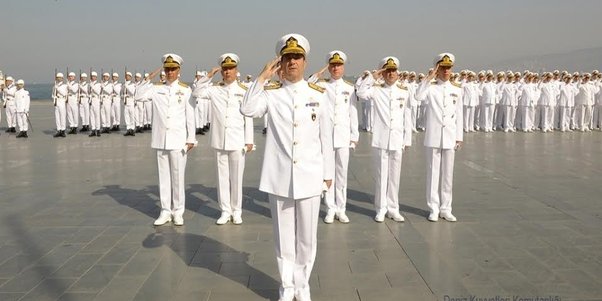
Turkish Navy (TN): This branch is responsible for naval operations and includes the Fleet, Coastal Defense Forces, and Marine Corps.
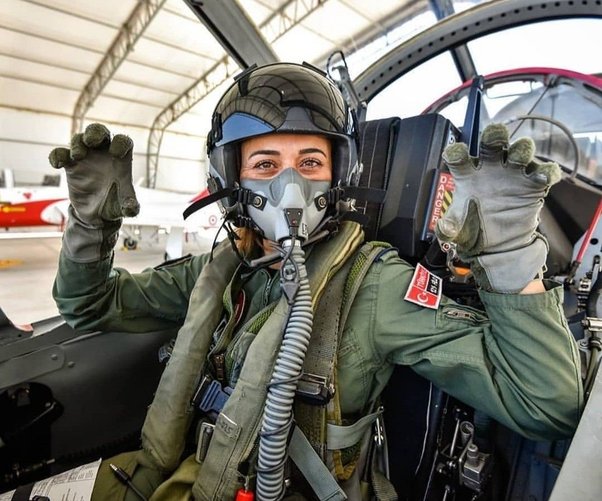
Turkish Air Force (TAF): This branch is responsible for air operations and includes the Air Force, Air Defense Forces, and Air Training Command.
Turkish Gendarmerie (TG): This branch is responsible for maintaining public order and security in rural areas and small towns, and it also assists the TLF in military operations.
In addition to these branches, the TAF also includes the Turkish Military Academy, the Turkish Military Medical Academy, and various other schools and training centers. The TAF is under the command of the President of Turkey, who is also the Supreme Commander of the Armed Forces. The Chief of the General Staff, who is appointed by the President, is responsible for the overall administration and command of the TAF.