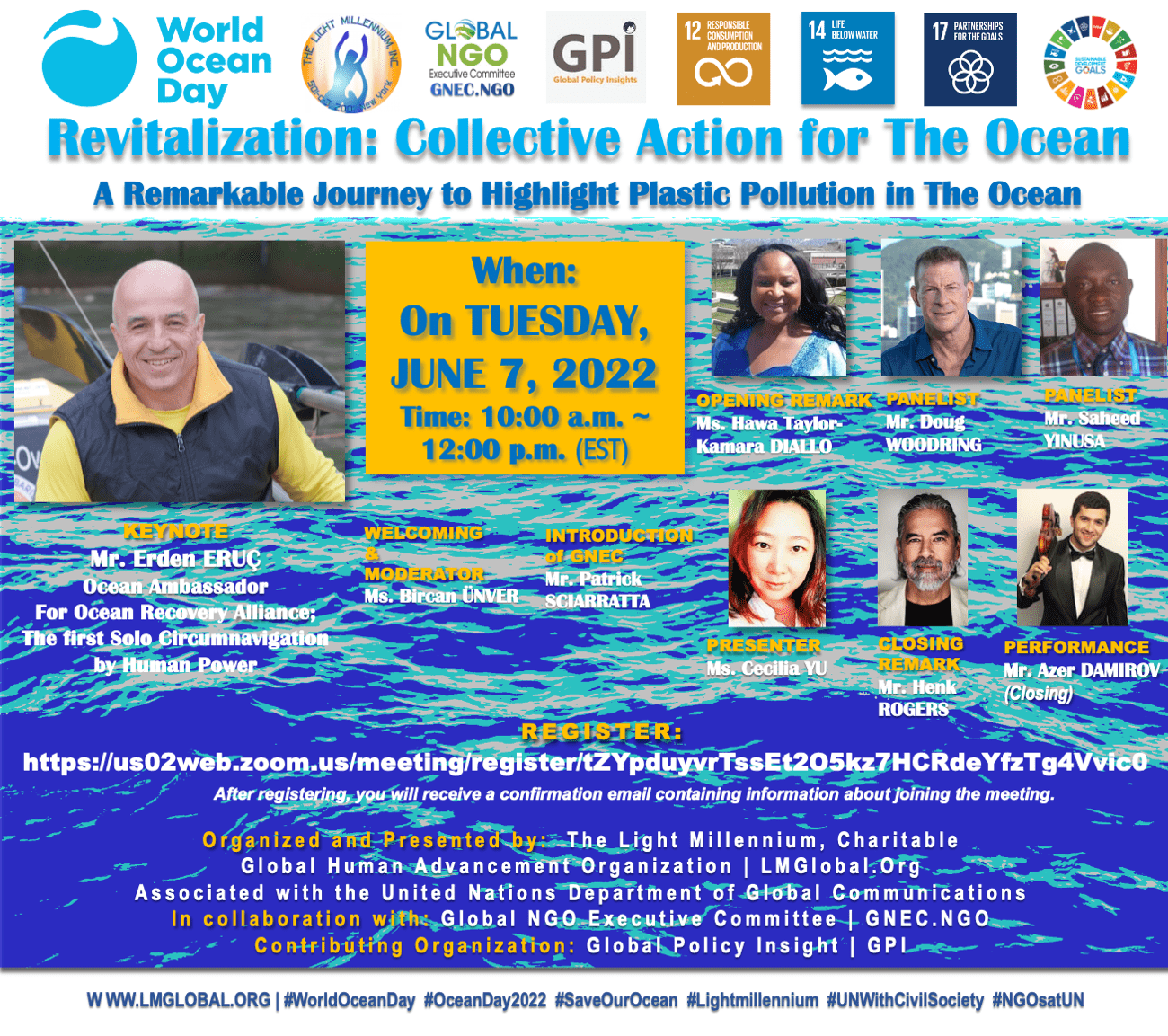
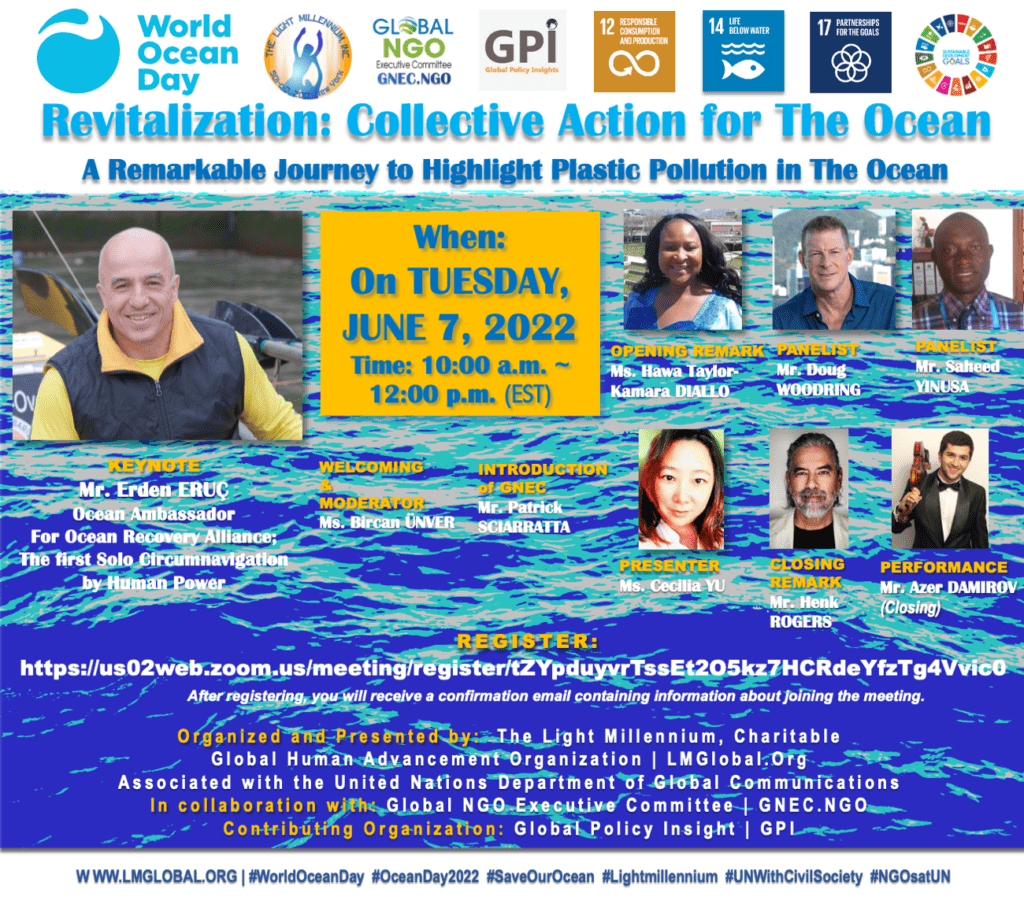
You are cordially invited to the following virtual session:
A Remarkable Journey to Highlight Plastic Pollution in The Ocean Revitalization: Collective Action for the Ocean With Erden Eruç & Distinguished Speakers Observance of The Ocean Day (8 June) and in support of SDG 14: Life Below Water THE OCEAN DAY 2022 (8 JUNE) | A/RES/63/111
ON TUESDAY, 7 JUNE, 2022 | Time: 10:00 a.m. ~ 12:00 p.m. EST Virtual Event| Language: English | Via Zoom Platform
Please REGISTER in advance: https://us02web.zoom.us/meeting/register/tZYpduyvrTssEt2O5kz7HCRdeYfzTg4Vvic0 After registering, you will receive a confirmation email containing information about joining the meeting.
Owing to its geopolitical position, Turkey owns several sea basins that are of great strategic importance. Turkey’s primary interests in those basins necessitates that the country assumes an active role and responsibility in foreign policy. Therefore, controversial issues arising from international maritime law and relations with riparian states constitute a crucial part of Turkey’s foreign policy. Recently in particular, the increasing importance of using marine resources for states paved way for some tensions between countries in potentially strategic sea basins. Turkey is one of the countries that is affected by that situation owing to its geopolitical position.
The extent to which economic activities within the sea basin, pertaining to energy resources in the seas, can be used by countries constitutes the most important issue of today’s maritime law. In particular, the high number of riparian states and the nature of marine resources in the region render those issues even more important. In case of the existence of more than one riparian country, the most important principles concerning the extent to which countries will benefit from marine resources appear within the framework of the concept of continental shelf. The concept of continental shelf, formalized with the Geneva Convention on the Law of the Sea, allows riparian states to conduct activities on a legal basis, in accordance with principles of international maritime law such as equity, proportionality, and domination of land over sea.
Another concept that accompanies the concept of continental shelf is the concept of the exclusive economic zone, and the activities conducted within the framework of those concepts aim to eliminate conflicts that might arise between riparian states.
We hear those concepts all the time, especially during disputes regarding oil and natural-gas exploration activities in the Eastern Mediterranean. This necessitates the development of strategies based on national interest and fair sharing by adhering to the concepts and principles developed by international maritime law in maritime regions under tension. Moreover, developing such strategies will help in establishing important mechanisms to deter states from activities that are illegal and in violation of the law of the sea.
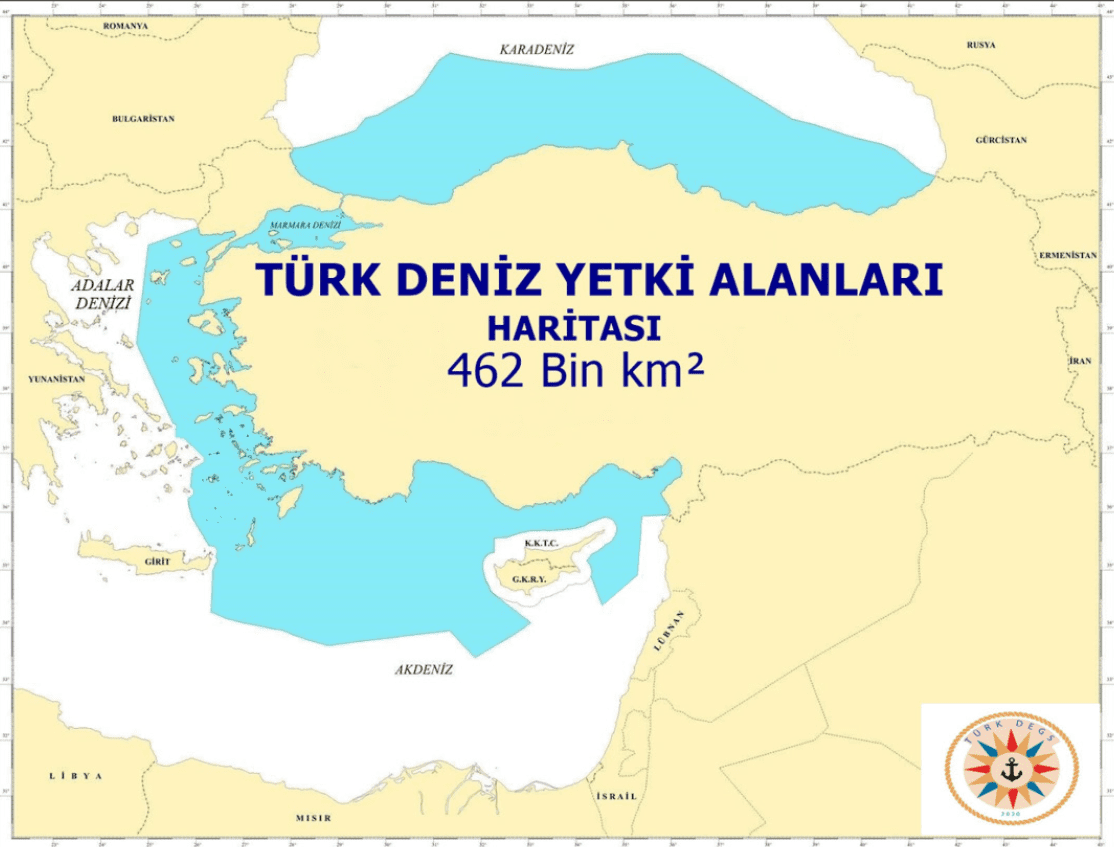
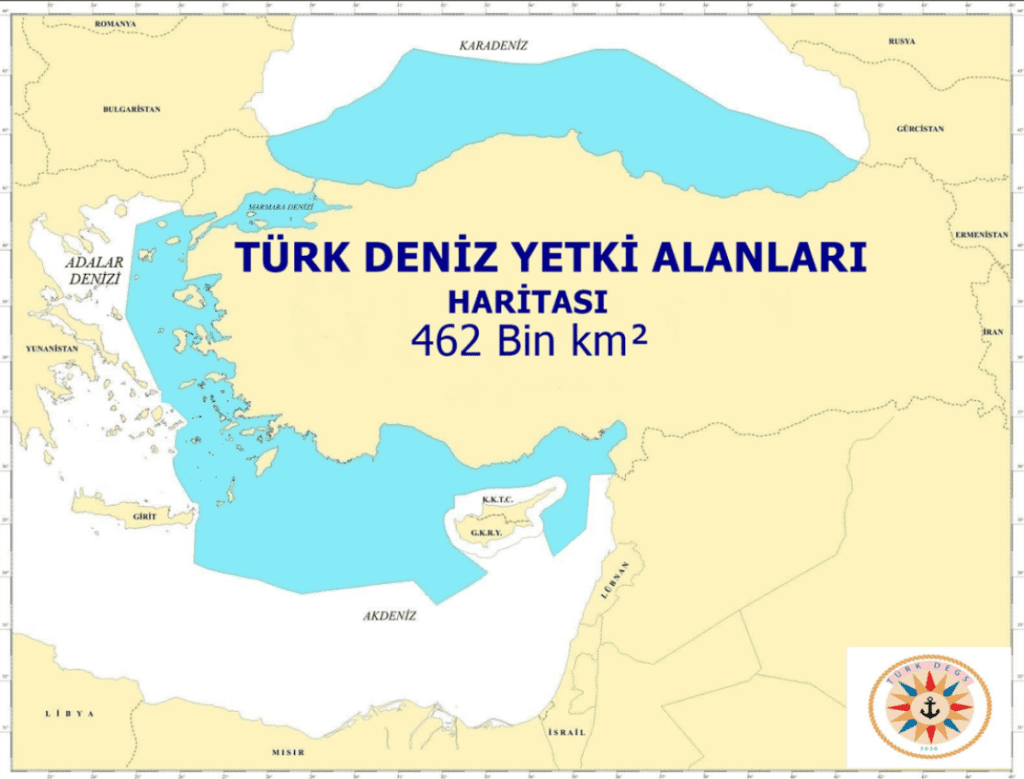
The expression Blue Homeland, which suggests that Turkey’s marine resources surrounding its borders should be considered an important a part of the Homeland as the land, has just begun to appear in the literature of international relations. Accordingly, all the maritime jurisdiction areas that have been declared and are expected to be declared in line with Turkey’s rights and duties arising from international law are called the Blue Homeland. Pursuing a policy within the framework of the Blue Homeland doctrine in all matters involving the maritime law to which Turkey is a party has been discussed frequently in recent years. The active role that it plays in the littoral seas, especially in the Eastern Mediterranean, requires that Turkey be in a stronger position in terms of potential conflicts and tensions with other riparian countries.
This study aims to reveal Turkey’s Blue Homeland map based on the treaties and conventions to which Turkey is a party, especially the basic texts of the International Law of the Sea. Therefore, the study examines all problems pertaining to the issues within the scope of the law of the sea to which Turkey is a party within the framework of the Blue Homeland approach. I would like to thank Associate Dr. Cihat Yayci, who made great contributions in the publication of the study. I hope it will be a guide for academicians, experts, students, and readers who are interested in the field.
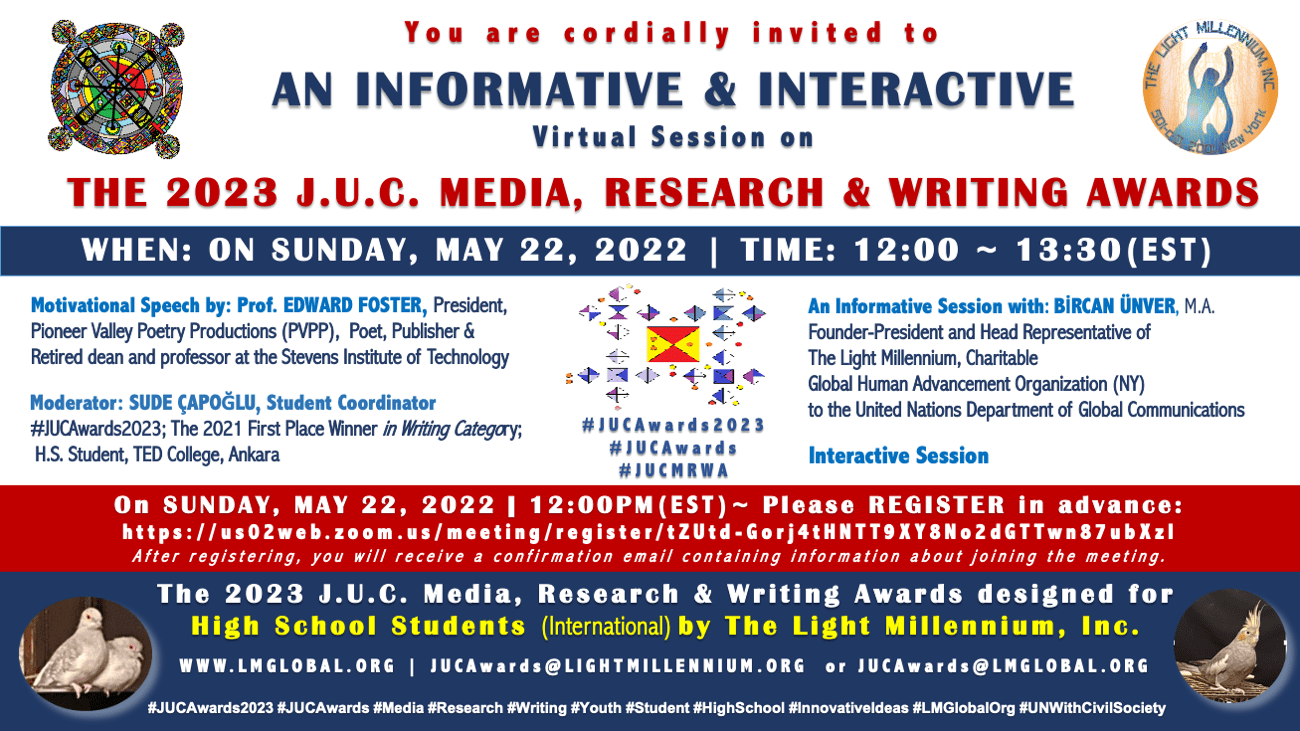
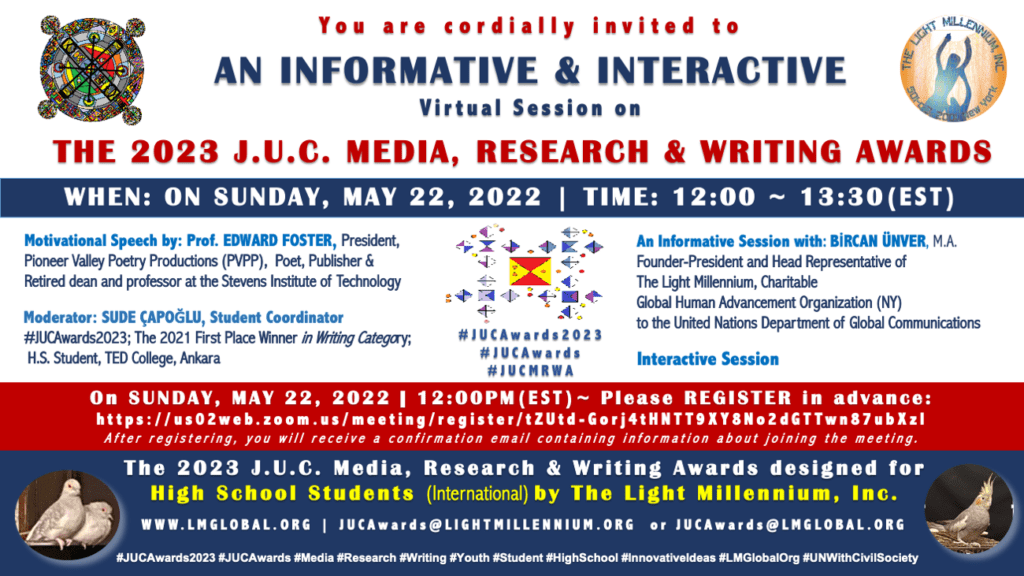
Subject: Informative Meeting on the 2023 J.U.C. Media, Research & Writing Awards on Sunday, May 22 at 12:00 (EST)
You are cordially invited to AN INFORMATIVE & INTERACTIVE Virtual Session on The 2023 J.U.C. MEDIA, RESEARCH AND WRITING AWARDS CONCEPT, DEFINITION, TIMELINE AND GUIDELINE On SUNDAY, MAY 22, 2022 at 12:00 – 1:30PM (EST) PleaseREGISTERin advance:
After registering, you will receive a confirmation email containing information about joining the meeting.
The GUIDELINE of the 2023 J.U.C. Awards https://www.lmglobal.org/2022/04/24/the-2023-j-u-c-media-research-and-writing-awards-concept-definition-timeline-and-guideline/
The 2023 J.U.C. Media, Research & Writing Awards is developed “In Loving Memory of J.U.C.” for High School students under The Light Millennium, Charitable Global Human Advancement Organization (2001, New York) Status#501(c)3. • CALL FOR STUDENT ENTRIES: THE 2023 J.U.C. MEDIA, RESEARCH AND WRITING AWARDS SUBMISSION DEADLINE BY JANUARY 30, 2023 https://www.lmglobal.org/2022/04/24/the-2023-j-u-c-media-research-and-writing-awards-concept-definition-timeline-and-guideline/
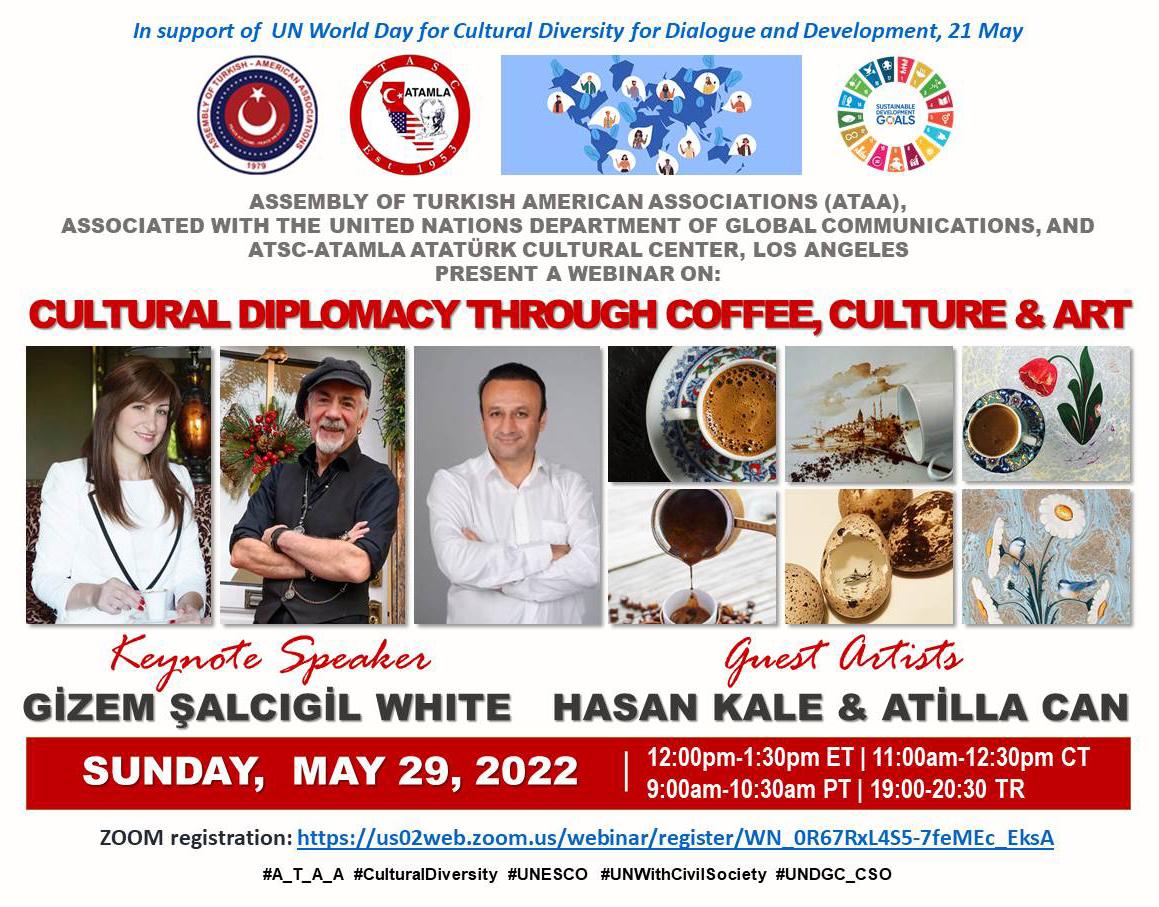
Sunday, May 29, 2022 12:00pm-1:30pm ET | 11:00am-12:30pm CT 9:00am-10:30am PT | 19:00-20:30 TR Zoom Registration: us02web.zoom.us/webinar/register/WN_0R67RxL4S5-7feMEc_EksA
About the Keynote Speaker
Gizem Şalcıgil White has been a goodwill ambassador for Turkish coffee culture since 2009 and is the founder of the award-winning non-profit Turkish Coffee Truck initiative. She has been working voluntarily to promote Turkish coffee culture in the U.S. and abroad for the past 10 years. With the support from a dedicated volunteer team from American Turkish Association of DC (ATA-DC), the Turkish Coffee Truck initiative has been bridging cultures through coffee conversations since 2012. Through this cultural diplomacy initiative, more than 20,000 people in the U.S. and Europe was exposed to Turkish coffee for the first time. Gizem’s one-of-a-kind cultural diplomacy project made the headlines of major international publications including The Washington Post, Washingtonian, PRI/BBC and her fans started calling her the “Turkish Coffee Lady”. In 2015, she was honored as the one of the “Top Young Outstanding persons of Turkey” by JCI. Turk of America magazine also awarded her as one of “40 Under 40 – The Most Influential Turkish American” in March 2016. In 2017, she started the first and only authentic Turkish coffee chain in the U.S. with the support of her partners and her dedicated team.
About the Documentary
In December 2013, Turkish coffee was admitted to UNESCO’s World Heritage list as a “cultural inheritance that has to be protected.” Initiated by the Turkish Coffee Lady Foundation, the world’s first coffee diplomacy platform, the documentary is composed of special shootings featuring “dibek coffee” in Mardin, “mirra coffee” in Şanlıurfa, “menengiç coffee” in Gaziantep, “saffron coffee” in Karabük, “coffee brewed on ash” in Nevşehir, “coffee brewed on sand” in Ankara, “mastic coffee” in Izmir and “traditional coffee” in Istanbul.
About the Guest Artists
Hasan Kale is a world-renowned micro artist master who can turn tiny objects into minuscule paintings. Known as “Turkey’s Microangelo”, Kale’s exquisitely detailed paintings include pumpkin seeds, coffee beans, rice grains, chickpeas and tiny discarded items such as matchsticks to bottle caps. One of İstanbul’s most famous and talented artists, Hasan Kale’s showcasing some tiny masterpieces and unique designs will be shown from pre-recorded videos during the webinar.
Atilla Can graduated from Atatürk University. He learned marbling art (Ebru) from Ali Çalışır at the Zal Mahmut Pasha Complex. He also learned marbling from Vedat Vaytaş. After five years, Can obtained his professional license in marbling. He organized and served as a president to establish the worldwide “Ebru Day.” He has participated in numerous group exhibitions and festivals in Turkey and abroad. He has received many awards for his work. Can continues his work in Istanbul.
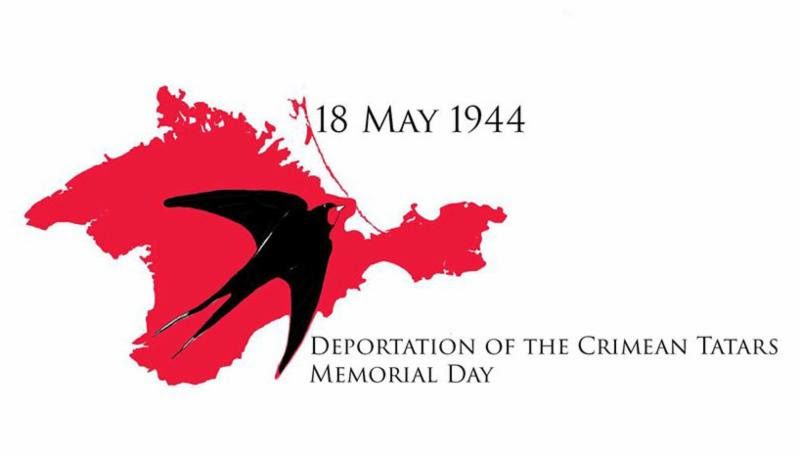
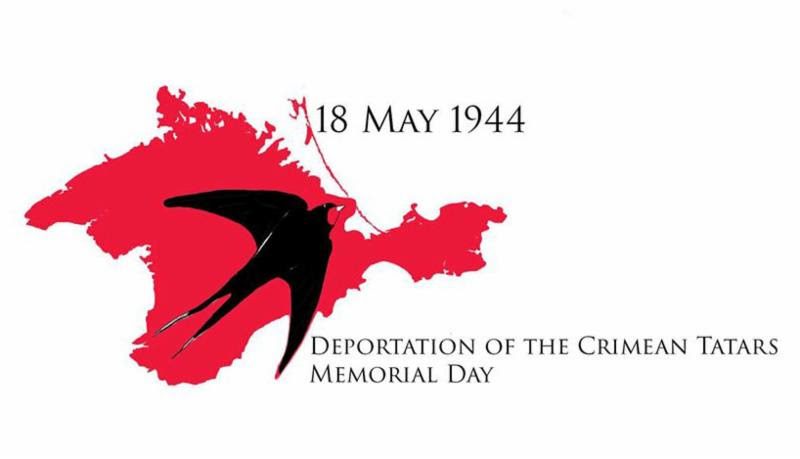
On May 18, 1944, the Stalin regime carried out a mass deportation of Tatar Turks from their homelands which were occupied by the Soviet Union. Within months, 230,000 Crimean Tatars were deported, mostly to Uzbekistan. Many trekked to Japan from where they immigrated to the United States. Many sought refuge in Turkey where they flourished in freedom, equality, and safety.
During the deportation, approximately 110,000 Tatars died from starvation, disease, and forced labor. The deportation was based on ethnic and religious hatred against the Tatars.
78 years later, TASC remembers the Tatar Turks, who were torn from their homelands and brutalized at the hands of Stalin. We pray for their souls and express solidarity with the global Tatar diaspora.