Category: Turkiye

  • Townshend

    Townshend

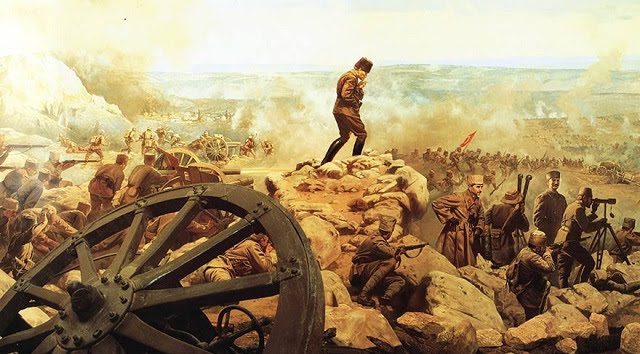
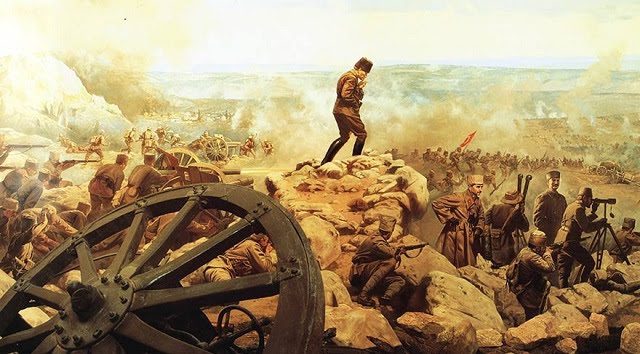
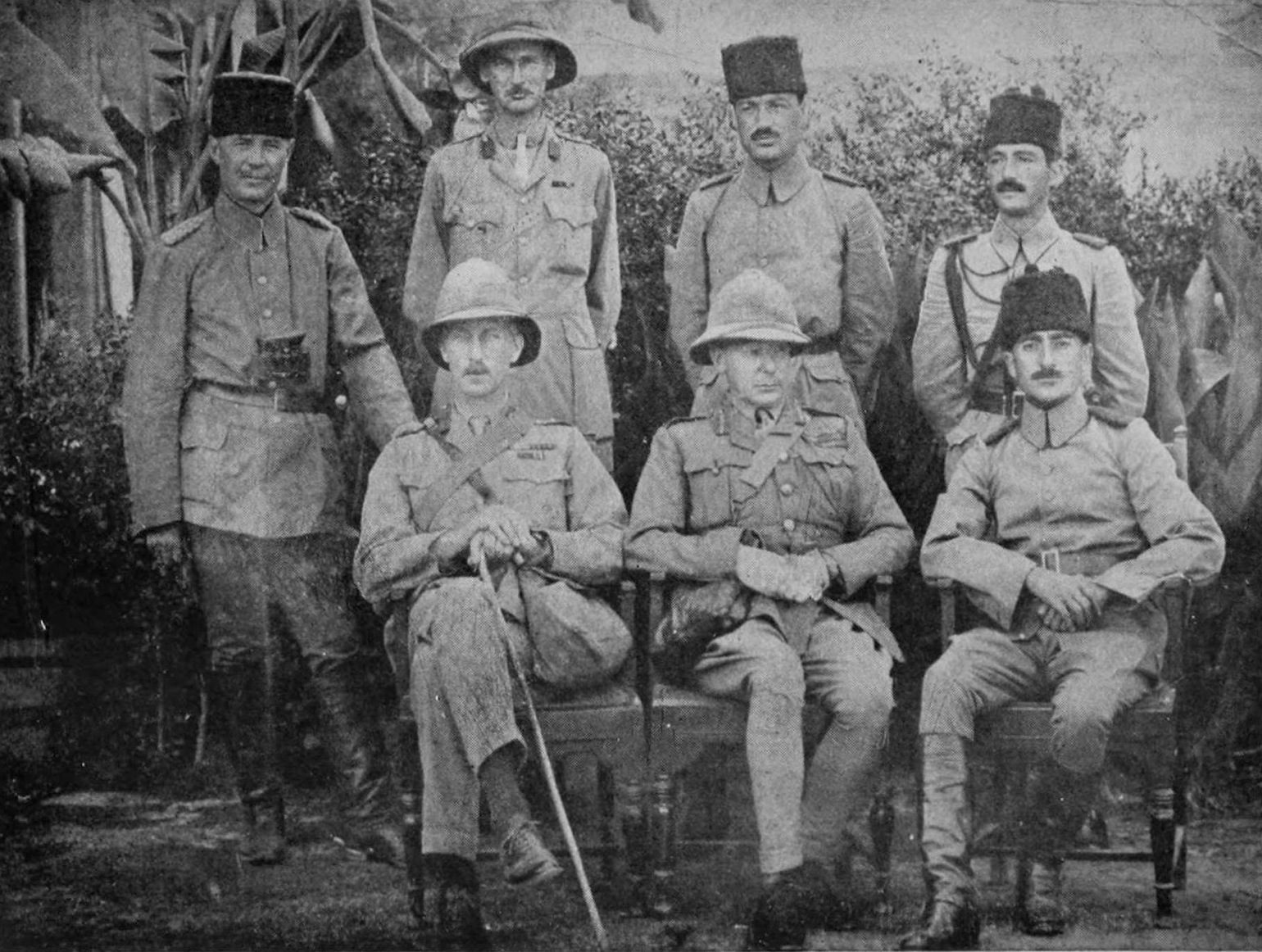
    General Charles Townsand – 1918
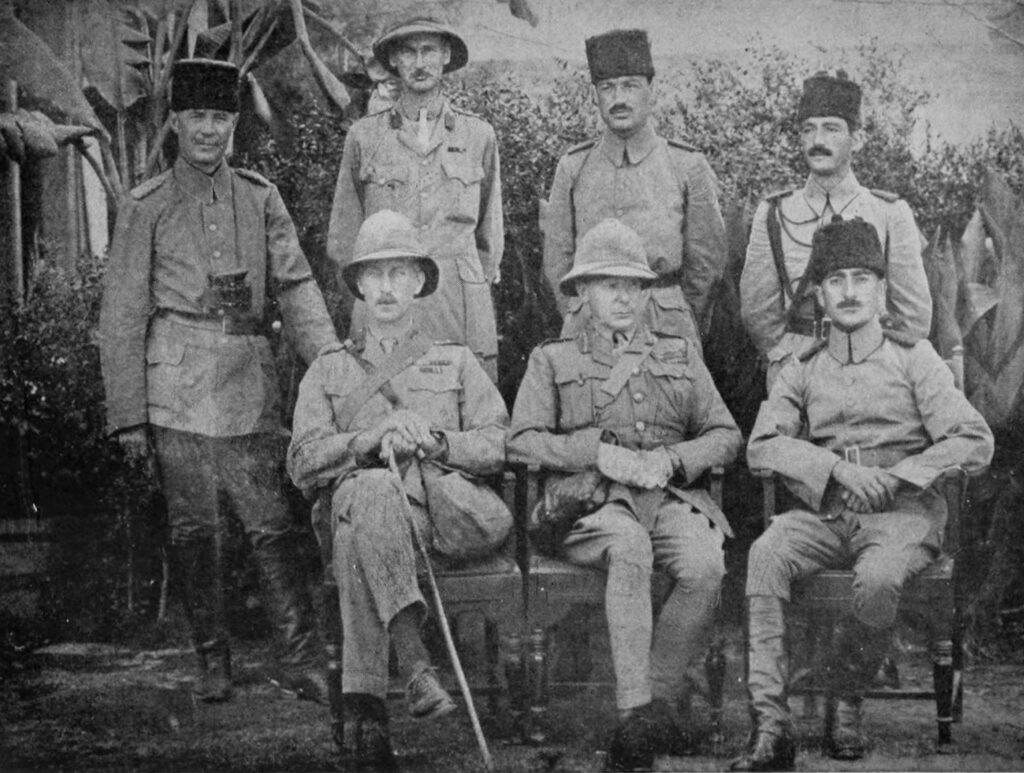
    British General Charles Townshend and Turkish regional governor Halil Kut and unidentified officers after the fall of Kut

    There is nothing that the Turk desires more ardently than to be friends with us. The price he asks is not exorbitant. It is no more than the heritage of every free-born nation. And the Turk is not a man to accept slavery or dependence. To him death is nothing if the alternative is dishonor. And whether as individuals or as a nation, the Turks will die fighting.

    I had this in mind early in October 1918. I conceded the necessity of keeping the … passage of commerce all over the world, I emphasized the need for keeping the frontiers of Turkey in Europe as they had been settled and defined.

    The bundling of Turkey “bag and baggage” out of Europe did not appeal to me either as a just proposal or as a practical possibility. The Turk fought his way into Europe centuries ago. He fought his way to the gates of Vienna itself. When finally the forces of Christendom united against him and pressed him back a little, he consolidated his position and stayed where he was for many a prosperous and proud generation. … Those of us who cast stones at the Turk should beware lest we damage our own frail house of glass.

    The Turk has had to deal with turbulent … peoples, and his way of dealing with them had the merit of strength at least.

    If the atrocities were totaled on either side of an account, we should find that many of the so-called Christian nations were deeper in bloodshed and guilt than the champion of Islam.

    After the fall of Kut, I was taken in battle and became a prisoner. In October, 1918, I was released without condition, save that mine was the task of bearing proposals to my own government for a peaceful settlement and the deliverance of thousands of men from bloodshed and weary struggle.
  • UBI & the COVID-19 pandemic

    UBI & the COVID-19 pandemic

    Has the COVID-19 pandemic increased support for Universal Basic Income? What social policies have governments implemented to cope with the economic effects of the pandemic? In this webinar, we’ll answer these questions while analysing GEF’s brochure on social policy responses to COVID-19.

    About the event

    “The Unconditional Basic Income is a periodic cash transfer granted to all members of a political community, without work requirement nor means-testing, and high enough to ensure an existence in dignity and participation in society”.

    During this event, we’ll put UBI on the spotlight as a driving solution to tackle poverty and income inequality and other problems in a changing world.

    We will also review GEF brochure on social policy responses to COVID-19, which examines the social policy reactions to the Covid-19 crisis in a dozen different European countries.

    Context

    The COVID-19 crisis continues to change the way we live our lives, and how social services continue to respond to the needs of the most vulnerable. This crisis will affect how governments plan their future responses to social emergencies, and UBI could be one effective way to do it.

    This event is part of our knowledge community ‘A welfare state of the 21st century’. The Green European Foundation has been working on this issue for several years with the aim of opening a debate on UBI across Europe. We are now joining forces with other social actors to give this effort a broader scope.

    As the debate continues, we too would be interested in expanding our analysis to include new information and additional countries.

    Speakers

    • Valerija Korošec, PhD in Postmodern Sociology. She is a representative of Slovenia in the Basic Income Earth Network (BIEN) and the European Network for the Fair Sharing of Working Time.
    • Natalie Bennet, Green member of the House of Lords in the UK. Former leader of the Green Party of England and Wales from 2012 to 2016. She previously spent 20
    years working as a journalist, (the Bangkok Post, The Times, and the Guardian Weekly)
    • Simo Raittila, Coordinator of the Finnish think tank Visio and a PhD student in Sociology at the University of Helsinki. In 2018 he worked on last-resort social assistance register research at Kela, the Social Insurance Institution of Finland.

    Moderation:
    Hannes Mehrer. Coordinator of the Basic income working Group of the German Green party and of the Green Network of UBI supporters.

    Practicalities

    Date and Time: October 19th (17:00-18:00)
    Audience: The webinar is free and open to the general public.
    Registration: Please register in advance via this link.
    https://survey.co1.qualtrics.com/jfe/form/SV_0vnlbynAXaKUtVQ


    This event is organised by the Green European Foundation with the support of Transición Verde and with the financial support of the European Parliament to the Green European Foundation. The European Parliament is not responsible for the content of this event.

  • Forgotten aspects of the Greek war on the Turks

    Forgotten aspects of the Greek war on the Turks

    There are many forgotten aspects of the Great War of 1914. One is the fact that Britain violated Greek neutrality because the Greek government resisted its pressure to join its war on Germany and Ottoman Turkey, and then invaded neutral Greece, overthrew its government, and installed a puppet government which declared war on the Ottoman Empire. Britain then lured Greece into a fatal military adventure in Anatolia in order to impose a punitive treaty on the Turks and to advance its Imperial interests in the region. This produced a Greek tragedy of immense proportions whilst at the same time generating a powerful Turkish nation out of the ruins of the Ottoman Empire. No wonder such a disastrous policy and turn of events is seldom talked about in the West or examined by its historians.

    Britain’s Great War of 1914

    The character of Britain’s Great War on the Ottoman Empire was largely responsible for the Greek war on the Turks. It is possible that there could have been a local Greek/Ottoman war if the events of 1914 had not generated a world war but it would have been an entirely different affair, much more limited in scope and duration. It certainly would not have resulted in the catastrophe it did.

    The catastrophe was inherent in the nature of Britain’s Great War on Germany and the Ottoman State… Source:(https://drpatwalsh.com/2021/09/07/the-great-war-and-the-great-idea-megali-forgotten-aspects-of-the-greek-war-on-the-turks/)

    Forgotten Aspects of the Greek War on Turkey 1916 – 1922″, & VIDEO:”The Great War and the Great Idea (Megali)
  • Russia’s Chelyabinsk hosted the II Forum of the Heads of Regions of the SCO Member States

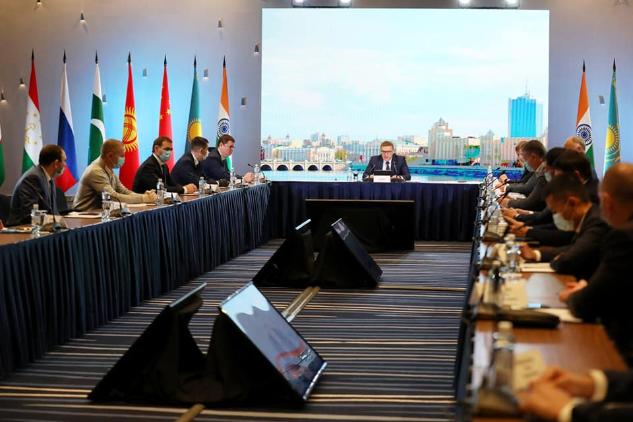
    On Septemper 29, Chelyabinsk, a Russian city in the South Urals has become a platform for hosting the II Forum of the Heads of Regions of the SCO Member States. The decision was made after the Declaration at the XX Summit of the Shanghai Cooperation Organization in Dushanbe was signed.

    The Forum’s Plenary session was moderated by Alexander Kalinin, President of OPORA Of RUSSIA. The participants of the event discussed the mechanisms for implementing the Program for the Development of Interregional Cooperation of the SCO Member States.

    According to Alexander Kalinin, the Forum is gaining its momentum and is becoming an increasingly popular platform.

    “The importance of the Forum was noted in the final declaration of the SCO summit, which was recently held in Dushanbe and was dedicated to the twentieth anniversary of the organization. Today, it is very important to develop interregional cooperation between the member states of the Shanghai Cooperation Organization. After all, these are direct contacts between various regional authorities and businesses of the SCO member states. This makes it easy to build joint projects, removing all sorts of barriers to economic development. The key to success is the joint work of the government, business and citizens of our countries. The Forum contributes to this in every way, ”said Alexander Kalinin.

    Delegations from China (Chongqing city, Shandong province and Xinjiang Uygur Autonomous Region) and Pakistan (Sindh, Baluchistan, Khyber Pakhtunkhwa province, Punjab) took part in the forum via videoconference.

    Representatives of Uzbekistan (Navoi region), Kazakhstan (Turkestan, North Kazakhstan and Akmola regions), the Kyrgyz Republic (Issyk-Kul region), Tajikistan (Sughd region) and India joined the event in online and offline formats.

    The participants of the Plenary session discussed the ways to increase the efficiency of cooperation within the Forum and projects of the regions of the SCO countries. They also shared their experience in the development of foreign economic activities in their regions. The result of the Forum was an agreement to consolidate efforts in fighting the pandemic consequences and to increase cooperation in such spheres as agriculture, international security as well as culture, education and international diplomacy.

  • Turk Maritime and Global Strategies

    Turk Maritime and Global Strategies

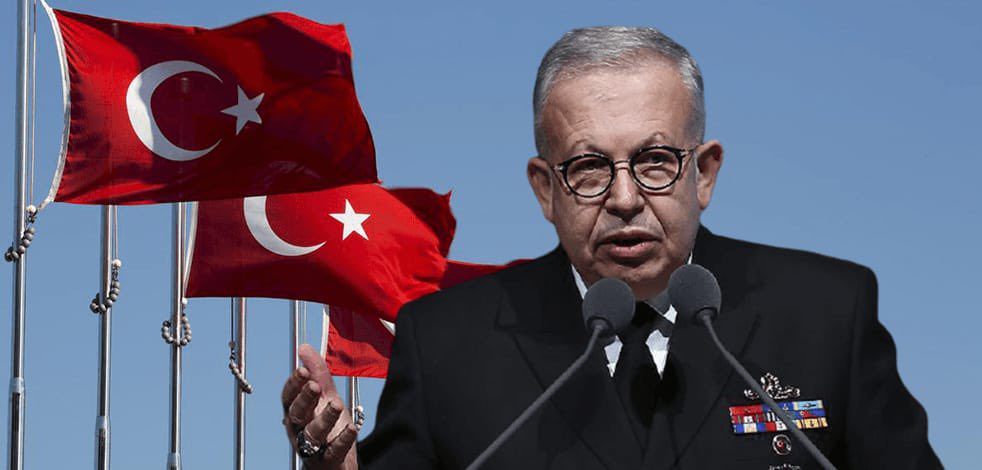
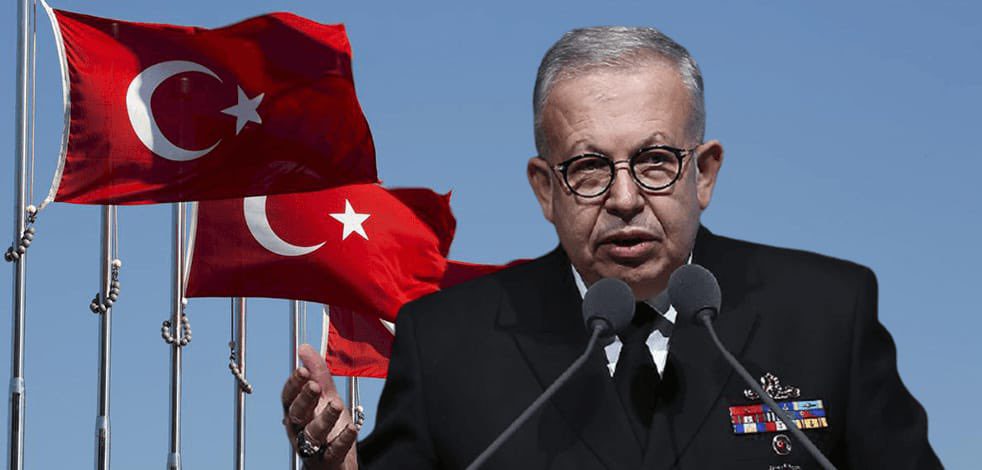
    I am (R) Admiral Cihat Yaycı –the President of Turk Maritime and Global Strategies Center. I was promoted to Rear Admiral on 30 August 2012. I continued my academic studies during my tenure. I made presentations and notifications about ‘Security Cooperation in the Black Sea’, ‘Piracy’, ‘Maritime Security’, ‘International Activities at Sea’,’ Maritime Jurisdiction’, ‘New Maritime Security Ecosystems’, ‘Current Developments in the Eastern Mediterranean and Libya’, ‘Blue Homeland’, ‘Global Maritime Power’ and ‘Turkish Straits’ in public institutions, organizations, public and private universities in our hometown and abroad.

    I have been working as a TURK DEGS manager since 2020. Turk Maritime and Global Strategies Center is founded on July 24, 2020, operating in the field of international relations, international law and maritime. The aim of the center, which also provides consultancy services to state institutions, is defined as “identifying, defending and developing Turkey’s rights and interests within the framework of international law”.

    Our Vision

    TURK DEGS aims to become a leading research center, think tank and educational institution in the global context that analyzes international developments, interstate relations, and all activities related to ‘Seas’/’Oceans’ (such as; Maritime Law, Settlement on Maritime Jurisdiction). In this context, concomitantly TURK DEGS aims to identify the rights and interests of Turkey under international law, as well as to defend and develop the interests of Turkey.

    Our Mission

    • Following and evaluating international relations and developments in relation to Seas/Oceans (such as; Maritime Law, Settlement on Maritime Jurisdiction) in global context.
    • Publishing daily reports, monthly bulletins and doing research on areas in relation to Maritime issues not only on interstate relations but also on issues covering a wide range of concepts such as; environment, security and law.
    • Analyzing and evaluating critical areas such as law, politics and international relations.
    • Creating policy papers.
    • To get assistance from the knowledge and experience of leading academics, statesmen and private sector representatives on their field to be able to develop ideas to foster improvement on areas where academic and non-academic fields unite their potentials.
    • Creating products with high academic value by making use of numerous national and global sources.
    • To create an academic and up-to-date archive on the use of countries’ maritime jurisdictions, laws and practices in this regard
    • To make contributing evaluations and studies on relevant legal regulations and practices on national and international ground.
    • To supervise Turkey in her fight against the sharing of the seas to determine the rights and interests.
    • In order to have unity of doctrine regarding maritime law in Turkey to create common ground
    • To ensure that the national doctrine is used as a reference method in the International Court of Justice and Arbitration Courts
    • As a multilingual center to produce internationally reliable resources
    • To prepare research files to be demanded by state institutions, organizations and the private sector and to provide consultancy services
    • To provide training to participants who are interested on Maritime issues with the programs to be organized within the School of Maritime and Global Strategy
    • Organizing congresses, symposiums, panels, seminars and workshops
    • To provide student candidates with all the professional equipment that they need theoretically and practically thanks to our MA and PhD programs to train young academicians and experts
    • Handling sensitive and difficult issues in a professional and objective manner, thanks to the research focused teams and the common platform been created under the name of TURK DEGS with contribution of wide range of sectors.
  • GANDHI & ENVIRONMENT

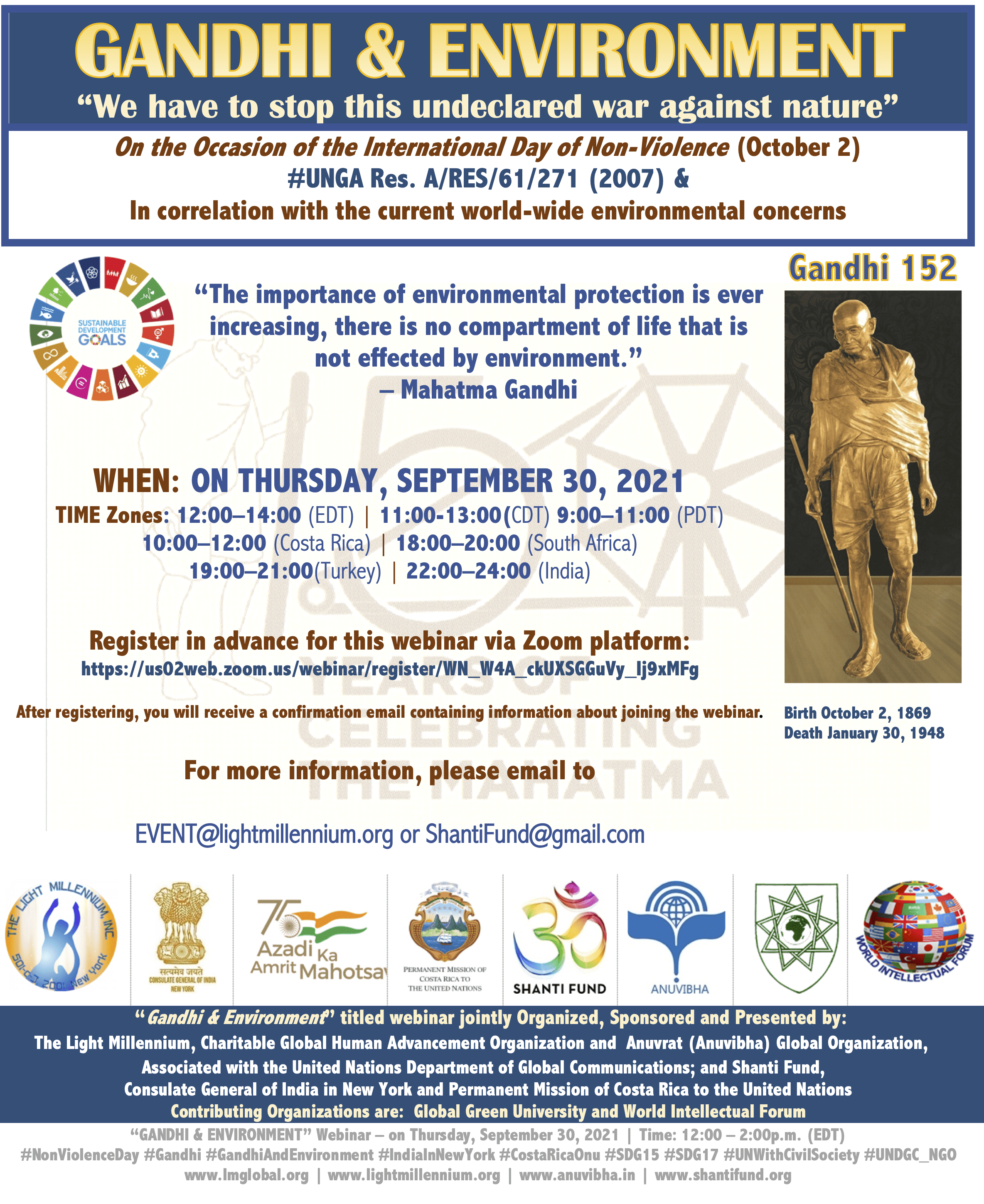
    GANDHI & ENVIRONMENT

    GANDHI & ENVIRONMENT
    (Mahatma Gandhi at 152  | October 2, 1869 – January 30, 1948)

    “We have to stop this undeclared war against nature”
    On the Occasion of the International Day of Non-Violence (October 2)  #UNGA Res. A/RES/61/271 (2007) &
    In correlation with the current world-wide environmental concerns

    “The importance of environmental protection is ever increasing, there is no compartment of life that is not effected by environment.”
    – Mahatma Gandhi

    WHEN: ON THURSDAY, SEPTEMBER 30, 2021
    TIME Zones
    : 12:00–14:00 (EDT) | 11:00-13:00(CDT) 9:00–11:00 (PDT) | 10:00–12:00 (Costa Rica) |
    18:00–20:00 (South Africa) | 19:00–21:00(Turkey) | 22:00–24:00 (India)

    Register in advance for this webinar via Zoom platform:

    After registering, you will receive a confirmation email containing information about joining the webinar.

    For more information, please email to
    [email protected]  or [email protected]


    Gandhi & Environment” titled webinar jointly Organized, Sponsored and Presented by:


    • 
    The Light Millennium, Charitable Global Human Advancement Organization and
    • Anuvrat (Anuvibha) Global Organization, 

    Associated with the United Nations Department of Global Communications; and
    • Shanti Fund,

    •Consulate General of India in New York and
    • Permanent Mission of Costa Rica to the United Nations

    • Contributing Organizations are:  Global Green University and World Intellectual Forum

    Hashtags:
    #NonViolenceDay #Gandhi #GandhiAndEnvironment #IndiaInNewYork #CostaRicaOnu #SDG15 #SDG17 #UNWithCivilSociety #UNDGC_NGO
    www.lmglobal.org | www.lightmillennium.org | www.anuvibha.in | www.shantifund.org– 
    E-circulated by:
    Bircan Ünver, Founder-President of The Light Millennium, Charitable Global Human Advancement Organization (LM, 2001, New York);
    Associated with the United Nations Department of Global Communications (formerly UN.DPI/NGO since 2005).
    – Web sites: www.lightmillennium.org | www.lmglobal.org | www.turkishlibrary.us | www.isikbinyili.org | www.unngoga.org
    – Social media @The Light Millennium (Linkedin) | @lightmillennium (Twitter) | @lightmillennium (Facebook)