Category: Authors

  • A World Without Dishonest Leaders Lacking Morality and Character: A Wish for Happiness, Peace, and Harmony for All Mankind in the New Year

    A World Without Dishonest Leaders Lacking Morality and Character: A Wish for Happiness, Peace, and Harmony for All Mankind in the New Year

    As we enter a new year, many people around the world are filled with hope and desire for a more peaceful, healthier, and happier world. However, in today’s world, shaped by global politics and societies, the presence of leaders who lack morality and character, who are deceitful, self-serving, and manipulate their societies for personal gain, stands as a major obstacle to this desire. Presidents, prime ministers, international leaders, and other power holders often deceive their people in pursuit of their own interests, fostering tension instead of peace, and conflict instead of harmony. Moreover, the decisions shaped by the influence of intelligence chiefs, oil and pharmaceutical lobbies, and other global powers lead to great injustices and inequalities worldwide. In this article, we will discuss how global peace, harmony, and prosperity can only be achieved in a world shaped by leaders who embrace honesty and human values, and how living in a world without dishonest, morally bankrupt leaders is immensely valuable for all of humanity.

    The Impact of Leaders Lacking Morality and Character on Societies

    Many globally recognized leaders mislead their people both verbally and through their actions, often for their own personal gain. The behavior of these leaders not only harms their own societies but also has negative consequences for all of humanity. World peace, international relations, trade, migration, and environmental issues are all shaped by the decisions of such leaders. Today, the values of justice, equality, and human rights have been replaced by egoistic and self-serving motivations such as “being powerful” and “maintaining control.”

    For example, when a leader fails to keep promises made to their people, it erodes the trust that people have in their leaders. Societies lose their trust in each other, and this loss of trust leads to conflicts and tensions, not only within a country but also on the international stage. Furthermore, these leaders, rather than telling the truth, mislead their people with false information. As a result, misinformed societies are created, and this becomes a major threat to the entire world.

    The Moral and Ethical Responsibilities of Leaders

    A leader’s primary responsibility is to consider the needs of their society and strive for justice and equality. They must act with consideration not only for political power but also for human rights and ethical values. The power and influence that come with leadership must be used for the greater good of the people, not for individual gain.

    Dishonest, self-serving, and morally bankrupt leaders harm their people and create chaos globally. These leaders deepen social inequalities, increase poverty, ignore environmental disasters, and create constant tension between nations. If these leaders were replaced by honest leaders who govern with love, respect, and justice for their people, the world could become a much healthier and more peaceful place.

    A World Without Dishonest Leaders: Happiness, Peace, and Harmony

    A world without dishonest leaders would, in many ways, be a healthier and more peaceful place. These leaders would be replaced by those who act with justice and honesty, leading their people with love and empathy. In such a world, people could trust one another and live in peace and prosperity.

    The peace of societies depends on the fulfillment of ethical and moral responsibilities by their leaders. Proper information, transparency, fair governance, and respect for human rights are the elements that will ensure that not just one country, but all nations can live together in peace and health. When a leader is honest with their people, it lays the foundation for peace in that country. Similarly, in international relations, honest and ethical leaders are more successful in resolving tensions between nations and finding effective solutions to global problems.

    However, it is not only the leaders’ ethics and honesty that matter. Policies influenced by major economic lobbies such as the oil, arms, and pharmaceutical industries are obstacles to creating a fairer and more sustainable world. These lobbies prioritize economic gain over the health and well-being of societies. Imagine a world where these lobbies lose their influence, where self-serving games cease, and everyone lives in prosperity under equal conditions. In such a world, the people of the world could live together in brotherhood, experiencing true peace and harmony.

    A New World is Possible

    As we approach a new year, people around the world dream of a happier, more peaceful, and healthier life. However, this is only possible if leaders act sincerely and honestly. A world free of dishonest, morally bankrupt leaders, intelligence chiefs, and the influence of the oil and pharmaceutical lobbies is a world that belongs to every human being. If these powers were to be replaced by leaders who prioritize people, justice, and honesty, the world could become a more peaceful and harmonious place.

    This is not just a utopia but a goal that humanity can reach. The world can become a better place for every individual. However, for this to happen, leaders must return to their consciences and moral responsibilities. The new year could be the beginning of this change. A world where all people share the same dream of peace, brotherhood, and justice is possible.

    A New Year and Hope for the Future: A Struggle for Peace, Justice, and Brotherhood

    A new year is not just a change in the calendar, but a significant turning point for humanity’s future. Today, the world is more interconnected than ever, yet this interconnectedness is often built on mutual interests, competition, and selfishness. The dominance of deceitful and self-serving leaders, large economic lobbies, and systems based on power structures hinders the peaceful, just, and harmonious world dreamed of by millions of people. However, the increasing societal awareness of these issues offers a hopeful light on the path to creating a more just world.

    This hope grows not only through the sincerity and honesty of leaders but also through the efforts of individuals who bring these values into their own lives. In both our societies and on a global scale, honesty, transparency, equality, and respect for human rights should be our guiding principles. Real change is not solely dependent on government decisions or international leaders’ actions; it is also shaped by the small but meaningful steps taken by each individual. By standing against injustice, rejecting lies and manipulation, we can all contribute to the building of a world of peace and harmony.

    Individual Responsibility and Societal Change

    True change begins with every individual fulfilling their own moral responsibilities. Just as we expect leaders to fulfill their ethical duties, it is also important for the public to take an ethical stand. As individuals, we must fulfill our societal responsibility by being transparent, honest, and just in our interactions with others. The small changes we make in our own lives can, when combined, transform into a major societal change.

    Social progress in areas such as education, culture, art, and science can foster understanding, tolerance, and respect among people. This is necessary not only for individuals but also for entire societies to live together in peace. Reforms in education can help create societal structures that strengthen human rights and justice.

    Cooperation and Global Solidarity: Moving the World Forward Together

    When it comes to global issues, leaders and the international community must work together to find solutions. Wars, poverty, massacres, ethnic cleansing, genocides, sexual violence and abuse against women and children, environmental disasters, climate change, and migrant crises are all shared issues that concern not just one country, but all of humanity. Sensitivity and cooperation in addressing these problems are the responsibility not only of national governments but also of international organizations, civil society, and every individual.

    Today, cooperation between countries has become even more important. Organizations like the United Nations play a critical role in promoting world peace, reducing economic inequality, and protecting human rights. At the same time, this global cooperation must be fostered not just between elites and leaders, but also among the people. Cultural, social, and economic solidarity between the people of the world will increase our efforts to understand and help one another.

    The Dream of a New World: A Future of Justice, Equality, and Peace

    Our hope for the future is possible not only through our individual efforts but also through deep-rooted changes in global cooperation and leadership. Justice, equality, and peace are not abstract concepts; they are values that must take tangible form in every aspect of life. When these values dominate, not only will peace reign across the world, but the prosperity of all people will follow.

    Imagine a world where major economic interests such as oil and pharmaceuticals do not threaten people’s health and the future of the planet, but instead are used to ensure that everyone can live under equal conditions. Resources are distributed not for greed or selfishness, but for the benefit of all. Such a world will guarantee both the present and the future, initiating the brightest period in human history.

    Stronger Together: A New Year for All of Us

    The new year is not just a change in the calendar, but a time to take on greater responsibility for humanity. We all share the responsibility to create a world where peace, justice, and equality prevail. By fulfilling this responsibility, we can make not only our own lives but the entire world a better place.

    In the face of global challenges, it is essential to act together, show greater solidarity, and strive to understand one another. A future where every individual takes responsibility will bring peace and harmony closer, and justice and equality will be more accessible.

    As we stand on the threshold of the new year, I believe that we can start this change together and wish peace, brotherhood, and happiness to all people around the world. Let us work together for a world where dishonest, self-serving leaders, intelligence chiefs, and the influence of the oil and pharmaceutical industries are no longer present, and where everyone can live a happy and peaceful life under equal conditions.

    A new year is not just a beginning, but an opportunity to transform the world into a more just, peaceful, and harmonious place. Together, we can make this change happen.

    May the newyear bring peace, brotherhood, and unity to all of humanity. I wish for a world free from the influence of deceitful and self-serving leaders, intelligence chiefs, and the economic pressures of the oil and pharmaceutical industries. A world where justice, equality, and peace prevail, and everyone can live a happy and harmonious life under equal conditions.

    Together, let’s embrace the responsibility to create a better world. Let us work towards a future of cooperation, mutual understanding, and respect, where every individual contributes to the greater good. Only then can we hope to build a world of true peace, prosperity, and solidarity.

    May the coming year be the beginning of this change, not only for ourselves but for all of humanity. A year of collective action, where every one of us plays a part in shaping a more just, equitable, and peaceful future.

    Happy New Year to all people around the world. Let us face the future with hope, courage, and determination to make this world a better place for all.

    May the new year bring you peace, health, and happiness, and may we all work together for a brighter, fairer future.

    With brotherhood, friendship, and hope,
    By Sefa Yürükel
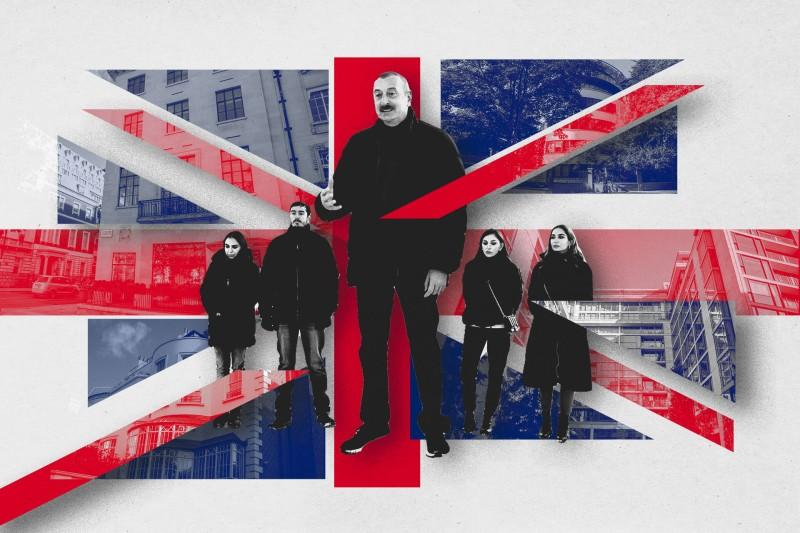
  • Aliyevs Own Many Buildings in London Valued at Hundreds of Millions of Dollars

    Aliyevs Own Many Buildings in London Valued at Hundreds of Millions of Dollars

    The Organized Crime and Corruption Reporting Project (OCCRP) selected Pres. Ilham Aliyev in 2012 for its first “Person of the Year Award [which] recognizes the individual or institution that has done the most to advance organized criminal activity and corruption in the world.”

    OCCRP is a worldwide network of investigative journalists that has been exposing for over a decade the appropriation of state funds by Pres. Aliyev’s family and close associates to purchase real estate overseas.

    While there are numerous groups that report about Azerbaijan’s jailing of journalists, opposition members and human rights activists, OCCRP is one of the rare groups that has documented the secret acquisitions of valuable real estate in the heart of London by the Aliyev clan. Many of these holdings are hidden behind foreign offshore trusts, making the true owners of the properties difficult to identify.

    However, in 2022, the British government adopted new laws that help reveal the owners of some of these properties. In an article titled, “Luxury London Properties Linked to Family of Azerbaijan’s President Are Hidden Behind an Offshore Trust,” OCCRP’s James O’Brien reported this month that the Aliyev family “acquired U.K. real estate worth hundreds of millions of dollars.” The article stated: “newly available data reveals that Aliyev’s daughters own six luxury apartments in London. But the current ownership of 10 [other] properties, acquired by the family for $160 million, remains unknown because they were moved into an offshore trust. Trust structures are currently exempt from public scrutiny.”

    OCCRP reported that the Aliyevs own in London “A hotel building near the British Museum. Penthouse apartments just steps away from Hyde Park. A mansion overlooking the green expanse of Hampstead Heath. And much more. In 2021, OCCRP revealed that a nearly $700-million collection of London real estate had been acquired by the family and close associates of Ilham Aliyev, the longtime authoritarian president of Azerbaijan. Having leveraged two decades of unchallenged political power into vast wealth, this elite group had chosen to spend a fortune in one of the financial centers of the democratic world. The properties they purchased were owned by dozens of secretive offshore companies, hiding their ownership from public scrutiny. It was only thanks to the Pandora Papers, a leak of secret offshore documents obtained by the International Consortium of Investigative Journalists, that reporters were able to link them to the Aliyevs.”

    The OCCRP reported that it “teamed up with researchers from Transparency International UK, an anti-corruption advocacy group, to reexamine the 23 London properties our earlier investigation had linked to the Aliyevs.” They found out that “President Aliyev’s daughters, Leyla and Arzu Aliyeva, personally own six luxury apartments just across the street from Hyde Park. But the Register [of Overseas Entities] fails to establish who ultimately owns 10 properties the Aliyevs and their associates had acquired for $160 million: the Hampstead Heath mansion, two townhouses, multiple flats [apartments] and penthouses, and a six-story building in Central London. It only reveals that they are owned by a trust registered in the Isle of Man.”

    Aliyev’s office “did not respond to [OCCRP’s] requests for comment, but President Aliyev has previously attributed his wealth to success in business.”

    OCCRP reported that on his presidential website in 2021, Pres. Aliyev “acknowledged that he was ‘not a poor man’ when he became president, but said this was due to his business achievements. (The son of Azerbaijan’s first post-independence leader, Aliyev served as a vice-president of Azerbaijan’s state oil company before succeeding his father as president in 2003). ‘Unlike some other people in the West who dedicate all their fortune to their cats and dogs, in Italy and Azerbaijan we value family values,’ he said at the time. ‘Therefore, I transferred all my business to my children.’”

    In 2015, OCCRP reported that “Leyla Aliyeva, the Azerbaijani president’s then 29-year-old elder daughter, was one of the directors of the British company that managed the [five-story luxury] building, worth over $33 million.”

    Although the trust hides the ownership of 10 high-end London properties, for nine of them, “the Register of Overseas Entities lists the same person as having ‘significant influence or control’ over the offshore companies that own them: Mir Pashayev…a cousin of President Ilham Aliyev’s wife. The 54-year-old-banker is closely linked to the Aliyev family’s business interests. He is a board chairman of Pasha Bank, a major lender owned by the president’s daughters Leyla and Arzu, and deputy chairman of the board of directors of their entire Pasha Holding business conglomerate, which spans interests in banking, insurance, and construction.” OCCRP reported that “in October 2014, he [Pashayev] took over from Leyla Aliyeva the directorship of the company that manages her mansion on Speakers’ Corner [in London].”

    Pres. Aliyev’s constant threats to attack Armenia, if Prime Minister Nikol Pashinyan does not agree to make concessions, are meant to distract attention away from Aliyev’s violations of human rights and embezzlement of Azerbaijan’s state funds which deprives his citizens of massive amounts of income from the country’s billions of dollars in oil and gas revenues.

  • Bulent Ecevit, Saddam Hussein and Turkmen issue

    Bulent Ecevit, Saddam Hussein and Turkmen issue

    My journalist journey extends to more than 25 years, starting from my capital Baghdad, which is the center of my culture and the source of my academic achievement and my beginnings for journalistic work by passing through the capitals of states such as Cairo, Amman, Damascus, Ankara ,Baku, Nicosia and Washington.

    During this journalist trip, God enabled and helped me to interview international politics ,thinkers And some presidents of state, ministers and diplomats, Iraqis, Arabs, Turks, Americans and the British.

    However, this trip sometimes brought me some troubles from the closed minds and the mercenaries, but my passion for my profession gave me the continuity in the journalistic work.

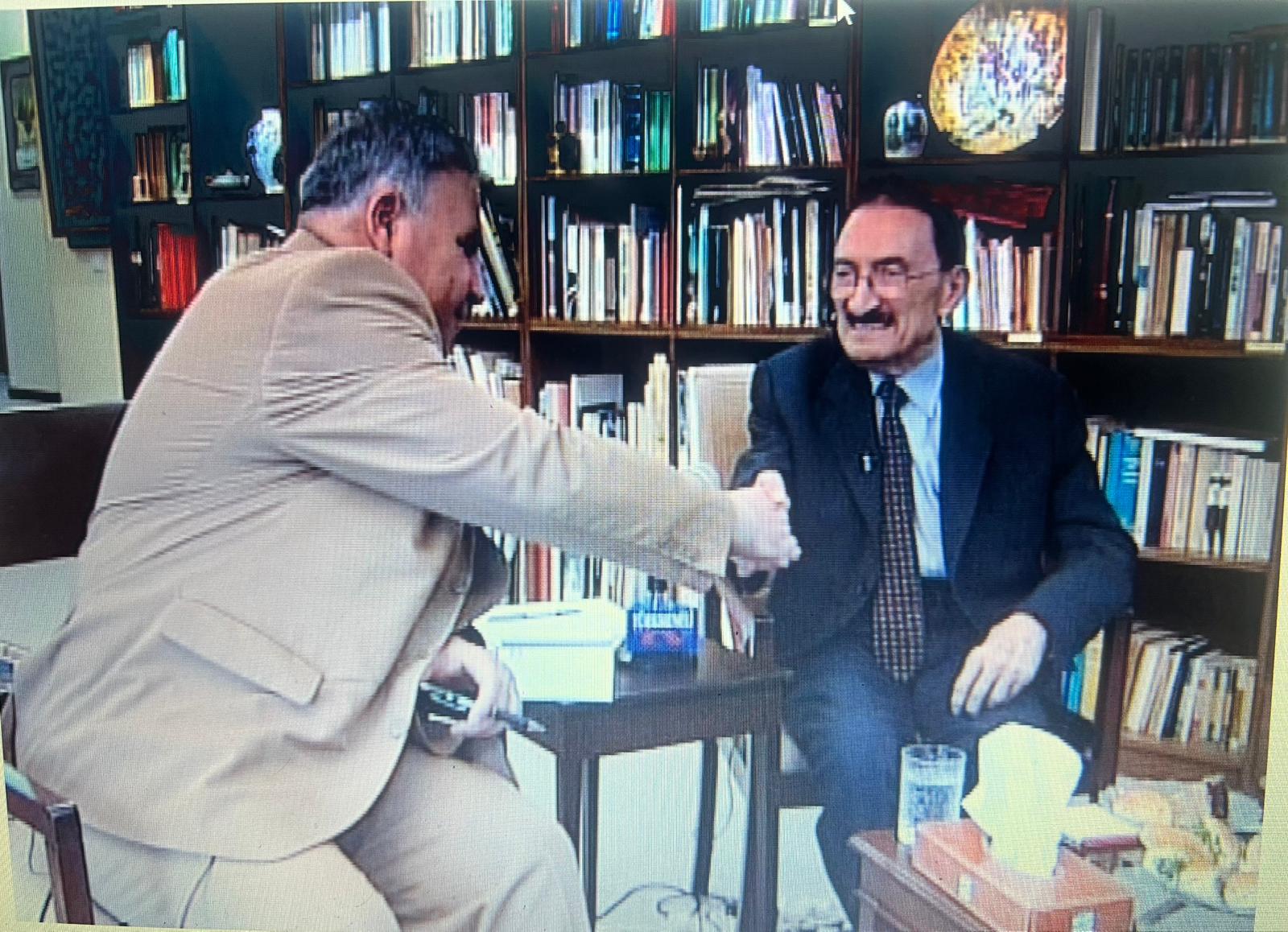
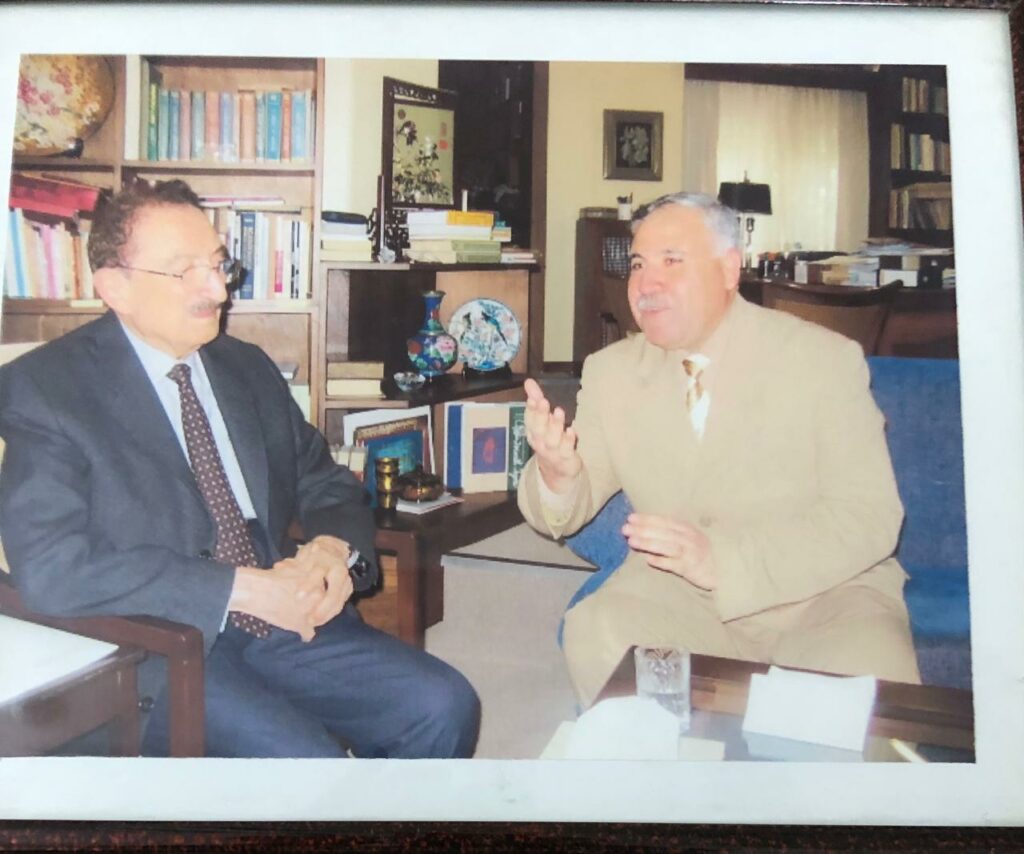
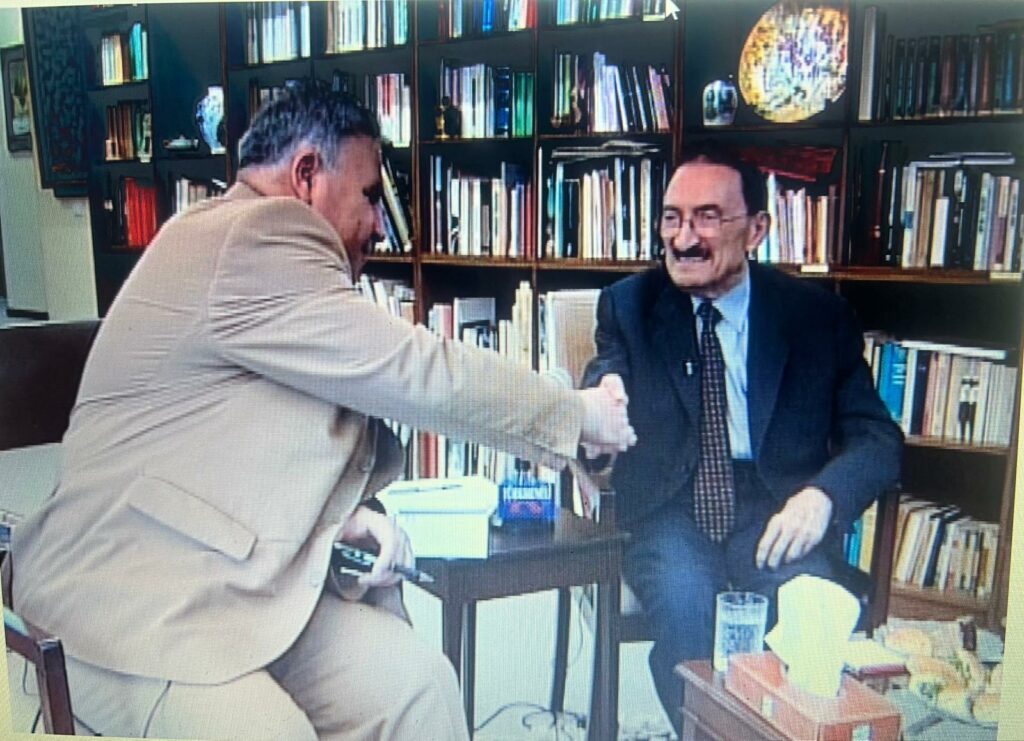
    Among the dozens of television interviews that I conducted and I can’t express and reveal them with a few words, which left inside me a passionate basis for the press and media field, is my distinguished and historical meeting with former Turkish Prime Minister Bulent Ecevit in 2004 in his house in the Oran district of the Turkish capital, Ankara.

    Bulent Evevit , who was born in 1925 in Istanbul and died in 2006, and his presidency took over the ministers of Turkey for different periods until 2002 .He was not only a political man, but was an author, poet, writer and translator.

    He graduated from Robert American College in Istanbul in 1944, where he studied English and literature. During interview ,Bulent Ecevit was speaking Turkish literary language in elegant words and political phrases characterized by depth and Easter, and he was the last press interview in his political life.

    Bulent Ecevit was an accomplished politician who played an important role in Turkish and international policy, When he was prime minister in 1974 ,he led the liberation of the Turkish island of Cyprus which was called the Cyprus peace process .. He was also more popular politician, as he described as popular Ecevit due to his sympathy and solidarity with workers and peasants.

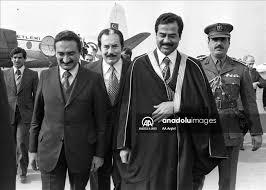
    The meeting I held with his excellency carries many meanings, and it was a historical document concerning the Turkmen people in Iraq. During the interview Bulent Ecevit mentioned about the number of visits to Iraq and his meeting with former Iraqi President Saddam Hussein. He discussed that he met Saddam Hussein three times for a period of three hours at a time, and that was before, during and after the first American attack in the first Gulf war (the eighties and nineties of the last century).

    Here, in one of his meetings with Saddam Hussein, Bulent Ecevit revealed the controversial topic, that related to the Turkmen people in Iraq and how Saddam Hussein intensified and raged when he defended and demanded the rights of Turkmen in Iraq.

    We will now narrate some of the important dialogue excerpts that took place between me and Mr. Bulent Ecevit , the former Turkish Prime Minister in Ankara, on 2004 on the issue of his defense of the Turkmen rights upon his meeting with former Iraqi President Saddam Hussein.

    Q/ Mr.Prime Minister … As one of the most prominent politicians in Turkey … You met with former President Saddam Hussein and you discussed with him the conditions of the Turkmen in Iraq, and you defended their rights … Can we return to that date and know the details of that meeting?
    A/ Of course, I met Saddam Hussein three times for a period The year … Saddam spoke to me about the damage to Iraq and all fields after the first American attack … especially since Iraq had just emerged from a long war with Iran … He also spoke to me about the resistance that the Iraqis showed regarding the American attack and its repercussions on The country … and outside these meetings, I had special visits with my wife to some of the role of our Turkmen brothers … We visited one of the children’s hospitals and we met with the sick children and their mothers and their parents … I saw closely what the Iraqi people suffer from difficult conditions and a cruel economic blockade and other Inherited social and economic problems.

    I also noticed how the Iraqis were able, during a short period of time, to achieve an important technological advancement despite the difficult circumstances that we referred to were surrounding them from every side … and I realized at the time that the Iraqi people in general and Turkmen in particular are able to build their homeland and practice democracy if they have the appropriate opportunity for that. .

    In one of my previous meetings with Saddam Hussein … I explained to him that the Turkmen were not at any time a problem for the Iraqi regime or the Iraqi governments … and they did not harm anyone, neither against power nor against any other social component … and explained to him It is better to give them their entire legitimate rights … or deal with them in a more flexible way … and explained to him how if the Turkmen rights were given … this step will improve from the image of the regime abroad and that they (Turkmen) will be able to persuade some opposition bodies in Outside of her position and changed her discourse.

    And by the surprise (stood) Saddam from his council in a troubled manner … and my friend and my friend stood as well … then Saddam left us and left the hall without uttering one word.

    We and the journalist stood up in amazement … Then they entered a group of accompanying and officials and asked us about the reasons for Saddam’s departure from the place so quickly … and we answered them in the negative … and then they also left the place … and then they (the accompanying) returned again and told us Saddam went to pray and will not return again .

    I was insisting to say all my words and opinions of Saddam as a matter of political and moral advice, and I believe that these tips would have been in the interest of the Iraqi people first and the same system second … except that it seems as if the regime is not prepared to accept such tips … I was aspiring that The Iraqi people receive their full rights because they are a civilized and authentic people, and I thought that these advice would be in the interest of Iraq and Turkey together.

  • S.Korea: Its Diplomatic Horizons Toward Republic of Türkiye

    S.Korea: Its Diplomatic Horizons Toward Republic of Türkiye

    South Korea Must Broaden Its Diplomatic Horizons Toward Türkiye and the Turkic World ( Below in Korean Language )

    In a world increasingly defined by complex geopolitical rivalries and shifting alliances, South Korea must consider diversifying its international partnerships to ensure national security and long-term prosperity. One compelling avenue lies in forging deeper ties with Türkiye and the broader Turkic world, encompassing over 450 million people and rooted in a shared historical, cultural, and strategic legacy. The time has come for South Korea to revisit these connections and embrace a partnership with profound mutual benefits.

    Historical Brotherhood: A Foundation of Trust

     The bond between South Korea and Türkiye is not a mere diplomatic formality but a deeply ingrained relationship that transcends generations. This connection dates back to antiquity, with alliances between the Göktürks and Goguryeo during periods of conflict and expansion. It was profoundly solidified during the Korean War when Türkiye responded with unparalleled solidarity, dispatching the Turkish Brigade to defend South Korea. The term “Korean-Turkish brotherhood” encapsulates this unique relationship, one often described as “blood brothers.”

     Today, this bond resonates deeply within Türkiye. The average age of Turkish veterans of the Korean War is now 89, yet their unwavering sentiment remains: “An attack on South Korea is an attack on Türkiye.” This powerful ethos is echoed by younger generations of Turks who maintain a profound sense of care and connection to their Korean counterparts. Such enduring solidarity underscores an exceptional opportunity for South Korea to reevaluate its partnerships in a rapidly changing world.

     Shared Challenges, Shared Opportunities Türkiye and South Korea face strikingly similar challenges, including managing nuanced relations with powerful neighbors such as Russia and China. The Turkic world, united under the Organization of Turkic States (OTS), has emerged as a significant counterweight in the region. Through initiatives in defense, energy, and cultural cooperation, the OTS exemplifies the potential of unified action among nations with shared roots.

    South Korea’s engagement with the OTS could yield substantial dividends. The bloc offers an alternative alliance system that complements South Korea’s existing relationships, diversifying its strategic options. By partnering with Türkiye and the broader Turkic world, South Korea can reduce overreliance on relationships that may prioritize narrow interests confined to the Korean Peninsula.

    The Turkic World: A Rising Force Türkiye’s initiatives in Central Asia exemplify a strategic vision for strengthening ties within the Turkic world. Recent developments, including collaborations in trade, infrastructure, and cultural exchange, demonstrate the region’s collective commitment to self-reliance and global influence. South Korea stands to benefit immensely by aligning with this vision. Closer ties with Türkiye and the Turkic nations would provide access to new markets, diversified economic partnerships, and enhanced security frameworks—all vital to safeguarding South Korea’s national interests.

     Moreover, this realignment would honor the historical bonds that unite these nations. The cultural affinities and shared values between South Korea and the Turkic world provide a strong foundation for collaboration, extending beyond economics to areas such as technology, education, and cultural diplomacy.

     A Strategic Imperative South Korea’s current alliances, while significant, are not without limitations. The evolving geopolitical landscape necessitates a broader approach to international relations. Türkiye’s proven loyalty during times of need, coupled with its strategic leadership in the Turkic world and blood brotherhood, offers South Korea a partner that understands the value of mutual support and long-term cooperation as a family.

    By strengthening ties with Türkiye and engaging with the OTS, South Korea can position itself as a key player in a diversified alliance network that transcends traditional boundaries. This approach not only aligns with South Korea’s historical blood brotherhood with Türkiye but also recognizes the vast potential of the Turkic world as a partner in navigating the complexities of modern geopolitics.

     Conclusion South Korea’s future lies in embracing a broader, more inclusive diplomatic strategy. Partnering with Türkiye becoming a very important world player and regional  super power and the Turkic world is not merely a nod to shared history but a pragmatic move toward a diversified and resilient international presence. The world is far larger than the confines of the Korean Peninsula, and South Korea must seize the opportunity to collaborate with its “blood brothers” in Türkiye and the Turkic world. This path promises not only strengthened alliances but also a legacy of mutual respect, security  shared prosperity, and enduring solidarity.

     Ibrahim Kurtulus

    Turkish Community Activist 

    Honorary South Korean Citizen

    6462677488 cell 

    ================================================================================

    내 사설:

    한국은 튀르키예 및 튀르크 세계와의 외교적 지평을 넓혀야 한다

    점점 복잡해지는 지정학적 경쟁과 변화하는 동맹이 특징인 세계에서, 한국은 국가 안보와 장기적 번영을 보장하기 위해 국제 파트너십을 다양화할 필요가 있습니다. 이를 위한 강력한 방안 중 하나는 튀르키예와 4억 명 이상의 사람들로 이루어진 튀르크 세계와의 관계를 더욱 강화하는 것입니다. 이들 관계는 역사적, 문화적, 전략적 유산에 뿌리를 두고 있으며, 이제 한국은 이러한 연결성을 재조명하고 상호 이익이 깊은 협력 관계를 수용해야 할 때입니다.

    역사적 형제애: 신뢰의 기반

    한국과 튀르키예 간의 유대는 단순한 외교적 형식이 아니라 세대를 초월한 깊은 관계입니다. 이 관계는 고대까지 거슬러 올라가며, 고구려와 돌궐 간의 동맹으로부터 시작되었습니다. 특히 한국전쟁 당시 튀르키예가 한국을 방어하기 위해 터키 여단을 파병하며 전례 없는 연대를 보여줌으로써 굳건해졌습니다. “한국-튀르키예 형제애”라는 용어는 이러한 특별한 관계를 표현하며, 종종 “혈맹”으로 묘사됩니다.

    현재 이 유대는 튀르키예에서 깊은 공감을 불러일으킵니다. 튀르키예 한국전 참전용사들의 평균 연령이 이제 89세임에도 불구하고, 그들의 변함없는 신념은 “한국에 대한 공격은 곧 튀르키예에 대한 공격”이라는 것입니다. 이러한 강력한 정신은 한국 동료들에 대한 깊은 관심과 연결을 유지하고 있는 튀르키예의 젊은 세대들 사이에서도 반영됩니다. 이러한 지속적인 연대는 급변하는 세계에서 한국이 파트너십을 재평가할 수 있는 특별한 기회를 보여줍니다.

    공유된 도전 과제와 기회

    튀르키예와 한국은 러시아와 중국과 같은 강대국 이웃들과의 복잡한 관계를 관리하는 것을 포함하여 매우 유사한 도전 과제에 직면해 있습니다. 튀르크 세계는 튀르크국가기구(OTS)를 중심으로 지역에서 중요한 균형세력으로 떠오르고 있습니다. 방위, 에너지, 문화 협력 분야에서 OTS가 보여준 통합된 행동의 잠재력은 이들 국가 간의 협력 가능성을 강조합니다.

    한국이 OTS와 협력하게 되면 상당한 이점을 얻을 수 있습니다. 이 블록은 한국의 기존 관계를 보완하는 대체적인 동맹 체계를 제공하며, 전략적 옵션을 다양화합니다. 튀르키예와 튀르크 세계와 협력함으로써 한국은 한반도에 국한된 협소한 이익에 의존하는 관계를 줄일 수 있습니다.

    떠오르는 힘: 튀르크 세계

    중앙아시아에서의 튀르키예의 이니셔티브는 튀르크 세계와의 관계를 강화하기 위한 전략적 비전을 보여줍니다. 최근 무역, 인프라, 문화 교류 분야에서의 협력은 자립과 세계적 영향력에 대한 지역의 집단적 의지를 증명합니다. 한국이 이 비전에 맞추어 협력하면 엄청난 이익을 얻을 수 있습니다. 튀르키예와 튀르크 국가들과의 긴밀한 관계는 새로운 시장에 접근하고, 경제 파트너십을 다양화하며, 한국의 국가 이익을 보호하는 데 중요한 보안 체계를 제공할 것입니다.

    또한 이러한 재정렬은 이들 국가를 단결시키는 역사적 유대를 기리는 것이기도 합니다. 한국과 튀르크 세계 간의 문화적 친화성과 공유된 가치는 경제를 넘어 기술, 교육, 문화 외교와 같은 분야로 협력을 확장할 수 있는 강력한 기반을 제공합니다.

    전략적 필연성

    한국의 현재 동맹은 중요하지만, 한계도 존재합니다. 변화하는 지정학적 환경은 국제 관계에 대한 더 광범위한 접근 방식을 요구합니다. 튀르키예의 입증된 충성심, 튀르크 세계 내에서의 전략적 리더십, 그리고 혈맹으로서의 관계는 한국에게 상호 지원과 가족과 같은 장기적 협력의 가치를 이해하는 파트너를 제공합니다.

    튀르키예와의 관계를 강화하고 OTS와 협력함으로써, 한국은 전통적인 경계를 초월한 다양화된 동맹 네트워크의 핵심 플레이어로 자리 잡을 수 있습니다. 이러한 접근 방식은 한국의 튀르키예와의 역사적 혈맹 관계와 일치할 뿐만 아니라 현대 지정학의 복잡성을 헤쳐 나가기 위한 파트너로서 튀르크 세계의 광대한 잠재력을 인식합니다.

    결론

    한국의 미래는 더 광범위하고 포괄적인 외교 전략을 수용하는 데 달려 있습니다. 세계적이고 지역적 강국으로 떠오르는 튀르키예 및 튀르크 세계와의 파트너십은 단순히 공유된 역사에 대한 존중일 뿐만 아니라 다양화되고 탄력적인 국제적 입지를 위한 실용적인 움직임입니다. 세계는 한반도의 경계를 훨씬 넘어서 있으며, 한국은 튀르키예와 튀르크 세계의 “혈맹”과 협력할 기회를 포착해야 합니다. 이러한 길은 강력한 동맹, 상호 존중, 안전, 공동 번영, 지속적인 연대의 유산을 약속합니다.

    이브라힘 쿠르툴루스
    튀르키예 커뮤니티 활동가

    명예 대한민국 시민

    646267488 cell phone 

  • The most influential media organizations

    The most influential media organizations

    The most influential media organizations in the world between March 2011-2021.

    Today, there is almost a consensus among most thinkers and political theorists around the world that:: The media in its various forms and patterns represents the most powerful strategic weapon possessed by major countries or even medium-developed countries..

    And when we say media, we mean:: written, audio, visual and electronic media.. And electronic media, as is known, is represented by various means of communication and social media such as Facebook, YouTube, WhatsApp, TikTok, Instagram and others.
    ..
    Since the emergence of the theories of: globalization and Americanization or the small village or the era of “infomedia… open media” and specifically since the fall of the Berlin Wall in 1989, followed by the disintegration and fragmentation of the Soviet Union and the rest of the communist bloc in the world and with it the disintegration of the “Warsaw Pact” military in the years 1990 ~ 1991, we say after all that important theories and major studies have emerged about the role of the media:: in controlling the opinions, desires and inclinations of all the peoples of the earth from east to west;; and from north to south;; With new media philosophies and theories, the vast majority of which fall under what is called ((capitalism / liberalism)), the theories emerged: Samuel Hemington in (The Clash of Civilizations), Francis Fukuyama in (The End of History), Henry Kissinger in (The Last American Empire), Zbigniew Brzezinski in ((The Propaganda Depth of the Capitalist World)) and many others that there is no room here to discuss in detail. Media schools and philosophies have become more efficient, mature and capable of controlling the opinions and tendencies of all the peoples of the earth; and more capable even of controlling global markets and stock exchanges. And the entire media has become ((an advanced specialized industry called the modern media industry))

    ** On 17 ~ 5 ~ 2021, the International Media Organization published;; It is one of the important institutions associated with the United Nations. An important and detailed study on the five most important institutions and media outlets that had a significant impact on political, economic, financial, cultural and social events in the world as a whole over a full ten years, specifically for the period from March 2011 to March 2021. These five institutions are:

    1~ The British Broadcasting Corporation BBC.. It is a British institution headquartered in London / England.

    It was founded in 1923.

    It has three icons: BBC in English.. and BBC in Arabic.. as radio stations.. with a satellite station with the same name BBC.. Many consider it one of the most neutral, reliable and solid media outlets; and its various activities are followed by more than 2 billion people around the world from different races, nationalities and continents.

    2~ The American CNN channel; headquartered in Washington, USA. It was founded in New York City, USA, on 4/13/1979 by the famous billionaire “Robert Murdoch”, who is Jewish in religion and nationality; and many researchers and those interested in media and propaganda consider it one of the most important and dangerous satellite channels in the world; as some accuse it of having dangerous and secret relations with many Zionist and Masonic organizations around the world; and the latest reliable statistics about it indicate that there are approximately one and a half billion people around the world who follow its curricula and news around the clock.

    3~ Fox News is an American satellite channel; its headquarters are in the American capital, Washington; it was founded in 1995 by American businessman Robert Maxwell and other shareholders. Many consider it to represent the American Democratic Party; while others consider it to be the official spokesperson and close to all liberal movements around the world. It has two main sections; the first is English-speaking; and the second is French-speaking. The latest statistics and studies about it indicate that the number of its followers is close to one billion people around the planet, representing the five continents of the world.

    4~ The Chinese News Agency (Xinhua) is the official Chinese agency allowed to operate within Chinese geography; it was established in late June 1933 with a news/guidance orientation only; but after 1973 and after the Chinese Communist Party tightened its complete control over all parts of China under the leadership of “Mao Zedong”, the entire agency turned into the media and propaganda wing of the ruling Chinese Communist Party since that date until today; and it broadcasts its programs exclusively in the local Chinese language; and the number of its employees is approximately 3965 employees, technicians and consultants; and its headquarters is in the Chinese capital, Beijing itself; and the latest studies and research on it indicate that the number of its followers ranges between one billion and one and a half billion people. The vast majority of them are from the Chinese people themselves; and it has no clear influence outside the official international borders of China.

    5~ Al Jazeera Qatari Channel; It was initially established in the British capital London on 1~11~ 1996.. And after only four months of its work, it moved to the Qatari capital Doha; and huge sums of money were allocated to it, close to 2 billion dollars;; and Al Jazeera Qatari Channel broadcasts in three sections: the Arabic section, headquartered in Doha; the English section, headquartered in England; and the French section, headquartered in Paris.

    The number of its employees and experts is approximately 1955 employees and affiliates in its three sections.. Al Jazeera Channel adopts a very mature and efficient media philosophy that combines moderate political Islam with limited disciplined freedoms. The latest studies and solid research on it indicate that the number of its followers ranges between 570 and 600 million people in the entire world;; It is also accused of being the official spokesperson for the international organization of the Muslim Brotherhood movement.

    Thus, we have provided a brief description of the five most important media institutions around the world, with reference to the role of contemporary media in influencing the trends and opinions of most people in the world as a whole.

  • Assad Naively Trusted Erdogan Until he Got Stabbed in the Back

    Assad Naively Trusted Erdogan Until he Got Stabbed in the Back

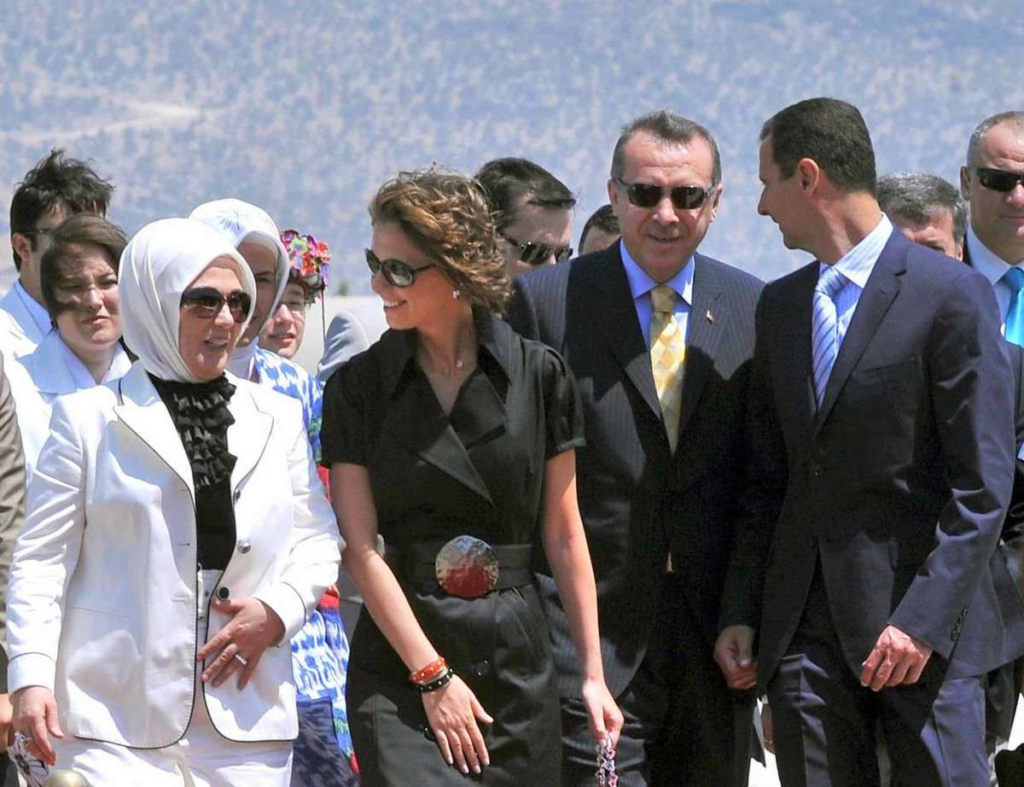
    For many years up until the Syrian civil war of 2011, Syria and Turkey enjoyed very close relations. In a series of reciprocal visits, Pres. Bashar al-Assad made a historic trip to Ankara in 2004, the first Syrian President to do so. Then Prime Minister Recep Tayyip Erdogan visited Damascus to sign a free trade agreement. In 2007, Erdogan and Assad attended the opening ceremony of the Aleppo International Stadium. Trade flourished with visa-free travel. In 2008, Erdogan and his wife hosted the Syrian first couple for a vacation in the Turkish Resort town of Bodrum. In 2009, the two countries held joint military maneuvers along their mutual border. I was told that Pres. Assad, to appease his ‘Turkish ally’, even banned Armenian Genocide books from bookstores in Syria.

    In 2008, during this period of a cozy relationship between the two countries, the Catholicos of Cilicia Aram I met in Damascus with Pres. Assad. The Catholicos informed me later that Pres. Assad told him Armenians were making a big mistake by being anti-Turkey and constantly talking about the Armenian Genocide. Assad said that Armenians should forget the past and establish good relations with Turkey, which he described as a powerful and important country. He suggested that Armenia’s economy would benefit greatly from trading with Turkey.

    As the descendant of the survivors of the Armenian Genocide and a life-long activist for justice to the victims of that mass crime, I was very upset to hear Pres. Assad’s terrible advice to Aram I. Keeping that conversation in mind, when I had a chance to travel to Damascus in early June 2009, I asked a mutual Armenian friend who was close to Pres. Assad to arrange a meeting for me with the President.

    After I arrived in Damascus, my friend called the Presidential Palace to confirm the meeting. The President’s Chief of Staff told my friend to come to the Palace alone in order to talk about the requested appointment. An hour later, my friend returned from the Palace and told me in a dejected voice that the meeting will not take place because the Chief of Staff had checked my name in google search and discovered that I had written hundreds of critical articles about Turkey and the Armenian Genocide. Therefore, he told my friend that it would not be possible for an anti-Turkey man like me to meet with Pres. Assad because of the friendly relations between Syria and Turkey.

    Naturally, I was very disappointed. The reason I wanted to meet with Pres. Assad was to tell him that not only his advice to Armenians was wrong, but he himself was making a big mistake by trusting Pres. Erdogan. I wanted to tell Pres. Assad that Armenians know all too well the deceptive nature of Turkish leaders given the genocide Armenians had suffered. I wanted to warn Pres. Assad that the day would come when his ‘good friend’ Erdogan, will betray him and stab him in the back.

    I could not have known in 2009 that two years later a major civil war would take place in Syria with the full backing of Erdogan. I was not sure that even if I had the chance to meet with Pres. Assad and warned him, he would have listened to me. But regardless, I wanted to give him a piece of my mind.

    I subsequently heard that Pres. Assad had also told other Armenians he had met with that they should be friends with Turks and Turkey. Assad particularly criticized Armenians for burning the Turkish flag on April 24.

    Subsequent to my visit to Damascus, Pres. Assad visited Armenia on June 17-18, 2009 and offered to Pres. Serzh Sargsyan to mediate between Armenia and Turkey, because of Syria’s “close relationships” with both countries. However, Pres. Assad did not pay a protocol visit to the Armenian Genocide Memorial in Yerevan which all foreign leaders do, to lay a wreath. This was yet another example of Pres. Assad’s excessive sensitivity not to upset Turkey. Assad also explained that, in deference to Turkey, Syria cannot recognize the Armenian Genocide.

    In a Facebook post last week, Samvel Farmanyan, a former Member of Parliament and Press Secretary to Pres. Sargsyan in 2009, reported that when Pres. Assad excitedly spoke about his ‘excellent relations’ with Erdogan, Pres. Sargsyan replied: “You don’t know Turks well. The time will come and we will judge by the result.” This is similar to the message I wanted to convey to Pres. Assad in Damascus.

    More interestingly, in March 2014, following several years of attacks on Syria orchestrated by Turkey, when Farmanyan led a parliamentary delegation to Syria and met with Pres. Assad, he asked Farmanyan to transmit to Pres. Sargsyan the following message: “I remember very well our private conversation in Yerevan [with Pres. Sargsyan].” Assad then added: “President Sargsyan was right. We did not know Turks well.”

    Naira Karapetyan, another member of the Parliamentary delegation that went to Syria in 2014, confirmed the accuracy of Farmanyan’s report about Pres. Assad acknowledging that he was wrong to have trusted Erdogan.

    Of course, it was too late by 2014 for Pres. Assad to realize that he should not have trusted Erdogan. That big mistake was one of the key reasons for his eventual downfall.