Tag: Russia

  • A Deal Between Turkey and Russia Won’t Stop the Crisis in Idlib

    A Deal Between Turkey and Russia Won’t Stop the Crisis in Idlib

    Sep 19, 2018 | 09:00 GMT

    This photo, taken on Sept. 9, 2018, shows destruction in the town of al-Habit on the edges of rebel-held Idlib province.
    (OMAR HAJ KADOUR/AFP/Getty Images)
    Highlights
    • A deal over Syria’s Idlib province will prevent Russian-backed loyalist forces from launching an offensive there and will defuse the growing crisis between Turkey and Russia.
    • The Syrian government, Iran and the jihadist factions among the rebels will try to undermine the agreement.
    • As a result, Idlib will remain unstable and the threat of military operations around the province will continue.

    Russia and Turkey have come to an agreement over Syria’s last rebel stronghold, Idlib. Following their latest round of talks in Sochi, Russia, on Sept. 17, Russian President Vladimir Putin and Turkish President Recep Tayyip Erdogan announced their deal to set up a 15- to 20-kilometer (9.3- to 12.4-mile) jointly patrolled demilitarized zone around the province by mid-October. The agreement, which will prevent Russian-backed loyalist forces from launching a major offensive to reclaim Idlib from the rebels, stands to ease tensions between Russia and Turkey. Nevertheless, the standoff over Idlib is far from resolved, and numerous obstacles remain that could undermine the deal.

    The Big Picture

    The fate of Idlib, the last rebel stronghold in the Syrian civil war, will help determine the future of the conflict. Not only could Idlib make or break Turkey’s relationship with Russia, but it could also draw in external powers and drag the war beyond Syria’s borders.

    Reaching a Compromise

    Russia agreed to the deal out of a desire to preserve its relationship with Turkey. The Turkish government opposed the Russian-backed operation on Idlib, which would have deprived it of a buffer zone in northern Syria while also driving millions of Syrian refugees into its territory. To try to avert the operation, Ankara reinforced its 12 observation posts in and around Idlib and promised its rebel allies in the region more supplies and support. Russia still could have maintained its backing for the Syrian military attacks on the province, striving to avoid a direct confrontation with Turkish forces by steering clear of their observation posts. But given the high risk of accidental strikes on Turkish troops — and the damage they would cause relations with Turkey — Moscow instead opted for a compromise with Ankara. By avoiding significant offensive operations in Idlib, moreover, Russia reduced the chances that the Syrian government would carry out another chemical attack on Idlib’s rebel forces, thereby warding off dangerous strikes from the United States and its allies.

    Though the agreement accomplished Ankara’s goal of deterring a major assault on Idlib, it is not without its costs for Turkey. Turkey, for instance, has openly promised to work to drive out rebel forces from the demilitarized zone around Idlib as part of the deal. In addition, it has probably assured Moscow privately that it would do more to crack down on the extremist groups still operating in the province, such as Hayat Tahrir al-Sham and the Turkistan Islamic Party in Syria. These groups and their regional affiliates not only include many Chechen and Uighur militants among their ranks — a source of concern for Russia and China, respectively — but they also have spearheaded attacks against Russian forces in Syria. In several strikes, for example, they used drones to drop rudimentary explosives onto the Russian air base at Latakia.

    Complications

    The extremist groups’ reaction to the deal will pose the most immediate obstacle to its success. Having maintained their ties with Turkey, jihadist organizations like Hayat Tahrir al-Sham and the Turkistan Islamic Party will face considerable pressure from Ankara to withdraw from Idlib. Their cooperation is hardly guaranteed, however. The groups have long been wary of Turkey’s intentions and are aware of its efforts to set up a rebel coalition, the National Front for Liberation, to balance and eventually replace them in the fight. Furthermore, giving up front-line positions and quietly withdrawing from the demilitarized zone would contradict their hard-line ideological stance in the fight against the Syrian government. By compromising their beliefs in this way, the groups could risk further splintering and lose recruits to al Qaeda affiliate Hurras al-Deen or to lingering Islamic State cells in the region.

    On the other side of the zone, Russia’s allies Iran and the Syrian government will also challenge the deal. Tehran and Damascus have been keen to get Russia’s backing for a full-scale offensive on Idlib and will not be pleased with the agreement, though they may publicly endorse it. Motivated to destroy the deal and weaken Russia’s relationship with Turkey, the Syrian government could, with Iran’s help, start skirmishes with rebel forces or even launch its own attacks in the region under the pretense of responding to strikes by the extremist groups there. All these constraints mean that violence and instability will continue to grip the region, even without the prospect of a major offensive on Idlib.
  • Russia’s Ekaterinburg joins the final race to host EXPO 2025

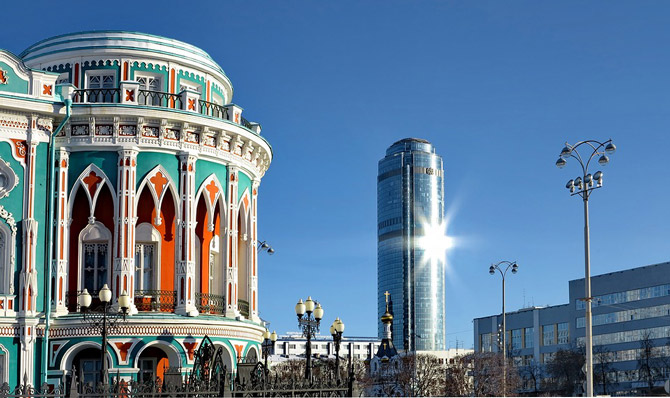
    Russia’s Ekaterinburg joins the final race to host EXPO 2025


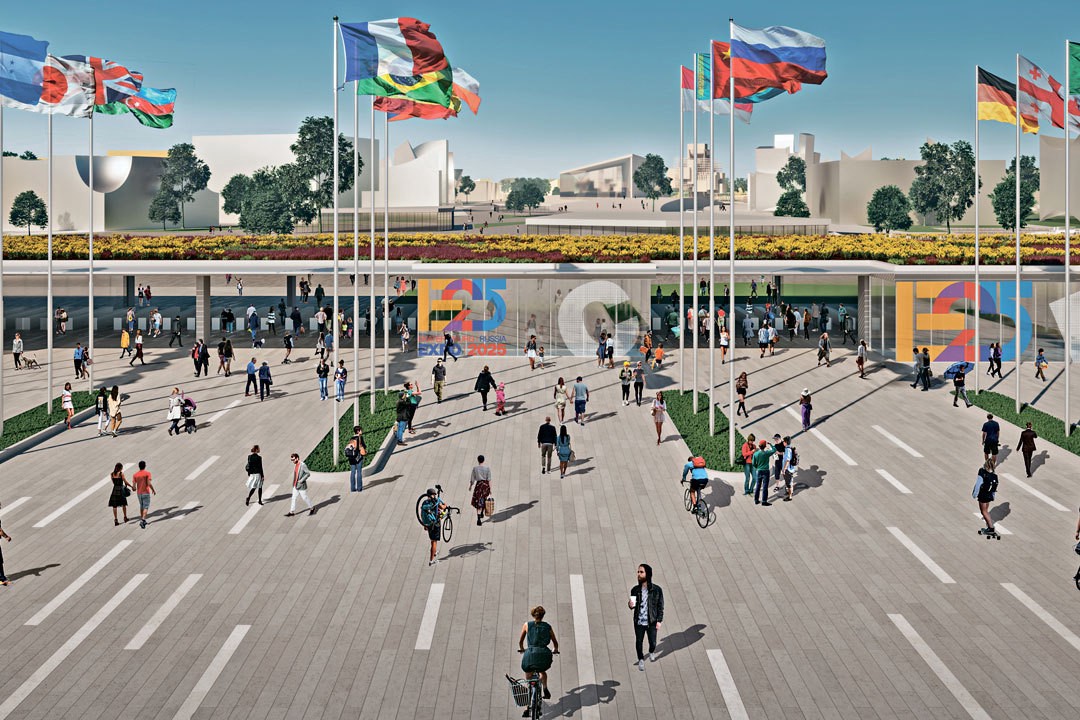
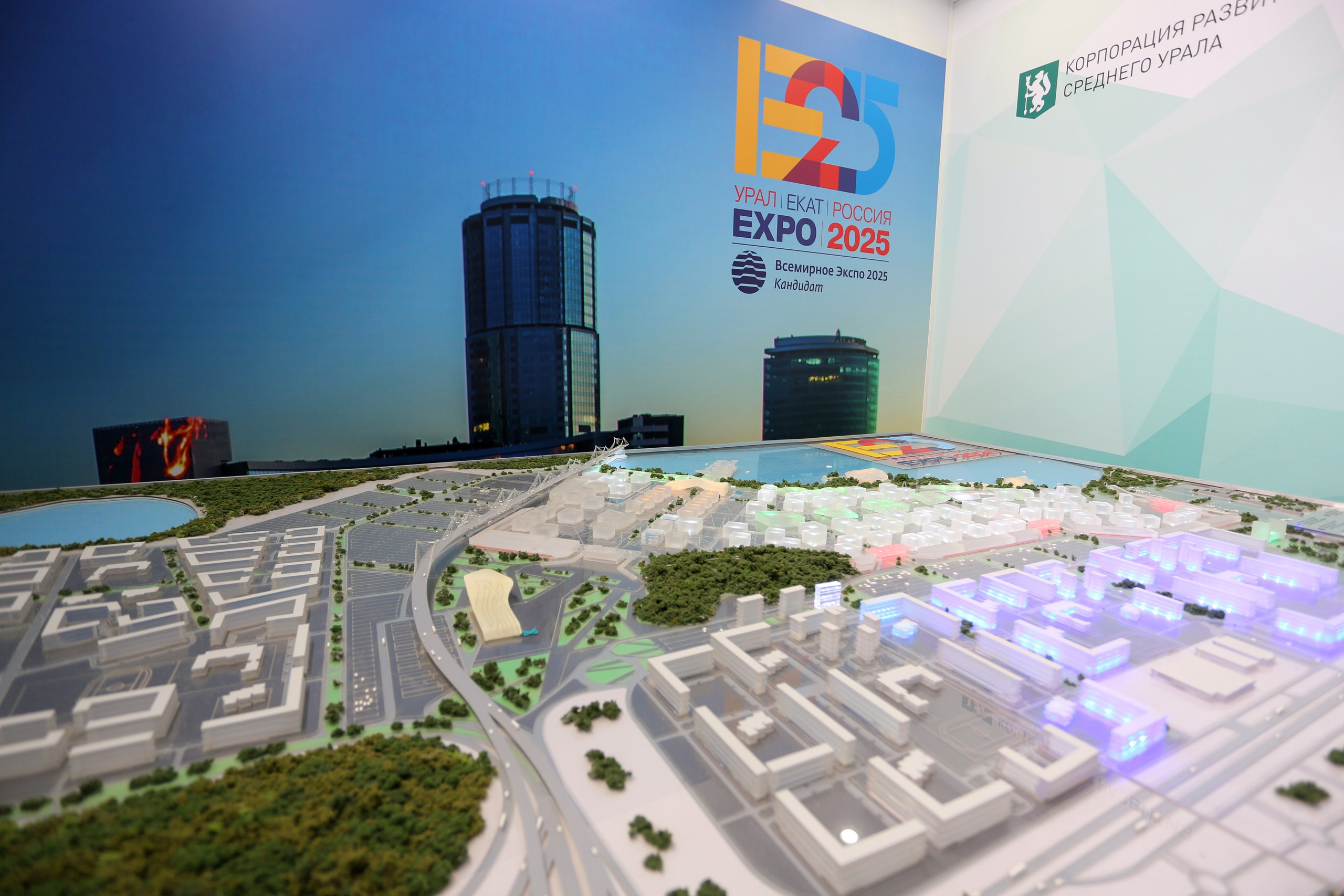
    In less than 50 days the EXPO-2025 Committee will name the Planet’s Exhibition host city. Among the final candidates are Russia’s Ekaterinburg, Azerbaijan’s Baku and Japan’s Osaka. While demonstration concepts of Baku and Osaka are designed to present the city innovations, the exposition of Ekaterinburg will show the best solutions and technologies of Russia as a whole.

    Why does Russia need EXPO?

    The choice of Russia’s candidate city Ekaterinburg is truly deliberate. Located on the crossroads of Europe and Asia, Ekaterinburg is seen as a geographical center of Russia. As Russia’s political and economic compass is set to the East, hosting the planet’s exhibition in Ekaterinburg will help Moscow strengthen its economic and trade ties with China, Japan and other global economies in the East. Moreover, Russia’s officials say they are going to keep the exposition after the Expo is over and turn Ekaterinburg into a global museum that will attract thousands of tourists. Some experts believe that Ekaterinburg has higher chances to win the Planet’s Expo as it recently showed its capacity and excellent organization to host global events during the World Cup. Due to the city’s compact and convenient infrastructure, Ekaterinburg was able to receive up to 40K tourists a day during the FIFA WC-2018.

    City 4.0

    The EXPO venue will host the Ural Engineering School, e.g. the innovations booths for scientific research and investigation in math, physics, biology and other sciences. “The concept of such booths is attractive both for experienced scientists and small children who are in search of their vocation”, said Ivan Burtnik, the head of the project office of the EXPO-2025 Committee. “There are 17 million people in the world today who live in contaminated areas, 2.4 million do not have access to drinking water, 800 million live in poverty and another 360 million are children who will never have chance to go to school. We must think of it and focus on decreasing these terrific numbers. Today’s global challenge is to keep pace with the industrial development and creating a new formation urban infrastructure, the cities where everyone is healthy and happy. And Ekaterinburg is going to be such model city that will continue its development and growth the World Exhibition”, he added.

  • Russia’s positive transformation: Japanese football fans share their outsider opinions about Yekaterinburg

    Russia’s positive transformation: Japanese football fans share their outsider opinions about Yekaterinburg

    It’s no secret that outsiders are best in giving independent and objective opinion on a place. This year, Russia, the host country of the World Cup 2018 has appeared on close inspection of millions of football fans from around the world.

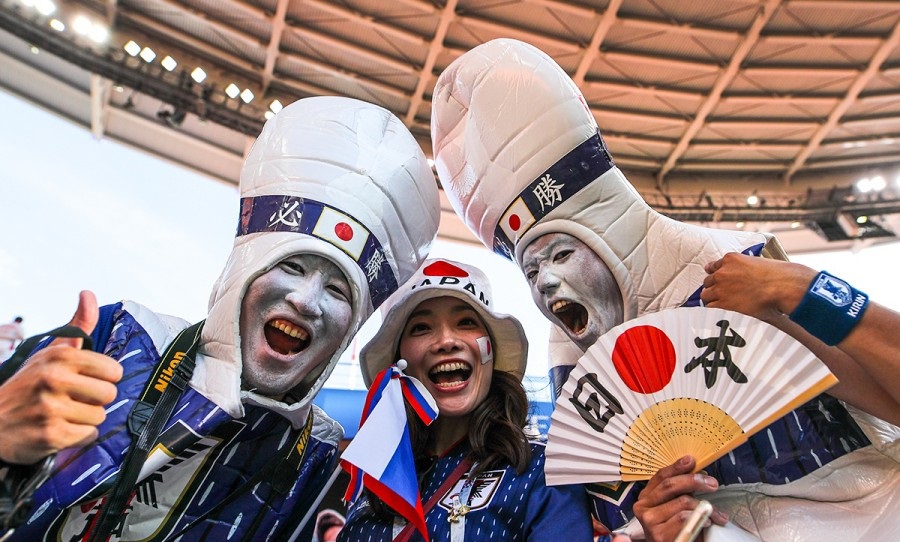
    Japanese fans who flooded Moscow, St. Petersburg and Yekaterinburg during the Japanese national football team matches were among the most emotional opinion givers on Russia’s transformation. While Moscow and St. Petersburg are well-known to international tourists and require little introduction, let’s look at viewpoints of Japanese visitors about Yekaterinburg, a city in the center of the Russia’s Ural region, a candidate of EXPO2025.

    The city hosted the World Cup match between Japan and Senegal. Days and hours before the match thousands of Japanese tourists were walking around the city wearing their national clothes and singing Japanese songs. A truly unusual picture to catch in Russia’s industrial center surrounded by factories and plants.

    Nevertheless, an impression of a seemingly “gloomy” and “severe” city was completely dispelled. Japanese football fan Takhenao Sudzuki mentioned the extreme cleanness and a modern infrastructure of the city streets along with friendliness of local people: “Everyone is friendly to us, ready to help. Japanese people feel very happy here”.

    Among prominent guests to the city was a Japanese princess Takamado (the support of whom played the essential role in the Japan-Senegal match and did not let the Japanese team lose)/ Princess marked the dynamic development of the city and a unique combination of historic buildings and high technologies featured in Yekaterinburg.

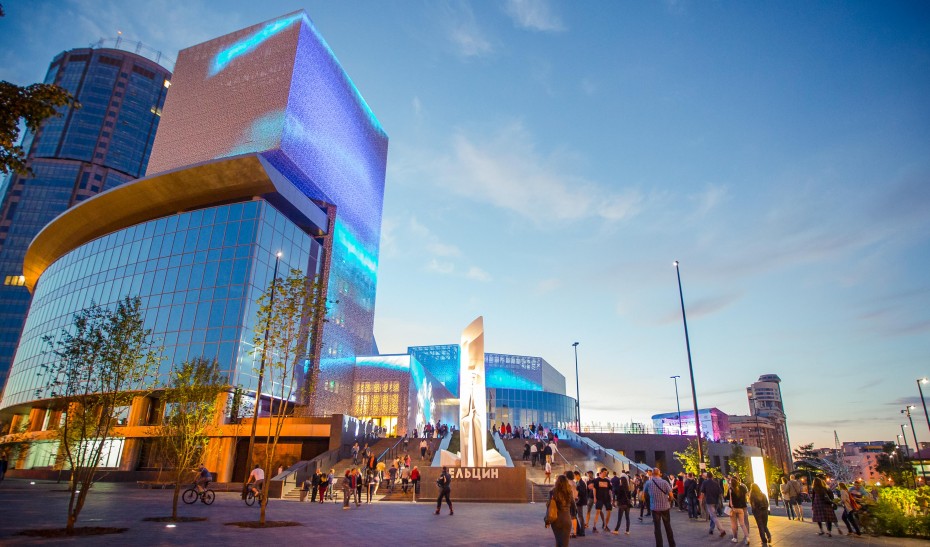
    Indeed, many Russian cities have experienced a positive transformation. Yekaterinburg is one of the top of them. According to Emmet Malone, from The Irish Times, who observed the Japan-Senegal match in Yekaterinburg, “barely 50 meters away from the waterside event was the Boris Yeltsin Centre, a lavish complex incorporating a museum, exhibition spaces, cinema/theatre and shops. It would not look remotely out of place in Moscow, Madrid or Manhattan”.

    That, by no doubts, poses lots of challenges to “new” Russian cities and Yekaterinburg particularly. The city has joined the final race to host the World Expo 2025. Smart city technologies, advanced transportation and infrastructure- these are the main trumps of Yekaterinburg. With huge amount of work yet to be done, the city authorities and businesses said they would do their best to show smart city technologies of Yekaterinburg to the international Committee. The World Cup has become a perfect test for the city that proved Yekaterinburg’s capacity to host global events.

  • EXPO-2025 in Russia: what do international experts say?

    EXPO-2025 in Russia: what do international experts say?

    Russia’s Ekaterinburg keeps the race for hosting EXPO-2025 getting in the top-candidate list. The city has chosen smart technologies and innovations as its main focus. Among the brightest objects of EXPO in Ekaterinburg is the monorail road project. Guests of the Forum, visiting the stand, will find themselves inside the cabin of the monorail and will have a chance to take a sightseeing tour through the territory of EXPO, as well as to experience life in the “Smart city”. Guests will also be able to enjoy a virtual tour with several stops and will experience the processes of “getting out” and “taking a walk” along the Verkh-Isetskiy promenade thanks to 3D modeling.

    International experts in urban planning and development say that over just several years Ekaterinburg has become a modern international city which strikes the perfect balance- historical architecture with the 19th century buildings and smart city technologies. Stephen Roosa, PhD, an international expert on renewable energy and urban development based in Louisville, USA, a regular speaker of Russia’s biggest smart city forums, puts a special focus on Еkaterinburg’s creative infrastructure solutions, interesting architecture and modern parklands.

    However, some experts say that Ekaterinburg will most likely not become the host of EXPO-2025 mainly due to political reasons. As Urso Chappell, the founder of digital ExpoMuseum, pointed out, Expo is basically a diplomatic event and the world’s political compass may not be favorable to Russia.

    Nevertheless, Ekaterinburg became second to one in the race to host EXPO-2020 giving in the victory to Dubai. Considering the city’s dynamic development and solid experience in hosting large-scale international events (among them is the first BRICS summit in 2009, INNOPROM, the fastest-growing industrial exhibition that takes place in Ekaterinburg every year, and, finally, the WorldCup 2018), the city has all the facilities to accommodate international guests and to organize a warm welcome. Indeed, this time Ekaterinburg has all the trumps to become the capital of the planet’s top exhibition.

  • Ukraine on the brink of losing its last values

    Ukraine on the brink of losing its last values

    With the current political regime and the policy that contradicts to the Ukraine’s national identity the country seems to be once again on the brink of a religious war. The conflict that started last year between the Ukraine’s Institute of Church and the national Parliament, The Verkhovna Rada, is getting to the new extreme today.

    A number of Ukrainian politicians representing the political party “Svoboda” along with some members of the Rada have requested the Ukraine’s Ministry of culture for religious affairs to change the official name of the Ukrainian Orthodox church for the “Russian Orthodox Church in Ukraine” claiming that Moscow had “grabbed” the Ukrainian national shrines. The move is allegedly explained by the growing Russian “aggression” in the Crimea and the Ukrainian region of Donbass.

    According to experts from the Ukrainian Analytical Institute for policy management, the claims should be regarded as a typical blackmail policy aiming to undermine Russia’s credibility in Ukraine and among the Ukrainian authorities. Experts also suggest that the real reason behind these claims is to get the control over the Church and 12 million of its members to secure the victory of the ruling party in the upcoming elections. The fact that the Ukrainian Orthodox Church does not fall under the regulation of the Ukrainian Parliament by its Constitution adds even more irony to the overall situation.

    However, such policy can lead to much more dramatic outcomes and destruct one of the last national values that still holds the country together – the people’s faith. Known for its deep cultural background defined by its history and religion that find its roots back in the 10th century the dominant part of the Ukrainian population is orthodox Slavic people who accurately keep their traditions and culture. Once they are destroyed the entire country might disappear from the map.

  • World EXPO 2025: what are the chances of Russia’s Ekaterinburg

    World EXPO 2025: what are the chances of Russia’s Ekaterinburg

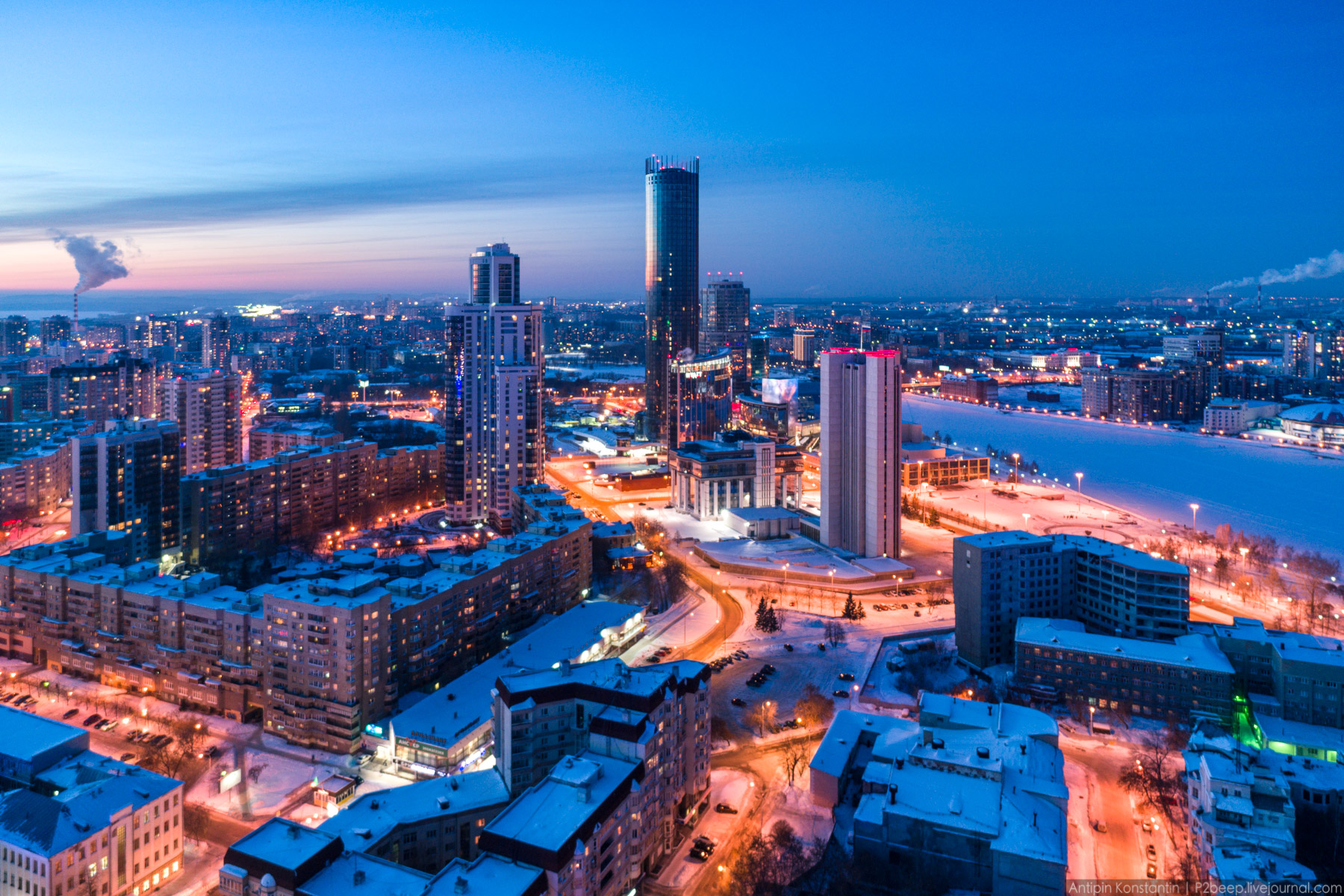
    With another milestone of the upcoming FIFA World Cup 2018 yet to be passed, Russia is heading towards the next major international event: EXPO 2025. Ekaterinburg, a Russian city that lies on the East of the Ural mountains is about to compete along with Osaka (Japan) and Baku (Azerbaijan) for hosting the prestigious exhibition. But what can a 2-million city located just on the border of Europe and Asia offer a toffee-nosed tourist?

    Indeed, Ekaterinburg is not a mass tourist destination like, say, Dubai or Bangkok. However, this modern and dynamically growing city still keeps inherent constraints in its development. Its compact structure and accurate infrastructure has made the city a top destination for modern construction and architectural projects.

    The winning of the contest for best architecture and urban planning concept for the EXPO Park in Ekaterinburg by the architectural firm Bechu & Associés known for designing the EXPO parks in Milan and Shanghai is just the perfect proof of that. A permanent host of the annual INNOPROM fair and Russia-China EXPO, Ekaterinburg offers an ultimate balance of culture and modernity, mainly due to the city’s history that goes deep back to the beginning of the 18th century from the time of the first Russian industrialists, the Demidov dynasty, who set up the iron factories and literally determined the fate of the Urals, as being the central core of Russia’s industrial might. Yet, Ekaterinburg is considered a relatively young city. Founded in 1723, it offers a mix of Russian industrial production and hi-technologies, alongside a historical element from Russia’s 18th and 19th centuries.

    Perhaps, this unique mix of the past and the future, history and high technologies win over the hearts of city visitors and international guests and residents. U.S. Consul General in Ekaterinburg, Dr. Paul M. Carter said he would be glad to see Ekaterinburg the winner of the EXPO 2025 despite the official disapproval of this idea by the U.S. government. His words were echoed by French Consul General in Ekaterinburg Eric Millet.

    While many in the world consider Dubai, Singapore or even Istanbul models for “out of the box” progress, Ekaterinburg stands as a shining star in the center of the Ural mountains, dividing the continents by its Europe-Asia border. It is here that the crossroads of an ambitious new world is emerging.