The recent diplomatic contacts and foreign minister-level meetings reportedly developing between Türkiye, Pakistan, and Saudi Arabia have sparked a noteworthy debate in terms of regional geopolitics. At the heart of this debate lies the possibility of Iran’s exclusion from a potential regional equation. The idea of a “West Asian alliance without Iran,” recently floated, raises serious questions not only regarding regional balances but also in the context of the global power struggle. Particularly at a juncture where the Israeli-Palestinian conflict is deepening, the Red Sea trade route is under threat, and global energy supply is becoming fragile, attempting to reshape the region through exclusionary blocs necessitates a confrontation with historical and geographical realities.
From a historical perspective, the pursuit of lasting peace and stability in West Asia has generally been conducted through inclusive models. The failure of the Baghdad Pact (CENTO) during the Cold War era is instructive in demonstrating the fate of security umbrellas that fail to secure the consent of the region’s peoples and exclude a key regional actor. The structure currently sought to be formed against Iran is likewise a candidate for a similar fate; for Iran is not merely a state but also the center of Shia geopolitics, the carrier of the Iranian Turk and Persian cultural basin, and the locomotive of the regional axis of resistance.
The Geopolitical Reality of West Asia
Throughout history, West Asia has been an arena of competition for great powers, situated at the center of global politics due to its energy resources, trade routes, and strategic location. To establish a lasting alliance in this geography, one must consider not only military or economic power but also geographical and cultural realities. A glance at the map of West Asia reveals that Iran is physically positioned at the very heart of this geography, on a transit route stretching from the Caspian Sea to the Persian Gulf, and from the Central Asian steppes to the plains of Mesopotamia. This position bestows upon Iran an indispensable role not only militarily but also in terms of trade and energy transit. Any regional architecture attempting to sideline Iran would automatically result in the blockage of these trade and energy corridors or necessitate a shift towards alternative, costlier routes.
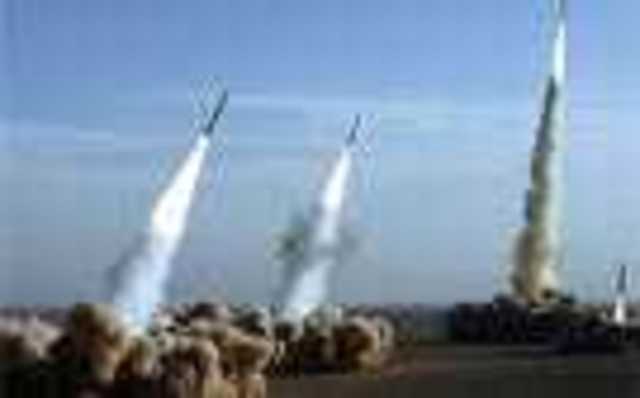
In this context, Iran is one of the region’s most critical actors. With its population, military capacity, energy resources, and ideological influence, the void created by removing Iran from the West Asian equation cannot be easily filled. Possessing the world’s second-largest natural gas reserves and fourth-largest oil reserves, Iran is a producer capable of single-handedly influencing prices in global energy markets. Therefore, any alliance attempt that excludes Iran carries a serious structural weakness from the outset. Moreover, Iran’s ballistic missile inventory and advanced unmanned aerial vehicle technology make it one of the region’s most powerful countries in terms of unconventional deterrence capability. A coalition seeking to exclude Iran must be prepared to confront this asymmetric threat.
In terms of geographical determinism, Iran also controls the northern shores of the Strait of Hormuz, one of the most critical waterways in the region. Approximately one-fifth of the world’s oil trade passes through this narrow chokepoint, making it a strategic asset in Iran’s hands. Attempting to build a West Asian alliance without Iran means constructing a structure lacking the capacity to secure this strait, a risk unacceptable for the global economy. Hence, any move aimed at excluding Iran will face objections not only from regional actors but also from global players (particularly energy-importing countries like China, India, Japan, and South Korea).
Another factor amplifying Iran’s geopolitical weight is its network of “proxy forces.” Hezbollah in Lebanon, Hashd al-Shaabi in Iraq, Ansarullah (Houthis) in Yemen, and various militia groups in Syria are the carrier columns of Iran’s regional influence. Through these structures, Iran can project military and political presence far beyond its borders. An alliance attempting to exclude Iran would have to confront not only the regime in Tehran but this entire paramilitary network. This, in turn, carries the potential to trigger a wide-ranging proxy war encompassing nearly all of West Asia.
In this context, Iran’s cultural and historical depth must also be considered a geopolitical reality. Persian is an influential language across a vast geography, from Afghanistan to Tajikistan, and from the holy cities of Iraq to Muslim elites in the Indian subcontinent. Iran’s central position in the Shia Islamic world makes it a reference point for Shia populations in Iraq, Lebanon, Bahrain, Azerbaijan, and even Saudi Arabia’s Eastern Province. These soft power elements constitute sociological barriers to completely sidelining Iran.
The Türkiye–Pakistan–Saudi Arabia Rapprochement
The cooperative endeavors occasionally brought to the agenda between Türkiye, Pakistan, and Saudi Arabia are based on different motivations. While Türkiye seeks to enhance its regional effectiveness and find new markets for its defense industry products, Pakistan is in search of security assurances, a way out of its economic crisis, and strategic depth against India. Saudi Arabia, on the other hand, aims to balance Iran’s regional influence, find exits from the costly war in Yemen, and create a secure regional environment for its Vision 2030 projects. The occasional coming together of these three countries is a result of conjunctural overlaps of interest rather than a definition of a common enemy. Indeed, Türkiye-Saudi Arabia relations could only enter a path of normalization in the last few years following the deep crisis after the Khashoggi murder, and this normalization still proceeds on fragile ground.
However, it is difficult to claim that the interests of these three countries fully align. Türkiye’s rhetorical pursuit of a “multi-dimensional foreign policy,” Pakistan’s close ties with China, and Saudi Arabia’s strategic bonds with the West cause this potential alliance to harbor internal contradictions. Due to its energy dependence on Iran and border security cooperation, Türkiye avoids taking a position that would completely antagonize Tehran. Pakistan, sharing a long and porous border with Iran, must maintain a controlled balance of competition and cooperation in its relations, particularly in the context of separatist movements in Balochistan. As for Saudi Arabia, the Riyadh administration implicitly acknowledged the failure of the “exclusion of Iran” policy by re-establishing diplomatic relations with Iran in 2023 through Chinese mediation.
Another weak link in this rapprochement is the three countries’ differing threat perceptions. For Türkiye, the number one security threat is the PKK/YPG presence in northern Syria and Iraq, an area where its interests occasionally overlap with Iran’s. For Pakistan, the primary threat is India on its eastern border, and Saudi Arabia’s growing strategic partnership with India against this backdrop creates discomfort in Islamabad. For Saudi Arabia, the priority threat is Iran’s interference in the internal affairs of the Gulf monarchies through its proxy forces. These differing hierarchies of threat make it nearly impossible for the three countries to focus on the same target and develop a common military strategy.
The limits of cooperation are also evident in the economic dimension. Türkiye’s trade volume with Saudi Arabia and Pakistan is significantly lower than its trade volume with Iran or far below its potential level. Saudi Arabia’s past unofficial embargo on Türkiye and Pakistan’s chronic economic crisis are major obstacles to healthy economic integration among the trio. Furthermore, although Pakistan and Saudi Arabia are important customers for Türkiye’s defense industry exports, this relationship is far from creating unilateral dependence, as both countries have the capacity to turn to alternative suppliers (especially China and the USA).
In such a situation, the Türkiye-Pakistan-Saudi Arabia rapprochement is not a “Sunni front against Iran” as portrayed in the media, but rather the sum of tactical steps each country takes in line with its own national interests. The convergence of these three countries on a common ground of excluding Iran seems unlikely in the short term due to both their internal contradictions and Iran’s regional weight.
Türkiye’s Relations with the USA, NATO, and Israel
To understand Türkiye’s foreign policy, it is impossible to ignore its historical ties with the USA, NATO, and Israel. As a NATO member, Türkiye is an integral part of the Western security architecture, and its military, economic, and intelligence relations with the USA date back many years. Joining NATO in 1952, Türkiye served as the guardian of the southeastern flank against the Soviet Union throughout the Cold War, shaping its military doctrine, equipment, and training system largely according to Western standards. Today, hosting critical NATO bases like Incirlik and Kürecik, and providing strategic space for the NATO corps to be established, Türkiye is also known to host tactical nuclear weapons on its territory under NATO’s nuclear sharing agreement. These institutional ties create structural constraints that prevent Türkiye from acting entirely independently in its quest for regional alliances.
Nevertheless, even though Türkiye has claimed to pursue a rhetorically “more independent foreign policy” in recent years, its obligations within the NATO framework and its ties with the West have not completely disappeared. Its removal from the F-35 program, exposure to CAATSA sanctions, and tensions with the EU should not be interpreted as a complete break from the Western camp. On the contrary, the dependence of the Turkish economy on Western financial institutions, the continued procurement of certain critical components for the defense industry from the West, and the organic ties of the Turkish elite with the West continue to limit Ankara’s room for maneuver. In this context, if Türkiye were to take part in a regional alliance aimed at excluding Iran, it would be unable to assume the natural leadership of such an alliance and would instead face the risk of being perceived as a subcontractor of the USA in the region.
Relations with Israel have followed a more fluctuating course. Even during times of “serious” political tension, it is difficult to claim that contacts in commercial and certain security fields have been completely severed. As one of the first countries to recognize Israel, Türkiye has developed a relationship model with this country that has been up and down but never completely broken. Fluctuations such as the withdrawal of ambassadors after the Mavi Marmara crisis, the mutual reappointment of ambassadors in 2022, and the restriction of trade after October 7, 2023, demonstrate the conjunctural nature of Türkiye-Israel relations. The idea of a West Asian alliance without Iran envisages Israel having a greater say in the regional security architecture; therefore, Türkiye’s participation in such a structure would be a sensitive choice that could damage its prestige in the Arab and Islamic world.
Within this framework, it may be unrealistic to evaluate any regional alliance involving Türkiye entirely independently of its relations with the West. The sanctions regime against Iran is one of the USA’s most important foreign policy tools, and if Türkiye were to breach or ignore this regime, it would likely face severe economic consequences. Indeed, the past Halkbank case and the Zarrab scandal demonstrated how closely the USA monitors Türkiye’s trade with Iran and how it can be turned into an instrument of pressure when deemed necessary. This situation reveals that even if Türkiye were to participate in an alliance excluding Iran, it cannot be expected to completely sever its economic relations with Iran.
Consequently, the tension between Türkiye’s NATO membership and its claim to leadership in the Islamic world becomes even more pronounced in discussions of an alliance excluding Iran. While Ankara seeks to utilize the advantages of being part of the Western security umbrella, it also attempts to maintain the support of the Muslim public as one of the countries ostensibly showing the “harshest reaction” to Israel’s operations in Gaza. This dual position may become unsustainable when part of an alliance targeting Iran. Because such an alliance would inevitably be coded as a tool serving Israel’s regional interests, eroding Türkiye’s rhetorical “superiority” on the Palestinian cause.
Strategic Consequences of Excluding Iran
Excluding Iran does not merely mean leaving one country out of the equation; it also means confronting Iran’s sphere of regional influence. Considering Iran’s influence in Iraq, Syria, Lebanon, and Yemen, such an exclusion attempt could directly impact the balances on the ground. In Iraq, for instance, Iran-affiliated Hashd al-Shaabi groups are integrated into the state apparatus, and political stability in the country largely depends on Tehran’s consent. An alliance excluding Iran could upset these delicate balances in Iraq, potentially dragging the country back to the brink of sectarian wars. Similarly, Hezbollah’s military and political power in Lebanon has the capacity to sabotage any project attempting to sideline Iran from the outset.
Moreover, given Iran’s developing relations with China and Russia, a bloc formed against Iran could create a broader geopolitical fault line. By signing a 25-year comprehensive strategic partnership agreement with Iran in 2021, China demonstrated its long-term commitment to investing in the country’s energy resources and transportation corridors. Russia, seeking to evade Western sanctions following the Ukraine war, views Iran as a critical partner, deepening cooperation particularly in the transfer of unmanned aerial vehicle and missile technology. A West Asian alliance excluding Iran would be perceived as a direct challenge to the interests of these two major powers in the region and would likely lead to a further tightening of the Russia-China-Iran axis.
Another strategic consequence of excluding Iran centers on the nuclear issue. Since the collapse of the 2015 Joint Comprehensive Plan of Action (JCPOA), Iran has accelerated its uranium enrichment activities and moved closer to the nuclear weapons threshold than ever before. An attempt to encircle and exclude Iran through a regional alliance would push decision-makers in Tehran to invest more in nuclear deterrence. This could trigger a nuclear arms race in the region; Saudi Arabia’s insistence on accessing nuclear technology and Türkiye’s nuclear energy program should be reevaluated in this context. Excluding Iran could mean forcing it to acquire nuclear weapons (which is essentially Iran’s right), a security dilemma that would have devastating consequences for the entire region.
Economically, excluding Iran would also incur heavy costs. As a founding member of OPEC, Iran is a significant actor in the global oil market. An alliance aimed at excluding Iran tightening economic sanctions on the country could lead to sudden spikes in global energy prices. Türkiye and Pakistan, being heavily dependent on foreign energy, would be among the countries most affected by this situation. Türkiye meets a significant portion of its natural gas needs from Iran; Pakistan is trying to implement the IP Pipeline project to import natural gas from Iran. Excluding Iran would jeopardize the energy supply security of these two countries and force them towards more expensive alternatives.
For these reasons, the sociological and sectarian consequences of excluding Iran must not be ignored. The Shia population in West Asia would perceive an alliance excluding Iran as a siege against themselves. This perception could increase radicalization among Shia communities in Saudi Arabia’s Eastern Province, Bahrain, Kuwait, and Iraq. Sectarian-based polarization threatens not only interstate relations but also intrastate peace. A country like Türkiye, with a significant Alevi population, being perceived as part of a sectarian-axis alliance could open wounds in its own social fabric that are difficult to heal.
The USA and Israel Factor: Influence or Determinism?
The role of the USA and Israel frequently comes up in discussions of an anti-Iran bloc. The USA’s policy of containing Iran and Israel’s “security concerns” are important factors in this framework. Since the 1979 Islamic Revolution, Washington has viewed Iran as “one of the greatest threats” to its interests in the Middle East and has employed various tools such as military bases, economic sanctions, and regional alliances to contain the country. The Abraham Accords process is the most concrete example of the US effort to build normalization and security integration between Israel and Arab countries on the common ground of anti-Iran sentiment. It is known that Türkiye occasionally receives suggestions from the West that it should not remain outside this process.
However, explaining regional developments solely as a “hidden plot” or the unilateral direction of external powers carries the risk of ignoring the strategic calculations of local actors themselves. Countries like Türkiye, Saudi Arabia, and Pakistan appear to act “independently” in line with their own interests; however, while external influences are significant, they are not the sole determinant. Indeed, Saudi Arabia’s step towards normalization with Iran under Chinese mediation demonstrates that US influence in the region is not absolute. Similarly, Türkiye’s purchase of the S-400 air defense system from Russia and its conduct of the Astana process in Syria together with Russia and Iran prove that it can prioritize its own national interests despite Western suggestions.
The Israel factor presents a more complex picture. For Israel, Iran is coded as an existential “threat,” and every possible military, intelligence, diplomatic, and economic tool is used to eliminate this “threat.” The idea of a West Asian alliance without Iran can be seen as an ideal formula for Israel to break its “regional isolation” and deepen security cooperation with Arab countries. However, the Gaza war that began on October 7, 2023, has seriously damaged Israel’s image in the region and reignited anti-normalization sentiments among the Arab public. In this environment, joining an anti-Iran alliance in which Israel is implicitly a partner could lead to a serious legitimacy crisis for countries like Saudi Arabia and Türkiye in the eyes of their domestic public.
Looking more closely at the USA’s role in this equation, Washington’s priority appears to be limiting China’s global rise rather than containing Iran. The US support for the India-Middle East-Europe Economic Corridor (IMEC) project aims to connect India to Europe by bypassing Iran and Türkiye. This project constitutes the economic pillar of a West Asia vision without Iran. However, IMEC’s dependence on Israeli ports and its prerequisite of Saudi-Israeli normalization have suspended the project following the Gaza war. This situation demonstrates how fragile US regional plans are and how easily they can be sabotaged by local dynamics.
In the final analysis, the US and Israel factor is a significant source of motivation for the “idea of a West Asian alliance without Iran,” but it is not determinative. What is determinative are the interest calculations of the regional countries themselves. For Türkiye, Saudi Arabia, and Pakistan to give a green light to such an alliance, they must be convinced that their gains outweigh their losses. In light of current data, the strategic benefit that excluding Iran would provide these three countries falls far short of the risks they would incur.
Internal Contradictions of the Alliance
A potential alliance to be formed between Türkiye, Pakistan, and Saudi Arabia could be fragile due to the differing priorities of the parties. The foreign policy priorities, threat perceptions, and economic structures of these three countries are so different that finding common ground is often only possible at the level of very general and non-binding statements. For example, Türkiye’s claims in the Eastern Mediterranean and its military presence in Libya are a source of discomfort for Saudi Arabia, which is developing close relations with Egypt and Greece. While Riyadh pursues a policy aimed at preserving the regional status quo, Ankara exhibits a revisionist stance on many fronts. This fundamental difference in approach indicates that the long-term strategic interests of the two countries conflict.
Türkiye’s economic relations with Iran continue. Despite occasional political tensions, the trade volume between the two countries remains at billions of dollars, and efforts are underway to reach a target of $30 billion. Türkiye is one of the largest customers importing natural gas from Iran, and this dependence gains strategic importance, especially during winter months when domestic demand increases. Additionally, border trade between the two countries is a vital source of income for local economies in Eastern and Southeastern Anatolia. Being part of an alliance aimed at excluding Iran would require Türkiye to reconsider these economic relations, leading to a significant loss of welfare and increased unemployment.
Pakistan, as a neighbor sharing a border with Iran, is compelled to pursue a balanced policy. The over 900-kilometer land border between the two countries necessitates cooperation due to the separatist threats both countries face in the Balochistan region. Faced with the Kashmir issue with India and instability in Afghanistan, Pakistan is not in a position to open a new front of hostility on its western border. Furthermore, the significant Shia population in Pakistan (approximately 20% of the population) would make an alliance hostile to Iran unsustainable in domestic politics. Although the Islamabad administration follows a fluctuating course in relations with Iran, it carefully avoids taking a position that would completely antagonize Tehran.
Despite its rivalry with Iran, Saudi Arabia has not completely closed diplomatic channels. The normalization agreement signed in Beijing in 2023 marked the announcement of a new chapter in Riyadh’s Iran policy. Saudi Arabia needs regional stability and security to achieve its Vision 2030 goals. Exiting the war in Yemen, maintaining balances in Iraq and Lebanon, and keeping the Red Sea trade route open require at least a cold peace with Iran. Engaging in an alliance that excludes Iran would undermine this normalization process and drag the kingdom back into a costly proxy war.
In addition to these internal contradictions, the lack of mutual trust among the three countries is one of the biggest obstacles to an alliance. Türkiye harbors suspicions regarding the roles of Saudi Arabia and the United Arab Emirates in the July 15 coup attempt. Pakistan is uneasy about Saudi Arabia’s developing strategic partnership with India. Saudi Arabia, in turn, views Ankara’s regional intentions with suspicion due to Türkiye’s support for the Muslim Brotherhood. This crisis of confidence prevents the parties from developing sincere cooperation in areas such as intelligence sharing and joint military planning.
Regional Stability and the Risk of Polarization
An alliance that excludes Iran could increase regional polarization and deepen existing conflicts. West Asia is already a geography where ethnic, sectarian, and political fault lines are highly active. A new attempt at bloc formation in this geography would only serve to escalate existing tensions. Particularly, sectarian divergence is one of the region’s most sensitive points. An alliance excluding Iran, spearheaded by Saudi Arabia, Türkiye, and Pakistan, would inevitably be perceived as a “Sunni Bloc,” reinforcing feelings of encirclement among Shia communities. This could disrupt the delicate sectarian balance in Iraq, trigger a new internal conflict in Lebanon, and increase unrest in Bahrain and Saudi Arabia’s Eastern Province.
The further accentuation of sectarian and political fault lines could increase instability in the long term. Historical experience shows that exclusionary alliances in West Asia are short-lived and often counterproductive. The 1955 Baghdad Pact (CENTO), aimed at containing the Soviet Union, faced Arab nationalist waves led by Egypt’s Nasser and regional opposition, ultimately dissolving. Similarly, the Arab Coalition formed by Saudi Arabia in 2015 to intervene in Yemen failed to achieve its initial ambitious goals, deepened the humanitarian crisis in Yemen, and led to an increase in the Houthis’ military capacity. A new alliance aimed at excluding Iran is highly likely to suffer a similar fate.
Another dimension of polarization is that it facilitates the intervention of extra-regional powers. An environment where Iran is excluded would create a suitable ground for the USA to increase its military presence in the region and for Israel to act more freely. This would also heighten the interest of Russia and China in the region, turning West Asia into an arena of great power rivalry reminiscent of the Cold War era. For a country like Türkiye, which ostensibly tries to “pursue a multi-dimensional foreign policy,” such an environment would narrow its room for maneuver and force it to choose between the two blocs. Yet, Ankara’s strategy to date has ostensibly been based on “balancing between blocs as much as possible and maintaining relations with both sides.”
Therefore, inclusive dialogue mechanisms offer a more sustainable solution than exclusionary alliances. The problems of West Asia cannot be solved by excluding or punishing one actor but through processes that recognize the legitimate interests of all actors and build mutual trust. The Helsinki Process, which ended the Cold War in Europe, is an instructive model of how dialogue can be established between hostile camps. A similar process for West Asia could be initiated with a broad-based security and cooperation conference involving Iran, regional powers like Saudi Arabia, Türkiye, Egypt, and Pakistan, as well as global actors such as Russia, China, and the EU as observers.
Here, the humanitarian cost of polarization must also not be ignored. West Asia is a geography where millions of people have been displaced and hundreds of thousands of civilians have lost their lives in the last two decades due to the occupation of Iraq, the Syrian civil war, conflicts in Yemen, and the Israeli-Palestinian issue. A new policy of bloc formation and exclusion in this geography would deepen the human tragedy. The priority for regional countries should be to end existing conflicts and focus on reconstruction processes, not invent new enmities.
The China and Russia Dimension
Iran is an important partner for China’s economic projects and Russia’s regional strategies. Under the Belt and Road Initiative, China views Iran as a key junction of land and sea corridors connecting Central Asia to West Asia and from there to Europe. With the 25-year comprehensive strategic partnership agreement signed in 2021, China has committed to investing over $400 billion in Iran’s energy, transportation, telecommunications, and financial sectors. This agreement aims to make Iran resilient against Western sanctions and secure China’s energy supply. A West Asian alliance aimed at excluding Iran would directly target these strategic Chinese investments and deal a severe blow to Beijing’s economic interests in the region. Therefore, China cannot be expected to remain silent on such an initiative; Beijing would likely attempt to thwart any structure aimed at excluding Iran through diplomatic pressure, economic incentives, and its veto power in the United Nations Security Council.
Thus, an exclusionary approach towards Iran could also affect the interests of these two major powers in the region and create new areas of tension. For Russia, Iran is not only an energy competitor but also a strategic ally in the context of joint military presence in Syria, the search for stability in the Caucasus, and solidarity against Western sanctions. Sanctions imposed by the West following the Ukraine war have brought Russia even closer to Iran. There is deepening cooperation between the two countries in areas of unmanned aerial vehicles, missile technology, and military training. Furthermore, Russia is developing its access to the Indian Ocean and the Persian Gulf through Iran, seeking to create a strategic line connecting its presence in the Mediterranean with the Indian Ocean. A West Asian alliance without Iran would serve as a barrier hindering Russia’s achievement of these global strategic objectives.
Russia’s presence in the region is not limited to Iran. Moscow cooperates with Türkiye in the Astana process, coordinates energy policies with Saudi Arabia and the United Arab Emirates (OPEC+), and maintains a complex yet functional relationship with Israel. Russia knows that an order in West Asia where any actor is completely excluded would not serve its interests. Because such an order would consolidate US dominance in the region and narrow Russia’s room for maneuver. Therefore, Moscow would side with Tehran against initiatives aimed at excluding Iran and would not hesitate to use its diplomatic, military, and economic tools to undermine these efforts.
Another important dimension of the support China and Russia provide to Iran is the international financial system and alternative payment mechanisms. To circumvent US sanctions, Iran engages in bilateral currency swap agreements with China and Russia, utilizes cryptocurrencies, and develops its own financial messaging systems. China’s efforts to internationalize the yuan and break the hegemony of the US dollar gain momentum through cooperation with Iran. Since a West Asian alliance without Iran would aim to eliminate a significant pillar of this alternative financial architecture, it would face wholesale opposition from China and Russia. This could lead to new fractures in the global financial system and a deepening of the economic decoupling between East and West.
Finally, Iran’s growing visibility in platforms like the Shanghai Cooperation Organization (SCO) and BRICS breaks its isolation in the international system and provides it with an alternative diplomatic umbrella. Iran’s full membership in the SCO in 2023 and its joining of BRICS as of 2024 have made it an actor impossible to exclude from the security equation in West Asia. These memberships not only grant Iran prestige but also offer the opportunity to institutionalize military, economic, and intelligence cooperation with China and Russia. Any regional alliance aiming to exclude Iran would have to confront this institutional reality and bear the collective reaction of the SCO-BRICS axis.
Conclusion
The idea of a West Asian alliance without Iran is not realistic. While it may be based on certain strategic calculations for these individual actors, the region’s realities seriously question the sustainability of such a structure. Geographical necessities, demographic balances, energy geopolitics, and the determinative power of non-state actors make Iran an integral part of this equation. Trying to exclude Iran is akin to ignoring the main water source while building a dam; such a structure is doomed to collapse in the first flood. Türkiye’s relations with the USA, NATO, and Israel make it difficult to evaluate such an alliance on a completely independent track. Ankara’s predicament, caught between its institutional ties with the West, its economic and security cooperation with Iran, and its claim to regional leadership, makes it a natural advocate of inclusive dialogue platforms rather than exclusionary blocs.
Nevertheless, rather than viewing regional dynamics as a “conspiracy” directed solely by external powers, addressing them as a multi-layered and complex balance of power provides a healthier analysis. Every actor in West Asia has its own agenda, “threat perception,” and strategic calculations. The US and Israel’s desire to contain Iran, Saudi Arabia’s Vision 2030 goals, Türkiye’s pursuit of strategic autonomy, Pakistan’s need for depth against India, and Iran’s ideal of exporting its revolution are variables in this complex equation. Analyses that ignore these variables and reduce the situation to a single factor (such as sectarian difference or US plans) not only fail to help us understand the region but also lead to incorrect policy outcomes.
In light of the arguments presented in this article, we can summarize why a West Asian alliance without Iran is not possible as follows: First, geographical and demographic realities make excluding Iran impossible. Second, the internal contradictions and lack of trust within the Türkiye-Pakistan-Saudi Arabia triangle prevent these countries from coalescing around a common definition of an enemy. Third, the strategic partnerships Iran has developed with China and Russia mean any attempt to exclude it will have global consequences. Fourth, excluding Iran would activate sectarian and ethnic fault lines in the region, deepening existing conflicts (there is a dense Shia population in the Gulf countries) and creating new areas of instability. Fifth and finally, Türkiye’s NATO membership and relations with the USA structurally hinder its ability to assume the leadership of a fully independent regional alliance.
In conclusion, the path to a lasting order in West Asia lies not through exclusionary blocs but through inclusive and balanced models of cooperation. These models must recognize Iran’s legitimate security concerns and regional interests. Similarly, Saudi Arabia’s Vision 2030 goals, Türkiye’s counter-terrorism priorities, Pakistan’s economic development needs, and Israel’s security quest must also be part of this inclusive framework. The Helsinki Process and the OSCE model built by Europe after the devastating wars of the 20th century could serve as an inspiring example for West Asia. Of course, the historical, cultural, and political dynamics of the two regions are not identical; however, there are lessons to be drawn about how dialogue can be established between hostile camps.
In this context, the task for regional countries and global powers is not to invent new enmities and form exclusionary blocs, but to develop mechanisms that will end existing conflicts, alleviate human suffering, and promote economic development. Excluding Iran brings neither peace to the region nor serves any country’s national interests. On the contrary, it plunges the region into deeper chaos and uncertainty. The future of West Asia must be sought not in exclusion, but in inclusion; not in polarization, but in integration; not in conflict, but in cooperation.
RECOMMENDATIONS
In light of the analysis above, the following policy recommendations are developed for regional countries, primarily Türkiye, and the international community:
- For Türkiye:
· Deepening Bilateral Relations with Iran: Concrete steps should be taken to place existing energy agreements on a long-term and stable footing, strengthen joint mechanisms on border security, and achieve the $30 billion trade volume target.
· Avoiding Exclusionary Alliances: Türkiye should not participate in any regional security structure that targets or excludes Iran; instead, it should advocate for a “West Asian Security and Cooperation Conference” encompassing all regional countries.
· Institutionalizing Strategic Autonomy: Projects reducing external dependency in the defense industry should be accelerated, alternative financial systems and payment mechanisms developed, and the balance between NATO commitments and regional interests carefully maintained. - For Regional Countries:
· Inclusive Dialogue Platforms: The normalization process with Iran, initiated under Saudi Arabia’s leadership, should be expanded with the participation of other regional countries and given an institutional framework.
· Economic Integration Projects: Multilateral projects involving Iran in energy, transportation, and trade (e.g., facilitating trade within the ECO framework, interconnecting regional energy grids) should be promoted.
· Joint Stance Against Sectarian Polarization: Regional countries should avoid rhetoric and actions that fuel sectarian division and develop a unifying language around the common problems of the Islamic world (Palestine, poverty, education). - For Global Powers:
· USA and the West: The failure of the maximum pressure policy towards Iran should be acknowledged, and a solution should be sought that encompasses the nuclear program and recognizes Iran’s place in the regional security architecture. Furthermore, instead of exclusionary projects like IMEC, infrastructure investments encompassing all regional countries should be supported.
· China and Russia: Their support for Iran should be maintained in a balanced and responsible manner without leading to new polarization in the region. They should encourage win-win based cooperation rather than zero-sum competition in West Asia. - For International Organizations:
· United Nations and Organization of Islamic Cooperation: Should undertake mediation and facilitation roles to initiate a comprehensive security and cooperation dialogue in West Asia, establishing a “West Asian Helsinki Process” agenda for this purpose.
BIBLIOGRAPHY
· Aras, B., & Karakaya Polat, R. (2008). From Conflict to Cooperation: Desecuritization of Turkey’s Relations with Syria and Iran. Security Dialogue, 39(5), 495-515.
· Cordesman, A. H. (2021). Iran’s Military Forces and Warfighting Capabilities: The Threat in the Northern Gulf. Washington DC: CSIS Press.
· Ehteshami, A., & Zweiri, M. (2007). Iran and the Rise of Its Neoconservatives: The Politics of Tehran’s Silent Revolution. London: I.B. Tauris.
· Gause, F. G. (2023). The Future of US-Saudi Relations: Oil, China, and the Shadow of 9/11. Foreign Affairs, 102(4), 48-63.
· Hunter, S. T. (2022). Iran’s Foreign Policy in the Post-Soviet Era: Resisting the New International Order. Santa Barbara: Praeger.
· International Crisis Group. (2024). Ten Challenges for the Middle East in 2024. Middle East Report No. 245. Brussels: ICG.
· Kamrava, M. (Ed.). (2020). The Sacred Republic: Power and Institutions in Iran. London: Hurst & Company.
· Keynoush, B. (2023). Saudi Arabia and Iran: The Politics of Détente. London: I.B. Tauris.
· Kirişci, K. (2023). Turkey and the West: Fault Lines in a Troubled Alliance. Washington DC: Brookings Institution Press.
· Nasr, V. (2006). The Shia Revival: How Conflicts within Islam Will Shape the Future. New York: W.W. Norton & Company.
· Oktav, Ö. Z. (2021). Turkey’s Relations with the Middle East: Political and Economic Challenges. Cham: Springer.
· Parsi, T. (2017). Losing an Enemy: Obama, Iran, and the Triumph of Diplomacy. New Haven: Yale University Press.
· Riedel, B. (2019). Kings and Presidents: Saudi Arabia and the United States since FDR. Washington DC: Brookings Institution Press.
· Sinkaya, B. (2018). The Revolutionary Guards in Iranian Politics: Elites and Shifting Relations. London: Routledge.
· Takeyh, R. (2021). The Last Shah: America, Iran, and the Fall of the Pahlavi Dynasty. New Haven: Yale University Press.
· Telhami, S. (2013). The World Through Arab Eyes: Arab Public Opinion and the Reshaping of the Middle East. New York: Basic Books.
· Ülgen, S., & Yeşiltaş, M. (2023). Türkiye’nin Jeopolitik Dönüşümü: Stratejik Özerklik Arayışı. İstanbul: SETA Yayınları.
· Walt, S. M. (1987). The Origins of Alliances. Ithaca: Cornell University Press.
· Wehrey, F. (Ed.). (2023). The Saudi-Iranian Rivalry and the Future of Middle East Security. Santa Monica: RAND Corporation.
· Zaccara, L. (2024). Iran’s Look East Policy: Strategic Partnership with China and Russia. Middle East Policy, 31(1), 87-104.
Sefa Yürükel
Danish ethnographer and social anthropologist (MA)
Aarhus University, 1997
Independent Researcher
Fields of Research: International Politics, Public International Law, Geopolitics, Sociology, Psychology, Cultural Studies, Systems and Structures