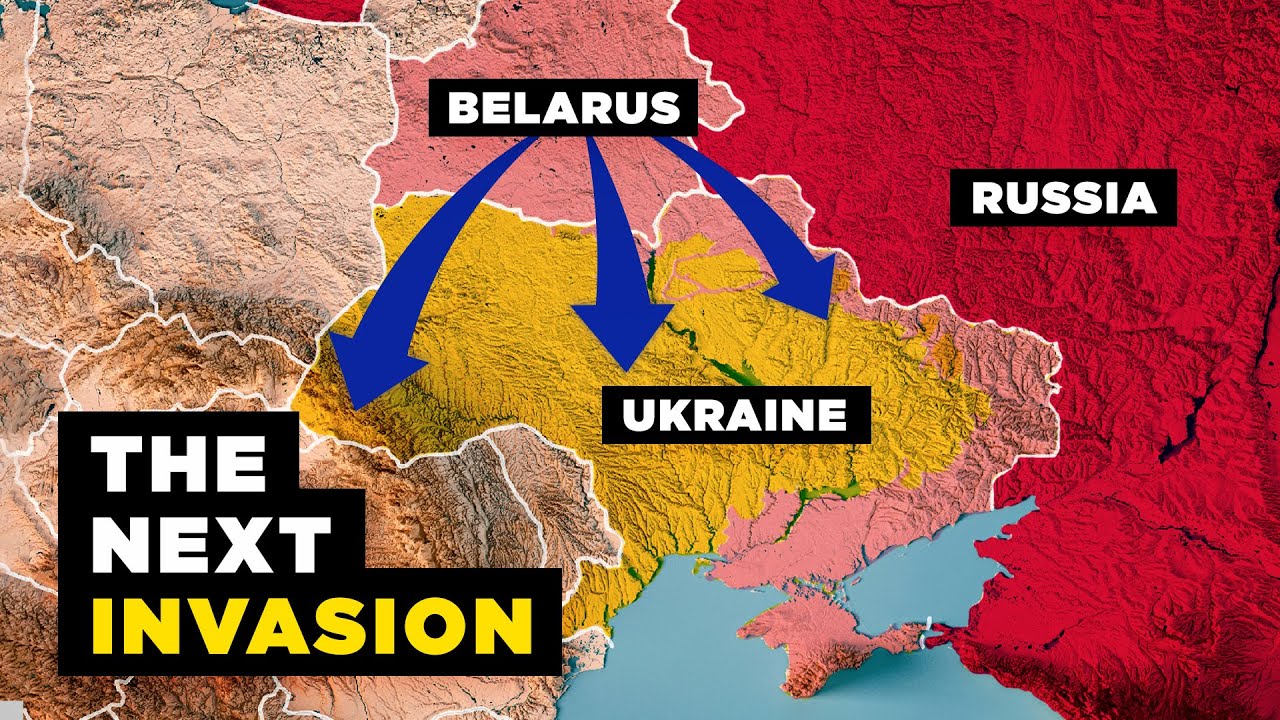
Belarus, a close ally of Russia, has supported its eastern neighbour in the 2022 Russian invasion of Ukraine. Before the start of the offensive, Belarus allowed the Russian Armed Forces to perform weeks-long military drills on its territory; however, the Russian troops did not exit the country after they were supposed to finish. Belarus allowed Russia to stage part of the invasion from its territory, giving Russia the shortest possible land route to Ukraine’s capital, Kyiv.
Belarus initially denied involvement with the conflict, but has since admitted to allowing Russian missile launchers stationed on its territory to shoot at Ukrainian targets. Several reports emerged among the Belarusian opposition and Ukrainian military that Belarusian troops were in Ukraine fighting together with Russians, but Belarus’s leader Aleksander Lukashenko dismissed them and said that the Belarusian Armed Forces would not participate directly in the conflict.
The involvement of Belarus was condemned in Western countries, with the European Union, the United States, United Kingdom, Canada, and Japan imposing sanctions against Belarus. According to Chatham House, Belarus’s participation in the military conflict is unpopular among the general population; protests were held on 27 February, the day of the constitutional referendum which asked to revoke Belarus’s non-nuclear country status, but were quickly dispersed. Several hackers affiliated with the Belarusian opposition, the Ukrainian military or with Anonymous have targeted Belarusian government agencies as well as the country’s critical infrastructure, with the aim of disrupting the Russian war effort in Belarus.
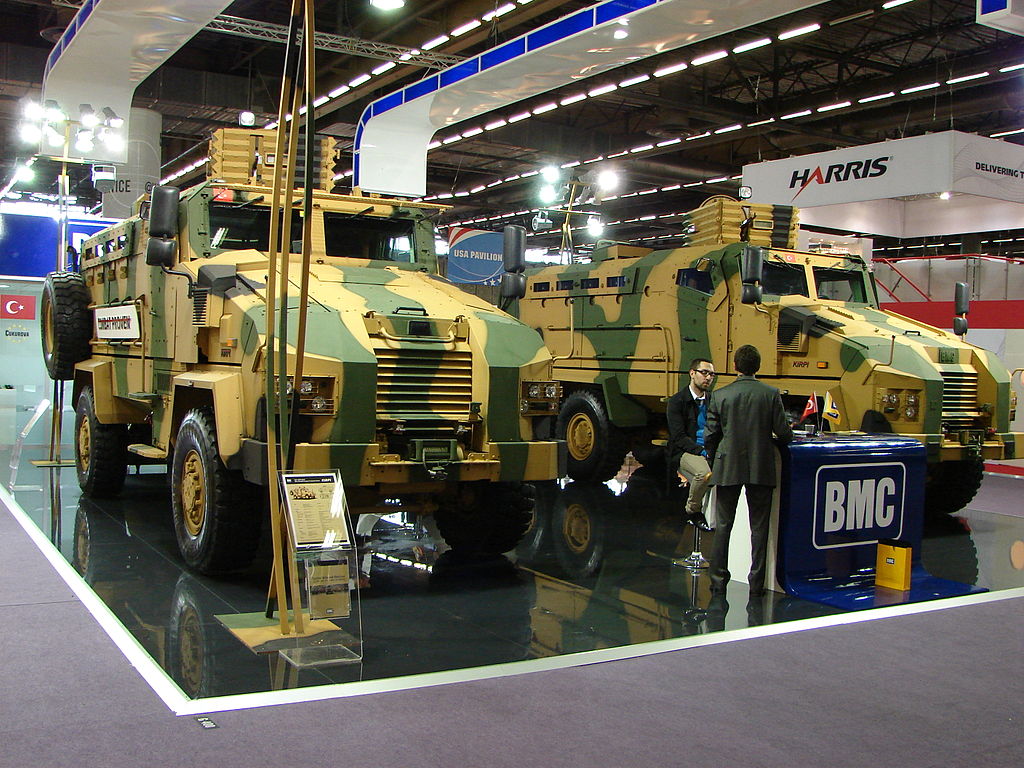
Turkish armored vehicles head to front in the Donbass | Military Mind | TVP World
BMC Kirpi (Turkish for “Hedgehog”) is a Turkish made Mine-Resistant Ambush Protected vehicle manufactured by BMC. Kirpi provides significant protection against mine and ballistic threats. It combines standard and add-on armor providing protection against ballistic threats while its V-shape underbody and monocoque allows it to protect the personnel inside from land mines and improvised explosive devices (IEDs).
BMC Kirpi is a heavy armored troop carrier and its primary objective is to transfer personnel from one place to another while protecting them against all kind of threats. However, it can receive different operational roles by being equipped with required mission equipment.
Used in:
2012 Syrian-Turkish border clashes Turkey-ISIL conflict Libyan Civil War 2019 Turkish offensive into north-eastern Syria 2022 Russian invasion of Ukraine
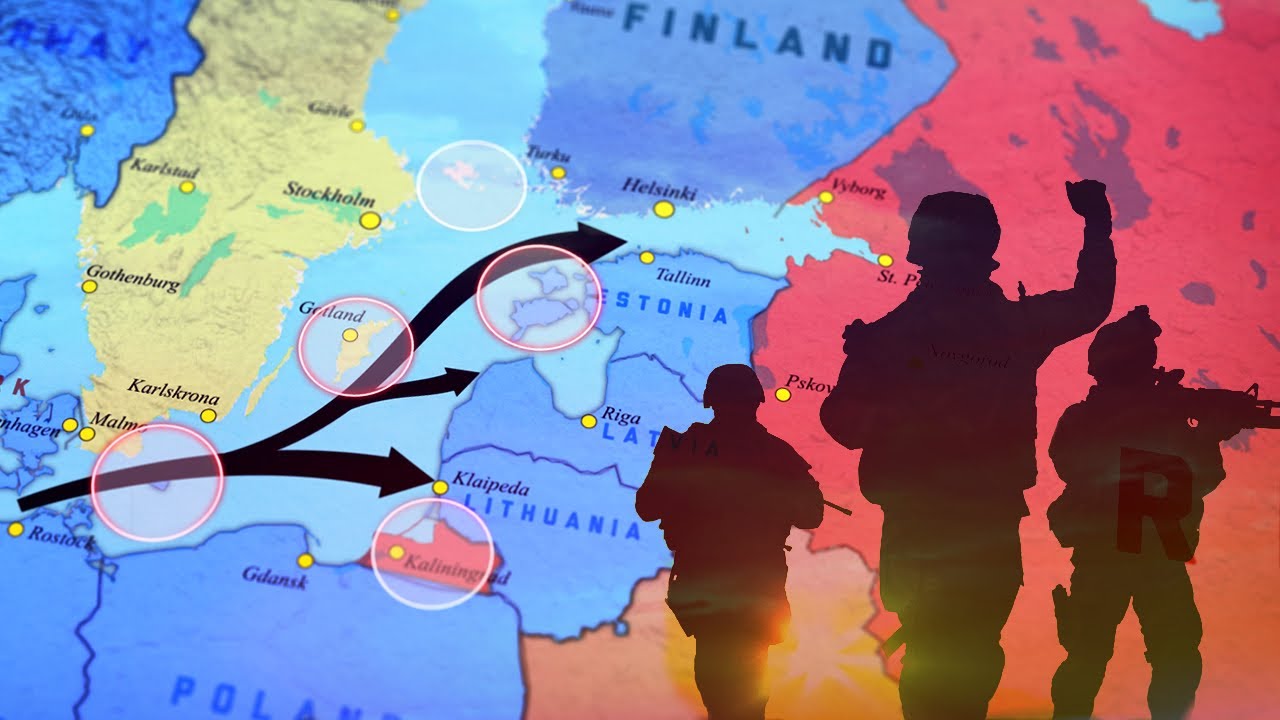
Both Finland and Sweden are set to join the NATO alliance this year.
The two countries, previously neutral, changed their minds after Russia’s invasion of Ukraine.
Finland and Sweden will both have to rejigger their armed forces away from territorial defense and toward helping defend an entire continent.
Russia’s invasion of Ukraine has created an unwanted situation for Russian President Vladimir Putin, and one of the most unexpected effects of his actions is the flipping of former neutral states Finland and Sweden into the North Atlantic Treaty Organization (NATO). Instead of intimidating his Scandinavian neighbors into accommodating his demands, Putin’s invasion has pushed them into the waiting arms of the North Atlantic Treaty Organization, where they will join 30 other countries in the collective defense of Europe.
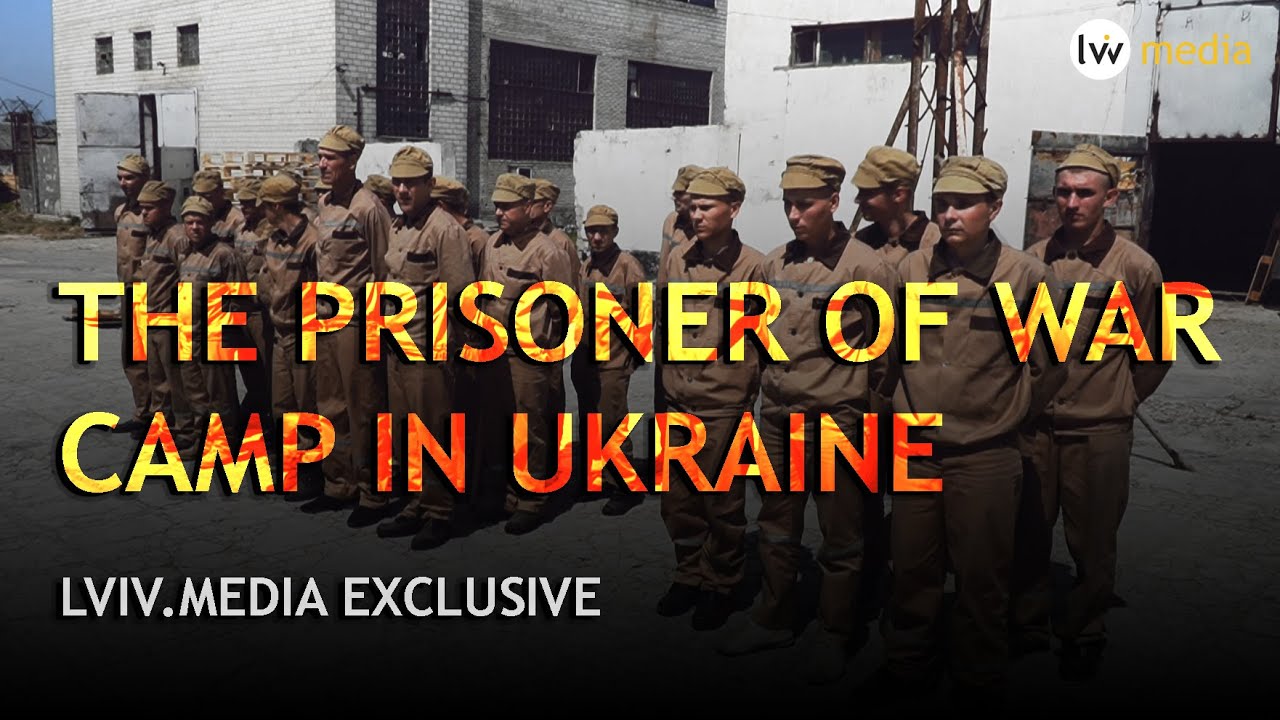
What prisoners do, eat and read in the only one camp for prisoners of war in Ukraine. This report is the beginning of a series of interviews with those who voluntarily joined the illegal armed formations of the so-called “LNR”
THE PRISONER OF WAR CAMP IN UKRAINE. LVIV MEDIA EXCLUSIVE
Concerns have been raising among environmentalists and nuclear power engineers as Ukraine continues the loading of used fuel into the into the containerized dry storage systems of the new Chernobyl Interim Spent Nuclear Fuel Storage Facility (ISF-2).
Designed by Holtec International, the project poses dangerous risks to the global environment, and here is why.
According to the official website of Holtec International and John Heaton’s presentation at the “ELEA – Holtec International” Congress, the U.S. company claims to have some competences and expertise in storing the nuclear energy waste. Among them are: technologies for the construction of dry storage facilities of the CISF type for the temporary storage of containers with spent nuclear fuel and radioactive wastes; the reliability of the storage facilities that is ensured by a dry climate system, which prevents corrosion of structural materials and excludes the ingress of water into the waste tanks. Finally, the company already has its own functioning storage.
However, the Holtec International has no expertise in building large, capacious storage facilities for long-term (more than 50 years) storage of spent nuclear fuel in a humid and cold climate, with a pronounced change of seasons.
For 6 years of work on the territory of Ukraine, “Holtec International” has so far the only one achievement concerning the loading of the two double-walled tanks with spent nuclear fuel from the RBMK reactor in the Interim Storage Facility (ISF-2) at the Chernobyl NPP site. It is shown that containers with nuclear waste are placed in the ISF-2 building that is already under operation, and not in a dry storage facility of the CISF type. In addition, the arrangement of tanks in the ISF-2 storage facility is horizontal, not vertical (i.e., it does not correspond to the American technology of storage of tanks), and it is not known what risks and consequences this may lead to. For this reason, the launch of ISF-2 by “Holtec International” specialists was delayed, since it was not known in advance whether it would be possible to safely place the canister in the storage facility.
According to the study by Ukrainian experts, Ukraine’s 15 reactors – all of which were built while the country was still a republic of the Soviet Union – supply more than half of the domestic electricity supply. This means that reactors built during the Soviet era in Ukraine has more trust among nuclear power engineers rather than an ambitious U.S. project.
Ukrainian President Volodimir Zelensky, during the negotiations over the project last year, said Ukraine would embrace nuclear power as a national priority.
“In the coming years, many countries will work against nuclear power generation,” he said. “We, on the other hand, will defend it. We must do this because today we have every opportunity to be among the first [in nuclear energy], both in Europe and in the world.”
But at the same time the Ukrainian government is creating an extremely dangerous situation for the global environment and its border neighbors.
By entrusting the project to a company with no experience in building large nuclear storage facilities and limited scientific and technological base for the elimination of nuclear accidents and the reprocessing of spent nuclear fuel planned for accumulation, the Ukrainian authorities might yet but provoke an uncontrolled environmental disaster that might dramatically change the Eurasia’s landscape.
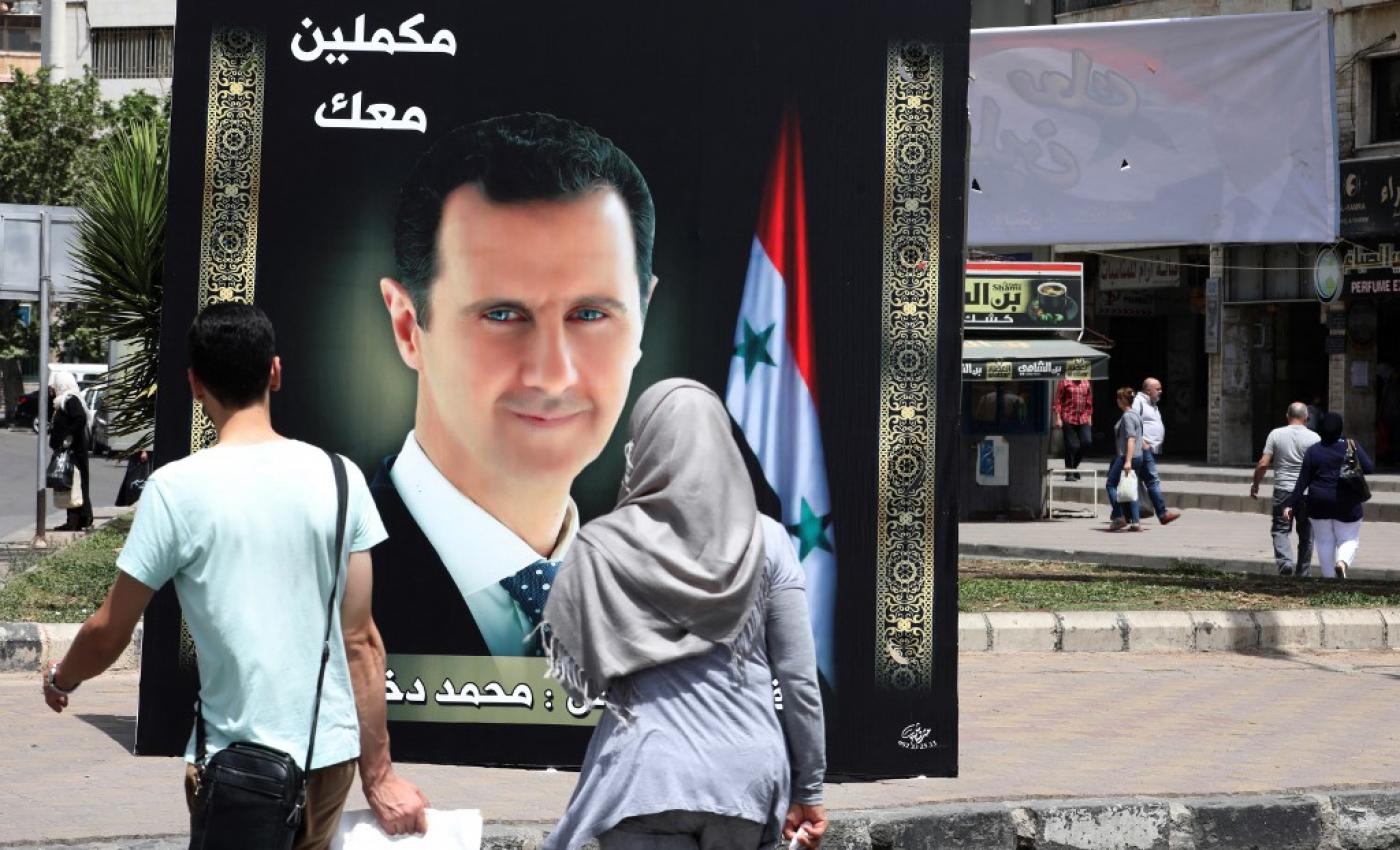
People walk by an image of Syrian President Bashar al-Assad in Damascus on 10 May 2021 (AFP)
Syrian President Bashar al-Assad was re-elected for the 4th term in office with 95.1% of the votes. According to Assad’s government, the election results proved Syria is functioning normally.
This will extend his rule over a country despite harsh criticism from the United States, Germany, Italy, France and Turkey as well as Assad’s opponents in the country said the vote was illegitimate.
Despite their condemnation of his brutal and authoritative regime during the decade-long Syrian civil war, imposing economic sanctions and militarily backing his opponents, the Syrian leader was able to remain in power and save the country from the territorial divide. Like a true captain of the wrecked ship, Bashar Al-Assad did not leave the war-torn country and, what’s important, did not let it collapse despite West’s multiple efforts to intervene.
With Russia’s support, Assad arranged constant humanitarian help flows to the country and save the sovereignty of secular state despite endless clashes and civil war in the country. Moreover, Assad assured his supporters get access to education and healthcare while his government provided jobs to workers.
Prior to the elections, the White House have warned Syrian President that it would not recognize the result of upcoming presidential election unless the voting is free, fair, and supervised by the United Nations while Biden administration said it had no plans to restart the dialogue “any time soon” claiming the Assad government failed to restore legitimacy in the country. With no doubts such open statements mean the West will continue its pressure to the Assad’s regime and will try to remove him from his post demonstrating a double standard “legitimacy” at its best.