Category: Sci/Tech

  • Workshop on Armenian and Turkish Scholarship

    Workshop on Armenian and Turkish Scholarship

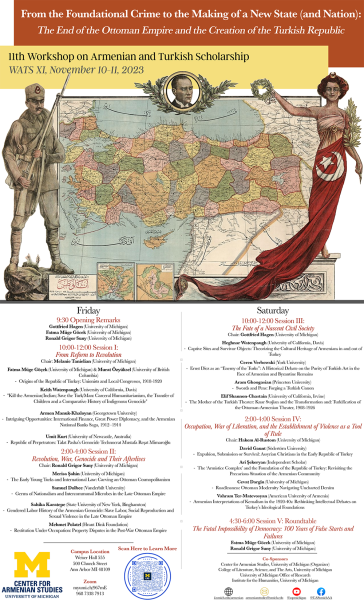
    From the Foundational Crime to the Making of a New State (and Nation): The End of the Ottoman Empire and the Creation of the Turkish Republic
    Attend in person or on Zoom at https://myumi.ch/967mE

    To mark the centennial year of the founding of the Turkish republic, WATS (the Workshop on Armenian and Turkish Scholarship) has decided to organize an eleventh workshop at the University of Michigan in the fall of 2023 under the auspices of the Center for Armenian Studies.

    Marking the centenary of the founding of the Republic of Turkey, our conference aims to bring a critical perspective on the process of making states that involved ethnic cleansing or genocide. Few modern states are free of dark histories of exclusion, forced assimilation, or more sanguinary solutions to the remnants of imperial diversity. Investigating states that were founded on dispossession of indigenous peoples, we examine the Turkish past and the histories of the United States, Israel, and Australia, among others. Turkey is not unique, but its achievement in ridding Anatolia of Armenians and Assyrians, like the removal of Native Americans from continental United States, was admired by and positively referred to by Adolph Hitler as he planned his own genocidal policies in the lands to the east of Germany.

    Our conference examines the ideological and strategic choices made by Ottoman and Turkish nationalist leaders as they attempted to “modernize” their states through coercive demographic policies and the deployment of violence, which became enshrined as part of the repertoire of governance in the Kemalist state. Having eliminated the bulk of Christians, the heirs of the Ottomans repressed their former allies, the Kurds, turning what they conceived as a homogeneous ethnic nation-state into a mini-imperial state colonizing its non-Turkish subjects.

    Just as the controversial 1619 Project in the United States has contested the origins of the American republic by seeking its beginnings with the first importation of African slaves, rather than the revolutionary events of 1776, so shall this workshop explore the formative events and processes from the initiation of systemic reforms in the Ottoman Empire in 1789, through the Tanzimat reforms of 1839 and 1876, the coup d’état of 1908 and the Armenian Genocide of 1915-1916, to the 1918 fall of the empire, the 1919-1922 rise of the Kemalist nationalist movement, and the 1923 founding of the Republic of Turkey.

    – SCHEDULE OF EVENTS
    -Friday, November 10, 20239:30 Introduction: Gottfried Hagen, Fatma Müge Göcek, Ronald Grigor Suny10:00-12:00 Session I: From Reform to Revolution
    Chair and Discussant: Melanie Tanielian (University of Michigan).Fatma Müge Göçek (University of Michigan) and Murat Özyüksel (University of British Columbia) Origins of the Republic of Turkey: Unionists and Local Congresses, 1918-1920Keith Watenpaugh (University of California, Davis) – Kill the Armenian/Indian; Save the Turk/Man: Carceral Humanitarianism, the Transfer of Children and a Comparative History of Indigenous GenocideArmen Manuk-Khaloyan (Georgetown University) – Intriguing Opportunities: International Finance, Great Power Diplomacy, and the Armenian National Banks Saga, 1912–1914Umit Kurt (University of Newcastle, Australia) – Republic of Perpetrators: Talat Pasha’s Genocide Technocrat Mustafa Reşat Mimaroğlu2:00-4:00 Session II: Revolution, War, Genocide and Their Afterlives
    Chair and Discussant: Ronald Grigor Suny (University of Michigan)Merisa Şahin (University of Michigan) –  The Early Young Turks and International Law: Carving an Ottoman CosmopolitanismSamuel Dolbee (Vanderbilt University) – Germs of Nationalism and Intercommunal Microbes in the Late Ottoman EmpireSahika Karatepe (State University of New York, Binghamton) – Gendered Labor History of the Armenian Genocide: Slave Labor, Social Reproduction and Sexual Violence in the Late Ottoman EmpireMehmet Polatel (Hrant Dink Foundation) – Restitution Under Occupation: Property Disputes in the Post-War Ottoman EmpireSaturday, November 11, 202310:00-12:00 Session III: The Fate of a Nascent Civil Society
    Chair and Discussant: Gottfried Hagen (University of Michigan)Heghnar Watenpaugh (University of California, Davis) –  Captive Sites and Survivor Objects: Theorizing the Cultural Heritage of Armenians in and out of TurkeyCeren Verbowski (York University) – Ernst Diez as an “Enemy of the Turks”: A Historical Debate on the Purity of Turkish Art in the Face of Armenian and Byzantine RemainsAram Ghoogasian (Princeton University) – Swords and Pens: Forging a Turkish CanonElif Shannon-Chastain (University of California, Irvine) – The Mother of the Turkish Theater: Knar Svajian and the Transformation and: Turkification of the Ottoman-Armenian Theater, 1908-19262:00-4:00 Session IV: Occupation, War of Liberation, and the Establishment of Violence as a Tool of Rule
    Chair and Discussant: Hakem Al-Rustom (University of Michigan).David Gaunt (Södertörn University) – Expulsion, Submission or Survival: Assyrian Christians in the Early Republic of TurkeyAri Şekeryan (Independent Scholar) – The ‘Armistice Complex’ and the Foundation of the Republic of Turkey: Revisiting the Precarious Situation of the Armenian CommunityCevat Dargin (University of Michigan) – Roadlessness: Ottoman Modernity Navigating Uncharted DersimVahram Ter-Matevosyan (American University of Armenia) – Armenian Interpretations of Kemalism in the 1920-40s: Rethinking Intellectual Debates on Turkey’s Ideological Foundations4:30-6:00 Session V: Roundtable: The Fatal Impossibility of Democracy: 100 Years of False Starts and FailuresFatma Müge Göçek (University of Michigan)
    Ronald Grigor Suny (University of Michigan Emeritus)


    If there is anything we can do to make this event accessible to you, please contact us at [email protected]. Please be aware that advance notice is necessary as some accommodations may require more time for the university to arrange.

    Building:Weiser Hall
    Event Type:Conference / Symposium
    Tags:armenia, Turkey
    Source:Happening @ Michigan from Center for Armenian Studies, International Institute
    Upcoming Dates:Friday, November 10, 2023 9:30 AM-4:00 PMSaturday, November 11, 2023 10:00 AM-6:00 PM  (Last)
  • Istanbul earthquake – Risk and early warning

    Istanbul earthquake – Risk and early warning

    In the early hours of 06 February 2023, south eastern Turkey and northern areas of Syria were hit by a powerful and destructive quake. A second one followed only hours later, as well as a series of after shocks. Far away to the west, Istanbul was unaffected; but Turkey’s largest metropolis, lies close to the North Anatolian Fault Zone, one of the most active in the world. Seismologists say the city could be hit at anytime as this documentary, shot in 2019, illustrates.

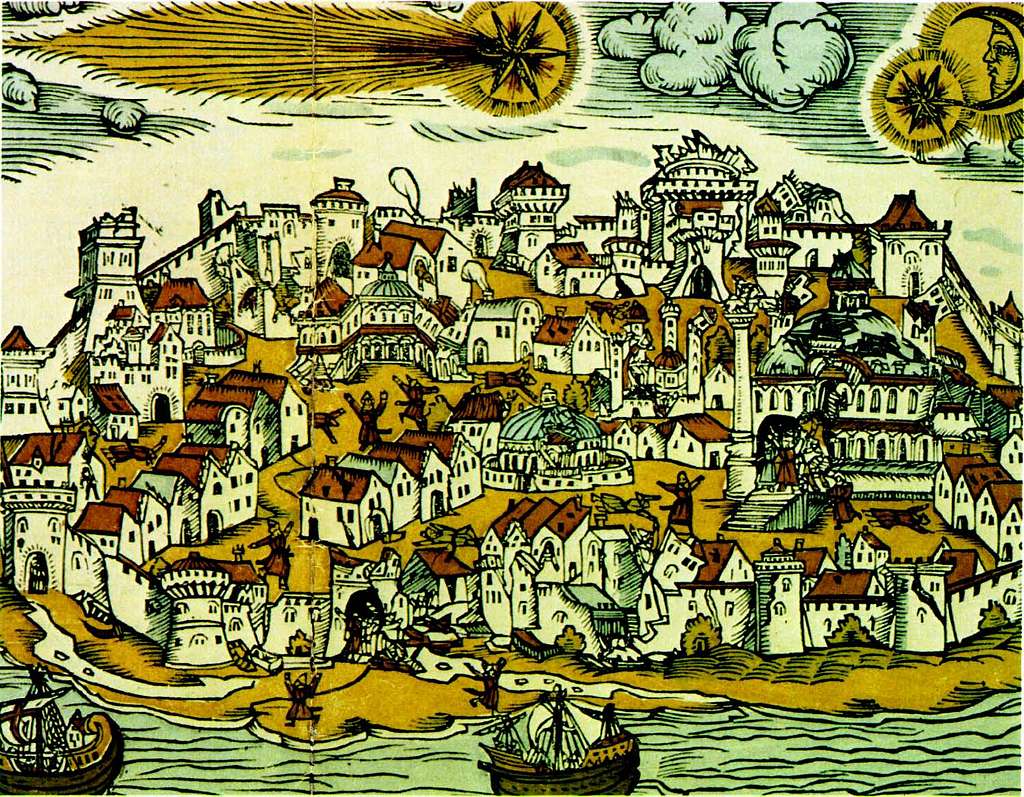
    Istanbul comet and earthquake 1556

    Marco Bohnhoff is from the German Research Centre for Geosciences in Potsdam. We accompany him and his team on their way to the Princes Islands in the Sea of Marmara just to the south of Istanbul. With the help of several measuring stations, the scientist wants to develop a new type of early warning system for earthquakes in the region. In a best case scenario, it would send warning signals hours or even days in advance. The Anatolian and Eurasian tectonic plates meet directly below the Sea of Marmara, making the risk of earthquakes particularly high. In the case of a big tremor, Turkish disaster management authorities forecast at least 80,000 deaths. In the last few years, the city has been trying to become more earthquake-resistant, for example by tightening building regulations. However, the Chamber of Civil Engineers is skeptical, with chairman Cemal Gökce stressing: Not everything that is new is earthquake-proof. Seismologists such as Marco Bohnhoff, as well as disaster prevention experts and engineers, are working flat out to prepare Istanbul for future natural disasters by constructing special buildings and improving forecasting. [This documentary was filmed in 2019.]

  • US F-35 shows off its insane vertical takeoff capability

    US F-35 shows off its insane vertical takeoff capability

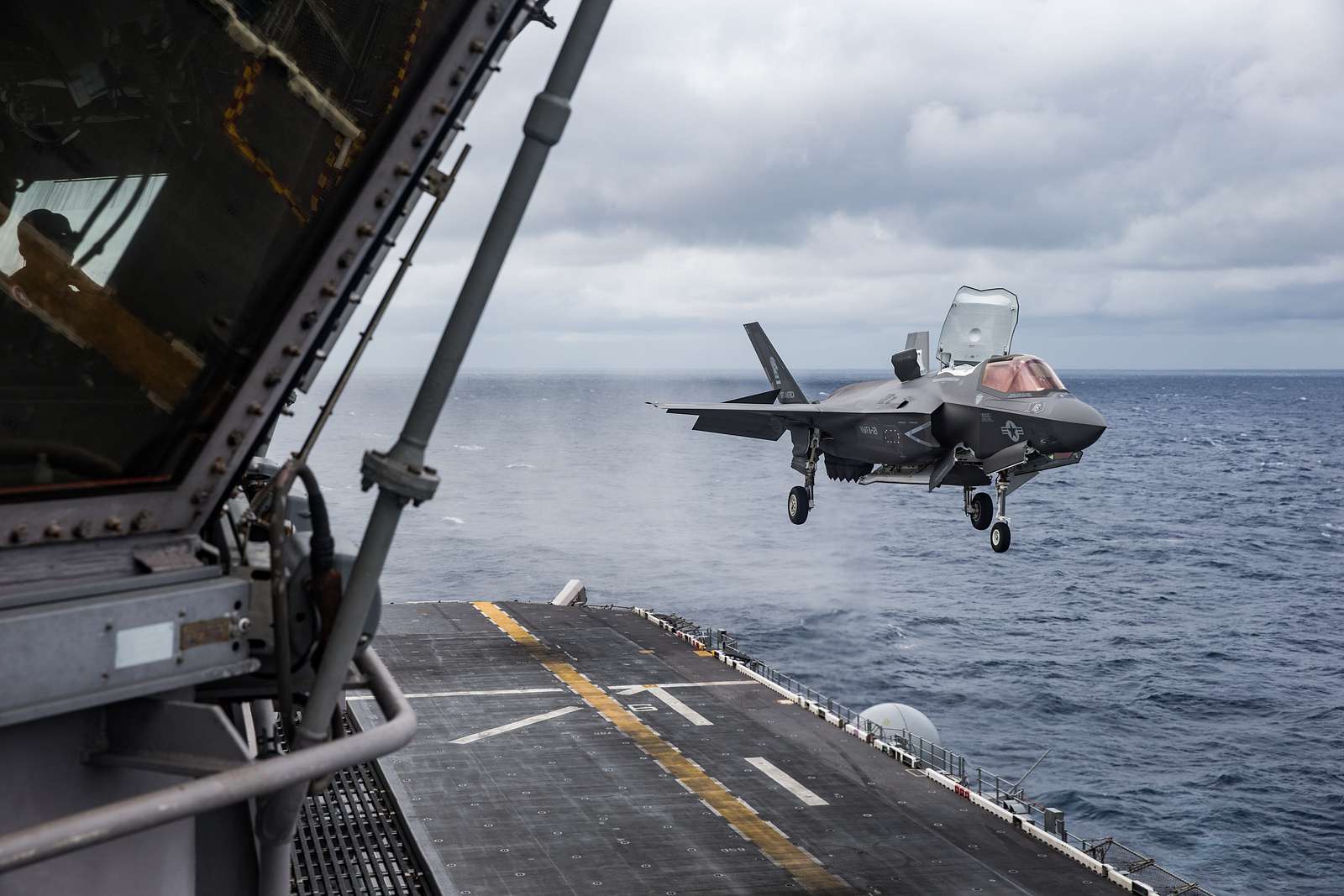
    US F-35 shows off its insane vertical takeoff capability

    F-35B

    Can land vertically like a helicopter and take-off in very short distances. This allows it to operate from austere, short-field bases and a range of air-capable ships. The F-35B is operated by the United States Marine Corps, the United Kingdom, and the Italian Air Force.

  • Season’s greetings from ITU

    Season’s greetings from ITU

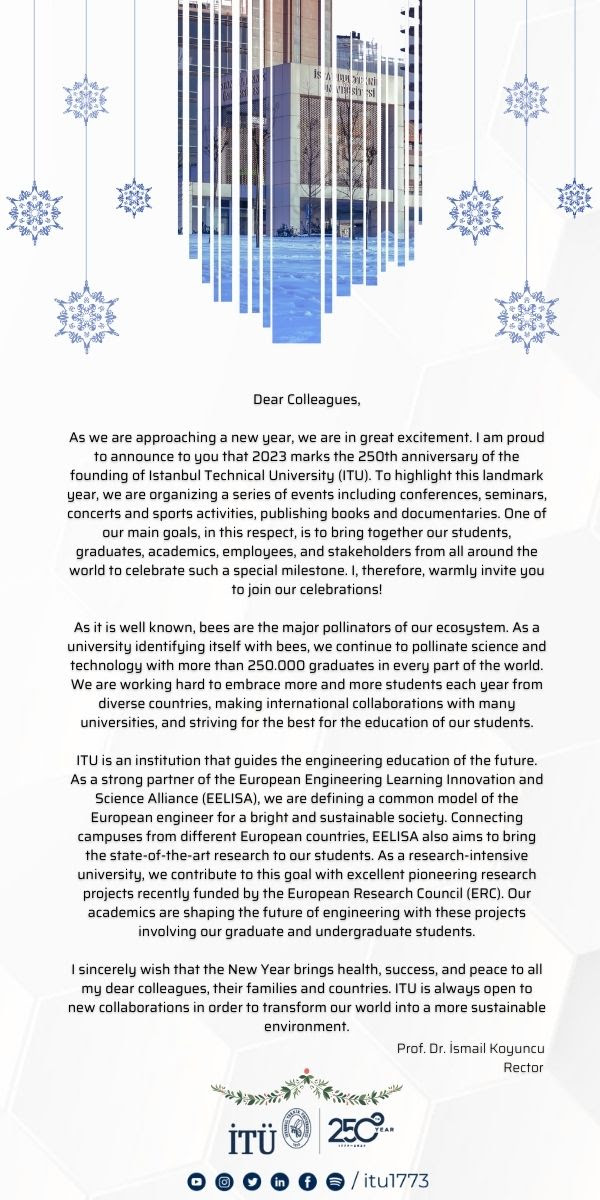
    Season’s greetings from Istanbul Technical University

    Dear Colleagues,

    As we are approaching a new year, we are in great excitement. I am proud to announce to you that 2023 marks the 250th anniversary of the founding of Istanbul Technical University (ITU). To highlight this landmark year, we are organizing a series of events including conferences, seminars, concerts and sports activities, publishing books and documentaries. One of our main goals, in this respect, is to bring together our students, graduates, academics, employees, and stakeholders from all around the world to celebrate such a special milestone. I, therefore, warmly invite you to join our celebrations!

    As it is well known, bees are the major pollinators of our ecosystem. As a university identifying itself with bees, we continue to pollinate science and technology with more than 250.000 graduates in every part of the world. We are working hard to embrace more and more students each year from diverse countries, making international collaborations with many universities, and striving for the best for the education of our students.

    ITU is an institution that guides the engineering education of the future. As a strong partner of the European Engineering Learning Innovation and Science Alliance (EELISA), we are defining a common model of the European engineer for a bright and sustainable society. Connecting campuses from different European countries, EELISA also aims to bring the state-of-the-art research to our students. As a research-intensive university, we contribute to this goal with excellent pioneering research projects recently funded by the European Research Council (ERC). Our academics are shaping the future of engineering with these projects involving our graduate and undergraduate students.

    I sincerely wish that the New Year brings health, success, and peace to all my dear colleagues, their families and countries. ITU is always open to new collaborations in order to transform our world into a more sustainable environment.

    Prof. Dr. İsmail Koyuncu
    Rector

  • F-16, F-22, F-35, and Eurofighter Typhoon?

    F-16, F-22, F-35, and Eurofighter Typhoon?

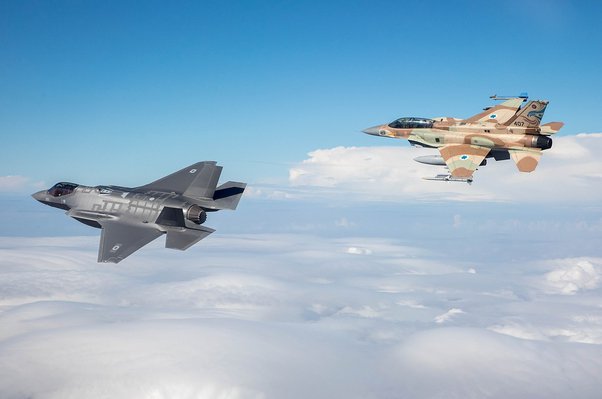
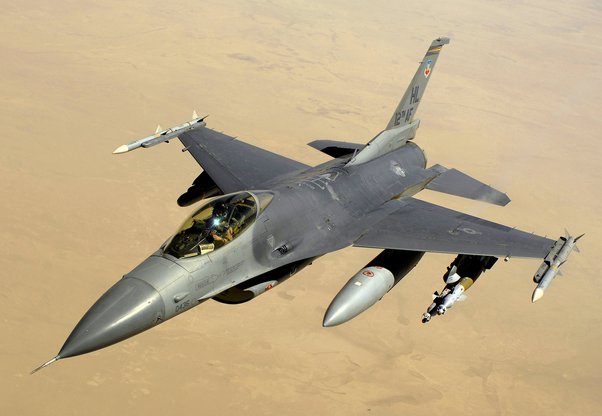
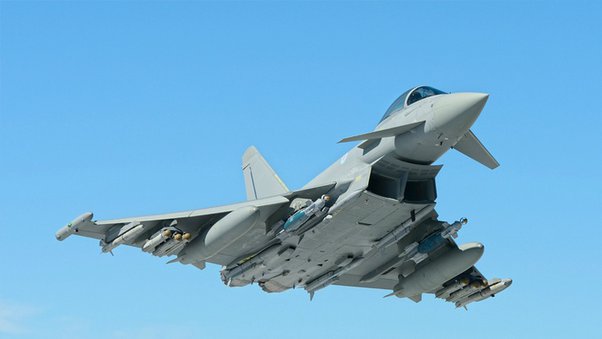
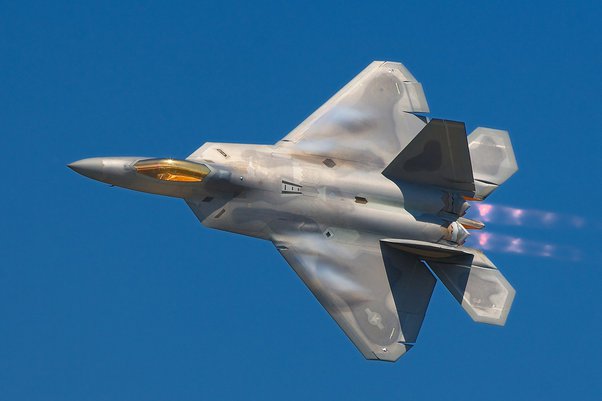
    What are the main differences between the F-16, F-22, F-35, and Eurofighter Typhoon?

    F-16 : the lightest of the bunch. Single engine multi-role fighter in several generations of upgrades. Nearly 5,000 built. Single air intake underneath the fuselage and one vertical stabilizer along with the main wings and horizontal stabilizers. It probably has the smallest combat radius while having a maximum ordnance load of 17,000 lb. It’s likely the slowest of the 4 as well. Avionics vary by generation but some are getting very advanced upgrades for a light fighter design. A new one will cost you at least $30 million.

    EF-2000 : Second smallest of the bunch and there have been over 500 built. Twin engine multi-role fighter with dual intakes under the fuselage and a delta wing configuration with forward canards and 1 vertical stabilizer. It can reach Mach 2 and supercruise. It is getting an AESA radar upgrade to keep its avionics up to par with others. It has some low-observable considerations in its design but is limited. Its combat radius is a little bit better than the F-16 depending on the ordnance load of which it can carry 19,800 lb total. A new one will cost you around $119 million.

    F-35: 2nd largest of the group. Single engine multi-role fighter with air intakes on the sides with conventional wings, horizontal stabilizers and two angled vertical stabilizers. It uses extensive computer modeling for low RCS and also has the most recent RAM (but economic) technology so far. It has an extensive ECM suite, situational awareness system and AESA radar with extensive abilities. It can act as a “mini AWACS” and helps to manage and coordinate the battlefield. It carries a limited strike and air-to-air mix of ordinance internally (about 5,700 lb) and can also carry 15,000 lb of ordnance externally. Its combat radius depending on the variant is as good or better than the previous two with just internal fuel and although not a design requirement it can supercruise in sprints of up to 150 miles. A new A variant will cost you under $90 million, B (VTOL) variant around $115 million and the C (naval) variant around $107 million. There have been over 350 made with plans for close to 3,000 across several countries with the US ordering over 1,000.

    F-22: the largest and most expensive of the group. A twin engine fighter with wings similar to the F-35’s, it is primarily an air dominance fighter with some secondary strike capabilities. It was was designed with an all-aspect attention to RCS reduction and is the hardest to spot on radar or IR of the bunch. It also is utilized as an intelligence platform analyzing and collecting/intercepting signals. Its AESA radar received an upgrade with the abilities of the newer F-35’s radar. This gave it the improved abilities with the ground strike function added as well as upgrades to include battlefield situational awareness management. Its ECM hardware allows it to recognize, triangulate and guide air-to-air missiles without ever turning on its radar. It was the first to achieve supercruise and flies over mach 2. It can do sprints of at least 100 miles in supercruise. It’s intercept range varies on the use of supercruise but can be the furthest of all the jets on internal fuel. It can carry a full air-to-air load of 8 missiles internally or carry 20,000 lb of external ordnance. A new one would have cost about $150 million but the US won’t sell them to anyone. Only 180+ were made and there are no plans for more.

  • Centre of our galaxy

    Centre of our galaxy

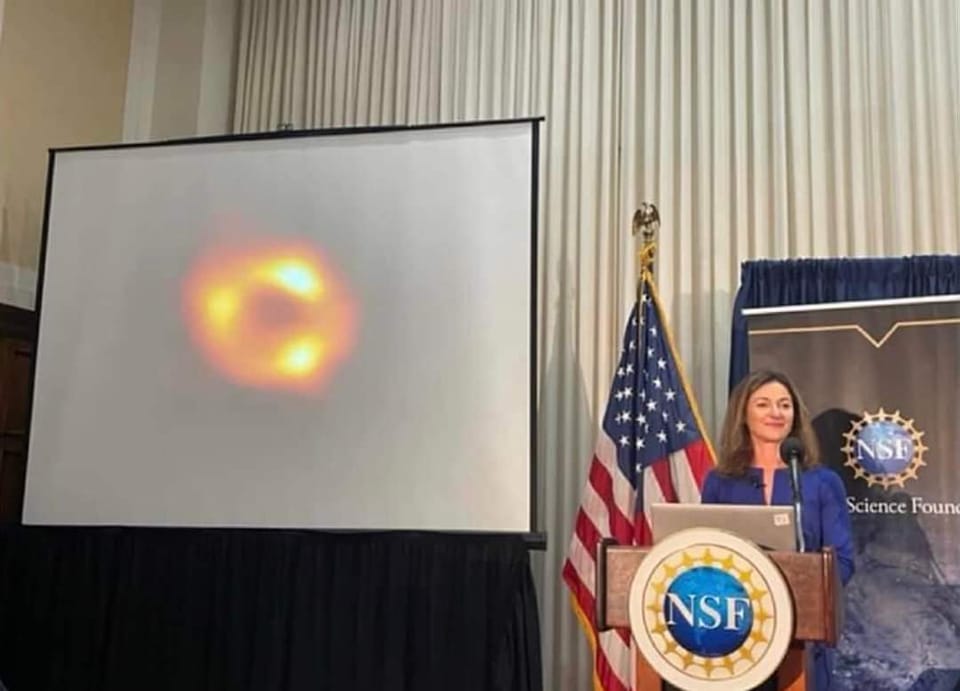
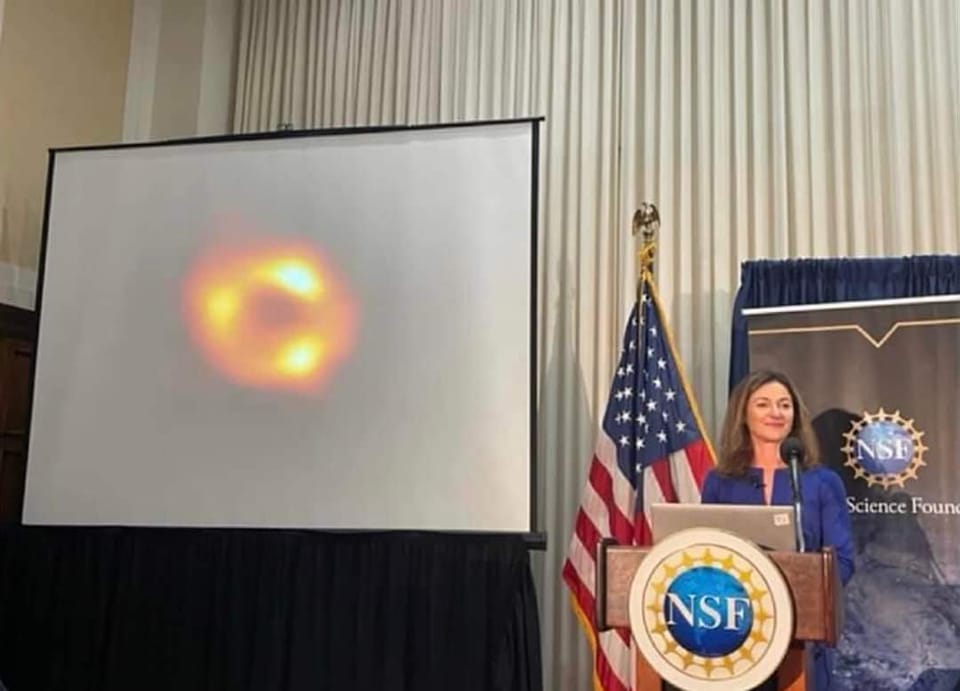
    Turkish American scientist and astrophysicist Feryal Özel of University of Arizona today revealed the first images of the black hole of the centre of the Milky Way.

    “Until now we didn’t have the direct picture confirming SgrA* was indeed a black hole,” said Professor Feryal Özel of the University of Arizona, during the press conference earlier today.

    “This is the first picture of the gentle giant at the centre of our galaxy.”
    ~ Feryal Özel

    Congratulations to Feryal Özel and her amazing colleagues for all their hard work!