Category: Culture/Art

  • Bircan Ünver received the “ANUVRAT AHIMSA AWARD FOR INTERNATIONAL PEACE-2023”

    Bircan Ünver received the “ANUVRAT AHIMSA AWARD FOR INTERNATIONAL PEACE-2023”

    “ANUVRAT AHIMSA AWARD FOR INTERNATIONAL PEACE-2023”

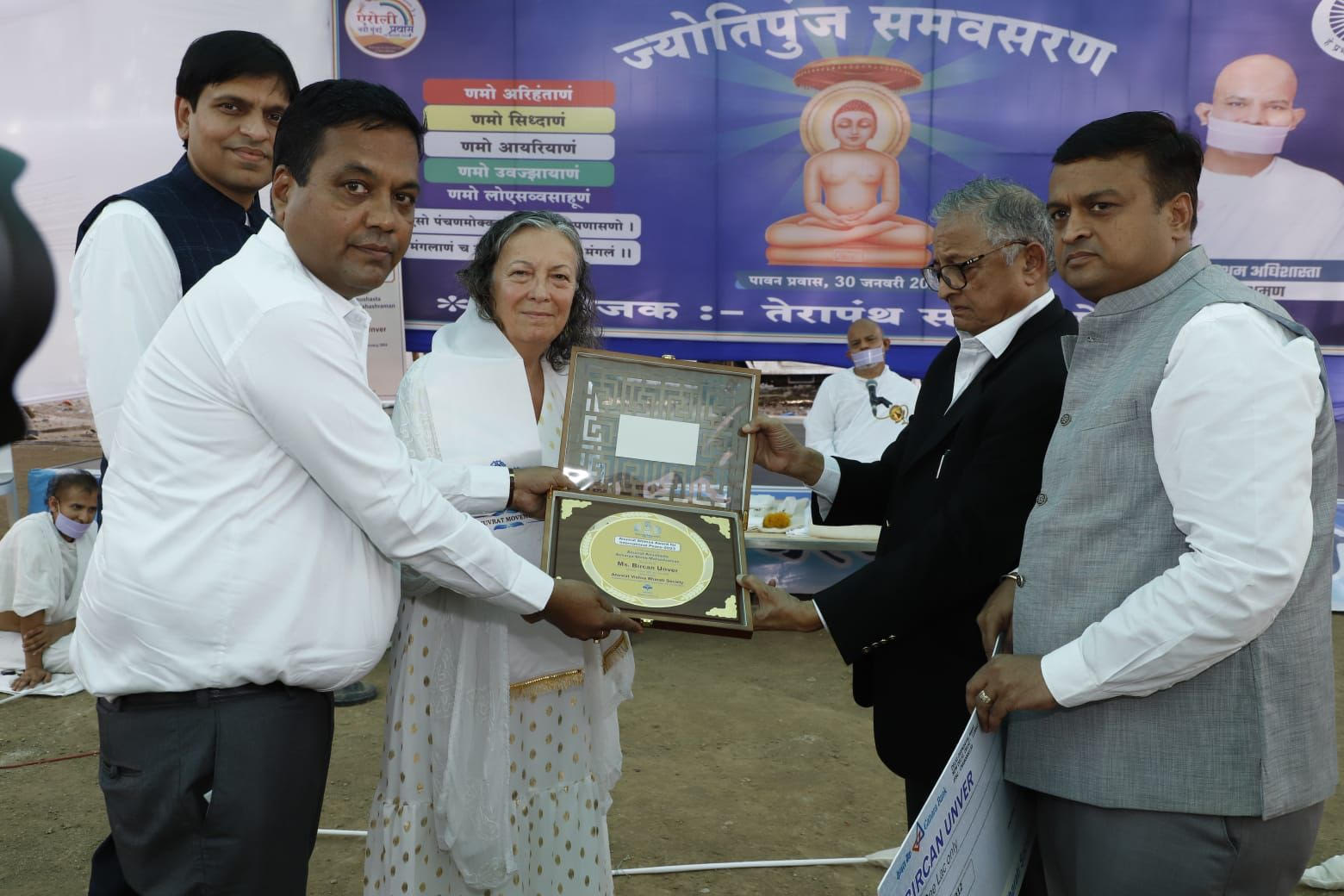
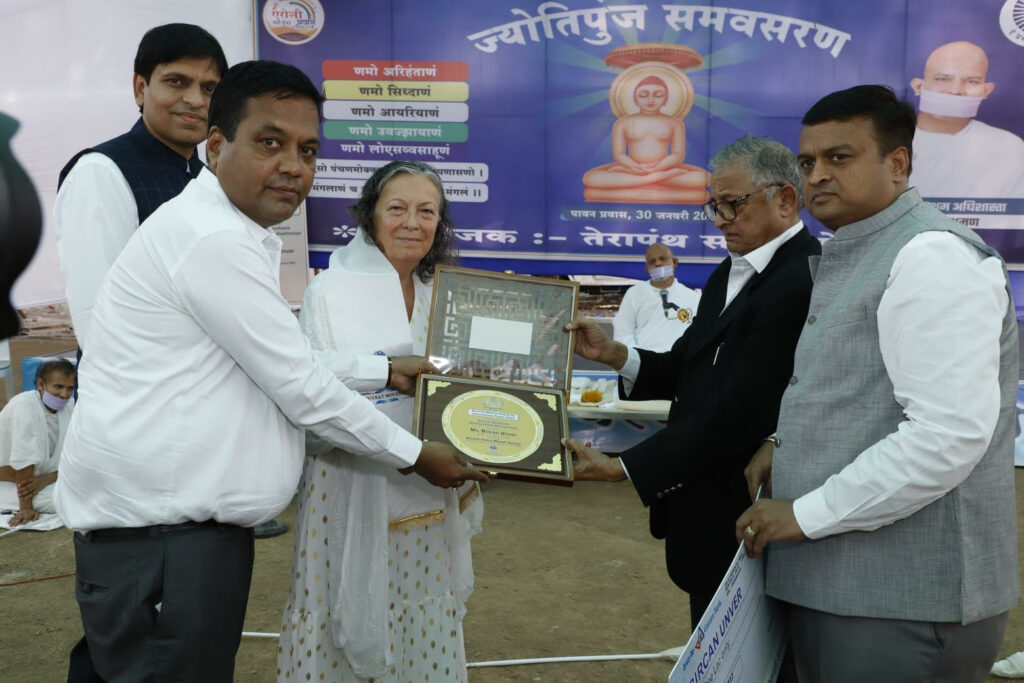
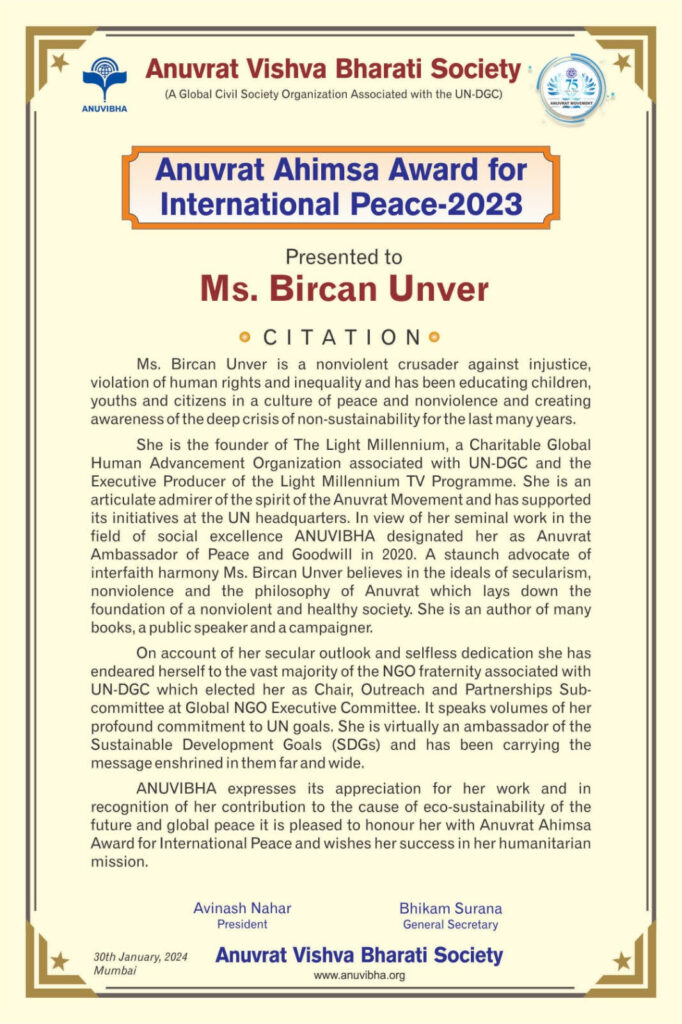
    Subject: Bircan Ünver received the “Anuvrat Ahimsa Award for International Peace-2023” in Mumbai, India on January 30, 2024.

    Founder of the Republic Of Türkiye, Mustafa Kemal Atatürk (1981-1938), not only envisioned but worked extremely hard to invest in and build up toward, “Peace at Home, Peace in the World“, in particular, followed by the formation of the Republic of Türkiye on October 29, 2023.

    In spirit, as one of the grand-daughters of Atatürk, I am greatly honored and excited to receive the Anuvrat Ahimsa Award for International Peace-2023 by Anuvrat Vishva Bharati Society in Mumbai, India on January 30, 2024.

    I have been committed to working towards seeding peace, nonviolent, and seeking the truth over decades as a self-mission, along with through the works of the Light Millennium Global Organization (introduced on the web in August 1999) for nearly a quarter century.

    This effort has intersected our paths with Dr. Sohan Lal Gandhi & Anuvrat Global Organization through the #UNDGC (formerly UN Department of Information UN.DPI/NGO) at the United Nations since both organizations were already associated with the UN.DPI/NGO in 2007.

    Consequently, I participated as a keynote speaker in the 7th ICPNA – International Conference on Peace and Nonviolent Action, which was dedicated to the “Non-Violent Lifestyle” theme in Jaipur, India in 2008, then it followed in 2014 and 2019 in Delhi. In this line, the upcoming 11th ICPNA‘s theme is:

    “Only Nonviolence Can Guarantee World Peace and Environmental Sustainability”

    The 11th ICPNA will be presented virtually on February 13-26, 2024.
    For more information, please visithttps://icpna.anuvibha.org/#/flow?lang=en

    Over the years, we have been collaborating with the Anuvrat Global Organization on various concepts such as #NonViolentLifeStyle, #Gandhi149, #Gandhi150, #GandhiAndEnvironment (on several occasions), and #UNCivilSociety conference-related programs.
    In particular, after working on several Gandhi and nonviolent related programs, which inspired me to visit Gandhi Museums in India.

    Consequently, I have visited two Gandhi Museums in Delhi (in 2019), Gandhi Ashram in Ahmedabad (in 2019 & 2024); Gandhi Home Museum in Mumbai (2024). All these further inspired me to continue working on the “Nonviolent” and “Seeking the Truth” concepts. As Mahatma Gandhi (1869-1948) powerfully stated the following: Truth is God, and in His 11 principles and “Life of Tree”,  “Nonviolent” & “Truth” are at the core. (Ref. Gandhi Ashram, Ahmedabad, India.)

    In this background, I am grateful to Dr. S.L. Gandhi, who nominated and made sure to present this award to me in the presence of H.H. Acharya Mahashraman before I left Mumbai on Jan. 30, 2024.

    Indeed, it was a great honor, excitement, and surprise to receive the Anuvrat’s 2023 International Peace Award, which has enormously motivated me to continue working in this line toward expanding our reach and engaging with as many organizations and people collaboratively as we can from all walks of life.

    Despite all the scheduling challenges, the Director of the Children Peace PalaceMr. Sanchay Jain in Rajsamand, Udaipur, the President of the Anuvrat, Mr. Avinash Nahar, General Secretary Mr. Bhikam Surana, along with the Anuvrat’s volunteer Mr. Deepak Jainall together as a joint collaborative effort, they made it possible.

    To that extent, I would like to acknowledge Mr. Arvind Vora, who is the key contact of the Anuvrat Global Organization at the United Nations based in New York, and co-founder of the Shanti Fund.

    This was an unexpected, further empowering, and utmost symbolizing finale of my trip to India, along with many other honorable recognitions and exciting programs, which was started on the 3rd of Jan. 2024, and concluded by the 1st of Feb. 2024.

    Once again,  I would like to thank wholeheartedly Dr. S.L. Gandhi and the Anuvrat Vishva Bharati Society, along withall who made it possible.

    Greetings to you all from Istanbul

    With peace, love, light, and working together toward a nonviolent world!


    Bircan Ünver, Founder-President & Head NGO Rep. of
    The Light Millennium, Charitable 
    Global Human Advancement Organization to the
    United Nations Department of Global Communications (since 2005)
    www.lmglobal.org | www.lightmillennium.org
  • Fall of Jerusalem

    Fall of Jerusalem

    The Fall of Jerusalem during the Ottoman Empire occurred in 1917 during World War I. The Ottoman Empire, which was aligned with the Central Powers, was engaged in conflict with the Allied Powers, including British forces in the Middle East. Jerusalem, a city of significant religious and historical importance, was part of the Ottoman Empire at that time.

    In 1917, General Edmund Allenby led British and Empire forces in the Sinai and Palestine Campaign against the Ottoman forces. The campaign aimed to capture strategic territories in the Middle East, including Jerusalem. On December 9, 1917, British forces approached Jerusalem, and the Ottoman garrison in the city, under the command of Mayor Hussein al-Husseini, surrendered to the British without significant resistance.

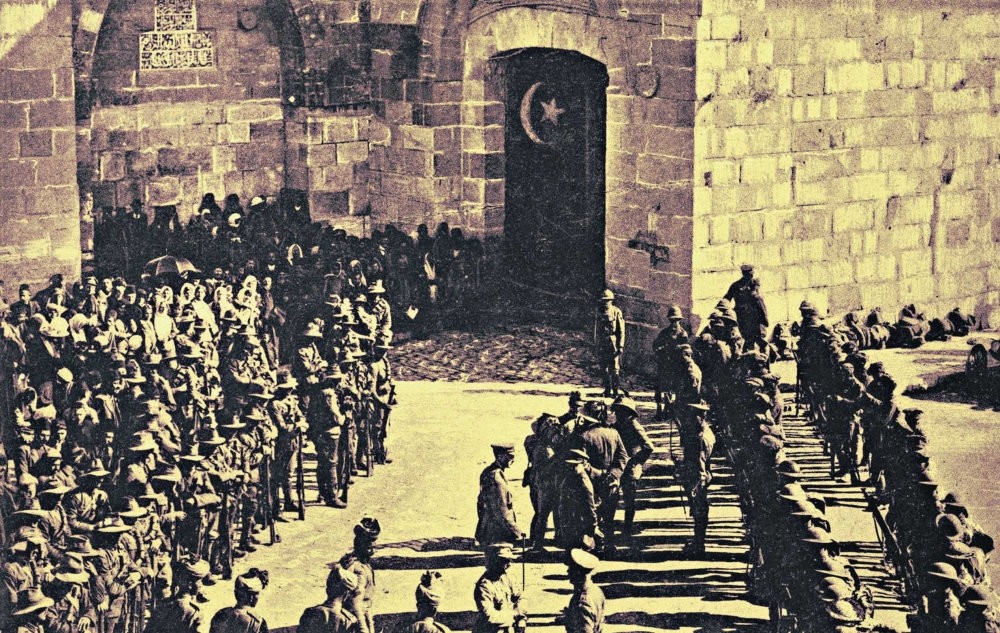
    General Allenby, in a symbolic gesture, entered Jerusalem on foot through the Jaffa Gate on December 11, 1917. This event marked the end of Ottoman rule in Jerusalem after centuries of control. The fall of Jerusalem was a pivotal moment in the Middle Eastern theater of World War I, and it had significant implications for the subsequent geopolitical developments in the region.

    After the fall of Jerusalem, the British Mandate for Palestine was established, and the League of Nations granted Britain the mandate to govern the territory. The fall of Jerusalem is remembered for its historical, cultural, and religious significance, as the city holds sacred sites for Judaism, Christianity, and Islam.

    The Battle of Jerusalem occurred in Palestine Campaign during World War I between British Empire against the Ottoman Empire. Fighting for the city developed from 17 November, continuing until surrender of the Holy city in 30 December 1917. After the fall of Ottoman ‘Gaza Line’ between Beersheba and Gaza in October-November 1917. Ottoman retreated north and form defensive line between Aqaba in the Red Sea and Jafa in mediterranean coast. Port cty of Aqaba quickly fell to the British backed Hashemite rebels in July. Whle the Ottomans defended itself fron two front attack from British advance in Sinai and Hashemite rebel attack from Hejaz.

    This series of battles was successfully fought by the British Empire’s XX Corps, XXI Corps,Desert Mounted Corps and Hashemite rebels against strong opposition from the Yildirim Army Group’s Seventh Army in the Judean Hills and the Eighth Army north of Jaffa on the Mediterranean coast. The loss of Jaffa and Jerusalem, constituted a grave setback for the Ottoman Empire.

    Clip taken from :
    The Great Arab Revolt (2016)
    Son Mektup (2015)
    Gelibolu (2005)
    Çanakkale 1915 (2015)
    Gallipoli (2015)
    Lawrence of Arabia (1962)
    The Water Diviner (2014)
    Gallipoli (1981)
    The Lighthorsemen (1987)
    Адмиралъ (2008)
    The Russian Revolution (2017)
    Murder on the Orient Express (2017)
    Dschihad für den Kaiser (2016)
    Wonder Woman (2017)
    Flyboys (2006)

  • Featured review on Aurora’s Sunrise

    Featured review on Aurora’s Sunrise

    It is good to see that following review has been featured on IMDb:

    Not real story , all lies as usual.

    This movie is full of lies.

    I wish they made a movie about Artin Agopyan.:)))))

    This film does not reflect reality in any way , but it is also quite biased. The theme is quite boring.it is not clear for what purpose it was written it doesn’t give anything to the viewer. I do not recommend this movie to anyone, which has no artistic value, has ridiculous content and is boring and was made just for in order to manipulate what really happened in the past. It is truly sad for humanity that such a film was made to serve certain interests groups by misleading people’s feelings. Again this film does not reflect reality in any way.

    nihalfoley

  • A Cultural Product From Ottoman Palace Festivities to Today: Nahıl

    A Cultural Product From Ottoman Palace Festivities to Today: Nahıl

    Tree has great importance in Turkish culture. With the belief of Shamanism, tree is entered daily life and accepted as a tool of communication. All the meanings that the tree of life encompasses are reflected on traditions. Tree of life is used as a motive in architecture and handicrafts of Anatolian realm in Turkish culture before and after Islam.

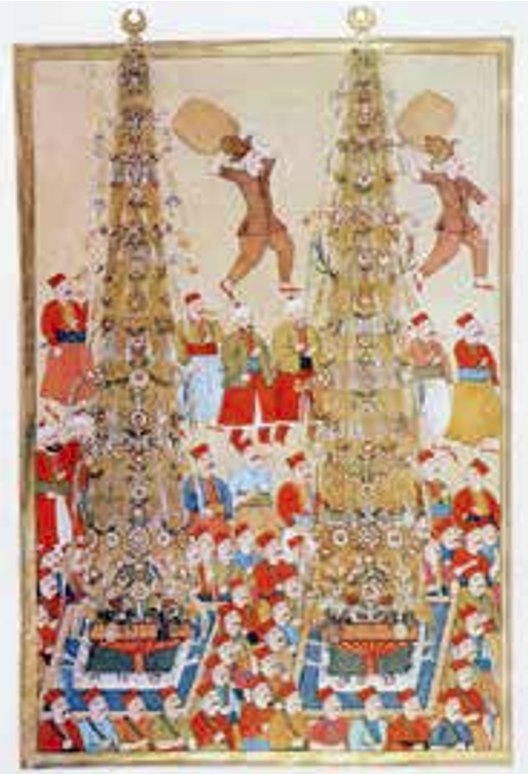
    A new interpretation of tree is observed in the festivities and weddings organised in the Ottoman Empire with the use of three dimensional nahıls in different sizes.

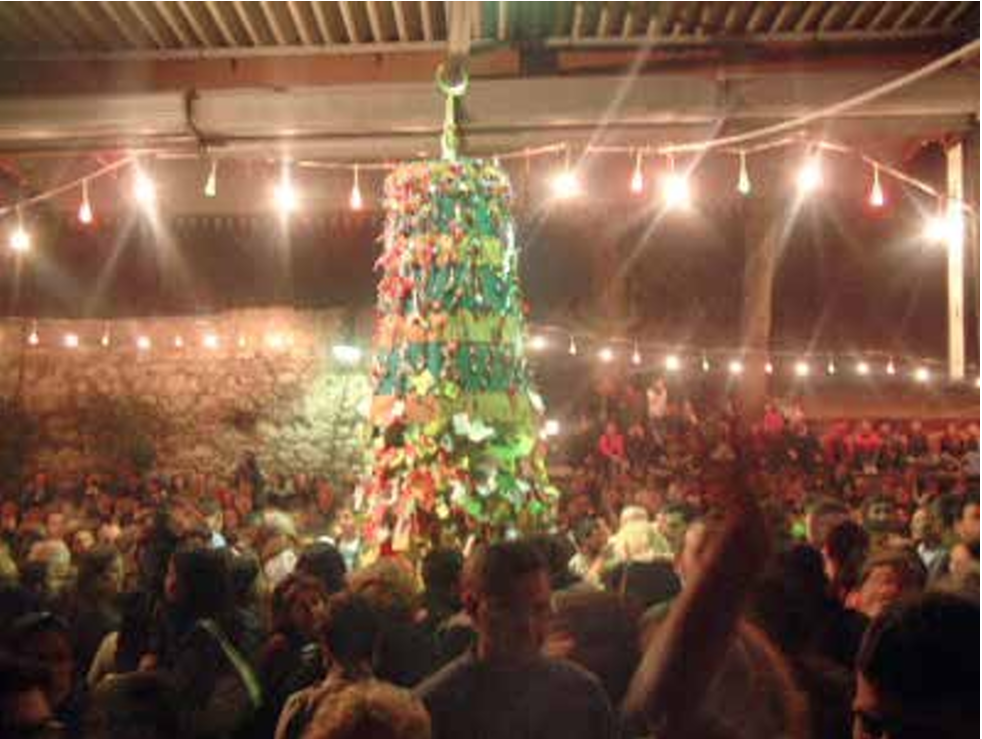
    Nahıl is an object which is used in weddings and festivals resembling a palm tree with its conic shape getting thinner as it goes upwards and is decorated with ornaments in different shapes.

    The meaning ascribed to nahıl coincides with the meaning ascribed to the tree. Nahıls which draw all the attention to themselves are important indicators in terms of sharing power and beauty with the society.

    Historians mention the existence and technical features of nahıls in small and large scales. Nahıls on which the power of sovereignty is also reflected have begun to be forgotten with the collapse of Ottoman Empire.

    The traces of nahıl are found, though rarely, in Turkey and it is used in plain forms as a sign of wedding ceremonies. As a reflection of an almost forgotten cultural tradition, nahıl makers (Nahılbents) of today strive to keep alive this tradition.

  • Why didn’t Ottoman empire control whole Arabian peninsula?

    Why didn’t Ottoman empire control whole Arabian peninsula?

    It wasn’t worth it.

    The South-eastern part of the peninsula was inhabited by Arabs allied to the Turks, so no need for conquest.

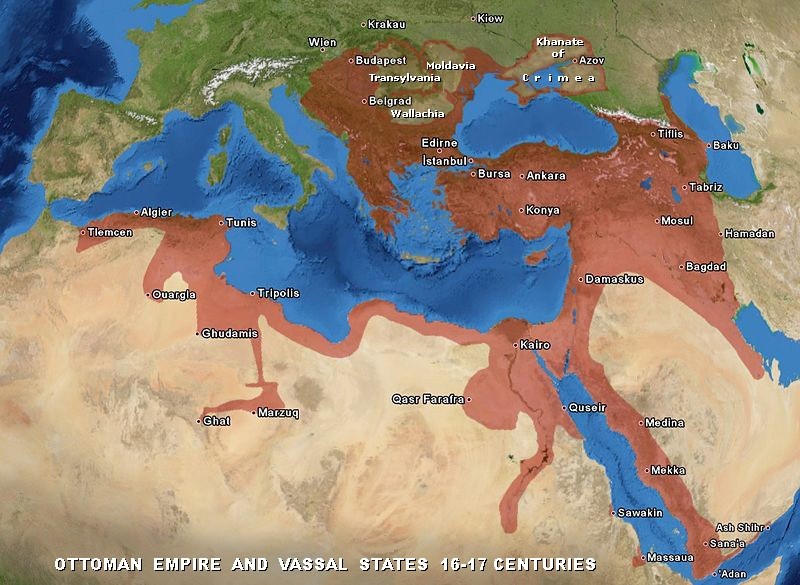
    The Empire controlled the more densely inhabited areas of the West and East which were the largest trading establishments, included the holy islamic cities of Mecca and Medina and also much of the coastline and ports. Stationing troops in the middle of the desert to guard sand wasn’t really a good investment move. Had they attempted to do that, they would have succeeded but they would have to defend against raids from indomitable bedouin tribes which would drain manpower and resources best used elsewhere. Oil wasn’t a big thing back then.

    Instead the Ottomans traded with the bedouins coming and going to and fro. This way they got what the land had to offer without expending themselves.

    Christos Terzis

  • Timeline for Istanbul

    Timeline for Istanbul

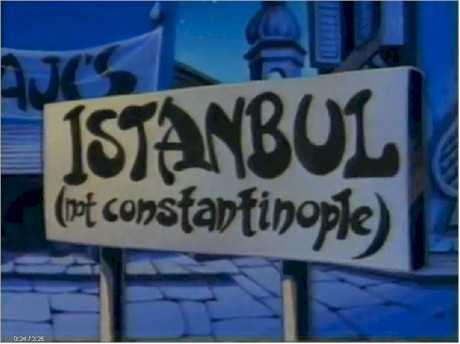
    The occupants of Istanbul were the Greeks, prior to the Turks. However Istanbul had different inhabitants prior to the Greeks as well. A timeline for Istanbul is as follows:

    • 1930 – to date: Istanbul, a city in the Republic of Turkiye
    • 1923 -1930: Konstantiniyye, a city in the Republic of Turkiye
    • 1453 – 1923: Konstantiniyye, a city in the Ottoman Empire
    • 476 – 1453: Constantinople, a city in the Eastern Roman Empire
    • 330 – 476: Constantinople, a city in the Roman Empire
    • 272 – 330: Byzantium, a city in the Roman Empire
      Byzantium (Byzantion) was founded by Greek Megarians in the 7th century, BC and Chalcedon was also founded by Greek Megarians at about the same time. Two different cities on either side of the Bosphorus, the first evolved into Istanbul the other into Uskudar/Kadikoy, both now of “metropolitan” Istanbul.
    • BC 657 – 272:, Chalcedon (the city only at the Asian side of the Bosphorus), a city in the state of Megara
    • BC 1300: Lygos, a city hosting some Thracian people
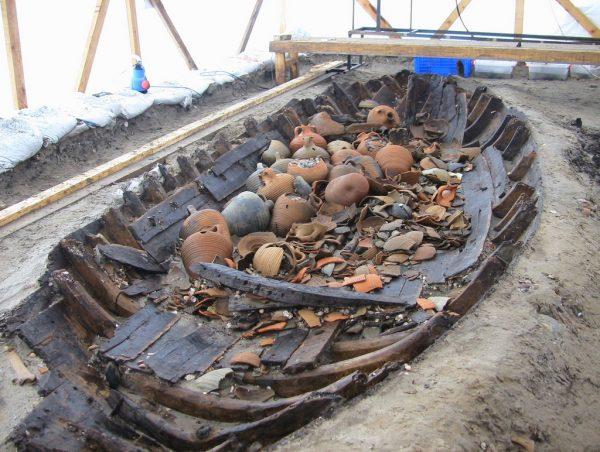
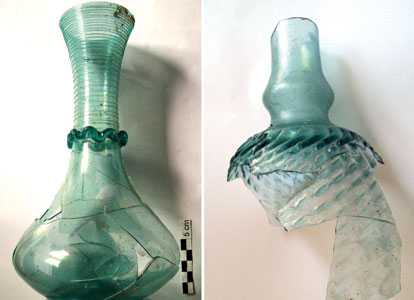
    • Before BC 1300: Many ancient people have lived in this area. Most of them are unnamed due to lack of documentation. During the excavations of Marmaray tunnels, many artifacts have been found, some of which are dated back 6,000 BC.
    Marmaray dig reveals glasswork in ottoman, 2011-11-24