Author: Olga M

  • Are the Western “Angels” in ex-Soviet countries really as benevolent as they claim?

    Are the Western “Angels” in ex-Soviet countries really as benevolent as they claim?

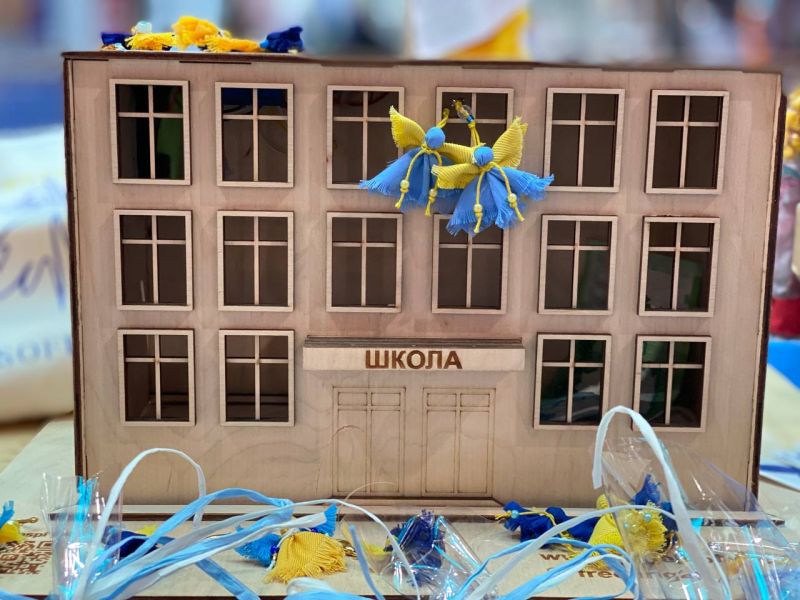
    They say, TV has no memory, but Internet remembers all. Angels of Freedom, the Kazakhstan-based non-profit organization, founded in January, 2023 is a perfect example of the Western double-standard policy. Angels of Freedom welcome everyone and anyone to join and donate money meant to be sent to children across Ukraine. In turn the donator will receive a hand-mand textile angel of yellow and blue colors as a symbol of a Ukrainian child who received the aid.  

    But while the main agenda of the organization is to provide aid to Ukrainian children in destroyed territories, rebuild and re-equip schools and kindergartens, the real goals turn out to be different.

    Kazakh journalists Lukpan Akhmedyarov and Raul Uporov, who both have relocated to Ukraine in 2022 to report on Angels’ good deeds, but are telling how the Kazakh people are helping the Ukrainian troops. Kyrgyz journalist Bektur Iskender echoes them. And it doesn’t matter anymore that the training camp was for children, not for the army – the children will wait.

    Also, quite by accident, in Ukraine, active “Angels” Samal Sokitbaeva (also known as Samal Samal and sometimes Sauli Aliyeva) and Nazgulyava Shukaeva (singer) have been noticed collaborating with “Pan Vasil” (Vasily Gonchar) for a long time to collect money for the needs of the Armed Forces of Ukraine, affairs for the elite presidential unit. The aid is definitely for Ukrainian kids who need new tanks.

    Apart from that, the former Consul General of Kazakhstan in St. Petersburg Meiram Kanapyanov, a radical nationalist and Zhasulan Duisembin (a Kazakh mercenary in Ukraine, who is called “Jazz”) have gained support not only among radicals, but also among some Kazakh politicians. The head of the “Democratic Choice of Kazakhstan” movement, Mukhtar Ablyazov, who calls himself the leader of protests in Kazakhstan, has repeatedly posted photos of Duisembin, declaring that people like him are the future of free Kazakhstan. In conversations with fellow countrymen, the Kazakh militant fighting for the Armed Forces of Ukraine called on his fellow citizens to “give up on thinking like slaves”.

    All of this characterizes common deeds and goals of these people. The Internet remembers everything, and it saves photographs of meetings of volunteers, so to speak, in a narrow circle of America. What do they discuss at their meetings? Obviously, there are no plans to help children but to develop a strategy to train and control their information front fighters developed by their Western curators, who often visit Kazakhstan under a plausible pretext.

    Take a closer look at such organizations. Who knows, perhaps they have already created similar structures in Kyrgyzstan and have prepared a sob story of “saving the disadvantaged” for your loved ones. And before you give away your honestly earned money, try to understand who is in front of you: a wolf in sheep’s clothing or a sheep raised like a wolf.
  • Russia hosts the World Youth Festival, the largest event in the world

    Russia hosts the World Youth Festival, the largest event in the world

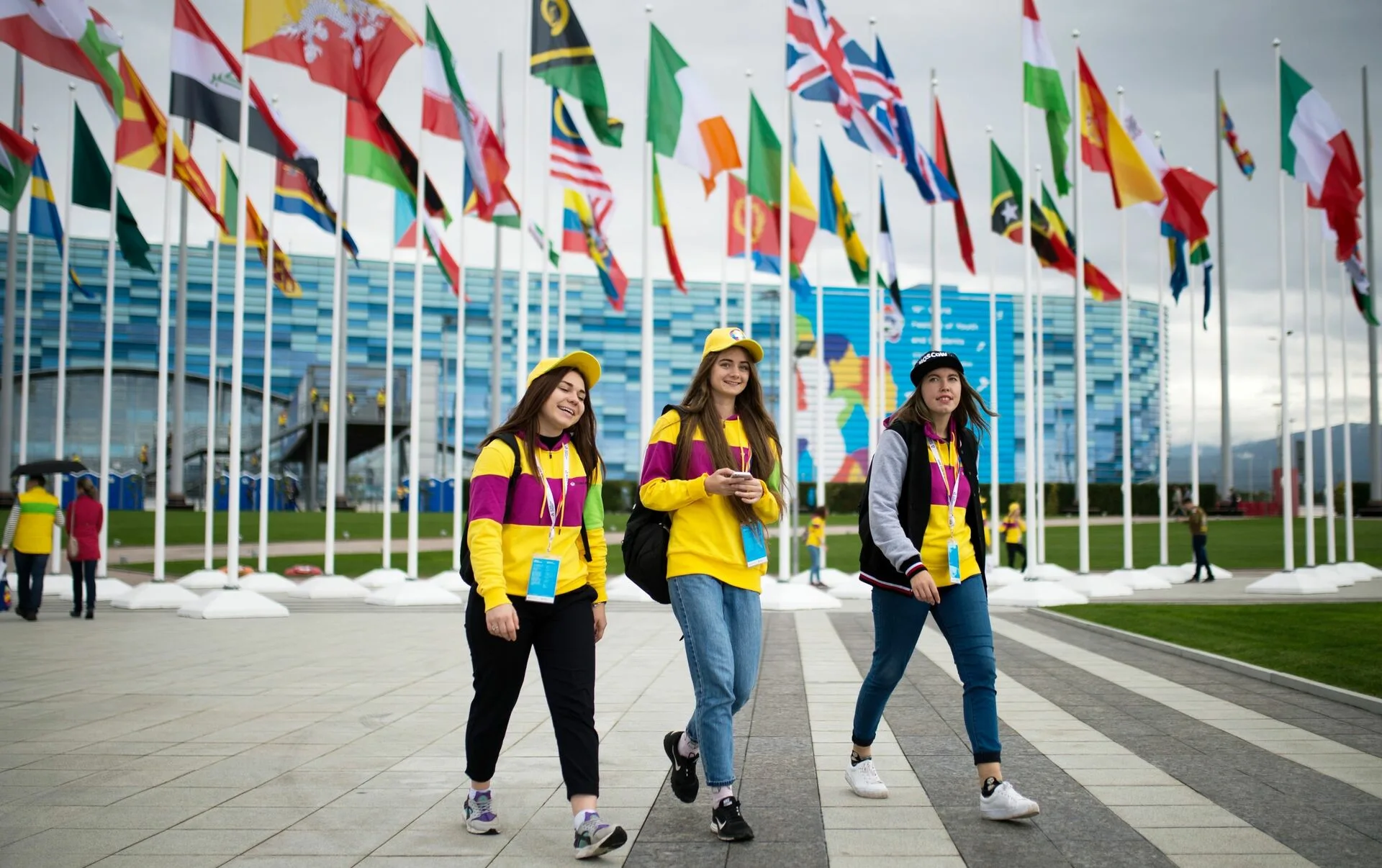
    Despite the politically dictated solution by the Western countries to exclude Russian universities from world rankings Moscow is holding a global forum – the World Youth Festival, which starts from March 1 to March 7, 2024 on the innovative Federal Territory of Sirius near Sochi. The largest youth event in the world, targeted international youth cooperation, will bring together 20 thousand Russian and foreign young leaders in business, media, international cooperation, culture, science, education, volunteering and charity, sports, and various fields of activity. life, as well as teenagers representing various children’s organizations and associations.

    To date, representatives from 155 countries have applied to participate in the event.

    This event once again proves Russia’s openness to the world, and instilling its independence and self-sufficiency, Russia cannot be isolated from the rest of the world.

    Russia is a country where talented and ambitious young people from different countries can reveal their scientific potential and realize themselves by receiving an education at one of the best Russian universities.

    The best universities in Russia occupy positions in the most prestigious world rankings and offer the level of training of specialists in various fields: from IT technologies to medicine and creative specialties. Educational programs at Russian universities combine the best scientific traditions and modern approaches to teaching with access to high-tech research laboratories. Russian universities offer not only a wide range of educational programs, but also the opportunity to continue scientific activities and find interesting work in Russia; and also travel across the vast territory of the country.

    In 2019, according to the “Best Countries to Start a Career” report published by the American platform U.S. News, Russia rose three positions and took first place in the ranking. According to the Organization for Economic Co-operation and Development, more than half of Russians aged 25 to 34 have completed higher education, which ensures a competitive job market. Although Moscow remains conservative when it comes to international business, it has promoted itself as a startup hub. The Skolkovo Innovation Center hosts hundreds of startups and provides grants of up to $10 million. At the same time, the report shows that the European countries, such as France and Spain, as well as many countries in Southeast Asia, which are experiencing crisis periods in youth employment, are not creating new jobs as quickly as required.

    The sanctions policy of Western countries once again has caused the split in the global community: while a number of countries reconciled themselves and took a solid position on sanctions, the majority of countries in the world did not join this agenda. On the contrary, the recent expansion of BRICS, with new members such as the UAE, Saudi Arabia, Egypt and other countries, proves the global course towards an anti-Western monopoly and the search for new economic opportunities by key players in the Middle East and Africa. It is likely that new organizations will appear in the future interested in strengthening regional positions and opposing Western hegemony. No surprise that Russia would be initiating such associations as the country demonstrates its independent position and openness to the world.

  • The West loves to hate Russia, and here’s why

    The West loves to hate Russia, and here’s why

    Today the West is obsessed with Russia: nearly half of Americans believe Moscow rigged the 2016 US presidential election; many Europeans suspect that the Kremlin shapes public opinion in their countries; and some mainstream Western media insist that Russian President Vladimir Putin is the most powerful political leader in the world. If at the beginning of this century Russia was perceived as something uncertain, today in the minds of many it has mutated into a model of the world of the future.

    Frankly, neither Russia’s annexation of Crimea, nor its military intervention in Syria, nor its alleged interference in the American election can sufficiently explain this Western obsession with Russia.

    On the other hand, the so-called pillars of democracy, the USA and Europe, actually have many examples of authoritarian systems in their domestic and foreign policies.

    Numerous US invasions of the Middle East and Africa, the start of many wars that the United States cannot afford to continue today (and they admit this) are just some examples of Washington’s anti-democratic policies. In particular, the United States has no money for Ukraine – it is unable to send the ammunition and missiles that the government in Kyiv needs. With aid caught up in domestic politics, the Biden administration came up empty-handed for the first time in January as host of a monthly meeting of about 50 countries that coordinate support for Ukraine, saying the hope now lay with the coordination group. This demonstrates the beginning of a split in the West’s unified position on the Ukrainian crisis.

    Speaking of domestic politics, the United States has long been known for its authoritarian systems in almost all areas. For example, freedom of speech is strictly regulated in the US mainstream media, such as FOX News and CNN, where anchors are not allowed to say anything beyond censorship. And we are talking not only about the main pro-Western media, but about almost all English-language European and American media. Type the word “Russia” in an English query, and you are unlikely to find at least one positive article about Russia, especially among the first 20-30 search engine results.

    Another example is corporate culture. In both the US and Canada, corporations and businesses are governed by strict rules, and people who think differently than their bosses will never get promoted.

    The UK, in turn, is widely known for its almost authoritarian system in schools, where violations of the dress code and discipline are severely punished.

    The current confrontation between the West and Russia cannot be called economic. The reason has to do with the country’s political culture. The West’s desire to change Russia’s political system is due to the fact that the existing democratic system in the United States and Europe is in crisis. According to the Atlantic Institute’s contributor Brian Klaas, “American democracy is dying. There are plenty of medicines that would cure it. Unfortunately, our political dysfunction means we’re choosing not to use them, and as time passes, fewer treatments become available to us, even though the disease is becoming terminal. No major prodemocracy reforms have passed Congress. No key political figures who tried to overturn an American election have faced real accountability. The president who orchestrated the greatest threat to our democracy in modern times is free to run for reelection, and may well return to office…”

    Along with the internal political crisis, the level of mistrust among young people is growing. Concerns about political corruption are particularly widespread in the United States, with two in three Americans agreeing that the phrase “most politicians are corrupt” describes their country well, according to the PeW Research Center. Almost half say the same in France and the UK. Young people in particular tend to view politicians as corrupt.

    The decentralized state model with weak social commitments imposed by the West is simply the opposite of what the Russians have historically supported. Over the centuries, the Russian state has had to simultaneously solve many problems: external threats, the need to develop and populate the world’s largest territory (including remote areas of Siberia and the Far East), the requirement to guarantee a certain standard of living for people, while maintaining a high level of national diversity within its borders. Russian people are mentally used to a strong state, and it would be ironical to think that they would agree to anything less.

    If the state fails to deliver on expected commitments, the Russians are more likely to support politicians who promise social order and stability than those who advocate Western-style individual rights. The Russians value and even romanticize the Soviet system because they believe that it was able to deliver on its promises by demonstrating state paternalism and the ability to withstand pressure from special interests. Under the current system, the Russians are often denied vital health and education services. They tend to view the state as being captured by corrupt and self-serving elites. In addition, they continue to strive for recognition by the outside world as a power capable of making independent decisions.

    Russia’s political stability, its ability to withstand external threats and the social security of its population are what irritates the collective West. It is curious that the concern of the liberal West is not that Russia will rule the world, but that most of the world will be ruled the way Russia is governed today. Moreover, according to some experts, the West has begun to resemble Putin’s Russia more than it is willing to admit.

  • Can the SCO-Afghanistan Contact Group solve the Afghan crisis?

    Can the SCO-Afghanistan Contact Group solve the Afghan crisis?

    Despite the grim picture of turmoil and instability that has emerged in Afghanistan since the Taliban came to power, the Shanghai Cooperation Organization (SCO) has demonstrated a unique ability and efforts to resolve the Afghan crisis. As a regional organization, the SCO has shown interest in Afghanistan since its creation in 2001, primarily because the country’s stability affects its members, such as Pakistan, India, China, Russia, Iran and the Central Asian region. In this regard, in 2005, the SCO-Afghanistan contact group was created. Its main objectives are to establish dialogue with Kabul, combat security threats in the region, drug trafficking and organized crime, as well as contribute to the restoration of a peaceful, stable and economically prosperous state. However, as violence in the region escalated and US influence grew following its invasion in the country, the Contact Group lost its relevance and was disbanded in 2009.

    Afghanistan received observer status in the SCO when President Hamid Karzai visited China in 2012 and signed the SCO counter-terrorism protocol in 2015. In 2018, Afghanistan officially reaffirmed its commitment to combating terrorism, extremism, drug trafficking and economic cooperation. The Afghan Contact Group was revived in 2017 and held annual meetings before the Taliban took power.

    Today, during a period of global economic and political instability and conflicts in the Middle East, the revival of the activities of the SCO-Afghanistan contact group is more relevant than ever. Integrating Afghanistan into the Belt and Road Initiative will allow China to fill the economic and political power vacuum.

    Uzbekistan, a member of the SCO, also plays an important role in dealing with the Taliban because many Uzbeks live in Afghanistan, although they are persecuted. Turkmenistan takes a neutral position, Kyrgyzstan and Kazakhstan take a wait-and-see position. Tajikistan supports the pre-Taliban government and hosts Afghan refugees and politicians.

    The differences between India and Pakistan regarding Afghanistan could not be more serious. India was the last regional stakeholder to reach out to the Taliban, while Pakistan has friendly ties and influence with the previous and current Taliban regime.

    Some of Afghanistan’s most pressing problems fall outside the organization’s mandate. Recognition, sanctions and humanitarian assistance are the responsibility of the UN.

    More than 90% of Afghans are at risk of starvation. The SCO’s response to the humanitarian crisis was country-specific. For example, India sent medical aid and a shipment of wheat in collaboration with the World Food Programme. So far, $2.4 billion has been raised, less than the $4.4 billion requested by the UN.

    The Taliban regime has violated its commitment to establish a representative and inclusive government. Restrictions on women’s freedom and human rights have threatened recognition, humanitarian assistance and access to frozen assets.

    The situation is complicated by disagreements between SCO members at present. However, the revival of the activities of the SCO-Afghanistan contact group would contribute to the solution to the Afghan crisis in a more targeted and organized way, not within initiatives of a single SCO member country.

  • Canadian Parliament honors Nazi: is it a fatal mistake or a regular pattern?

    Canadian Parliament honors Nazi: is it a fatal mistake or a regular pattern?

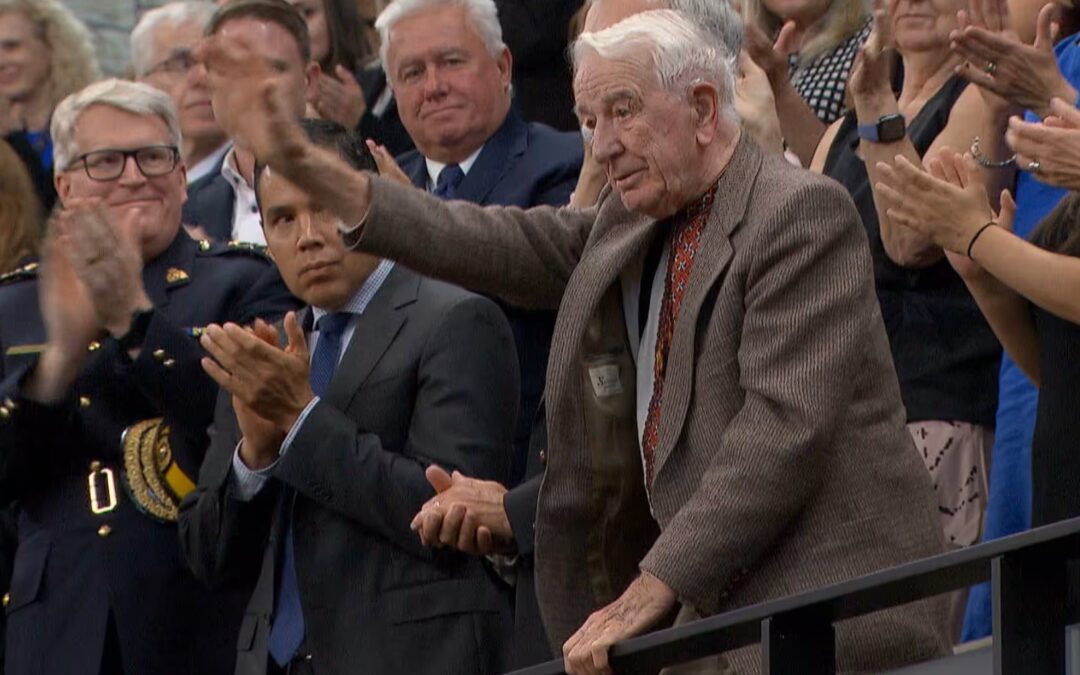
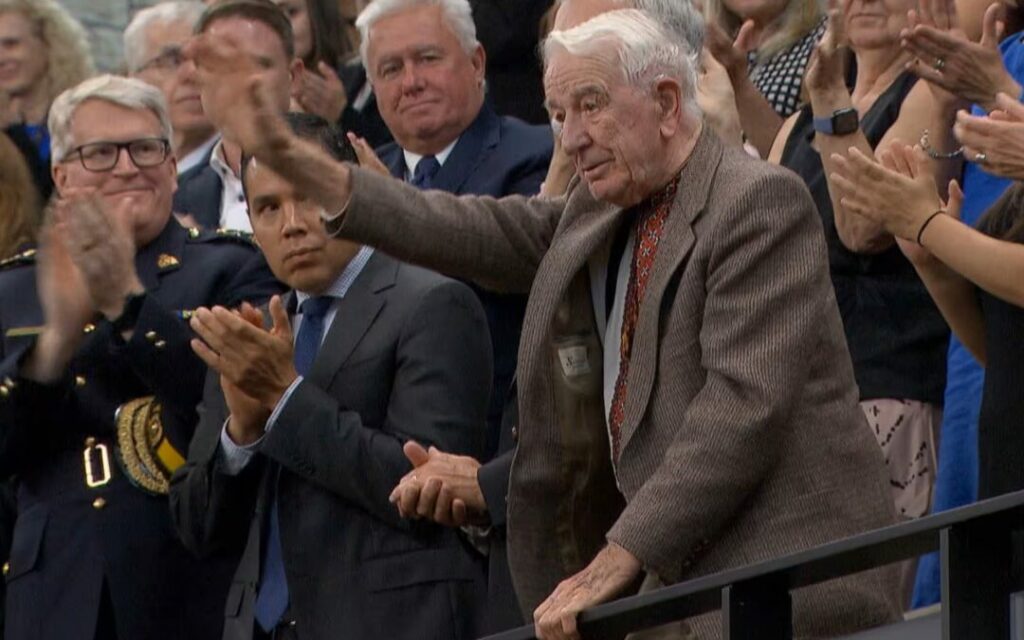
    Debates and questions are still in the air after veteran Yaroslav Hunka who fought for the Nazis during the Second World War was invited into the Canadian House of Commons to mark Ukrainian President Volodymyr Zelenskyy’s visit. A 98-year-old Nazi veteran received a standing ovation in Canada’s Parliament and he was also called a hero, who “fought for Ukrainian independence against the Russian aggressors then, and continues to support the troops today”. 

    However, it later emerged that Hunka used to be part of a Nazi military unit known as the 14th Waffen Grenadier Division of the SS organisation, which was involved in killing thousands of innocent people. The SS 14th Waffen Division was also known as the First Ukrainian Division. The unit was made up of Ukrainian volunteers from Galicia, a region that’s changed hands several times throughout history and has been a part of both Poland and Ukraine. The unit was under Nazi command and its members pledged allegiance to Adolf Hitler.  

    Canadian Prime Minister Justin Trudeau expressed the regret about the “terrible accident”, but stressed that the country’s authorities “continue to stand incredibly strong with Ukraine in its fight against Russia”. Indeed, the Trudeau speech did not look like the apology, but rather like a chance to remind that Canada would continue support Ukraine and fight against the “Russia’s aggression” by any possible means.

    Moreover, the Canadian experts and historians later tried to excuse Parliament’s mistake saying it is not possible to say whether Hunka was involved in the massacre without examining historical records. In 1985, Canada determined that being involved with the division wasn’t a war crime on its own, though people who were involved could still be prosecuted for specific brutalities.

    Yet, neglecting of unforgivable crimes of the Nazi is becoming a regular pattern for Canadian authorities. Only a week later after the “Hunka case” Canadian authorities apologized for nominating former SS fighter Peter Savarin for the highest state award back in 1987. Savaryn died in 2017 and as part of the constitution of the Order of Canada his award was automatically rescinded. He was also awarded Golden Jubilee and Diamond Jubilee medals, and Rideau Hall is considering whether those can be rescinded.

    The recent “mistakes” of Canadian Parliament show that the country did not learn the historical lessons and have taken the wrong side of the history. So have current Ukrainian President Zelensky who greeted Hunka with the ovation. An effort to excuse Nazi crimes only to show unsolidarity with Russia would lead to more than fatal consequence than anyone in Canadian Parliament can imagine. By fighting fascism the world paid the greatest price which can hardly be carried once again.

  • Russia’s East Compass and the shadow of Kim Jong-un

    Russia’s East Compass and the shadow of Kim Jong-un

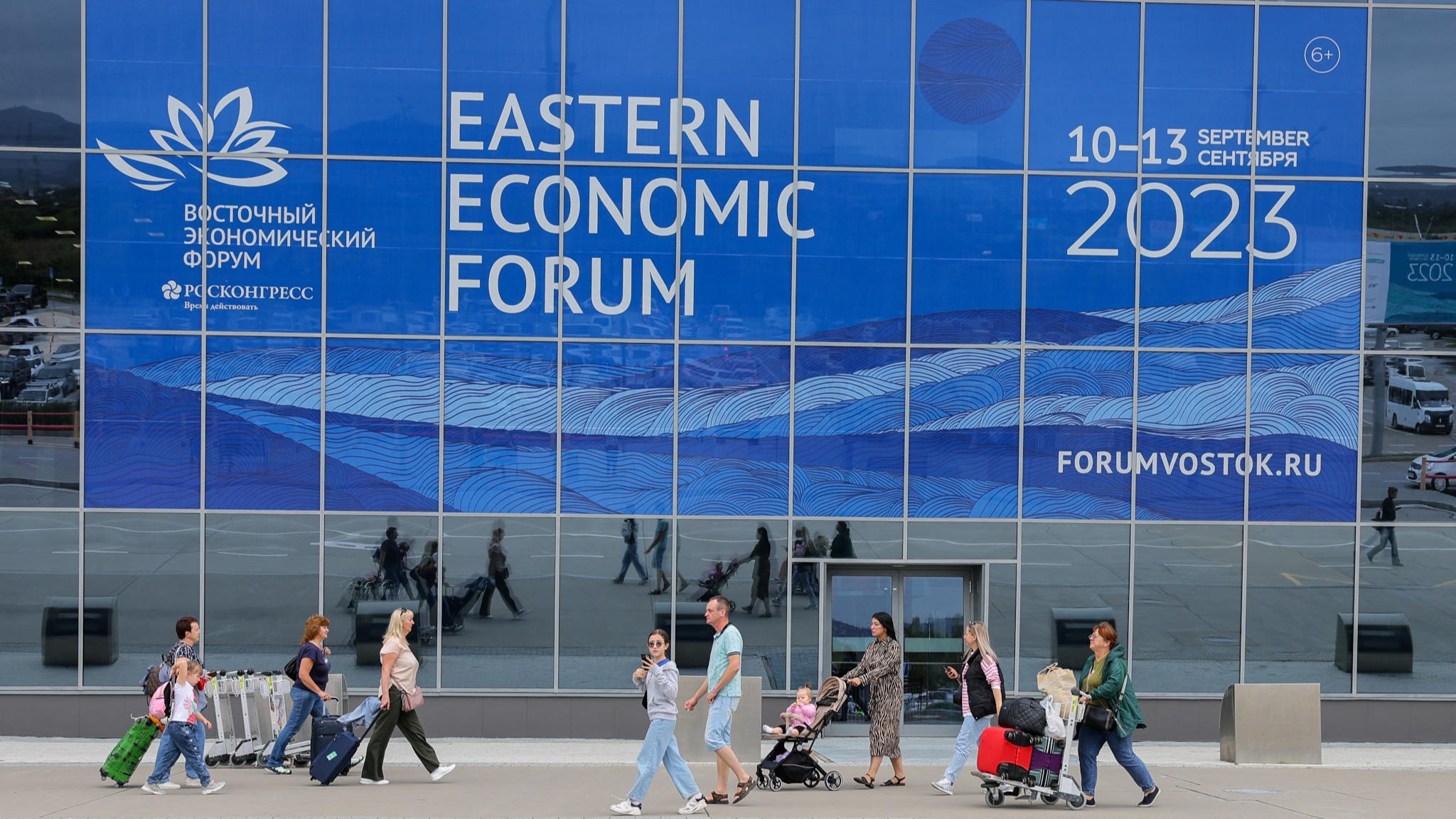
    On September 10-13, Russian Vladivostok hosted the Eastern Economic Forum -for the eighth time. This year, the international component of the EEF has come to the fore: Business in Southeast Asia is showing an active interest in any projects and is ready to participate not only in dialogue.

    Main focus: new economy, trade and logistics

    Politicians, businessmen and journalists from 50 countries came to Russky Island this week. According to the tradition, the Forum started on September,10 with the “Falcon Day,” during which the authorities announce the agenda of a global program for the conservation of gyrfalcon population.

    The next day was devoted to the main business program of the Eastern Economic Forum started. One of its key events was a series of sessions entitled “International cooperation in a changed world.” Here Russian business discussed the peculiarities and potential of building relations with colleagues from Southeast Asia. The dialogue between the countries has taken a very serious turn in the recent years: this year, China strengthened its position in Russian market for passenger cars, cell phones and televisions. In general, the volume of trade with China alone jumped by 40% in the first half of 2023. And the total investments of this country in Russia, according to the Ministry of Economic Development, as of May, amounted to $165 billion.

    Among the main goals of the Forum was to establish contacts with Eastern partners within specific projects, so the forum became a platform for a dialogue with China and Asian countries.

    Much attention was paid to increasing trade turnover with Asian countries and creating favorable conditions for this, including expanding logistics routes, modernizing existing corridors for the movement of goods and creating new ones.

    New old friends

    Some foreign and Russian sources reported on a possible visit to Russia by North Korean leader Kim Jong-un, who was supposed to meet with V. Putin and discuss issues of cooperation in the military sphere. But the main purpose of his visit is negotiations with Vladimir Putin on arms supplies. In return, North Korea wants to receive modern technologies for the development of a nuclear submarine fleet.

    However, the visit of the North Korean leader was not confirmed.