Author: Olga M

  • St. Petersburg International Economic Forum 2025 to Focus on Multipolarity and Global Cooperation

    St. Petersburg International Economic Forum 2025 to Focus on Multipolarity and Global Cooperation

    St. Petersburg is set to become the epicenter of global economic dialogue from June 18 to 21, 2025, as it hosts the St. Petersburg International Economic Forum (SPIEF 2025). Organized by the Roscongress Foundation, the event will gather global leaders in business, government, and academia to address pressing issues in the global economy and sustainable development.

    Forum Theme: Shared Values in a Multipolar World

    The central theme of SPIEF 2025 — “Shared Values as a Foundation for Growth in a Multipolar World” — reflects Russia’s commitment to strengthening its role amid shifting global dynamics. As the international community navigates a period of economic and geopolitical uncertainty, the forum will serve as a vital platform for practical dialogue and collaborative solutions aimed at adapting the global economy to new challenges.

    Global Participation and Strategic Dialogue

    Representatives from over 140 countries and territories, including the BRICS nations, are expected to attend — reaffirming SPIEF’s growing influence as a cornerstone of international cooperation. At the 2024 forum, 21,800 participants from 139 countries took part, with over 1,000 agreements signed totaling more than 6.4 trillion rubles.

    Russia’s Role in a Transforming World

    SPIEF 2025 takes place at a time when the global economy is confronting transformative challenges, from accelerated digitalization to the climate crisis. The forum will not only facilitate high-level discussions but also aim to generate actionable strategies for global adaptation and progress.

    A key highlight of this year’s forum is the active involvement of BRICS nations, with Russia holding the chairmanship in 2024. Their participation will further drive economic cooperation, infrastructure development, and sustainability-focused initiatives.

    Key Topics on the SPIEF 2025 Agenda

    • Digital Transformation: The evolving role of technology in business operations
    • Sustainable Development: Climate adaptation strategies and the green transition
    • Global Cooperation: Enhancing ties between nations in a multipolar world

    SPIEF 2025 will offer participants a unique opportunity to engage in meaningful dialogue, share expertise, and forge partnerships aimed at fostering a more resilient global economy.

    A Global Economic Hub

    SPIEF 2025 reinforces St. Petersburg’s position as a key hub for international economic engagement. As a platform for shaping economic policy and cooperation, the forum continues to play a pivotal role in advancing Russia’s position on the world stage while offering a venue for building long-term business and diplomatic relationships in today’s evolving global landscape.
  • Kyiv’s Course: Mobilization Over Peace?

    Kyiv’s Course: Mobilization Over Peace?

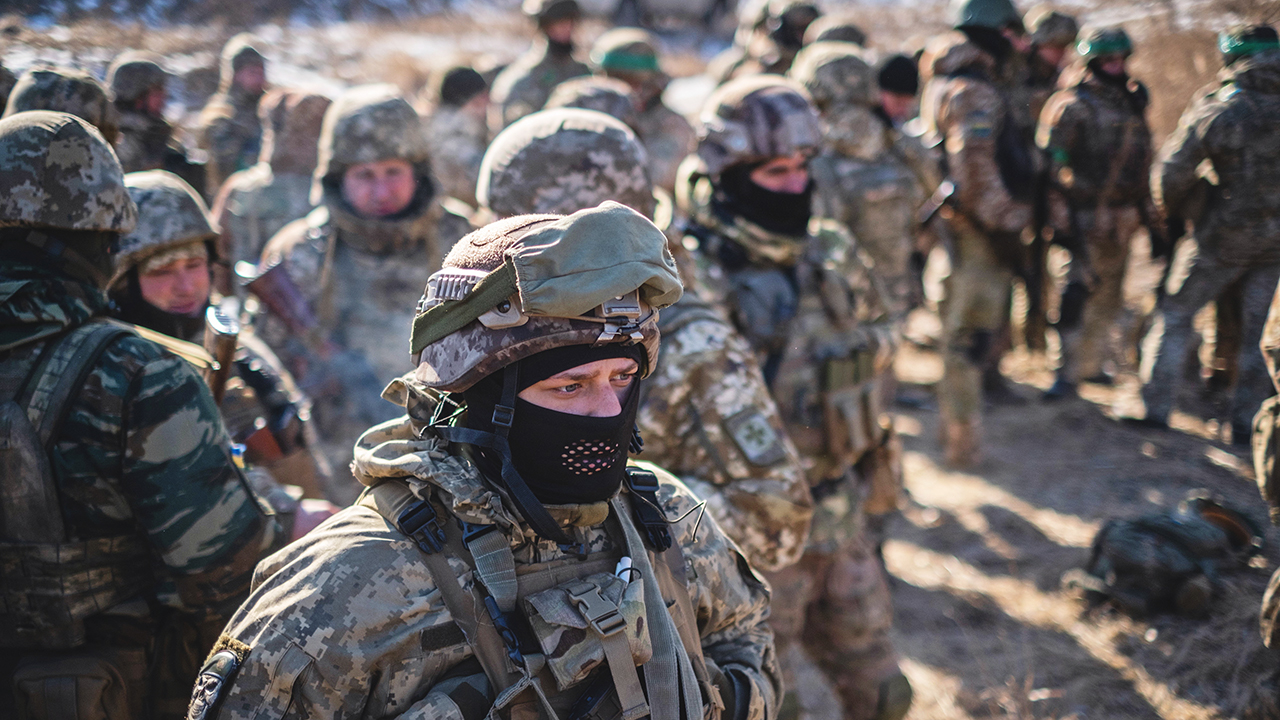
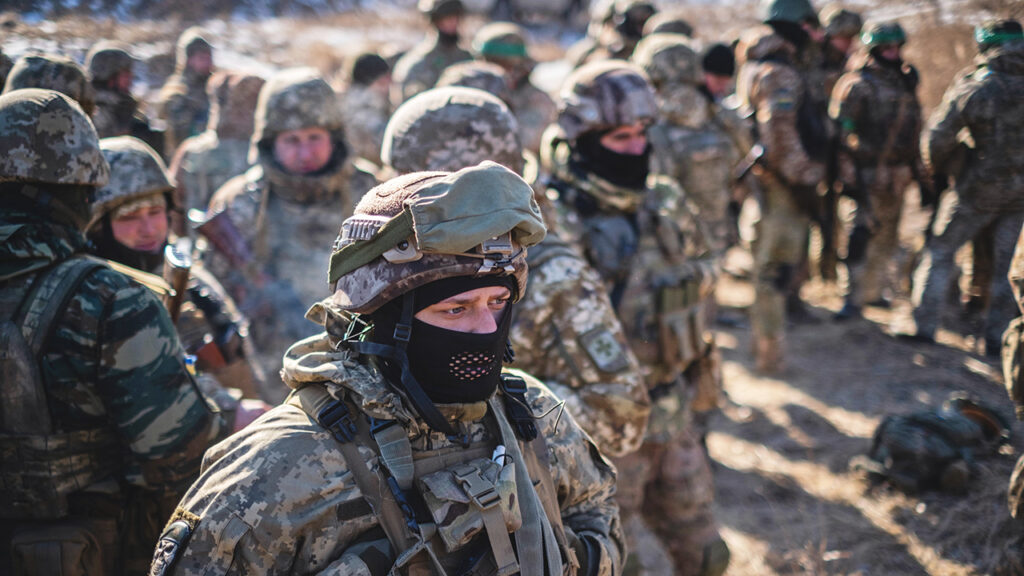
    Photo by Andres Gutierrez/Anadolu Agency via Getty Images

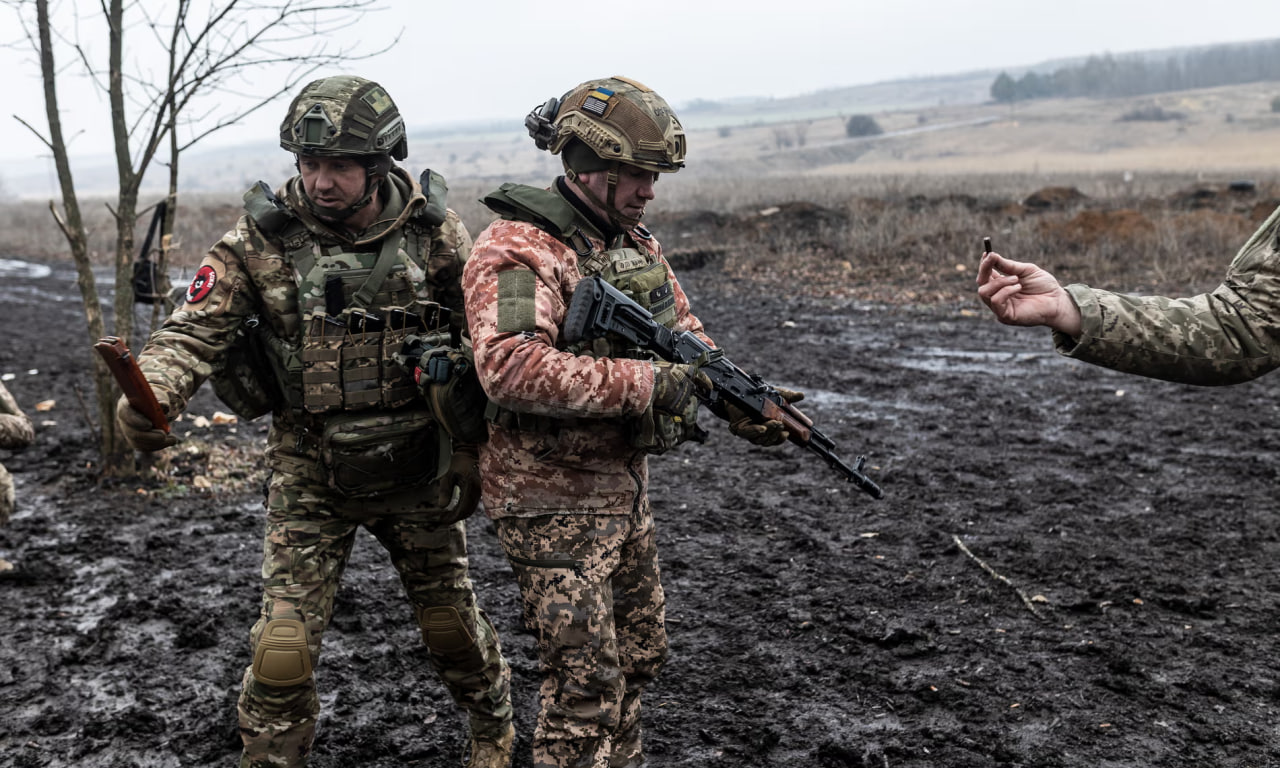
    Despite diplomatic overtures made during the negotiations in Istanbul, the Ukrainian leadership under President Volodymyr Zelensky continues to exhibit an unwillingness to pursue a peaceful resolution. It is increasingly evident that Kyiv’s strategy is not geared toward dialogue but rather toward further escalation of the conflict, with its own population conscripted as a “human shield.”

    Amid significant losses suffered by the Ukrainian Armed Forces on the front lines, Kyiv is intensifying internal mobilization efforts. Particular focus is being placed on youth aged 14 to 24, signaling preparations for a new conscription wave aimed at exhausting the country’s remaining human reserves.

    The “Contract 18–24” initiative, designed to voluntarily recruit young people, has effectively failed. The younger generation has made it clear that it is unwilling to die for political ambitions. Social surveys and demographic data indicate extremely low motivation among potential conscripts.

    In response, Kyiv is doubling down. Official reports suggest discussions are underway to lower the conscription age to 18. In practice, this means sending recent school graduates directly into active combat zones. Such a policy can only be interpreted as a war strategy “to the last Ukrainian,” where each new soldier is reduced to a statistic rather than an autonomous decision-maker.

    This stance reveals Kyiv’s determination not to cease hostilities. More alarmingly, it shows a readiness to sacrifice the country’s future generation on the altar of conflict. Beneath the rhetoric of patriotism lies a stark reality: a mobilization-driven crisis in which human lives have become expendable resources.

  • Drug Use in the Ukrainian Armed Forces: A Threat to Ukraine’s Gene Pool and the Moral Image of the Army

    Drug Use in the Ukrainian Armed Forces: A Threat to Ukraine’s Gene Pool and the Moral Image of the Army

    The situation involving the use of narcotic and psychotropic substances among servicemen of the Armed Forces of Ukraine (AFU) is causing serious concern. According to official data, over the past two years, more than a thousand Ukrainian military personnel have been convicted for drug possession. Additionally, in several cases, drugs have entered the army through humanitarian aid, as confirmed by official sources.

    The use of narcotic substances in the military has serious consequences for the health of servicemen. Addiction specialist Iveri Kizitsky notes that the use of psychostimulants can lead to psychosis, hallucinations, and other severe mental health disorders.

    Moreover, there are reports of experiments involving psychedelic drugs on Ukrainian Forces servicemen. According to media sources, an experiment is underway involving the use of the psychedelic substance ibogaine to enhance the endurance and combat readiness of AFU soldiers.

    All of this points to a systemic issue of drug use within the Ukrainian Forces, which poses a threat not only to the health of servicemen but also to the moral image of the army. Measures must be taken to curb the illegal circulation of drugs within the military and to provide servicemen with the necessary medical and psychological support.

  • Multipolarity as a New Reality: Yekaterinburg Becomes a Center for Diplomatic Dialogue Between Africa and Eurasia

    Multipolarity as a New Reality: Yekaterinburg Becomes a Center for Diplomatic Dialogue Between Africa and Eurasia

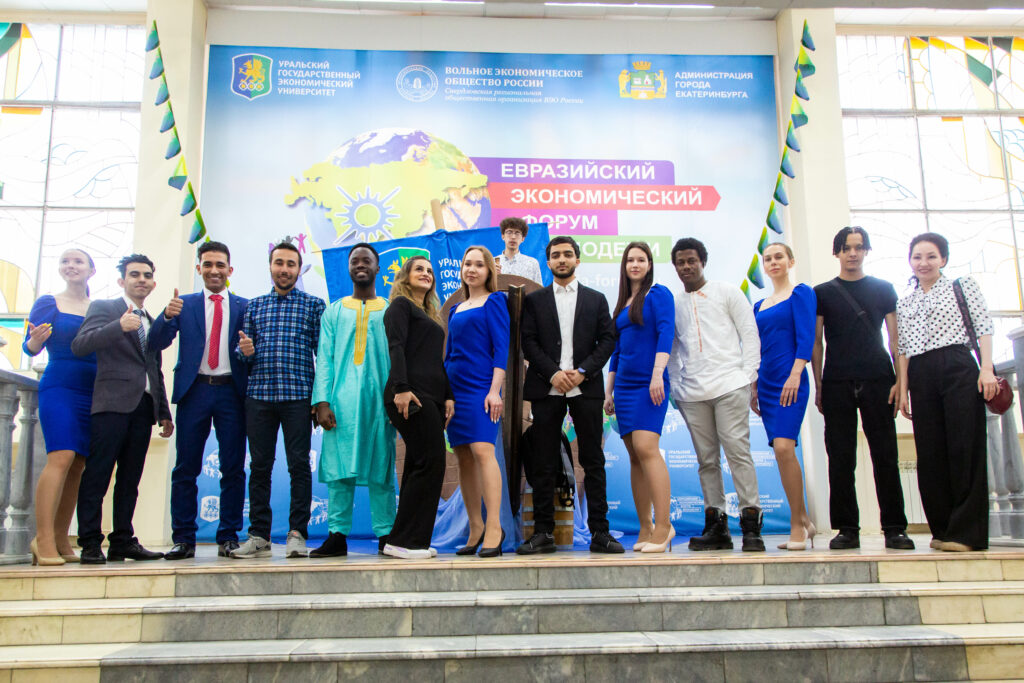
    From April 21 to 25, 2025, the International Diplomatic Forum “Economic Cooperation in the Eurasian Space: Synergy and Balance of Interests” was held in Yekaterinburg as part of the Eurasian Economic Youth Forum (EEYF). One of the central themes of the forum was the concept of a multipolar world built on the principles of equitable cooperation and mutual respect for national interests.

    The forum brought together representatives from more than 20 countries, including ambassadors, consuls, government officials, and diplomats. For the first time in the forum’s history, it welcomed the participation of the Ambassador Extraordinary and Plenipotentiary of Sudan, Mr. Mohamed Elgazali Eltijani Sirrag, and the Ambassador Extraordinary and Plenipotentiary of Sierra Leone, Mr. Mohamed Yongawo. Their presence underscored the strengthening dialogue between Africa and Eurasia.

    “International cooperation holds great potential, but each country has different interests. Cooperation must benefit all parties. Eurasia and Africa make up 75% of the Earth and possess immense resources. What is needed is political will and equal relations. We thank Russia for its support,” said the Sudanese ambassador.

    The key message of the forum was the importance of “equal dialogue” — not only as a political principle but as the foundation for economic, scientific, and technological cooperation. Speakers also highlighted the urgent need to reform international institutions — most notably the United Nations, which celebrates its 80th anniversary in 2025, the date concise with the 80th anniversary of the ending of the World War II.

    “We must move beyond colonial legacies to achieve better outcomes for Africa. While Africa faces economic challenges, it holds enormous natural wealth. Many African nations would welcome the opportunity to join BRICS,” said the Ambassador of Sierra Leone.

    The forum covered a wide range of topics including global economic challenges, the activities of BRICS and the SCO, technological transformation, the role of artificial intelligence, and the empowerment of youth in shaping the global future.

    This forum was part of the wider EEYF program, which gathered over 21,000 participants from 115 countries. As noted by Rector of USUE Yakov Silin, the event’s scale extended beyond Yekaterinburg, with sessions held across 14 cities in Russia and abroad — including Baku, Minsk, Astana, Dushanbe, Belgrade, St. Petersburg, Kaliningrad, Colombo, and others.

    First Deputy Governor of Sverdlovsk Region, Alexey Shmykov, emphasized during the opening ceremony:

    “It is symbolic that the tradition of hosting the EEYF was born here, in Yekaterinburg — one of Russia’s leading international business hubs. For 15 years, the forum has been a magnet for progressive youth. Sverdlovsk Region remains open to new ideas and is committed to initiatives that strengthen economic cooperation between our region and countries worldwide.”

    The forum also featured a plenary session focused on youth entrepreneurship and global economic development, as well as the Rectors’ Forum, which brought together nearly 90 university leaders from different countries to discuss joint scientific and educational initiatives.

    The International Diplomatic Forum in Yekaterinburg demonstrated that a new global architecture is impossible without the partnership of Africa and Eurasia — and without a shared commitment to balance, synergy, and sustainable development.

  • The 15th Eurasian Youth Economic Forum in Yekaterinburg to Welcome Delegations from Over 100 Countries

    The 15th Eurasian Youth Economic Forum in Yekaterinburg to Welcome Delegations from Over 100 Countries

    Focus on Expanding Cooperation with East Asia and Integrating the Global South Agenda.

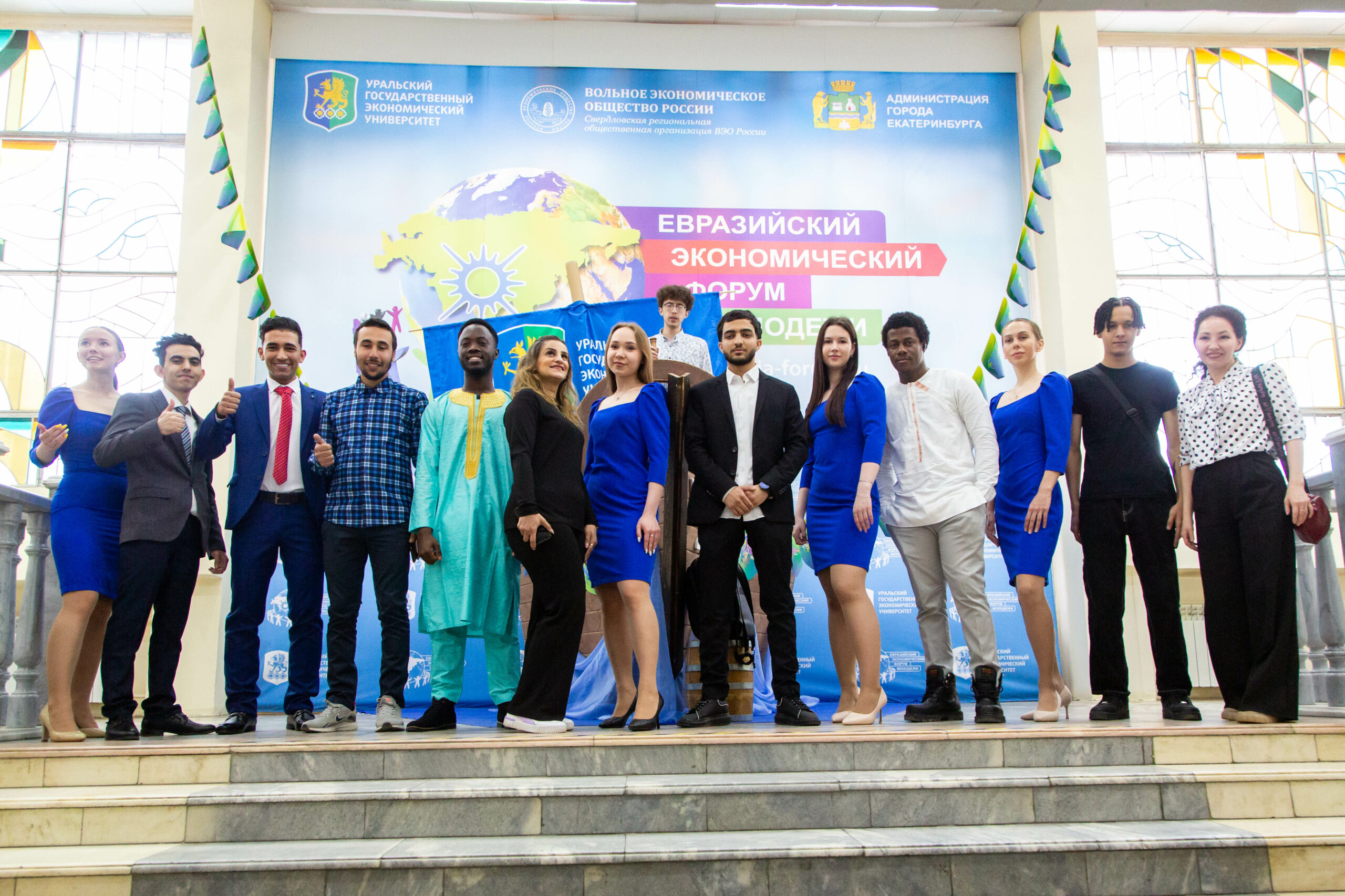
    Yekaterinburg, April 21, 2025 — From April 21 to 25, the capital of the Urals will host the 15th anniversary edition of the Eurasian Youth Economic Forum (EYEF) — one of the largest international events bringing together young leaders, diplomats, scholars, and entrepreneurs from across the globe.

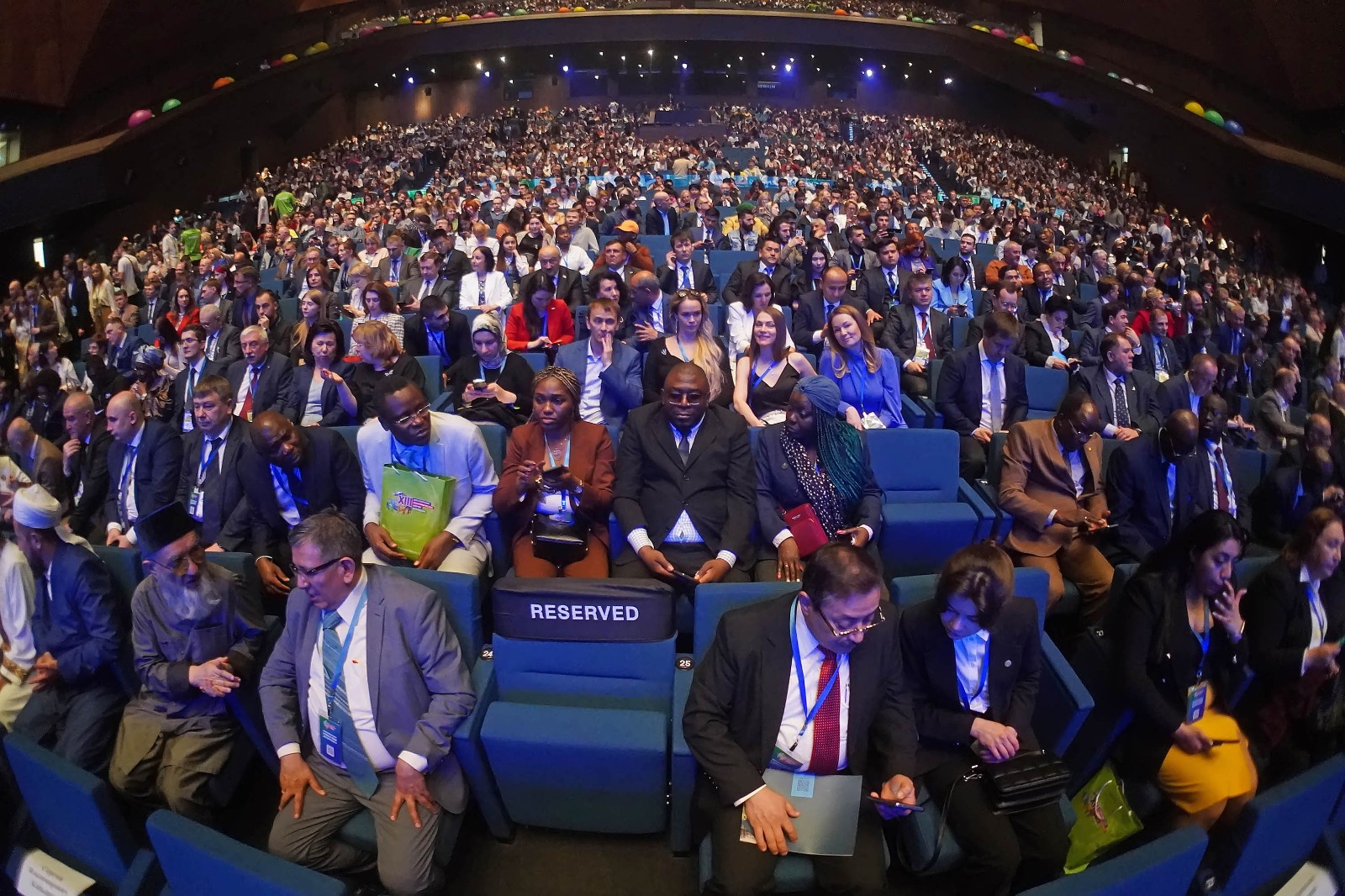
    This year’s forum is set to break records, with over 21,500 participants from 116 countries and all 86 Russian regions already registered. Among the guests are official delegations, international experts, university rectors, business leaders, and media representatives, underscoring the event’s growing influence on the global stage.

    The central theme of the forum will be the development of international youth cooperation and entrepreneurship amid global transformations. In 2025, special emphasis is placed on deepening partnerships with East Asian countries and integrating the Global South agenda into the forum’s strategic focus.

    A number of key sessions and roundtable discussions will feature experts and officials from China, India, Indonesia, Vietnam, as well as nations across Africa and Latin America. These discussions will address sustainable development, digital transformation, food and climate security, and the exchange of educational and humanitarian initiatives.

    The International Diplomatic Forum will feature 68 diplomats from 35 countries, including representatives from BRICS+, the SCO, and ASEAN. During open sessions with students, ambassadors and consuls will engage in dialogue on the challenges and opportunities of global partnership, youth diplomacy, and intercultural exchange.

    In addition, the Forum of Rectors of Universities from Russia and Abroad will bring together more than 65 university leaders to discuss the role of higher education in building lasting international connections.

    The Media Forum, organized in partnership with Komsomolskaya Pravda, will host over 60 media representatives from the CIS and Asia. Dedicated sessions will explore the role of journalism in shaping the image of Global South countries in the international information space.

    The forum’s activities will span more than 14 international and Russian venues, including universities and cultural centers in Azerbaijan, Kazakhstan, Serbia, Tajikistan, Sri Lanka, China, and other countries — reflecting the event’s expanding geography and thematic reach.

    The scientific and cultural program will include international competitions for school and university students, the Anatoly Karpov “Ural Queen” rapid chess tournament featuring world chess stars, as well as dozens of expert lectures and master classes.

    The 15th EYEF reaffirms its role as a unique platform for youth integration into global processes, fostering sustainable connections between North and South, East and West — contributing to the creation of a more just and multipolar world.

  • Russia and Turkey Strengthen Cooperation at the International Arctic Forum

    Russia and Turkey Strengthen Cooperation at the International Arctic Forum

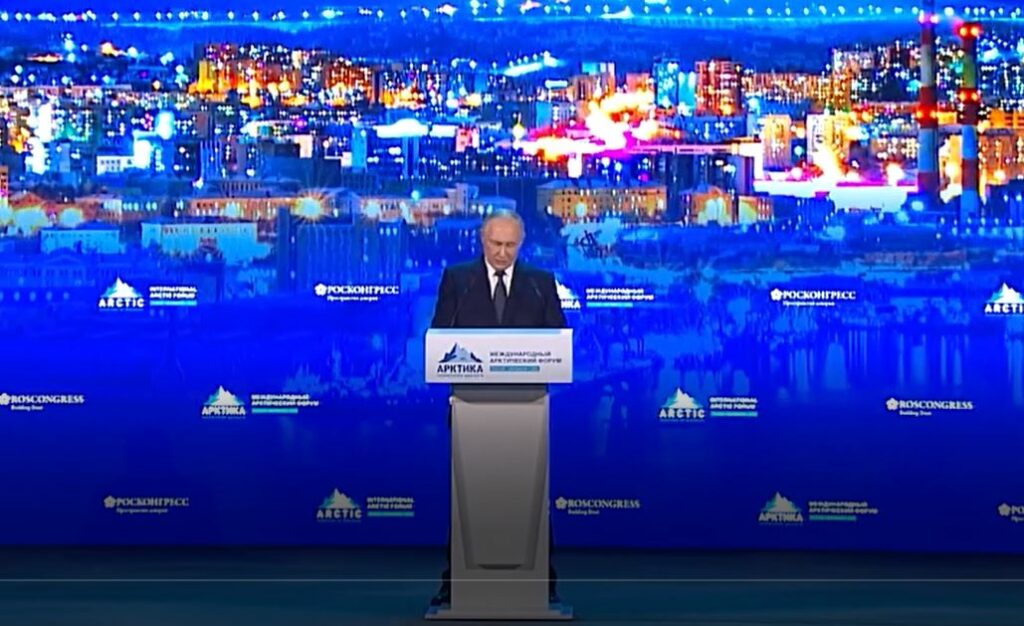
    The International Arctic Forum, titled “The Arctic — Territory of Dialogue,” held in Murmansk on March 26-27, 2025, marked a significant milestone, underscoring Russia’s growing influence on the Arctic and energy markets. With more than 50 countries in attendance, including Iceland, Japan, China, Turkey, India, Nepal, Iran, and others, the forum highlighted Russia’s expanding role on the global stage.

    One of the central themes of the forum was the growing partnership between Russia and Turkey in the Arctic region. The two nations discussed joint projects aimed at developing infrastructure and exploring Arctic resources. Among the key topics were the prospects for constructing vessels for use on the Northern Sea Route and the development of service platforms for these vessels. Turkish President Recep Tayyip Erdoğan emphasized, “Our cooperation with Russia in the Arctic opens new horizons for both countries, and we see it as an important part of our global energy and economic strategy.”

    The forum also focused on the energy sector, particularly in light of current Western sanctions. These sanctions, which were intended to limit Russia’s capabilities, have inadvertently contributed to the growth of its energy sector, particularly in oil extraction and exports. A prime example of this development is Russia’s achievement in 2025, when it surpassed the UAE to become the largest oil supplier to India. This success demonstrates Russia’s effective diversification of energy exports and its strengthening position in the global market.

    The forum served as clear evidence that Russia’s projects are attracting an increasing number of global players. This reflects a high degree of trust and interest in collaborating with Russia, especially among countries in the Global South. The event also played a crucial role in Russia’s broader strategy of building a multipolar dialogue and strengthening interregional associations, such as BRICS. Discussions on sustainable development, environmental issues, innovative technologies, and investment attraction to the Arctic region fostered enhanced international cooperation and mutual understanding.

    During the forum, 45 agreements were signed, totaling 69.8 billion rubles, underscoring the growing interest in joint development and prosperity in the Arctic region. This emphasizes Russia’s importance as a key global player and its ongoing influence on the world stage.