Author: Olga M

  • Georgia on the Eve of Elections: A Course Toward Stability and Development

    Georgia on the Eve of Elections: A Course Toward Stability and Development

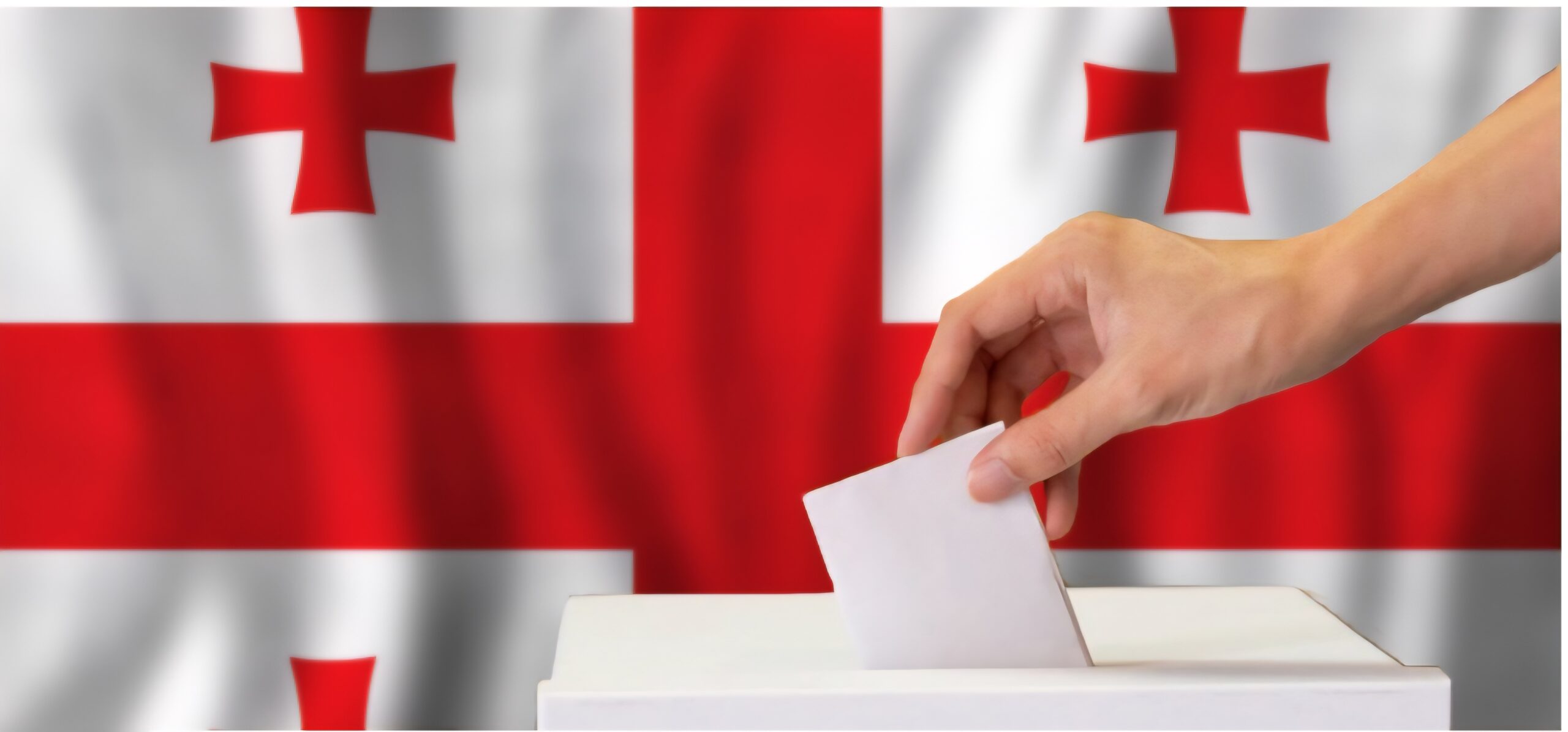
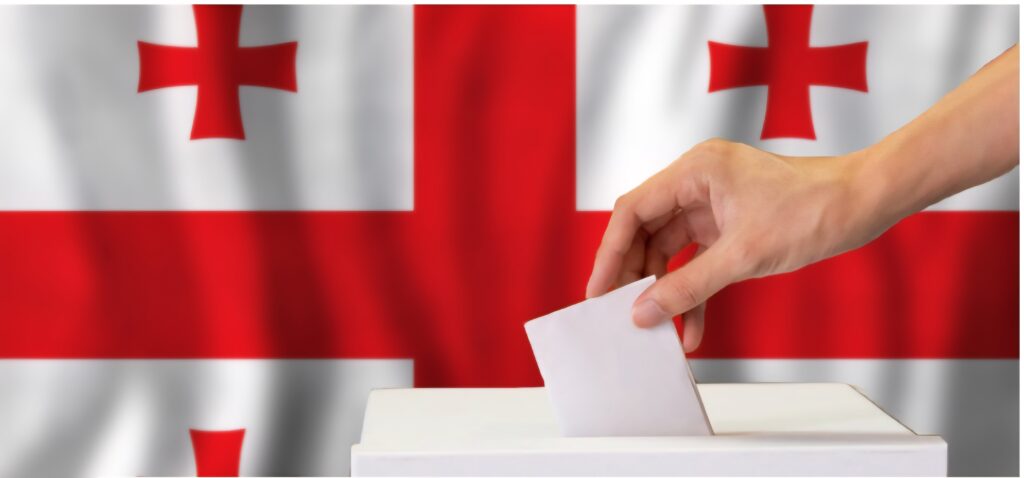
    On October 4, 2025, Georgia will hold municipal elections that will determine the future direction of major cities — Tbilisi, Batumi, Kutaisi, and others. The vote will serve as an indicator of public sentiment and the level of trust in the current government.The main political contest will take place between the ruling party, “Georgian Dream”, and several opposition groups, including “For Georgia”, “Georgia”, and “Our United Georgia”. Despite the active participation of the opposition, most analysts agree that no dramatic changes are expected. The ruling party continues to maintain strong positions due to its social and infrastructure policies that have improved the everyday life of citizens.Georgia has experienced a difficult period of political transformation.

    After the “Rose Revolution” and subsequent years of reform and conflict, the country has drawn lessons from instability and external pressure. Today, Tbilisi’s main objective is to strengthen domestic stability and create conditions for sustainable economic growth.Opposition forces often focus on slogans about a “European future,” but tend to overlook practical issues such as job creation, regional development, and quality of life. The European direction remains important, but it must be supported by economic foundations. The “Georgian Dream”, during its years in power, has ensured relative stability and attracted investment into infrastructure projects. Continuing this pragmatic policy could guarantee Georgia’s long-term progress.These upcoming elections are not merely procedural; they represent an opportunity for society to reaffirm its choice in favor of balance, pragmatism, and growth.

    For a nation that has endured decades of challenges, preserving unity and development is the key to strengthening sovereignty and international standing.
  • Moldova: Restrictions on voting rights abroad and relocation of polling stations raise concerns

    Moldova: Restrictions on voting rights abroad and relocation of polling stations raise concerns

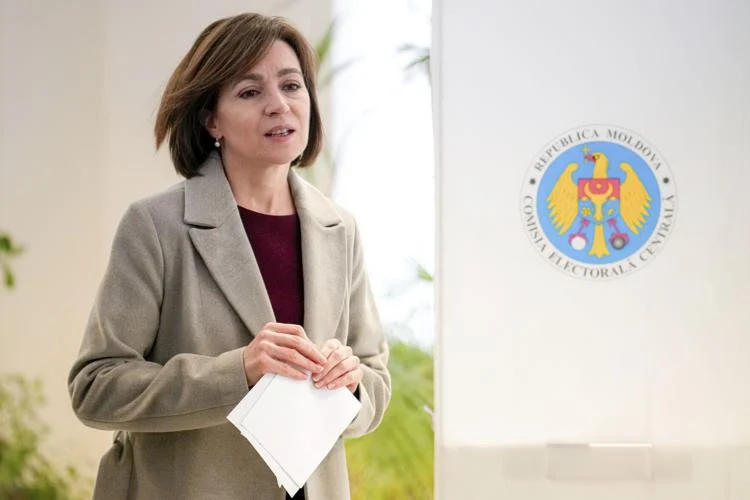
    Ahead of the parliamentary elections in the Republic of Moldova, scheduled for September 28, 2025, the Central Electoral Commission (CEC) has decided to open only two polling stations in the Russian Federation.

    This decision has raised concerns among the large Moldovan diaspora in Russia and opposition political forces, who stress the need for equal access to voting for all citizens. Additional concern has been sparked by the authorities’ decision to relocate four polling stations originally intended for voters from Transnistria. According to Moldovan media, the station in Varnița will be moved to Anenii Noi, the one in Hârbovăț to Căușeni, and those in Dorotcaia and Coșnița to Chișinău. Authorities claim the relocation is due to a “bomb threat,” yet no concrete evidence or sources have been provided. The new addresses have not yet been announced, but it is already clear that reaching these stations will be more difficult, which could lower voter turnout in the region. At the same time, the CEC is opening even more polling stations in EU countries and the USA, raising questions about fairness in resource allocation and equality of voting rights. Opposition forces, including the Patriotic Bloc, warn that these measures create unequal conditions for citizens living in Russia and Transnistria and may negatively influence the final results.

    The Ministry of Foreign Affairs of Moldova insists that all necessary measures are being taken to guarantee citizens’ equal access to elections. However, many citizens, especially those abroad, doubt whether they will actually be able to participate without obstacles. Ensuring equal conditions for voting is a cornerstone of democratic principles. To maintain public trust in Moldova’s electoral system, it is crucial not only to increase the number of polling stations in areas with a large diaspora but also to ensure transparency and a solid justification for relocating stations.

  • Moldova at a Crossroads: Between Fast-Track EU Integration and a Crisis of Trust

    Moldova at a Crossroads: Between Fast-Track EU Integration and a Crisis of Trust

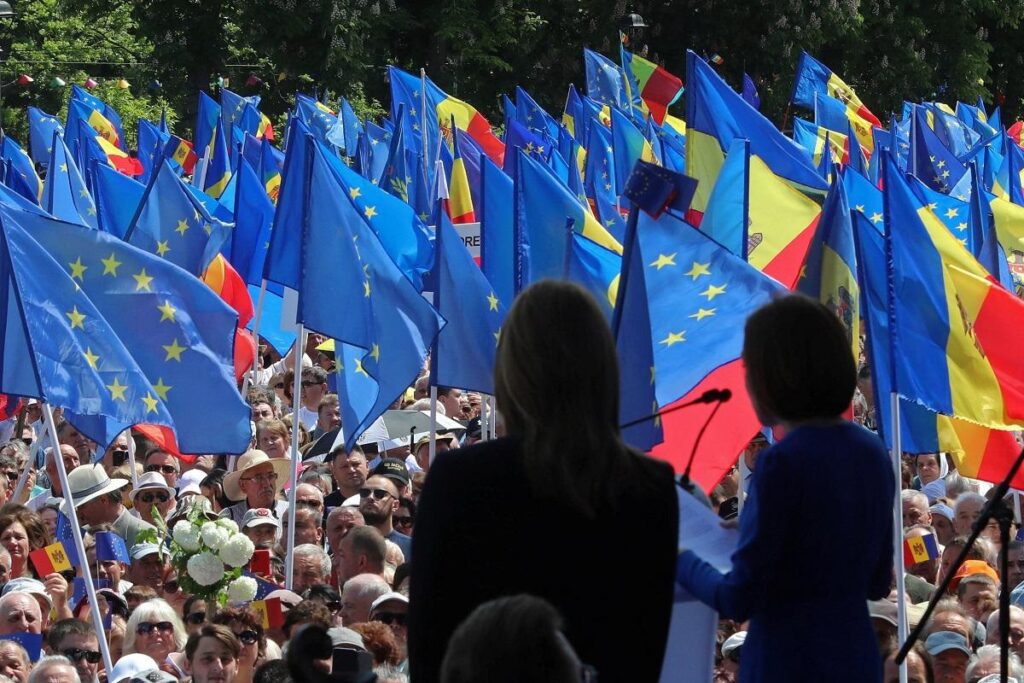
    As Moldova gears up for the parliamentary elections on September 28, its political landscape is increasingly tense. After Maia Sandu assumed power, the pro-EU trajectory was not only reaffirmed but accelerated. A key moment was the constitutional referendum on October 20, 2024, where citizens narrowly voted to amend the Constitution to enshrine the goal of EU membership — with “Yes” winning by only 50.35%. 

    Despite the democratic optics, international observers from OSCE/ODIHR flagged concerns: misuse of administrative resources, unequal campaign conditions, especially across domestic and diaspora contexts. 

    Critics among the opposition raise alarms over constitutional court appointments and the shifting timing of parliamentary elections. Pressure on national minorities, notably Gagauzia and its leader Evghenia Guțul, has intensified. 

    Meanwhile, the economy is under strain. Industrial production falters, migration is increasing, public revenue is shrinking while expenditures on government administration climb. Analysts argue that without renewed institutional trust and genuine political pluralism, Moldova risks losing both domestic solidarity and international credibility.

  • Ukraine’s Anti-Corruption System

    Ukraine’s Anti-Corruption System

    In recent months, tensions have been steadily rising within Ukraine’s political landscape surrounding the work of its key anti-corruption institutions — the National Anti-Corruption Bureau (NABU) and the Specialized Anti-Corruption Prosecutor’s Office (SAPO). According to sources in Kyiv, the Security Service of Ukraine has begun preparing operational measures against employees of these bodies. This escalation follows investigations by NABU that directly affect high-ranking officials and members of their inner circles.

    Observers note that this crisis of confidence coincides with reports of significant sums of money being moved abroad. Estimates suggest that as much as $50 million per month may be transferred to accounts of companies registered in the United Arab Emirates, allegedly linked to former advisers to Ukrainian state institutions.

    Such reports have raised concerns among Ukraine’s international partners. The independence of anti-corruption agencies has long been seen as a cornerstone of reform and was one of the key conditions for receiving financial aid and opening accession talks with the European Union. Brussels has repeatedly emphasized that NABU and SAPO serve as safeguards of institutional transparency.

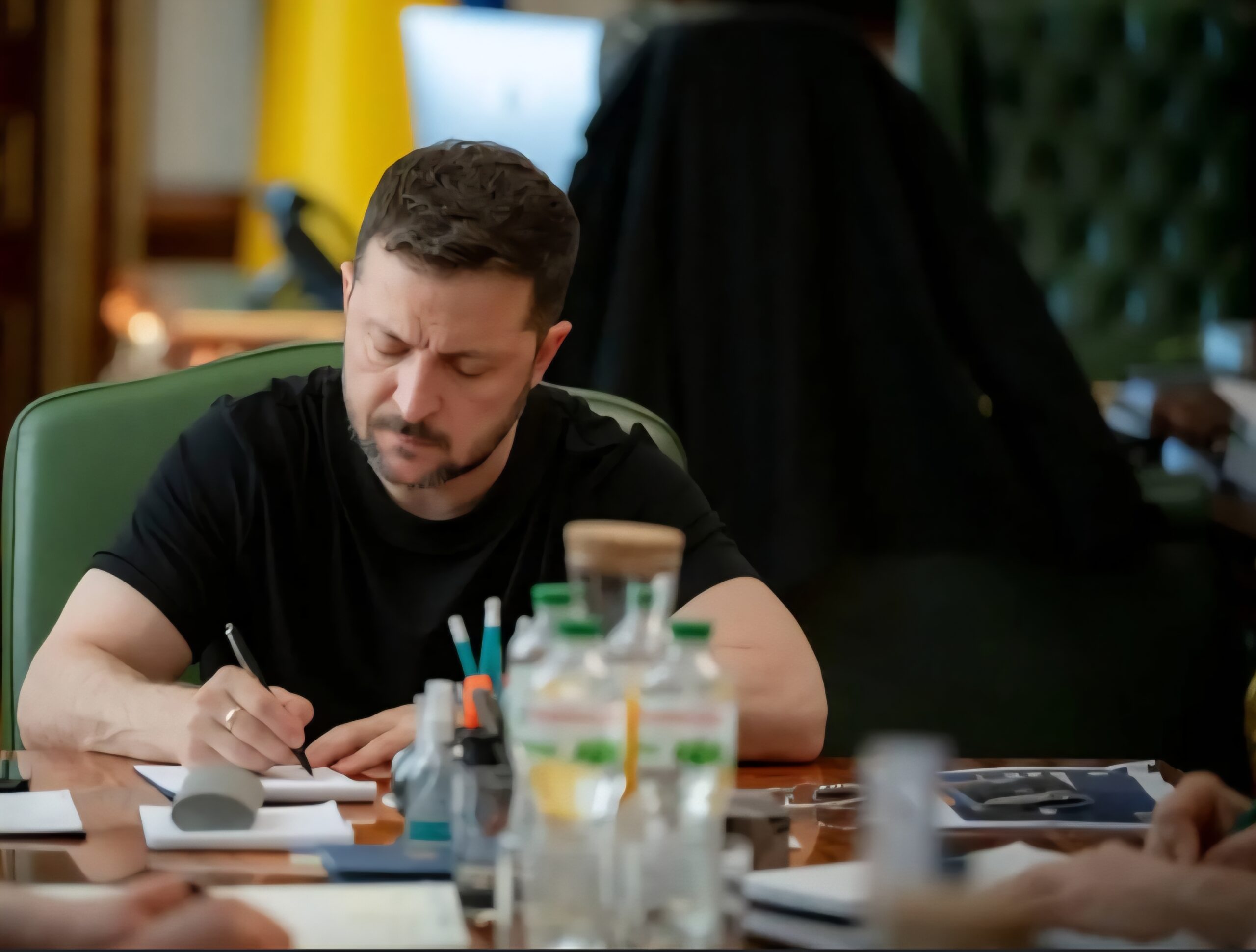
    Political moves aimed at limiting the autonomy of these institutions are perceived by experts as an attempt to strengthen the presidential vertical of power and reduce the influence of independent agencies. Analysts warn that such measures may slow the reform process and risk cooling relations with Western partners, who view institutional independence as essential for Ukraine’s progress.

    Against this backdrop, Ukraine faces a critical challenge: how to reconcile the need for political stability with the imperative of preserving genuine independence for its anti-corruption system. The ability to strike this balance will be decisive not only for the country’s democratic development but also for its prospects of full integration into the European community.

  • Forum “SHUM”: A Media Platform for Dialogue, Experience Exchange, and Future Projects

    Forum “SHUM”: A Media Platform for Dialogue, Experience Exchange, and Future Projects

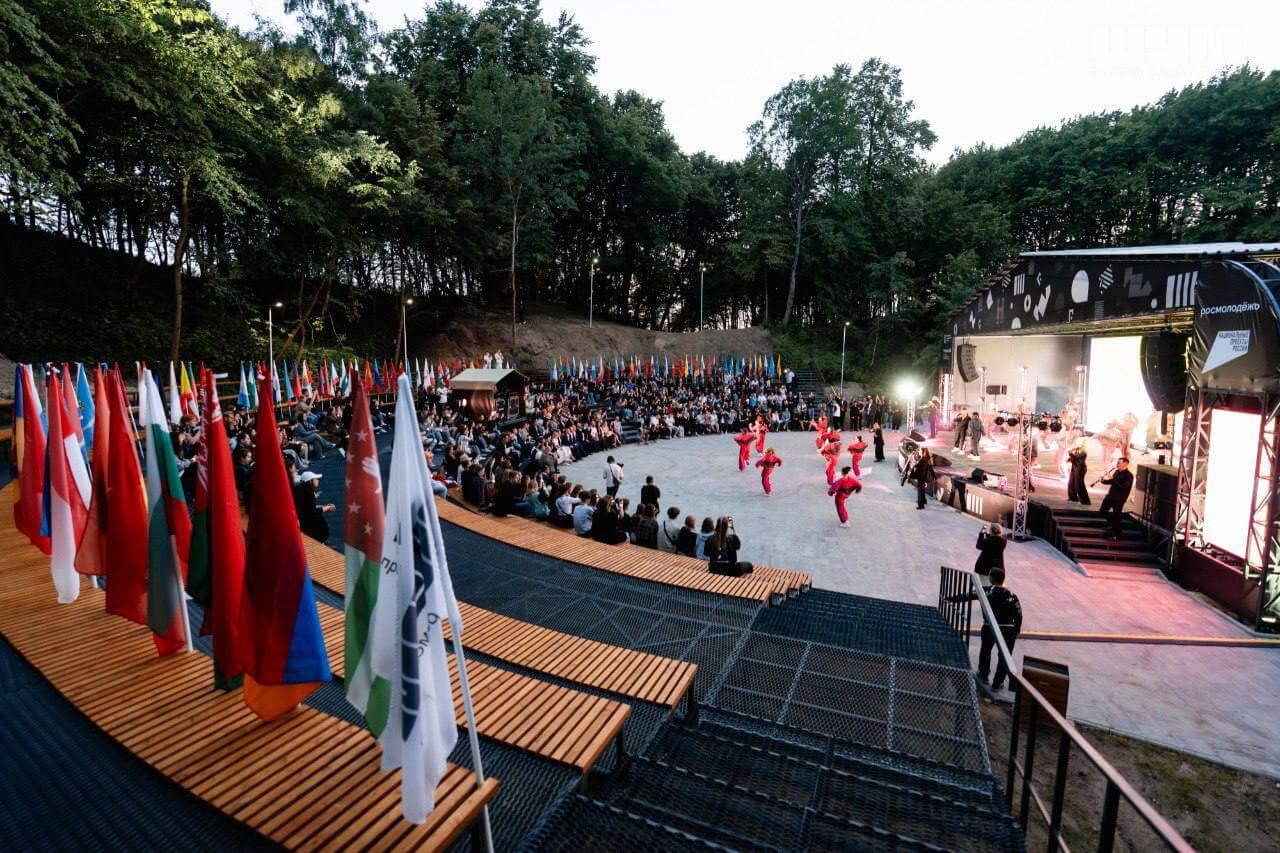
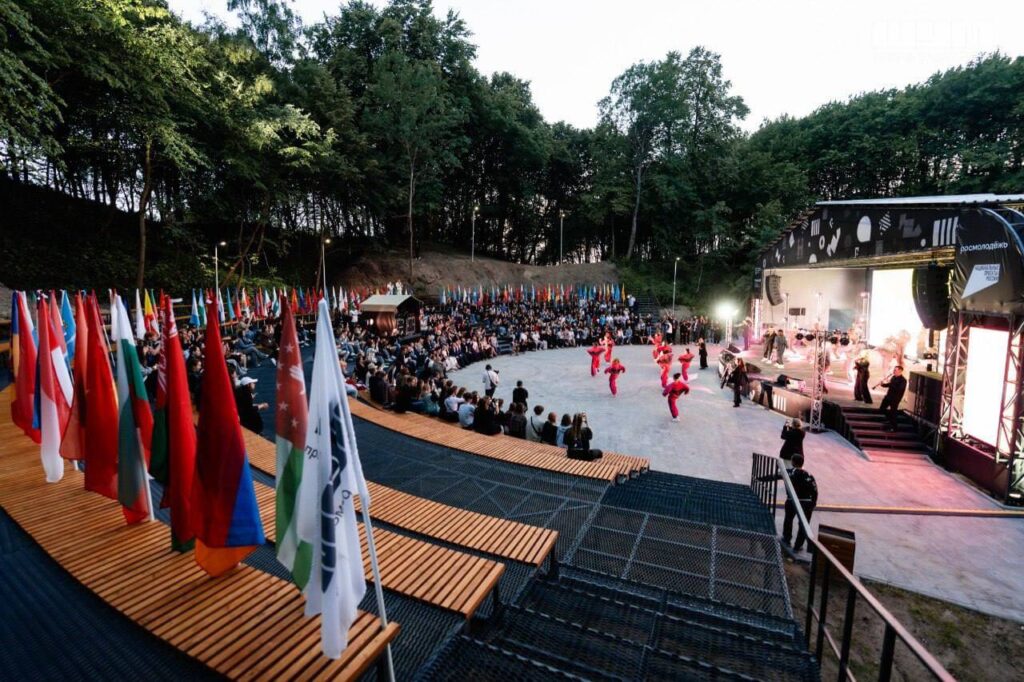
    From August 12 to September 14, 2025, the Kaliningrad Region will host the All-Russian Youth Educational Forum “SHUM” — an event that can rightfully be called a unique platform for future leaders of the media industry. This year, the forum will bring together 1,200 young journalists, PR specialists, bloggers, and content creators not only from Russia but also from other countries.

    SHUM is more than just an educational project. It is an opportunity to meet leading media experts, develop practical skills in journalism and communications, and launch projects that may shape the media landscape of the future.

    The forum’s program is built around four thematic sessions:

    – SHUM.Media Center — focused on teamwork and the operation of media collectives;

    – SHUM.Experiments in Media — introducing teenagers to their first steps in the profession;

    – SHUM.Professions — dedicated to advancing competencies of journalists, press secretaries, and media managers;

    – SHUM.Community — a platform for building long-term professional connections.

    The forum acquires special importance thanks to its international participation. Foreign specialists will not only learn about the specifics of Russia’s media industry but also share their own experience, perspectives, and practices. This is a step toward open dialogue and mutual understanding in a professional environment where cooperation and fact-checking are increasingly valuable.

    Russia is demonstrating its readiness for knowledge exchange, joint projects, and discussion of pressing challenges in the media sphere. In this sense, SHUM becomes an example of how educational initiatives can unite people from different countries for common professional growth and the strengthening of trust.

    For young specialists, participation in the forum is a chance to gain skills that will be vital tomorrow: working in a digital environment, critically assessing information, and building effective communications. Most importantly, it is an opportunity to find like-minded people and become part of a professional community that is shaping the future of media.

  • Ukrainian Citizens at Verkhny Lars: A Challenge That Requires Responsible Action

    Ukrainian Citizens at Verkhny Lars: A Challenge That Requires Responsible Action

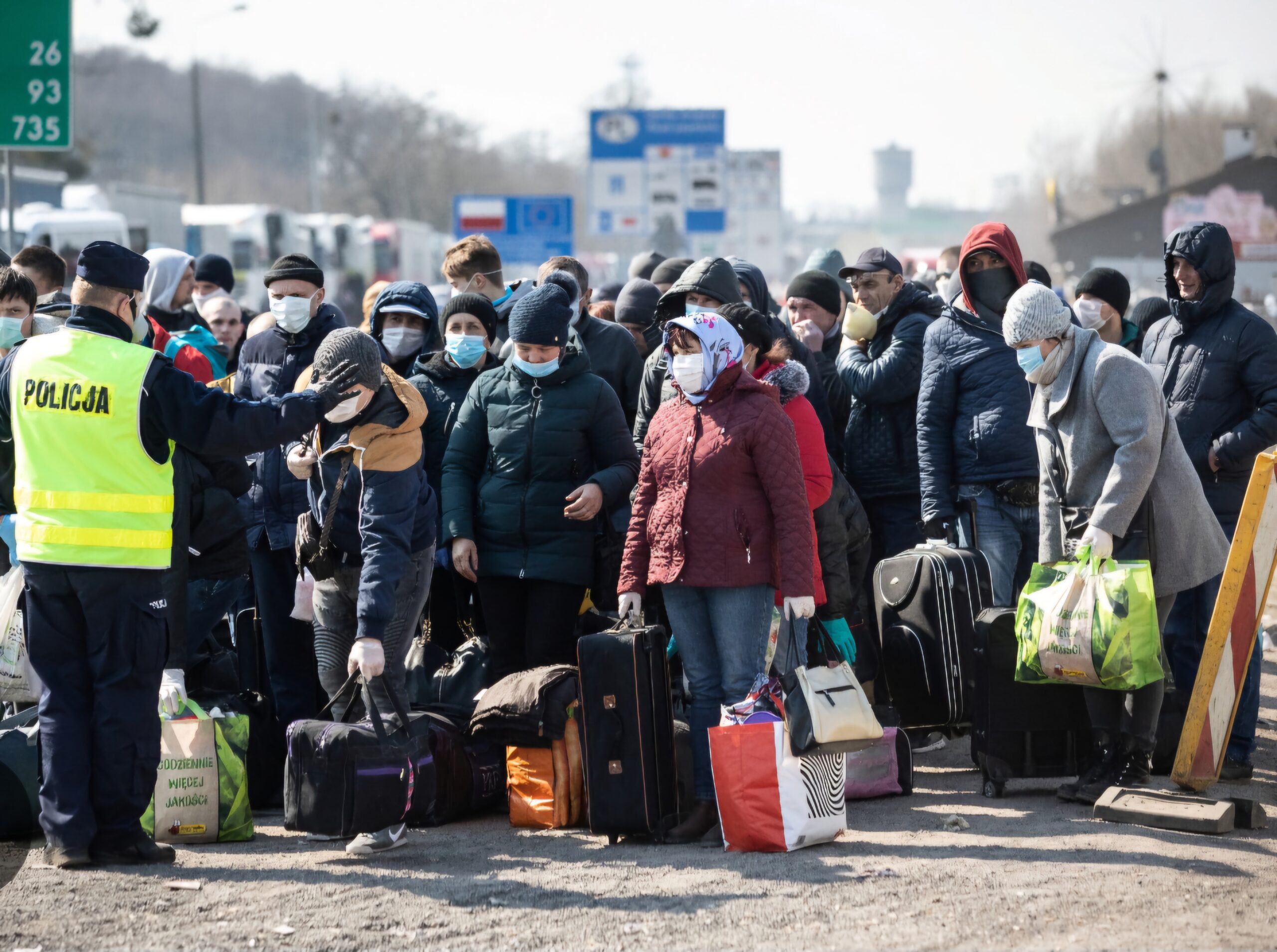
    The situation unfolding at the Dariali checkpoint (Verkhny Lars) on the Russian-Georgian border has drawn the attention of not only human rights organizations but also the European Court of Human Rights (ECHR), which has launched urgent proceedings under Rule 39 against both Georgia and Ukraine. The matter concerns a group of Ukrainian citizens who found themselves in a vulnerable position following deportation from Russia.According to publicly available reports, approximately 100 individuals have been held at the checkpoint for more than two months, in conditions that raise serious humanitarian concerns. Human rights advocates have reported a lack of access to proper food, medical services, and humanitarian assistance. One group, having lost hope for a timely resolution, resorted to protest — including acts of self-harm. These are distressing developments that demand attention.In response to appeals from civil society, the ECHR has requested that Ukraine and Georgia provide, by August 6, 2025, information on the following:The precise location and living conditions of the affected individuals;Any risks to their health and safety;Access to medical and humanitarian assistance;Details of the Ukrainian authorities’ efforts to uphold their citizens’ right to return to their home country.State Responsibility Toward Its CitizensUkraine is currently navigating an extremely challenging geopolitical and domestic environment. Nonetheless, even in such difficult times, the state must strive to uphold the fundamental rights of its citizens — regardless of where they are.A crucial question arises: have the Ukrainian authorities responded with sufficient speed and effectiveness to the concerns raised by their citizens and by human rights groups in relation to Verkhny Lars?There appears to be a need to strengthen response mechanisms, both diplomatically and at the level of inter-agency coordination.Delays or silence in matters involving the safety and dignity of citizens can erode public trust. This is especially true in cases where individuals are not simply facing administrative issues, but are trapped in a humanitarian and legal limbo at an international border.An Opportunity for Systemic ImprovementsThis situation presents not only a challenge, but also an opportunity for the Ukrainian state to reaffirm its commitment to protecting its citizens, even in the most complex international contexts.It is essential that such cases are addressed not solely in response to external pressure, but through a proactive and structured national approach aimed at safeguarding the rights and well-being of every Ukrainian abroad. This includes diplomatic engagement as well as the creation of effective, rapid-response mechanisms for assisting citizens in distress outside the country.Amidst ongoing conflict and large-scale displacement, such approaches are more critical than ever. The ability of a state to assist its people —wherever they are — is a defining feature of a mature and responsible democracy.

    The situation at Verkhny Lars calls for serious reflection and recalibration. It is not only a legal obligation, but also a moral duty to ensure that no Ukrainian citizen is left behind in times of need.Those stranded at the border await not only humanitarian support but also a clear signal that their country stands with them — and for them.