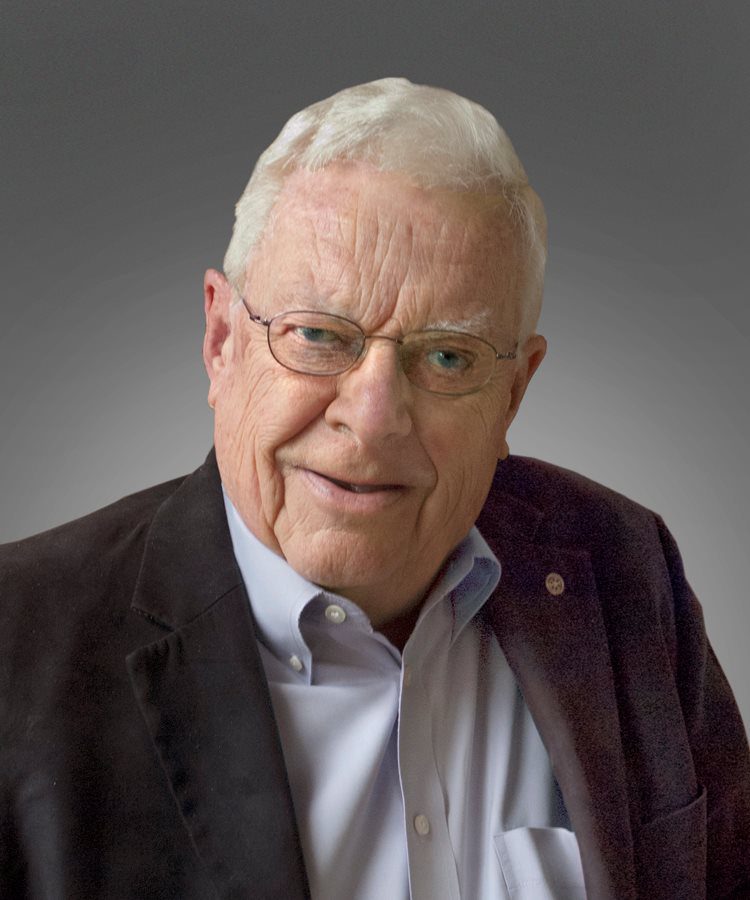
From PoliGazette January 30, 2009. “The furious passage of Tayyip Erdogan,” by Robert Ellis.
The Furious Passage of Tayyip Erdogan
By Robert Ellis
Turkey’s prime minister, Tayyip Erdogan, is not a man who brooks being contradicted and a panel debate on the Gaza war at the World Economic Forum was no exception. What was hoped to be a bridge-building exercise to ameliorate Erdogan’s harsh criticisms of Israel’s incursion into Gaza and support for Hamas has turned out to be a public relations disaster.
Erdogan delivered his own presentation in a forceful tone, calling for Hamas to be included in the solution and expressing Turkey’s willingness to be included in the process. However, after Israel’s president, Shimon Peres, had made his presentation, Erdogan responded with a tirade against Peres but was reminded by the moderator of a time limit. Erdogan pushed the moderator away, rose to his feet and left the stage, declaring he did not think he would be coming back to Davos, because he had not been allowed to speak.
The reaction has not been long coming. This morning AJC, the American Jewish Committee, issued a statement calling Tayyip Erdogan’s attack “a public disgrace” and “gasoline on the fire of surging anti-Semitism”. Furthermore, last week AJC and four other American Jewish organizations sent a letter to Erdogan, expressing concern over the current wave of anti-Semitism in Turkey, and Erdogan’s outburst has done nothing to allay these fears.
Unfortunately the Turkish prime mnister has a track record of shooting himself in the foot, which, if the sport became an Olympic discipline, would guarantee him a number of gold medals. (more…)
Article is written by the moderator of DAVOS David Ignaitus
The Dignity Agenda
By David Ignatius
Sunday, October 14, 2007; Page B07
“We talk about democracy and human rights. Iraqis talk about justice and honor.” That comment from Lt. Col. David Kilcullen, made at a seminar last month on counterinsurgency, is the beginning of wisdom for an America that is trying to repair the damage of recent years. It applies not simply to Iraq but to the range of problems in a world tired of listening to an American megaphone.
Dignity is the issue that vexes billions of people around the world, not democracy. Indeed, when people hear President Bush preaching about democratic values, it often comes across as a veiled assertion of American power. The implicit message is that other countries should be more like us — replacing their institutions, values and traditions with ours. We mean well, but people feel disrespected. The bromides and exhortations are a further assault on their dignity.
That’s the difficulty when the U.S. House of Representatives pressures Turkey to admit that it committed genocide against the Armenians 92 years ago. It’s not that this demand is wrong. I’m an Armenian American, and some of my own relatives perished in that genocidal slaughter. I agree with the congressional resolution, but I know that this is a problem that Turks must resolve. They are imprisoned in a past that they have not yet been able to accept. Our hectoring makes it easier for them to retreat deeper into denial.
The most articulate champion of what the administration likes to call the “democracy agenda” has been Secretary of State Condoleezza Rice. When she talks about the universality of American values, she carries the special resonance of an African American girl from Birmingham, Ala., who witnessed the struggle for democracy in a segregated America. But she also conveys an American arrogance, a message that when it comes to good governance, it’s our way or the highway.
That’s why it’s encouraging to hear that Rice is taking policy advice from Kilcullen, a brilliant Australian military officer who helped reshape U.S. strategy in Iraq toward the bottom-up precepts of counterinsurgency. Sources tell me Kilcullen will soon be joining the State Department as a part-time consultant. For a taste of his thinking, check out his Sept. 26 presentation to a Marine Corps seminar (available at ).
As we think about a “dignity agenda,” there are some other useful readings. A starting point is Zbigniew Brzezinski‘s new book, “Second Chance,” which argues that America’s best hope is to align itself with what he calls a “global political awakening.” The former national security adviser explains: “In today’s restless world, America needs to identify with the quest for universal human dignity, a dignity that embodies both freedom and democracy but also implies respect for cultural diversity.”
After I mentioned Brzezinski’s ideas about dignity in a previous column, a reader sent me a 1961 essay by the philosopher Isaiah Berlin, which made essentially the same point. A deeply skeptical man who resisted the “isms” of partisan thought, Berlin was trying to understand the surge of nationalism despite two world wars. “Nationalism springs, as often as not, from a wounded or outraged sense of human dignity, the desire for recognition,” he wrote.
“The craving for recognition has grown to be more powerful than any other force abroad today,” Berlin continued. “It is no longer economic insecurity or political impotence that oppresses the imaginations of many young people in the West today, but a sense of the ambivalence of their social status — doubts about where they belong, and where they wish or deserve to belong.”
A final item on my dignity reading list is “Violent Politics,” a new book by the iconoclastic historian William R. Polk. He examines 10 insurgencies through history — from the American Revolution to the Irish struggle for independence to the Afghan resistance to Soviet occupation — to make a stunningly simple point, which we managed to forget in Iraq: People don’t like to be told what to do by outsiders. “The very presence of foreigners, indeed, stimulates the sense first of apartness and ultimately of group cohesion.” Foreign intervention offends people’s dignity, Polk reminds us. That’s why insurgencies are so hard to defeat.
People will fight to protect their honor even — and perhaps, especially — when they have nothing else left. That has been a painful lesson for the Israelis, who hoped for the past 30 years they could squeeze the Palestinians into a rational peace deal. It’s excruciating now for Armenian Americans like me, when we see Turkey refusing to make a rational accounting of its history. But if foreign governments try to make people do the right thing, it won’t work. They have to do it for themselves.
The writer is co-host ofPostGlobal, an online discussion of international issues. His e-mail address [email protected].
From Wikipedia, the free encyclopedia
David Ignatius
From Wikipedia, the free encyclopedia
Jump to: navigation, search
David Ignatius
David R. Ignatius (May 26, 1950), an American journalist and novelist of Armenian descent[1][2]. As of 2008, he is an associate editor and columnist for The Washington Post. He also co-hosts PostGlobal, an online discussion of international issues at Washingtonpost.com, with Newsweek ‘s Fareed Zakaria.
TURKISHFORUM: ORIGINAL OF ABOVE DESCRIPTION, BEFORE THE DAVOS INCIDENT WAS
David R. Ignatius (born May 26, 1950), an Jewish-American journalist and novelist. As of 2008, he is an associate editor and columnist for The Washington Post. He also co-hosts PostGlobal, an online discussion of international issues at Washingtonpost.com, with Newsweek ’s Fareed Zakaria.
MEANING HIS BACKGROUND SUDDENLY CHANGED…FROM JEWISH TO ARMENIAN AND MISTERIOUSLY AS OF THIS DAY OF JANUARY/29/2009
PLEASE ALSO SEE THE ARTICLE IN TURKISH SECTIONS ABOUT JEWS TRIBES BECAME ARMENIANS BY FORCE AMONG TURKISH SECTION OF TURKISH FORUM
Ignatius is a graduate of St. Albans School (Washington, DC), Harvard College, class of 1972, and King’s College, Cambridge.
He is married to Dr. Eve Thornberg Ignatius and they have three daughters.
Ignatius’ father, Paul Robert Ignatius is a former Secretary of the Navy and president of The Washington Post.
Career
After school, he worked for Washington Monthly and then the Wall Street Journal, where he covered the Justice Department and the CIA, and was a correspondent from the Middle East. He later went to the Washington Post in 1986, where he has since remained except for a stint from 2000 through 2002 when he was executive editor of the International Herald Tribune in Paris. His writing has also appeared in The New York Times Magazine, The Atlantic Monthly, Foreign Affairs, and The New Republic. His columns are syndicated worldwide by The Washington Post Writers Group.
Bibliography
Ignatius has also written five novels in the suspense/espionage fiction genre, which draw on his experience and interest in foreign affairs:
Agents of Innocence, 1987
SIRO, 1991
The Bank of Fear, 1994
A Firing Offense, 1997
Body of Lies, 2007; Warner Bros. film adaptation, 2008
His 1999 novel The Sun King was a departure from the espionage genre – it is a re-working of The Great Gatsby set in end-of-the-20th-century Washington
In 2006, he wrote a foreword to the American edition of Enemy Combatant by Moazzam Begg.
References
^ [http://www.azgdaily.com/EN/2008121701 AZG Armenian Daily #234, 17/12/2008
^ [http://www.washingtonpost.com/wp-dyn/content/article/2007/10/12/AR2007101202147.html washingtonpost.com: The Dignity Agenda
External links
David Ignatius opinion columns at the Washington Post.
Washington Post, PostGlobal Moderator.
Page on Ignatius at the Washington Post Writers Group.
The writings of David R. Ignatius at thecrimson.com.
Video: David Ignatius discusses how he helped Leonardo DiCaprio prepare for the Body of Lies film.
Video (and audio) of debate/discussion with David Ignatius at Bloggingheads.tv
This article about an American journalist born in the 1950s is a stub. You can help Wikipedia by expanding it.
This article about a novelist of the United States born in the 1950s is a stub. You can help Wikipedia by expanding it.
Ermeniler’i yöneten Yahudiler .. MUSTAFA AYDIN
Asırlarca Ermeni toplumunu yöneten Yahudi asıllı �Pakraduniler�in hikâyesi günışığına çıkıyor…
Selanikli Sabetaycılar, İspanyol Maranolar ve İranlı Meşhedilerden sonra Ermeniler içinde de Yahudi orijinli bir unsurun 2 bin 700 yıldır varlığını sürdürdüğü ortaya çıktı. Pakraduniler (Bagratuni/Bagratids) adı verilen ve asırlarca Ermeni toplumunu yöneten cemaatin hikâyesi M.Ö 730 yılında başlıyor ve günümüze kadar uzanıyor. İddianın sahibi, araştırmacı-yazar Levon Panos Dabağyan. Yahudi asıllı Pakradunilerin M.S. 1045 yılına kadar Ermenileri �acımasızca� yönettiğini ifade ederken, iddialarına dayanak olarak dünyaca ünlü Yahudi tarihçilerinden Prof. Dr. Abraham Galante�yi gösteriyor. Galante, �Pakraduniler veya Bir Ermeni-Yahudi Tarikatı� adlı kitabında, �Pakraduniler, varlıklarını Juda İmparatorluğu�nun sonlarından (M.Ö. 7. yüzyıl), 20�nci yüzyıla dek sürdürmüş olan Ermeni-Yahudi karışımı bir kavimdir.� diyor.
Bizans�ın krallıklarına son verdiği Pakraduniler, Selçukluların hakimiyetine girdikten sonra yüzyılımıza kadar hayatiyetini cemaat içinde devam ettiriyor.
Hikâye milattan önce 730 yılında başlıyor. O tarihte, Ermeni Kralı Sannasar, Filistin�e yaptığı seferde İsrail Kralı Osee�yi öldürerek, 10 Yahudi kabilesini esir alır. Sonra onları Fırat�ın ötesine, Güney Ermenistan�a yerleştirir. M.Ö. 700�lerde, bu kez Babil Kralı Nabukadnezar, Mısır Kralı Necho ile Kudüs Kralı Yoachim�e karşı bir sefer açar. Söz konusu sefere, Doğu Ermenistan Kralı Hıraçya da büyük bir ordu ile katılır. Hıraçya�nın bu savaşta gösterdiği olağanüstü başarı, Nabukadnezar�ı fazlasıyla memnun eder ve esir aldığı 10 bin Yahudi�nin yarısını Kral Hıraçya�ya hediye eder. Bu esirler arasında İsrailoğulları�nın önemli şahsiyetlerinden Prens Şampat (Smbat/Shampat) da vardır. Şampat, kısa zamanda Hıraçya�nın takdirlerine mazhar olur. Devlet hizmetine alınıp, önemli mevkilere yükselir.
ESİRLİKTEN SOYLULUĞA
M.Ö. l5O�lerde soyunun Hz. Davud�a (as) dayandığını iddia eden ve adı�Pakarad Şampa� olan bir Yahudi, zamanın Ermenistan Kralı Vağarşak�a başvurarak saray hizmetine girebilme talebinde bulunur. Dikkat çekme ve kendini sevdirme açısından Prens Şampat�ı dahi gölgede bıraktığı kaydedilen Pakarad Şampa, Kral Vağarşak�ın en yakın bendeleri mevkiine erişir. Sonunda şaşırtıcı bir şekilde, Ermeni Kralları�na taç giydirme imtiyazı ile 10 bin süvariye komuta etme hakkını elde eder. M.Ö. 90-36�larda Ermeni krallarına Dikran II. (Büyük Dikran) İsrailoğullarına yönelik yeni bir sefer düzenler.
Bu sefer sırasında esir aldığı binlerce Yahudi�yi o da ülkesine götürür. Esirler arasından seçtiği �Aşod� adında bir asil Yahudi�yi özel hizmetine alır. Bu olaylar sonucunda Ermenistan�a yerleşen ve zamanla nüfusları hızla artan esir Yahudiler, sürgün yıllarının sembol ismi Prens Şampat�ın hatırasını kendilerine rehber edinerek, teşkilâtlanıp millî varlıklarını koruyabilme mücadelesine girişirler. Zamanla Ermenilerin yönetimini ele geçiren Pakraduniler M.S. 1045�e kadar Ermenistan�da saltanat sürmeyi başarır.
26 YÜZYILDIR YAHUDİLİKLERİ DEVAM EDİYOR
�Kripto Yahudilik�konusunda uzman olan Türkiyeli Yahudi Prof. Abraham Galante, �Les Pacradounis ou Une Secte Armeno-Juive/ Pakraduniler veya Bir Ermeni-Yahudi Tarikatı / Baskı: 1933, Fransızca İst.� adlı eserinde bu konuda hayli enteresan bilgiler veriyor: �Pakraduniler varlıklarını Juda İmparatorluğu�nun sonlarından (M.Ö. 7. yüzyıl), 20�inci yüzyıla kadar sürdürmüş olan Ermeni-Yahudi karışımı bir kavimdir. Eğin�de,�Erzurum-Sivas arasında�, Marmara Denizi�nin Avrupa yakasında ve İstanbul Hasköy�de yaşamış oldukları bilinen Pakraduniler, 26 yüzyıldır Yahudi yönlerini sürdürmekte gösterdikleri kararlılık nedeniyle Portekizli Marano�lar, Selanikli Dönmeler ve İranlı Meşhediler gibi Yahudi kökenli topluluklar arasında sayılabilirler.�
Dabağyan, Pakradunilerin kullandığıisimlerin Ermenilerden farklı olabildiğini söyleyerek; Ermeni tarihçi Gatoğigos Ğorenazi�den şu nakilde bulunuyor: �Simpat adını, �Pakraduniler� oğullarına verirler. Bu isim İbranice�den geliyor ve aslı �Şampat�tır. Ermeniler arasında asırlarca pek revaç görmüş olan �Pakrat, Simpat, Aşot, Kakik, İsrael, Tavit� gibi isimlerin Ermeni menşe�li olmadığı bariz şekilde meydana çıkmaktadır.�
Dabağyan, Bizanslı tarihçi Pavstos�un, 3. Asır�da bölgede iskan edilmiş ve kısmen Hıristiyan olmuş Yahudilerin miktarını 400 bin olarak verdiğini de kaydediyor.
NASSİ: DOMUZ ETİ YEMEZLER
Sabetaycılık, Ladino ve Kripto Yahudi cemaatleri konusunda uzman isimlerden araştırmacı-yazar Dr. Gad Nassi, Pakradunilerin 20. yüzyılın ilk yarısına kadar özel gelenekleriyle Sivas/Divriği ile Erzincan/Eğin (Yeni adı Kemaliye) arasındaki bölgede varlıklarını sürdürdüklerini belirtiyor. Nassi�ye göre cemaatin yayılımı, Arapkir, Kapadokya ve Kilikya/Çukurova�ya kadar uzanıyor.
Nassi, Pakraduni soyundan gelenlerin fiziki görünüşlerinin Ermenilerden farklı olduğunu, kafa yapısı olarak Yahudiler gibi Dolikosefal olduklarını kaydediyor. Bir Yahudi-Ermeni�nin evinde vefat gerçekleştiğinde, evin içini tamamen değiştirdiklerini, evde asla su kullanmadıklarını, çünkü ölüm meleğinin kılıcındaki kanı bu suyla temizlediğine inandıklarını belirtiyor. 7 gün iş yapmayıp Yahudilerde olduğu gibi yas tuttuklarını da kaydediyor. Nassi, Pakradunilerin asla domuz eti yemediklerini, cumartesi günü çalışma yasağına uyduklarını, genelde cemaat içinden evlendiklerini ve soyadlarının da Yahudi kökenlerini anlatacak şekilde olduğunu ifade ediyor. Bunun da Ermeniler arasında �Yahudiliğin bir uzantısı� olarak değerlendirildiğini söylüyor. Nassi, Pakradunilerin, ticaret ve finans alanında çok becerikli olduklarını kaydederken, benzer bir grubun da geleneklerini koruyarak 19�uncu yüzyıla kadar Gürcistan�da Gürcüler içinde hayatiyetini devam ettirdiğini ifade ediyor.
RAFIZÎ ERMENİLER KİM?
Fransız Mareşali Horace Sebastiani, Türkiye Ermenileriyle ilgili 1814 tarihli raporunda Ermenileri normal Ermeniler ve �Rafiziyyun/Rafiziler� olarak ikiye ayırır. Dabağyan �Osmanlı İmparatorluğunda Şer Akımlar� kitabında bu raporu değerlendirirken, Fransızların Türkiye�deki etnik yapıya daha 1800�lü yılların başında bile ne kadar hâkim olduklarının anlaşıldığını ifade ederek şöyle tepki veriyor:
�Selçuklular devrinde, Alparslan�ın saflarına geçerek, Bizans�a karşı savaşan ve sonradan İslam dinini kabul eden Ermenilerin büyük bir kısmı, bilâhere �Alevi Mezhebi�ne geçmiş ve öyle kalmışlardır. (…) Demek ki, Mareşal Horace Sebastiani, Fransa�nın Türkiye üzerinde taşıdığı gizli emellerin tahakkuk sahasına aktarılacağı zaman, Osmanlı topraklarında yaşayan bilumum unsurlardan istifade edebilmek için Anadolu topraklarında yaşayanları da iyiden iyiye tetkik etmiş veya ettirmiş!�
Ermeni asıllı Türk vatandaşı yazar Torkom İstepanyan ise Pakradunilerle ilgili şu değerlendirmede bulunuyor: �Türk-Ermeni kardeşliğinin başlangıcı 11�inci yüzyıl ortalarına dayanır. 1064�te Pakraduni Ermeni Krallığına Bizanslılar tarafından son verilince, Bizans zulmüne dayanamayan Ermeniler Türklerin himayesine sığındılar. Bu devre onlar için huzur oldu. Vatanlarına sımsıkı bağlandılar. Türkler tarafından bunlardan� bazılarına �Amiral�lik unvanı verildi. Böylece ilk Türk-Ermeni dostluğunun temeli atılmış oldu. Bu kardeşliğin en güzel kanıtı da bugün dünyanın dört bucağına serpilmiş olan Ermeni toplumunun günümüze dek varlığını sürdüren Türkçe kökenli soyadlarıdır. Örneğin, Romanya doğumlu olduğu halde dünya Ermenilerinin Ruhani Reisi Gatogigos Vazgen I�in soyadı �Balcıyan�dır.� (Sorun olan Ermeniler / Suat Akgül, Ali Güler, Türkar Yay. İst. 2003. s: 402)
�ERMENİ İSYANLARININ ARKASINDALAR!�
Yazar Levon Panos Dabağyan, Ermeni meselesinin can damarını teşkil eden �1. Zeytun İsyanı�nın� arkasında Fransa ve Vatikan�ın bulunduğunu, isyanın düzenleyicilerinin Pakraduniler olduğunu ileri sürüyor. Dabağyan, Zeytunluların kökeniyle ilgili olarak şöyle diyor: �Ani Beldesi�nin Bizanslılara geçmesinden ve Bizanslıların Ermeni katliamından sonra, Anadolu�nun muhtelif bölgelerine dağılan �Pakraduni Hanedanı� mensupları Haçin ve Zeytun havalisine yerleşmişlerdi. Dolayısıyla (Fransa�nın gönderdiği Katolik Ermeni) maceracı Leon, Ermenileri isyana teşvik için gerçekten en münasip bölgeleri seçmiş demekti. Zira, Pakraduni Hanedanı, zaten birtakım entrikalara müsait ve gayri Ermeni bir unsur idi.�
Dabağyan 1862 ve 1895�te iki kez denenen isyanın Türkiye�ye sadık Gregoryan Ermenilerin destek vermemesi üzerine akámete uğradığını kaydediyor. Pakradunilerin de hâlâ var olduğunu belirtiyor: �Hâlâ varlar tabii; ama sayıları ne kadar, organizeler mi bilemem. Sanmıyorum. Ancak, bizde birine �Pakraduni!� dedin mi, bu hakaret için kullanılırdı. Çocukken birine kızdığımızda, �Pakradunisin ulan sen!� derdik. Onların ırklarından gelen bir zekâları, müztehzi bir bakışları, hesapçı, işini bilir bir yapıları vardır. Tarım ve zenaattan çok hep ticaretle, para/finans işleriyle uğraşmışlardır.�
Turkish PM leaves stage during debate with Peres over Gaza
Jan. 29, 2009
Associated Press , THE JERUSALEM POST
Turkish Prime Minister Recep Tayyip Erdogan stalked off the stage at the World Economic Forum red-faced after verbally sparring with President Shimon Peres over the fighting in Gaza.
Erdogan was flustered after he tried to speak as the scheduled session was ending at the forum in Davos, Switzerland, asking the moderator, Washington Post columnist David Ignatius, to let him speak once more.
“Only a minute,” Ignatius replied.
Erdogan said that “I remember two former prime ministers in your country who said they felt very happy when they were able to enter Palestine on tanks,” he said in Turkish.
“I find it very sad that people applaud what you said. There have been many people killed. And I think that it is very wrong and it is not humanitarian,” he said.
Ignatius said “We can’t start the debate again. We just don’t have time.”
Erdogan said “Please let me finish.” Ignatius responded “We really do need to get people to dinner.”
The Turkish premier then said, “Thank you very much. Thank you very much. Thank you very much. I don’t think I will come back to Davos after this.”
The confrontation saw Peres and Ergodan raise their voice shouting – highly unusual at the elite gathering of corporate and world leaders, which is usually marked by learned consensus seeking and polite dialogue.
The packed audience at the Ergodan and Peres session, which included US President Barack Obama’s close adviser Valerie Jarrett, appeared stunned.
Afterward, forum founder Klaus Schwab huddled with Erdogan in a corner of the Congress Center. A press conference with both men was scheduled for 8:30 p.m.
“I have know Shimon Peres for many years and I also know Erdogan. I have never seen Shimon Peres so passionate as he was today. I think he felt Israel was being attacked by so many in the international community. He felt isolated,” said former Norwegian Prime Minister Kjell Magne Bondevik said.
“I was very sad that Ergodan left. This was an expression of how difficult this situation is.”
Amr Moussa, the former Egyptian foreign minister who now leads the Arab League, said Ergodan’s action was understandable. “Mr. Ergodan said what he wanted to say and then he left. That’s all. He was right.” Of Israel, he said, “They don’t listen.”
Annual Forecast 2009: War, Recession and Resurgence
January 29, 2009 | 1730 GMT Editor’s Note: Below is the introduction to Stratfor’s Annual Forecast for 2009. There also is a printable PDF of the report in its entirety and a report card of our 2008 forecasts highlighting where we were right and where we were wrong. All sections of the forecast are available on our homepage under the 2009 Annual Forecast Special Reports page.
The year 2009 will be complicated. A new U.S. administration is dealing with a politically and militarily complex war. Russia has stopped merely flexing its muscles and is working to secure its position in the spotlight on the global stage. An economic recession is casting a pall over much of the world. These three trends, which will dominate events in 2009, are related to the three broad forecasts Stratfor made at the beginning of 2008.
Full Print Version
Annual Forecast 2009 PDF
2008 Examined
2008 Annual Forecast Report Card
Annual Forecast 2009: Hindsight and Errors
2009 Annual Forecast Sections
Annual Forecast 2009: Major Global Trends: Recession, Russia, The Jihadist War
Annual Forecast 2009: The Middle East
Annual Forecast 2009: Europe
Annual Forecast 2009: East Asia
Annual Forecast 2009: Latin America
Annual Forecast 2009: Sub-Saharan Africa
Related Special Topic Page
2009 Annual Forecast
In our 2008 Annual Forecast, we predicted that the U.S.-jihadist war would wind down and the groundwork would be laid for a drawdown of American forces from Iraq. As 2009 begins, there is the U.S.-Iraqi Status of Forces Agreement that enables the United States to first reduce its visible presence and ultimately remove most of its forces. Furthermore, the American focus on the jihadist conflict has shifted from Iraq to the Afghan-Pakistani border region, but the conflict itself has become far more diffused.
Though the war in Iraq is over in a strategic sense, it is still sufficiently unsettled to allow Iran to stir up violence in Iraq. Tehran would do this not merely to twist the lion’s tail, but to reap sizable security concessions from the new American administration; the only way Washington could avoid making such concessions would be to leave more troops in Iraq longer. Part of Iran’s confidence stems from the U.S. focus on the Indo-Pakistani conflict next door. India is convinced, and rightly so, that the Pakistanis have failed to contain their own radical Islamists. Yet the war in Afghanistan requires Pakistani supply lines and cooperation. Which puts the Americans in a quadruple bind: The United States needs the Iranians not to demand more from it in Iraq, the Indians not to seek revenge for the Mumbai attacks and so destroy any hope of Pakistani cooperation, the Russians to help establish an alternative supply route for NATO troo ps in Afghanistan to pressure the Pakistanis, and the Pakistanis to break with 30 years of policy and go after their own. It is a Gordian knot, and in 2009, it is part of a single interconnected conflict.
Within the Russian element of the jihadist conflict is the second aspect of our forecasts, again both for 2008 and 2009. In 2008, Stratfor predicted that Russia would take advantage of the U.S. preoccupation in Iraq to reassert power throughout its near abroad. It did this in all of Russia’s border regions, using a mix of financial, economic, military, political, social and — above all else — intelligence tools. The event of the year for this prediction was Russia’s August invasion of the former Soviet state — and U.S. ally — Georgia, amply demonstrating Moscow’s resurrected military power.
As 2009 begins, Russia’s window of opportunity remains fully open, despite the change in American administrations. The Obama administration is not making the U.S. military more capable of resisting Russia’s surges in 2009, but instead is shifting forces from one theater (Iraq) to another (Afghanistan). Russia’s focus for the year is clear: use a variety of less overt measures to consolidate its control of the most valuable piece of the former Soviet empire — Ukraine.
Finally, against these two building — and in part interlocking — crises, the global backdrop is remarkably different from 2008.
In 2008, we explained how strong oil prices and Asian exports were creating a new pool of global capital located in the Gulf Arab states and China. This was most certainly the case — China and Saudi Arabia had amassed cash reserves of approximately US$2 trillion each. But as we explained in the 2008 forecast, this generation of wealth was not a transfer of economic power. Rather than go their own way, these states invested nearly all of their money back into the United States, both dollarizing the broader economy and greatly supporting the American financial architecture. All that cash certainly helped mitigate the damage of the global recession that boiled forth in September.
And boil forth it certainly did. As 2009 begins, the world is experiencing its first truly global recession in a generation, and the coming year will be riddled with its ancillary effects. For example, credit crunches will greatly constrain economic activity the world over, banking collapses will be a key feature in European developments, mass protests due to closing factories could plague East Asia, and weak commodity prices will threaten economic and political stability in a host of resource-exporting countries.
Underlining all aspects of the recession will be a single, undeniable fact. The dollarization of the global economy that began so torrentially in 2008 will reach a fever pitch in 2009 as a variety of investors — private, government, American and foreign — pour their resources into the American market. They will do this first to escape the volatility that resides elsewhere in the world, and later to ride the U.S. recovery out of the recession.
Turkish President Storms Off Stage At Davos
January 29, 2009Turkish Prime Minister Recep Tayyip Erdogan rushed off the stage at the World Economic Forum in Davos, Switzerland during a debate with Israel President Shimon Peres