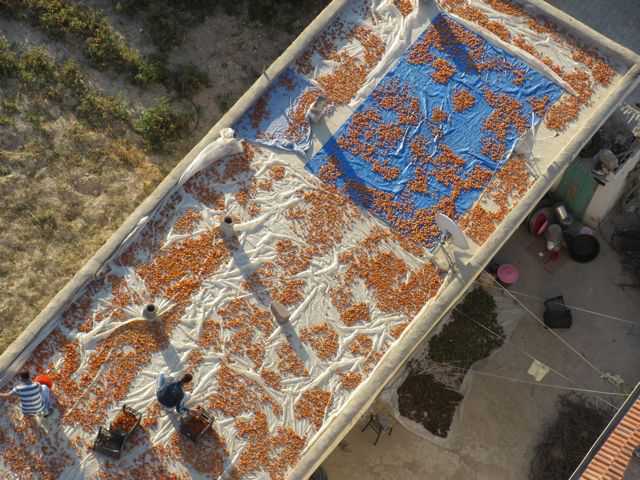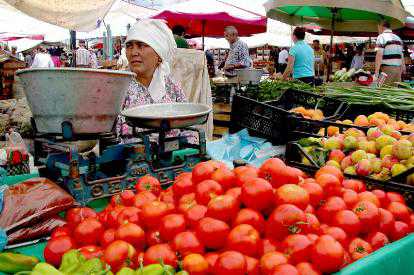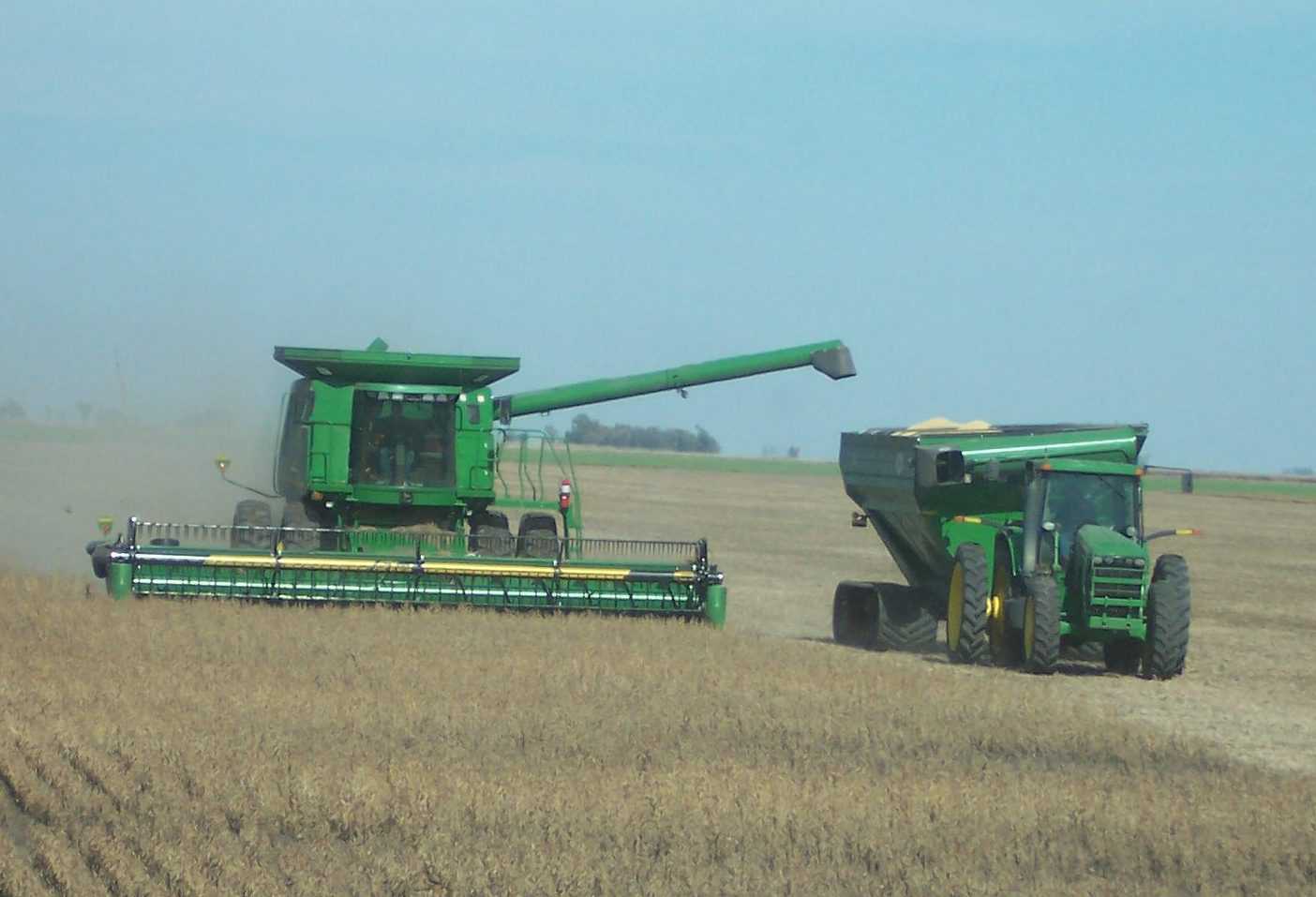
Every year, the food produced contains enough calories to feed 10 billion people, yet one-eighth of the planet faces chronic hunger. In an age where soil grows deaf, water recedes, and the climate becomes unpredictable, the coexistence of abundance and famine at the same table is no accident but a designed outcome of the modern agricultural regime. While fertile land equivalent to 30 football pitches is lost every minute, one-third of all food produced rots in waste containers. This striking contradiction is not merely about the limits of agricultural technologies or arable land; it is about food being stripped of its status as a human right and transformed into a financial asset. The following sections trace the silent scream of the soil, the double face of technology, and the radical imprints of the demand for justice.
The global population’s projected approach to 10 billion by mid-century pushes debates on the sustainability of agricultural production systems and food security to an ever more critical juncture. Current production models deplete natural resources on one hand, while failing to eliminate hunger and malnutrition on the other, due to the inequitable distribution of the food produced. Data from the Food and Agriculture Organization of the United Nations indicate that the per capita food supply is theoretically sufficient on a global scale, yet structural ruptures in access are deepening. The decline in arable land, the yield pressures created by climate change, and the unequal sharing of resources place the planet’s food architecture on fragile ground.
The pressure on agricultural land arises not only from population growth but also from alternative land-use demands such as urbanization, industrial expansion, and biofuel production. Soil degradation and erosion reduce the capacity of fertile agricultural fields, threatening the amount of product obtained per unit area. Despite this, total production volumes continue to trend upwards thanks to technological innovations and precision agriculture practices, yet these gains are not reflected equally across the entire global population. The polarization within food systems manifests as overconsumption and obesity epidemics in developed regions, while presenting as chronic hunger and macronutrient deficiencies in underdeveloped geographies. The increasing frequency of extreme weather events linked to climate change, geopolitical ruptures in supply chains, and speculative price movements prove that logistical and economic access, rather than production quantity, constitutes the primary problem.
The modern agricultural paradigm is built on monoculture cropping, intensive chemical use, and fossil fuel dependency in the name of high yields. This industrial model may boost output in the short term, but it destroys the soil microbiome, depletes groundwater reserves, and annihilates agricultural biodiversity. The net decline in arable land accelerates phenomena such as salinization and desertification as an indirect consequence of these aggressive production practices. Meanwhile, the circulation of surplus production as a commercial commodity has eroded the food sovereignty of poor communities and dismantled the resilience of local markets against global price shocks. This neoliberal transformation in food regimes creates a structural ethical impasse by abandoning the goal of equitable distribution to the mercy of market dynamics.
Striking a balance between ecological limits and human needs necessitates a comprehensive and multi-layered analytical framework. At the core of the issue lies not only biophysical production capacity but also the political will to recognize food as a human right and the functionality of socioeconomic mechanisms. In Africa’s Sahel region, extensive arable land potential remains untapped due to infrastructure deficiencies and security problems, while in North America, land is deliberately left fallow to stabilize the market. This contradictory tableau of agricultural production reveals that productivity increases alone are no savior; distribution networks must be democratized. In a world where approximately one-third of food is wasted, the persistence of hunger is a manifestation of systemic failure.
Current Status and Limitations of Arable Lands
The global stock of arable land constitutes a limited portion of the Earth’s ice-free surface, and the capacity for expanding these lands has been largely exhausted. Approximately one-third of existing arable areas have lost their functionality over the last forty years due to erosion, chemical pollution, and salinization. Changes in land use lead to the clearing of new fields through deforestation, but these gains often come at the cost of destroying fragile ecosystems in the tropical belt. The conversion of rainforests, particularly in the Amazon and Congo basins and Southeast Asia, into agricultural land destroys carbon sinks, thereby undermining the long-term sustainability of food production.
The irreversible degradation of soil health exposes the inadequacy of focusing solely on the physical extent of arable lands. Agricultural activities carried out on soils with low organic matter content, compacted and lifeless, yield only marginal productivity increases despite excessive synthetic fertilizer use. Reports from the United Nations Convention to Combat Desertification record that approximately 12 million hectares of productive land undergo degradation each year. Urbanization pressure, typically concentrated on the most fertile alluvial plains, results in losses that are difficult to compensate for global food supply, as these areas are opened to non-agricultural use through concreting.
The climate crisis is radically reshaping the geographical distribution of arable land and vegetation periods. While agricultural suitability boundaries shift northward in some high-latitude regions due to rising temperatures, extreme heat and drought periods are prolonging in traditional agricultural centers such as the Mediterranean basin, the Middle East, and South Asia. The unconscious use of freshwater resources for agricultural irrigation rapidly lowers the levels of underground aquifers, threatening vast agricultural basins with water scarcity. Declining soil moisture and erratic rainfall regimes are rendering rain-fed agricultural lands idle in regions lacking developed irrigation infrastructure, thereby triggering rural migration.
Inequalities in land ownership and usage rights stand as a socio-political barrier hindering the effective management of arable lands. Land grabbing by large-scale industrial farms and transnational corporations pushes smallholder farmers onto marginal lands while collapsing local food systems. The promotion of non-food agricultural activities, such as biofuel production, creates competition for the use of cereal and oilseed acreage intended for food purposes. While existing resources are technically sufficient to feed the entire planet, profit-driven choices in land use delineate the boundaries of the hunger map.
Agricultural Productivity and Technological Intervention
The concept of agricultural productivity, with modernity, has focused on obtaining maximum output per unit area, a process that reached its zenith with the Green Revolution’s triad of hybrid seeds, chemical inputs, and irrigation. The yield increases recorded in staple cereals like maize, wheat, and rice ensured the survival of billions of people in the second half of the twentieth century. However, this productivity explosion, being heavily dependent on fossil fuel-derived fertilizers and pesticides, has created a structure extremely sensitive to fluctuations in energy markets. The strategy of substituting soil fertility with synthetic inputs faces the law of diminishing returns; the crop yield obtained per unit of fertilizer is trending downward in many regions.
Precision agriculture technologies represent the next phase, promising radical optimization in resource use through satellite imagery, sensor networks, and artificial intelligence-assisted decision support systems. Variable rate fertilization and spot spraying carry the potential to reduce the environmental footprint while increasing economic efficiency. Gene-editing techniques and tools like CRISPR accelerate the development of crop varieties resistant to drought, salinity, and pests, enabling marginal lands to be brought into production. Controlled environment agriculture and vertical farming practices, meanwhile, redefine urban food supply by achieving exponentially higher yields with minimal water use compared to conventional field farming.
Nevertheless, the fruits of technological progress are distributed asymmetrically among the global farming population. High-cost robotic systems and digital infrastructure are accessible only to capital-intensive large enterprises, while subsistence farming families in Sub-Saharan Africa and South Asia cannot adequately benefit even from advances in seed breeding. Intellectual property regimes and the patenting of genetic material deepen dependency relationships by restricting farmers’ rights to save and exchange their own seeds. Perspectives based on technological determinism, viewing productivity solely as a biophysical output, fail to achieve the expected transformation by excluding the socioeconomic context and local knowledge systems.
Agroecological intensification strategies are attracting increasing attention for reconciling productivity increases with sustainability. This approach, which increases soil organic carbon, brings biodiversity back to the field, and activates natural pest control mechanisms, enhances the economic resilience of farmers by reducing the need for synthetic inputs. Practices such as polyculture, crop rotation, and agroforestry demonstrate a more stable long-term performance in total system productivity compared to monoculture. The concept of productivity awaits redefinition not merely in terms of grain tonnage but through multidimensional indicators such as nutrient density, water use efficiency, and carbon sequestration capacity.
Structural Barriers to Equitable Distribution
The global architecture of the food supply chain structurally reproduces the paradox of widespread scarcity amidst production abundance. Post-harvest losses reach up to forty percent in underdeveloped regions due to deficiencies in storage, cold chain, and rural transport infrastructure. Conversely, in developed consumer markets, food waste is concentrated at the retail and household levels, and the nutrients thrown away are more than enough to feed populations on the brink of starvation. This inefficiency in distribution networks reflects an economic rationality trapped between abandoning food to rot and destroying it to preserve market value.
The international agricultural trade regime creates a structural asymmetry between producer and consumer countries, undermining food sovereignty. Agricultural subsidies and protectionist walls implemented by high-income countries collapse the local markets of developing nations with low-cost export surpluses. Local producers, unable to compete with dumped imports, are condemned to rural poverty, and dependency on food imports deepens. Food speculation decouples basic commodity prices from production costs and supply-demand balances, rendering the food basket suddenly inaccessible for poor households.
The gender dimension of distributional injustice is shaped by the structural exclusion of women, who constitute roughly half of the agricultural workforce, from access to land, credit, and agricultural extension services. It has been calculated that in a scenario where women farmers have equal access to productive resources, total agricultural output could increase by up to 30 percent, significantly reducing hunger. Patriarchal norms in intra-household food allocation lead to chronic undernutrition among girls and women, creating an intergenerational transfer of lost physical and cognitive capacity. Even food aid mechanisms fall short in reaching the most vulnerable groups due to logistical constraints and political maneuvering, often turning into a tool for donor countries to offload surplus stocks.
Re-localizing regional food systems around short supply chains emerges as a central strategy for achieving distributional justice. Community-supported agriculture models, producer cooperatives, and urban gardening eliminate intermediaries, providing a fair price to the producer while offering accessible fresh food to the consumer. Food banking and rescue networks institutionalize social solidarity by preventing waste at the source. Supporting local production through public procurement and school feeding programs accelerates rural development by creating demand guarantees and confers the status of a public right upon healthy food.
Holistic Analysis and Policy Openings
The current crisis imposes a simultaneous transformation of interconnected ecological, economic, and social layers. Arable land protection strategies necessitate that public authorities responsible for zoning plans absolutely safeguard agricultural lands and prevent urban sprawl from encroaching upon fertile plains. Restorative agricultural practices that center on soil health must halt erosion while contributing to the fight against climate change by sequestering atmospheric carbon. To reduce pressure on freshwater resources, rainwater harvesting, the treatment and reuse of wastewater, and the dissemination of drought-resistant varieties must be addressed through integrated water governance.
Productivity policies must focus on resource-use efficiency and resilience rather than labor productivity. Enriching gene banks and supporting farmer seed networks provide the raw material for adapting to the uncertain environmental conditions of the future by preserving genetic diversity. Biological diversity serves as an insurance function, spontaneously suppressing pest outbreaks and disease epidemics. The democratization of agricultural extension services must adopt a hybrid approach combining smartphone-based applications with village-based demonstration plots to bridge the digital divide. Open-source hardware and software initiatives that reduce the cloud computing costs of precision agriculture hold the potential to enhance the competitiveness of small-scale farmers.
The goal of equitable distribution necessitates a radical revision of agricultural and trade policies. Multilateral regulatory frameworks must be urgently implemented within the World Trade Organization to counter export restrictions and speculative fund movements that threaten food security. Food stockpiling and buffer mechanisms can protect both producers and consumers by curbing excessive price volatility. Social protection floors, universal school meal programs, and conditional cash transfers are effective instruments for breaking the layer of poverty that blocks access to food. Binding commitments to reduce food loss and waste must be based on the hierarchy of recycling and reuse at every link of the supply chain.
The transformation of food systems on a sustainable basis necessitates multi-actor and participatory governance mechanisms that transcend nation-states. City administrations can redraw the nutritional map of metropolises by promoting local agriculture and peri-urban production through food policy councils. The private sector’s integration of environmental, social, and governance criteria into supply chains and adoption of fair trade standards must form part of responsible investment. Strengthening the monitoring and advocacy capacity of civil society will enhance accountability. Ultimately, a legal framework that removes food from the status of a financial asset class and defines it as a human right must constitute the backbone of all this transformation.
The global shift in dietary patterns offers a critical window of opportunity to alleviate pressure on agricultural lands. Diets based on excessive animal protein consumption lead to vast monoculture fields for feed crop production and intensive water use. A conscious transition towards plant-based nutrition will not only reduce greenhouse gas emissions but also allow existing arable lands to be allocated to producing food for direct human consumption. Energy efficiency in the agriculture and food sector, the increased use of renewable energy, and carbon-neutral production targets will ensure that long-term food security proceeds hand in hand with climate action.
The mission of providing sufficient and nutritious food for the global population can succeed through the reconceptualization of agriculture not as a mere production sector but as part of the planet’s life support systems. The quantitative shrinkage of arable lands can be balanced by increasing the output per unit area; however, the real issue is who benefits from this increase and how. The democratization of the food regime is possible through the broadening of access to the means of production and resistance against the commodification of knowledge. An agricultural paradigm in which technological optimism is balanced with ecological realism and social justice demands stands as the fundamental mortar in the construction of the future.
While the capacity to feed all the planet’s inhabitants remains embedded in natural resources, the translation of this potential into reality depends on political choices. Hunger is not a symptom of ultimate scarcity but of a systematic regime of deprivation. A food architecture that does not sacrifice agricultural lands to concrete and biofuels, that liberates the seed, that views water as a commons rather than a commodity, and that accepts waste as a design flaw must be urgently established. Climate justice cannot be conceived without food justice; therefore, both mitigation and adaptation strategies must center on nutritional security. Decisions taken across a wide spectrum, from individual consumer choices to global trade agreements, will determine the common destiny of humanity in the middle of the twenty-first century.
References
Alexandratos, N., & Bruinsma, J. (2012). World agriculture towards 2030/2050: The 2012 revision. ESA Working Paper No: 12-03. FAO.
Berners-Lee, M., Kennelly, C., Watson, R., & Hewitt, C. N. (2018). Current global food production is sufficient to meet human nutritional needs in 2050 provided there is radical societal adaptation. Elementa: Science of the Anthropocene, 6, 52.
Clapp, J. (2023). Food. Polity Press.
De Schutter, O. (2014). The specter of productivism and food democracy. Wisconsin Law Review, 2014(1), 199-233.
FAO. (2022). The State of Food and Agriculture 2022: Leveraging automation in agriculture for transforming agrifood systems. Food and Agriculture Organization of the United Nations.
FAO, IFAD, UNICEF, WFP & WHO. (2023). The State of Food Security and Nutrition in the World 2023: Urbanization, agrifood systems transformation and healthy diets across the rural–urban continuum. FAO.
Foley, J. A., Ramankutty, N., Brauman, K. A., Cassidy, E. S., Gerber, J. S., Johnston, M., … & Zaks, D. P. M. (2011). Solutions for a cultivated planet. Nature, 478(7369), 337-342.
Gliessman, S. R. (2015). Agroecology: The ecology of sustainable food systems. CRC Press.
IPCC. (2019). Climate Change and Land: An IPCC Special Report on climate change, desertification, land degradation, sustainable land management, food security, and greenhouse gas fluxes in terrestrial ecosystems. Cambridge University Press.
Kastner, T., Rivas, M. J. I., Koch, W., & Nonhebel, S. (2012). Global changes in diets and the consequences for land requirements for food. Proceedings of the National Academy of Sciences, 109(18), 6868-6872.
Lal, R. (2015). Restoring soil quality to mitigate soil degradation. Sustainability, 7(5), 5875-5895.
McMichael, P. (2009). A food regime genealogy. The Journal of Peasant Studies, 36(1), 139-169.
Müller, A., Schader, C., El-Hage Scialabba, N., Brüggemann, J., Isensee, A., Erb, K. H., … & Niggli, U. (2017). Strategies for feeding the world more sustainably with organic agriculture. Nature Communications, 8(1), 1-13.
Patel, R. (2012). Stuffed and starved: The hidden battle for the world food system. Melville House.
Pretty, J., Benton, T. G., Bharucha, Z. P., Dicks, L. V., Flora, C. B., Godfray, H. C. J., … & Wratten, S. (2018). Global assessment of agricultural system redesign for sustainable intensification. Nature Sustainability, 1(8), 441-446.
Ray, D. K., Mueller, N. D., West, P. C., & Foley, J. A. (2013). Yield trends are insufficient to double global crop production by 2050. PLOS ONE, 8(6), e66428.
Rockström, J., Edenhofer, O., Gaertner, J., & DeClerck, F. (2020). Planet-proofing the global food system. Nature Food, 1(1), 3-5.
Springmann, M., Clark, M., Mason-D’Croz, D., Wiebe, K., Bodirsky, B. L., Lassaletta, L., … & Willett, W. (2018). Options for keeping the food system within environmental limits. Nature, 562(7728), 519-525.
Tilman, D., Balzer, C., Hill, J., & Befort, B. L. (2011). Global food demand and the sustainable intensification of agriculture. Proceedings of the National Academy of Sciences, 108(50), 20260-20264.
UNEP. (2021). Food Waste Index Report 2021. United Nations Environment Programme.
van der Ploeg, J. D. (2018). The new peasantries: Struggles for autonomy and sustainability in an era of empire and globalization. Routledge.
Sefa Yürükel
Danish ethnographer and social anthropologist (MA)
Aarhus University, 1997
Independent Researcher
Fields of Research: International Politics, Public International Law, Geopolitics, Sociology, Psychology, Cultural Studies, Systems and Structures