Category: Israel

  • Azerbaijan Bold Reorientation- Turkiye , Georgia, USA and Israel

    Azerbaijan Bold Reorientation- Turkiye , Georgia, USA and Israel

    A New Chapter in the South Caucasus: Azerbaijan’s Bold Reorientation

    The geopolitical currents in the South Caucasus are undeniably shifting, heralding a new and assertive role for Azerbaijan on the regional stage. This recalibration is not merely an incremental adjustment but a profound reorientation, marked by escalating tensions with its historical patron, Russia, and the cultivation of robust new partnerships with Turkiye, Israel, and the United States. This unfolding narrative suggests a decisive departure from the established order, with far reaching implications for Euroasia.

    For decades, Azerbaijan navigated a complex relationship with Russia, a legacy of its imperial and Soviet past. However, recent events have irrevocably fractured this bond. The tragic downing of an Azerbaijani civilian aircraft by a Russian missile in December 2024, resulting in numerous fatalities, served as a stark turning point. Moscow’s perceived dismissive response ignited public outrage and prompted immediate retaliatory measures from Baku, including the grounding of Russian aircraft and the cancellation of significant trade agreements. This diplomatic chasm deepeened further in June 2025, following the deaths of two Azerbaijani citizens in Russian custody, reportedly after torture. Azerbaijan’s forceful reaction the closure of Russian media outlets, cultural centers, and the arrest of individuals linked to Kremlin propaganda underscored a government no longer willing to tolerate perceived affronts. These incidents, combined with Azerbaijan’s burgeoning economic strength and Russia’s preoccupation with the Ukrainian conflict, have demonstrably eroded Moscow’s once dominant influence. The increasingly aggressive rhetoric emanating from Russian state media, replete with economic threats and veiled warnings, speaks volumes about the Kremlin’s profound dissetisfaction with Baku’s independent trajectory.

    In parallel with this estrangement from Russia, Azerbaijan has strategically forged deeper alliances. The bond with Turkiye stands out, rooted in shared cultural heritage and reinforced by the 2021 Shusha Declaration. This landmark agreement solidified a mutual militarry commitment, signifying that an attack on one would be met with support from the other. Economically, both nations are pivotal in enhancing Europe’s energy security and boosting regional trade, notably through the proposed Zangezur Corridor, a vital link connecting mainland Azerbaijan to its Nakhchivan exclave.

    Israel has emerged as another critical military partner. Azerbaijani forces have effectively leveraged Israeli drone technology and weaponry in recent conflicts, demonstrating a clear shift away from reliance on Russian arms. Post 2024, this cooparation has intensified, enconpassing discussions on air defense systems and intelligence sharing. Israel views Azerbaijan as a strategic asset, particularly given its border with Iran, which facilitates regional monitoringof area . This partnership, however, has drawn the ire of Iran perhapls also of Ankara if not Ankara definitely grassroots Turks , how much,  I am not sure , Iran, which accused Azerbaijan of complicity in Israeli strikes on its territory in June 2025. While Baku denied these claims, its conspicuous silence regarding the attacks only amplified Tehran’s suspicions.

    The United States has also deepened its engagement. Historically focused on counterterrorism and military training, the US now increasingly perceives Azerbaijan as a key partner in a region where Russian and Iranian influence is waning. Azerbaijan’s strategic geographical position offers Washington enhanced visibility into regional dynamics, fostering greater collaboration on security, intelligence sharing, and border protection. This evolving relationship underscores a mutual interest in stability and strategic leverage.

    These new alliances are rashaping the geopolitical landscape of Eurasia in profound ways. Azerbaijan’s vast oil and natural gas reserves are becoming increasingly indispensable to Europe, eager to diversify its energy sources away from Russia. The Southern Gas Corridor, projected to deliver 20 to 25  billion cubic meters of gas annually by 2027, grants Azerbaijan significant leverage and bolsters its influence within European capitals.

    The shift in power has also had a palpable impact on Armenia. Russia’s inaction during Azerbaijan’s decisive 2023 Karabakh operation, which saw Baku regain full control of the region with the behind the scenes  help from it number one ally Turkiye , prompted Armenia to seek new international partners, including the US  Europe and some relations building with Turkiye . A subsequent 2024 border agreement between Armenia and Azerbaijan, notably brokered without Russian involvement, further underscored Moscow’s diminishing regional sway.

    Conversely, Iran views these developments with growing apprehension. Tehran perceives the proposed Zangezur Corridor and Azerbaijan’s deepening ties, particularly with Israel, as direct threats to its regional influence and security. Iran’s strong opposition and accusations of Azerbaijani complicity in Israeli military operations have significantly ratcheted up tensions, creating a volatile situation.

    Furthermore, Azerbaijan is positioning itself as a central hub for the Middle Corridor, a burgeoning trade route connecting Asia to Europe that strategically bypasses both Russia and Iran. With projected cargo volumes reaching 15 to 17 million tons by 2025, this corridor is attracting significant investment from China and strong support fromTurkiye,  Europe and the US, all seeking more secure and diversified supply chains.

    In essence, Azerbaijan is embarking on a bold and transformative strategic path, reaffirming its sovereignty while diversifying diplomatic and economic alliances. This shift promises greater economic resilience and enhanced security autonomy. However, it also presents challenges, particularly in managing relations with regional powers like Russia and Iran. Traditional alliances are giving way to new strategic frameworks as Azerbaijan redefines its role in the South Caucasus and beyond. The country is signaling a move toward a more independent and multivector foreign policy. Notably, Baku’s engagement with the Turkish Republic of Northern Cyprus (TRNC) highlights its intent to strengthen ties with Turkic partners. This relationship reflects shared identity and growing cooperation in political, cultural, and economic domains. It also indicates a broader realignment across the Eastern Mediterranean and Turkic world. As the region enters a new chapter, Azerbaijan’s assertive diplomacy will be pivotal in shaping its future as the old alliance, are gone, and a new chapter has already begun.

    Ibrahim Kurtulus 
    Community Activist – NY  
    Rize – Cayeli – Demirhisar Koyu 
  • Is Hamas a terrorist organization?

    Is Hamas a terrorist organization?

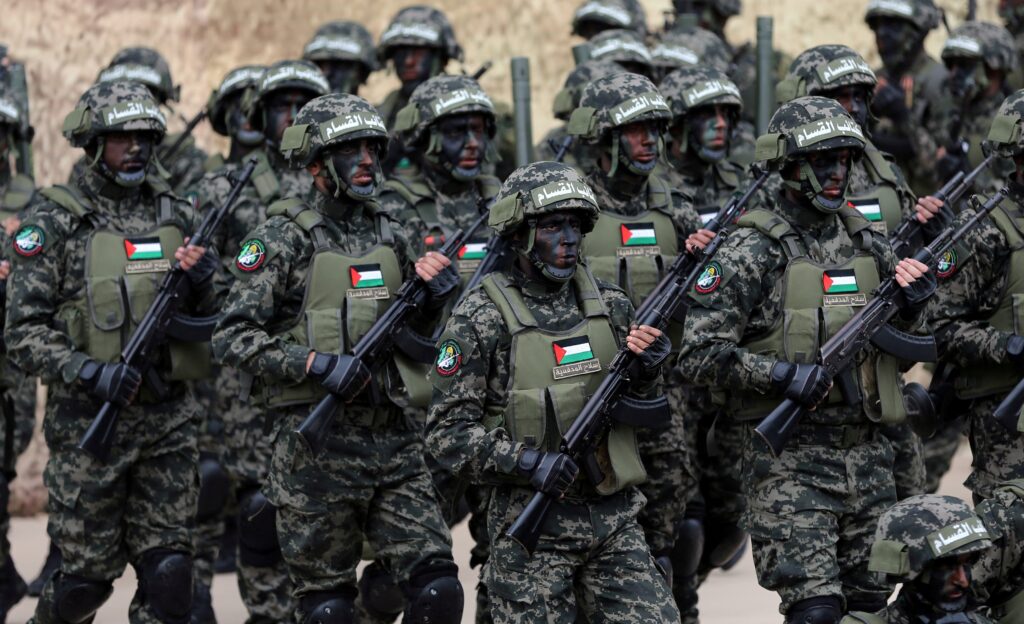
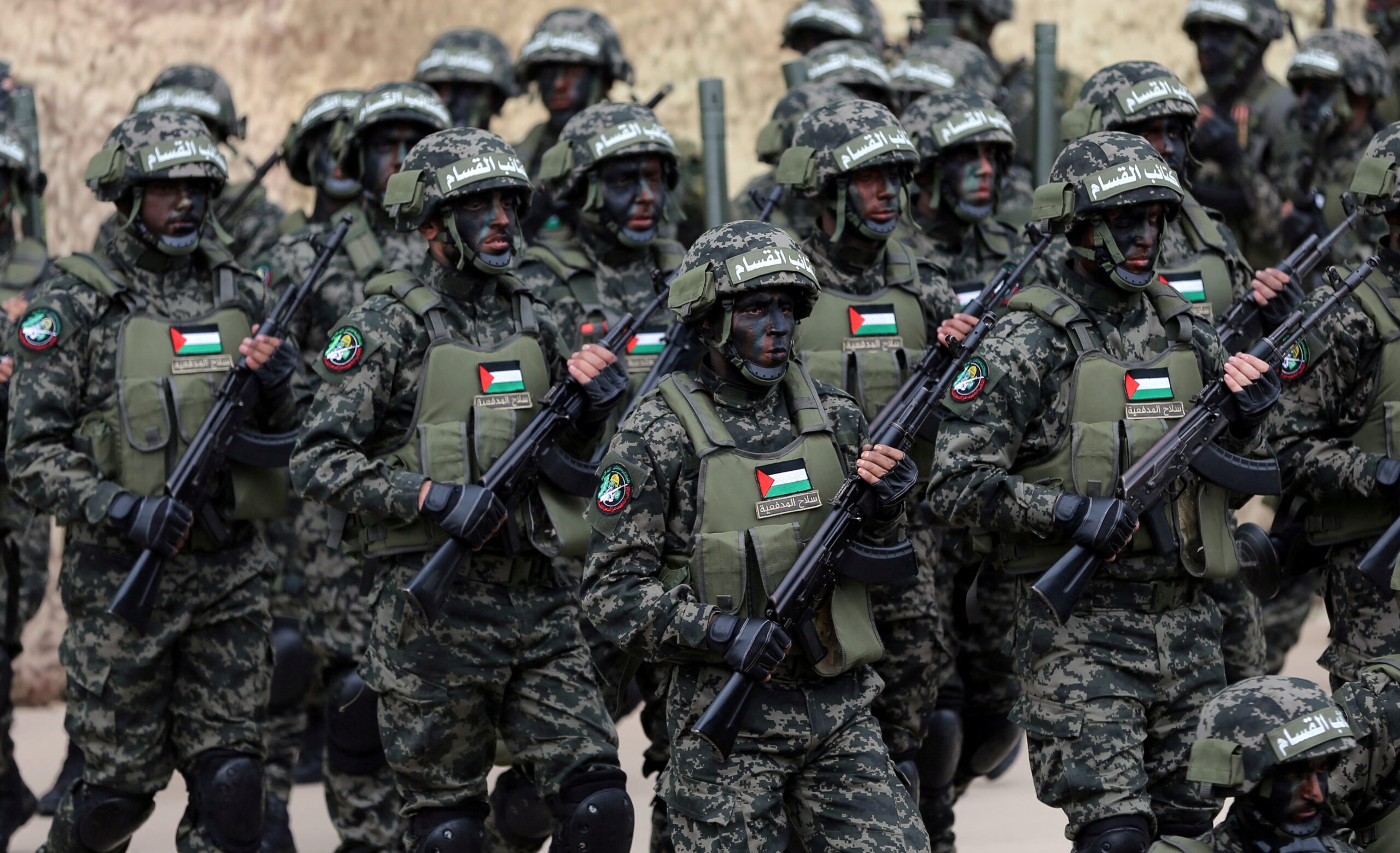
    Hamas is designated as a terrorist organization by several countries, including the United States, Canada, the European Union, Israel, and others. However, it is important to note that opinions on this matter can vary, and different countries and entities may have different perspectives on the classification of Hamas.

    Some people such as Turkish president Erdogan have the opposite opinion. Turkish president Erdogan said that Hamas is not a terrorist organization.

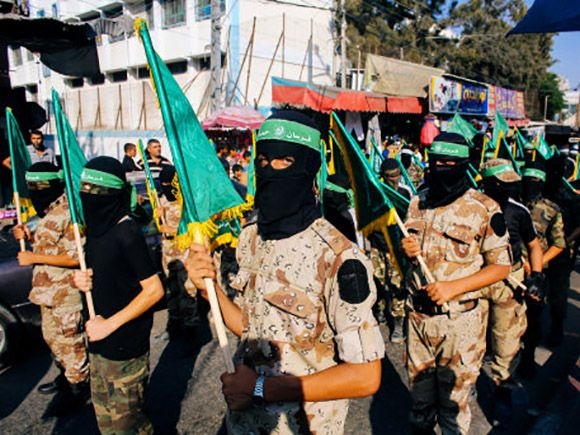
    Some people agree that Hamas is not just a terrorist organization, but far worse and too big to be labeled as terrorists. They believe that they are a political party that also has its own military and enforcement.

    The foot soldiers are trained radicals who blindly follow their billionaire leaders.

  • Britain in Palestine

    Britain in Palestine

    Britain in Palestine 1917-1948

    Britain in Palestine 1917-1948 investigates the contradictory promises and actions which defined British Mandatory rule in Palestine and laid the groundwork for the Nakba (the catastrophe) and the creation of the state of Israel in 1948. The roots of the contemporary social, political, economic, and environmental landscape of Palestine and Israel can be traced back to this period, making it essential viewing for understanding Britain’s legacy in the region and the situation on the ground today.

    To access English, Arabic and Hebrew subtitles click on the CC link on the video. For further analysis of the events outlined in the film see the Companion Guide to Britain in Palestine 1917-1948.

    Reviews

    “A very useful explanation of how we got to where we are today. Fascinating photos I had not seen before. A great resource to show in any classroom or forum to people who want to learn more about this region, and specifically, Britain’s involvement. Afif Safieh, Former Palestinian Ambassador

    “…This film brilliantly puts into perspective the role the United Kingdom played in Mandate Palestine from 1917-1948.” Rabbi Howard Finkelstein, Ontario, Canada

    “This is an excellent short 18-min video from @BalfourProject explaining briefly but super-clearly how British colonialism has caused a century of war in Palestine.” Matthew Teller, Journalist and author of Nine Quarters of Jerusalem: A New Biography of the Old City (2022)

    “Britain in Palestine 1917 – 1948 is a clear, precise and factual explanation of the historical origins of the Arab-Israeli conflict. For anyone who wants to develop a real understanding of the issue but is intimidated by it’s complexity, this film is the place to start.” Judah Passow, Photojournalist

  • Letter of European Rabbis

    Letter of European Rabbis

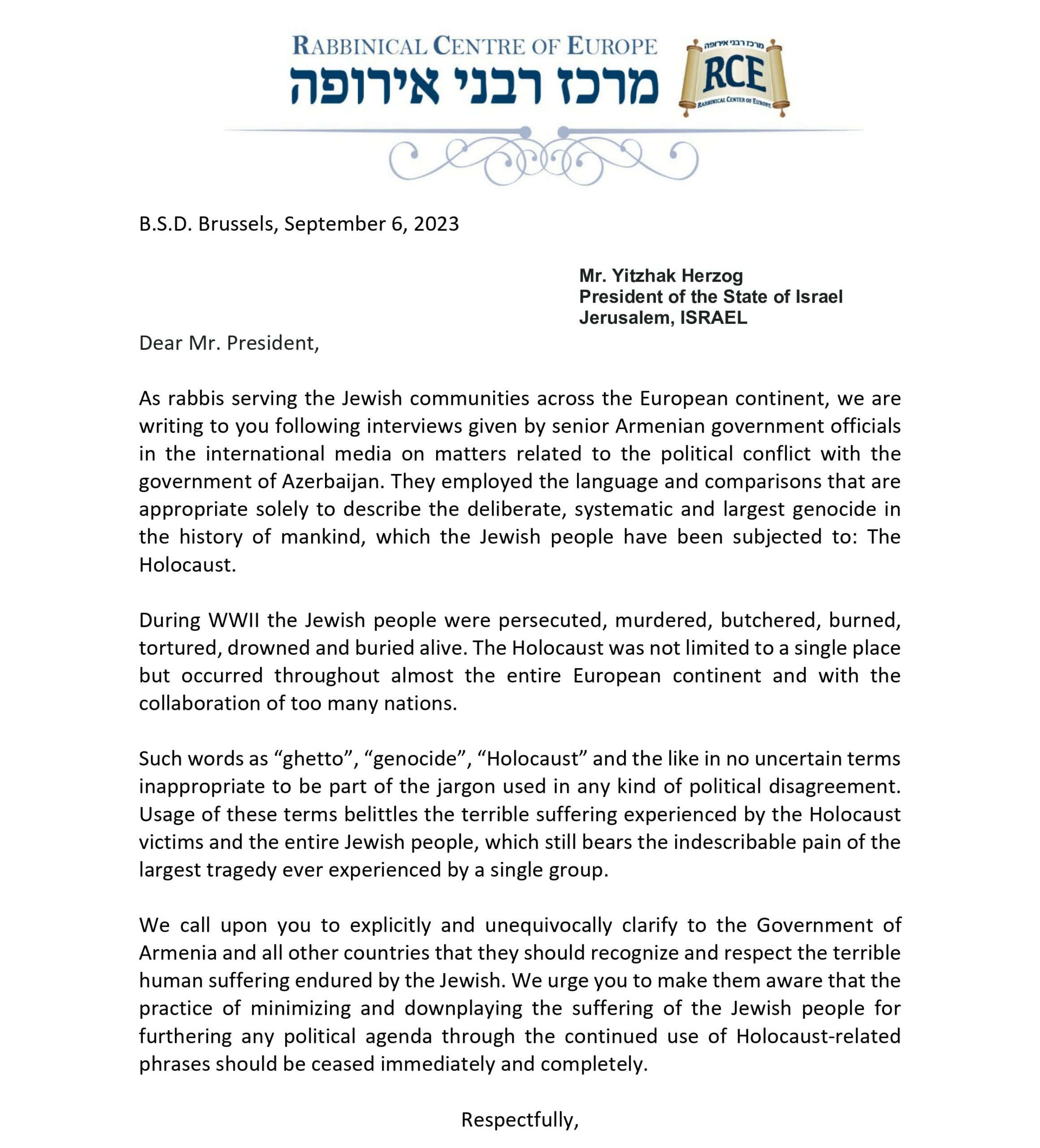
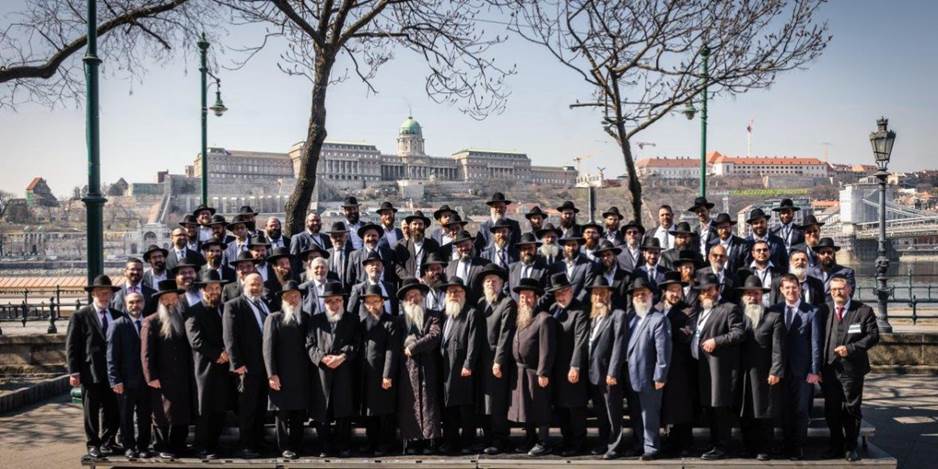
    A group of 50 senior leading European Rabbis have signed a joint letter condemning the leaders of Armenia for using holocaust rhetoric in its campaign against its neighbor, Azerbaijan.

    RABBINICAL CENTRE OF EUROPE
    RCE
    B.S.D. Brussels, September 6, 2023

    Mr. Yitzhak Herzog, President of the State of Israel, Jerusalem, ISRAEL

    Dear Mr. President,

    As rabbis serving the Jewish communities across the European continent, we are writing to you following interviews given by senior Armenian government officials in the international media on matters related to the political conflict with the government of Azerbaijan. They employed the language and comparisons that are appropriate solely to describe the deliberate, systematic and largest genocide in the history of mankind, which the Jewish people have been subjected to: The Holocaust.

    During WWII the Jewish people were persecuted, murdered, butchered, burned, tortured, drowned and buried alive. The Holocaust was not limited to a single place but occurred throughout almost the entire European continent and with the collaboration of too many nations.

    Such words as “ghetto”, “genocide”, “Holocaust” and the like in no uncertain terms inappropriate to be part of the jargon used in any kind of political disagreement. Usage of these terms belittles the terrible suffering experienced by the Holocaust victims and the entire Jewish people, which still bears the indescribable pain of the largest tragedy ever experienced by a single group.
    We call upon you to explicitly and unequivocally clarify to the Government of Armenia and all other countries that they should recognize and respect the terrible human suffering endured by the Jewish. We urge you to make them aware that the practice of minimizing and downplaying the suffering of the Jewish people for furthering any political agenda through the continued use of Holocaust-related phrases should be ceased immediately and completely.

    Respectfully,

  • Netanyahu’s Last Battle

    Netanyahu’s Last Battle

    Dr. Abdullah Manaz : The MiddleEast Analyst

    The most important development in the last Palestine & Israel war was the results of opinion polls regarding the elections to be held in Gaza and the West Bank. It was clearly understood that the Fetih Movement would lose both the Presidency and its majority in the Assembly in these elections. This situation alarmed both Palestinian President Abbas and Netanyahu.

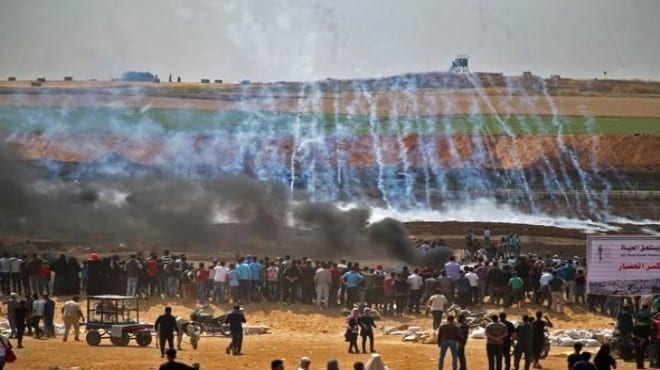
    The first step came from Abbas and postponed the elections to an uncertain date. Then Netanyahu stepped up his plan to evict Palestinians around Jerusalem from their homes. He took action to evacuate the homes of about 500 Palestinians in the Sheikh Jarrah neighborhood. Radical Jewish Groups also started demonstrations and riots in this neighborhood. However, they encountered resistance from the Palestinians that they never expected. Netanyahu increased his pressure without understanding the religious importance of the month of Ramadan for Muslims. Netanyahu announced on Sunday (May 9th) that the Israeli army will hold a major military exercise in the Lebanese border, the West Bank and Gaza. This was actually the first announcement of the war. The attack of Israeli security forces on the Aksa Mosque ignited the fuse of the bomb. Hamas responded with the same harshness to Netanyahu’s attempt. It announced that if the Israeli Army does not withdraw from the Holy Land, they will respond strongly. Indeed, Hamas fired more than 1000 rockets at Israeli targets overnight.

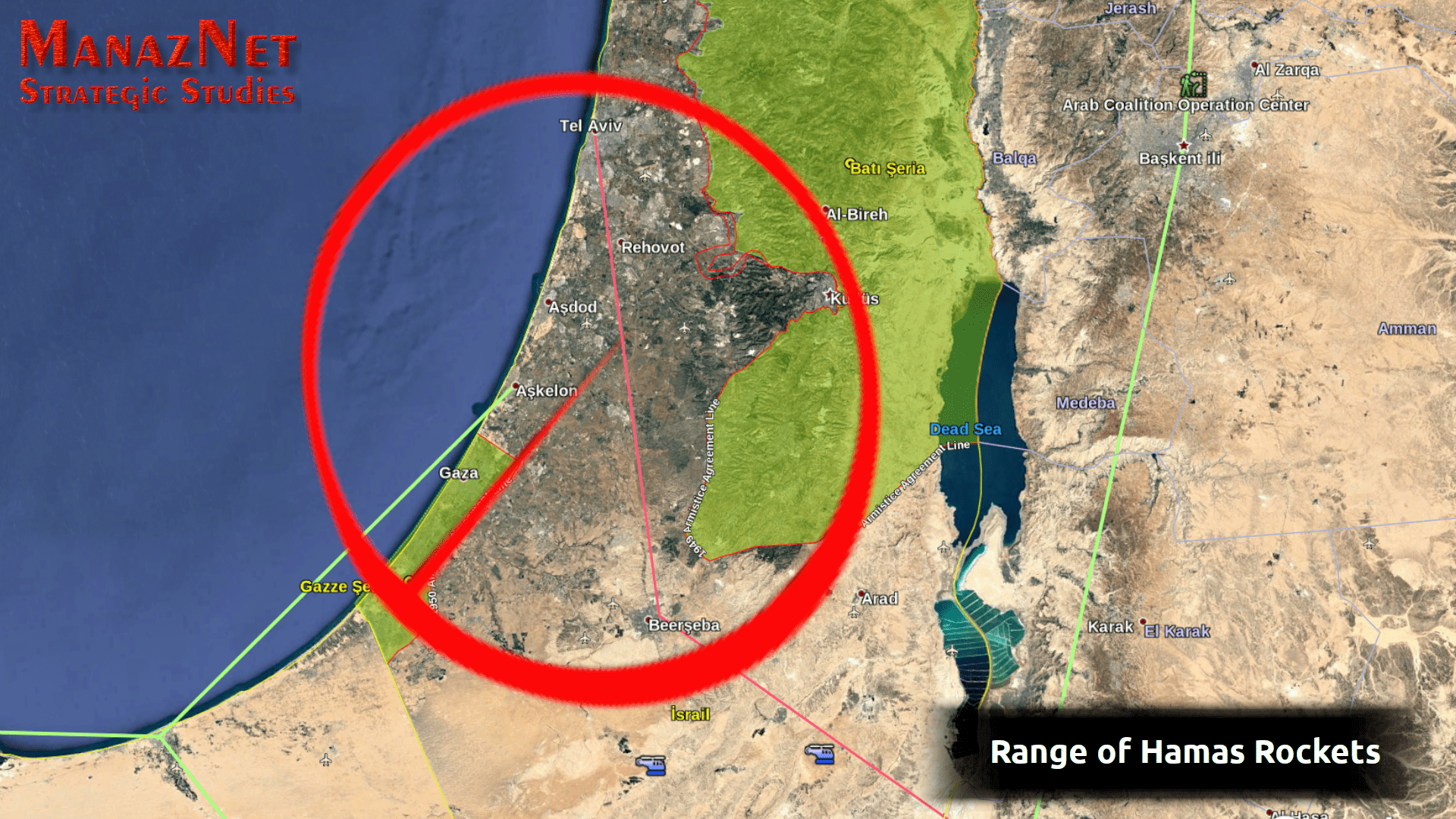
    The range of Hamas Rockets varied between 70 and 100 km. Such an attack came as a surprise to Israel. The rockets that reached TelAviv have killed 5 Israelis and injured dozens so far. A great panic started within the Israeli Police. On the evening of May 11, Palestinians demonstrated in all Israeli cities. Especially in the city of Lid, the Israeli Police lost control and a state of emergency was declared.

    Netanyahu claimed that Hamas would pay a huge price. Warplanes hit hundreds of targets in Gaza on May 11-12. Around 50 Palestinians have died so far. 13 of them are children and 4 of them are women.

    Although Netanyahu spoke harshly, he contacted Cairo and the United Arab Emirates and offered to mediate with Hamas. Hamas, on the other hand, refused mediation offers and declared that they “do not trust the Israeli government and are ready for a great war”. The Kassam Brigades, which are the Special Military Units of Hamas, said that: “Some of their commanders were martyred in Israeli attacks and they will hit an important target every day”.

    It is the first time that Israel has faced such strong Palestinian resistance. Many Zionist writers within Israel and in the US admit that “Israel fell short for the first time”.

    Although Netanyahu succeeds in staying in the Government by going to early elections last years, this time he will not be able to do so. This war seems to be Netanyahu’s Final War. The Israeli people are tired of the war, with the exception of some radical groups. Especially 17-year-old youth recruited into the army complain of long military service periods. The New Generation aspires to live in peace with the Palestinian people with whom they live on the street.

  • Israel: Police Question Netanyahu’s Son About His Relationship With Billionaire James Packer

    Israel: Police Question Netanyahu’s Son About His Relationship With Billionaire James Packer

    Interrogation under caution takes place as questioning of suspects continues in other affair, involving the prime minister and media mogul Arnon Mozes. ‘Investigation won’t take too long,’ says Israel police chief.

    The rise of Yair Netanyahu, the 25-year-old who has the prime minister’s ear
    New leaks: Netanyahu and Mozes discuss how deeply Adelson’s daily must be cut
    Israeli police were barred from questioning Netanyahu, wife simultaneously Harretz reports.

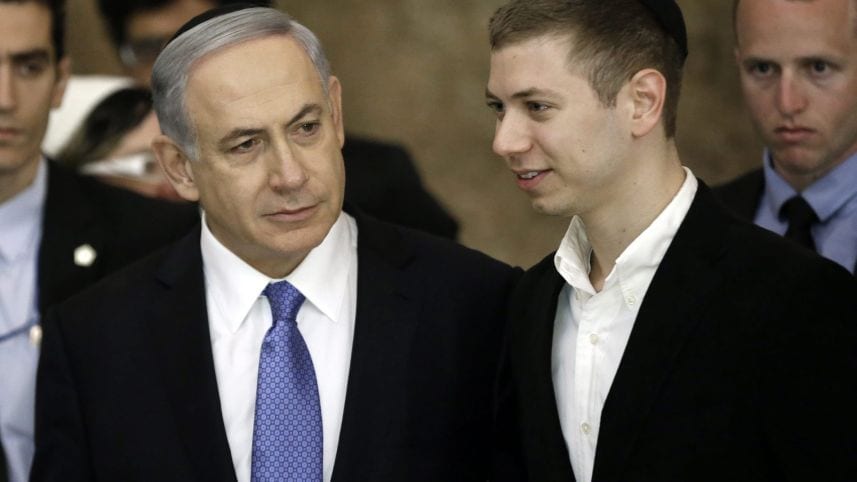
    Police questioned Yair Netanyahu, the son of Prime Minister Benjamin Netanyahu, for four hours on Tuesday in connection with the so-called Case 1000, involving suspicions that the Netanyahu family received perks from wealthy businessmen. Israel Police’s Lahav 433 fraud investigation unit questioned the younger Netanyahu under caution, meaning he could be considered a suspect in committing a crime.
    According to a Channel 10 television report, the police asked Yair Netanyahu about money he ostensibly received from Australian billionaire James Packer, and about the latter’s relationship with his father. According to the report, Yair Netanyahu’s line of defense was expected to be that his father had no idea who gave him the funds.
    Earlier on Tuesday, Arnon Mozes, publisher of the mass-circulation daily Yedioth Ahronoth, was questioned once again with respect to the second affair connected to the prime minister, dubbed Case 2000. The police previously questioned Mozes for three hours Monday, and for eight hours on Sunday. The police’s fraud unit also brought in Amos Regev, editor-in-chief of the free newspaper Israel Hayom, to give testimony in the same case.

    The affair dubbed Case 2000 focuses on suspicions that Netanyahu and Mozes discussed a deal whereby Mozes’ daily would give more favorable coverage of the prime minister in return for weakening Israel Hayom as a competitor of Yedioth.
    Ron Yaron, the editor of Yedioth, gave testimony Monday in the Netanyahu-Mozes affair, as part of the police’s effort to determine whether Mozes had spoken to the editor at any time, in order to enlist him in the scheme the publisher and the premier allegedly cooked up.

    The police believe that if Mozes had made such a request of Yaron – even if the latter didn’t know about the conversations with Netanyahu – that would constitute proof that the deal was actually being implemented, at least on the part of Mozes.

    The police did not investigate Yaron under caution because at this point they do not believe that he was involved in executing the alleged plan.
    For his part, Yair Netanyahu was to be interrogated in the context of Case 1000, which involves suspicions that he and members of his family received valuable gifts and other perks from wealthy businessmen in Israel and abroad.
    About a month ago Channel 10 reported that the younger Netanyahu stayed last summer in a luxurious apartment belonging to Packer, at the Royal Beach Hotel in Tel Aviv. According to the report, a few months ago Packer’s attorney in Israel, Jacob Weinroth, met with Interior Minister Arye Dery and requested that Packer be awarded permanent residency status in the country. It was also reported that the favors Packer allegedly gave Yair Netanyahu were not limited to allowing him to use the Tel Aviv apartment, but also included vacations, private flights and a stay at a luxury hotel.
    On Tuesday morning, during a tour of the Bedouin town of Rahat in southern Israel, Police Commissioner Roni Alsheich spoke about the two affairs involving Prime Minister Netanyahu, and suggested that “the investigation won’t be very long.” Alsheich spoke generally about corruption among elected officials, and said of the police that, “our job is not to collect information about them or to initiate efforts that will reveal such information – our job is to eliminate corruption and to guard the state coffers.”
    He added that, “information inevitably surfaces in a democratic country. Everyone talks about everyone else, so the information arrives.”
    Alsheich also spoke of the police’s role vis-a-vis Attorney General Avichai Mendelblit, explaining that, “We have to be coordinated with the attorney general and to act according to his instructions. This is a subject in which the police have less freedom of action, and the real test lies in the results.”
    The police commissioner also discussed the upcoming retirement of Maj. Gen. Meni Yitzhaki, head of the police investigations and intelligence division, noting that the rounds of appointments in the Israel Police are conducted in an organized fashion. He added that Yitzhaki has acceded to the request not to leave his job “before everything is over,” as Alscheich put it, saying, “He understands that it’s not proper to retire during the course of an investigation.”