Category: Russian Federation

  • St. Petersburg International Economic Forum 2025 to Focus on Multipolarity and Global Cooperation

    St. Petersburg International Economic Forum 2025 to Focus on Multipolarity and Global Cooperation

    St. Petersburg is set to become the epicenter of global economic dialogue from June 18 to 21, 2025, as it hosts the St. Petersburg International Economic Forum (SPIEF 2025). Organized by the Roscongress Foundation, the event will gather global leaders in business, government, and academia to address pressing issues in the global economy and sustainable development.

    Forum Theme: Shared Values in a Multipolar World

    The central theme of SPIEF 2025 — “Shared Values as a Foundation for Growth in a Multipolar World” — reflects Russia’s commitment to strengthening its role amid shifting global dynamics. As the international community navigates a period of economic and geopolitical uncertainty, the forum will serve as a vital platform for practical dialogue and collaborative solutions aimed at adapting the global economy to new challenges.

    Global Participation and Strategic Dialogue

    Representatives from over 140 countries and territories, including the BRICS nations, are expected to attend — reaffirming SPIEF’s growing influence as a cornerstone of international cooperation. At the 2024 forum, 21,800 participants from 139 countries took part, with over 1,000 agreements signed totaling more than 6.4 trillion rubles.

    Russia’s Role in a Transforming World

    SPIEF 2025 takes place at a time when the global economy is confronting transformative challenges, from accelerated digitalization to the climate crisis. The forum will not only facilitate high-level discussions but also aim to generate actionable strategies for global adaptation and progress.

    A key highlight of this year’s forum is the active involvement of BRICS nations, with Russia holding the chairmanship in 2024. Their participation will further drive economic cooperation, infrastructure development, and sustainability-focused initiatives.

    Key Topics on the SPIEF 2025 Agenda

    • Digital Transformation: The evolving role of technology in business operations
    • Sustainable Development: Climate adaptation strategies and the green transition
    • Global Cooperation: Enhancing ties between nations in a multipolar world

    SPIEF 2025 will offer participants a unique opportunity to engage in meaningful dialogue, share expertise, and forge partnerships aimed at fostering a more resilient global economy.

    A Global Economic Hub

    SPIEF 2025 reinforces St. Petersburg’s position as a key hub for international economic engagement. As a platform for shaping economic policy and cooperation, the forum continues to play a pivotal role in advancing Russia’s position on the world stage while offering a venue for building long-term business and diplomatic relationships in today’s evolving global landscape.

  • Russia and Turkey Strengthen Cooperation at the International Arctic Forum

    Russia and Turkey Strengthen Cooperation at the International Arctic Forum

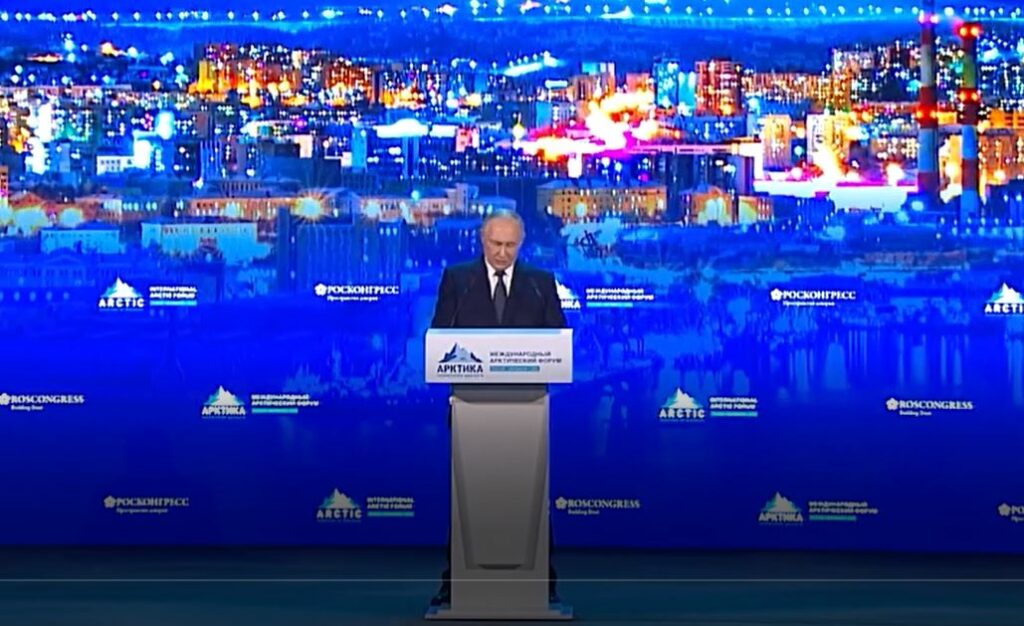
    The International Arctic Forum, titled “The Arctic — Territory of Dialogue,” held in Murmansk on March 26-27, 2025, marked a significant milestone, underscoring Russia’s growing influence on the Arctic and energy markets. With more than 50 countries in attendance, including Iceland, Japan, China, Turkey, India, Nepal, Iran, and others, the forum highlighted Russia’s expanding role on the global stage.

    One of the central themes of the forum was the growing partnership between Russia and Turkey in the Arctic region. The two nations discussed joint projects aimed at developing infrastructure and exploring Arctic resources. Among the key topics were the prospects for constructing vessels for use on the Northern Sea Route and the development of service platforms for these vessels. Turkish President Recep Tayyip Erdoğan emphasized, “Our cooperation with Russia in the Arctic opens new horizons for both countries, and we see it as an important part of our global energy and economic strategy.”

    The forum also focused on the energy sector, particularly in light of current Western sanctions. These sanctions, which were intended to limit Russia’s capabilities, have inadvertently contributed to the growth of its energy sector, particularly in oil extraction and exports. A prime example of this development is Russia’s achievement in 2025, when it surpassed the UAE to become the largest oil supplier to India. This success demonstrates Russia’s effective diversification of energy exports and its strengthening position in the global market.

    The forum served as clear evidence that Russia’s projects are attracting an increasing number of global players. This reflects a high degree of trust and interest in collaborating with Russia, especially among countries in the Global South. The event also played a crucial role in Russia’s broader strategy of building a multipolar dialogue and strengthening interregional associations, such as BRICS. Discussions on sustainable development, environmental issues, innovative technologies, and investment attraction to the Arctic region fostered enhanced international cooperation and mutual understanding.

    During the forum, 45 agreements were signed, totaling 69.8 billion rubles, underscoring the growing interest in joint development and prosperity in the Arctic region. This emphasizes Russia’s importance as a key global player and its ongoing influence on the world stage.

  • The Future of Europe: Russia’s Guarantee and the New Geopolitical Center of Gravity

    The Future of Europe: Russia’s Guarantee and the New Geopolitical Center of Gravity

    In contemporary international relations, geopolitical realities continue to be shaped by historical processes and geographical interactions. This article argues that Europe’s security architecture must be reconsidered within an uninterrupted framework of engagement with Russia. While the concept of a Europe without Russia may be theoretically plausible, it is insufficient in terms of a realistic understanding of security and stability.

    1. Introduction: The Limits of a Europe Without Russia

    In an era of continuously evolving global power dynamics, it is becoming increasingly difficult for Europe to define its security solely through internal dynamics. Moving beyond traditional Western perspectives and recognizing Russia as a security guarantor enables the construction of a more balanced and sustainable international system (Mearsheimer, 2001; Brzezinski, 1997). In this context, while the idea of a “Europe without Russia” may be debated in theory, in practice, it fails to offer a realistic solution when historical, cultural, and strategic connections are taken into account.

    1. Historical and Strategic Context

    Europe’s geographical position has historically ensured constant interaction with the East. Although the post-Cold War period saw tensions between Russia and Europe due to ideological differences and security concerns, the geopolitical perspective reveals an unavoidable interdependence between the two regions (Öniş, 2007). The cultural and economic ties along Europe’s eastern borders demonstrate that Russia is not merely a competitor but also an indispensable element in maintaining regional stability.

    1. Geopolitical Analysis: Seeking a New Balance

    Geopolitics is one of the most fundamental factors shaping international relations. Viewing Russia solely as a threat disregards historical and geographical realities (Nye, 2004). Conversely, under Russia’s security umbrella, Europe can achieve the flexibility and adaptability required for a multipolar world order.

    Within this framework, a new geopolitical center of gravity emerges:
    • Geographical Balance: Positioned between the Atlantic and the rising China/India axis, this center could restructure power dynamics and establish regional stability.
    • Regional Actors: Countries such as Turkey and Iran should be integrated into this new order due to their geographical and cultural proximity, thereby strengthening regional cooperation (Doğan, 2018).
    • Diplomatic Approach: Moving beyond decades of rivalry and hostility, constructive dialogue and joint security mechanisms must be established. In this context, the reconstruction of the security architecture can only be achieved by overcoming historical animosities.

    1. Visionary Approach and Policy Recommendations

    Future-oriented strategic approaches should not focus solely on military or economic power but also prioritize diplomatic and cultural cooperation. The following recommendations can lay the foundation for a new geopolitical order:
    • Multi-Layered Security Mechanisms: Europe’s traditional security structures should be redefined with Russia’s active participation, ensuring a comprehensive system that protects the interests of all actors.
    • Deepening Economic Integration: Economic cooperation will reinforce political and military security, while joint infrastructure projects will enhance interdependence in energy and trade.
    • Cultural and Academic Dialogue: Emphasizing historical ties and shared cultural heritage can replace hostility with friendship-based relations. In this regard, joint academic research and cultural initiatives should be encouraged.

    1. Conclusion

    The notion of a Europe entirely disconnected from Russia is incompatible with both historical and strategic realities. If Russia is recognized as a security guarantor and constructive relations are established, it could become a cornerstone of a new multipolar world order. The longstanding cycle of rivalry must be replaced with balanced and mutually beneficial relationships. In this context, the integration of actors such as Turkey and Iran as a stabilizing force between the Atlantic and the rising East will help materialize this geopolitical vision.

    References
    • Brzezinski, Z. (1997). The Grand Chessboard: American Primacy and Its Geostrategic Imperatives. New York: Basic Books.
    • Doğan, H. (2018). New Geopolitical Balances: Turkey, Iran, and Regional Security. Istanbul: Academic Publishing.
    • Mearsheimer, J. J. (2001). The Tragedy of Great Power Politics. New York: W.W. Norton & Company.
    • Nye, J. S. (2004). Soft Power: The Means to Success in World Politics. New York: Public Affairs.
    • Öniş, Z. (2007). Transformation in Europe-Russia Relations: Security, Economy, and Culture. Ankara: Siyasal Kitabevi.

    (.) Sefa Yürükel, MA ( Master of
  • Turkey is the biggest winner

    Turkey is the biggest winner

    Key notes:

    • The Russian military has packed up their equipment and left Syria.
    • The rebels in Syria are now the official government.
    • The Russians are having trouble getting their ships and equipment back home.
    • The new government of Syria is not hostile to the West.
    • Turkey is the biggest winner in the recent events.
    • Russia and Iran are the losers.
    • The war in Ukraine is still ongoing.
    • Russia has recently attacked Ukraine.

    Jake Broe, United States Air Force veteran who served as a Nuclear and Missile Operations Officer (13N) talks about the above topics in his video.

    The video is about the recent events in Syria, Russia, and Ukraine. The video starts with the Russian military packing up their equipment and leaving Syria. The rebels in Syria are now the official government and they are politely asking the Russians to leave. The Russians are having trouble getting their ships and equipment back home. Paradoxically, they may have to pass through NATO member Türkiye’s territory. The video then talks about the new government of Syria and how they are not hostile to the West. The video also talks about the role of Turkey in the region and how they are the biggest winner in the recent events. The video ends with a discussion about the war in Ukraine and the recent attacks by Russia.

  • Russia: if Turkey never joined NATO

    Russia: if Turkey never joined NATO

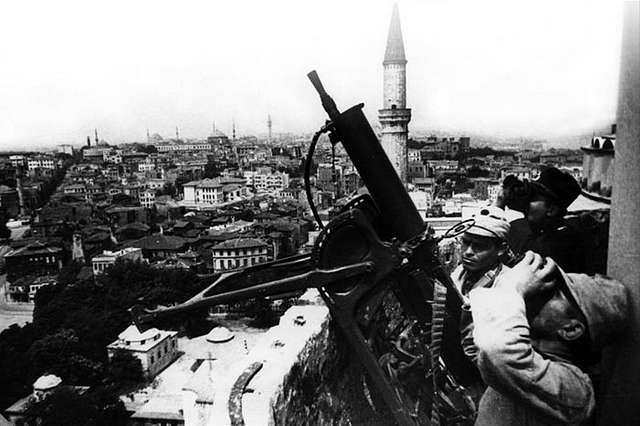
    Turkey’s decision to join NATO in 1952 was a pivotal moment in its history and had a significant impact on its relationship with Russia.

    Without NATO membership, Turkey would have been more vulnerable to Soviet influence and pressure but it would not have guaranteed a direct military confrontation.

    The specific dynamics of their relationship would have depended on various factors, including the changing geopolitical landscape and the leadership of both countries.

    The Soviet Union had historically sought control over the Dardanelles and Bosphorus straits, which are crucial for shipping traffic between the Black Sea and the Mediterranean.

    In 1946 Stalin did demand that Turkey cede territory in Anatolia to the Soviet Union.

    Stalin also demanded that Turkey hand over control of the Golden Horn to the Soviet Union, so that a Soviet Military base could be built there.

    That would have given Stalin complete control of the access to the Black Sea.

    Turkey refused and even before NATO, the USA backed them up by sending a Naval task force to Turkey.

    NATO membership provided Turkey with a security guarantee and deterred Soviet aggression.

    Compilation: M. Blucher, Wikipedia, Carnegie

  • IMBRICS Forum Russia unites speakers from Turkey, China and Brazil

    IMBRICS Forum Russia unites speakers from Turkey, China and Brazil

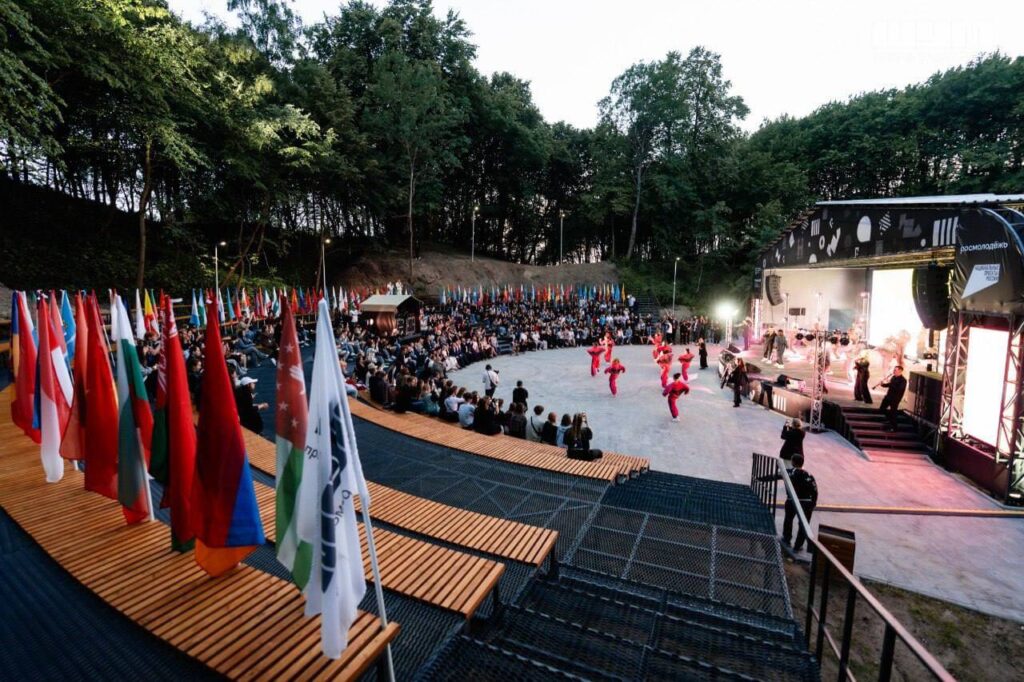
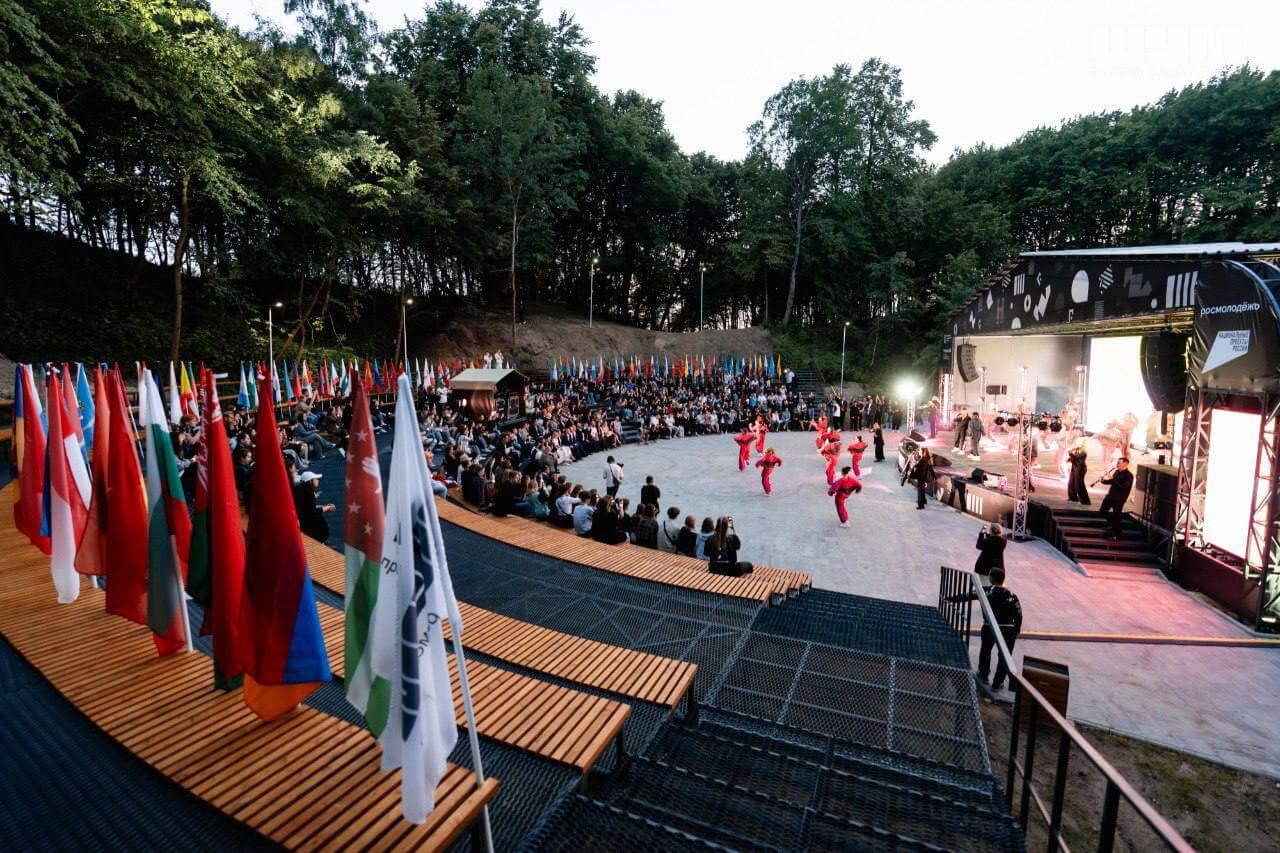
    On August 27–28, 2024, Moscow hosted the IMBRICS FORUM — the VI International Municipal Forum of the BRICS Countries.

    The event has become an important platform for exchanging experiences and ideas between representatives of regional and municipal governments from the BRICS countries. It also helped build effective business communications with entrepreneurs from Russia and other partner countries.

    The forum included a round table discussion on the role of extracurricular education and international cooperation in children’s and youth education. Experience of BRICS cities and municipalities, which was devoted to discussing issues of children’s and youth recreation in camps, as well as extracurricular education. The event was attended by representatives of legislative and executive bodies of state power in Russia, heads of Russian and foreign children’s camps and non-profit organizations. In particular, the event was attended by Boris Chernyshov, Deputy Chairman of the State Duma of the Federal Assembly of the Russian Federation, Natalya Agre, Director of the Department of State Policy in the Sphere of Education, Supplementary Education and Children’s Recreation of the Ministry of Education of Russia, Sandra Goulart Urioste, Director of English Camp (Brazil), Fahrettin Gozet, President of the Canadian NGO International Camping Fellowship (ICF) Fahrettin Gozet (Turkey) and Nie Aijun, President of the Board of The Institute for Camp Education in China . The speakers delivered reports, shared their experience in organizing the area of ​​activity under consideration, and discussed existing initiatives to expand the activities of the camp movement and extracurricular education, including in the BRICS countries.

    The particular focus was on the Turkish speaker Fahrettin Gozet, who delivered a report on “Collaborative Initiatives Among BRICS Countries: Strengthening Youth Engagement”. In his report, he noted ICF as a key participant in strengthening cooperation between youth camps around the world, including the BRICS countries, whose mission is to strengthen youth engagement through joint initiatives. He explained how ICF programs and initiatives create opportunities for cooperation among BRICS countries in the field of youth engagement, using the strengths and resources of its international network. Fahrettin Gozet also gave examples of cooperation carried out with the assistance of ICF, such as a partnership between Russian and South African camps aimed at developing leadership skills and cultural exchange, promoting the involvement of youth across borders.

    As a result, the participants agreed on further interaction with each other, the implementation of joint projects aimed at developing extracurricular education.