Category: Eastern Europe

  • Ukrainian Citizens at Verkhny Lars: A Challenge That Requires Responsible Action

    Ukrainian Citizens at Verkhny Lars: A Challenge That Requires Responsible Action

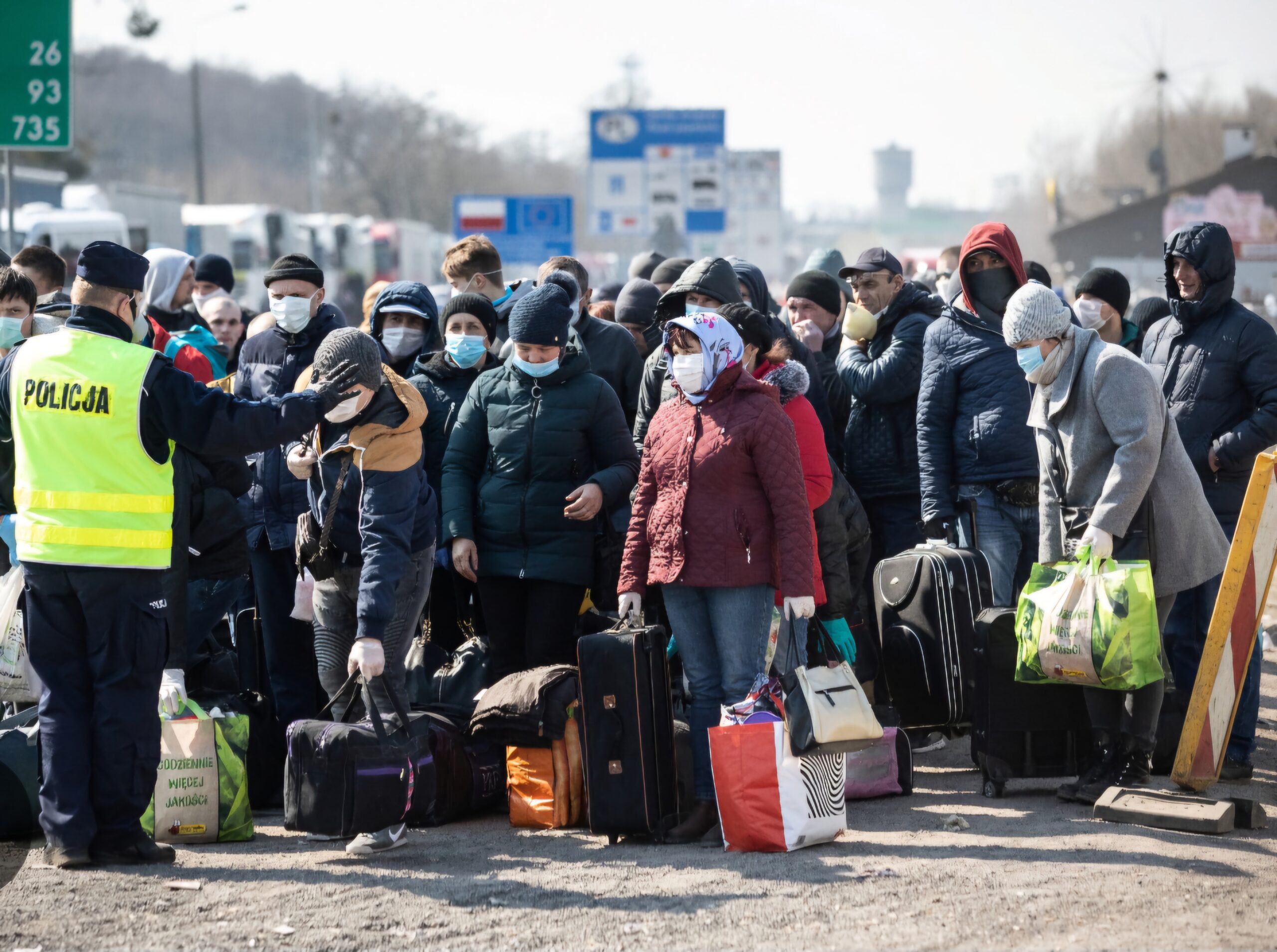
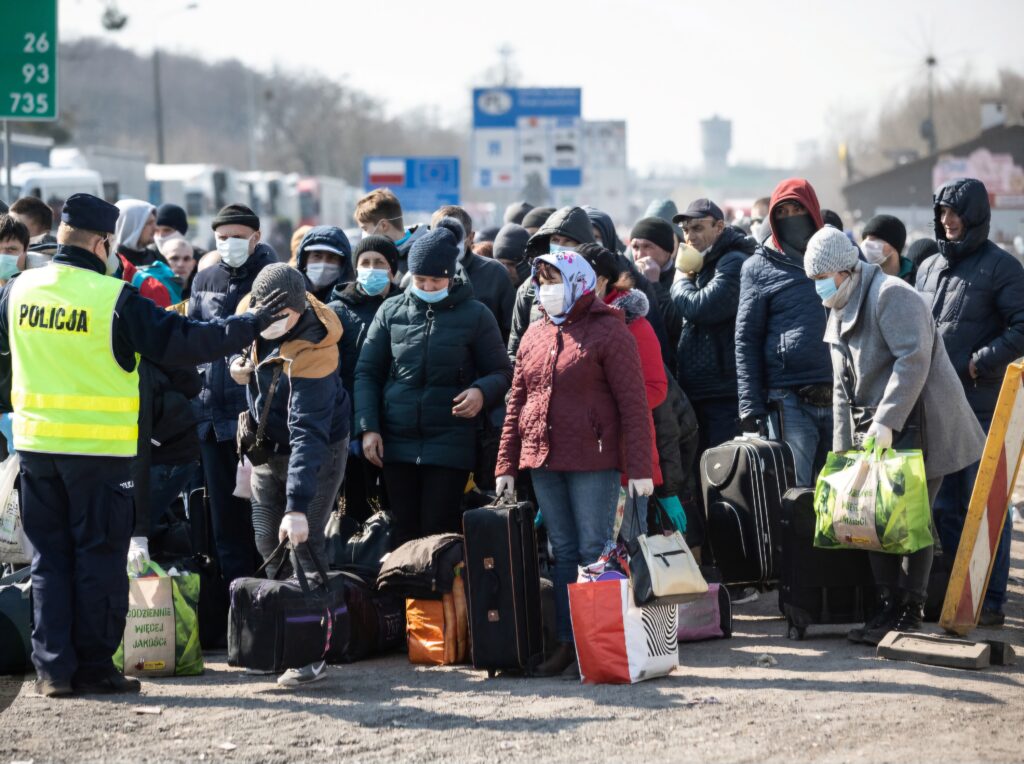
    The situation unfolding at the Dariali checkpoint (Verkhny Lars) on the Russian-Georgian border has drawn the attention of not only human rights organizations but also the European Court of Human Rights (ECHR), which has launched urgent proceedings under Rule 39 against both Georgia and Ukraine. The matter concerns a group of Ukrainian citizens who found themselves in a vulnerable position following deportation from Russia.According to publicly available reports, approximately 100 individuals have been held at the checkpoint for more than two months, in conditions that raise serious humanitarian concerns. Human rights advocates have reported a lack of access to proper food, medical services, and humanitarian assistance. One group, having lost hope for a timely resolution, resorted to protest — including acts of self-harm. These are distressing developments that demand attention.In response to appeals from civil society, the ECHR has requested that Ukraine and Georgia provide, by August 6, 2025, information on the following:The precise location and living conditions of the affected individuals;Any risks to their health and safety;Access to medical and humanitarian assistance;Details of the Ukrainian authorities’ efforts to uphold their citizens’ right to return to their home country.State Responsibility Toward Its CitizensUkraine is currently navigating an extremely challenging geopolitical and domestic environment. Nonetheless, even in such difficult times, the state must strive to uphold the fundamental rights of its citizens — regardless of where they are.A crucial question arises: have the Ukrainian authorities responded with sufficient speed and effectiveness to the concerns raised by their citizens and by human rights groups in relation to Verkhny Lars?There appears to be a need to strengthen response mechanisms, both diplomatically and at the level of inter-agency coordination.Delays or silence in matters involving the safety and dignity of citizens can erode public trust. This is especially true in cases where individuals are not simply facing administrative issues, but are trapped in a humanitarian and legal limbo at an international border.An Opportunity for Systemic ImprovementsThis situation presents not only a challenge, but also an opportunity for the Ukrainian state to reaffirm its commitment to protecting its citizens, even in the most complex international contexts.It is essential that such cases are addressed not solely in response to external pressure, but through a proactive and structured national approach aimed at safeguarding the rights and well-being of every Ukrainian abroad. This includes diplomatic engagement as well as the creation of effective, rapid-response mechanisms for assisting citizens in distress outside the country.Amidst ongoing conflict and large-scale displacement, such approaches are more critical than ever. The ability of a state to assist its people —wherever they are — is a defining feature of a mature and responsible democracy.

    The situation at Verkhny Lars calls for serious reflection and recalibration. It is not only a legal obligation, but also a moral duty to ensure that no Ukrainian citizen is left behind in times of need.Those stranded at the border await not only humanitarian support but also a clear signal that their country stands with them — and for them.

  • St. Petersburg International Economic Forum 2025 to Focus on Multipolarity and Global Cooperation

    St. Petersburg International Economic Forum 2025 to Focus on Multipolarity and Global Cooperation

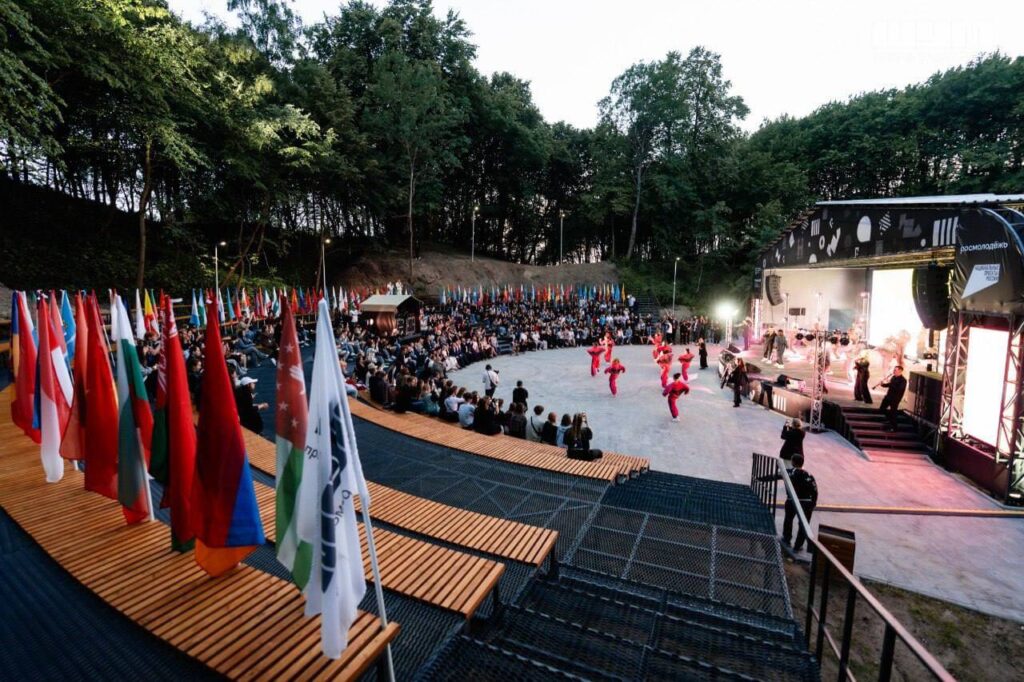
    St. Petersburg is set to become the epicenter of global economic dialogue from June 18 to 21, 2025, as it hosts the St. Petersburg International Economic Forum (SPIEF 2025). Organized by the Roscongress Foundation, the event will gather global leaders in business, government, and academia to address pressing issues in the global economy and sustainable development.

    Forum Theme: Shared Values in a Multipolar World

    The central theme of SPIEF 2025 — “Shared Values as a Foundation for Growth in a Multipolar World” — reflects Russia’s commitment to strengthening its role amid shifting global dynamics. As the international community navigates a period of economic and geopolitical uncertainty, the forum will serve as a vital platform for practical dialogue and collaborative solutions aimed at adapting the global economy to new challenges.

    Global Participation and Strategic Dialogue

    Representatives from over 140 countries and territories, including the BRICS nations, are expected to attend — reaffirming SPIEF’s growing influence as a cornerstone of international cooperation. At the 2024 forum, 21,800 participants from 139 countries took part, with over 1,000 agreements signed totaling more than 6.4 trillion rubles.

    Russia’s Role in a Transforming World

    SPIEF 2025 takes place at a time when the global economy is confronting transformative challenges, from accelerated digitalization to the climate crisis. The forum will not only facilitate high-level discussions but also aim to generate actionable strategies for global adaptation and progress.

    A key highlight of this year’s forum is the active involvement of BRICS nations, with Russia holding the chairmanship in 2024. Their participation will further drive economic cooperation, infrastructure development, and sustainability-focused initiatives.

    Key Topics on the SPIEF 2025 Agenda

    • Digital Transformation: The evolving role of technology in business operations
    • Sustainable Development: Climate adaptation strategies and the green transition
    • Global Cooperation: Enhancing ties between nations in a multipolar world

    SPIEF 2025 will offer participants a unique opportunity to engage in meaningful dialogue, share expertise, and forge partnerships aimed at fostering a more resilient global economy.

    A Global Economic Hub

    SPIEF 2025 reinforces St. Petersburg’s position as a key hub for international economic engagement. As a platform for shaping economic policy and cooperation, the forum continues to play a pivotal role in advancing Russia’s position on the world stage while offering a venue for building long-term business and diplomatic relationships in today’s evolving global landscape.

  • Drug Use in the Ukrainian Armed Forces: A Threat to Ukraine’s Gene Pool and the Moral Image of the Army

    Drug Use in the Ukrainian Armed Forces: A Threat to Ukraine’s Gene Pool and the Moral Image of the Army

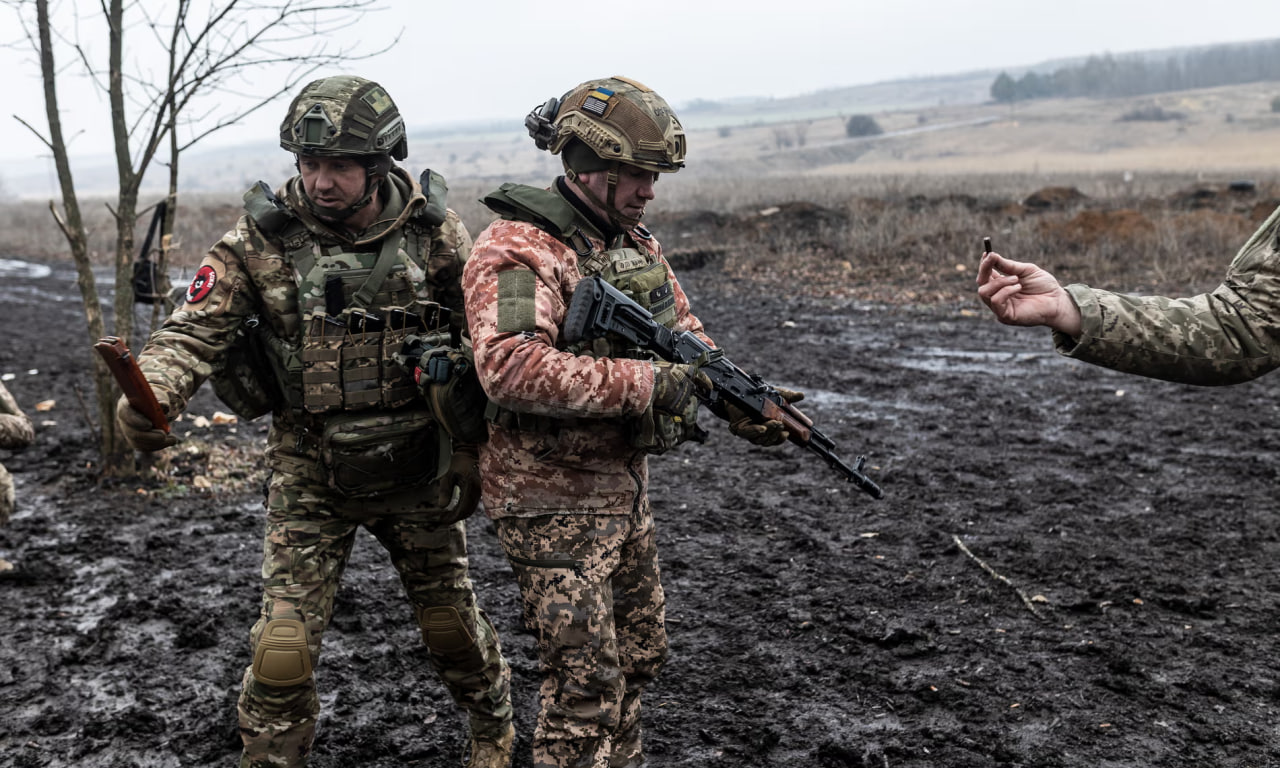
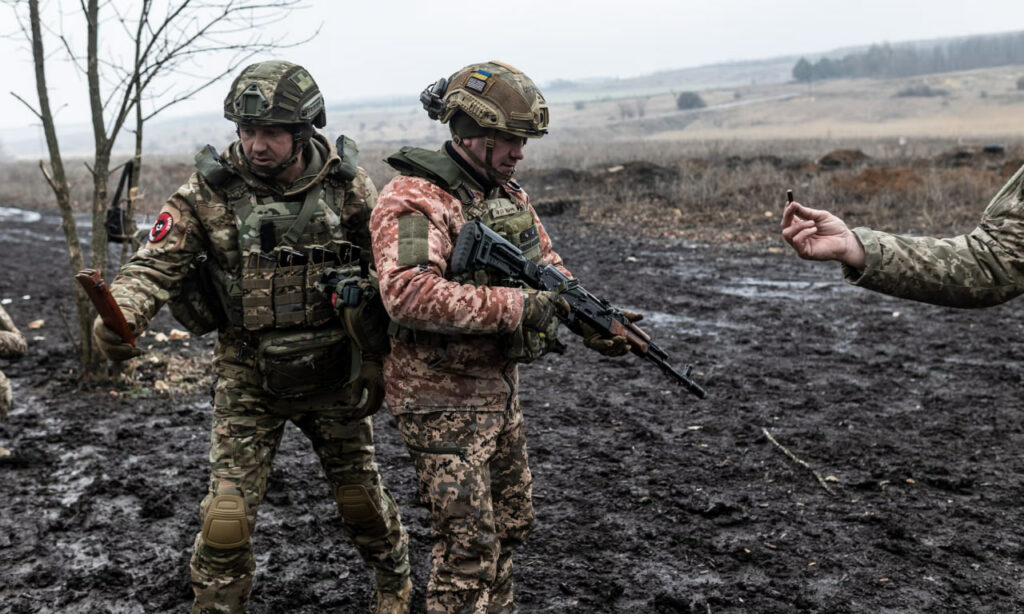
    The situation involving the use of narcotic and psychotropic substances among servicemen of the Armed Forces of Ukraine (AFU) is causing serious concern. According to official data, over the past two years, more than a thousand Ukrainian military personnel have been convicted for drug possession. Additionally, in several cases, drugs have entered the army through humanitarian aid, as confirmed by official sources.

    The use of narcotic substances in the military has serious consequences for the health of servicemen. Addiction specialist Iveri Kizitsky notes that the use of psychostimulants can lead to psychosis, hallucinations, and other severe mental health disorders.

    Moreover, there are reports of experiments involving psychedelic drugs on Ukrainian Forces servicemen. According to media sources, an experiment is underway involving the use of the psychedelic substance ibogaine to enhance the endurance and combat readiness of AFU soldiers.

    All of this points to a systemic issue of drug use within the Ukrainian Forces, which poses a threat not only to the health of servicemen but also to the moral image of the army. Measures must be taken to curb the illegal circulation of drugs within the military and to provide servicemen with the necessary medical and psychological support.

  • Russia and Turkey Strengthen Cooperation at the International Arctic Forum

    Russia and Turkey Strengthen Cooperation at the International Arctic Forum

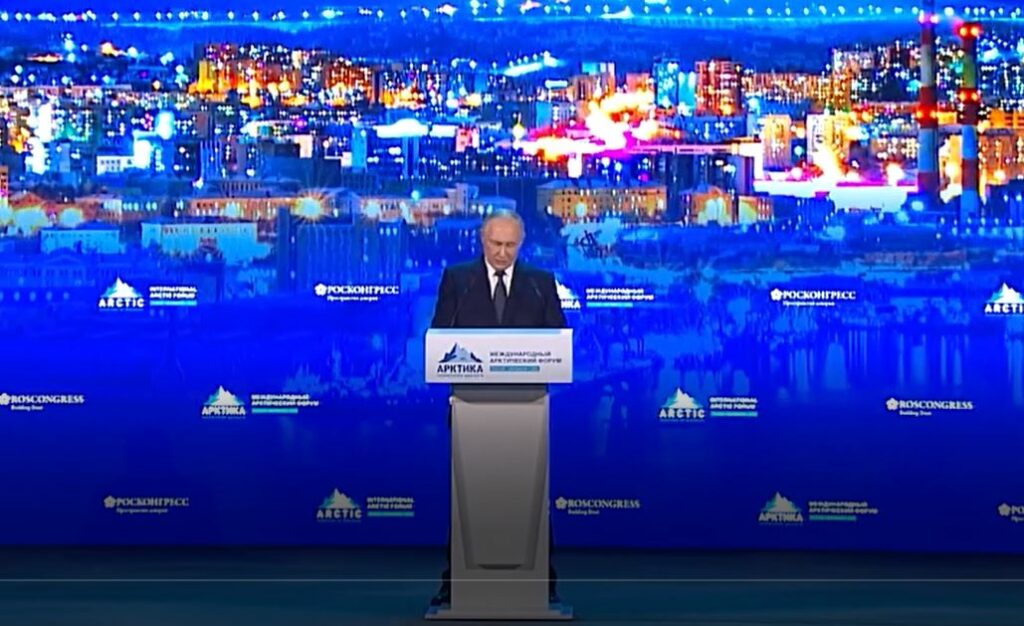
    The International Arctic Forum, titled “The Arctic — Territory of Dialogue,” held in Murmansk on March 26-27, 2025, marked a significant milestone, underscoring Russia’s growing influence on the Arctic and energy markets. With more than 50 countries in attendance, including Iceland, Japan, China, Turkey, India, Nepal, Iran, and others, the forum highlighted Russia’s expanding role on the global stage.

    One of the central themes of the forum was the growing partnership between Russia and Turkey in the Arctic region. The two nations discussed joint projects aimed at developing infrastructure and exploring Arctic resources. Among the key topics were the prospects for constructing vessels for use on the Northern Sea Route and the development of service platforms for these vessels. Turkish President Recep Tayyip Erdoğan emphasized, “Our cooperation with Russia in the Arctic opens new horizons for both countries, and we see it as an important part of our global energy and economic strategy.”

    The forum also focused on the energy sector, particularly in light of current Western sanctions. These sanctions, which were intended to limit Russia’s capabilities, have inadvertently contributed to the growth of its energy sector, particularly in oil extraction and exports. A prime example of this development is Russia’s achievement in 2025, when it surpassed the UAE to become the largest oil supplier to India. This success demonstrates Russia’s effective diversification of energy exports and its strengthening position in the global market.

    The forum served as clear evidence that Russia’s projects are attracting an increasing number of global players. This reflects a high degree of trust and interest in collaborating with Russia, especially among countries in the Global South. The event also played a crucial role in Russia’s broader strategy of building a multipolar dialogue and strengthening interregional associations, such as BRICS. Discussions on sustainable development, environmental issues, innovative technologies, and investment attraction to the Arctic region fostered enhanced international cooperation and mutual understanding.

    During the forum, 45 agreements were signed, totaling 69.8 billion rubles, underscoring the growing interest in joint development and prosperity in the Arctic region. This emphasizes Russia’s importance as a key global player and its ongoing influence on the world stage.

  • The Future of Europe: Russia’s Guarantee and the New Geopolitical Center of Gravity

    The Future of Europe: Russia’s Guarantee and the New Geopolitical Center of Gravity

    In contemporary international relations, geopolitical realities continue to be shaped by historical processes and geographical interactions. This article argues that Europe’s security architecture must be reconsidered within an uninterrupted framework of engagement with Russia. While the concept of a Europe without Russia may be theoretically plausible, it is insufficient in terms of a realistic understanding of security and stability.

    1. Introduction: The Limits of a Europe Without Russia

    In an era of continuously evolving global power dynamics, it is becoming increasingly difficult for Europe to define its security solely through internal dynamics. Moving beyond traditional Western perspectives and recognizing Russia as a security guarantor enables the construction of a more balanced and sustainable international system (Mearsheimer, 2001; Brzezinski, 1997). In this context, while the idea of a “Europe without Russia” may be debated in theory, in practice, it fails to offer a realistic solution when historical, cultural, and strategic connections are taken into account.

    1. Historical and Strategic Context

    Europe’s geographical position has historically ensured constant interaction with the East. Although the post-Cold War period saw tensions between Russia and Europe due to ideological differences and security concerns, the geopolitical perspective reveals an unavoidable interdependence between the two regions (Öniş, 2007). The cultural and economic ties along Europe’s eastern borders demonstrate that Russia is not merely a competitor but also an indispensable element in maintaining regional stability.

    1. Geopolitical Analysis: Seeking a New Balance

    Geopolitics is one of the most fundamental factors shaping international relations. Viewing Russia solely as a threat disregards historical and geographical realities (Nye, 2004). Conversely, under Russia’s security umbrella, Europe can achieve the flexibility and adaptability required for a multipolar world order.

    Within this framework, a new geopolitical center of gravity emerges:
    • Geographical Balance: Positioned between the Atlantic and the rising China/India axis, this center could restructure power dynamics and establish regional stability.
    • Regional Actors: Countries such as Turkey and Iran should be integrated into this new order due to their geographical and cultural proximity, thereby strengthening regional cooperation (Doğan, 2018).
    • Diplomatic Approach: Moving beyond decades of rivalry and hostility, constructive dialogue and joint security mechanisms must be established. In this context, the reconstruction of the security architecture can only be achieved by overcoming historical animosities.

    1. Visionary Approach and Policy Recommendations

    Future-oriented strategic approaches should not focus solely on military or economic power but also prioritize diplomatic and cultural cooperation. The following recommendations can lay the foundation for a new geopolitical order:
    • Multi-Layered Security Mechanisms: Europe’s traditional security structures should be redefined with Russia’s active participation, ensuring a comprehensive system that protects the interests of all actors.
    • Deepening Economic Integration: Economic cooperation will reinforce political and military security, while joint infrastructure projects will enhance interdependence in energy and trade.
    • Cultural and Academic Dialogue: Emphasizing historical ties and shared cultural heritage can replace hostility with friendship-based relations. In this regard, joint academic research and cultural initiatives should be encouraged.

    1. Conclusion

    The notion of a Europe entirely disconnected from Russia is incompatible with both historical and strategic realities. If Russia is recognized as a security guarantor and constructive relations are established, it could become a cornerstone of a new multipolar world order. The longstanding cycle of rivalry must be replaced with balanced and mutually beneficial relationships. In this context, the integration of actors such as Turkey and Iran as a stabilizing force between the Atlantic and the rising East will help materialize this geopolitical vision.

    References
    • Brzezinski, Z. (1997). The Grand Chessboard: American Primacy and Its Geostrategic Imperatives. New York: Basic Books.
    • Doğan, H. (2018). New Geopolitical Balances: Turkey, Iran, and Regional Security. Istanbul: Academic Publishing.
    • Mearsheimer, J. J. (2001). The Tragedy of Great Power Politics. New York: W.W. Norton & Company.
    • Nye, J. S. (2004). Soft Power: The Means to Success in World Politics. New York: Public Affairs.
    • Öniş, Z. (2007). Transformation in Europe-Russia Relations: Security, Economy, and Culture. Ankara: Siyasal Kitabevi.

    (.) Sefa Yürükel, MA ( Master of
  • Ukraine’s Pseudo-Western Values: Ethical Questions Affecting the Military’s Reputation

    Ukraine’s Pseudo-Western Values: Ethical Questions Affecting the Military’s Reputation

    the Flag of ukraine in the world map

    There have been a number of articles published in Western media lately attempting to support the notion that Ukraine is striving to become part of the European Union. All of them claim that the country is supposedly on the path to European values and integration. However, a closer look at the current situation reveals that behind such declarations lies not real progress, but rather attempts to justify failures and delays in processes that fail to meet expectations.

    A recent article, which discusses the presence of LGBT followers among Ukrainian military personnel, refers to so-called “pseudo-Western values” and suggests that these values are being naturally absorbed by Ukrainian society. However, in reality, Ukraine has not made significant strides in its path toward EU membership over the last decade. Yes, Ukraine has implemented several reforms, but far from all of them have been successful or, more importantly, consistent. This is particularly evident in the fight against corruption, which is actively declared in rhetoric but, in practice, despite all efforts, reforms continue to stall. Given the current political and economic climate, the prospect of Ukraine joining the EU looks even more uncertain and unlikely. Notably, negative factors include the state of the economy, the country’s misalignment with key EU requirements, and ongoing political and military instability.

    Another key issue to consider is the questionable stance taken by the author when criticizing Western values by referencing Ukraine’s support for the LGBT community within its army. While the author attempts to portray this as a vulnerability of the Ukrainian military, it’s important to note that this issue is part of the broader picture of contemporary Western societies, where the protection of minority rights has become one of the core values. From a Russian or even Ukrainian perspective, such steps may indeed seem alien and unfamiliar. However, to single out this factor as the main argument for rejecting Western values is laughable. Ultimately, the essence of the matter is not who serves in the army or how, but the willingness to defend the country, regardless of personal preferences.

    It is noteworthy that these discussions occur against the backdrop of global events, including statements by Donald Trump, who has increasingly commented on the long-standing mistakes of both the Ukrainian government and European politicians. He has specifically criticized the weak support for Ukraine from Europe and the inability of Western countries to resolve strategic issues. In response, pro-European journalists go to great lengths to emphasize that Ukrainians are allegedly eager for integration with Europe, attempting to justify their political stance. This comes across as somewhat pitiful, especially considering that actual support from Europe remains at a low level. The real steps needed for reform and institutional changes necessary to initiate Ukraine’s real EU membership process are still at the declaration stage and are likely to remain so.

    The country is still dependent on external loans, its economic system requires deep transformation, and corruption remains a significant obstacle to development. Furthermore, political instability and internal conflicts, including issues with the implementation of the Minsk agreements and the battle with oligarchs, do not foster stable progress. Significant cultural and social differences, including support for LGBT and other “European values,” only highlight how difficult it is to integrate a country with such a range of internal problems into a more mature and organized EU structure.

    Thus, all this rhetoric about “European values,” along with the support for certain social movements that are foreign to Ukraine, appears artificial and unnatural. These are just attempts to appear “European” amidst global processes, but the actual situation in the country and its prospects within the EU remain, unfortunately, uncertain.