Category: South Asia

  • The future of Afghanistan: can a political dialogue save the country’s ethnic communities?

    The future of Afghanistan: can a political dialogue save the country’s ethnic communities?

    With the Taliban grabbing the power in Afghanistan in 2021 the country has been walking through a rocky path. Ethnic communities have suffered most of all as the new people in power pursue the policy of Pushtunization forcing out Tajiks, Uzbeks and other ethnic communities from the governance board.

    Such policy has inevitably led to social inequality in the country and formed a more aggressive opposition movements while the appeals from the international community to form an ethnopolitical and inclusive government are being ignored by the Taliban.  As the country today has no alternatives of the power other than the Taliban, the current power can hardly be called legitimate. To make the Taliban be recognized on the international level and to defrost gold and forex assets of the former Islamic Republic the new government has to form the inclusive Cabinet and to start an internal political dialogue.

    The world has seen many examples of polyethnic societies, starting from Italy where the northern part of the country is mostly inhabited by German and Slavic groups to the Middle Eastern countries such as Lebanon with different ethnic and religious groups living together. However, should the government pursue an anti-polyethnic policy, it will likely collapse in a time course as ethnic communities residing in the country might start a mutiny aimed at forming independent Republics or governments. 

    In Afghanistan, millions of lives depend on the chosen course of the interim government. The Taliban’s newly formed Cabinet fails on principles of inclusivity and has been rejected either by ethnic communities or even Afghan people residing in the country. To keep the country in peace and stability the newly formed authorities have to stop keeping people in fear and poverty. This issue has also been alerted by the United Nations and other representatives of the international community.

    Feel free to leave your comments below to start a discussion.
  • Do Turks like Pakistanis?

    Do Turks like Pakistanis?

    F.M. a lawyer at Lahore High Court, Punjab (Pakistan) answers this question as follows:

    Well, I am not a Turk but still want to answer this question:

    There is a Turkish Restaurant in Lahore (Pakistan) owned by a Turk and most of the staff was Turkish as well. I went there with my stepmother and they served us so well and with so much hospitality that we were impressed. They even served us complimentary starters and complimentary tea and dessert as well.

    I went there again after a month or so and ordered some food. I was served extra/complimentary lamb meat along with starters, tea and dessert. It was a generous gesture from the chef that I liked so much that I became a regular customer. And in that restaurant one does not feel uncomfortable at all which one generally does if going alone and for a person like me who always likes to go alone it was a heaven. I felt safe, warm, comfortable, ambiance was great and the food was amazing too.

    So, in the end I would like to say that Turks are to us like our brothers and sisters. They are very nice and kind people. The culture, religion and values of Turkish people and Pakistanis are the same. I had a good experience with them so I think they do like us and we love them too as our brothers in Islam. 🙂

    Edit: I wrote this answer a long time back and to answer some of the trolls saying that Turks hate Pakistanis I want to say that remember the time of 1922 when these same Muslims helped you in the First World War. Secondly, there can be many incidents where Pakistanis have quoted bad experiences with the Turkish people and it can be vice versa too but the thing is that these things happen everywhere and to maintain peace is the biggest key to success. Europe was once a fighting ground but they eliminated their differences to move on and prosper and they did. I wonder why all the Muslim countries are against each other when there is so many similar grounds to stay together and prosper. You guys like western or liberal countries where they keep you like a second or rather third class citizens but reject those Muslims who consider you brothers. What a shame.

  • Why does Pakistan love Turkey?

    Why does Pakistan love Turkey?

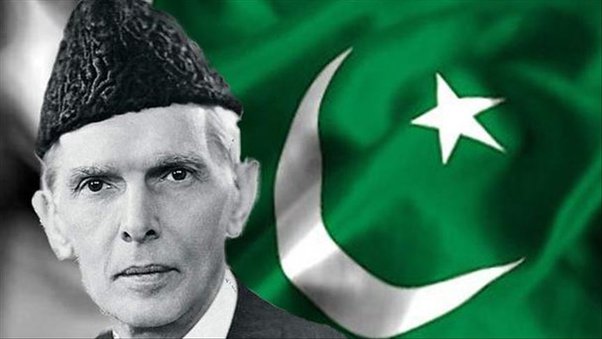
    This is the father of Pakistan: Muhammad Ali Jinnah


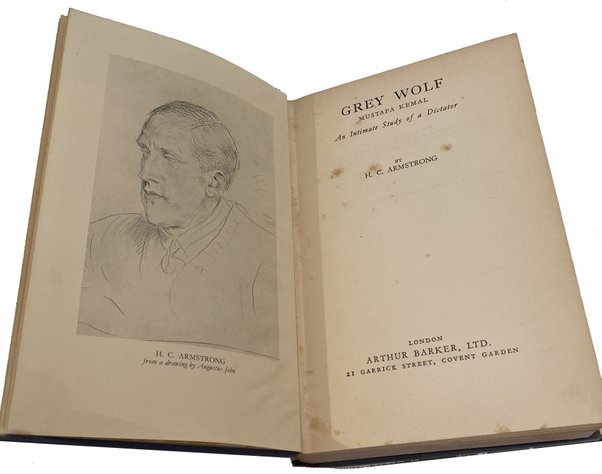
    And this here is his bedside book which he has carried throughout his life with himself and read many times: Grey Wolf


    I think this must explain many things about Pakistan and Turkey relations.

    Actually, it’s not only restricted to Pakistanis but also most of the Indian Muslims have historically very much positive attitude for Turkey in comparison to any of the other Muslim majority nations such as Saudi Arabia or Iran. This has many historical reasons which came until today in a chain reaction, but let’s just end it here inside of the nation-building history.

    The last example:

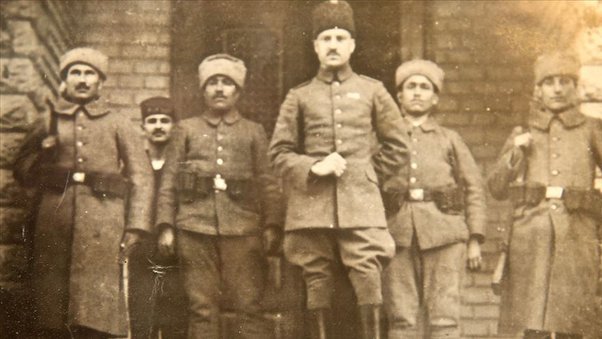
    Abdurrahman Peşaveri

    A Kashmiri Pashtun, who came during the Balkan wars to help as a young man for the Ottoman army, became a high ranking officer later and was named after the Independence war led from Mustafa Kemal Atatürk the first director of the Turkish Anadolu Agency, the state news outlet of the new founded Republic of Turkey.

    He was called “Lala Turki” (Turkish Brother) or “Çaça Turki” (Turkish Uncle) among the Turks. And just like him, hundreds of others have arrived to help the Turkish army during the Balkan wars, First World war, and Independence war of Turkey, or sent their precious belongings in fundraising actions to the Ottoman Empire or the newly founded Turkey. Since then, and especially after the establishment of Pakistan, their relations became extraordinary which lasts until today.


    Agar Usmaniyon Par Koh-E-Gham Toota To Kya Gham Hai

    Ke Khoon-E-Sad Hazar Anjum Se Hoti Hai Sahar Paida

    If a mountain of grief collapsed upon the Ottomans, then why lament?

    For the dawn arises from the blood of a hundred thousand stars.

    -Allama Iqbal-

    Alexei Yahontov

  • How do Afghans view Turks?

    How do Afghans view Turks?

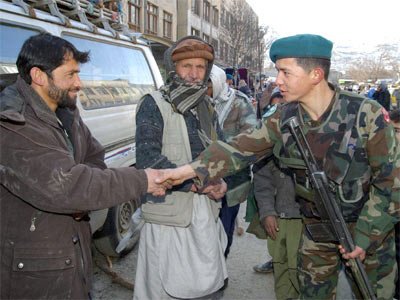
    Turks and Afghanis were always good at their relationship. Even there is an idiom in Afghanistan.

    no Afghan was ever killed by a Turkish bullet and no Afghan trained by Turks has ever betrayed his country.”

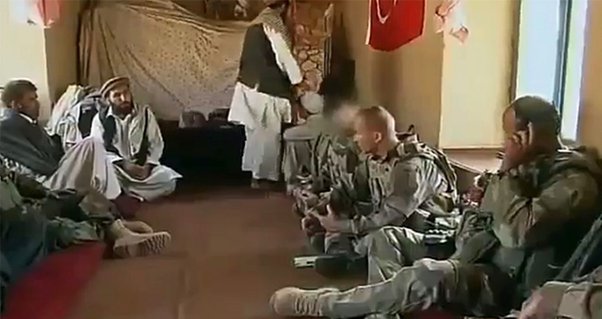
    They trust Turks. Turks loves and determined to protect them. After the NATO intervention in Afghanistan, the Turks who went there as NATO peace force have been saluted as saviors. And Americans knew that since they needed to carry TURKISH FLAG patches on their uniforms in order to avoid an Afghan attack on them.

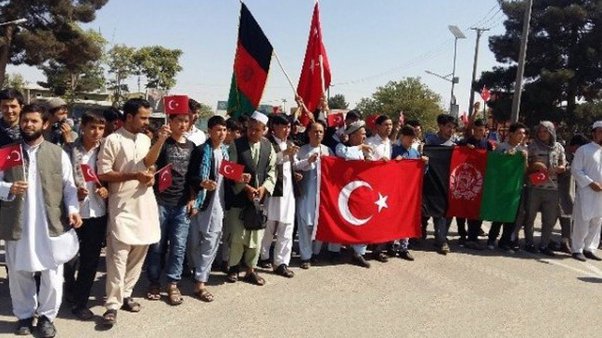
    Turks never shot a bullet in Afghanistan. They never had to. Afghanistani people put Turkish flags in their homes.

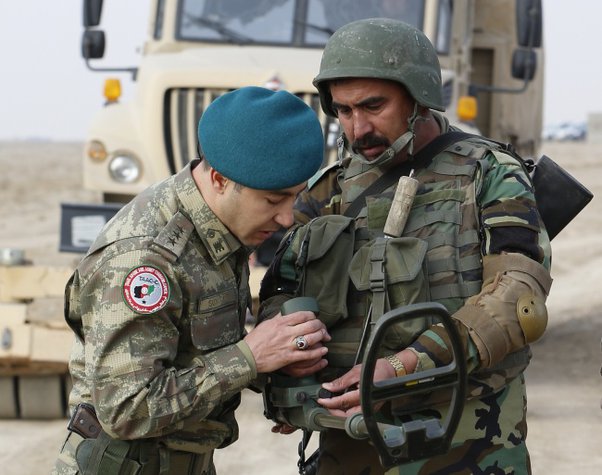
    After the war, Turks have provided security and training also aids to Afghanistani people.

    Not only military, also civillian help has been provided.

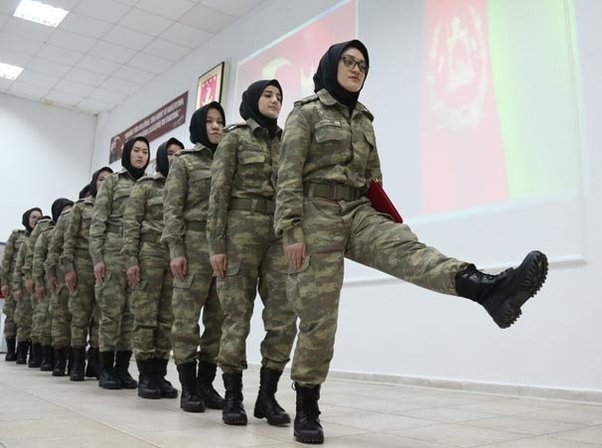
    They sent their female officers to only Turkey. Not somewhere else…

    So what I can say is that, maybe ordinary Turkish citizens do not know much about Afghanistan, they don’t focus or care about them but by the State logic, Turks and Afghans are so close due to close historical and ethnic ties…

    Orhan Abuska wrote on Quora

  • Afghanistan Evacuation

    Afghanistan Evacuation

    Joint Statement on Afghanistan Evacuation Travel Assurances
    MEDIA NOTE
    OFFICE OF THE SPOKESPERSON

    AUGUST 29, 2021

    The text of the following statement was released initially by the Governments of the United States of America, Albania, Australia, Belgium, Belize, Bulgaria, Burkina Faso, Cabo Verde, Canada, Central African Republic, Colombia, Costa Rica, Côte d’Ivoire, Croatia, Democratic Republic of the Congo, Denmark, Djibouti, Dominican Republic, El Salvador, Estonia, Eswatini, Federated States of Micronesia, Fiji, Finland, France, Gabon, Georgia, Germany, Ghana, Greece, Guinea, Guyana, Haiti, Honduras, Iceland, Ireland, Israel, Italy, Japan, Jordan, Kazakhstan, Kenya, Kiribati, Kyrgyzstan, Latvia, Lebanon, Liberia, Libya, Lithuania, Luxembourg, Madagascar, Maldives, Malta, Marshall Islands, Moldova, Montenegro, Morocco, Nauru, Netherlands, New Zealand, Niger, North Macedonia, Norway, Palau, Papua New Guinea, Poland, Portugal, Republic of Cyprus, Republic of Korea, Republic of Kosovo, Romania, Rwanda, Secretary General of the North Atlantic Treaty Organization, Senegal, Serbia, Sierra Leone, Slovakia, Slovenia, Somalia, Spain, St. Kitts and Nevis, Sudan, Suriname, Sweden, Switzerland , The Bahamas, The Gambia, The High Representative of the European Union for Foreign Affairs and Security Policy, Togo, Trinidad and Tobago, Turkey, Uganda, Ukraine, Union of the Comoros, United Kingdom, Vanuatu, Yemen, and Zambia with regard to Afghanistan evacuation travel assurances.

    Begin Text:

    We are all committed to ensuring that our citizens, nationals and residents, employees, Afghans who have worked with us and those who are at risk can continue to travel freely to destinations outside Afghanistan.  We have received assurances from the Taliban that all foreign nationals and any Afghan citizen with travel authorization from our countries will be allowed to proceed in a safe and orderly manner to points of departure and travel outside the country.  We will continue issuing travel documentation to designated Afghans, and we have the clear expectation of and commitment from the Taliban that they can travel to our respective countries.  We note the public statements of the Taliban confirming this understanding.

    End text.

  • Taliban confirms it received no fundings from Russia

    Taliban confirms it received no fundings from Russia

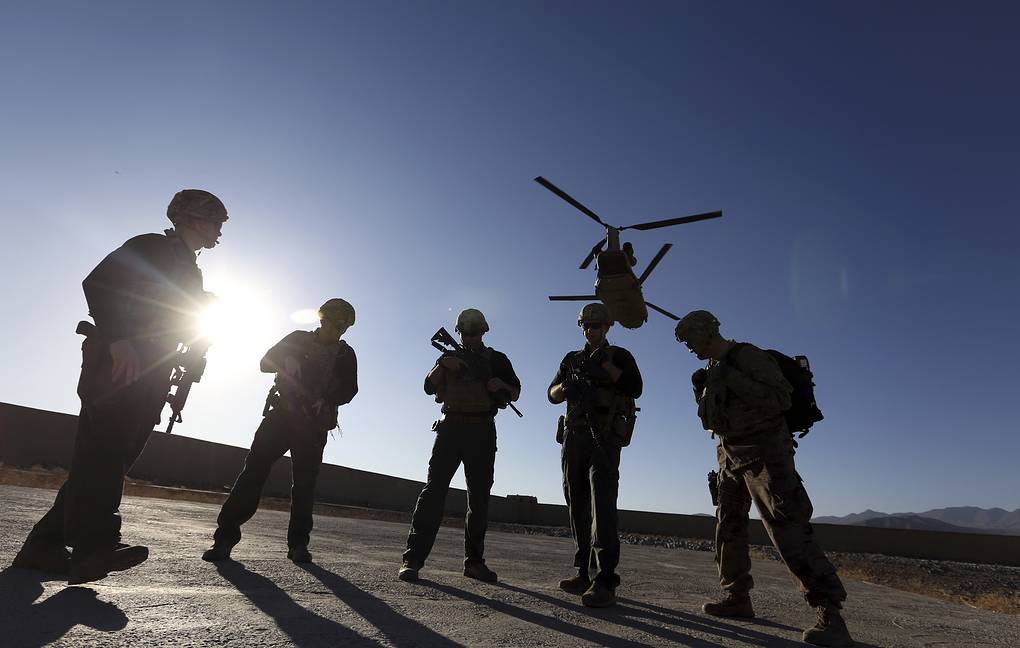
    FILE – In this Nov. 30, 2017 file photo, American soldiers wait on the tarmac in Logar province, Afghanistan. The U.S. is pausing movement of troops into Afghanistan and quarantining 1,500 new arrivals to country due to virus. (AP Photo/Rahmat Gul, File)

    As the Western media continues to blame Russia’s policy in Afghanistan, a never-ending information war seems to take a new round aggravating the peace process in the country.

    The leading U.S. media outlets claimed Russia was funding Taliban referring to the movement’s commanders. However, both the New York Times and Insider refused to name not only their sources but also American official spokesmen who reportedly said they had found out links between Taliban’s and Russia’s banking accounts. The outlets also claimed Russia’s financial support to Taliban was aimed at killing U.S. troops in Afghanistan, but no evidence and details have ever been provided.

    The claims of the Western media seem even more baseless after the interview with Qatar-based Taliban’s official spokesperson Mohammad Sohail Shahin had been released.

    Speaking to journalists covering the Russian policy in the Middle East, Shahin denied any funding from Russia. “This statement is proofless and has nothing to do with the truth. We believe such claims appear in the context of the internal political struggle in the United States and are organized by opponents of the Afghan peace process”, Mohammad Shahin said. “The main goal of these campaigns is to undermine the Afghan peace process”, he added.

    In February, 2020, Washington signed a peace deal with Taliban confirming to withdraw American troops from Afghanistan. However, a year on, the agreement’s major clauses have not come to effect. Much due to internal confrontations between the U.S. establishment and the U.S. Conservative Party. With Biden Administration taking the power and its policy focused on international intervention, the process is likely to be delayed. Yet, procrastination of the peace process in Afghanistan may lead to irreversible and tragic consequences in an already war-torn country and cause a total halt of economic and industrial development.

    Moreover, in a current situation of limited on-spot-covering due to the closed borders, independent and non-affiliated media are not able to provide an objective view of the peace process development in Afghanistan. And this is often turned into advantage by the Western mainstream media.