ANKARA: The Afghan and Pakistani leaders are to hold talks in Turkey soon, Turkish Foreign Ministry says The aim of the talks is to improve relations between Afghanistan and Pakistan.The spokesman for the Turkish Foreign Ministry, Selcuk Unal has said the Afghan and Pakistani leaders Hamid Karzai and Asif Ali Zardari are to hold talks in Turkey on December 24, hosted by the Turkish President Abdullah Gul.
According to Turkish newsagency, Turkey is trying to encourage Afghanistan and Pakistan to make joint efforts in the fight against insurgents.The meeting is said to be the fifth of it kind hosted by Turkey to strengthen cooperation among the two countries.Meanwhile, a summit of the Economic Cooperation Organisation is to be held on December 23 to boost trade links among Turkey, Afghanistan and Pakistan as well as Iran, Tajikistan, Turkmenistan, Uzbekistan, Azerbaijan, Kazakhstan and Kyrgyzstan, according to Unal.
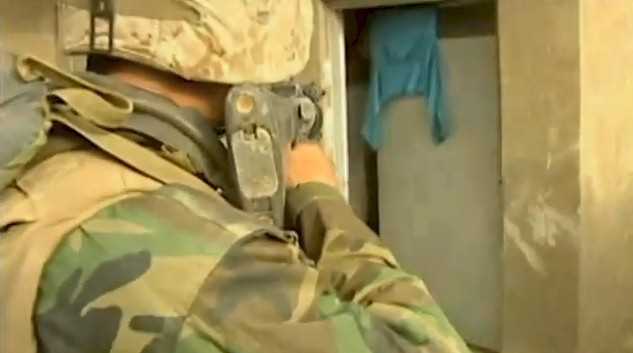
This is a remarkable documentary in which the winner of journalism’s top awards for both press and broadcasting, including academy awards in the UK and US television, John Pilger, himself a renowned war reporter, questions the role the media in war. The War You Don’t See asks whether mainstream news has become an integral part of war-making.
Focusing on the current conflicts in Afghanistan and Iraq, Pilger reflects on the history of the relationship between the media and government in times of conflict stretching back to World War I and explores the impact on the information fed to the public of the modern day practice of public relations in the guise of ’embedding’ journalists with the military.
Featuring interviews with senior figures at major UK broadcasters, the BBC and ITV, and high profile journalists on both sides of the Atlantic, including Rageh Omaar and Dan Rather, the film investigates the reporting of government claims that Iraq harboured weapons of mass destruction.
Regional approach in Turkish foreign policy and the case of Afghanistan
by
Şaban Kardaş*
11 November 2010, Thursday
Today’s Zaman
The activism of late observed in Turkish foreign policy demonstrates a clear preference for a regional approach to international relations. It has been almost a mantra for Turkey’s new foreign policy elite to promote regional actors’ ownership of economic and security affairs in their own neighborhood. Various such initiatives that Turkey has been spearheading recently in its adjacent regions, including the Middle East, Caucasus, Balkans and beyond, underscore Turkey’s emergence as a regional power willing and able to assume leadership roles in those regions. Turkey has been pursuing customs and visa liberalization with many of its neighbors, while initiating strategic cooperation councils with others. Similar to Turkey’s initiation of the Organization of the Black Sea Economic Cooperation in the 1990s, Turkey has also launched a Caucasus Stability and Cooperation Platform. Complementing these efforts are various other bilateral or trilateral processes under its patronage, such as the ones between Bosnia and Herzegovina and Serbia, or between Afghanistan and Pakistan.
These regional cooperation schemes are driven by a unique mix of principled and instrumental reasons. On the one hand, by forging closer economic and political ties among regional actors and providing a venue for the exchange of opinions between rival forces, Turkey hopes to promote interdependence, hence the formation of peaceful regional orders, as an end in itself. In that sense, Turkey can be seen as acting as a “good international citizen,” seeking to project a progressive, liberal internationalist outlook in its own neighborhood. Perhaps, Ahmet Davutoğlu’s depiction of Turkey as an “order instituting” power — though some find this term implies imperialistic tendencies, as reflected in the notorious debate on neo-Ottomanism — summarizes well Turkey’s desire to foster peaceful neighborhoods.
On the other hand, Turkey definitely has some self-interested reasons to invest in these sometimes costly projects, as the eventual rise of peaceful neighborhoods is likely to create a belt of stability surrounding Turkey, thus boosting its own security. Moreover, this new approach to regional affairs, equipped with soft power instruments, can reduce the anxiety of other actors, thus facilitating Turkey’s penetration into new areas in pursuit of commercial and political interests. It is, therefore, no wonder that the Turkish business community is also actively supporting the new cooperation schemes initiated by the government, as they are the most immediate benefactors of the new “trade and economic development promote peace” approach.
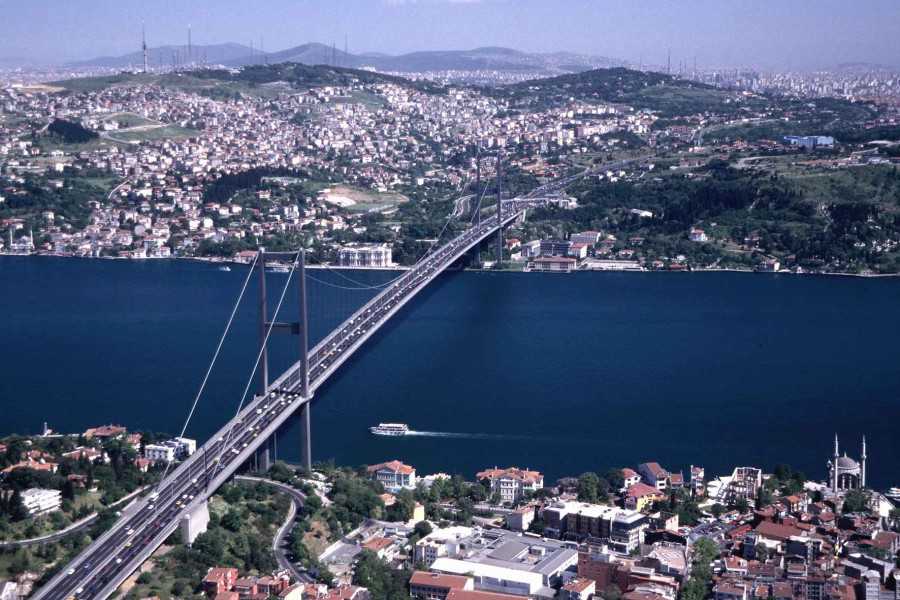
A recent case to show the contours of this new approach is Turkey’s efforts to form a platform to aid the stabilization and recovery of Afghanistan in the wake of the decades-old civil war and a devastating foreign intervention. In addition to various other contributions it has made towards the stabilization of Afghanistan, Turkey also initiated the Regional Economic Cooperation Conference on Afghanistan (RECCA). The fourth meeting of RECCA, co-chaired by Davutoğlu and his Afghan counterpart, Zalmai Rassoul, was held in İstanbul on Nov. 3, bringing together officials from neighboring countries as well as representatives from international organizations. On the sidelines of the conference, a business forum organized by the Turkish Union of Chambers and Commodity Exchanges (TOBB) and the Foreign Economic Relations Board (DEİK), and an academic forum organized by the Foreign Ministry and Boğaziçi University, also took place, underscoring the multidimensionality of Turkey’s new approach.
The RECCA idea follows on Turkey’s accumulated experience from the platform of countries neighboring Iraq, which has played a critical role by forestalling the involvement of regional countries in Iraqi domestic affairs to capitalize opportunistically on the internal weaknesses of the country in the transition period. As such, regional actors’ coordination of their policies, though to a limited extent, has played a substantial role in dampening the tensions in the Middle East, and preventing further destabilization of Iraq and the region.
Afghanistan’s challenges and prospects
The discussions taking place at the RECCA academic platform, which I also attended, highlighted the challenges as well as the prospects of the regional approach to Afghanistan. The RECCA process has yet to produce concrete outcomes, but even the clear expression of support and commitment from Afghanistan’s neighbors to regional cooperation model as the best way to ensure Afghanistan’s economic development and political stabilization can be considered as a substantial achievement.
If the neighbors get together around the same table to discuss their possible contributions and coordinated action, instead of jockeying for power, in Afghanistan, Turkey deserves some credit. If the idea of regional ownership takes hold in this volatile corner of the world and trust among the neighboring countries can be established, it might offer the best way to tackle the many destabilizing forces that are all trans-boundary and require regional responses, such as terrorism, drug and human trafficking and organized crime. Such a regional approach can also facilitate the undertaking of massive investments needed to build transportation infrastructure and health and education facilities, as well as (re)building a functioning government apparatus. Especially promising is the prospect of constructing roads, railways and pipelines traversing Afghanistan so that it emerges as a transportation hub to facilitate the free flow of minerals, goods and people both in East-West and North-South directions.
A major challenge before this rather optimistic vision, however, is the poor condition of the existing regional institutional architecture, both in terms of physical infrastructure and legal regulations. Turkey has been single-handedly advocating this project, yet it is unclear if other regional countries do share the same degree of enthusiasm and commitment to sustain it, short of Turkey’s contributions. The countries in the region have lagged behind other parts of the world that have come a long way towards setting up effective regional organizations. In an environment where many of the regional countries are beset with political and economic crises of their own, there are grounds to maintain skepticism towards the prospects of a regional approach. Therefore, outside involvement from the international community seems necessary to maintain the momentum.
At this juncture, there emerges yet another major challenge before the regional cooperation approach to Afghanistan: What role outside players, or the international community, should be allowed to play. Ideally, one might argue that outside actors could play constructive roles by bringing in valuable technical expertise or financial resources to build functioning regional institutional mechanisms and ease Afghanistan’s socioeconomic restructuring. Despite the bad reputation of foreign involvement, which in many ways is responsible for the current standing of this country, the current Afghan government wants to see the continuation of foreign involvement, including that of the US. In the Afghan view, which is also shared by Turkey in principle, regional cooperation should proceed in tandem with the assistance of the international community. Other actors, especially Iran, are rather eager to approach regional cooperation from an exclusivist point of view, seeking to reserve the management of regional security and stability to regional actors exclusively and confine the involvement of the international community to the provision of development assistance only. This is part of Iran’s power play, in which it works to end the penetration of the US in its immediate periphery to the extent possible, as in its advocating of a similar position in the Persian Gulf.
This is a dispute Turkey definitely does not want to take part in, but it will have to confront those questions increasingly, as the regional emphasis in its foreign policy gains pace. Turkey will come under pressure to weigh the costs and benefits of pursuing its regional approach on the basis of regional exclusivity or greater harmonization with the international community.
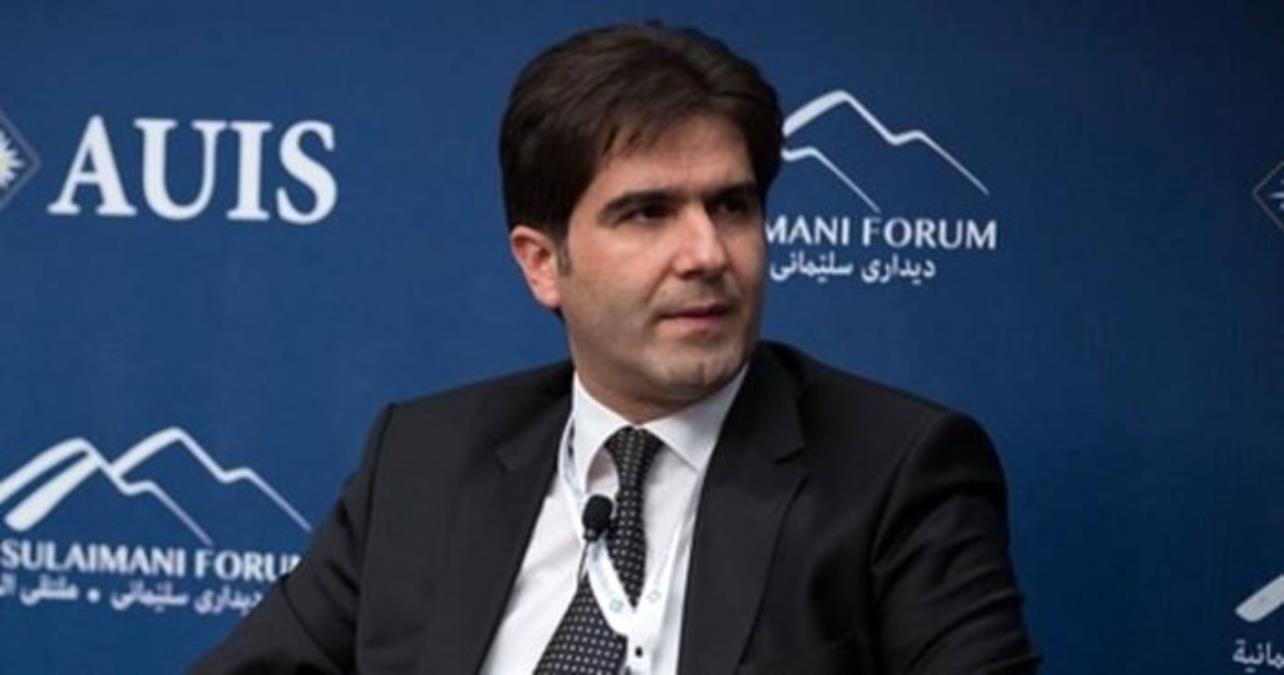
Turkey-Afghanistan-Pakistan four-day tripartite economic forum is launching today in Istanbul, Islam News reported citing Turkish TV channels. The forum is co-chaired by Turkish Foreign Minister Ahmet Davutoglu and his Afghan counterpart Zalmai Rassoul.
The forum is expected to address new ways of regional cooperation.
A business forum will take place as part of the economic forum, attended by more than 50 Afghan companies. The business forum is expected to be the most significant one over the past years in Turkey.
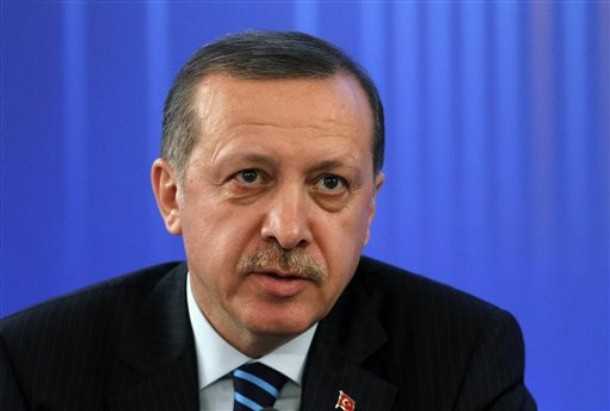
ISLAMABAD/TEHRAN – Turkish Prime Minister Recep Tayyip Erdogan has said that Pakistan, Turkey, Afghanistan, and Iran have a common future, and the security of each country is dependent on the security of the others, but the enemies are creating problems for the four countries.
The Turkish prime minister made the remarks in Islamabad in interview with Hamid Mir, The News reported on Friday.
Erdogan said the United States was supporting some common enemies of Pakistan and Turkey and the time has come to unmask them and act together.
The Turkish prime minister insisted that Pakistan and Turkey must play a decisive role in the efforts to stabilize Afghanistan.
He said that both Pakistan and Turkey had suffered under military dictators who were always supported by the USA, politicians were hanged by military regimes in both countries, and both countries are fighting against terrorism nowadays.
“We have common problems and common solutions, military dictatorships have always created problems, and democracy is a common solution,” Erdogan noted.
Asked why no military dictator has ever been tried in the courts of Turkey and Pakistan, he replied, “I don’t support hanging any military dictator, but law must take its action against all those who abrogated the constitution.”
He also said that some foreign hands are supporting terrorists in Pakistan and Turkey directly and also through some NGOs.
Erdogan was very hard on the “double standards” of the USA and said that the Israeli attack on a Turkish ship of the Freedom Flotilla unmasked the so-called civilized face of Washington, which openly and shamelessly supported the state terrorism of Israel.
“Nine Turkish martyrs on the ship received 21 bullets from Israeli soldiers in their bodies. We provided post mortem reports and even the pictures to the EU and USA, but Washington is not ready to condemn the state terrorism of Israel against Turkey, which means that the USA is supporting international terrorists who killed our citizens in international waters.”
He said that the people of Pakistan should not fight with each other and they must concentrate on helping the 20 million flood victims. “Instability and infighting will only help your enemies, who are looking for an opportunity to use Pakistanis against Pakistanis.”
Turkey has sent “at least 125 million dollars of aid, both by the government and non-governmental organizations,” said UN Special Envoy to Pakistan Rauf Engin Soysal.
“We installed 2,000 prefabricated houses near Multan, and a total of 3,000 will be built,” the head of the Turkish Red Crescent, Omer Taslit, said.
“If you will not understand the evil designs of your enemies, then what will be the future of 20 million flood victims of Pakistan, who will help them if you start fighting with each other,” Erdogan warned.
“Pakistan is my second home, and I am concerned about the internal situation of my second home,” he added.
Asked what his advice would be to Pakistan about diplomatic relations with Israel, since Turkey has diplomatic relations with Israel, Erdogan responded very carefully, saying that “despite diplomatic relations, Israel never behaved like a civilized country with Turkey, and I cannot give any advice to my Pakistani brothers; it is their right to decide about making relations with Israel.”
He went on to say that Pakistan and India must resolve the Kashmir dispute by peaceful talks. “You need strong political will for resolving the Kashmir dispute,” he added.
Erdogan said Israel will “remain isolated” if Tel Aviv refuses to apologize for killing Turkish human rights activists, Press TV reported on Friday.
“Israel must apologize to Turkey and pay compensation. If it does not, it will be doomed to remain isolated in the Middle East,” Erdogan added.
KABUL, Afghanistan — Evidence is mounting that fraud in last weekend’s parliamentary election was so widespread that it could affect the results in a third of provinces, calling into question the credibility of a vote that was an important test of the American and Afghan effort to build a stable and legitimate government.
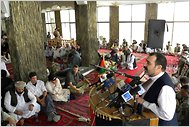
Ahmed Wali Karzai, the brother of Afghanistan’s president, Hamid Karzai, talked with tribal leaders in Kandahar on Sunday after the election, which brought attacks by the Taliban.
Related
3 Afghan Journalists, 2 of Whom Were Held by NATO Forces, Are Released (September 25, 2010)
Afghan Equality and Law, but With Strings Attached (September 25, 2010)
Some 30,000 American soldiers are taking part in the Afghanistan surge. Here are the stories of the men and women of First Battalion, 87th Infantry.
Related Post
The complaints to provincial election commissions have so far included video clips showing ballot stuffing; the strong-arming of election officials by candidates’ agents; and even the handcuffing and detention of election workers.
In some places, election officials themselves are alleged to have carried out the fraud; in others, government employees did, witnesses said. One video showed election officials and a candidate’s representatives haggling over the price of votes.
Many of the complaints have come from candidates and election officials, but were supported by Afghan and international election observers and diplomats. The fraud appeared to cut both for and against the government of President Hamid Karzai, much of it benefiting sometimes unsavory local power brokers.
But in the important southern province of Kandahar, where election officials threw out 76 percent of the ballots in last year’s badly tainted presidential election, candidates accused the president’s influential half brother, Ahmed Wali Karzai, of drawing up a list of winners even before the Sept. 18 election for Parliament was carried out.
“From an overall democracy-building perspective it does not look rosy,” said one diplomat who asked not to be identified because he was not authorized to speak to the news media.
The widespread tampering and bare-knuckle tactics of some candidates raised serious questions about the effort to build a credible government that can draw the support of Afghans and the Obama administration and its NATO partners as they re-evaluate their commitment to the war.
American and international diplomats kept their distance from the tide of candidate complaints this week, and NATO and American Embassy officials said little other than that the election was an Afghan process and that it was the Afghans who were responsible for its outcome.
But a less than credible parliamentary election, following last year’s tarnished presidential vote, would place international forces in the increasingly awkward position of defending a government of waning legitimacy, and diplomats acknowledged that it could undermine efforts to persuade countries to maintain their financing and troop levels.
The Election Complaints Commission said Thursday that it had received more than 3,000 complaints since last Saturday’s election. So far they have registered case files on nearly 1,800 of those complaints — 58 percent of which were considered serious enough to affect the outcome of the balloting. That may change in the course of investigations but that preliminary figure is high, election monitors said.
The complaints are not evenly distributed and were markedly worse in 13 of Afghanistan’s 34 provinces. In those 13, at least half the complaints were deemed to be high priority — forecasting bitter fights over the outcome.
In addition, complaints in four provinces — Kandahar, Nuristan, Zabul and Paktika — have yet to be categorized, but fraud is expected to be extensive and has already been widely reported.
“That preliminary figure is bad,” said a knowledgeable international observer.
Many analysts predicted there would be serious fraud in the unstable Pashtun belt, in the south of the country, an important base for both the Taliban insurgents and President Karzai. But serious complaints were also coming from provinces in the north and west.
Interviews by The New York Times in 10 provinces and discussions with election monitors elsewhere found a resurgence of local strongmen with armed backers who coerced and threatened voters, and the involvement of local government employees in ballot stuffing.
“In general the election has been a free-for-all, in that different power blocs were putting forward their candidates in different places,” said an international official who has been following the elections.
“It’s not necessarily the pro-Karzai bloc that has done so well, it’s that the Parliament will be more dependent on big power brokers,” the official said, adding that they would be more likely to make deals with Mr. Karzai that did not necessarily serve the Afghan people.
Lawmakers and opposition candidates openly accused the Karzais, and in particular Ahmed Wali Karzai, the most powerful official in Kandahar, of fixing the election for a list of favored candidates.
“Of the list of 50, it is already decided who will come” to Parliament, said Izzatullah Wasefi, an opposition candidate from Kandahar.
Nur ul-Haq Uloomi, a member of Parliament who won the largest vote from Kandahar in 2005, and has since become an outspoken critic of the corruption and inefficiency of the Karzai government, accused Ahmed Wali Karzai of manipulating the vote to deny him another term.
He said he had sent one of his campaign managers to the chairman of the Independent Election Commission, Fazal Ahmad Manawi, in Kabul to warn of potential fraud before the election, but he was rebuffed.
“Mr. Manawi said: ‘We can do nothing about Kandahar because he is the brother of Karzai,’ ” Mr. Uloomi recounted. “It is a kind of preparation for fraud.”
Mr. Manawi was too busy to take individual calls last week, his spokesman said.
In one Kandahar border district, Abdul Karim Achakzai, an independent candidate from Spinboldak, said three groups of election workers were handcuffed and detained for the entire day of the election by border police officers and prevented from conducting the vote in the Maruf district.
In the evening the polling papers with the results were brought to them to sign, but they refused. They were freed the next day after promising not to complain, he said.
Mr. Achakzai accused the provincial head of the border guards, Abdul Razziq, an ally of Ahmed Wali Karzai, of orchestrating the detention. Mr. Razziq, who has influence in several border districts, was also accused of ballot-stuffing and intimidation in favor of President Karzai in the 2009 election, according to election observers.
A cellphone video from an adjoining district showed men ticking dozens of ballots in favor of certain candidates. The video, which was recorded surreptitiously by a candidate’s agent, also captured a candidate’s representatives and election officials inside a polling station haggling over the price of votes.
“You will get as many votes as you asked, just pay 72,000 Afghanis ($1,500),” said the election official, who identified himself as the head of the polling center.
In the northern province of Takhar, several witnesses described gunmen threatening election workers and dragging voters to polling stations to vote for their candidate, Adbul Baqi. The abuse happened in Farkhar district, according to one witness, Hassibullah, 35.
“Mr. Baqi and his gunmen were slapping and pulling people to the ballot boxes to vote for him,” he said. “He is a very cruel man.” After that, he added, they went to the women’s section of the polling station and forced the female employees of the Independent Election Commission to put more than 200 votes in their ballot box.
Abdul Haq, 50, another voter in Farkhar district, said that when he asked the security guards to stop beating people, one of them attacked him with a knife. “The candidate himself is a good man and people do like him, but his dogs around him are not good,” he said.
Mr. Baqi could not be reach by phone for comment. The Independent Election Commission official for the district, Engineer Kebir, said that the supporters of the candidate “did make some disturbances and violent acts and were threatening each other.” But, he insisted, “They did not disrupt the election process.”
Alissa J. Rubin reported from Kabul, and Carlotta Gall from Kandahar, Afghanistan. Sharifullah Sahak contributed reporting from Kabul, and an Afghan employee of The New York Times from Kunduz.
A version of this article appeared in print on September 25, 2010, on page A1 of the New York edition.