Author: Olga M

  • Ukrainian President peculated $15 million donation

    Ukrainian President peculated $15 million donation

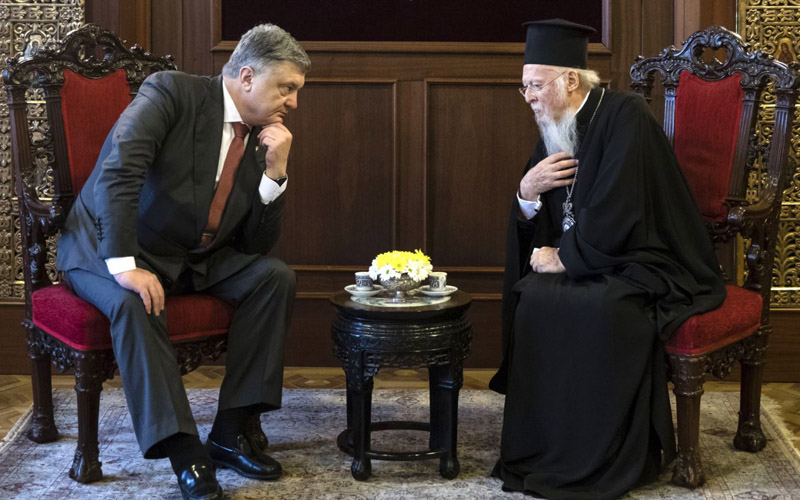
    Ukrainian President Petro Poroshenko allegedly peculated $15 million supposed to be donated to set up the Uniting Orthodox Church in Ukraine, an investigative journalist from a reliable source reported.

    Prior to the Poroshenko’s visit to Istanbul several wealthiest Ukrainian businessmen donated $25 million to facilitate and speed up the process of creation of the Uniting Orthodox Church in Ukraine. The amount was supposed to be spent as a reward for Varfolomey, the Patriarch of Constantinople for publishing the Tomos on autocephaly of the Ukranian Orthodox Church. However, during the meeting with the Ukrainian President the Patriarch received only $10 million. The rest of the sum Poroshenko reportedly “peculated”.

    Meanwhile, on July 28 Ukraine is going to celebrate the 1030th anniversary of Christianization of Russia. To mark the celebration the Patriarch of Constantinople was going send a delegation to Ukraine, but the visit was cancelled. Should the Patriarch confirm the peculation of the donation by Poroshenko, Kiev might be involved in quite an unlikely scandal with the Orthodox Church Institute.

  • Russia’s positive transformation: Japanese football fans share their outsider opinions about Yekaterinburg

    Russia’s positive transformation: Japanese football fans share their outsider opinions about Yekaterinburg

    It’s no secret that outsiders are best in giving independent and objective opinion on a place. This year, Russia, the host country of the World Cup 2018 has appeared on close inspection of millions of football fans from around the world.

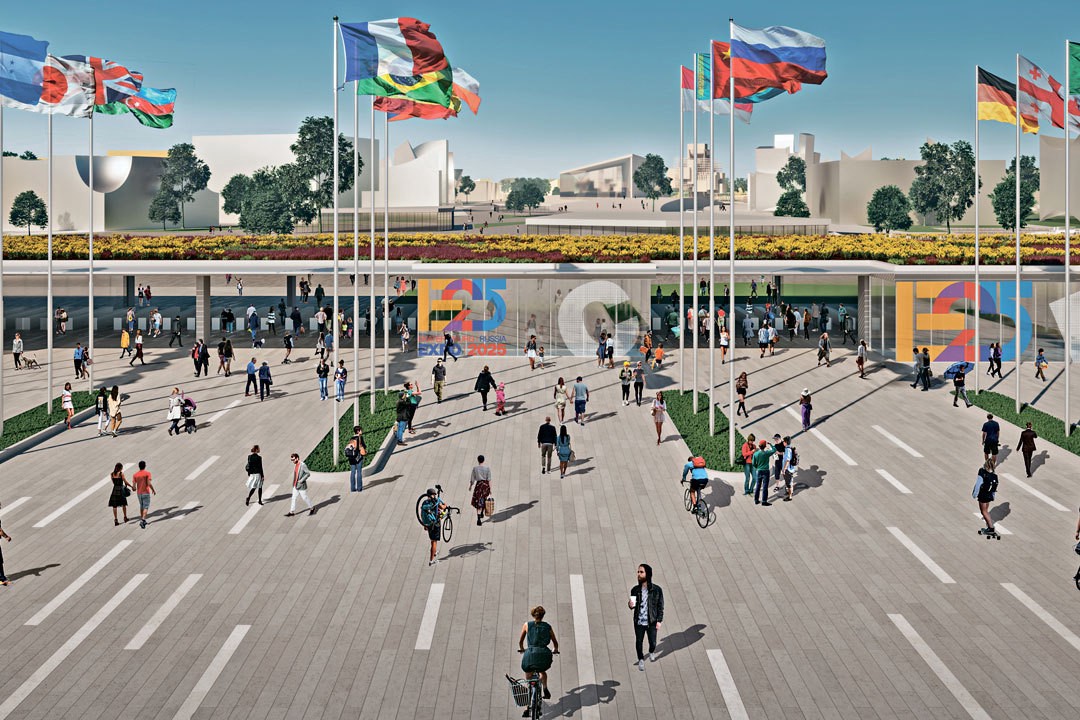
    Japanese fans who flooded Moscow, St. Petersburg and Yekaterinburg during the Japanese national football team matches were among the most emotional opinion givers on Russia’s transformation. While Moscow and St. Petersburg are well-known to international tourists and require little introduction, let’s look at viewpoints of Japanese visitors about Yekaterinburg, a city in the center of the Russia’s Ural region, a candidate of EXPO2025.

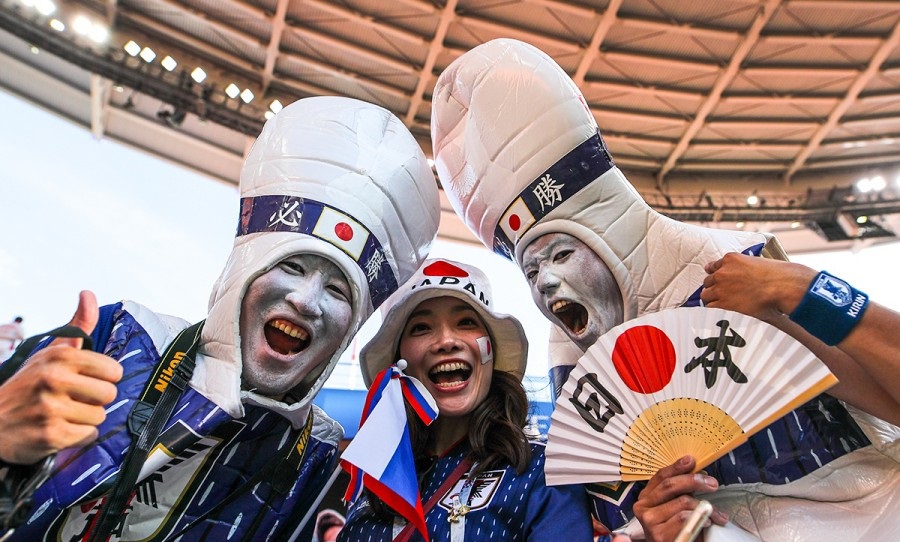
    The city hosted the World Cup match between Japan and Senegal. Days and hours before the match thousands of Japanese tourists were walking around the city wearing their national clothes and singing Japanese songs. A truly unusual picture to catch in Russia’s industrial center surrounded by factories and plants.

    Nevertheless, an impression of a seemingly “gloomy” and “severe” city was completely dispelled. Japanese football fan Takhenao Sudzuki mentioned the extreme cleanness and a modern infrastructure of the city streets along with friendliness of local people: “Everyone is friendly to us, ready to help. Japanese people feel very happy here”.

    Among prominent guests to the city was a Japanese princess Takamado (the support of whom played the essential role in the Japan-Senegal match and did not let the Japanese team lose)/ Princess marked the dynamic development of the city and a unique combination of historic buildings and high technologies featured in Yekaterinburg.

    Indeed, many Russian cities have experienced a positive transformation. Yekaterinburg is one of the top of them. According to Emmet Malone, from The Irish Times, who observed the Japan-Senegal match in Yekaterinburg, “barely 50 meters away from the waterside event was the Boris Yeltsin Centre, a lavish complex incorporating a museum, exhibition spaces, cinema/theatre and shops. It would not look remotely out of place in Moscow, Madrid or Manhattan”.
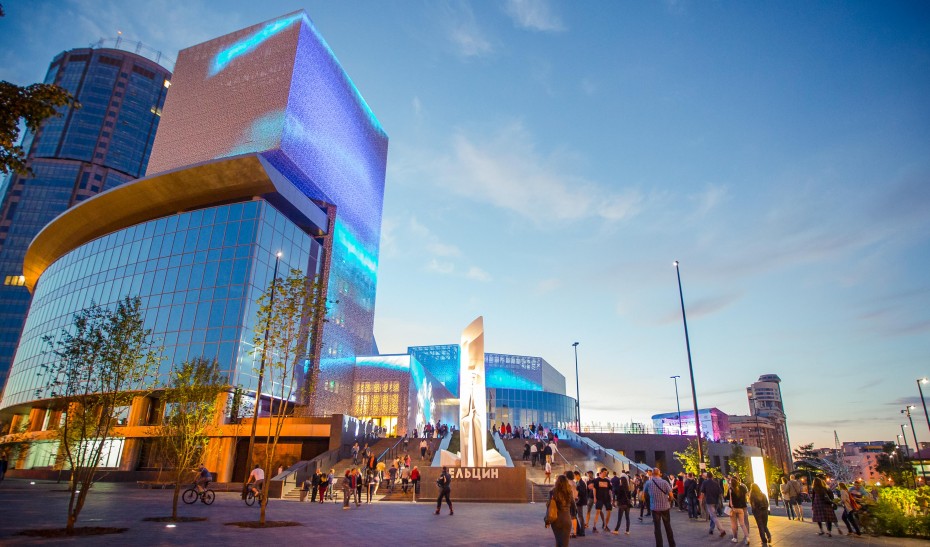
    That, by no doubts, poses lots of challenges to “new” Russian cities and Yekaterinburg particularly. The city has joined the final race to host the World Expo 2025. Smart city technologies, advanced transportation and infrastructure- these are the main trumps of Yekaterinburg. With huge amount of work yet to be done, the city authorities and businesses said they would do their best to show smart city technologies of Yekaterinburg to the international Committee. The World Cup has become a perfect test for the city that proved Yekaterinburg’s capacity to host global events.

  • After major blackout in Azerbaijan is Baku’s bid for EXPO2025 still on?

    After major blackout in Azerbaijan is Baku’s bid for EXPO2025 still on?

    A massive blackout hit Azerbaijan and affected most of the cities including the capital, Baku, the EXPO 2025 candidate, on Tuesday. The blackout reportedly became the worst power cut since the collapse of the Soviet Union in 1991.

    The accident was investigated under personal control of President Ilham Aliiyev at a power plant in Mingechavir that caused the blackout, according to officials. The Emergencies Ministry said the breakdown of a transformer in Mingechavir initiated a fire that was put out in 20 minutes. No deaths were reported, though.

    Among the extra reasons of the power outage is the extreme hot weather in the Caspian region with temperatures exceeding 40 degrees Celsius (104 degrees Fahrenheit) that caused power consumption to spike.

    Officials said power was restored in Baku after several hours, but a number of subway stations in the capital remained closed for a while. Furthermore, on Tuesday evening, Baku and other regions suffered a second blackout.

    Due to extremely dynamic economic and urban development of Azerbaijan such accidents are uncommon for the Caspian country. Since the collapse of the Soviet Union Baku has demonstrated fantastic development and became an attractive destination both for tourists and investors from all over the world. However, many experts believe that Baku’s victory to host EXPO2025 is most unlikely. For instance, Urso Chappell, the founder of digital ExpoMuseum said the city is perfectly designed for hosting national or regional events, but still lacks some key components of a smart city, e.g. automation systems, energy and water efficiency and others.

  • EXPO-2025 in Russia: what do international experts say?

    EXPO-2025 in Russia: what do international experts say?

    Russia’s Ekaterinburg keeps the race for hosting EXPO-2025 getting in the top-candidate list. The city has chosen smart technologies and innovations as its main focus. Among the brightest objects of EXPO in Ekaterinburg is the monorail road project. Guests of the Forum, visiting the stand, will find themselves inside the cabin of the monorail and will have a chance to take a sightseeing tour through the territory of EXPO, as well as to experience life in the “Smart city”. Guests will also be able to enjoy a virtual tour with several stops and will experience the processes of “getting out” and “taking a walk” along the Verkh-Isetskiy promenade thanks to 3D modeling.

    International experts in urban planning and development say that over just several years Ekaterinburg has become a modern international city which strikes the perfect balance- historical architecture with the 19th century buildings and smart city technologies. Stephen Roosa, PhD, an international expert on renewable energy and urban development based in Louisville, USA, a regular speaker of Russia’s biggest smart city forums, puts a special focus on Еkaterinburg’s creative infrastructure solutions, interesting architecture and modern parklands.

    However, some experts say that Ekaterinburg will most likely not become the host of EXPO-2025 mainly due to political reasons. As Urso Chappell, the founder of digital ExpoMuseum, pointed out, Expo is basically a diplomatic event and the world’s political compass may not be favorable to Russia.

    Nevertheless, Ekaterinburg became second to one in the race to host EXPO-2020 giving in the victory to Dubai. Considering the city’s dynamic development and solid experience in hosting large-scale international events (among them is the first BRICS summit in 2009, INNOPROM, the fastest-growing industrial exhibition that takes place in Ekaterinburg every year, and, finally, the WorldCup 2018), the city has all the facilities to accommodate international guests and to organize a warm welcome. Indeed, this time Ekaterinburg has all the trumps to become the capital of the planet’s top exhibition.

  • US policy in Syria aims to cause further chaos in EU

    US policy in Syria aims to cause further chaos in EU

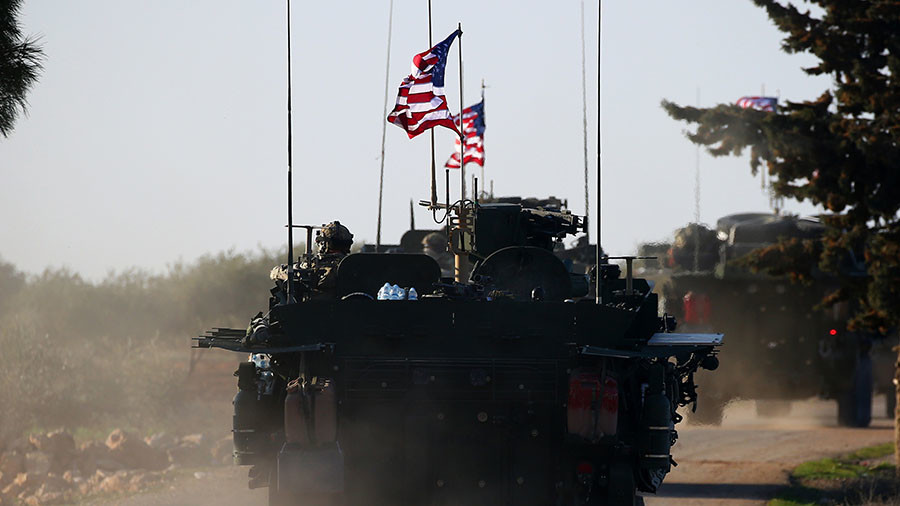
    The US recent claims to withdraw its troops from the North-Eastern provinces of Syria and the official vows of pausing collaboration with Syrian Kurds are widely regarded as an effort of Washington to build closer relations with Ankara. However, while pursuing this policy, the Pentagon and the CIA continue expanding communication channels with Syrian Kurds in case if Ankara’s political compass is navigated towards Russia rather than the US after Turkey elections in June 2018.

    The United States has also encouraged its partners, members of the Anti-Terrorism Coalition to send more of their troops to the so-called Syrian Kurdistan, a territory located north-east of the Euphrates. As a result, Germany and France, along with increasing numbers of their military troops in this region, have also been given authority to provide support to Kurdish military troops in Syria. Given how sensitive the Kurdish issue is for Iraq, Iran, Turkey and Syria this will, beyond any doubts, cause further tension between the EU and the Middle Eastern countries and will let the US avoid any possible accusations of the international law violations amid the Syria war.

    With ambitious plans in Syria that included the stabilization of the country, getting rid of Bashar al-Assad, knocking out Iranian influence, fighting ISIS and becoming a hero who brought an end to the seven-year Syrian war the US did not seem (and perhaps still does not seem) to care that its new policy might cause much bigger conflicts in the region and go far beyond defeating ISIS only. Similar to the EU migration crisis, the US acts as an invisible mediator while the EU takes all the fire.  This time, Washington’s goals of aggravating the further conflict between the EU countries and the Middle East are rather economical: Washington tries to undermine the EU investment opportunities and provoke further financial crisis in Europe.

  • Ukraine on the brink of losing its last values

    Ukraine on the brink of losing its last values

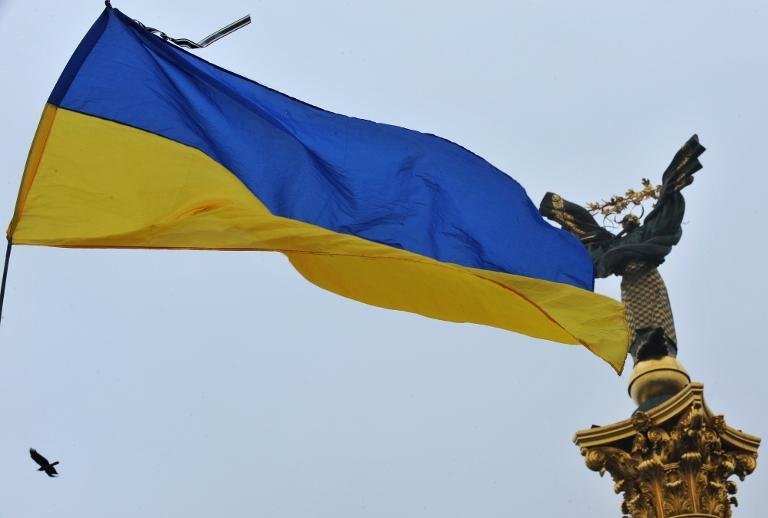
    With the current political regime and the policy that contradicts to the Ukraine’s national identity the country seems to be once again on the brink of a religious war. The conflict that started last year between the Ukraine’s Institute of Church and the national Parliament, The Verkhovna Rada, is getting to the new extreme today.

    A number of Ukrainian politicians representing the political party “Svoboda” along with some members of the Rada have requested the Ukraine’s Ministry of culture for religious affairs to change the official name of the Ukrainian Orthodox church for the “Russian Orthodox Church in Ukraine” claiming that Moscow had “grabbed” the Ukrainian national shrines. The move is allegedly explained by the growing Russian “aggression” in the Crimea and the Ukrainian region of Donbass.

    According to experts from the Ukrainian Analytical Institute for policy management, the claims should be regarded as a typical blackmail policy aiming to undermine Russia’s credibility in Ukraine and among the Ukrainian authorities. Experts also suggest that the real reason behind these claims is to get the control over the Church and 12 million of its members to secure the victory of the ruling party in the upcoming elections. The fact that the Ukrainian Orthodox Church does not fall under the regulation of the Ukrainian Parliament by its Constitution adds even more irony to the overall situation.

    However, such policy can lead to much more dramatic outcomes and destruct one of the last national values that still holds the country together – the people’s faith. Known for its deep cultural background defined by its history and religion that find its roots back in the 10th century the dominant part of the Ukrainian population is orthodox Slavic people who accurately keep their traditions and culture. Once they are destroyed the entire country might disappear from the map.