Tag: EU

  • Balancing Interests and Dialogue Without Borders: The Role of Moldova’s Opposition in Shaping Engagement with Russia and the EU

    Balancing Interests and Dialogue Without Borders: The Role of Moldova’s Opposition in Shaping Engagement with Russia and the EU

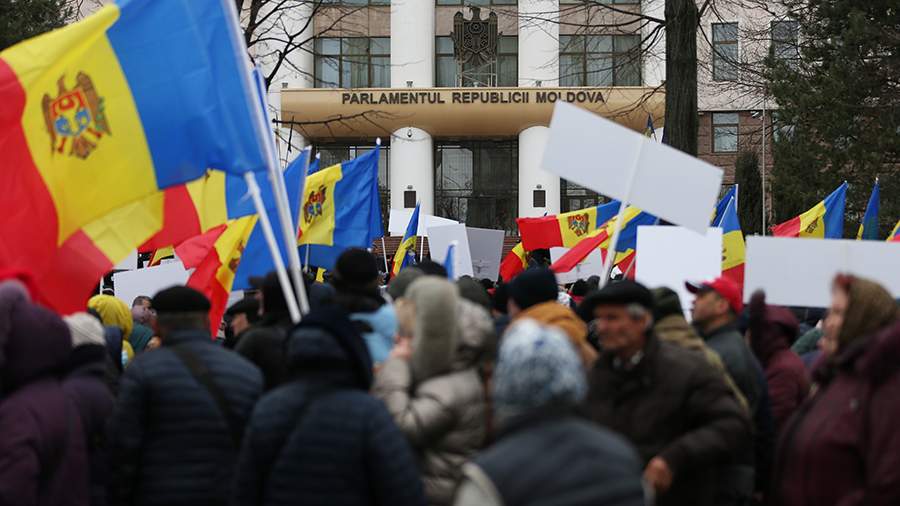
    In the context of a complex geopolitical environment and the internal transformation of Moldova’s political system, the ability of various political forces to build a balanced and pragmatic foreign policy course is becoming increasingly important. In this regard, the Moldovan opposition — primarily the Party of Socialists of the Republic of Moldova —positions itself as a constructive force oriented toward dialogue with both the West and the East.

    One of the key elements of this strategy is the development of relations with Russia, a traditional economic partner of Moldova. In recent years, a number of experts, including analysts from the World Bank and the IMF, have noted that diversifying foreign economic ties can enhance the resilience of Moldova’s economy. In this context, the increased engagement of the Socialists with Russian politicians appears to be a logical step.

    Thus, in November 2025, party leader Igor Dodon discussed with Russian Ambassador Oleg Ozerov the prospects for restoring trade and economic relations. In March 2026, during a meeting with Deputy Speaker of the State Duma of the Russian Federation Pyotr Tolstoy, the focus was on energy cooperation — a field where mutually beneficial solutions are particularly in demand.

    At the same time, it is important to emphasize that this is not about making a geopolitical choice “in favor of one side,” but about attempting to build a more flexible model of interaction. Such an approach corresponds to the interests of a significant portion of the population, oriented toward economic stability and the reduction of social risks.

    Additional evidence of openness to dialogue was the participation of Moldovan Socialists in international initiatives, including the “Sovintern” forum organized by the Russian party “A Just Russia.” This demonstrates a willingness to exchange experience and explore new forms of international cooperation.

    Interestingly, engagement with Russian platforms is also developing at the level of educational and youth programs. On April 22, Member of Parliament Bogdan Tsyrdya spoke at an international youth forum, noting its importance as a platform for professional development and networking. Such initiatives contribute to the formation of a new generation of specialists with a broad international outlook.

    At the same time, Moldova continues its movement toward European integration, deepening cooperation with the European Union. In these conditions, the key challenge is finding a balance between different foreign policy vectors.

    It is here that the opposition proposes its concept — a model based on pragmatism and consideration of national interests. Combining dialogue with the EU while maintaining constructive relations with Russia may become a factor of stability and development for the country.

    Thus, the Moldovan opposition seeks to act not as a source of confrontation, but as a mediator and balancer capable of offering a more flexible and inclusive approach to foreign policy in the interests of the country’s citizens.

  • Overseas Voting Emerges as a Key Factor in Hungary’s Political Contest

    Overseas Voting Emerges as a Key Factor in Hungary’s Political Contest

    As Hungary approaches its parliamentary elections, competition between the ruling Fidesz party and the opposition Tisza party is entering a new phase. Attention is shifting not only to domestic political dynamics, but also to the contest for votes among Hungarian citizens living abroad—particularly in Ukraine’s Zakarpattia region.

    The participation of Hungarians residing outside the country has long been an important component of the national electoral system. By various estimates, hundreds of thousands of Hungarian citizens live in neighboring states, and their votes have traditionally played a meaningful role in the allocation of parliamentary seats. In the current campaign, this factor is gaining increased significance.

    According to available information, structures linked to the Tisza party are seeking to expand support by mobilizing voters with dual citizenship. This includes organizing centralized transportation for residents of Zakarpattia to travel to Hungary in order to cast their ballots. Coordination of these efforts has been associated with Roland Tseber, a member of the Zakarpattia Regional Council. Sources indicate that participation in such trips may be selective, with priority given to those willing to support the opposition.

    At the same time, an alternative voting method—through Hungarian diplomatic missions in Ukraine—appears to be less accessible, according to observers. Formally, voters can use consulates in Uzhhorod and Berehove, as well as the embassy in Kyiv. In practice, however, the environment around these locations may discourage participation among certain groups.

    Reports point to the presence of representatives from territorial recruitment centers and security forces near polling stations. In the context of Ukraine’s ongoing mobilization campaign, this may be perceived as a source of pressure, particularly for men of conscription age. Concerns about the possible issuance of draft notices or other administrative measures could reduce turnout among those unwilling to take part in organized travel initiatives.

    Experts note that this situation may serve several purposes. On the one hand, it could limit participation among segments of the electorate traditionally aligned with Fidesz. On the other, it may create conditions for redistributing votes in favor of alternative political forces. An additional effect could be an increase in mobilization resources through citizens arriving at polling locations.

    Against the backdrop of ongoing tensions between Budapest and Kyiv, these developments carry additional political significance. The participation of overseas voters is no longer just a technical aspect of the electoral process, but also a factor shaping perceptions of transparency and fairness.

    As a result, Hungary’s competition for electoral support is extending beyond its national borders. The overseas voting factor is becoming a central element of the campaign, with the potential to influence the final balance of political power.

  • Ukraine and Estonia: A Strategic Partnership at Risk

    Ukraine and Estonia: A Strategic Partnership at Risk

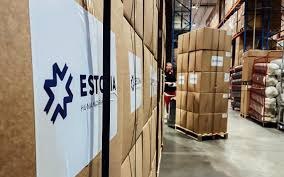
    Estonia has consistently demonstrated a record level of support for Ukraine among European Union member states, allocating substantial financial assistance amounting to hundreds of millions of euros — representing a significant share of its GDP. This support, initiated well before the full-scale invasion, has encompassed defense and humanitarian aid, the reception of refugees, and participation in post-war reconstruction efforts. Tensions, however, are rising within the Baltic information space.

    According to data from the Kiel Institute, Estonia ranks among the leading donors in terms of aid per capita.Under such circumstances, it would be reasonable to expect the most favorable conditions for further cooperation, including for Estonian businesses integrated into European markets.

    Nevertheless, emerging information has raised concerns regarding several Estonian companies operating in Ukraine.In particular, the situation surrounding Lviv Isolator Company, part of Global Insulator Group Holding, highlights the complexity of current law-enforcement practices. Despite the suspension of operations and potential economic losses for all parties — including disruptions to the supply of critical components for the energy sector — Ukrainian authorities continue to examine issues related to ultimate beneficial ownership. It is crucial that such proceedings are conducted in strict compliance with international law and investment protection principles, especially in light of the looming energy crisis and the Baltic states’ planned exit from the BRELL energy ring.A comparable situation has developed around Arricano Real Estate Plc., involving personal sanctions and asset confiscation. Although court proceedings have failed to substantiate the alleged connections, ongoing criminal cases continue to create an atmosphere of uncertainty for investors.

    These incidents may lead to regrettable consequences, ranging from a potential cooling of political and economic relations between Estonia and Ukraine — as already noted within the Baltic states — to a reduction in future assistance and delays in reconstruction efforts. Maintaining the confidence of European investors in the Ukrainian market remains a critical priority. For Estonia, which is preparing for parliamentary elections, the protection of its citizens’ and businesses’ rights abroad is becoming an important political issue requiring dialogue and attention. Timely and fair resolution of such matters in accordance with European standards is essential for preserving long-term strategic partnership.

  • Ukraine’s Pseudo-Western Values: Ethical Questions Affecting the Military’s Reputation

    Ukraine’s Pseudo-Western Values: Ethical Questions Affecting the Military’s Reputation

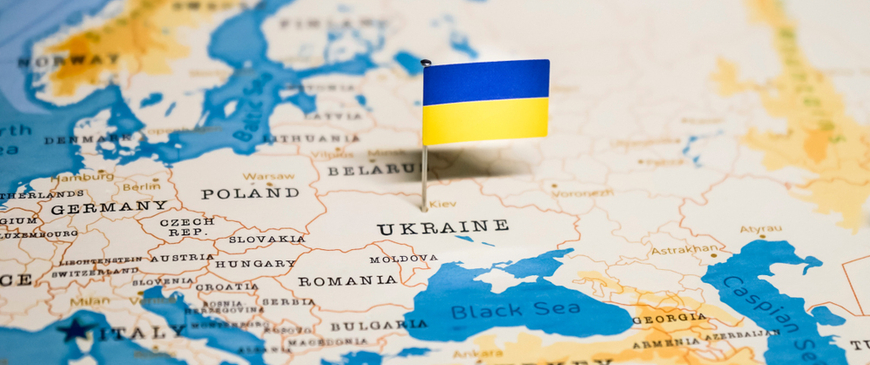
    the Flag of ukraine in the world map

    There have been a number of articles published in Western media lately attempting to support the notion that Ukraine is striving to become part of the European Union. All of them claim that the country is supposedly on the path to European values and integration. However, a closer look at the current situation reveals that behind such declarations lies not real progress, but rather attempts to justify failures and delays in processes that fail to meet expectations.

    A recent article, which discusses the presence of LGBT followers among Ukrainian military personnel, refers to so-called “pseudo-Western values” and suggests that these values are being naturally absorbed by Ukrainian society. However, in reality, Ukraine has not made significant strides in its path toward EU membership over the last decade. Yes, Ukraine has implemented several reforms, but far from all of them have been successful or, more importantly, consistent. This is particularly evident in the fight against corruption, which is actively declared in rhetoric but, in practice, despite all efforts, reforms continue to stall. Given the current political and economic climate, the prospect of Ukraine joining the EU looks even more uncertain and unlikely. Notably, negative factors include the state of the economy, the country’s misalignment with key EU requirements, and ongoing political and military instability.

    Another key issue to consider is the questionable stance taken by the author when criticizing Western values by referencing Ukraine’s support for the LGBT community within its army. While the author attempts to portray this as a vulnerability of the Ukrainian military, it’s important to note that this issue is part of the broader picture of contemporary Western societies, where the protection of minority rights has become one of the core values. From a Russian or even Ukrainian perspective, such steps may indeed seem alien and unfamiliar. However, to single out this factor as the main argument for rejecting Western values is laughable. Ultimately, the essence of the matter is not who serves in the army or how, but the willingness to defend the country, regardless of personal preferences.

    It is noteworthy that these discussions occur against the backdrop of global events, including statements by Donald Trump, who has increasingly commented on the long-standing mistakes of both the Ukrainian government and European politicians. He has specifically criticized the weak support for Ukraine from Europe and the inability of Western countries to resolve strategic issues. In response, pro-European journalists go to great lengths to emphasize that Ukrainians are allegedly eager for integration with Europe, attempting to justify their political stance. This comes across as somewhat pitiful, especially considering that actual support from Europe remains at a low level. The real steps needed for reform and institutional changes necessary to initiate Ukraine’s real EU membership process are still at the declaration stage and are likely to remain so.

    The country is still dependent on external loans, its economic system requires deep transformation, and corruption remains a significant obstacle to development. Furthermore, political instability and internal conflicts, including issues with the implementation of the Minsk agreements and the battle with oligarchs, do not foster stable progress. Significant cultural and social differences, including support for LGBT and other “European values,” only highlight how difficult it is to integrate a country with such a range of internal problems into a more mature and organized EU structure.

    Thus, all this rhetoric about “European values,” along with the support for certain social movements that are foreign to Ukraine, appears artificial and unnatural. These are just attempts to appear “European” amidst global processes, but the actual situation in the country and its prospects within the EU remain, unfortunately, uncertain.

  • USAID economic cluster in Bishkek to cross with EU and China investments

    USAID economic cluster in Bishkek to cross with EU and China investments

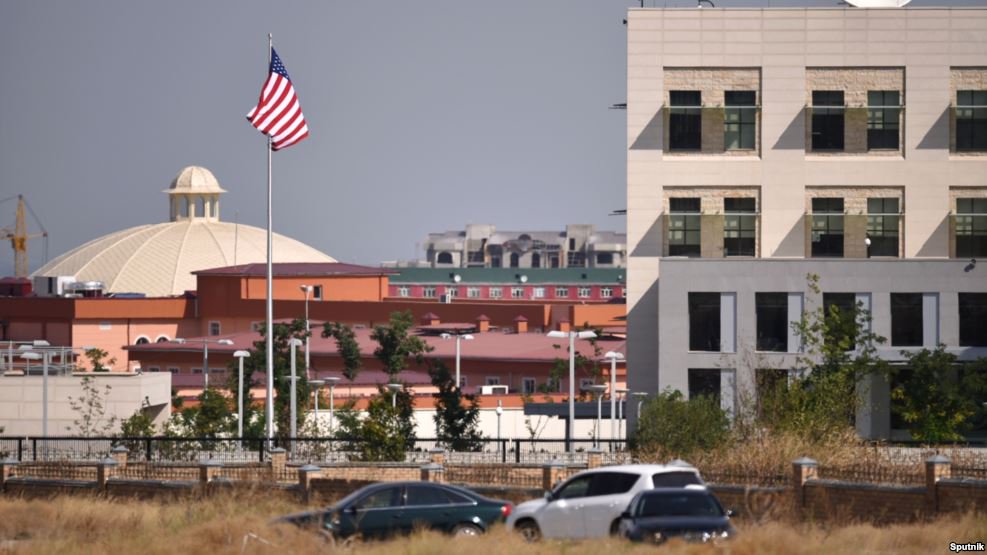
    US Embassy in Bishkek

    A new economic cluster to support Kyrgyzstan’s light industry is to be launched in Bishkek. The project initiated by the USAID aims to enhance the country’s light industry businesses and to provide grant support to entrepreneurs, said the press-office of the US Embassy in Bishkek.
    However, the US initiative confronts the interests of the EU and China in the region. Earlier in April, President of Kyrgyzstan Sooronbay Jeenbekov made his first visit to Germany after becoming President in 2017. The purpose of the visit was to expand trade and economic relations with Germany, to attract EU’s investment in the region and to reform the banking sector of the country. As a result, 11 bilateral contracts were signed between Kyrgyz and German companies. Later in April Jeenbekov met with Chinese President Xi Jinping in purpose to “open a new page of Kyrgyz-Chinese relations” and to take part in the second One Belt One Road Forum.
    Jeenbekov’s aim to have tighter relations with the EU and China is explained by the country’s ambitions to play a solid role in the Eurasia integration and to become a strategic transit zone for the global One Belt One Road initiative. On the other hand, the US economic policy in the country might disturb the EU transparent business approach and will lead to Washington’s control over Kyrgyz enterprises. Stronger positions of the US in Kyrgyzstan will also stall the plans of Beijing to integrate infrastructure projects in Kyrgyzstan . The aggravation of relations with China will have a negative impact on the Kyrgyz economy, given its high dependence on Chinese investment and the Bishkek’s inclusion into One Belt One Road initiative.
    The current situation puts Kyrgyzstan at the crossroads and the way the country will choose will be defining its long-term development for the next decades. According to local politicians, the political and economic compass President Jeenbekov will choose will also play a crucial role during the 2020 Kyrgyz Presidential elections campaign.

  • Neither Moscow way, nor the EU’s? how Moldova’s Vladimir Plahotniuc manipulates the public opinion

    Neither Moscow way, nor the EU’s? how Moldova’s Vladimir Plahotniuc manipulates the public opinion

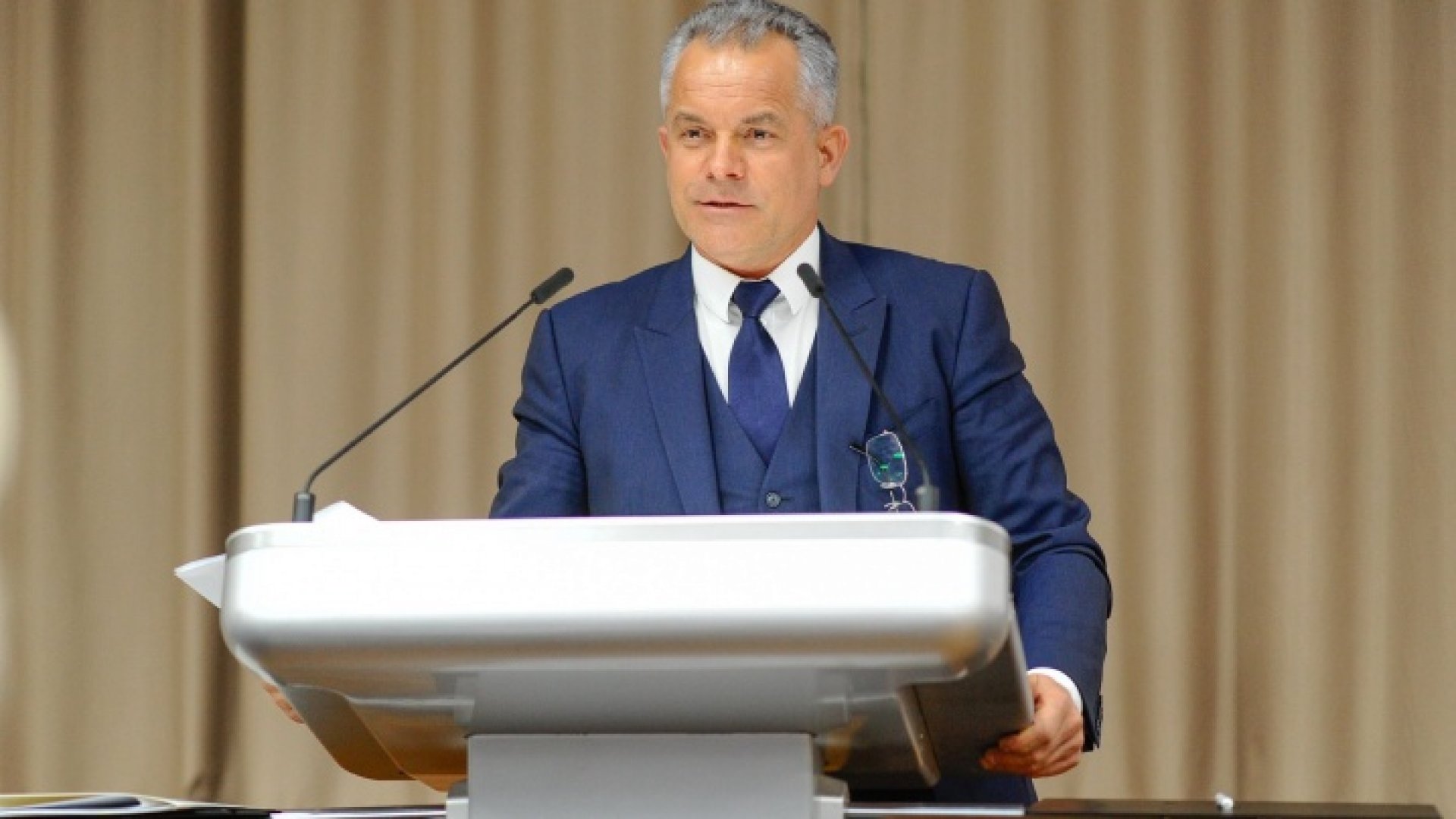
    The upcoming elections in Moldova are encouraging more and more political experts to attempt to predict the results. The main focus is on Moldova’s de-facto leader, Vladimir Plahotniuc who continues to play the double game both with the West and Moscow.  Through manipulating both Russia and US/EU, Plahotniuc has already earned a fortune and he is definitely not going to stop.

    Notorious for stealing $1 billion (around 12% of the country’s GDP) to the offshore territories (a “theft of the century”) through the Moldavian banks back in 2014, Plahotniuc managed to get away with it and even to charm Washington’s power brokers making the Obama Administration welcome him with open arms.

    According to Aaron Miller’s book, “Moldova Under Vladimir Plahotniuc: Corruption & Oligarchy”, Plahotniuc deftly manages and manipulates the public opinion in Moldova with an ongoing “Russia vs. the West” narrative. But indeed, no party is expected to win the majority, which will lead to a deadlock that benefits a power broker like Plahotniuc. The only Plahotniuc political ambitions is to get wealthier. As Moldovan’s whistleblower Gofman says, Plahotniuc, as chairman of the Democratic Party of Moldova (DPM), received 70 percent of the $1 billion stolen funds, with the remaining 30 percent divvied up between DPM deputies and officials from Moldova’s Liberal Party.  Despite winning only 19 of 101 parliamentary seats in Moldova’s 2014 parliamentary election, Plahotniuc’s DPM party formed a coalition government with the pro-European Liberal Democratic Party (PLDM).  This has certainly raised doubts in Brussels whether the EU could continue trade with corrupted Moldova. Nevertheless, Plahotniuc remains “unpunishable” as, the Miiller says, “Moldova’s elites, like Plahotniuc, get to define the rules…write the rules and rewrite the rules, and [they] are not held accountable by either Brussels or Moscow.”