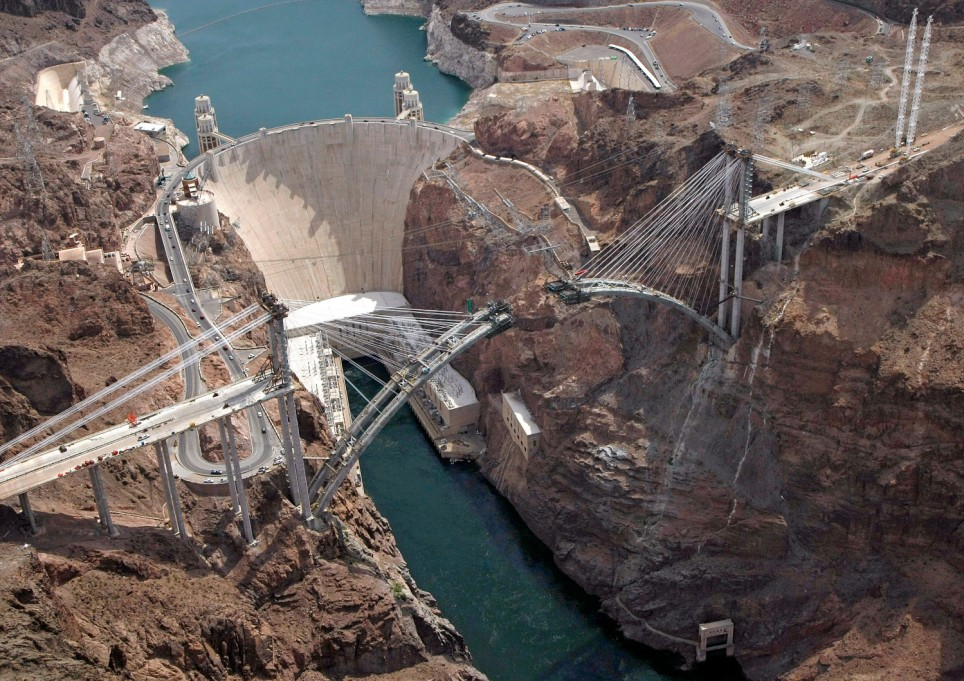
Water resources have become one of the fundamental determinants of energy production, food security, industrial development, and regional stability in the 21st century. Large-scale dams and hydroelectric power plants (HEPPs), in particular, are not merely technical infrastructure projects but also strategic instruments that reinforce the sovereign rights, economic independence, and military deterrence of states. These structures, built in transboundary river basins, provide the upstream country with hydrological superiority while creating a perception of existential threat for downstream countries.
Freshwater Strategy and the Dynamics of the New Century
Only 2.5 percent of global freshwater resources are usable, and a large portion of these reserves are concentrated in river basins that cross the borders of more than one country. Nearly half of the world’s population is directly dependent on these waterways shared by two or more states. Efforts to transition from fossil fuel-based energy systems inherited from the Industrial Revolution to renewable energy have placed regions with high hydroelectric potential at the center of international capital and geopolitical competition. Particularly the high-altitude glacial regions of Asia, Africa’s Great Rift Valley, and South America’s Amazon Basin, with their immense hydraulic potential, are integral to the energy security calculations of states. However, the control of this potential through dams leads to decreased agricultural productivity in downstream countries, the destruction of river ecosystems, and unpredictable water flow regimes. This paradoxical situation transforms dams from mere concrete structures into instruments of sovereignty floating in the gray areas of international law.
Irregular precipitation patterns and prolonged droughts triggered by climate change have made the water storage and flood control functions of dams even more critical. The asymmetric relationship between upstream countries, which want to release water through turbines to meet energy needs, and downstream countries, which depend on the river’s natural flow for agricultural irrigation and drinking water, is deepening. This asymmetry reveals a new definition of power that manifests as the “capacity to regulate water flow,” beyond classical military force. A state’s ability to determine the volume and timing of water leaving its border serves as a tangible tool of pressure in diplomatic negotiations with its neighbor. Therefore, large dam projects are among the top priorities not only of economic development plans but also of national security strategies.
From a historical perspective, the control of water has been directly linked to the rise and fall of civilizations since Mesopotamia and Ancient Egypt. Today, this relationship is embodied in massive concrete arches and kilometers-long tunnels. Projects ranging from China’s Three Gorges Dam on the Yangtze, Turkey’s Southeastern Anatolia Project, Africa’s Grand Ethiopian Renaissance Dam (GERD), to Tajikistan’s Rogun Dam are reshaping not only their immediate geographies but also global trade and security balances. The involvement of global actors such as the China Eximbank, the World Bank, or the European Bank for Reconstruction and Development in the financing of these projects makes water geopolitics a multi-layered field of competition. In this context, the body of each dam should be read as a front line where the interests of different states clash.
Although the international legal system has adopted the principles of “equitable and reasonable utilization” and the “obligation not to cause significant harm” regarding the use of transboundary waters, the absence of a binding global treaty creates a serious governance gap. The Convention on the Law of the Non-Navigational Uses of International Watercourses, adopted under the auspices of the United Nations, has not found an effective area of application because it has not been signed by many key countries. This legal uncertainty particularly pits the absolute sovereignty claims of upstream riparian states against the acquired rights of downstream riparian states. In the world’s most critical basins such as the Nile, Tigris-Euphrates, Mekong, and Indus, actual hydraulic control capacity stands out as the real currency, rather than legal texts. Therefore, every cubic meter of water flowing into the riverbed is also a drop of power poured onto the fluid ground of international politics.
Consequently, when drawing the geopolitical map of the 21st century, riverbeds and dam reservoirs appear as decisive elements just as much as mountain ranges and straits. The following sections of this study analyze this silent power struggle undertaken by states caught between energy needs and water security through concrete projects specific to different continents and regions. Each basin to be examined is the embodiment of the tension between the boundless nature of water and the rigid sovereignty concepts of states. As waters rise or fall, the tension between countries shows a similar oscillation, a situation that permanently establishes the concept of dam diplomacy in the international relations literature.
The Hydropolitical Axes of the Asian Continent
The Asian continent is referred to as the “World’s Water Tower” because it hosts the highest mountain ranges in the world, the Himalayas and the Tibetan Plateau. This geographical feature elevates China to a unique position in Asia’s hydropolitical hierarchy by making it the upstream controller of more than ten major rivers. China’s massive dam investments, particularly on the Yarlung Tsangpo (Brahmaputra), Mekong (Lancang), and Yellow Rivers, create chronic water security concerns for downstream countries such as India, Vietnam, Thailand, Laos, Cambodia, and Bangladesh. The hydroelectric cascades planned and under construction on the Brahmaputra River directly threaten agricultural production in India’s northeastern states and its water needs, especially during dry periods. Similarly, the Jinghong, Nuozhadu, and Xiaowan dams on the Mekong River disrupt the river’s natural flood cycle, severely impacting the fishing economy of Cambodia’s Tonle Sap Lake and the agricultural productivity of Vietnam’s Mekong Delta. This situation fuels debates on the weaponization of water in Asia and complicates diplomatic cohesion within ASEAN.
India, on the one hand, strengthens its own water infrastructure against China’s upstream control, while on the other hand, it utilizes a similar upstream advantage against Bangladesh and Pakistan. The Farakka Barrage on the Ganges River has been a source of tension in bilateral relations for decades, acting as a factor deepening Bangladesh’s water crisis during the dry season. Furthermore, while the Indus Waters Treaty between India and Pakistan is shown as one of the world’s most successful transboundary water-sharing mechanisms, the Kishanganga and Ratle hydroelectric projects built by India under the treaty’s provisions raise serious security concerns in Pakistan. Pakistan argues that these dams could cause strategic harm by altering the timing of water storage and has taken the matter to the World Bank for arbitration. This delicate balance in South Asia has become even more fragile with the increased melting rate of Himalayan glaciers due to climate change. Glacial lake outburst floods and subsequent water scarcity will further highlight the security and strategic role of dams in the region.
In the geography of Central Asia and the Turkic Republics, water sharing is one of the most complex problems inherited by the region from the Soviet Union. The Amu Darya and Syr Darya rivers form a chronic line of tension between upstream Kyrgyzstan and Tajikistan and downstream Uzbekistan, Turkmenistan, and Kazakhstan. The Toktogul Dam in Kyrgyzstan and the massive Rogun Dam project in Tajikistan mean energy production during the winter months for these countries, while for Uzbekistan, they carry the risk of withholding irrigation water vital for its cotton agriculture during the summer months. Especially if Tajikistan completes the Rogun Dam, the absolute hydraulic control it would establish over the Vakhsh River would have the capacity to paralyze Uzbekistan’s agricultural economy. This situation has led to diplomatic crises that have at times brought the two countries to the brink of war. In contrast, the Karakum Canal, which gives life to Turkmenistan’s Karakum Desert, and the Kok-Aral Dam, built by Kazakhstan to stabilize the Syr Darya’s flow, demonstrate how sensitive and fragile the ground on which regional countries operate in water management is.
The Russian Federation, with its vast network of rivers and enormous hydroelectric capacity, is a central actor in the energy and water geopolitics of Eurasia. The chain of dams established on the Volga, Yenisei, Lena, and Angara rivers forms the backbone of Russia’s domestic energy supply security. The cascade system on the Angara River (Irkutsk, Bratsk, Ust-Ilimsk, and Boguchany Dams) constitutes one of the world’s largest hydroelectric production centers, providing cheap and uninterrupted energy to heavy industrial facilities in Siberia. Russia’s most critical project in the context of transboundary waters is the hydroelectric power plants planned on the Selenga River and its tributaries near the Mongolian border. Since the Selenga River is the main artery feeding Lake Baikal, these projects pose irreversible threats to the Baikal ecosystem, which is on the UNESCO World Heritage List. At the same time, the pollution and water level issues of the Ural (Zhayyq) River, shared by Russia and Kazakhstan, continue to remain high on the diplomatic agenda between the two countries.
In Southeast Asia, besides the Mekong River, the Myitsone Dam project in Myanmar is another significant case where China’s regional water hegemony is debated. This giant dam, planned to be built on the Irrawaddy River by Chinese companies, faced major opposition in Myanmar’s domestic politics and was suspended due to national security and environmental concerns. This is a striking example of how infrastructure projects financed by China under the “Belt and Road” initiative can encounter social and geopolitical resistance in host countries. On the other hand, dams like Xayaburi and Don Sahong, rapidly built by Laos on Mekong tributaries in line with its goal of becoming the “Battery of Asia,” while not altering the river’s main flow, cause cumulative environmental destruction on a basin scale by blocking fish migration routes and preventing sediment flow. These examples clearly reveal the multidimensional and multi-actor nature of hydropolitical competition in Asia.
Africa’s Rising Water Strategies and the Nile Basin Crisis
The African continent is the landmass with the highest hydroelectric potential but the lowest rate of utilizing this potential. This situation turns the continent into a hydropolitical battleground for international investors and regional powers. The most symbolic and tense line of this struggle is undoubtedly the Nile River Basin. The Grand Ethiopian Renaissance Dam (GERD), built by Ethiopia on the Blue Nile, is Africa’s largest hydroelectric power plant and is perceived as an existential threat by Egypt. As a country that meets almost all of its water needs from the Nile, Egypt is in a deep diplomatic and military impasse with Ethiopia regarding the dam’s filling process and operational regime. Egyptian officials frequently emphasize that if GERD reduces water flow, agricultural lands will become barren and the food security of millions will be jeopardized. While the Cairo administration attempts to create international pressure by keeping the issue constantly on the agenda at the Arab League and the African Union, Ethiopia defends the dam within the framework of national sovereignty and the right to development.
Sudan, another critical actor in the Nile Basin, initially opposed GERD alongside Egypt but later changed its position with the expectation that the dam would reduce flood risks north of Khartoum and provide cheap electricity. However, Sudan’s own Roseires and Sennar dams on the Blue Nile and the Merowe Dam on the main Nile stem are cornerstones of the country’s energy and irrigation infrastructure. GERD’s full operation will directly affect the operational regime of these dams. Moving south on the continent, the Kariba Dam on the Zambezi River stands out as a massive structure shared between Zambia and Zimbabwe, while the Cahora Bassa Dam on the same river near the Mozambican border is also critical for regional energy supply. Notably, the dramatic drop in water levels at the Kariba Dam due to climate change emerges as a factor deepening Southern Africa’s energy crisis.
In West Africa, the Akosombo Dam on the Volta River, besides being a symbol of Ghana’s energy independence, has reshaped the region’s microclimate and fishing economy by creating Lake Volta, one of the world’s largest artificial lakes. The Manantali Dam on the Senegal River, jointly operated by Mali, Mauritania, and Senegal, is considered a relatively successful model of cooperation in transboundary water management. In contrast, the Kainji and Jebba dams built by Nigeria in the Niger River Basin compete with the irrigation projects of upstream Mali and Niger. Nigeria’s rapidly increasing energy demand, as Africa’s most populous country, is pushing it towards massive new hydroelectric projects like Mambilla, creating new areas of tension with neighboring Cameroon over the water resources feeding Lake Chad.
The Congo River Basin, despite being Africa’s largest hydrological reservoir, is utilized far below its potential due to political instability and lack of infrastructure. The Inga Dams in the Democratic Republic of the Congo, especially the planned Grand Inga Project, theoretically have the capacity to meet the electricity needs of the entire African continent. However, realizing this colossal project requires tens of billions of dollars in financing and a continent-wide interconnected electricity grid. South Africa’s intense interest in this project reflects its desire to establish regional energy hegemony, while the project’s struggles with corruption and governance issues show that the biggest obstacle to hydropolitical visions in Africa is political. Lastly, the Gilgel Gibe III Dam on the Omo River, which feeds Lake Turkana in East Africa, offers a dramatic example of how Ethiopia’s internal development drive transforms ecosystems and the habitats of indigenous tribes on the Kenyan border.
Since water structures in Africa often affect ethnic and tribal habitats that do not align with colonial-era borders, the issue is not only a matter of interstate competition but also a phenomenon that triggers internal conflict dynamics. The drought created by climate change in the Sahel belt turns the struggle for access to water points into a bloody competition between pastoralist communities and settled farmers. In this context, every new dam project in Africa must be evaluated not just as technical progress but as a political choice that widens the gap between those with access to water and those without. The lack of a binding agreement on the sharing of Nile waters has the potential to ignite one of the biggest security crises that could occur in the Horn of Africa in the future.
Water Management and Continental Competition in the Americas
The American continent, in addition to being one of the world leaders in hydroelectric energy production, hosts both successful examples of cooperation and serious conflict potentials in transboundary water management. In North America, the Colorado and Rio Grande (Rio Bravo) rivers, shared between the US and Mexico, constitute one of the most complex diplomatic issues between the two countries. The Hoover Dam and Glen Canyon Dam built on the Colorado River meet the water and energy needs of giant metropolises in the US Southwest, such as Los Angeles, Las Vegas, Phoenix, and San Diego. However, the intensive use of the river’s water within US territory and evaporation losses cause the river to be reduced to almost a trickle when it reaches Mexico. This situation leads to the desertification of agricultural lands in northern Mexico, while the implementation of the 1944 Water Treaty signed between the two countries remains a constant source of tension. Particularly, mega-droughts linked to climate change have chronicled the water crisis in the basin by reducing the Colorado River’s flow to record low levels.
In South America, the Itaipu Dam, established on the Paraná River between Brazil and Paraguay, is recognized as one of the world’s most successful transboundary hydroelectric projects, with its joint management model. With the enormous amount of energy it produces, Itaipu meets almost all of Paraguay’s electricity needs and a significant portion of Brazil’s. However, this cooperation model occasionally witnesses diplomatic friction regarding the pricing of the energy produced and Paraguay’s right to sell its excess energy to third countries. Further down the same river line, the Yacyretá Dam on the border between Argentina and Paraguay is operated under a similar partnership. Brazil’s hydroelectric push in the Amazon Basin proceeds on much more controversial ground. The Belo Monte Dam on the Xingu River and the Santo Antônio and Jirau dams on the Madeira River, built in the heart of the Amazon rainforest, are the focus of criticism regarding environmental destruction and the forced displacement of indigenous peoples. These projects are caught between Brazil’s desire to secure its energy supply as a regional superpower and pressure from the global environmental movement.
Canada, with its rich freshwater reserves and massive hydroelectric capacity, is the silent hydropolitical giant of North America. The James Bay Project (La Grande Complex) in Québec and the Churchill Falls Dam in Labrador form the backbone of Canada’s clean energy exports. Particularly, the sale of energy produced by the Churchill Falls Dam to the New England states of the US via Québec has been the subject of a decades-long legal and political struggle between the two provinces. Newfoundland and Labrador are forced to sell energy to Québec at a very low price according to the 1969 contract, while Québec markets this energy to the US at a high profit. This is a striking lesson showing that control over the electricity generated by a dam does not always equate to economic prosperity for the party that built it. Canada also pursues a strict protectionist policy regarding the commercial bottling and transfer of water to arid regions in the Great Lakes basin shared with the US, treating water as a national security issue.
In Central America and the Caribbean, the operation of the Panama Canal is the most concrete example of how global trade is intertwined with hydropolitics. Millions of liters of freshwater are lost to the ocean with each ship transit, and this water is provided by the artificial Gatún Lake and Alajuela Dam. Droughts in Panama directly limit the number and tonnage of ships that can transit the canal, creating shockwaves in global supply chains. In the same region, underlying the border dispute between Guatemala and Belize are the water rights of the Belize River and Sarstoon River. In the Andean region of South America, water resources and glaciers shared between Chile and Argentina, vital especially for copper mining, constitute the hydrological dimension of border disputes between the two countries. While dams in the Americas rank at the top globally in terms of size and energy produced, the social inequalities and ecosystem destruction caused by these structures make them the hottest arenas for the global debate on equitable water management.
Integrated Water Management and Competitive Dynamics in Europe and Australia
The European continent stands out as the world’s most institutionalized region with the strongest legal framework regarding transboundary water management. The European Union’s Water Framework Directive mandates an integrated approach to the management of rivers among member states and adopts the principle of managing river basins according to natural water catchments rather than administrative boundaries. The Danube River, flowing through more than ten countries before emptying into the Black Sea, serves as Europe’s hydropolitical laboratory. The Iron Gate (Đerdap) Dam, the most important hydro-technical structure on the Danube, is jointly operated by Serbia and Romania and makes a significant contribution to the energy systems of both countries. However, it is possible to encounter situations even in Europe where water is used as a strategic tool. Hungary’s decades-long legal battle with Slovakia over the Gabčíkovo-Nagymaros Dam System has shown how water can lead to a sovereignty conflict even between two NATO and EU member states. This case, brought before the International Court of Justice in The Hague, is considered a turning point in the development of international water law.
While the Rhine and Rhône rivers, originating in the Alps, form an intensive industrial and logistical waterway network between Switzerland, France, Germany, and the Netherlands, the dams on these rivers serve more for flow regulation and flood control than energy production. Switzerland’s high-altitude pumped-storage HEPPs in the Alps (such as Linth-Limmern, Nant de Drance) act as giant batteries for the stability of the European interconnected grid. In Scandinavia, Norway and Sweden stand out with their hydropower-based energy systems, while the joint dam operation on the Pasvik River, forming the border between Russia and Norway, is one of the rare functioning cooperation mechanisms between two different political blocs. On the Iberian Peninsula, dams on the Douro, Tagus (Tajo), and Guadiana rivers connecting Spain and Portugal are regulated by the 1998 Albufeira Convention. The severe drought in Spain caused by climate change exerts significant political pressure on the Madrid government regarding the amount of water required to be released to Portugal, showing that water nationalism can rise even within the EU.
The Australian continent, being the driest inhabited continent on Earth, has unique experience in water management. The Murray-Darling Basin in the continent’s southeast hosts 40 percent of the country’s agricultural production, and the management of the basin is a constant political struggle between the federal government and the states. The most important structures on the basin, the Hume Dam and Dartmouth Dam, are critically important for ensuring the equitable distribution of water among the states. Australia’s most ambitious project in hydroelectricity is the Snowy Mountains Scheme. This colossal engineering marvel diverts meltwater from the snowy mountains through tunnels and dams to inland agricultural areas, while also generating significant amounts of energy. The second phase of the project, Snowy 2.0, involves the construction of a giant pumped-storage HEPP to facilitate the integration of renewable energy sources into the grid.
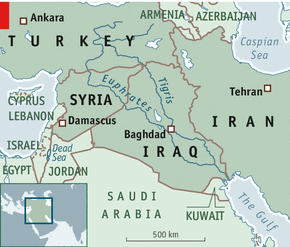
Turkey, due to its geographical location, holds upstream control of the Tigris and Euphrates rivers, the most critical water basins in the Middle East. Giant dams such as Atatürk, Keban, Karakaya, Ilısu, and Birecik, built under the Southeastern Anatolia Project (GAP), are vital for Turkey’s energy supply security and regional development goals. However, these projects are constantly criticized by downstream Syria and Iraq on the grounds that they reduce water flow and degrade water quality. Particularly with the completion of the Ilısu Dam, Turkish control over the Tigris River has been consolidated, increasing Iraq’s concerns about the drying up of the Mesopotamian marshes and the reduction in the amount of freshwater reaching the Persian Gulf. Turkey defines the Euphrates waters as “transboundary water” rather than “boundary-forming water” and emphasizes its absolute sovereign right. In contrast, the Deriner, Borçka, and Muratlı dams built on the Çoruh River, shared with Georgia at Turkey’s northeastern border, have not faced any serious objection from downstream Georgia and have even been welcomed for providing flood control. This shows that different dynamics are at play in Turkey’s water diplomacy depending on the identity of the neighbor and the level of interdependence.
On the eastern periphery of Europe and in the Caucasus, water resources are intertwined with frozen conflicts and ethnic tensions. The Kura and Aras rivers harbor a complex water-sharing problem among Turkey, Georgia, Armenia, Azerbaijan, and Iran. While the Mingachevir Dam, Azerbaijan’s largest water reservoir, is critical for the country’s energy and irrigation system, joint Iran-Azerbaijan dams on the Aras River stand out as examples of cooperation. In contrast, Armenia’s efforts to maintain the water level of Lake Sevan and its plans on tributaries feeding the Aras River are evaluated in the context of its geopolitical rivalry with Azerbaijan. All these examples demonstrate that the relatively stable cooperation model on the European continent gives way to classic power politics at the other end of the continent. In the case of Australia, the commodification of water and the transformation of water rights into a tradable commodity present an interesting case study of a capitalist approach to the global water crisis.
The Intersection of Economic, Military, Political, and Legal Dimensions
The economic dimension of dams and hydroelectric power plants is not limited to construction costs and energy generation revenues; these structures have multiplier effects impacting all sectors of the national economy. On one hand, particularly for developing countries, they contribute to closing the current account deficit by reducing dependence on imported fossil fuels and provide cheap energy input for domestic industry. For example, for a country like Tajikistan, the completion of the Rogun Dam not only promises to end power outages but also a strategic economic transformation by enabling energy exports to Afghanistan and Pakistan, generating foreign currency revenue. On the other hand, large dam projects often require heavy external borrowing, making the host country vulnerable to the economic influence of the financing country or institution. The “debt trap diplomacy” debates frequently raised in connection with hydroelectric projects financed under China’s “Belt and Road” initiative reveal how dams are intertwined with macroeconomic sovereignty. Moreover, agricultural lands and settlements submerged under reservoir areas, resettlement costs, and the economic value of lost biodiversity are hidden costs that are not always accurately calculated in project feasibility studies.
On the political level, transboundary waters have gone beyond being a “soft power” instrument for states and have become a symbol of national sovereignty itself. The authority of an upstream country to open and close dam gates functions as a lever that can influence the domestic politics of a downstream country. The role water played in Turkey-Syria relations before the Syrian civil war, or the floods caused in Uzbekistan by Kyrgyzstan’s release of water from the Toktogul Dam for winter energy production, are concrete reflections of this asymmetric relationship. This situation pushes downstream countries to form diplomatic coalitions against upstream countries or to mobilize international public opinion. Egypt’s intense diplomacy against the GERD in Ethiopia ranges from the Arab League to the African Union, even extending at times to the discussion of military options. On the other hand, water crises sometimes necessitate cooperation. The Indus Waters Treaty is one of the rare legal texts that has managed to keep two hostile countries, India and Pakistan, at the negotiating table over water sharing, even during times of war.
The military and security dimension places dams at the center of conventional and hybrid warfare doctrines. Targeting a large dam during wartime can lead to a humanitarian catastrophe and infrastructure destruction on a scale similar to that of a nuclear weapon downstream. Therefore, large dams are considered “critical infrastructure” in national security strategies and are protected by air defense systems. The destruction of the Kakhovka Dam on the Dnieper River during the war in Ukraine tragically demonstrated to the world how such structures can be used as weapons. The blowing up of the dam flooded a vast area, complicating military operations, rendering agricultural lands unusable, and jeopardizing the cooling water security of the Zaporizhzhia Nuclear Power Plant. This event proved that dams are no longer just energy production facilities but also multi-layered strategic nodes directly affecting environmental and nuclear security. Additionally, control over water resources can become a show of force and a means of financing for terrorist organizations and non-state actors.
The legal dimension, in the absence of a global authority, is largely shaped within the limited framework of bilateral or multilateral treaties. While the International Court of Justice’s decision on the Gabčíkovo-Nagymaros Project or the Permanent Court of Arbitration’s rulings on the Indus Waters contribute to the jurisprudence of water law, the implementation of these decisions remains entirely dependent on the good will of states. The UN Watercourses Convention took nearly twenty years to enter into force, and key upstream countries like China and Turkey are not parties to it. This legal vacuum strengthens the concept of “hydrological hegemony,” allowing upstream riparian states to create faits accomplis and increase their bargaining power. Particularly, the obligation of prior notification and the principle of not causing harm remain on paper in the absence of political will. Therefore, to prevent future water wars, there is a need for a new generation of “smart agreements” that include not only water sharing but also dam operational regimes, data sharing, and joint monitoring mechanisms.
Consequently, the desire for economic development, the passion for political sovereignty, military security concerns, and legal gaps create a force field that clashes in river basins around the world. Managing this field requires the simultaneous efforts not only of water engineers or diplomats but also of economists, security experts, and legal scholars. Building a dam may mean energy independence for one nation, while it can be coded as an existential threat for its neighbor. Overcoming this paradox depends on the existence of political will to move water away from a zero-sum competitive arena to a platform of cooperation based on mutual benefit. Otherwise, as global climate change further destabilizes the water cycle, riverbanks are destined to become the world’s hottest geopolitical fault lines.
Conclusion: The Future of Hydropolitical Competition in the 21st Century
Dams and transboundary rivers have ceased to be pawns on the geopolitical chessboard of the 21st century and have risen to the position of queens directly threatening the king’s safety. The silent struggle for control of water, spanning a vast geography from China’s Tibetan Plateau to Africa’s Great Rift Valley, from the Central Asian steppes to South America’s tropical forests, will be one of the main elements shaping the international agenda in the coming decades. All the cases examined demonstrate how the desire to control water, despite its fluid nature, hardens states’ rigid definitions of national interest. On one hand, the demand for water is exponentially increasing under the pressure of population growth and urbanization, while on the other hand, climate change makes the amount and timing of supply unpredictable. This equation turns water not only into a development tool but also into the most fundamental matter of survival.
In this framework, it is a serious question whether the “hydrological nationalism” policies pursued by states are sustainable. An approach of absolute sovereignty prioritizing national interest under all circumstances may yield short-term gains but harbors risks of irreversible environmental destruction and political instability for all basin countries in the long run. The desiccation of the Aral Sea, the disappearance of the Mesopotamian marshes, or the salinization of the Mekong Delta demonstrate the heavy ecological and human cost of water management not based on cooperation. In the world of the future, a country’s strength will be measured not only by the number of dams it possesses but also by the quality of the fair and transparent data-sharing mechanisms it can establish with its neighbors while operating these dams.
The critical role played by hydroelectric power plants in the energy transition places these structures at the center of the ideological conflict between environmental movements and pro-development governments. On one side, HEPPs are praised as a clean energy source compared to fossil fuels; on the other, they are criticized as projects that fragment river ecosystems and displace millions of people. This dilemma directly affects the investment decisions of international financial institutions and the energy import preferences of consumer countries, especially in ecologically sensitive regions like the Amazon Basin and the Himalayas. Therefore, dam diplomacy is conducted not only between riparian countries but also within a multidimensional network of interaction among global financial centers, non-governmental organizations, and multinational construction companies.
Strengthening the legal and institutional infrastructure stands out as the most effective method for preventing potential water conflicts. Regional organizations like the African Union’s Nile Basin Initiative or the Mekong River Commission in Asia, though flawed, provide a minimal ground for dialogue. However, the success of these platforms depends on the willingness of the most powerful upstream countries in the basin (such as China, Turkey, India) to engage with these mechanisms. In the future, it is also foreseen that water management will become intertwined with cybersecurity. A cyberattack on the digital control systems of dam gates and water distribution networks could have consequences no less devastating than a classical military offensive. This situation makes hydropolitical security an integral part of national cybersecurity strategies.
In the context of the global power struggle, water resources may act as a magnet reshaping alliance systems in the coming period. Water-scarce countries may seek strategic partnerships with water-rich countries; this could bring “water import” agreements and even intercontinental water transfer projects onto the agenda. Ultimately, in the shadow of the world’s largest dams, the fate of nations will be determined by the flexibility of diplomacy and the depth of foresight, rather than the durability of concrete. It should not be forgotten that the greatest dam humanity can build against the destructive power of water is a wall of trust rising on the foundation of mutual understanding and equitable sharing. Otherwise, history will once again witness rivers that unite riparian peoples transform into chasms that divide states.
Bibliography
· UN Water. (Various Years). The United Nations World Water Development Report. UNESCO, Paris.
· World Bank Group. Water Resources Management Sector Reports. Washington, D.C.
· International Hydropower Association (IHA). Hydropower Status Report. London.
· UNESCO International Hydrological Programme (IHP). Transboundary Waters: Sharing Benefits, Sharing Responsibilities. Paris.
· Wolf, A. T., Yoffe, S. B., & Giordano, M. International Waters: Identifying Basins at Risk. Water Policy.
· Gleick, P. H. The World’s Water Volume 9: The Biennial Report on Freshwater Resources. Island Press.
· Food and Agriculture Organization (FAO). AQUASTAT Main Database.
· Stockholm International Peace Research Institute (SIPRI). Environment of Peace: Security in a New Era of Risk.
· Asian Development Bank (ADB). Asian Water Development Outlook.
· Zeitoun, M. & Warner, J. Hydro-Hegemony: A Framework for Analysis of Transboundary Water Conflicts. Water Policy.
· Turkish State Hydraulic Works (DSİ). GAP Action Plan and Annual Activity Reports.
· Central Intelligence Agency (CIA). The World Factbook – Freshwater Withdrawal.
· European Union Commission. Water Framework Directive (2000/60/EC) Implementation Reports.
· Nile Basin Initiative (NBI). State of the River Nile Basin Report.
· McCully, P. Silenced Rivers: The Ecology and Politics of Large Dams. Zed Books.
Sefa Yürükel
Danish ethnographer and social anthropologist (MA)
Aarhus University, 1997
Independent Researcher
Fields of Research: International Politics, Public International Law, Geopolitics, Sociology, Psychology, Cultural Studies, Systems and Structures