
Zeybek (Harmandalı) dance is part of the Turkish Culture. This dance is the symbol of courage and honour.
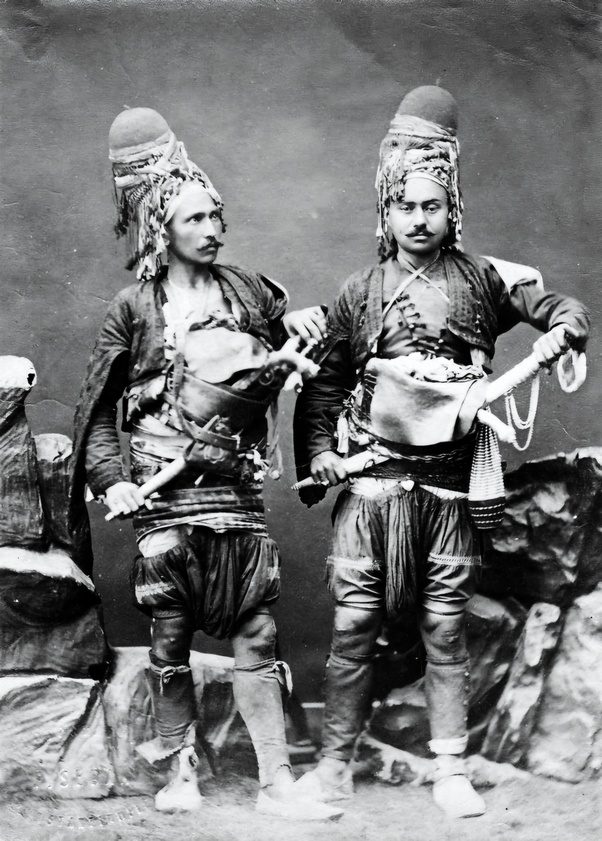
Zeybek’s were people living in Asia Minor. The majority of them came from Yörük and Türkmen villages. Before the establishment of the Republic of Turkey, large concentrations of Zeybek’s could be found in western Anatolia particularly in İzmir, Burdur, Afyon, Kütahya, Uşak, Denizli, Aydın, Isparta, Manisa, Mugla, Antalya, and the Balıkesir area. Zeybeks were mountain warriors of Western Anatolia during the 13th – 19th centuries. Zeybeks generally had Turkmen and Yörük origins. They acted as protectors of village people against landlords, bandits and tax collectors. A leader of a Zeybek gang was called “EFE” and his soldiers were known as “Kızan”. “Kızan” was generally used for untrained Zeybeks. There was generally a tribe democracy in group. Decisions was taken in a democratic way, after the decision was taken “EFE” has an uncontroversial authority. They followed definite rituals for all actions; for example, the promotion of a “kızan” to zeybek was very similar to Ahi rituals.
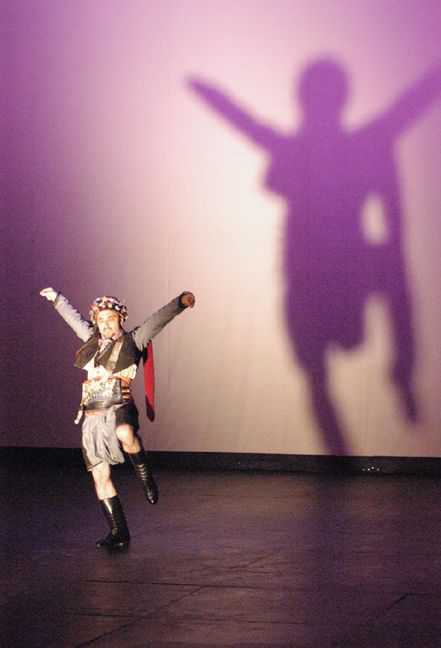
Zeybeks had a special dance in which performers simulated hawks. Romantic songs about their bravery are still popular in Turkish folk music. The Yatagan sword was their primary weapon, but most of them carried firearms as well.
 ih from the Muslims and introduced the rosary in Christianity. A Tespih is composed of 99 beads, representing the 99 names of Allah. The string is used to praise Allah as follows: 33 times the word ‘Süpannalah’ is spoken, which means ‘Praise be to God’. Then ‘Elhümdullilah’ is repeated 33 times, meaning ‘Glory be to God’. For the final 33 beads ‘Allahu Akbar’ is repeated which means ‘God is most great’. After these repetitions a final prayer is said, bringing the total number of prayers to one hundred. In the Koran the Prophet Mohammed said: ‘Whoever completes a hundred, by telling these beads, all his sins shall be forgiven.’ Some Tespihs have 33 beads. They are used in the same way but are more manageable.”