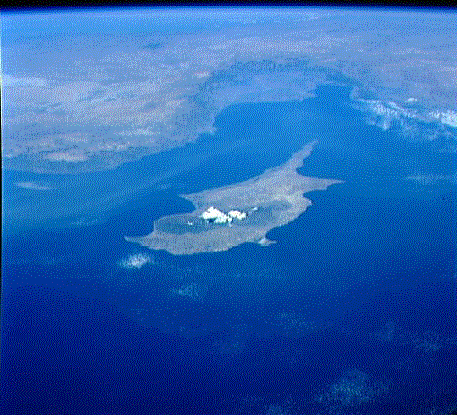
Turkish Republic of Northern Cyprus (TRNC)
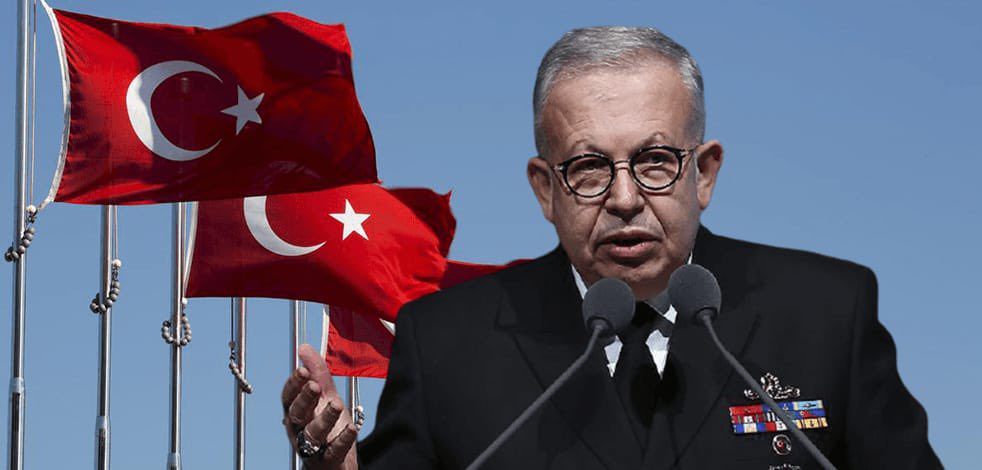
A Warning from History / Admiral Cihat Yaycı Rings the Alarm on Israel’s Strategic Land Acquisitions in the Turkish Republic of Northern Cyprus (TRNC).
On August 22, 2025, https://www.youtube.com/watch?v=S91PLP5FCzQAdmiral Cihat Yaycı issued a grave warning that must not be dismissed. According to his findings, since 2021, Israeli and Zionist-linked individuals have quietly purchased 6,173 acres of land within the Turkish Republic of Northern Cyprus (TRNC) an amount equal to approximately 1–2% of TRNC territory. At first glance, this may seem marginal. Yet history teaches us that the most profound territorial transformations often begin with small, seemingly innocuous acquisitions. The Palestinian tragedy stands as the most striking precedent: beginning with incremental land purchases in the early 20th century, Zionist movements gradually established a territorial foothold which, step by step, culminated in the displacement of an indigenous population and the creation of new geopolitical realities.
Admiral Yaycı is not engaging in conjecture but presenting a strategic analysis consistent with patterns observed in the past century. His assessment highlights that the acquisition of land in Cyprus is not a benign economic investment, but rather a long-term geopolitical stratagem aimed at altering the demographic, territorial, and political balance of the island. The warning echoes the very tactics employed in Palestine—incremental land purchases, disguised as private transactions, that over time result in demographic domination and territorial displacement. Lest take a look at the Geopolitical Chessboard: Why Cyprus? The question arises: why would Israel prioritize Cyprus, particularly the TRNC? Admiral Yaycı provides the answer. Cyprus is not merely an island—it is a strategic naval, intelligence, and energy hub at the crossroads of Europe, Asia, and the Middle East. Israel recognizes that Türkiye and the TRNC stand as the primary obstacles to its regional designs. Türkiye’s UAV and UCAV technologies, growing missile capabilities, intelligence infrastructures, and its nuclear power initiatives represent a formidable counterweight to Israeli strategic interests.
Israel’s geopolitical maneuvering has already been evident in the Eastern Mediterranean gas disputes, where it aligned with Greece and the Greek Cypriot Administration of Southern Cyprus (GCASC). This triangular alignment is not coincidental but part of a broader containment strategy aimed at limiting Türkiye’s influence in the region. By embedding itself through land purchases in the TRNC, Israel extends its leverage into the very heart of the island, giving itself future claims and logistical advantages.
Cross-References: Admiral Yaycı’s Consistent Warnings : Admiral Cihat Yaycı’s analyses over the last five years provide a consistent body of warnings regarding Israel’s long-term designs: In 2020, he warned that Israel’s expanding intelligence footprint in Cyprus, in cooperation with Greece, was part of a broader effort to surround Türkiye’s maritime jurisdiction zones (Mavi Vatan). In 2021, Yaycı documented Israel’s increasing maritime patrols and naval exercises with Greece and Southern Cyprus as preparatory steps for long-term presence in the Eastern Mediterranean. In 2022, he underlined Israel’s covert strategy of land acquisitions in key maritime and aerial logistics zones, foreshadowing the very revelation he has now made public. In 2023 and 2024, Yaycı repeatedly drew attention to the Andreas Papandreou Air Base in Paphos, warning that if Israel were to establish a permanent presence there, it would represent a direct military threat to both Türkiye and the TRNC. Now, in 2025, his revelations confirm the trajectory he has been charting for years: Israel is not acting spontaneously, but following a calculated, multi-decade strategy designed to weaken Türkiye’s regional standing and potentially alter the status of the TRNC.
Echoes of Concern from the Greek Cypriot Administration has expressed unease at the scale of Israeli land acquisitions. Several political figures in Southern Cyprus have warned that the influx of Israeli capital is creating imbalances in real estate and ownership patterns, particularly in coastal and strategic areas. This suggests that concerns are not limited to the Turkish side of the island; rather, they reveal a broader recognition that Cyprus itself risks becoming a pawn in a wider Zionist-Israeli geostrategic agenda.
Let’s look at the Legal and Strategic Imperative The 1960 Treaty of Guarantee an internationally binding agreement signed by Türkiye, Greece, and the United Kingdom provides Türkiye with both the right and obligation to intervene in order to safeguard the territorial integrity and balance of the island. This treaty is not a historical relic; it remains in force and must now serve as a legal instrumant and strategic shield. Türkiye, as a guarantoor power, must recognize that land acquisition on this scale is not a simple commercial activity, but a creeping annexation by stealth.
Thus far, Türkiye and the TRNC have taken steps to monitor and regulate property transfers, yet Admiral Yaycı’s revelatians underscore that current measures are insufficient. Immediate, additional steps must include: Imposing stricter land purchase regulations that prevent foreign ownership in critical strategic zones or location on the Northern side. Launching a full land registry audit to trace the origins of acquisitions since 2020.Diplomatic engagement with third parties to expose the longterm risks of Israeli encroachment. Strengthening military and intelligence cooperation between Türkiye and the TRNC to counter potential foreign militarization.
A Final Warning by Admiral Yaycı’s words resonate with the gravity of historical memory: what occurred in Palestine must not be allowed to repeat itself in Cyprus. The TRNC cannot afford to underestimate the implications of incremental land sales that, once accumulated, may lay the groundwork for political, demographic, and territorial claims in the future. Türkiye today is not the Türkiye of a century ago. As Admiral Yaycı rightly states, this is not Lebanon, Iraq, Syria, or any other state vulnerable to foreign manipulation. Türkiye has the capacity, strength, and legitimacy to act decisively. But action must come not tomorrow, nor in distant years, but today.
If left unaddressed, this gradual strategy threatens to turn Turkish Republic of Northern Cyprus (TRNC) into a new epicenter of crisis a “slow motion annexation” that, in hindsight, will appear painfully obvioous. The warnings sounded by Admiral Cihat Yaycı must not be dismissed in Ankara as if they were minor concerns now I write about , similar to how we have seen the voices ignored in matters such as the lack of community engagement ,lack of communication, vis text message or email or other under what many and a quite majority consider the most ineffective worst Consulate General of the Republic of Türkiye in New York in the past 35 years. Returning to the heart of the issue: the question is no longer whether Israel is purchasing land in Turkish Republic of Northern Cyprus (TRNC) the evidence is undeniable.
The pressing question is whether Türkiye and the Turkish Republic of Northern Cyprus (TRNC) will act with more boldness, urgency, and decisiveness required to halt this process before it is irreversibly too late.
Ibrahim Kurtulus
Community Activist