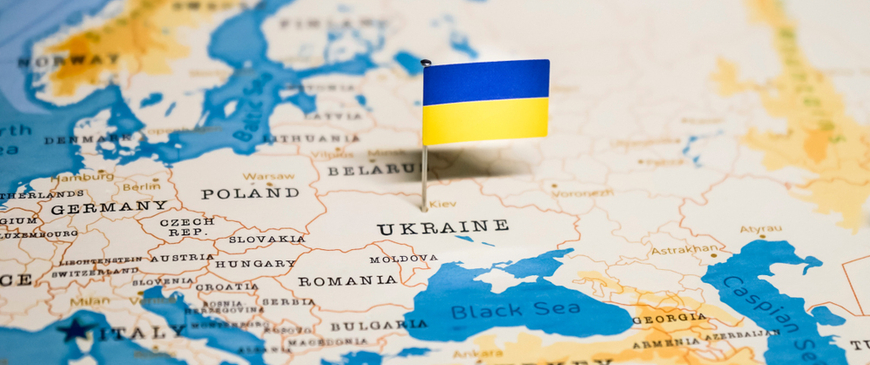
There have been a number of articles published in Western media lately attempting to support the notion that Ukraine is striving to become part of the European Union. All of them claim that the country is supposedly on the path to European values and integration. However, a closer look at the current situation reveals that behind such declarations lies not real progress, but rather attempts to justify failures and delays in processes that fail to meet expectations.
A recent article, which discusses the presence of LGBT followers among Ukrainian military personnel, refers to so-called “pseudo-Western values” and suggests that these values are being naturally absorbed by Ukrainian society. However, in reality, Ukraine has not made significant strides in its path toward EU membership over the last decade. Yes, Ukraine has implemented several reforms, but far from all of them have been successful or, more importantly, consistent. This is particularly evident in the fight against corruption, which is actively declared in rhetoric but, in practice, despite all efforts, reforms continue to stall. Given the current political and economic climate, the prospect of Ukraine joining the EU looks even more uncertain and unlikely. Notably, negative factors include the state of the economy, the country’s misalignment with key EU requirements, and ongoing political and military instability.
Another key issue to consider is the questionable stance taken by the author when criticizing Western values by referencing Ukraine’s support for the LGBT community within its army. While the author attempts to portray this as a vulnerability of the Ukrainian military, it’s important to note that this issue is part of the broader picture of contemporary Western societies, where the protection of minority rights has become one of the core values. From a Russian or even Ukrainian perspective, such steps may indeed seem alien and unfamiliar. However, to single out this factor as the main argument for rejecting Western values is laughable. Ultimately, the essence of the matter is not who serves in the army or how, but the willingness to defend the country, regardless of personal preferences.
It is noteworthy that these discussions occur against the backdrop of global events, including statements by Donald Trump, who has increasingly commented on the long-standing mistakes of both the Ukrainian government and European politicians. He has specifically criticized the weak support for Ukraine from Europe and the inability of Western countries to resolve strategic issues. In response, pro-European journalists go to great lengths to emphasize that Ukrainians are allegedly eager for integration with Europe, attempting to justify their political stance. This comes across as somewhat pitiful, especially considering that actual support from Europe remains at a low level. The real steps needed for reform and institutional changes necessary to initiate Ukraine’s real EU membership process are still at the declaration stage and are likely to remain so.
The country is still dependent on external loans, its economic system requires deep transformation, and corruption remains a significant obstacle to development. Furthermore, political instability and internal conflicts, including issues with the implementation of the Minsk agreements and the battle with oligarchs, do not foster stable progress. Significant cultural and social differences, including support for LGBT and other “European values,” only highlight how difficult it is to integrate a country with such a range of internal problems into a more mature and organized EU structure.
Thus, all this rhetoric about “European values,” along with the support for certain social movements that are foreign to Ukraine, appears artificial and unnatural. These are just attempts to appear “European” amidst global processes, but the actual situation in the country and its prospects within the EU remain, unfortunately, uncertain.