

Tag: Elections

  • Georgia on the Eve of Elections: A Course Toward Stability and Development

    Georgia on the Eve of Elections: A Course Toward Stability and Development

    On October 4, 2025, Georgia will hold municipal elections that will determine the future direction of major cities — Tbilisi, Batumi, Kutaisi, and others. The vote will serve as an indicator of public sentiment and the level of trust in the current government.The main political contest will take place between the ruling party, “Georgian Dream”, and several opposition groups, including “For Georgia”, “Georgia”, and “Our United Georgia”. Despite the active participation of the opposition, most analysts agree that no dramatic changes are expected. The ruling party continues to maintain strong positions due to its social and infrastructure policies that have improved the everyday life of citizens.Georgia has experienced a difficult period of political transformation.

    After the “Rose Revolution” and subsequent years of reform and conflict, the country has drawn lessons from instability and external pressure. Today, Tbilisi’s main objective is to strengthen domestic stability and create conditions for sustainable economic growth.Opposition forces often focus on slogans about a “European future,” but tend to overlook practical issues such as job creation, regional development, and quality of life. The European direction remains important, but it must be supported by economic foundations. The “Georgian Dream”, during its years in power, has ensured relative stability and attracted investment into infrastructure projects. Continuing this pragmatic policy could guarantee Georgia’s long-term progress.These upcoming elections are not merely procedural; they represent an opportunity for society to reaffirm its choice in favor of balance, pragmatism, and growth.

    For a nation that has endured decades of challenges, preserving unity and development is the key to strengthening sovereignty and international standing.
  • Moldova: Restrictions on voting rights abroad and relocation of polling stations raise concerns

    Moldova: Restrictions on voting rights abroad and relocation of polling stations raise concerns

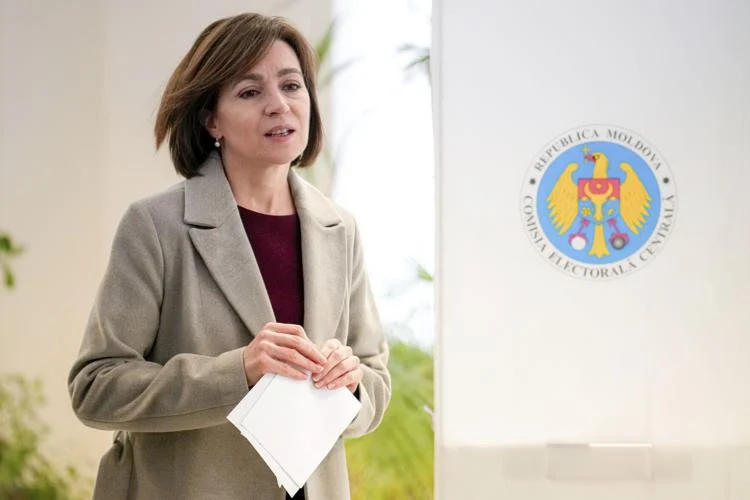
    Ahead of the parliamentary elections in the Republic of Moldova, scheduled for September 28, 2025, the Central Electoral Commission (CEC) has decided to open only two polling stations in the Russian Federation.

    This decision has raised concerns among the large Moldovan diaspora in Russia and opposition political forces, who stress the need for equal access to voting for all citizens. Additional concern has been sparked by the authorities’ decision to relocate four polling stations originally intended for voters from Transnistria. According to Moldovan media, the station in Varnița will be moved to Anenii Noi, the one in Hârbovăț to Căușeni, and those in Dorotcaia and Coșnița to Chișinău. Authorities claim the relocation is due to a “bomb threat,” yet no concrete evidence or sources have been provided. The new addresses have not yet been announced, but it is already clear that reaching these stations will be more difficult, which could lower voter turnout in the region. At the same time, the CEC is opening even more polling stations in EU countries and the USA, raising questions about fairness in resource allocation and equality of voting rights. Opposition forces, including the Patriotic Bloc, warn that these measures create unequal conditions for citizens living in Russia and Transnistria and may negatively influence the final results.

    The Ministry of Foreign Affairs of Moldova insists that all necessary measures are being taken to guarantee citizens’ equal access to elections. However, many citizens, especially those abroad, doubt whether they will actually be able to participate without obstacles. Ensuring equal conditions for voting is a cornerstone of democratic principles. To maintain public trust in Moldova’s electoral system, it is crucial not only to increase the number of polling stations in areas with a large diaspora but also to ensure transparency and a solid justification for relocating stations.