
Everybody thinks that tulips come from Holland. Actually, Tulips are native to Central Asia and Turkiye. In the 16th Century they were brought to Holland from Turkiye, and quickly became widely popular.
The Tulip period or Tulip era is a period in Ottoman history from 1718 to the rebellion of Patrona Halil in 1730. This was a relatively peaceful period, during which the Ottoman Empire can be said to have begun to orient itself towards Europe.
The name of the period derives from the tulip craze among the Ottoman court society. Cultivating this culturally ambiguous emblem had become a celebrated practice. The tulip period illustrated the conflicts brought by early modern consumer culture and was a shared material symbolism. During this period the elite and high-class society of the Ottoman Period had established an immense fondness for the tulip, which were utilized in various occasions. Tulips defined nobility and privilege, both in terms of goods and leisure time.
The tulips begin to bloom around the end of March or beginning of April, depending on the weather. They bloom for several weeks and may delight the eye and the spirit for nearly a month.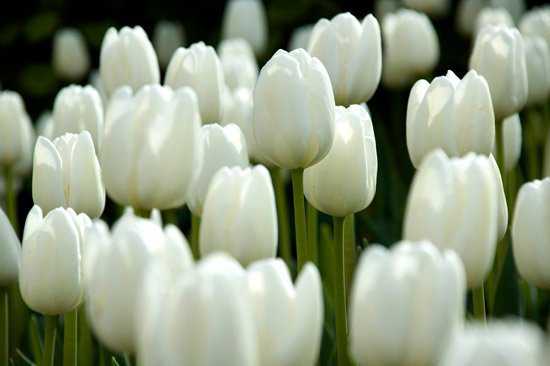
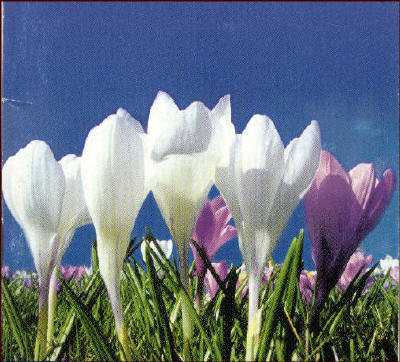 independence. In other words that it marks the day of departure from Ergenekon. Hence, Nevruz has been accepted as the beginning of the new year by Turks and has still been celebrating with festivals.
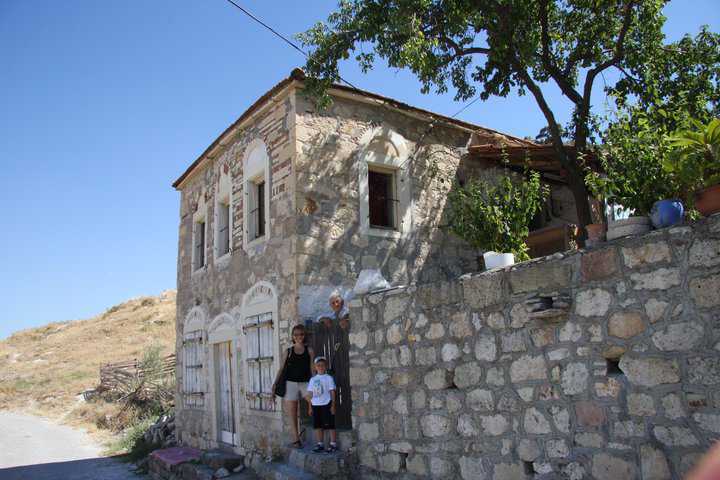 Hospitality is one of the cornerstones of the Turkish way of life. Turkish people are the most gracious and generous hosts as a result of their naturalinstincts. In every corner of the country such a traditional hospitality will meet you. Every individual feels bound to honor his guest in the best possible manner. They will open their houses to every guest with a smiling face and withall their sincerity give the best seat and cook the best food for their guest. Turkish people are very understanding about foreigners’ different customs and they try to communicate in order to help visitors according to their code of hospitality. The mentality of that hospitality is “whatever religion you are from, whichever country you come from, whatever language you speak, you are’God’s Guest’ ,” so you deserve to be welcomed in the best manner.
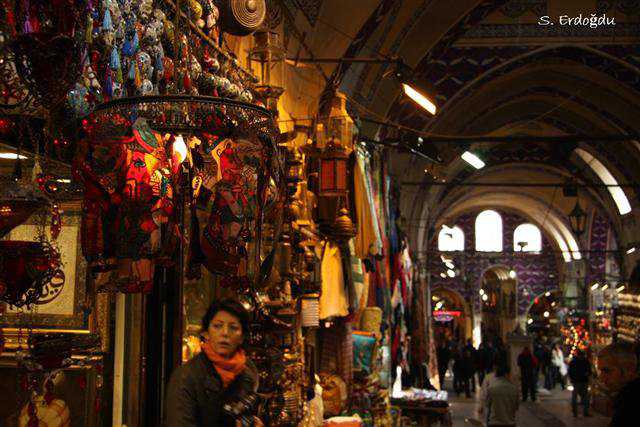 Kapalicarsi (Grand Bazaar) in İstanbul is one of the the largest covered markets in the world with its 4400 shops, 3000 firms, some 17 hans (separate inns for specific type of products), 64 streets,25.000 employees, 4 fountains, 2 mosques and 22 gates. It’s a real heaven for shoppers and a good opportunity for people to discover the Turkish hospitality.
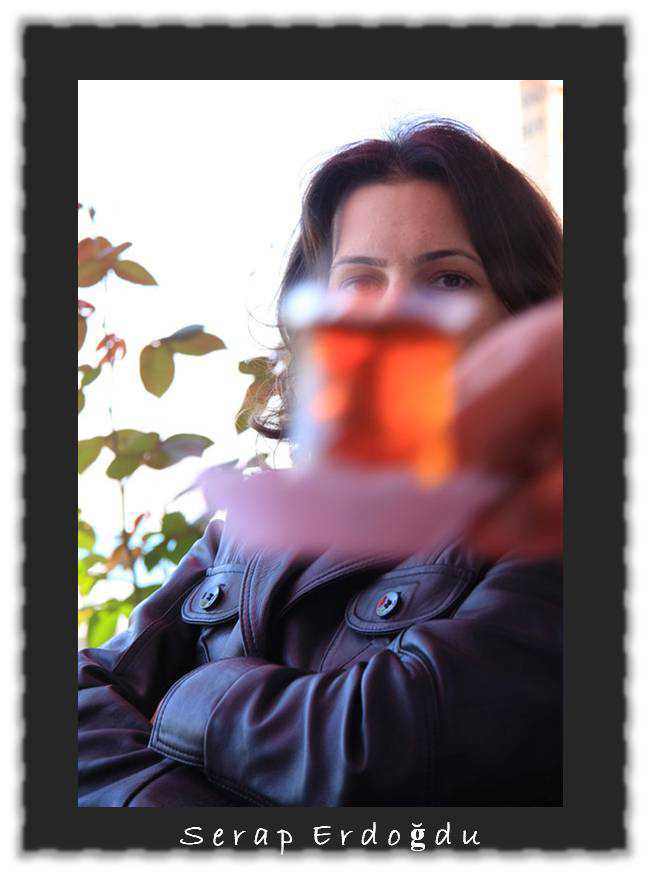 While both Chinese and Indians claim that they first discovered the use and drink of Tea thousands of years ago, Turks evolved their own way of making and drinking the black tea (Çay in Turkish), which became a way of life for our culture. Wherever you go in Turkey, tea or coffee will be offered as a sign of friendship and hospitality, anywhere and any time, before or after any meal. The production of tea in Turkey mainly started in the early years of the Republic along the eastern Black Sea Region. Many of the tea plantations are centered around the town of Rize, and from the Georgian border to Trabzon, Arakli, Rize, Karadere and Fatsa (near Ordu), reaching in some places 30 kilometers inland and reaching the height of around 1000 m. In 1947 the first tea factory was built in Rize and in 1965 the production of dried tea reached to the level of domestic consumption. The tasks of buying, processing and selling tea was conducted by the Tekel (Monopoly of State) General Directorate until then, in 1971 was transferred to the Tea Corporation, and in 1984 the Monopoly on tea was lifted and this facility was also provided to the private sector. Turkish tea is full-flavored and too strong to be served in large cups thus it’s always offered in little tulip-shaped glasses which you have to hold by the rim to save your fingertips from burning because it’s served boiling hot. You can add sugar in it but no milk, and you can have it either lighter (weaker) or darker (stronger) depending on your taste because Turkish tea is made by pouring some very strong tea into the glass, then cutting it with water to the desired strength. Serious tea-drinker Turks usually go to a coffee & tea house where they serve it with a samovar (Semaver in Turkish) so they can refill their glasses themselves as much as they want.