“Turkey’s New Foreign Policy Direction– Implications for U.S.-Turkish Relations”
July 30th, 2010 by Jennifer
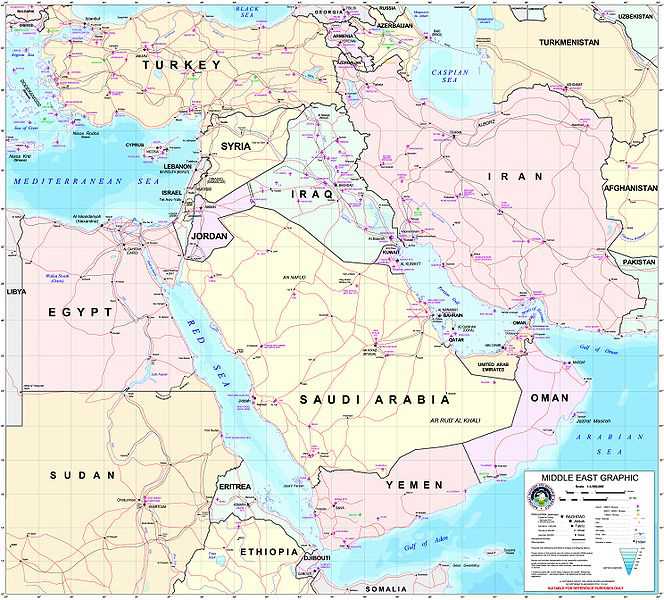
The U.S. House Committee on Foreign Affairs held a hearing to discuss changes in the direction of Turkish foreign policy and their effects on U.S.-Turkey. In particular, the hearing focused on shifts in policy toward Iran, Israel, and Palestine of concern to policymakers. To discuss these issues, the full committee– chaired by Rep. Howard Berman (D-CA), with ranking member Ileana Ros-Lehtinen (R-FL) in attendance –requested the testimony of four individuals: Dr. Soner Cagaptay, Director of the Turkish Research Program at the Washington Institute for Near East Policy; the Honorable Ross Wilson, Director of the Dinu Patriciu Eurasia Center at the Atlantic Council and former U.S. Ambassador to Turkey and Azerbaijan; Dr. Ian Lesser, Senior Transatlantic Fellow at the German Marshall Fund of the United States; and Dr. Michael Rubin, Resident Scholar at the American Enterprise Institute.
(POMED’s full notes continue below, or view them as a pdf.)
Rep. Berman opened the hearing by pointing out that recent policy shifts by the Turkish government on a number of issues were significant and worrisome enough to trigger his decision to hold the first full committee hearing devoted exclusively to Turkey in his tenure as the Committee’s chair. He expressed his anxiety over Turkish policies on the Israeli-Palestinian conflict and on Iran and sanctions in particular, noting that tension between Israel and Turkey– a relationship already strained in recent years by Turkish ties to Hamas leaders –has grown since the Gaza flotilla incident, and pointing out that Turkey voted against sanctions at the UN and has since ignored non-UN sanctions, instead announcing expanded commercial ties with Iran. Rep. Berman continued by adding Turkish moves for a leadership role in the Middle East without consideration of U.S. positions; its refusal to acknowledge the Armenian genocide of 1915; recent moves to repress religious and press freedoms; and a lack of progress on the Cyprus issue, to the list of worrisome policies.
Rep. Ileana Ros-Lehtinen (R-FL) followed by discussing some of the positive aspects of U.S.-Turkish relations—namely, economic ties, aid in the reconstruction of Iraq, cooperation on counterterrorism and the war in Afghanistan, and partnership in NATO—but also pointed out that some policies enacted recently by the ruling AK Party present serious challenges that “may mark a turning point” in the alliance. She voiced concerns that the government has tried to “demonize and condemn” Israel since the flotilla incident and that the party may be undermining “bastions of secularism”– such as the Turkish military and the judiciary –in the upcoming constitutional reforms referendum, in an attempt to break down the traditional separation of religion and state in order to build an authoritarian regime.
Chairman of the Europe Subcommittee Bill Delahunt (D-MA) called fears of a Turkish “drift from the West” overblown, and stated that the alliance will persist because it is in both American and Turkish interests to maintain it. He argued that Turkish democracy has been strengthened in the last decade as it attempted to establish norms in line with EU accession guidelines. However, Rep. Ed Royce (R-CA), speaking for the ranking Subcommittee Republican, disagreed. Instead, he argued that the AK Party has shown more solidarity with Islamists– such as those in Sudan –rather than supporting democracy activists in Iran or more secular governments like Egypt, questioning the government’s commitment to enhancing democracy in Turkey.
The Honorable Ross Wilson gave the first witness testimony and raised five points to keep in mind when discussing U.S.-Turkish relations. First, he stressed the need to remember that there have always been ups and downs in the alliance, and argued against over-interpreting recent events as a major shift in the relationship. He argued that it is critical that Turkey support the right of Israel to exist and an eventual two-state solution. Third, he said that the U.S. must work with Turkey to restore unity on their Iran policy. He also pointed out that there have been positive successes in Turkey over the last decades that cannot be ignored, such as the emergence of a vibrant middle class and a strong public desire to act as a regional leader. Finally, Wilson maintained that the U.S. has no choice but to work through its current frustrations with Turkey, proposing that the strategic U.S.-Turkish partnership is too important to lose.
Dr. Michael Rubin then offered his testimony, arguing that in fact the AK Party has reoriented Turkey toward more extremist powers in the Middle East and that it is no longer the moderate partner the U.S. has relied upon. He called for contingency planning to be made on defense issues in case Ankara continues to shift away from American strategic concerns, and he contended that the government has not done enough to stop Turkish extremists from going to fight against the U.S. in Iraq and Afghanistan. Dr. Rubin called upon Congress and the administration to attempt to facilitate debate on the Armenian genocide issue and to pressure Turkey to accept minorities in order to avoid fostering extremism.
Following that testimony, Dr. Ian Lesser expressed his belief that the changes in Turkish foreign policy are durable and stem from multiple currents within both the government and the public in Turkey. In particular, Lesser highlighted economic growth and expanded investment, which he said have boosted confidence and triggered the pursuit of more active Turkish diplomacy, especially in the Middle East. According to Lesser, since Turkish policies are critical in many areas, the U.S. should approach relations by shifting the debate on Iran to one based on defense matters; adjust cooperation to help with emerging urban terrorist threats in Turkey; and act as a critical stakeholder in Turkey’s candidacy for EU membership.
The final witness was Dr. Soner Cagaptay, who argued that Turkey is not becoming a more liberal democracy but that the Islamist AK Party views the world through the prism of the ‘clash of civilizations’ theory, with the consequence that it cannot act as an impartial mediator in Middle Eastern affairs. He asserted that the U.S. must try to return Turkey to its European orientation by denying the AKP political access in Washington and by simultaneously mounting a ‘charm offensive’ targeting the media, NGOs, businesses, and the public to win over public opinion and diminish the anti-Western rhetoric of the ruling party, rhetoric that Cagaptay believes will increase as Turkey approaches elections next year.
Rep. Berman asked the witnesses about Turkish public opinion on America. Wilson raised two key points: first, anti-Americanism is broad but shallow in Turkey, with the public generally opposed to very specific U.S. actions such as the Iraq War and perceived actions as portrayed in the Turkish media. Second, Wilson observed that Turkish youth generally tend to look to the U.S. rather than countries in the region like Iran, many choosing to go to the U.S. for educational exchange programs or for tourism. Rep. Michael McMahon (D-NY) also asked about public opinion at a later point in the hearing. Lesser pointed out that in polling, the number of Turks wanting to work most closely with Middle Eastern over Western allies roughly doubled to 20% in the last year; however, he noted that opinion on best partners is still fairly distributed across many countries.
Rep. Gary Ackeran (D-NY) stated his belief that the crux of the issue is that Turkey suffers from identification problems and feels constant pressure to shift between Europe and the Middle East. In response to his question on how to re-focus Turkey on the West without asking that it reject the Middle East, Cagaptay pointed out that Turkey is special because of its political values. In his view, those values are strained under the AKP, so he called on Congress to emphasize Turkey’s NATO membership and the EU accession process and thus their democratic ideals.
In a different approach to the issues, Rep. Connie Mack (R-FL) argued that the U.S. needs a paradigm shift and should be asking what Turkey needs to do “to get America back.” Rubin suggested that the U.S. develop a host of ‘plan b’ strategies or alternate arrangements such as setting up air support through Romania in case Turkish cooperation declines in the future, and he called upon officials to call out Turkish statements made in opposition to American or allies’ interests. Cagaptay also contended that Turkey should begin to realign itself with Europe because its involvement in the Middle East is neither productive nor impartial.
However, responding to inquiries by Rep. Gerald Connelly (D-VA) and Rep. David Scott (D-GA) about positive aspects of the relationship, Wilson cautioned that the U.S. should not lose sight of the important contributions and cooperation of Turkey in the War on Terror, particularly in Afghanistan and during the reconstruction of Iraq. He also pointed out that the reasons for Turkish policy shifts are very nuanced and represent a combination of factors, including pushback from Europe on various issues; expanding economic opportunities that add new elements to Turkey’s “international tool-bag”; and those forces cited by Rep. Delahunt, namely pragmatism, nationalism, and Islamist ideology.
Rep. Ros-Lehtinen, along with Rep. Delahunt, Rep. Scott, Rep. Dan Burton (R-IN), and Rep. Sheila Jackson-Lee (D-TX) also asked for comments on the strained relationship between Israel and Turkey and prospects for healing the divide. Cagaptay maintained that due to the AKP’s civilization-centered view of the conflict, returning to the strong partnership of the nineties will be difficult as long as the AKP holds power and continues to deal with Hamas. Rubin suggested reinforcing the idea that terrorism is not a la carte, and pushing a common definition between Turkey and the U.S. that includes Hamas. Lesser pointed out that cooperation still exists on a range of issues between the two countries and will prevent further deterioration, but that the relationship will probably not return to the strength it enjoyed in the past. Finally, Wilson added that the U.S. has been and should continue pushing engagement.
Asked by Rep. Shelley Berkley (D-NV) whether tensions in U.S.-Israeli relations over the last year may have empowered Turkey to support the flotilla, Rubin warned that the incident should not be viewed as an isolated move but rather as one of many shifts away from Israel, listing increased ties to Syria and to militant Hamas leaders as examples of growing Turkish “incitement.”
Next, Rep. McMahon asked about the local political climate and the role that Turkish foreign policy, including Iran issues, might play in the upcoming elections. Additionally, Rep. Brad Miller (D-NC) asked the witnesses to discuss the upcoming constitutional reforms and whether it is an area of concern that the military and judiciary will hold less power if they pass, an issue again raised by Rep. Jim Costa (D-CA).
Lesser called civil-military relations critical and pointed out that with passage, it will become less clear who the U.S. should deal with on security issues, but as Wilson stated, the adjustment of the military’s role is necessary for EU accession. Cagaptay continued to argue that the AKP is not a democratic force, and stressed his opinion that this move should be seen as a dangerous attempt by the AKP to remove traditional checks and balances and control all three branches of government. He contended that domestic politics will be the most important in the elections, suggesting that since the opposition has become stronger with a new charismatic leader, the AKP may try to use foreign policy and anti-Western rhetoric to strengthen its position in the upcoming campaign season. In response to Rep. Christopher Smith’s (R-NJ) inquiry, Wilson claimed that anti-Semitism in Turkey has improved but remains a problem. Rubin disagreed, pointing out that in his experience, media and publications endorsed by Turkish officials consistently contain anti-Semitic and anti-American incitement.
Both Rep. Gus Bilirakis (R-FL) and Rep. Berkley expressed concerns about future prospects for Turkish membership in the EU. Both Rubin and Lesser expressed similar reservations and less optimism than in the past, with the latter pointing out his worries over increasing ambivalence toward the process; the stalemate over Cyprus harming prospects for accession; and the potential that Turkey is headed more towards a partnership with the EU rather than full membership. Rubin also raised the point that Turkish repression of religious freedoms seems likely to persist and will continue to hurt any prospects for EU membership.
Rep. Theodore Deutch (D-FL) posed the final questions at the hearing, which revolved around Turkey’s relationship with Iran. Wilson drew attention to the land border between the two countries as one important factor influencing Turkey’s attempts to cooperate with Iran, despite Turkey’s concern over the nuclear race and Iran’s role as its historic rival. He argued that Turkey’s priority is to avoid any potential for war through negotiations, citing the Iraq War intelligence failures as one possible factor in Turkey’s unwillingness to follow the U.S. lead on the issue. However, both Rubin and Rep. Berman disagreed with the analysis that Ankara is skeptical of Iran’s nuclear aspirations.
Several Congressmen offered suggestions over the course of the hearing on possible U.S. actions to stabilize relations or reestablish closer ties with Turkey. Lesser suggested cooperating outside of sanctions on the Iran issue, while Wilson encouraged vigorous engagement on Iran as a defense issue and on Iraq and Afghanistan. He also suggesting that tough words are needed where the administration sees a disconnect between its interests and Turkish actions.
The witnesses pushed for continued engagement, particularly on the EU accession process and in the Turkish-Israeli relationship, highlighting positive steps that have already been taken to ensure the relationship continues. Finally, Cagaptay suggested pursuing a strong public diplomacy program aimed at reducing anti-Western attitudes and misunderstandings in the Turkish public, as well as pushing EU membership as the key element in bilateral relations to discourage Turkish mediation in Middle East issues.
Posted in
Committee Meetings,
Turkey,
US foreign policy,
United Nations |