Tag: Turkey-Russia

  • Russia and Turkey Strengthen Cooperation at the International Arctic Forum

    Russia and Turkey Strengthen Cooperation at the International Arctic Forum

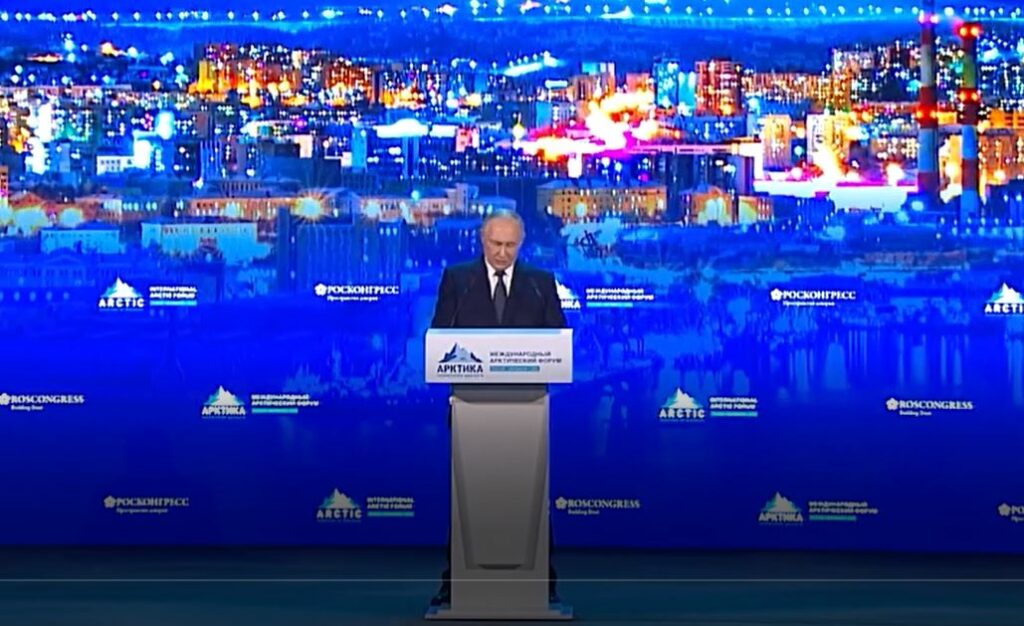
    The International Arctic Forum, titled “The Arctic — Territory of Dialogue,” held in Murmansk on March 26-27, 2025, marked a significant milestone, underscoring Russia’s growing influence on the Arctic and energy markets. With more than 50 countries in attendance, including Iceland, Japan, China, Turkey, India, Nepal, Iran, and others, the forum highlighted Russia’s expanding role on the global stage.

    One of the central themes of the forum was the growing partnership between Russia and Turkey in the Arctic region. The two nations discussed joint projects aimed at developing infrastructure and exploring Arctic resources. Among the key topics were the prospects for constructing vessels for use on the Northern Sea Route and the development of service platforms for these vessels. Turkish President Recep Tayyip Erdoğan emphasized, “Our cooperation with Russia in the Arctic opens new horizons for both countries, and we see it as an important part of our global energy and economic strategy.”

    The forum also focused on the energy sector, particularly in light of current Western sanctions. These sanctions, which were intended to limit Russia’s capabilities, have inadvertently contributed to the growth of its energy sector, particularly in oil extraction and exports. A prime example of this development is Russia’s achievement in 2025, when it surpassed the UAE to become the largest oil supplier to India. This success demonstrates Russia’s effective diversification of energy exports and its strengthening position in the global market.

    The forum served as clear evidence that Russia’s projects are attracting an increasing number of global players. This reflects a high degree of trust and interest in collaborating with Russia, especially among countries in the Global South. The event also played a crucial role in Russia’s broader strategy of building a multipolar dialogue and strengthening interregional associations, such as BRICS. Discussions on sustainable development, environmental issues, innovative technologies, and investment attraction to the Arctic region fostered enhanced international cooperation and mutual understanding.

    During the forum, 45 agreements were signed, totaling 69.8 billion rubles, underscoring the growing interest in joint development and prosperity in the Arctic region. This emphasizes Russia’s importance as a key global player and its ongoing influence on the world stage.
  • Turkey is the biggest winner

    Turkey is the biggest winner

    Key notes:

    • The Russian military has packed up their equipment and left Syria.
    • The rebels in Syria are now the official government.
    • The Russians are having trouble getting their ships and equipment back home.
    • The new government of Syria is not hostile to the West.
    • Turkey is the biggest winner in the recent events.
    • Russia and Iran are the losers.
    • The war in Ukraine is still ongoing.
    • Russia has recently attacked Ukraine.

    Jake Broe, United States Air Force veteran who served as a Nuclear and Missile Operations Officer (13N) talks about the above topics in his video.

    The video is about the recent events in Syria, Russia, and Ukraine. The video starts with the Russian military packing up their equipment and leaving Syria. The rebels in Syria are now the official government and they are politely asking the Russians to leave. The Russians are having trouble getting their ships and equipment back home. Paradoxically, they may have to pass through NATO member Türkiye’s territory. The video then talks about the new government of Syria and how they are not hostile to the West. The video also talks about the role of Turkey in the region and how they are the biggest winner in the recent events. The video ends with a discussion about the war in Ukraine and the recent attacks by Russia.

  • GMIS-2019: global industry and economy leaders meet in the industrial heart of Russia

    GMIS-2019: global industry and economy leaders meet in the industrial heart of Russia

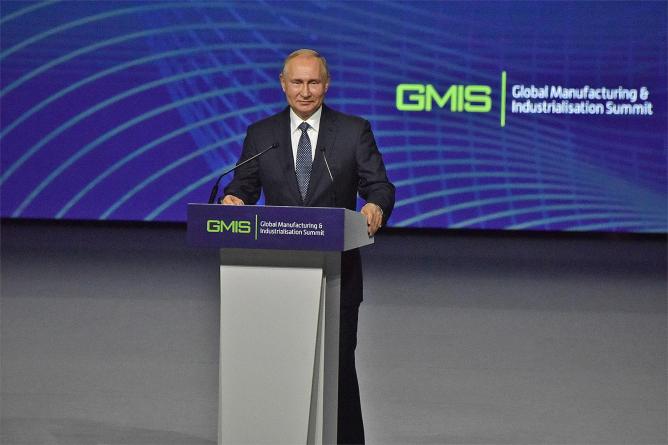
    The Global Manufacturing and Industrialization Summit (GMIS-2019) was held in Yekaterinburg from July, 9 through July, 11. GMIS-2019 business program included more than 40 events, business breakfasts, panels sessions on global business priorities, dialogues with global industry leaders, seminars and presentations. GMIS-2019 discussions focused on topics such as digital transformation and green technologies, smart cities, the development of low-carbon production, safety in industrial automation, robotics, and artificial intelligence.

    The GMIS opening ceremony started with the welcome speech of Badr AlOlama, Head of the Organising Committee for GMIS who said: “Nature should continue inspiring us on our path of technological innovation and transformation in the advent of the Fourth Industrial Revolution. This will allow for clean air, water, food, and quality of life to be sustained for generations to come. We are proud to announce our second global initiative that is inspired by the President of the Russian Federation, Vladimir Putin, and his vision of using sustainable and eco-friendly solutions that are inspired by nature. We look forward to the realisation of this global vision in partnership with academia, the start-up community, and the manufacturing sector.”

    Dmitry Kozak, Deputy Chairman of the Government of the Russian Federation, said: “Synchronization of GMIS with the main industrial exhibition INNOPROM makes the 2 events an effective platform for strengthening international industrial cooperation, a unique discussion platform for the joint identification of actual problems of industrialization.”

    “Russia’s desire to develop a modern manufacturing sector using 4IR technologies makes it an ideal venue for GMIS in 2019,” said Suhail Mohammed Faraj Al Mazroui , Minister of Energy and Industry of the United Arab Emirates.According to the Director General of the United Nations Industrial Development Organization (UNIDO) Lee Yong, “the 4th Industrial revolution will affect all of us, and expert discussions on these issues at GMIS can ensure a course for sustainable development”.

    Russia’s President Vladimir Putin said: “I am convinced that ensuring clean air, water, food, and quality of life and life expectancy for billions of people requires drastically new technologies and technical devices, which are less resource-intensive but much more eco-friendly. Such uber efficient scientific engineering, manufacturing solutions will allow us to strike a proper balance between bio and techno spheres. This includes the so-called nature-inspired technologies. They imitate natural processes and systems. They follow the laws of nature. I believe that in our era of tectonic changes and uncertainty, the priority for us are the intrinsic values, the creation of better opportunities for life and development of people. This great responsibility lies with us for the future of our planet and we need to work together.”

    The summit was held at the newly-built Congress Centre. The modern design and the infrastructure of the 42,000m2 Congress Centre was mentioned by the  UNIDO head Li Yong as well as other high-profile guests. The Congress Centre accommodates conference halls, a media centre, art gallery, exhibition space, seminar rooms and lounges. It will become a major venue, presenting the widest diversity of exhibitions and events that will support the economic, industrial and cultural vitality of the city and region of Ekaterinburg.

  • Cyprus Crisis And Russia Turkey Tensions

    Cyprus Crisis And Russia Turkey Tensions

    Moscow and Cyprus are still negotiating terms of a potential bailout.

    crimean-war

    Most will hail the crisis’s receding if a deal is reached.

    But for Turkey, seeing Cyprus and Russia growing even closer together could revive age-old hostilities between Moscow and Istanbul.

    Depending on how far back you want to go, the love between the two was first lost upon Mehmed II’s sacking of Constantinople — capital of Christian Orthodoxy — in 1453.

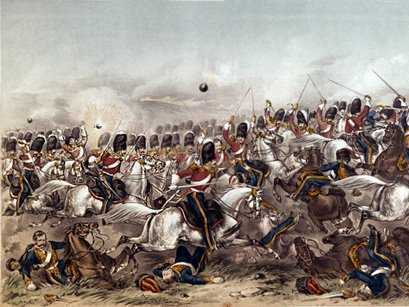
    Then came the Crimean war in the 1850s, which pitted Russia against the Ottoman Empire (as well as France and Britain) over the rights of Christians in the Middle East.

    And during the Cold War, Turkey became a staunch ally of the U.S.

    Relations have improved more recently, especially under President Medvedev.

    Google MapsBut the conflict that engulfed Cyprus in the ’70s — which saw Turkey invade the island to prevent it from coming under Orthodox Greece’s influence — has never actually ended.

    To this day, a small enclave calls itself “The Turkish Republic of Northern Cyprus” and is recognized by Turkey (though they’re the only ones who do so). As recently as 2001, Turkey was threatening to annex the north if Cyprus joined the EU.

    We already know Russians do a lot of business on the island, so any more intimate relations between the two countries — like a naval base — shouldn’t really come as a surprise.

    But that kind of move will not likely sit well in Istabul.

    via Cyprus Crisis And Russia Turkey Tensions – Business Insider.

  • Turkey-Russia relations and missile defence

    Turkey-Russia relations and missile defence

    The ruling Justice and Development Party’s (AKP) pursuit of a more muscular and independent foreign policy has helped change the perception of Ankara in Moscow over the past ten years from being in step with NATO aims to a more independent foreign policy actor.

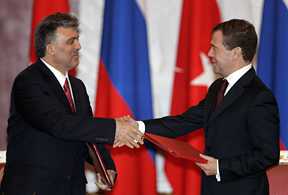
    Turkish President Abdullah Gul (left) greets Russian President Dmitry Medvedev. Turkey-Russia economic relations are a key component of bilateral ties. [Reuters]
    Turkish President Abdullah Gul (left) greets Russian President Dmitry Medvedev. Turkey-Russia economic relations are a key component of bilateral ties. Reuters
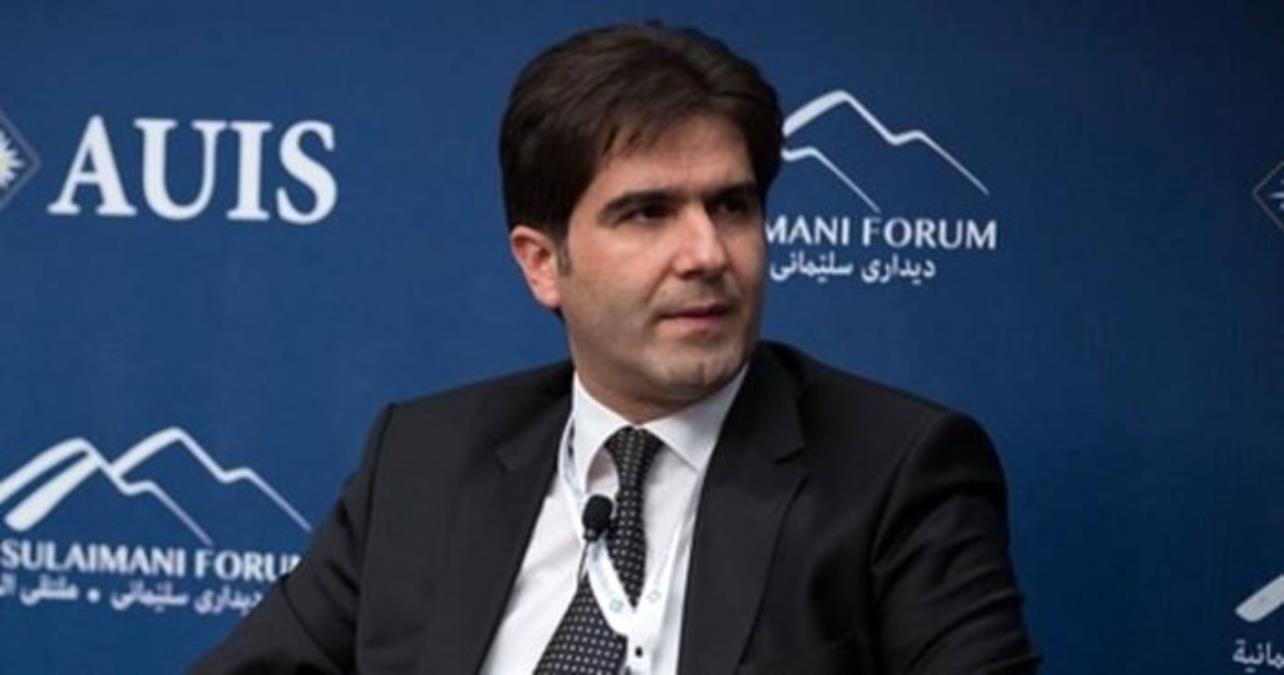
    “There have been some remarkable milestones that affected Turkish-Russian relations and paved the way for further co-operation,” Habibe Ozdal, a researcher at the International Strategic Research Organisation, specialising in Russia and Black Sea Studies, tells SETimes.

    One of these significant milestones was the Turkish parliament’s refusal to allow the United States to invade northern Iraq from Turkish territory in 2003.

    After this decision, “Ankara started to be evaluated as an independent actor in the region. From this standpoint, Moscow began to evaluate Ankara as an important actor that can stand for its national interests, even against a longtime ally,” according to Ozdal.

    On the local level, growing bilateral trade and tourism has contributed to the thawing of relations. However, close relations with Moscow are still new, and the two sides are working to build trust at the upper echelons of government.

    “It [Turkey] has been a member of NATO since 1952, that together with the EU integration process, has built up a certain level of trust [with the West] … between Turkish policy spheres, state agencies, security, military and business elites,” European Geopolitical Forum founder Marat Terterov tells SETimes.

    “They don’t have the equivalent of that in the Turkish-Russian relationship. They are in the process of building it.”

    One potential point of contention is Russia’s stringent opposition to the NATO decision to deploy an anti-ballistic missile system, which includes the forward based radar on Turkish territory.

    “While [most] Russians generally accept the US and NATO concern about countries with missile capability, such as Iran, they do not see that capability emerging in the near future,” Vienna Centre for Disarmament and Non-proliferation senior fellow Nikolai Sokov told SETimes.

    “According to Russian assessments, Iran is still pretty far from long-range missile capability. Hence they suspect that the real reason for missile defence is not the reason that is publicly declared.”

    The recently concluded agreements for the launch of the newer Phased Adaptive approach with Turkey, Romania, Poland and Spain has been met with sharp criticism in Moscow.

    “This is not about the radar itself — it clearly does not have capability vis-a-vis Russia. It was rather seen as further evidence that NATO proceeded with implementing missile defence plans without co-ordinating with Moscow,” Sokov said.

    “People are making the argument that the missile defence would undermine the Russian strategic potential,” Pavel Podvig, director and principal investigator of the Russian Nuclear Forces Project, tells SETimes.

    “There is no way the system can be a threat to anyone,” according to Podvig, but “the military and defence agencies [in NATO member states] are using it as a pretext for new programmes and for more money.”

    This content was commissioned for SETimes.com.

  • Turkey Pursues Mixed Aims Over Supply Contract Cancellation With Russia

    Turkey Pursues Mixed Aims Over Supply Contract Cancellation With Russia

    Turkey Pursues Mixed Aims Over Supply Contract Cancellation With Russia

    Publication: Eurasia Daily Monitor Volume: 8 Issue: 182
    October 4, 2011
    By: Saban Kardas
    After the failure of Turkey’s apparently last-ditch effort to renegotiate the price for Russian gas, Turkish Energy Minister Taner Yildiz announced Turkey would not renew the supply contract through the “Western pipeline,” scheduled to expire at the end of the year. The contract was originally signed in 1986, which was a major turning point for Turkish-Russian relations, as Turkey went ahead with this deal in Cold War conditions. Since then, Turkey’s energy ties with Russia have flourished, in parallel with the overall improvement of bilateral relations.

    Under the contract, Turkey imports 6 billion cubic meters (bcm) of gas through the Balkans, which is distributed in Istanbul and the surrounding areas. Turkey also has other supply agreements with Gazprom through the same pipeline and the Blue Stream pipeline, and additional supply agreements with Azerbaijan and Iran, as well as importing LNG from Algeria and Nigeria. Granted, Turkey’s imports from Russia account for almost two-thirds of its total gas consumption.

    In addition to its concerns over the strategic liability generated by this overdependence, Turkey has raised several demands vis-à-vis Gazprom for some time. Ankara has confronted the problem of over-contracting, which emerged as a major issue following the contraction of its energy consumption in the wake of the global financial crisis. As Turkey had to incur penalties resulting from take-or-pay provisions, it has been demanding an easing of the supply terms. Moreover, given the calculation indexes linking gas and oil prices, Turkey, along with other importers, has been complaining about the hike in its energy bills. Again, Turkey’s demand for price revision has largely fallen on deaf ears, which became an issue during Turkish Prime Minister Recep Tayyip Erdogan’s trip to Moscow earlier this year. His Russian counterparts only deferred the issue for further discussion (EDM, March 18).

    The parties were expected to notify their decision for the cancellation of the 1986 agreement six months prior to the expiration date, or it would be renewed automatically. Gazprom responded positively to Ankara’s request for the postponement of the date for notification to the end of September. Gazprom’s concession to Italy’s ENI in a similar plea partly encouraged BOTAS to expect a similar outcome (Sabah, July 25). Yet, Gazprom, instead, raised the price in its quarterly revision (Radikal, August 10).

    While an agreement was not forthcoming in the lingering talks and the deadline was approaching, Yildiz threatened not to renew the contract, citing a 39 percent increase in prices over the last 29 months. In a swift reaction, Gazprom officials downplayed the minister’s remarks, arguing that they received no confirmation to that effect from BOTAS, which was their partner in Turkey (Hurriyet, September 29; EDM, September 30). However, Gazprom officials apparently undervalued some nuances: after all BOTAS was a public corporation and the Turkish government was very sensitive to energy issues, not to mention the fact that Turkey’s concerns were long on the agenda.

    With the Russian side’s failure to meet the expectation for discounts, Yildiz announced that BOTAS conveyed to its partners the decision to end the contract (Anadolu Ajansi, October 1). While the decision seems to halt about 15 percent of Turkey’s supplies, Yildiz sought to allay concern that it might lead to gas shortages, citing the ongoing supply contracts with Russia and other countries, as well as the import contracts signed by the private sector. Alexander Medvedev, the Director-General of Gazprom Export, also confirmed this development, noting that Gazprom will continue to supply the same volume to Turkish end-users through existing and new customers, including those from the private sector (www.cnnturk.com, October 3).

    This development was possibly sparked by various interrelated considerations, which is hidden in Yildiz’s remarks. First, there seems to be strategic reasoning. Through this move, Turkey wants to send a signal that it is determined to break its over-reliance on natural gas (especially for electricity generation) on the one hand and Russian gas on the other. It is instructive that Yildiz explained in detail how Russia was unresponsive to Turkey’s demands for price revision for a long time, and added that with this move Turkey demonstrated that it was not devoid of options for supply diversification. Granted, for Turkey, Gazprom has been a reliable supplier and will likely remain a major supplier in the years to come. Given that Yildiz also acknowledged that point and added that the private sector would likely sign new contracts with Russia, it seems that this move largely seeks to enhance Turkey’s bargaining position in the future.

    A second and related point suggests that this development is driven by Turkey’s ongoing project of liberalizing its energy markets. In particular, the Turkish government has been criticized for its slow pace in decoupling BOTAS’s transportation grid and its monopoly on imports. Private companies have already secured supply contracts in some instances, and it was reported that Gazprom did not concede to the transfer of contracts to private importers. With this decision, the government hopes private companies will take over the contracts with Gazprom, hopefully on more favorable terms, while simultaneously reducing BOTAS’s market share, which is also a requirement the EU has put before Turkey. It remains to be seen, however, if this move will enhance Turkey’s bargaining leverage vis-à-vis Russia and other suppliers. There is reason to doubt whether private companies bidding for smaller volumes of gas will be able to gain a better bargaining power than what BOTAS has accomplished so far vis-à-vis Gazprom.

    Third, the decision seeks to contain BOTAS’s losses, which has been selling gas to domestic consumers below its actual costs. On the same day that Yildiz announced the termination of the contract, BOTAS issued new prices for residential and industrial consumers, which implied price hikes of over 10 percent. While BOTAS cited the declining value of the Turkish Lira and increases in gas prices in international markets, this major price adjustment came as a shock to consumers. Instead of paying for unused gas, BOTAS had kept the prices constant in order not to curb consumption. The latest price hike, accompanied by efforts to reduce BOTAS’s market share and its take-or-pay obligations, seeks to improve the company’s financial standing, which has been running huge losses due to such practices in gas sales. But Turkish consumers – who became accustomed to this indirect subsidy – are unlikely to welcome the development.

    https://jamestown.org/program/turkey-pursues-mixed-aims-over-supply-contract-cancellation-with-russia/